Hiking Footwear
Danner Trail 2650 Review: A Lightweight Hiker Built for Mixed Terrain
Four years and hundreds of miles on the Danner Trail 2650, covering fit, build, grip, model differences, and what to weigh before buying.
Introduction
The Danner Trail 2650 has been in rotation for four years of hiking, backpacking, and scrambling across desert, alpine, and forest terrain. It is not a trail running shoe. It is a lightweight hiker built to cope with a wide range of ground conditions, and that is exactly where it makes its case.
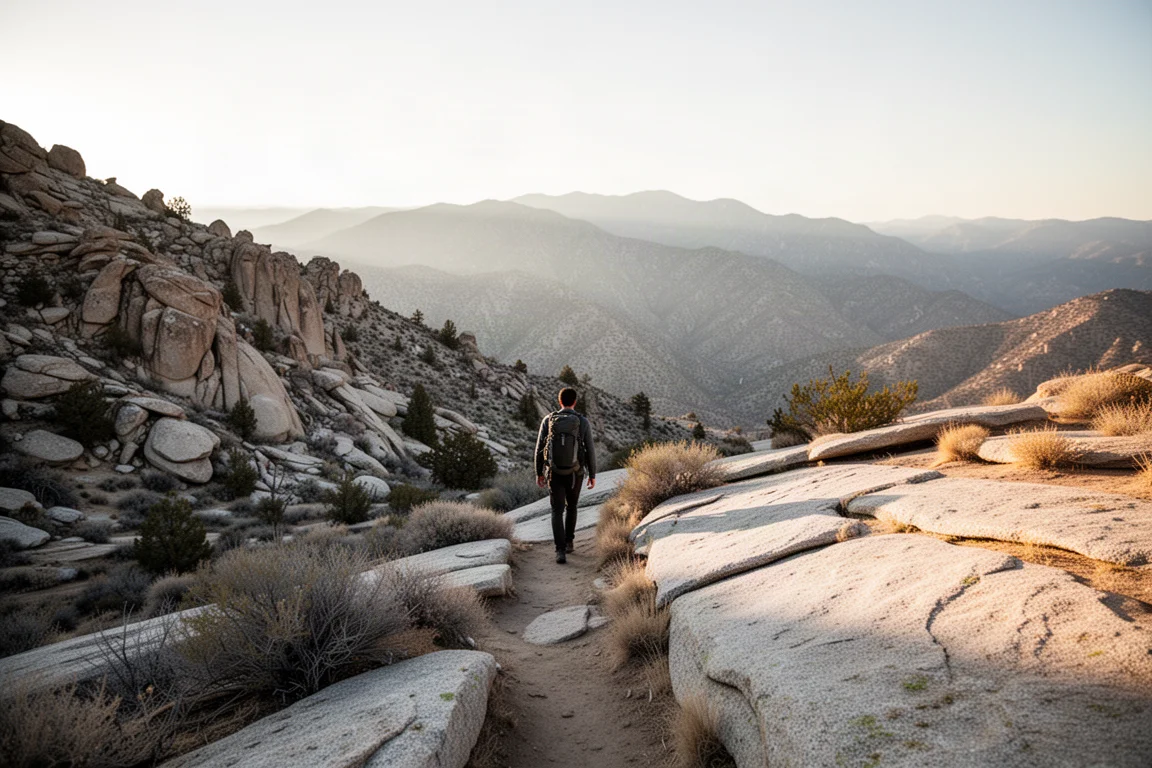
The name comes from the 2,650 miles of the Pacific Crest Trail, and the shoe was shaped around the terrain that route passes through: desert floors, high mountain passes, granite slabs in the Sierra, and the cooler northern sections. That spread of surfaces is a fair description of what the shoe is asked to handle.
Across four years and hundreds of miles, the Trail 2650 has stayed remarkably consistent from one pair to the next, including sizing across the different versions. That consistency is a large part of why it remains the default choice.
Who the Trail 2650 Is For
This shoe suits hikers who want one dependable pair for mixed terrain rather than a specialist shoe for a single surface. It works for day hikes, multi-day backpacking trips, and off-trail travel where footing changes constantly.
The fit runs narrow through the toe box, the arch, and the midfoot. Hikers with narrow or average-width feet tend to find it precise and stable, and that narrower platform is part of why it feels so planted. Hikers with wide feet, or with flat feet and low arches, may find the shape restrictive and should try a pair in person before committing.
Build Quality and Design
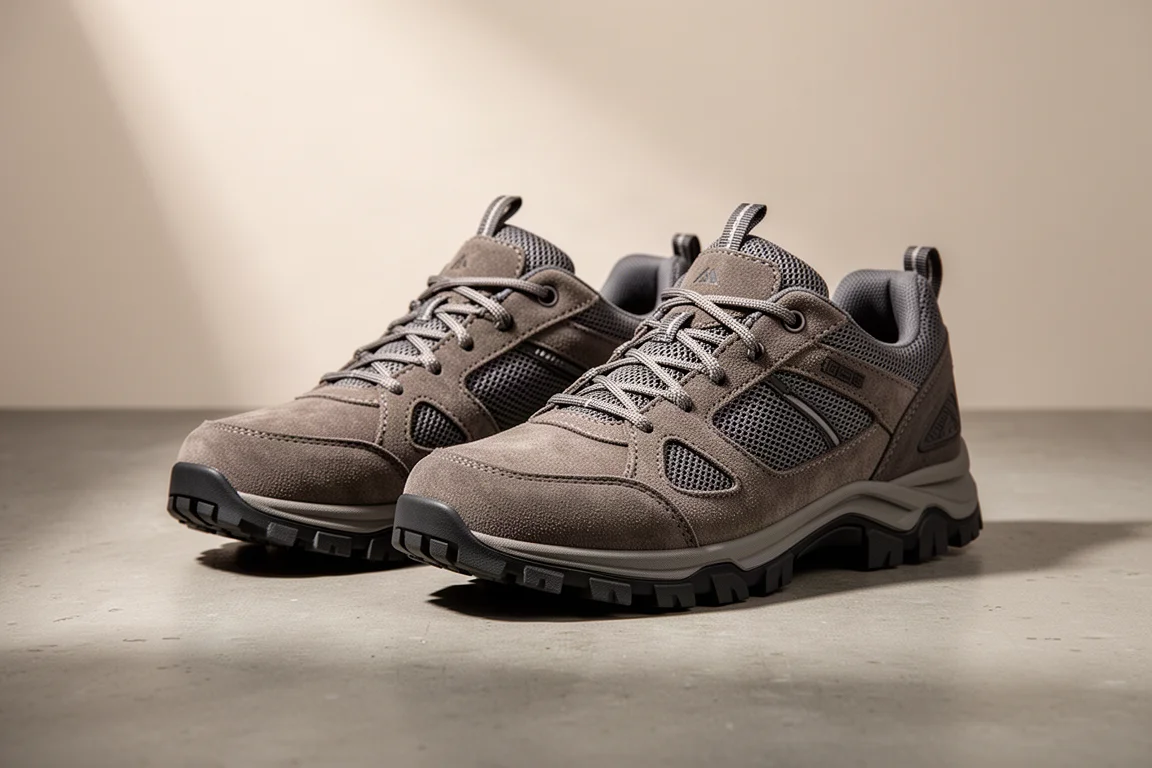
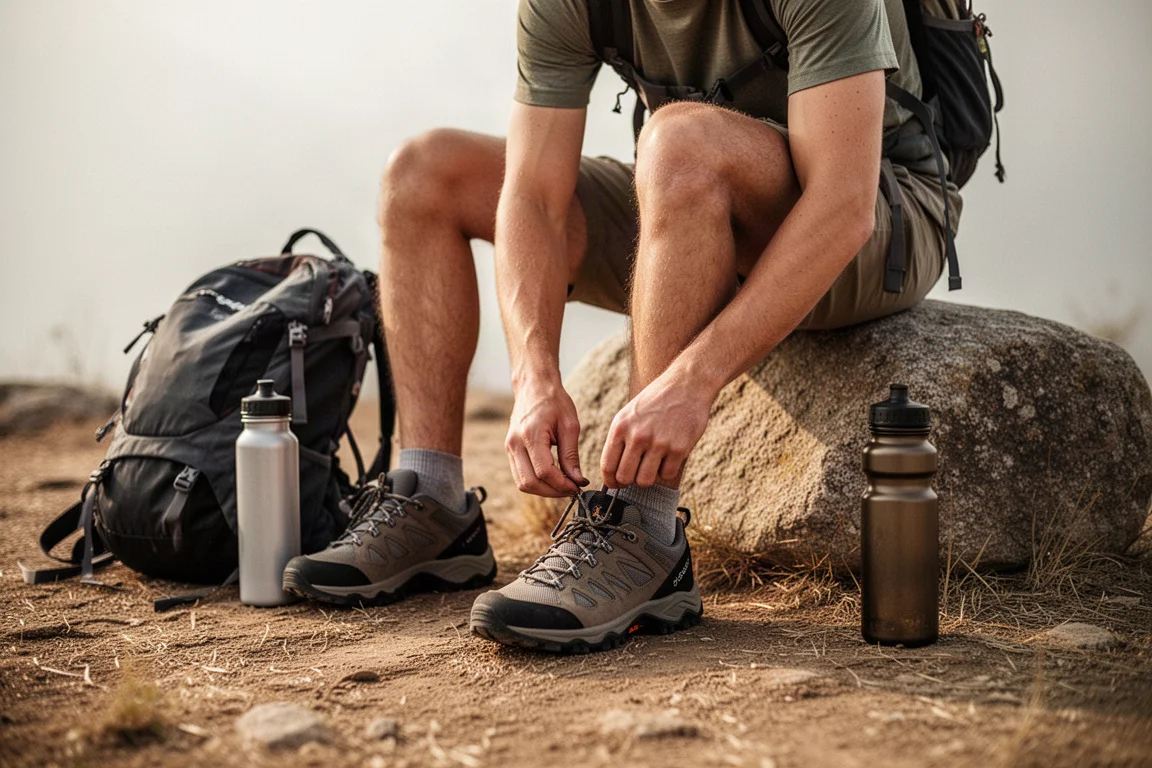
The original suede and mesh upper remains the reference version. The heel cup is shaped to lock the foot in place with very little vertical movement, which removes the friction that often leads to hot spots and blisters at the back of the heel. The tongue holds its position instead of sliding to one side, and the laces stay tied through heavy brush and off-trail travel. They are durable enough to outlast the rest of the shoe.
Underfoot, a TPU shank acts as a rock plate. It keeps the shoe from collapsing over sharp edges and prevents pointed rocks from pushing into the sole of the foot. The heel carries an additional rubber piece for stability.
The heel-to-toe drop is 8 mm, which sits between aggressive zero-drop designs and the higher drops used on some mountain running shoes. It is a middle ground that works over long days without forcing a change in gait.
Main Strengths on Trail
The clearest strength is stability. The midsole is firm enough that the foot does not slide toward the edge of the shoe on side-sloped slickrock or uneven desert ground, and it avoids the lateral roll that very light mesh-upper trail runners can allow.
Comfort over distance is the second. Blisters have not been an issue, and the shoe stays trustworthy in conditions that range from mud and snow to wet rock, sand, and dirt. The suede upper also does an effective job of keeping sand, grit, and small rocks out of socks.
For scrambling, the shoe is precise and predictable. It handles class 3 and even class 4 rock with enough confidence to place feet accurately, and it holds up on steep descents.
Grip, Stability, and Scrambling Performance
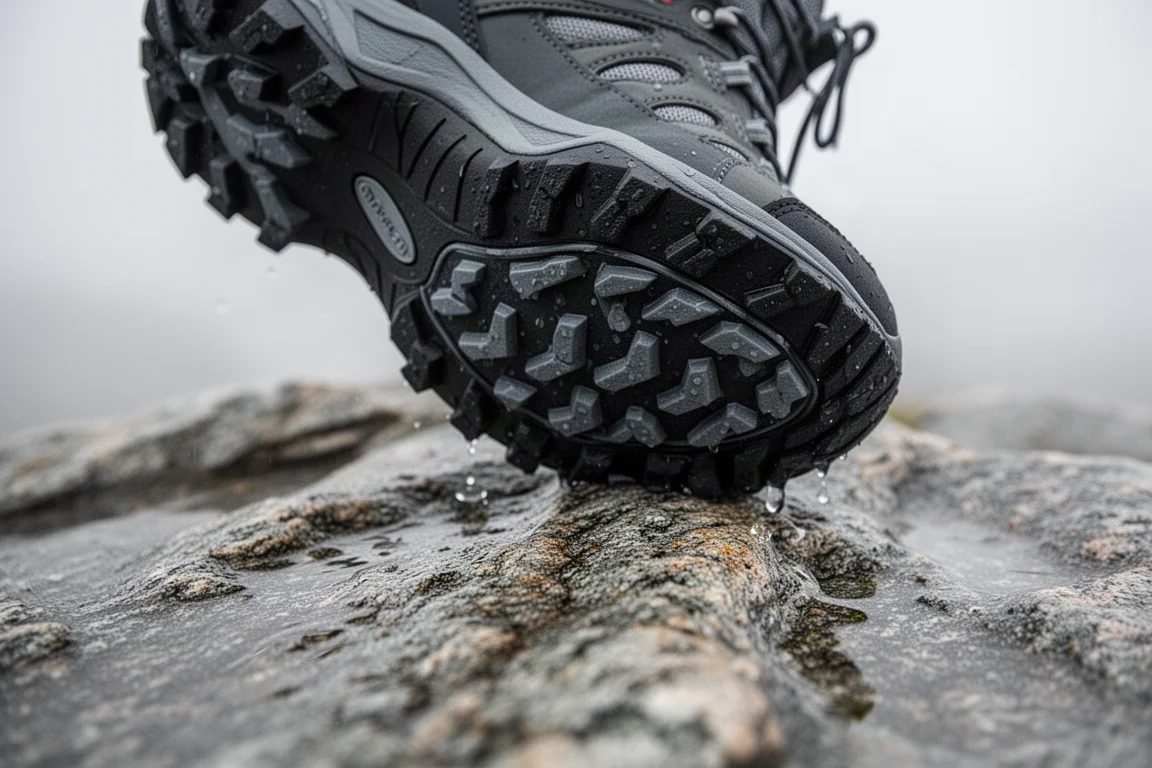
Traction comes from a Vibram Megagrip outsole. The rubber is sticky, and the lug pattern is aggressive enough for loose ground without being so deep that it feels clumsy on rock. It performs across wet environments, mud, snow, sand, and dirt.
Durability has been strong. A pair with a few hundred miles shows visible wear when compared with a new pair, which is expected, but the outsole holds its shape and grip well over that distance.
The mid-height version adds ankle coverage for more stability and higher protection from water coming up from below. The GORE-TEX lined versions keep feet dry in dewy grass and wet conditions, though a shoe that takes on water from the inside dries more slowly. The mid-height GORE-TEX model is not insulated, but it does keep feet warmer and blocks cold and moisture more effectively than the unlined versions.
Things to Consider Before Buying
Breathability is the main trade-off with the suede upper. In the hottest months, with warm ground underfoot, the shoe runs hot and it is tempting to take it off during breaks to let feet cool. Other models in the range breathe better.
The Campo version uses a mesh front section, a synthetic leather upper, and different laces with a sock-like fit. It has felt looser on the foot and less stable on trail than the suede, GORE-TEX, and mid-height options.
Fit is the other consideration. The narrow toe box, arch, and midfoot are a benefit for some feet and a limitation for others. Trying the shoe on and walking around in it before buying is the practical way to decide.
Buying Advice
The Trail 2650 sits at the higher end of the hiking shoe market. Retail runs from about $160 to $220 for the mid-height GORE-TEX version, which is competitive for a durable, high-performance hiking shoe, though it is more than some alternatives.
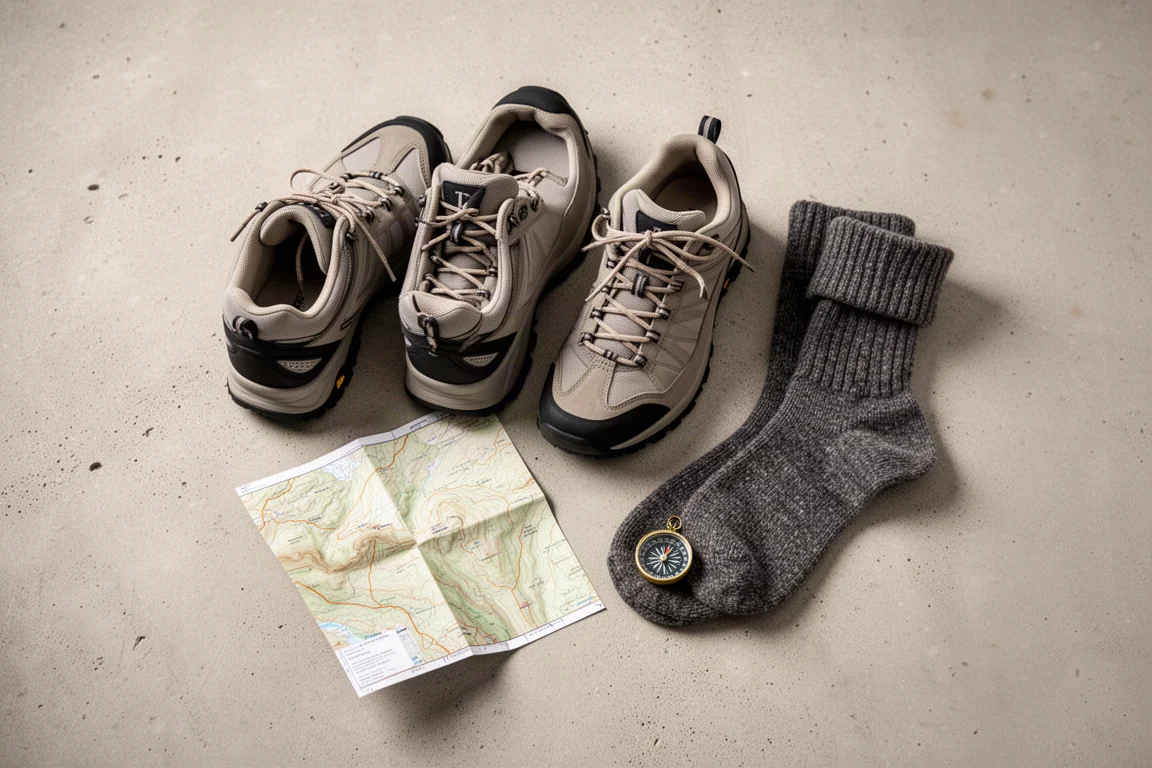
Discounts are common. Sale pricing appears regularly across retailers and colorways, and the mid-height GORE-TEX model has been found for around $80 plus shipping during seasonal promotions. Anyone patient enough to watch for markdowns can pay well below retail.
Conclusion
After four years and multiple pairs, the Danner Trail 2650 remains a dependable lightweight hiker with a stable platform, a durable Vibram outsole, and a fit that rewards narrower feet. The suede version is the standout. Hikers who want a wide toe box or maximum breathability should look elsewhere, and anyone unsure about fit should try a pair in person first.
Product link
View more details for Danner Trail 2650
This product is mentioned in the review. Check the specifications, options, and compatibility before buying.
View more details for Danner Trail 2650Further reading
Related Reviews
Hiking Footwear
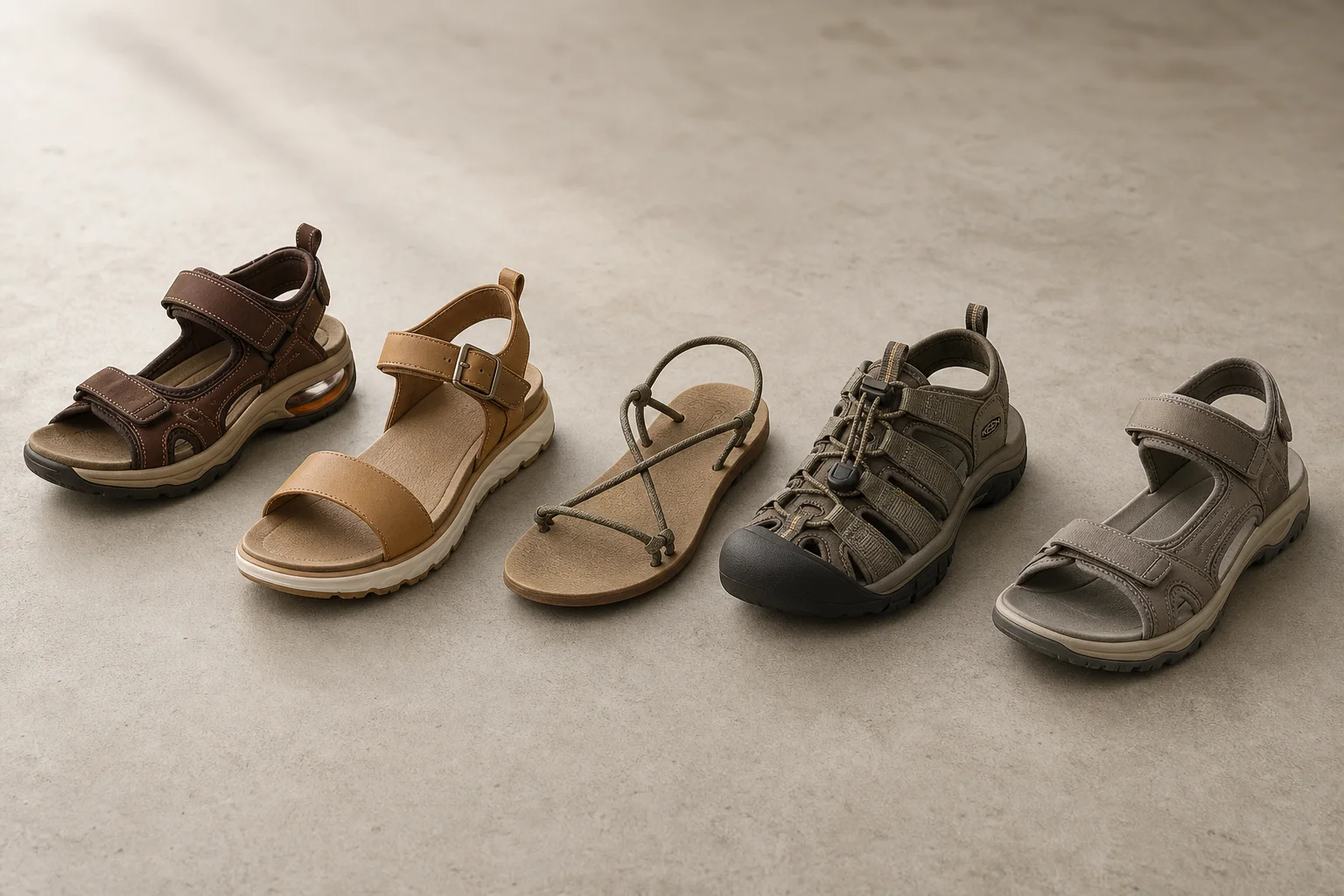
Best Hiking Sandals 2026: Five Options for Different Trail Needs
Five hiking sandals tested for comfort, protection, and versatility. Find the right pair for your hiking style, from minimalist designs to heavy-duty closed-toe options.
Hiking Footwear
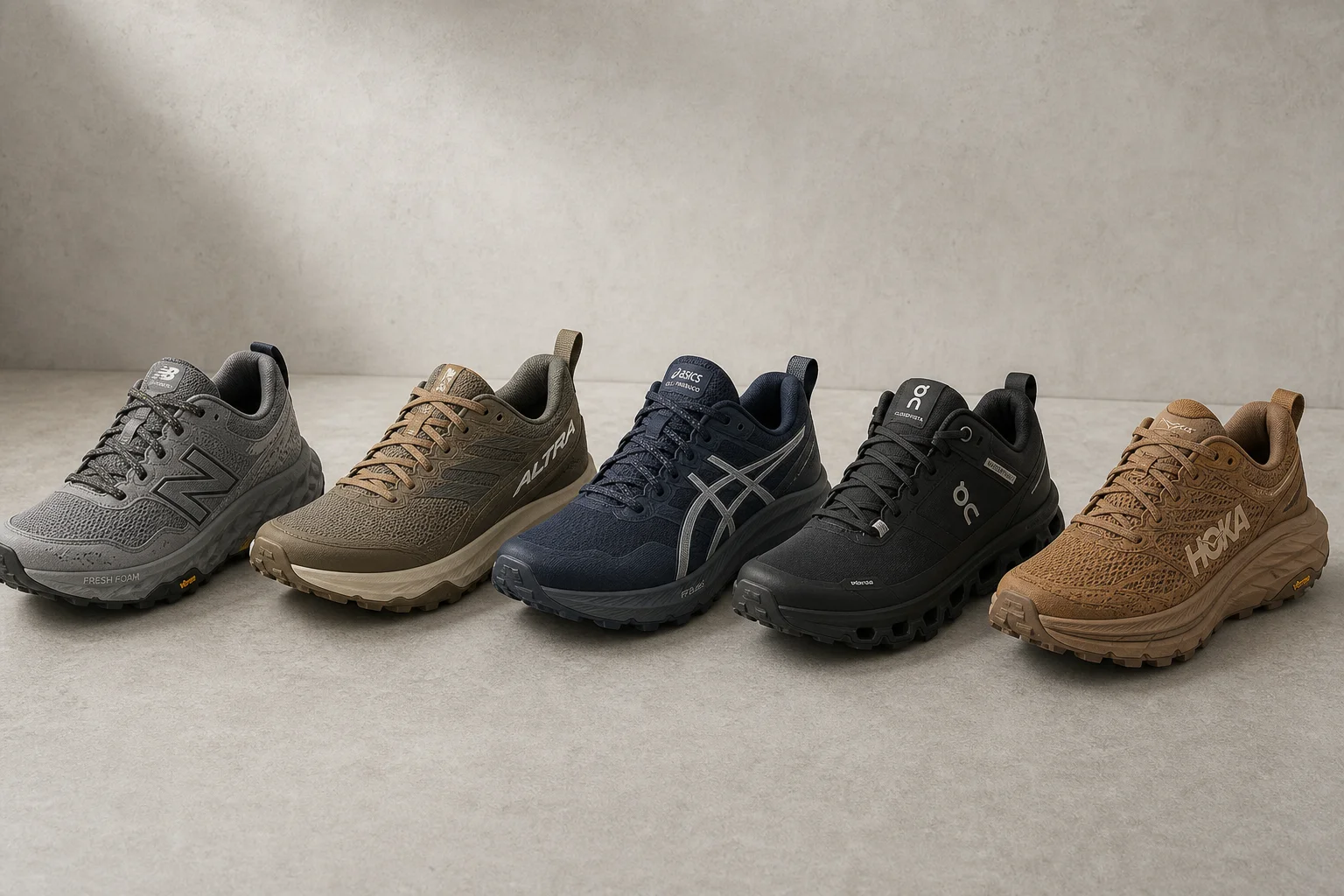
Best Hiking Shoes 2026: Five Options for Different Terrain and Support Needs
A practical guide to five hiking shoes covering max cushioning, zero-drop design, all-around versatility, waterproof protection, and balanced comfort for long-distance trails.
Hiking Footwear
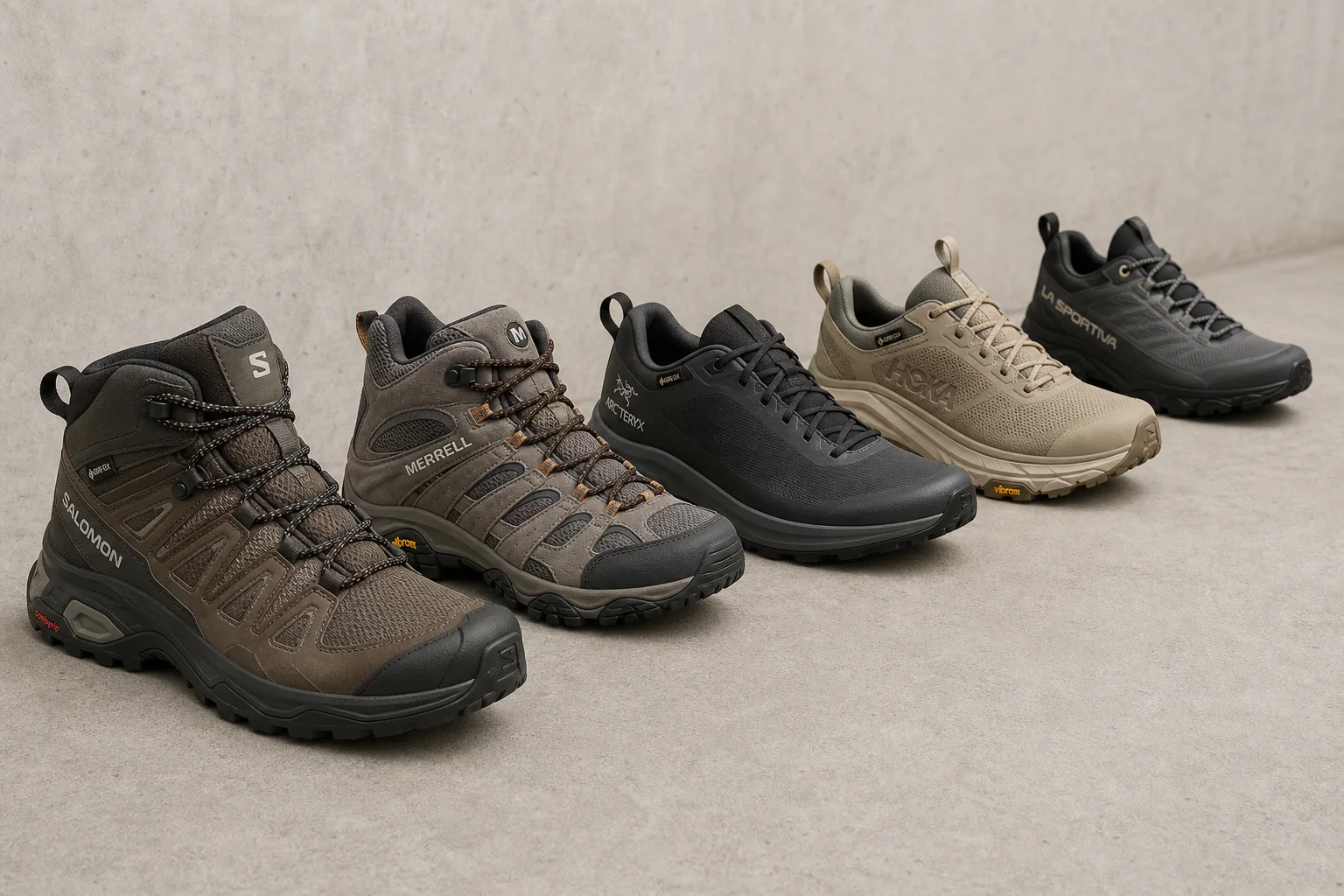
Best Hiking Shoes for Men: Five Tested Options Ranked
A detailed ranking of five hiking shoes tested for comfort, traction, and durability across varied terrain and conditions.