Woodworking Tools
3 Controversial Woodworking Tools We Tested: What to Know Before Buying
A hands-on look at three heavily restricted woodworking tools, including a wobble dado stack, a chainsaw carving disc, and the safer power carving alternative we actually recommend.
Introduction
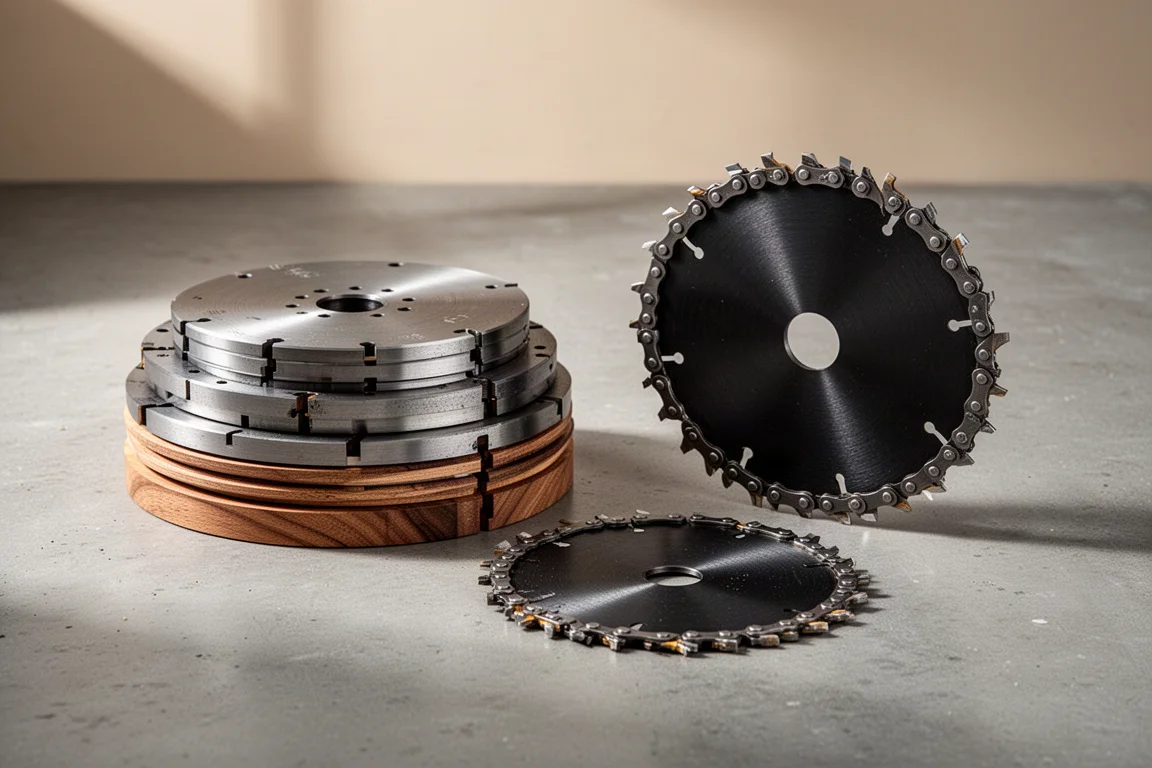
Some woodworking tools live in a legal grey zone, and a few are outright banned in parts of the world. We picked up three of the most talked-about examples to see whether the reputation is deserved: a wobble dado stack that has long been illegal in Europe, a chainsaw carving disc banned in the UK, and the carbide-tipped carving disc we would genuinely recommend instead of both.
Before anything else: this article is written for readers who want to understand these tools, not necessarily to buy all of them. One of them we would tell you to skip outright, and one technique mentioned later is genuinely life-threatening. Practicing normal table saw and angle grinder safety matters far more than novelty.
1. Craftsman Wobble Dado Stack: The Banned-in-Europe Classic
Dado stacks are widely used and accepted in the United States: you stack blades and chippers together to widen a cut, and the setup feels predictable and pleasant to use. The wobble variant works differently. It offsets the blade hole so the blade swings in the table to produce the cut width, which is the core reason dado stacks have been banned and illegal in Europe for a long time, largely because the riving knife has to be removed to use them.
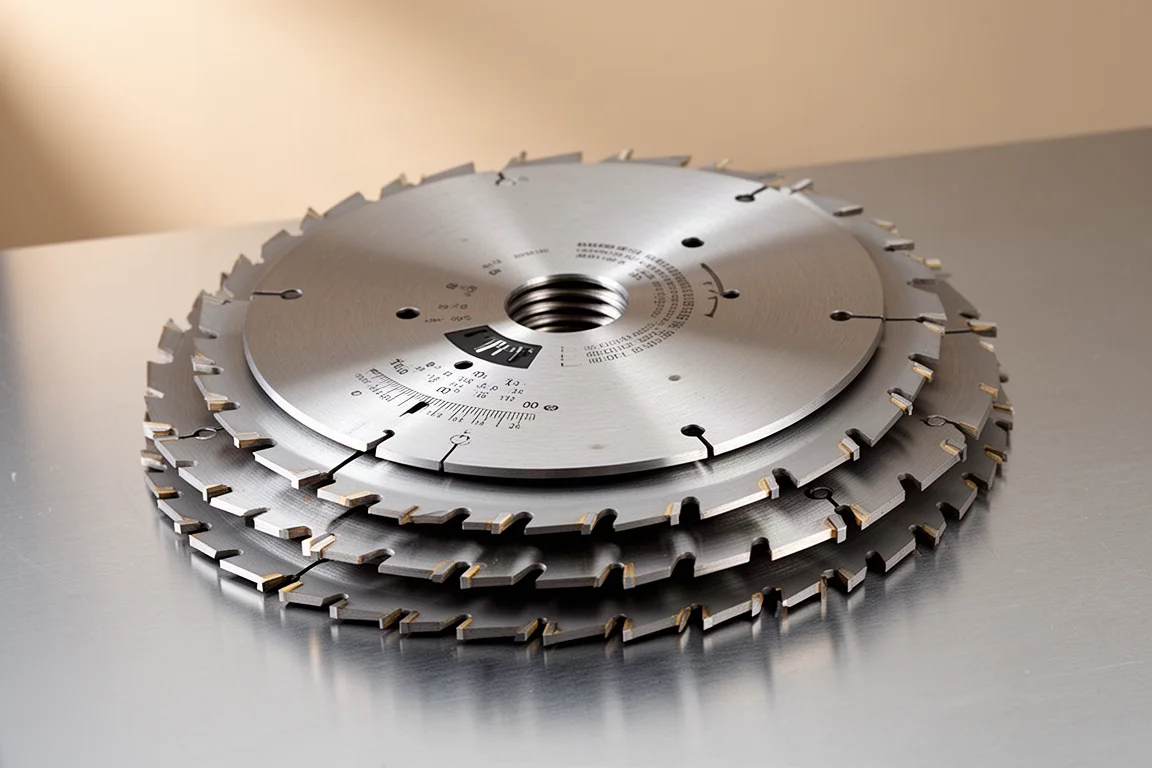
The sample we tested was a Craftsman unit rated at 4600 RPM max, made in the USA, found online for around $5. Adjustment is done by turning a dial on the stack itself, with thickness indicators marked on the blade. Notably, there are no positive stops or detents; the setting is held in place by the saw arbor nut, which is a sketchy way to hold a cutting geometry.
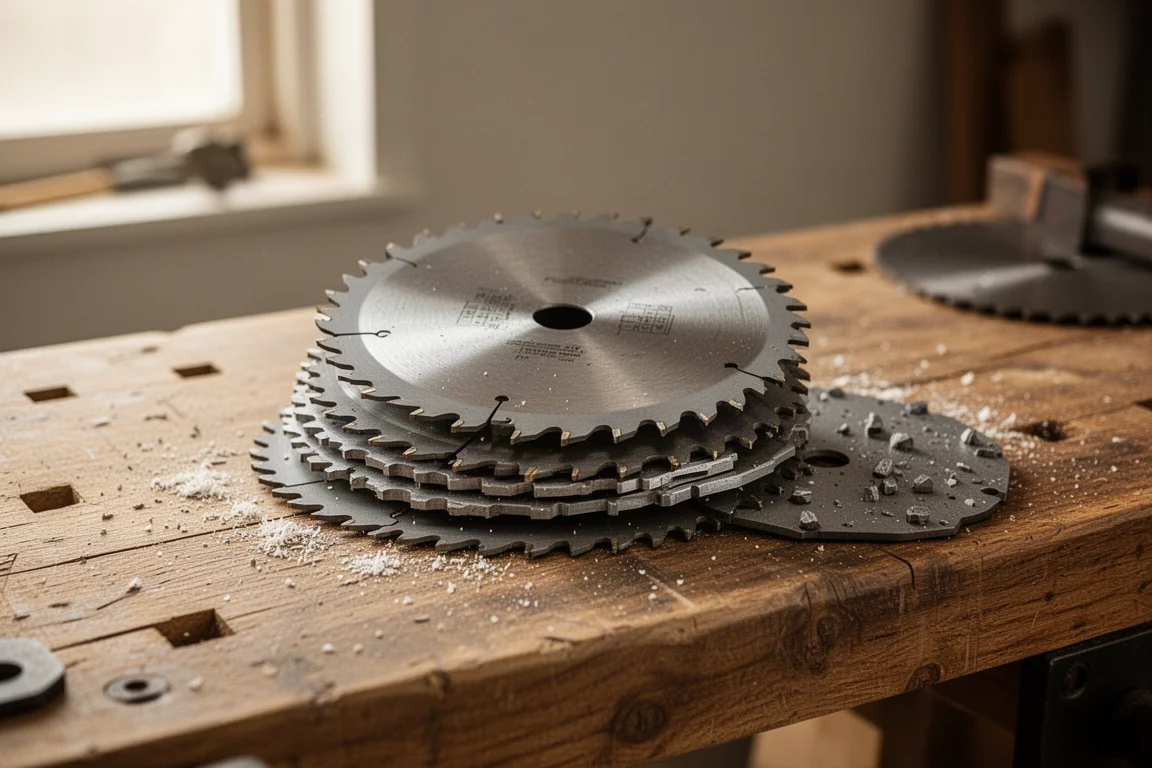
In practice, it was hard to recommend. It would not run safely in a SawStop-style saw designed around blades of at least 8 inches, and even in a forgiving setup it felt loose and unpredictable compared with a traditional stacked dado set. A real dado stack is not dramatically more dangerous than a standard saw blade when used with normal precautions, but the wobble design adds risk without adding capability.
2. Lancelot Chainsaw Carving Disc: Banned in the UK
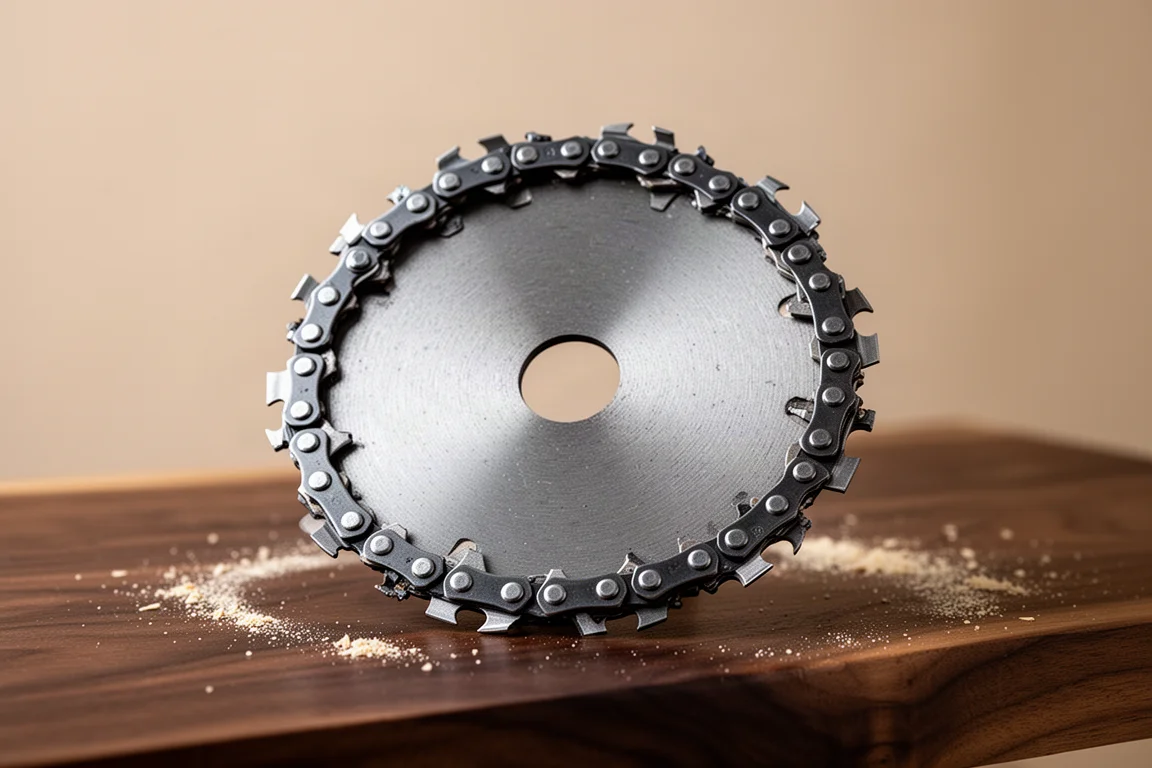
This is the tool that looks as dangerous as it sounds: a literal chainsaw chain wrapped around an angle grinder head. The Lancelot-style chainsaw carving disc is banned in the UK, yet remains purchasable online and is still used by many chainsaw carvers today. The marketing promises shaping, notching, and trenching, with some setups running two discs at once on the same grinder.
A few things became clear during testing. First, the chain can come off the disc, which happened during our own use despite careful setup. Second, the teeth are aggressive on every side of the head, including the face and the edge, so the cutting direction pulls differently depending on which of the four quadrants you are cutting in. Experienced carvers note that getting caught inside the cutter head is how serious hand injuries happen.
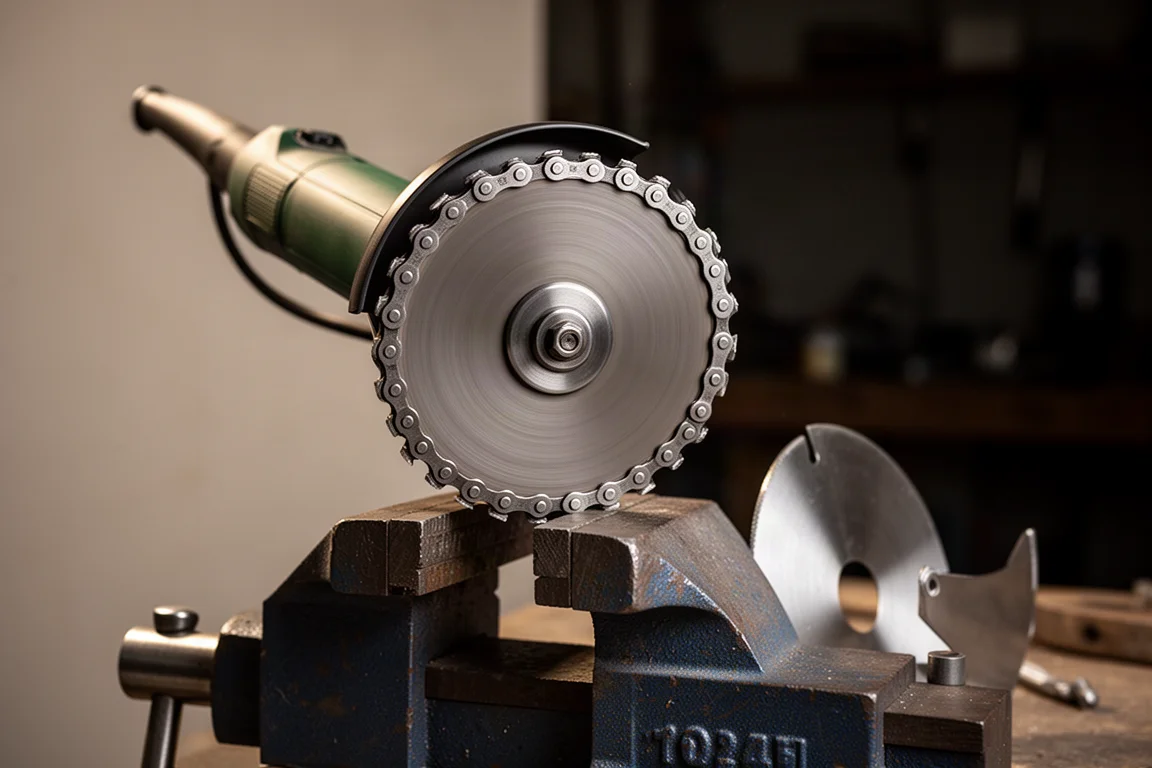
Even with a blade guard, ANSI Z87.1-rated eyewear with side shields, gloves, and a rear-handle grinder, this tool demands constant respect. It throws small chips and removes material quickly, but the fundamental design carries risk that no accessory fully removes.
3. Arbortech Power Carving Disc: The Safer Alternative
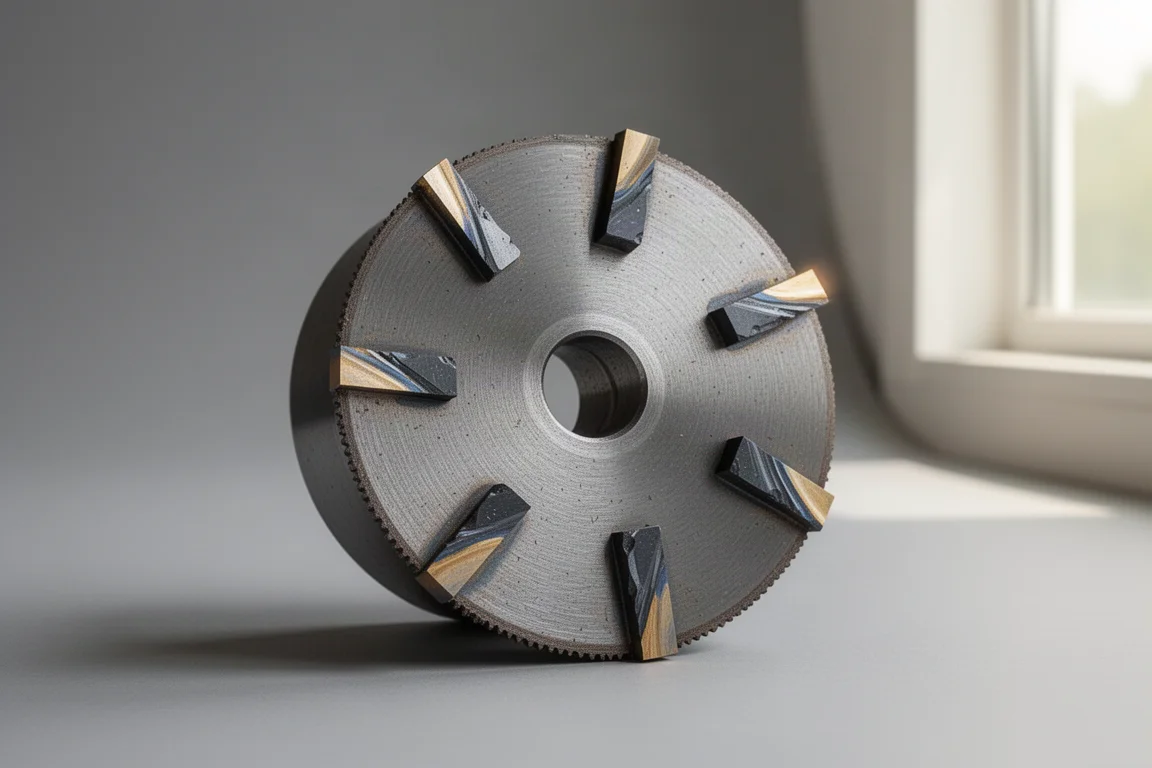
The carbide-tipped power carving disc is the comparison point that changes the whole conversation. Where the chainsaw disc has teeth all the way around, this design uses carbide blades on the face and cannot cut on the edge, which dramatically limits how it can grab or kick back.
In side-by-side removal testing, the difference was immediate. The carbide disc cut away material faster, felt more controlled going in and out of the wood, and never produced the grab-the-blade anxiety of the chainsaw disc. For anyone getting into power carving, shaping bowls, or sculpting furniture, this is the tool we would buy with confidence.

If you want the capabilities the chainsaw disc promises, this is the route that gets you there without betting your fingers on it.
A Warning About Fractal Burning
One more topic deserves mention because it has caused real deaths. Fractal burning, the technique of running high voltage through dampened wood to create lightning-like burn patterns, has killed dozens of people recently, most of them using improvised setups built from retrofitted microwaves and improvised cables. The current can stop the heart almost instantly, and it often happens in garages in front of family members.
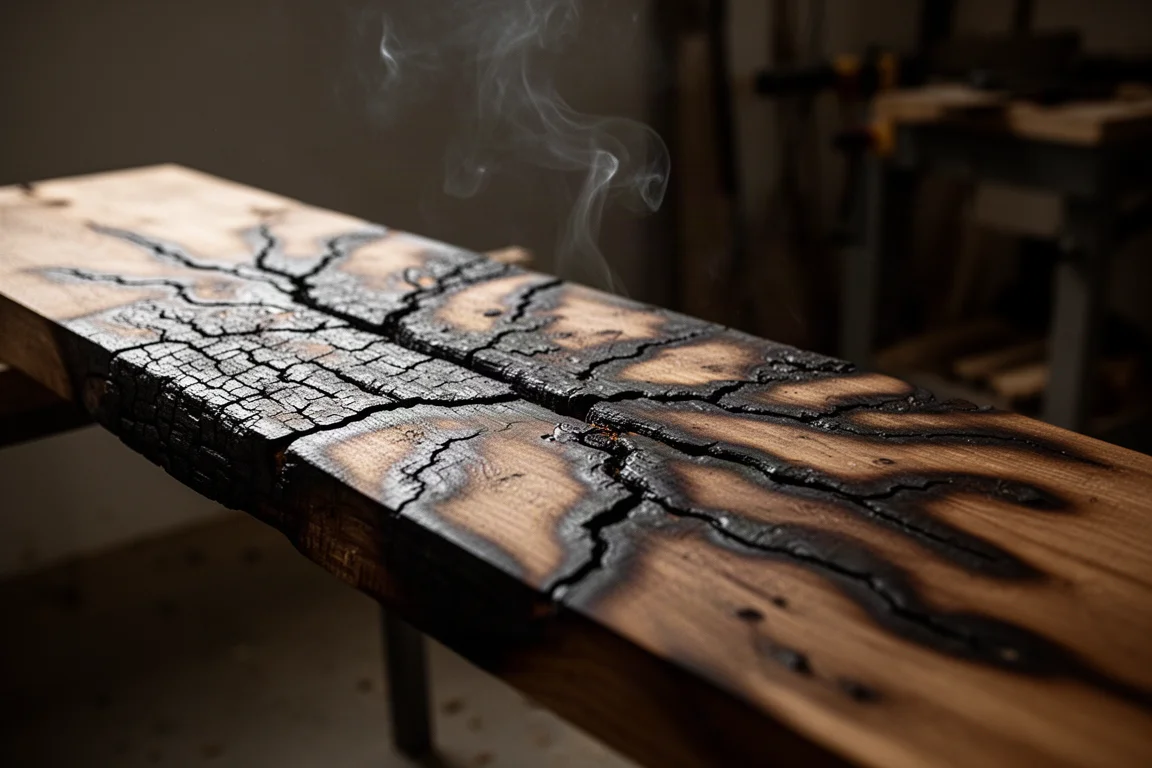
Even a lower-output commercial kit produces results that, frankly, are not worth the risk. The finished patterns look uneven and, in our view, do not justify any level of electrical danger. If you are considering this technique, our strong advice is simple: do not do it.
Overall Buying Advice
If your goal is wider grooves in a table saw, buy a traditional stacked dado set rather than a wobble stack. If your goal is power carving, the carbide-tipped disc delivers better results with far less risk than a chainsaw carving disc. And skip anything involving improvised high-voltage setups entirely. The most dangerous tool in most shops is not the exotic one; it is the one used without proper precautions.
Conclusion
Two of these tools earn their restricted reputations, and one shows there is almost always a safer design that works better anyway. Choose the tool that matches the job, keep your guards and eyewear on, and when a cheap novelty blade tempts you, remember what it costs to be wrong.
Further reading
Related Reviews

Woodworking Tools
123 Blocks and the Hardware Kit That Fixes Their Biggest Flaw
A practical look at 123 blocks, the hardware kit that solves their most common design flaw, and a sharpening station worth considering.

Woodworking Tools
Cool Tools for Woodworking: Seven Upgrades That Earn Their Place in the Shop
A practical roundup of seven woodworking tools and accessories that improve accuracy, safety, and everyday shop efficiency.

Woodworking Tools
Debuke Clamps Review: A Family-Made Aluminum Bar Clamp Worth Knowing
Debuke Clamps are lightweight aluminum bar clamps made by a small Iowa family business. Here is why they stand out from the many knockoffs on the market.