Cycling Tech
Cycling Tech Roundup: Garmin HRM 200, Buffalo Bike, and Standert Kreissäge RS
Three cycling products with very different jobs: a refreshed heart rate strap, a two chain cargo bike built for rural communities, and a scandium road bike with a marketing problem.
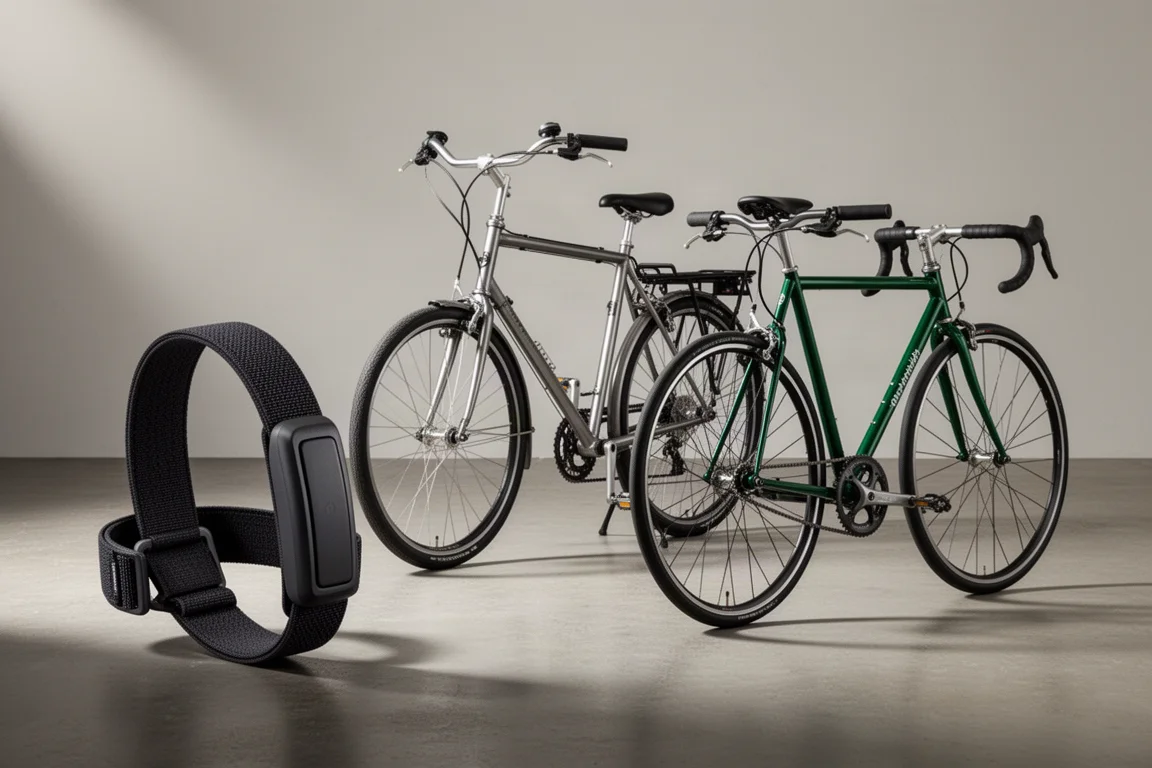
Introduction
Cycling technology tends to move in two directions at once. One direction is faster, lighter racing equipment, and the other is simpler hardware that keeps working when conditions are difficult. This roundup covers three products that sit at different points on that map: a refreshed chest strap heart rate monitor from Garmin, a second generation cargo bike developed with SRAM for rural communities, and a scandium alloy road bike whose reputation has become tangled up with the way it is marketed. Compact electronic pumps are also worth watching as an alternative to mini pumps and CO2 canisters, since a controlled pressure reading matters more than a fast burst of air when you are running tubeless.
What We Looked For
Three things shape the verdicts in this roundup. The first is robustness, meaning whether each design choice makes sense for the conditions the product will actually face, from salt and sweat on a chest strap to dust and heavy loads on a utility bike. The second is longevity, which includes whether a part can be replaced, repaired or recharged without fuss. The third is value, which is not the same thing as price. A cheap product that fails early is expensive, and an expensive product that is outperformed by cheaper rivals is a harder purchase to justify.
Garmin HRM 200: Heart Rate Data With Fewer Compromises
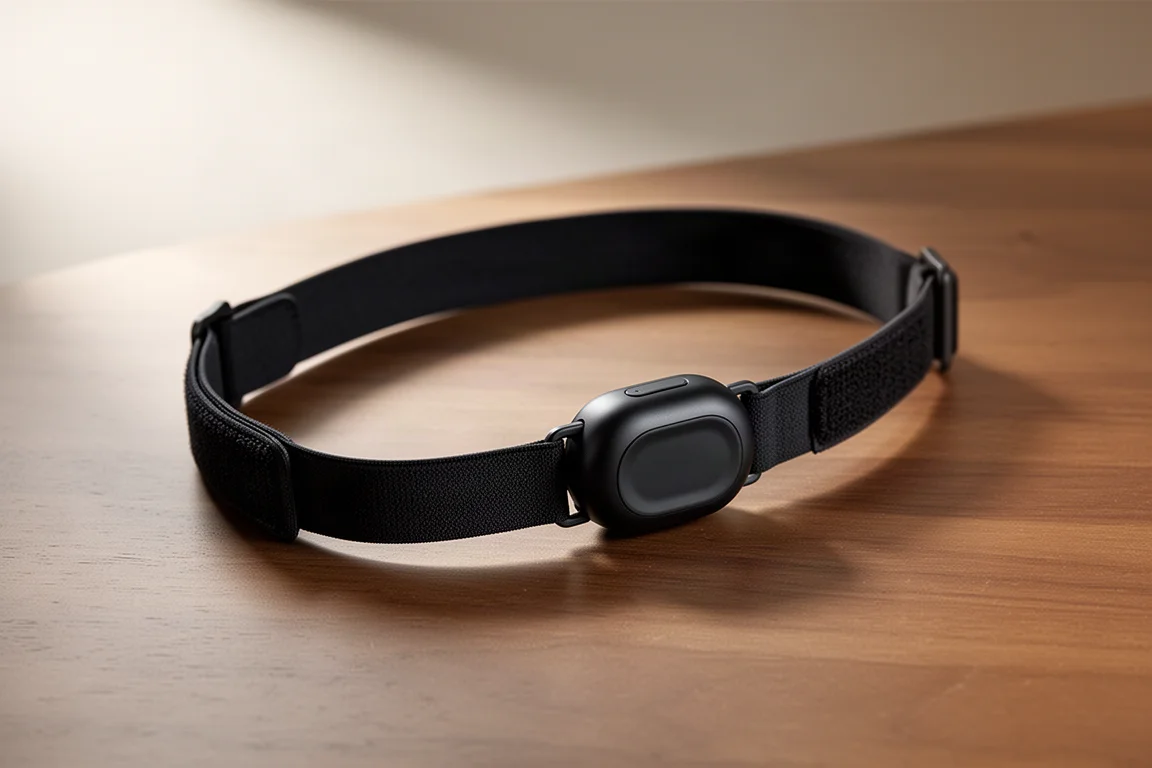
The HRM 200 is a modest refresh rather than a redesign. It broadcasts heart rate and heart rate variability to compatible smartwatches and Edge devices, which is the core job of any chest strap. The strap is machine washable and comes in two sizes, there is an LED light on the sensor pod, and the battery is replaceable rather than built in. At £80 it sits in line with the rest of the category.
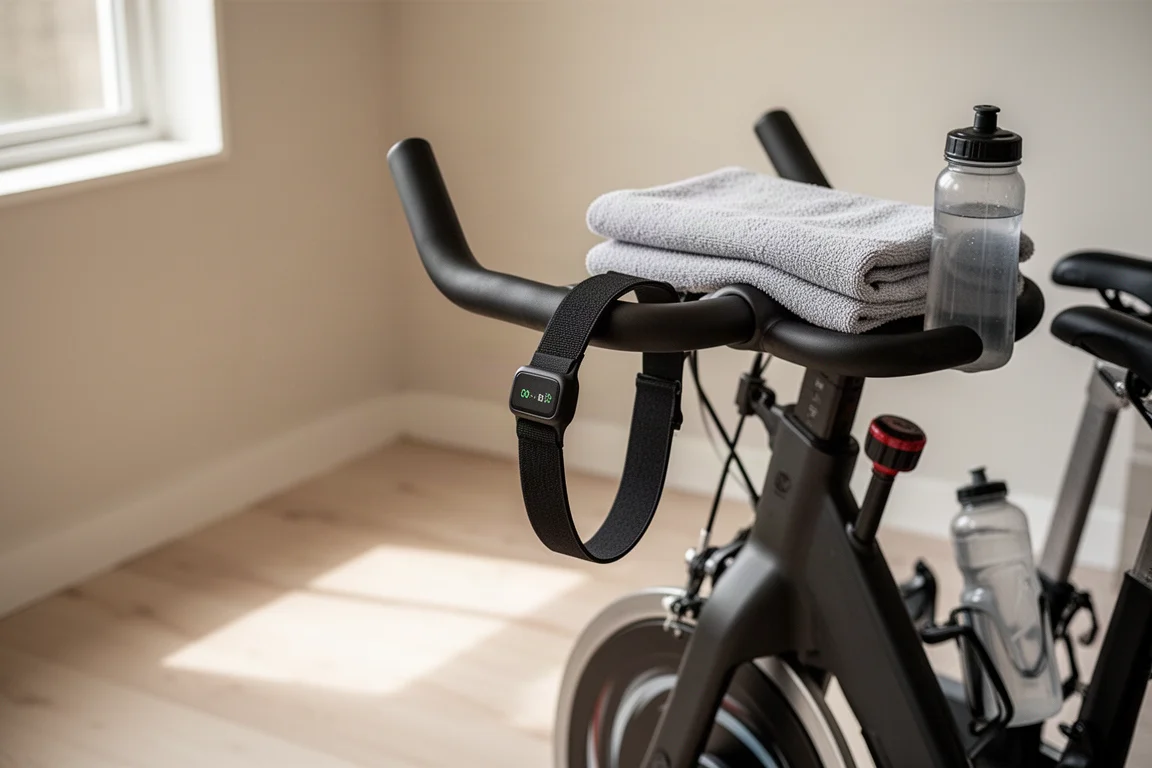
The recurring frustration with chest straps is not usually the electronics, it is the strap. A monitor sits against the skin in one of the sweatiest spots on the body, and salt exposure has long been the weak point of the format. A replaceable battery avoids yet another charging routine, but it also leaves the convenience question open, and some rival monitors have moved to rechargeable designs with magnetic attachments instead of exposed contacts. That is the trade off to weigh: a familiar, dependable format against a category that is slowly solving its oldest problem.
World Bicycle Relief Buffalo Bike: Two Chains, No Derailleur
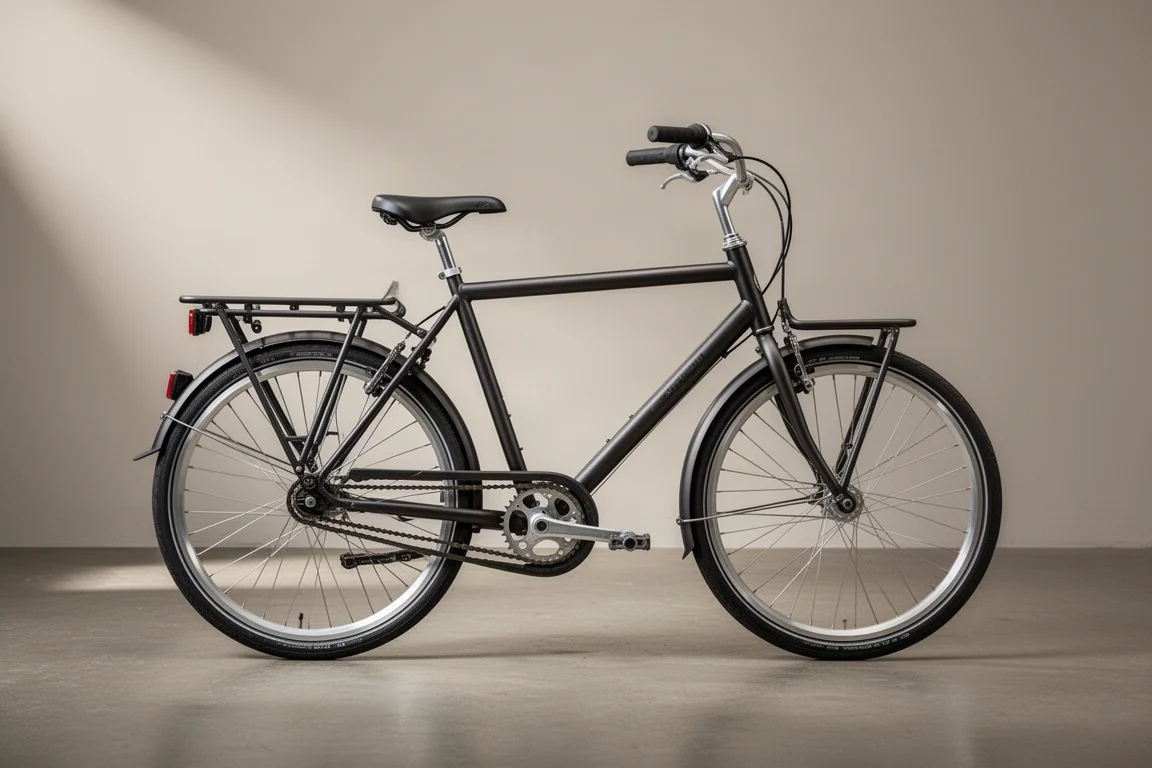
The Buffalo bike is distributed by World Bicycle Relief, and this second generation was developed with testers in Africa and South America alongside SRAM. The original design was single speed, which was not always ideal on varied terrain, and many riders use these bikes to carry cargo, so the loads can get very heavy. The solution came from a SRAM engineer: a two chain system in which each chain runs a different gear. There are no shifters, no cables and no derailleur, all of which would be vulnerable in the environments the bike is built for. The rider changes gear with a back pedalling motion and then continues riding, and the whole mechanism sits inside the freewheel.
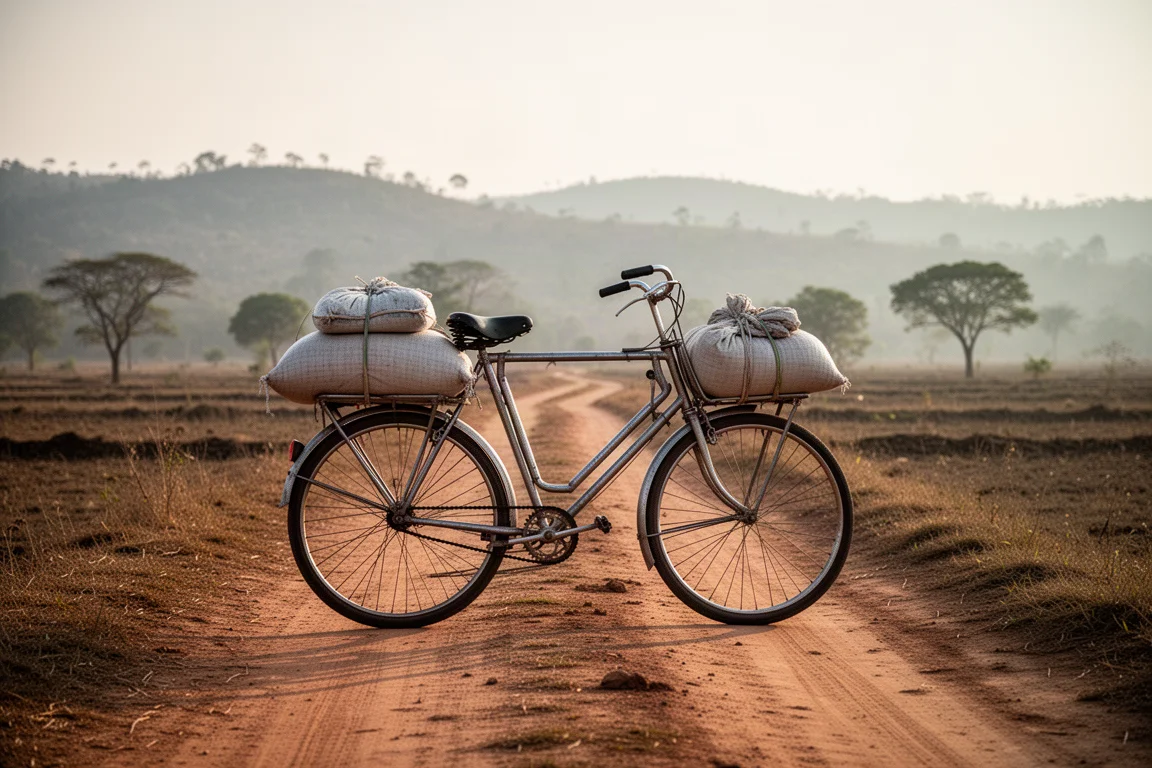
The numbers back up the intent. The bike weighs 23 kg, uses a steel frame and aluminium rims, and can handle cargo over 100 kg. It is manufactured in Giant’s Taiwan factory, and each bike costs around £45 to produce. World Bicycle Relief distributes them free of charge to recipients in Zimbabwe, Uganda, Kenya, Zambia, Malawi, Tanzania and Colombia. More than 850,000 bikes have been distributed so far, with the organisation closing in on one million.
Standert Kreissäge RS: A Scandium Frame With a Marketing Problem
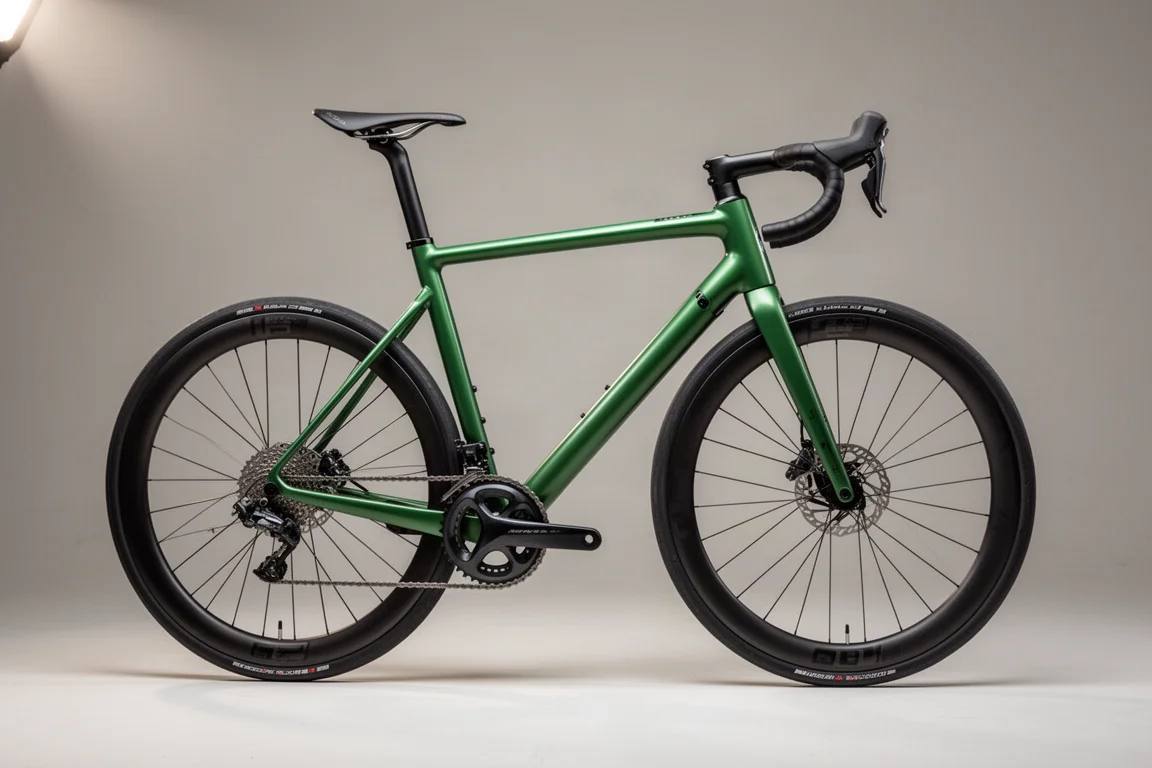
Standert describes the Kreissäge RS as being crafted with a scandium alloy tube set made exclusively for the brand in Italy. The claim is that minuscule amounts of the rare earth element scandium allow extremely thin, light tubes that still match the tensile strength of 4130 chromoly steel tubing. Tire clearance is 30 mm, and the total system weight limit is 105 kg including the bike and any luggage. As configured, the build weighs 8.66 kg.
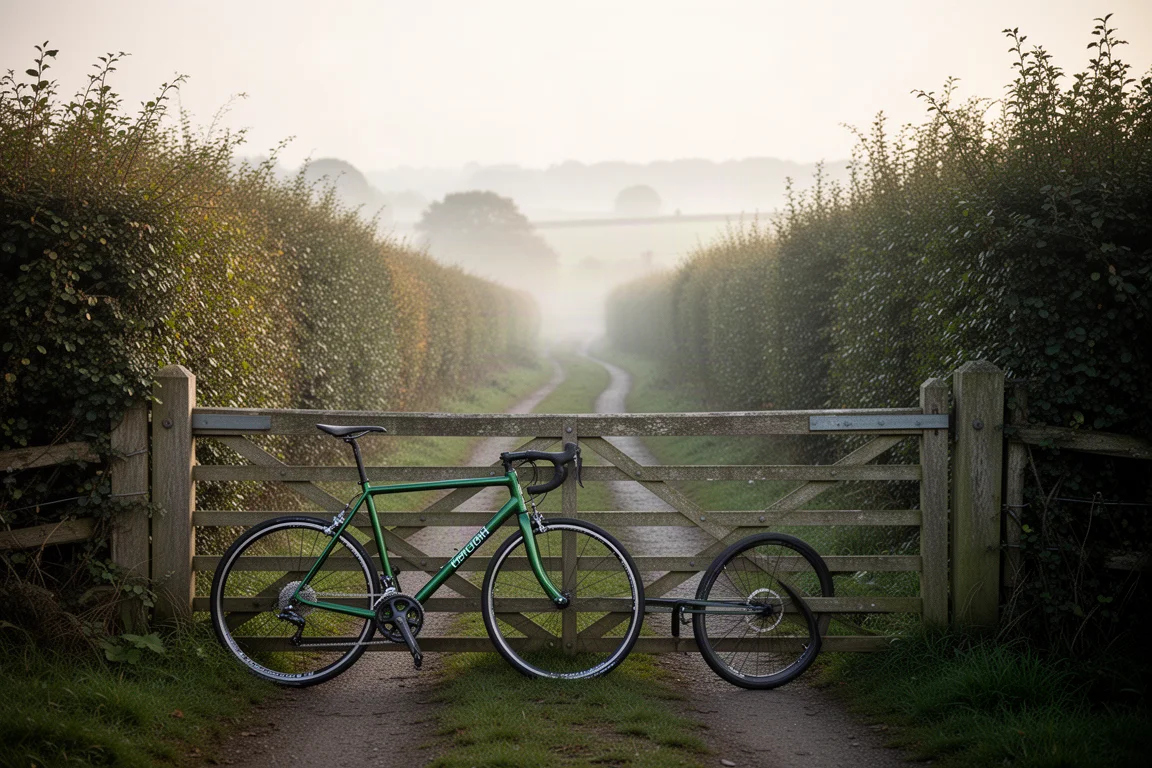
The frame set is where the value question gets harder. The claimed frame weight is 1,360 g, and that figure excludes the fork. A comparable aluminium frame set from another brand comes in at 1,198 g, which is 160 g lighter, and costs around £1,500 against roughly €2,000 for the Standert frame set. A complete build sits at around €6,600, and the configurator can push a build close to €12,000, which is a lot of money for an aluminium bike.
There is also the question of positioning. The Kreissäge RS is listed in a road performance category, and at this price there are stiffer, more aerodynamic and more compliant road race bikes available. Buyers are more likely to choose it for the way it looks, for cafe stops and spirited group rides, than for outright performance. The classic tube shapes and deep finish are genuinely striking, but the build pairs a high end integrated cockpit with a seat post from a different brand, which is an odd mismatch on a bike at this price. How the bike is marketed has become part of the conversation too, with an influencer led presence that now colours how the brand is seen.
Buying Advice: Matching the Product to the Rider
The Garmin HRM 200 is the straightforward purchase of the three. If you already train with heart rate zones and use compatible Garmin hardware, it delivers the data you need at a price that matches the category, and the replaceable battery removes one more thing to remember to charge. The main thing to accept is that strap longevity remains the weak point of chest straps generally, so how you look after it matters.
The Buffalo bike is not a retail decision at all. It is a donation funded programme, and the case for it is the case for the organisation behind it: a robust, low maintenance design that lets people carry more, further, with fewer breakdowns. Supporting that work is a different kind of buying decision, and one worth understanding before you commit.
The Kreissäge RS is the one to think hardest about. If the looks and the character of the frame are what you want, it delivers something most performance bikes do not. If you are shopping for speed per pound, the same money buys more performance elsewhere.
Conclusion
Three very different products, and three different reasons to consider them. The HRM 200 is a sensible, familiar tool for riders who train with heart rate data. The Buffalo bike is a reminder of what a bicycle can do when it is designed around a real job rather than a race result. The Kreissäge RS is a beautiful object whose price and positioning ask more of a buyer than its performance can answer.
Further reading
Related Reviews
Cycling Tech
Best Cycling Tech: Nine Standout Products Worth Considering
Nine pieces of cycling kit that earned their place through long-term use, from a keenly priced World Tour race bike to a multi-tool that has survived two years of hard riding.
Cycling Tech
Best Pro Peloton Bikes and Components 2023: 8 Standout Upgrades
A roundup of the most technically interesting pro peloton bikes and components for 2023, from the Cannondale SuperSix EVO to Shimano Dura-Ace and Continental GP5000 S TR tires.
Cycling Tech
Bike Tech Roundup: Five Standout Upgrades Worth a Closer Look
A four-season tubeless tire, a featherweight climbing wheelset, a hangar-free drivetrain and two pairs of gravel shoes, assessed on the details that matter.