Cycling Tech
Cycling Tech Roundup: Six Standout Products Worth a Closer Look
Six cycling products that stood out this month, from an Android-powered head unit and recycled-carbon wheels to two battery pressure washers and a race bike from a component brand.
Introduction
Cycling tech moves quickly, and the past few weeks have produced a genuinely varied set of releases: a flagship head unit with more processing power than it strictly needs, a wheelset built partly from recycled carbon, two battery-powered pressure washers aimed at the same problem, and a race bike from a brand best known for its components.
This roundup covers six products worth a closer look. Some are clear upgrades, others are interesting trade-offs, and a couple make the most sense for very specific riders.
How These Products Were Selected
The six products here each solve a recognisable problem or raise an interesting question about where the category is heading. The focus is on real-world use: what the product is for, what it does well, and where the compromises sit. Where two products compete directly with each other, that comparison is included rather than avoided, because the decision is usually between them rather than in isolation.
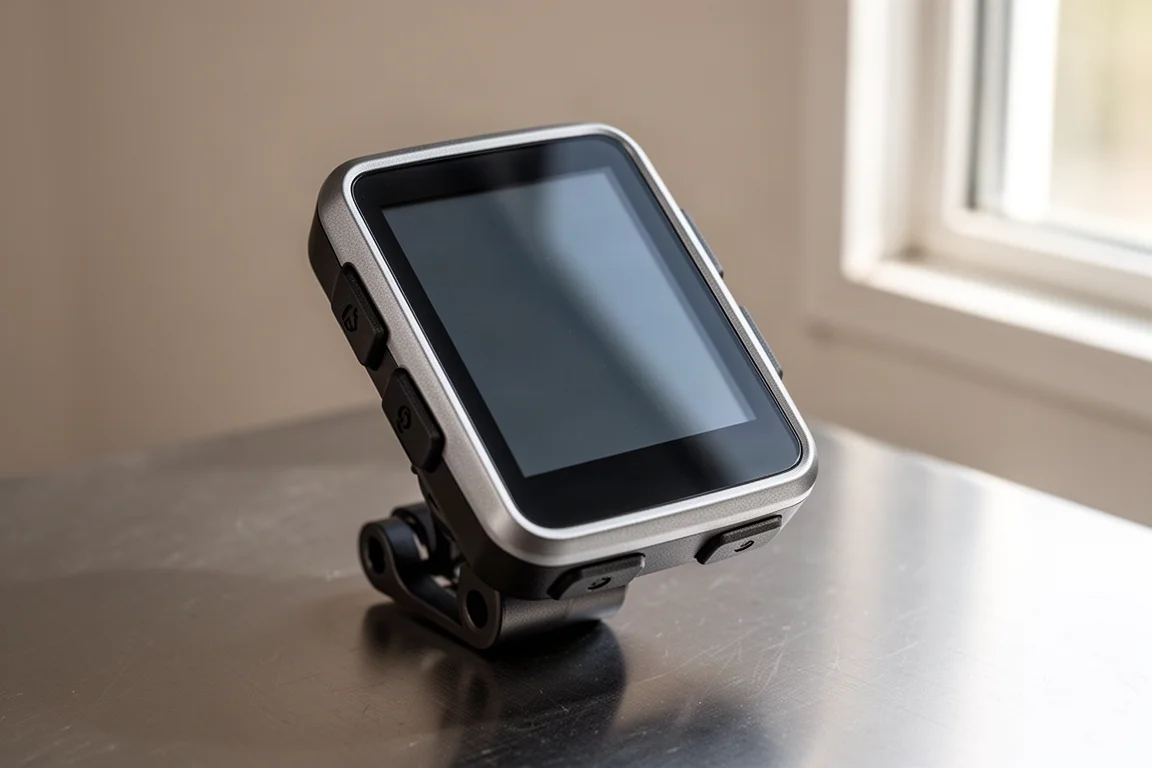
Hammerhead Karoo: A Head Unit That Runs Third-Party Apps
The third-generation Hammerhead Karoo is a cycling computer with a difference. Its software runs on Android, which is why third-party applications can be side-loaded onto the device. A Zwift session has already been run on the head unit, an unusual sight on a small handlebar-mounted screen.
That flexibility is possible because the processing power is claimed to be three times faster than before, and it is a reminder of how much hardware now sits inside a cycling computer. The native mapping is already highly regarded, so the interesting question is not whether the Karoo needs extra apps, but what riders would actually want to add and where the limits sit.
For most riders, the standard software will remain the main event. The appeal of the Karoo is that it leaves the door open: as Android-based development continues, the device has room to gain capabilities that other head units cannot match.
Hunt Sustain Phase One: Wheels Made With Recycled Carbon
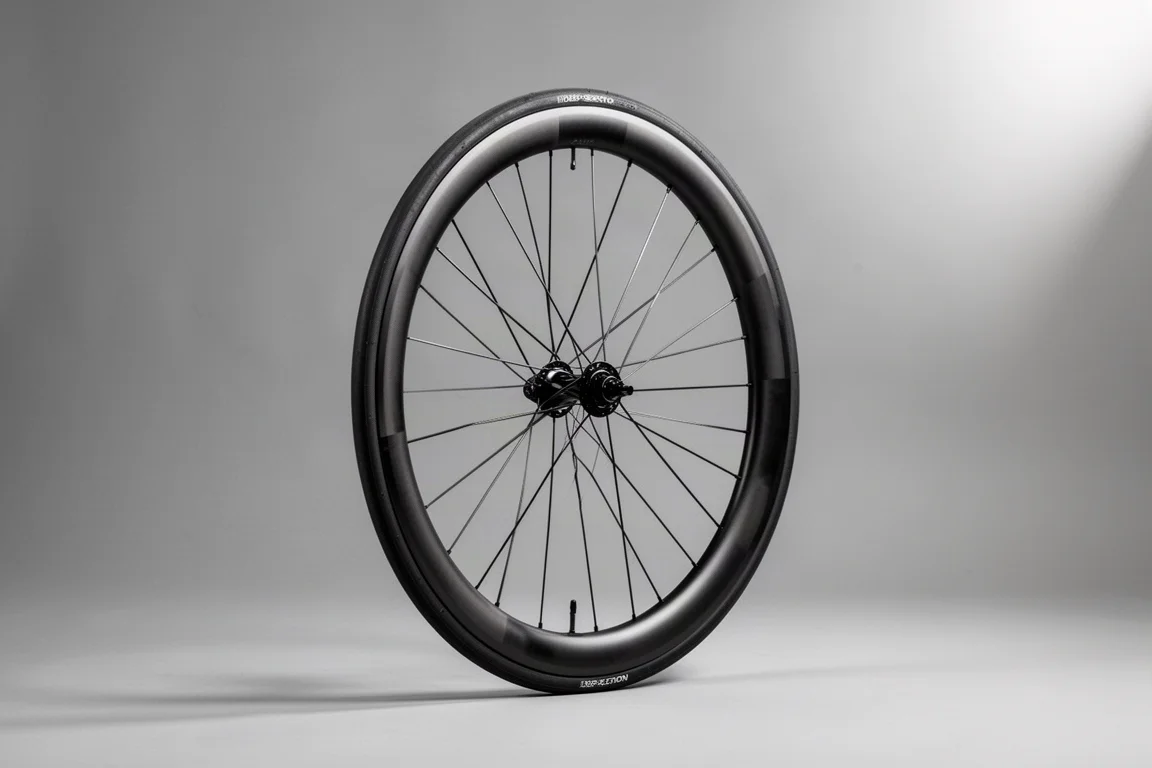
Hunt’s new Sustain Phase One range takes an unusual angle on wheels. The range includes a road wheelset, an all-road wheelset and a mountain bike wheelset, and the road option is a 42mm deep carbon rim. The rim is built using 10 percent recycled carbon fiber, sourced from a specialist European recycled composite supplier that recycles larger aerospace and automotive components as well as offcuts from carbon fiber rim production.
Hunt states that, as far as its team is aware, it is the only manufacturer currently creating rims with recycled carbon fiber content. The alloy wheelsets in the same range use a much higher proportion of recycled aluminium, including material recovered from tin cans, so the carbon road rim is one part of a broader effort.
The trade-off is straightforward. Compared with the Hunt 40 Carbon Aero Disc, the Sustain Phase One road wheelset costs a few hundred pounds more and is heavier, while matching on most other measures. Pre-orders are open, with deliveries following later in August. Riders who want to support lower-impact manufacturing will find a real option here; riders shopping purely on weight and value may not.
Hunt 40 Carbon Aero Disc: The Established Alternative
The Hunt 40 Carbon Aero Disc is the benchmark the new Sustain Phase One road wheelset is measured against, and for good reason. It is lighter, less expensive by a few hundred pounds, and comparable on the other metrics that matter to most buyers.
For riders who want a fast carbon aero disc wheelset without paying a premium for recycled content, this remains the more straightforward purchase. It is also the better starting point for anyone who is unsure whether the sustainability angle justifies the extra cost and weight.
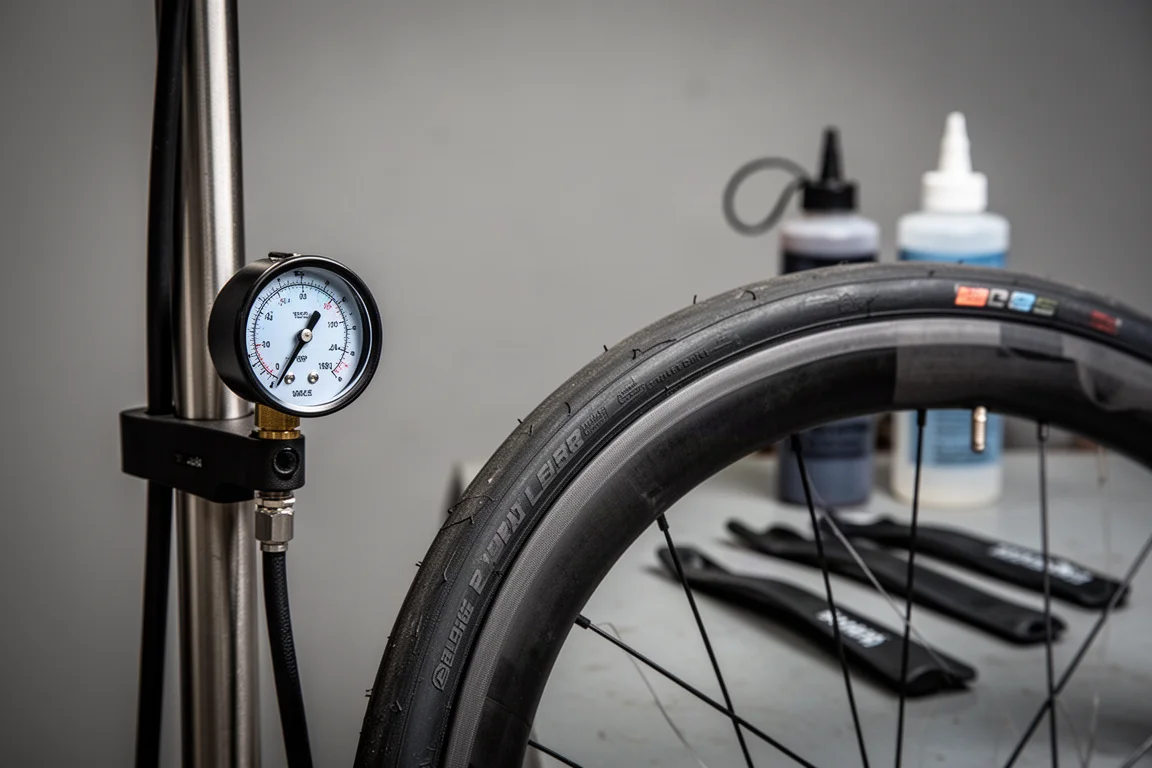
Both wheelsets come from the same brand and sit close together in performance terms, so the decision comes down to what a rider values more: the lower price and weight of the established model, or the lower-impact materials of the new range.
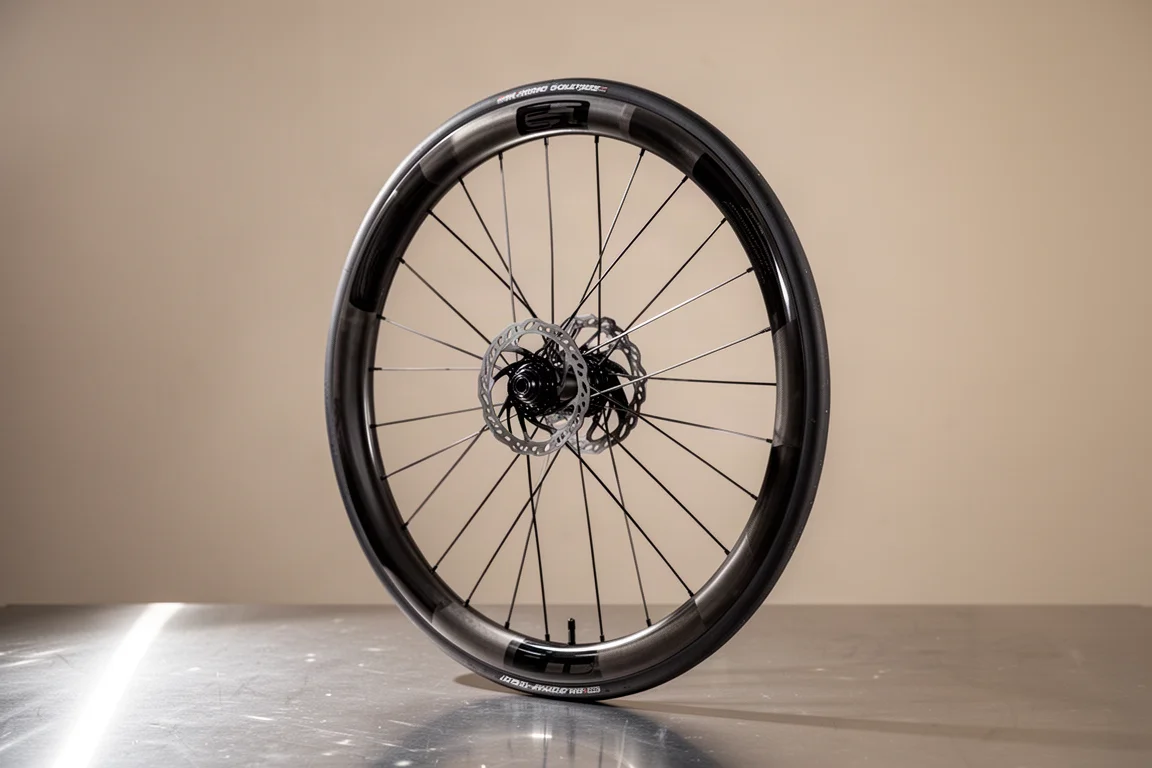
Muc-Off Battery Pressure Washer: Cleaning Without a Hose
The Muc-Off battery pressure washer arrives as a compact box with a set of different attachments, and it is completely battery operated. A 20-litre water reservoir is claimed to be enough to wash four bikes, which in limited testing appears to be a fair estimate.
Its clearest use case is for riders who live in flats or otherwise lack access to a hose. Being able to wash a bike properly and easily makes it more likely that the job actually gets done. The starter bundle, which includes the washer itself, costs £250, and bundled options rise to around £450. Battery runtime is 24 minutes, and snow foam functionality is part of the package.
That pricing sits at a premium compared with general-purpose alternatives, but there is little else that does exactly the same job with features tailored to cyclists. For riders with several bikes, particularly dirty conditions to deal with, or cyclocross pits to manage, the convenience is easier to justify than the price alone suggests.
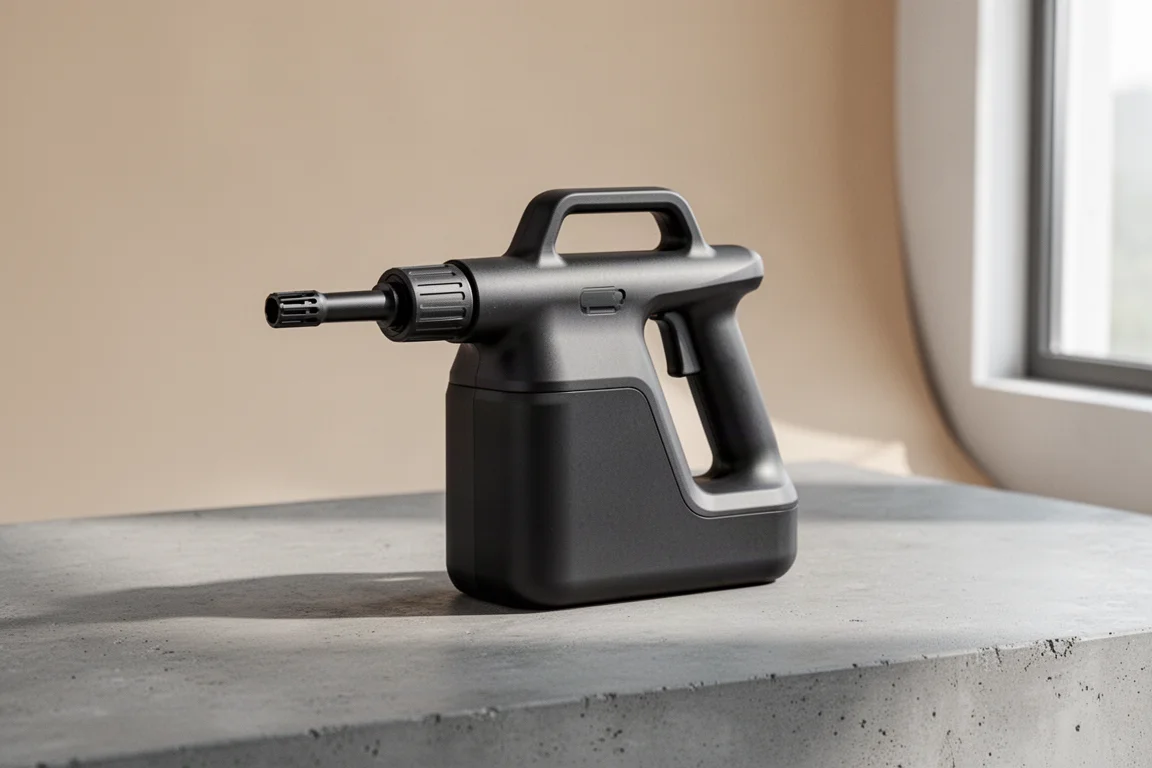
Kärcher OC 3: A Compact Alternative for Light Cleaning
The Kärcher OC 3 is the closest thing to a direct rival, and it costs nearly half as much. The compromises are clear: the water tank is less than half the size, the unit is not as powerful, and battery runtime is 15 minutes against 24.
What it offers instead is portability. The collapsible water tank lets the whole unit fold down very small, which matters if storage space is tight. For rinsing a bike or giving it a light clean, that trade-off is often worth making. Riders who want snow foam can approximate the effect with a standard spray bottle, which removes one of the Muc-Off unit’s advantages.

For many riders, the Kärcher will be the better value choice, particularly where the bike is not usually filthy and the priority is a quick rinse rather than a deep clean.
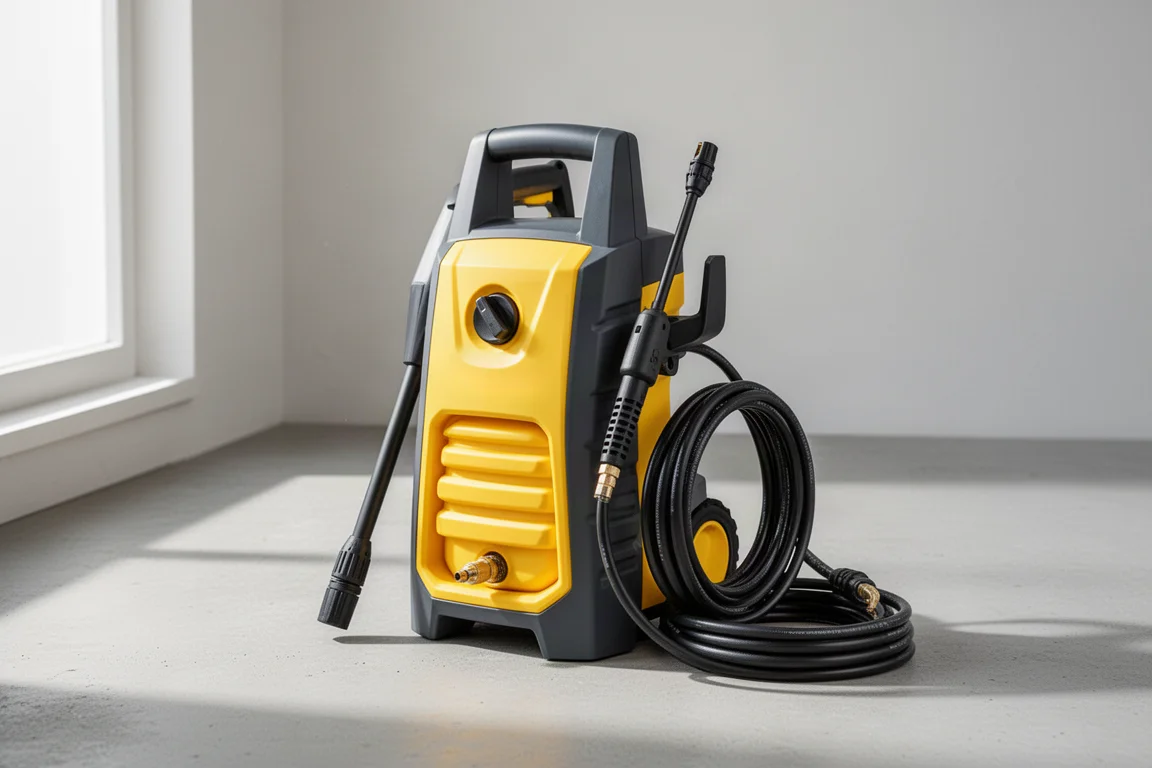
Mavic Melee: A Race Bike From a Component Brand
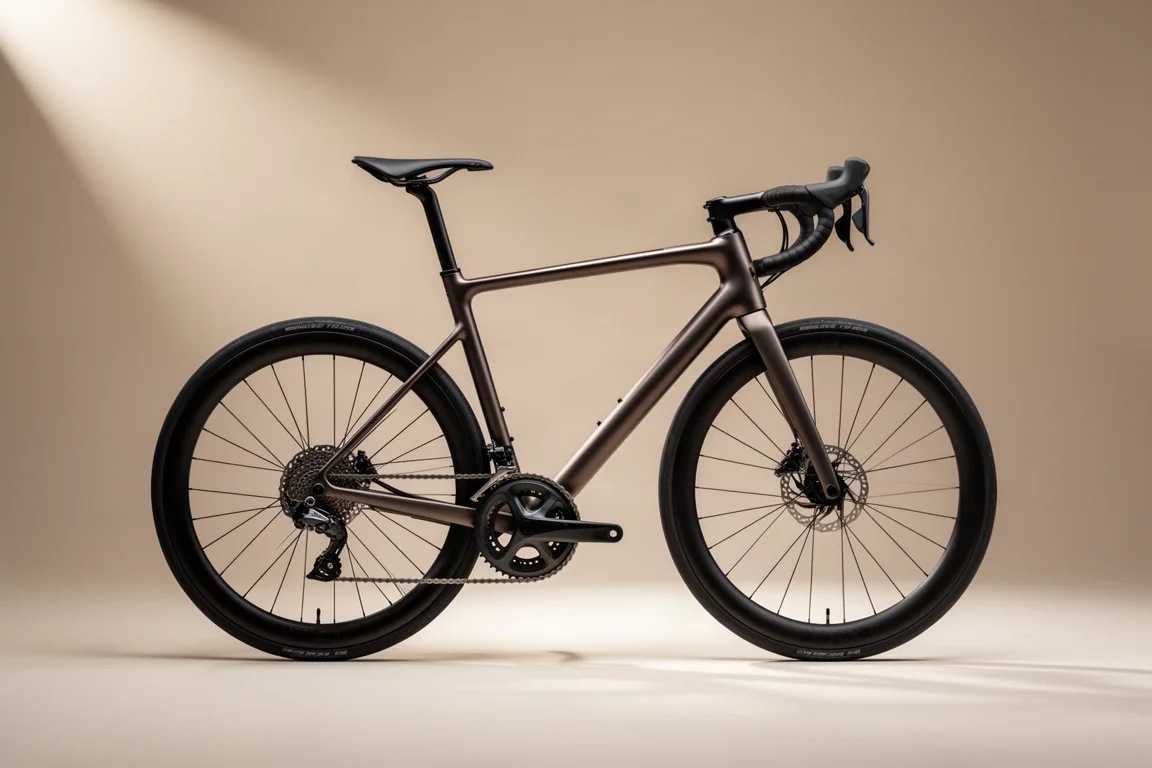
The Mavic Melee is a road bike from a brand better known for wheels and components, and it makes a stronger impression in person than it does in photographs. The satin paint finish, in particular, is one that rewards a close look. Branding is unusually disciplined: only Shimano and Mavic components appear on the bike, and even the Selle Italia saddle is a Mavic collaboration.
The cockpit is a genuine highlight. Rather than a one-piece bar and stem, buyers can specify handlebar and stem measurements when ordering a full build, which makes it far easier to arrive at a position that feels familiar. The result is stable, confident handling and a comfortable ride feel.
Climbing is where it gives ground. Compared with lighter race bikes, the weight difference is noticeable, and it does not accelerate as sharply. Once up to speed, though, it holds that speed extremely well, with a smooth, almost floating ride quality that owes something to Mavic’s fast wheels.
In character the Melee sits closer to an aero bike than a climbing bike. Riders chasing pure climbing performance may find it a slight disadvantage in a race, but for anyone riding three or four times a week, comfort, handling and a cohesive build count for a great deal more than a wind tunnel number.
Buying Advice
The right choice depends on what problem you are actually solving. A rider who wants more from their head unit will get the most out of the Hammerhead Karoo, where the Android platform is the whole point. Riders drawn to the Hunt Sustain Phase One should be comfortable paying more for a heavier wheel in exchange for lower-impact materials, while the Hunt 40 Carbon Aero Disc remains the better value pick for pure performance.
On cleaning, the decision is about volume and conditions. The Muc-Off battery pressure washer suits riders with several bikes, genuinely dirty rides, or cyclocross duties, while the Kärcher OC 3 covers lighter rinsing and small storage spaces at roughly half the price.

The Mavic Melee is the least conventional option here. It rewards riders who value stable handling, a comfortable ride and a build that feels considered, and it gives up something in climbing speed to get there. Matching the product to the riding you actually do matters more than chasing the specification that looks best on paper.
Conclusion
This month’s crop covers a wide range: a head unit with unusual software freedom, a wheelset testing whether recycled carbon can find a market, two pressure washers aimed at the same problem from different price points, and a race bike that trades climbing sharpness for comfort and stability. Each is a reasonable purchase for the right rider, and each has a clear trade-off worth understanding before buying.
Further reading
Related Reviews
Cycling Tech
Best Cycling Tech: Nine Standout Products Worth Considering
Nine pieces of cycling kit that earned their place through long-term use, from a keenly priced World Tour race bike to a multi-tool that has survived two years of hard riding.
Cycling Tech
Best Pro Peloton Bikes and Components 2023: 8 Standout Upgrades
A roundup of the most technically interesting pro peloton bikes and components for 2023, from the Cannondale SuperSix EVO to Shimano Dura-Ace and Continental GP5000 S TR tires.
Cycling Tech
Bike Tech Roundup: Five Standout Upgrades Worth a Closer Look
A four-season tubeless tire, a featherweight climbing wheelset, a hangar-free drivetrain and two pairs of gravel shoes, assessed on the details that matter.