Cycling Tech
Cycling Tech Roundup: An Electric Pump, a Heart Rate Strap, and Two Aluminium Bikes
A practical look at five cycling products making the rounds right now, from a pocket electric inflator to a humanitarian utility bike and two aluminium road framesets.
Introduction
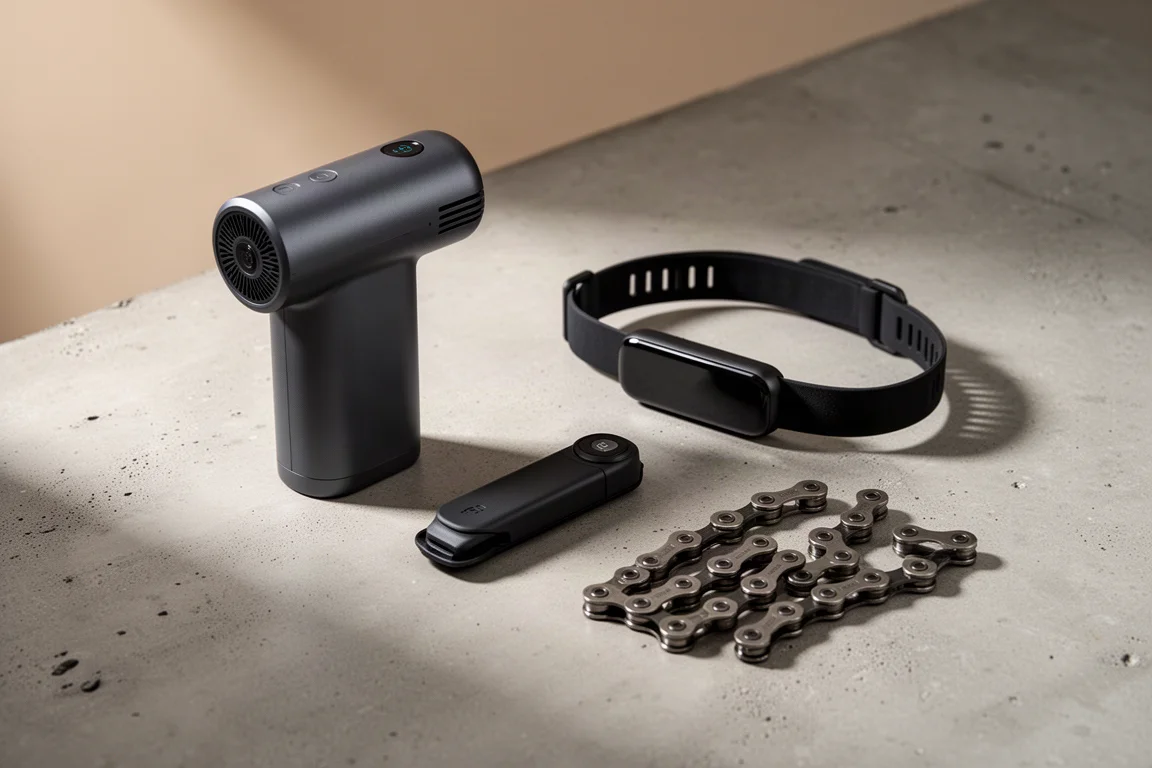
Not every worthwhile cycling product is a flagship race bike. This roundup looks at five items that have been drawing attention for very different reasons: a pocket-sized electric inflator, a refreshed heart rate strap, a utility bike built for rural transport, and two aluminium road frames that take opposite approaches to value and marketing.
Each one serves a distinct purpose, and each is worth understanding on its own terms before deciding whether it belongs in your setup.
Hoto Electric Pump: Pocket Inflation Without the Effort
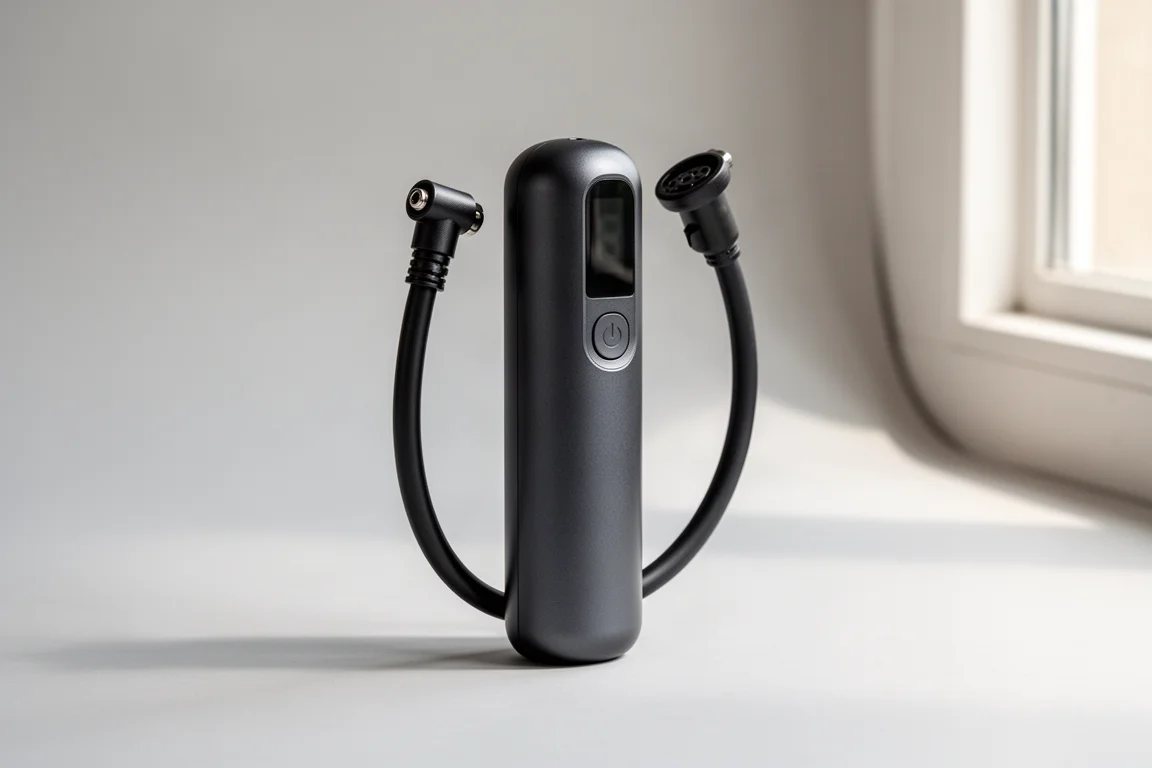
Electric pumps are not new, but they have been shrinking. The Hoto unit weighs roughly 150 grams, which puts it in jersey-pocket territory rather than workshop-tool territory, and it runs on a 2,000 mAh battery that recharges over USB-C.
The headline claim is a 23c tire inflated in around 25 seconds to somewhere between 55 and 80 psi. The same battery is quoted as good for eight tires from completely flat, or top-ups on as many as 18. It is worth noting that those figures are published against a 23c tire, so riders on wider rubber should expect longer fill times.
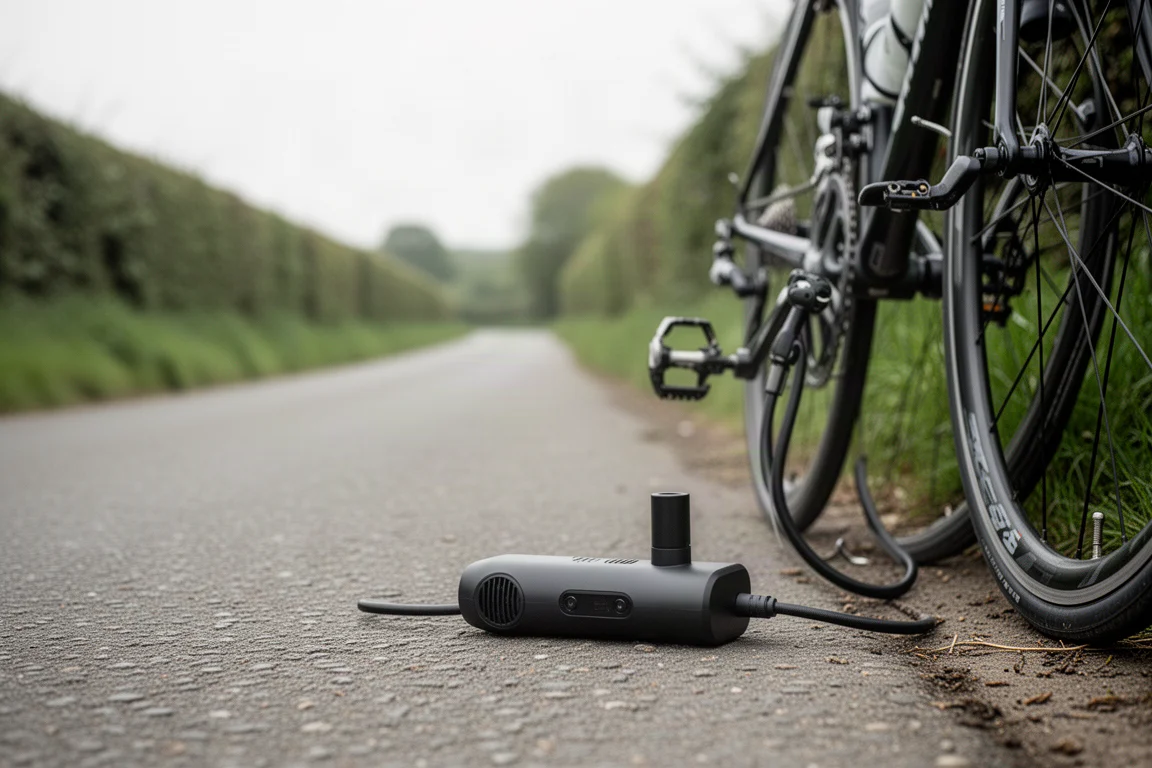
The genuinely useful part is the built-in pressure sensor. With a CO2 canister you dump the whole charge in and then guess what pressure you have ended up at, which is a problem when tubeless setups usually want far less than the full canister delivers. Here you choose the pressure and let the pump stop there. It works with inner tubes or tubeless tires.
CO2 remains smaller and lighter, and a mini pump never needs charging, but neither offers the same repeatable control, and a canister is a single-use item. This class of pump is easy to use, though it is one more thing to remember to charge before a ride.
Garmin HRM 200: A Modest Refresh of a Familiar Strap
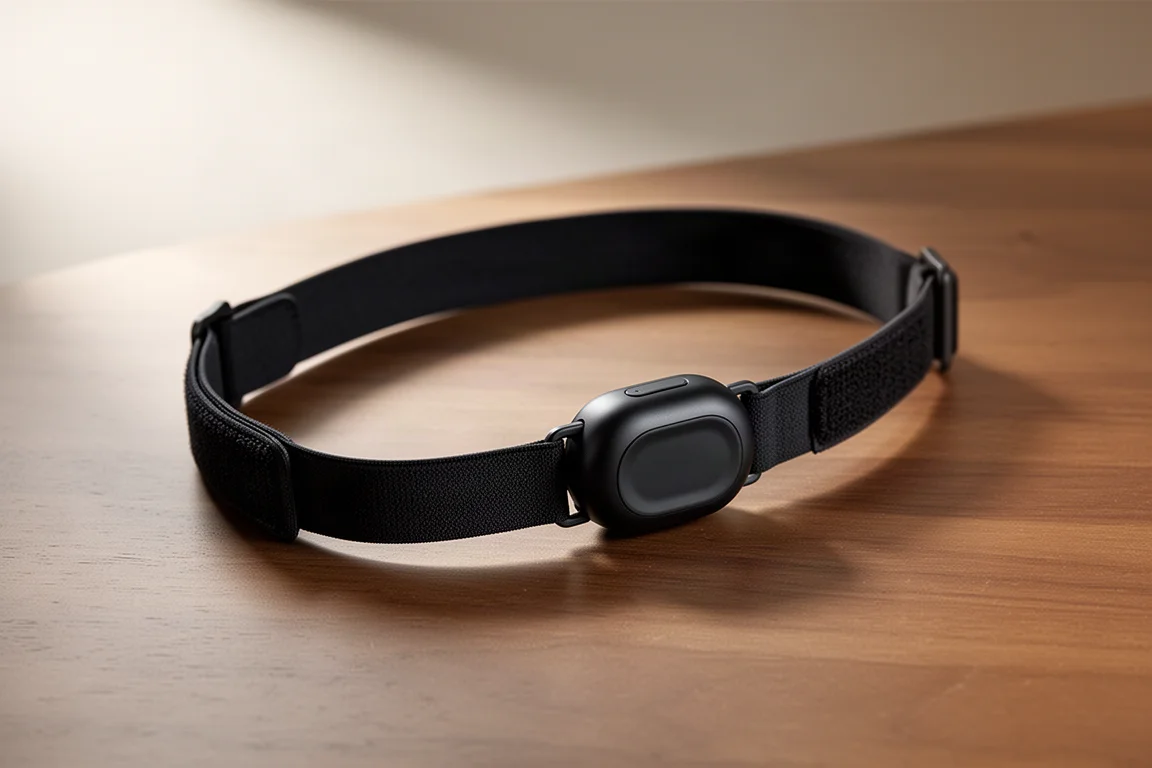
Garmin’s HRM 200 arrives as a light update rather than a redesign. It transmits heart rate and heart rate variability data to compatible smartwatches and Edge devices, and it keeps the machine-washable strap that comes in two sizes, along with an LED indicator.
The sensor remains removable and the battery is replaceable rather than built in, which is a sensible direction for a component that lives in one of the sweatiest places on the body. In the UK the HRM 200 is priced at around £80, which places it alongside comparable straps from other brands.
Heart rate straps have a long-standing reputation for failing through sweat and salt corrosion, and that is the real question mark here. The design choices suggest a focus on durability and serviceability, but only long-term use will show whether that translates into a longer working life than previous generations.
Buffalo Bike: The Most Important Bike in the World
The Buffalo bike is not a consumer product in the usual sense. It is distributed by World Bicycle Relief and was developed with input from field testers in Africa and South America alongside SRAM. Recipients in Zimbabwe, Uganda, Kenya, Zambia, Malawi, Tanzania and Colombia receive the bikes free of charge, and more than 850,000 have been distributed so far.
The second-generation model addresses a specific problem. The original was single speed, which is not ideal on varied terrain or under heavy loads, and many riders use these bikes to carry cargo. Rather than adding shifters, cables or a derailleur, all of which are vulnerable in rough conditions, the new bike runs two chains. Each chain drives a different gear, and the rider switches between them with a back-pedal motion inside the freewheel.
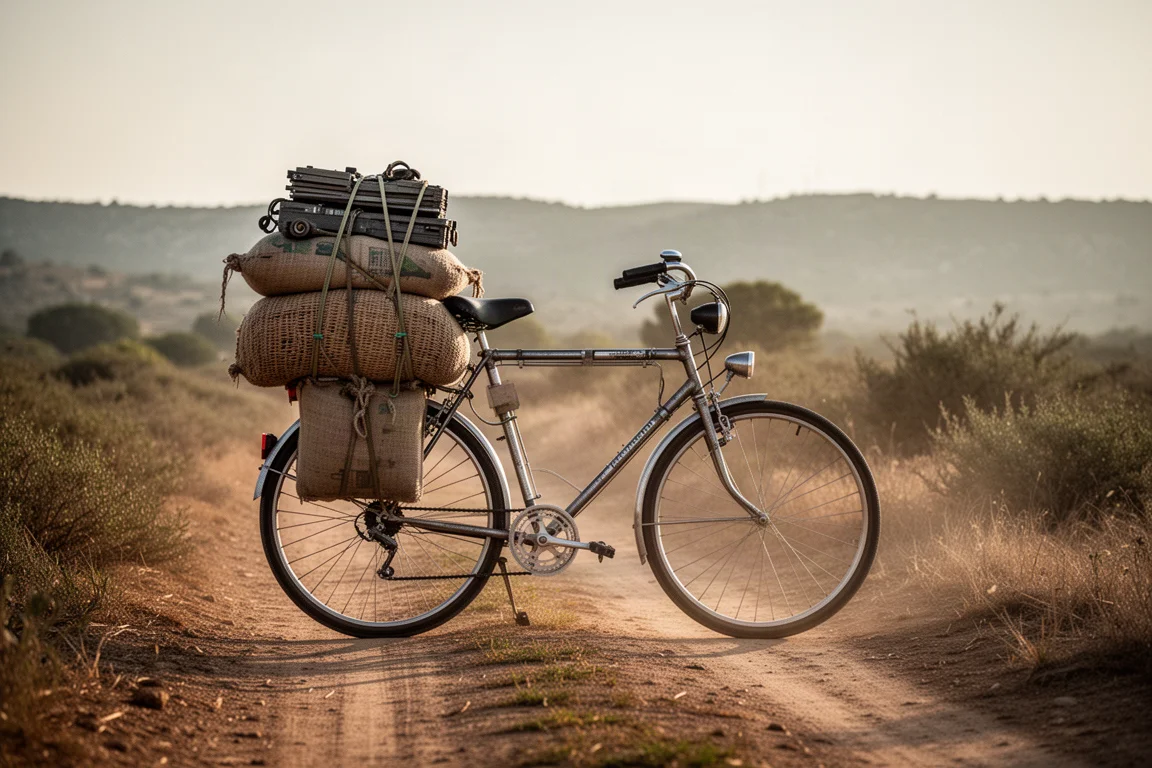
The result is a drivetrain with very few parts to break. The bike weighs 23 kg, uses a steel frame with aluminium rims, and is rated to carry cargo over 100 kg, which is a serious figure for a machine used as everyday transport and a load carrier. It is built in Giant’s Taiwan factory, and the bikes are produced at a cost of around £45 each before distribution.
Standert Kreissäge RS: Style, Marketing and a Weight Limit
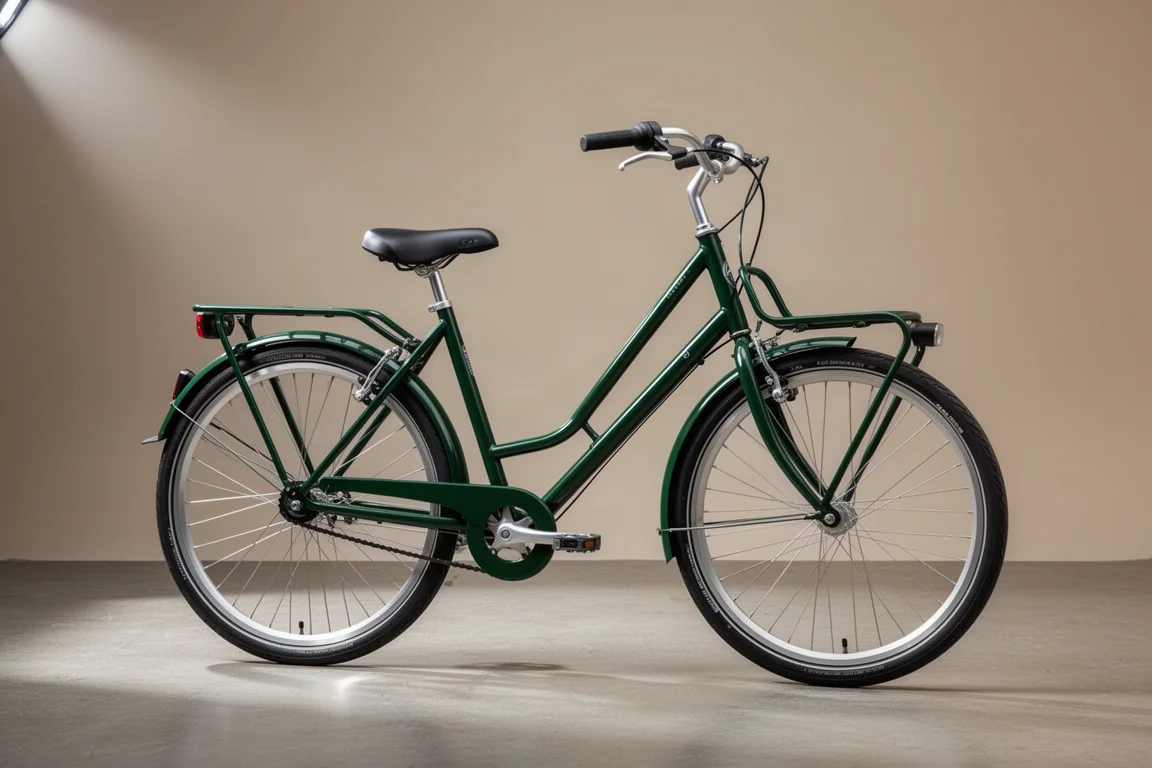
The Kreissäge RS is an aluminium road bike with a scandium alloy tube set made exclusively in Italy. The brand presents scandium as the strongest aluminium alloy available, claiming extremely thin, light tubes that match the tensile strength of older 4130 chromoly steel tubing. Tire clearance is 30 mm.
Configured as tested, with the higher-level RS frameset and DT Swiss wheels, the build comes in at around €6,600, and the configurator can push a build close to €12,000. The claimed frame weight of 1,360 g covers the frame alone, without the fork. On the scales, the build weighed 8.66 kg.
A total system weight limit of 105 kg is the detail that deserves attention. That figure includes the bike, the rider and any luggage. Take the 8.66 kg of the bike away and you are left with roughly 97 kg for rider and load, which is not much if you commute with a heavy backpack. The frame is also heavier than a direct competitor’s while costing more, and for the same money there are stiffer, more aerodynamic and more compliant road race bikes. Brand marketing has leaned heavily on social media partnerships in recent years, which has divided opinion among riders who liked the more niche positioning.
The finishing specification also invites questions, since an integrated cockpit is paired with a non-matching seatpost, an odd inconsistency on a bike at this price. The Kreissäge RS makes the most sense as a bike chosen for how it looks and how it feels on a cafe ride or a spirited group outing, not as a performance benchmark.
Specialized Allez Sprint: The Leaner Alternative
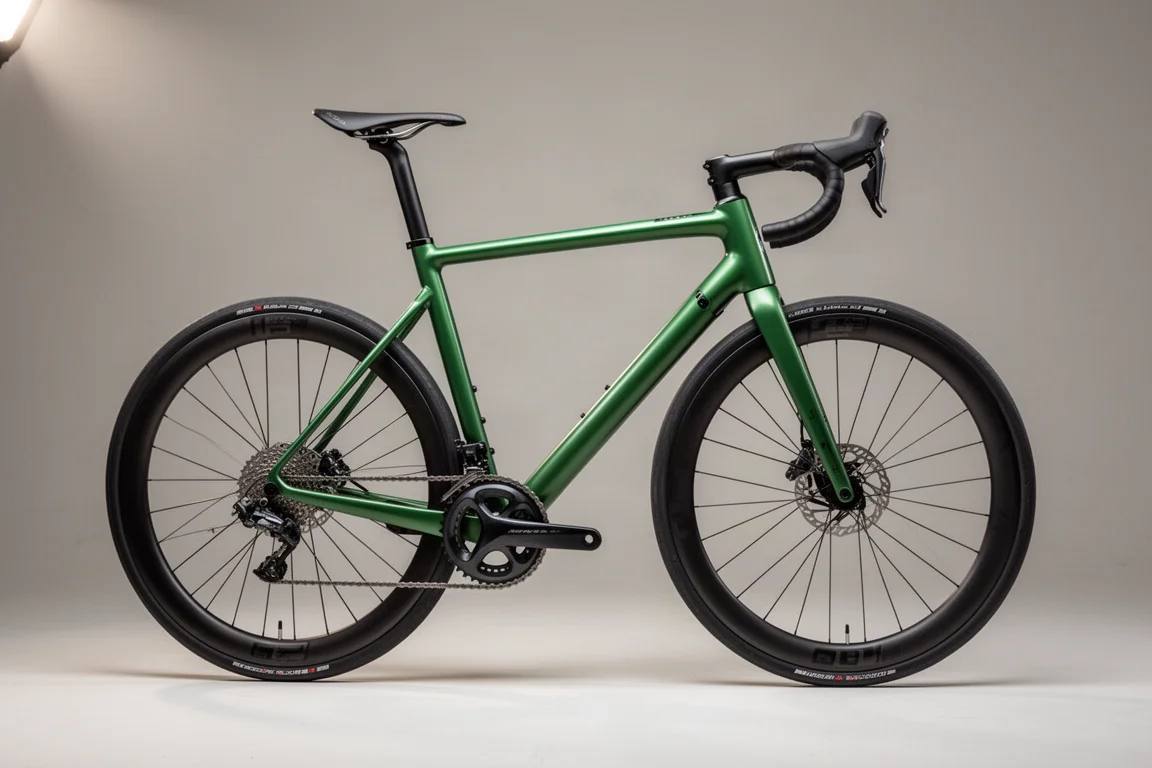
The Allez Sprint offers a useful comparison point for anyone weighing up an aluminium race frame. Its frame is listed at 1,198 g, which is 160 g less than the Kreissäge RS frame, and in the UK the frameset comes in at around £1,500 against roughly €2,000 for the Standert frameset.
That combination of lower weight and lower frameset price is the straightforward argument. A lighter frame does not automatically mean a lighter complete build, and the final figure depends on the components you choose, but on the frame alone the numbers favour the Allez Sprint.
For riders who want a fast-feeling aluminium road bike, this is the more pragmatic starting point, leaving more budget for wheels, tires and contact points where the money tends to show up most clearly on the road.
Buying Advice
The right choice depends on which problem you are actually solving. If roadside repairs are your concern and you run tubeless, a pump with a pressure sensor removes a lot of guesswork and replaces both a mini pump and single-use canisters. If you ride regularly and track training load, a heart rate strap is the cheapest meaningful upgrade to the data you collect, provided you accept that sweat resistance is the weak point of the category.
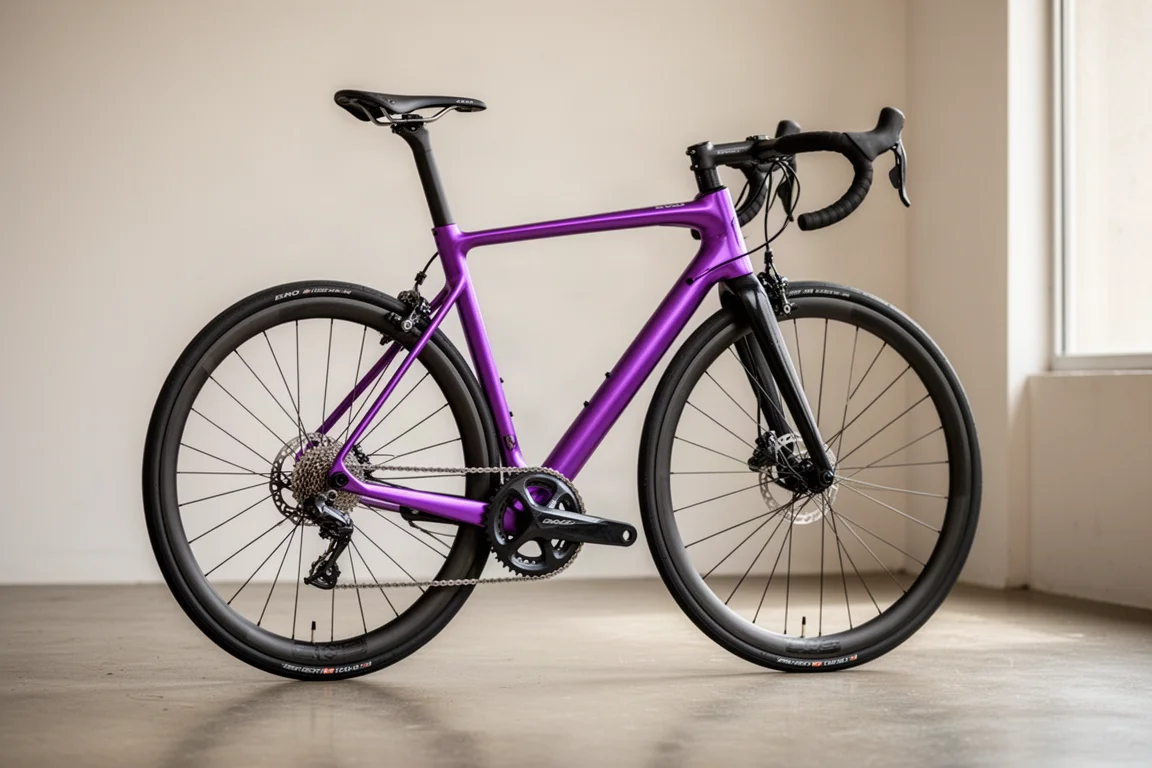
For a road bike, decide whether you are buying performance or character. The Allez Sprint frameset gives you less weight and more budget left over for the parts that affect how the bike rides. The Kreissäge RS is a distinctive, Italian-made aluminium frame that asks a premium and imposes a real weight limit, so it suits riders who prioritise the look and the ride experience over race-day numbers. The Buffalo bike sits outside this comparison entirely: it is a tool for transport and livelihoods rather than a purchase decision, and it is worth knowing about even if you will never own one.
Conclusion
These five items rarely compete with one another, which is part of why they are interesting side by side. An electric pump earns its place by removing guesswork from a flat, a heart rate strap earns its place by making training data more reliable, and the two aluminium frames show how differently the same material can be packaged, priced and marketed.
The Buffalo bike is the outlier and the most consequential of the group. Everything else here is an upgrade. That one is transport, income and independence for the people who ride it, and more than 850,000 of them have been delivered so far.
If you are shopping for yourself, match the product to the problem first. The specifications only start to matter once the use case is clear.
Further reading
Related Reviews
Cycling Tech
Best Cycling Tech: Nine Standout Products Worth Considering
Nine pieces of cycling kit that earned their place through long-term use, from a keenly priced World Tour race bike to a multi-tool that has survived two years of hard riding.
Cycling Tech
Best Pro Peloton Bikes and Components 2023: 8 Standout Upgrades
A roundup of the most technically interesting pro peloton bikes and components for 2023, from the Cannondale SuperSix EVO to Shimano Dura-Ace and Continental GP5000 S TR tires.
Cycling Tech
Bike Tech Roundup: Five Standout Upgrades Worth a Closer Look
A four-season tubeless tire, a featherweight climbing wheelset, a hangar-free drivetrain and two pairs of gravel shoes, assessed on the details that matter.