Cycling Tech
Cycling Tech Roundup: Adidas Road Shoes, New Tyres and Shimano CUES
A practical look at the latest road and gravel releases, from accessible Adidas road shoes and new Pirelli and Continental tyres to Enve's gravel platform, Shimano CUES, Garmin power pedals, the Liv EnviLiv and SRAM Force.
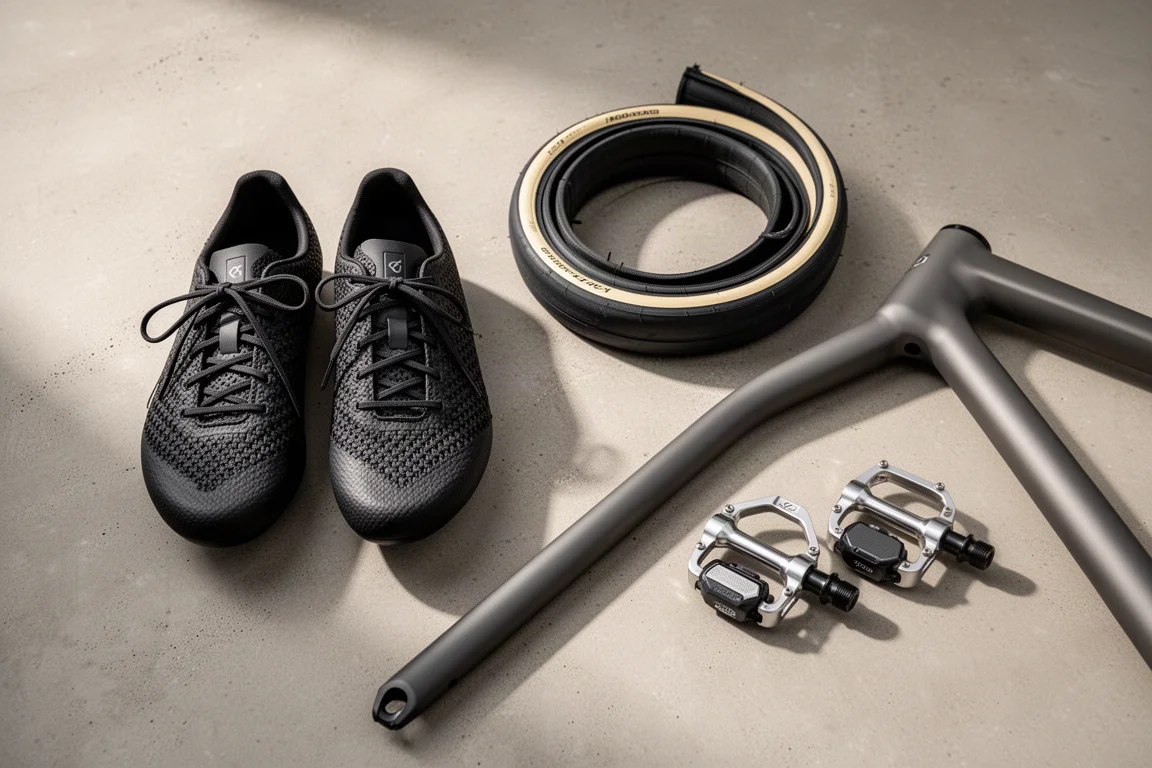
Introduction
Cycling tech rarely stands still, and the past few months have produced an unusually varied set of releases. There is a new generation of Adidas road shoes aimed at a broader audience, fresh rubber from Pirelli and Continental, a lightweight gravel platform from Enve, a new Shimano groupset ecosystem that changes how entry and mid-tier bikes are specified, single-sided power meter pedals from Garmin, and a women’s specific aero road bike from Liv paired with a refreshed SRAM Force groupset.
Some of these are simple purchases you can make today. Others are platform shifts that will shape what turns up on complete bikes over the next few seasons. This roundup covers what has actually changed, what each product is designed to do, and the details worth checking before you buy.
Adidas Road Cycling Shoe 2.0
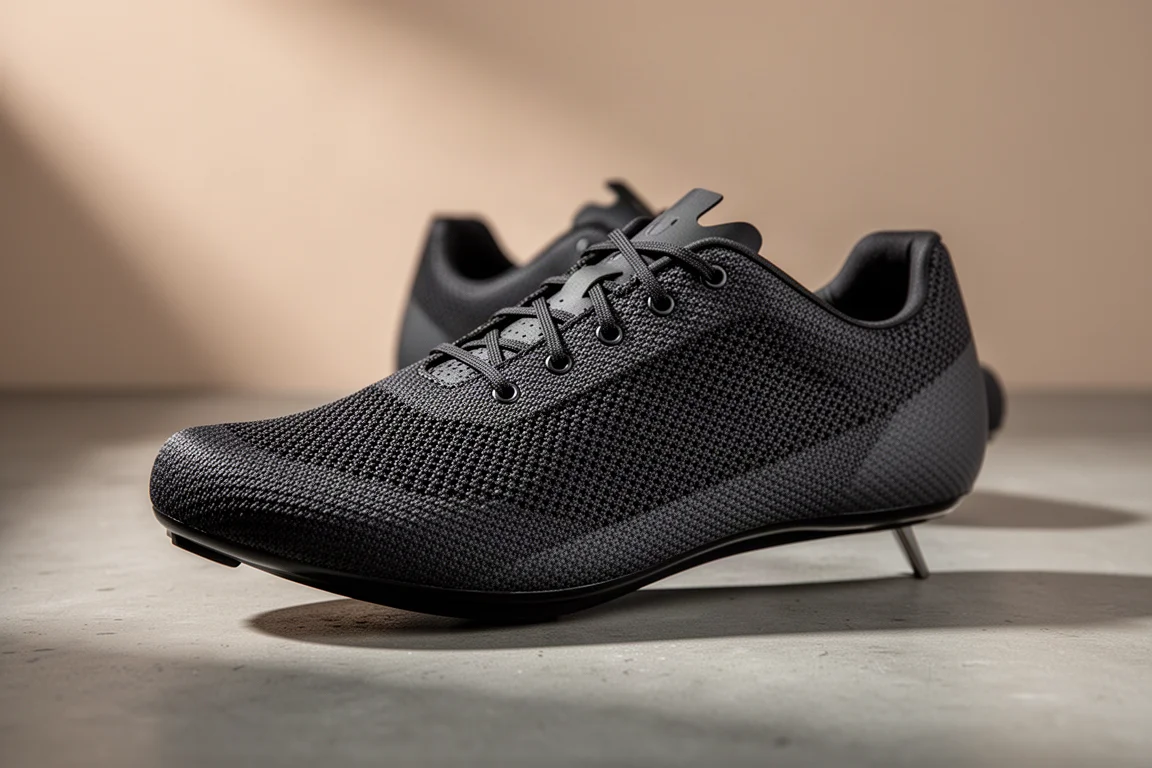
The Road Cycling Shoe 2.0 is the second generation of Adidas’s road offering, and the changes are deliberately modest. Lace eyelets replace the loops used on the first version, the sole remains fibreglass, and the upper keeps its woven construction made partly from recycled ocean plastic. The shape is a little neater, but the overall character is familiar, and the naming stays plain rather than borrowing the extravagant labels used elsewhere in the brand’s range.
Adidas’s stated intention for the collection is accessibility rather than outright racing performance: inclusive women’s sizing, added comfort on the bike, and price points that reach more riders. At around £150, that positioning is convincing next to performance shoes that cost more than twice as much.

That makes this a shoe for riders who want something comfortable, good looking and reasonably priced rather than a race-day weapon. The fibreglass sole and woven upper are the same core recipe as before, so anyone expecting a significant performance step up should look elsewhere. For everyday road riding, commuting and long comfortable spins, the brief is met.
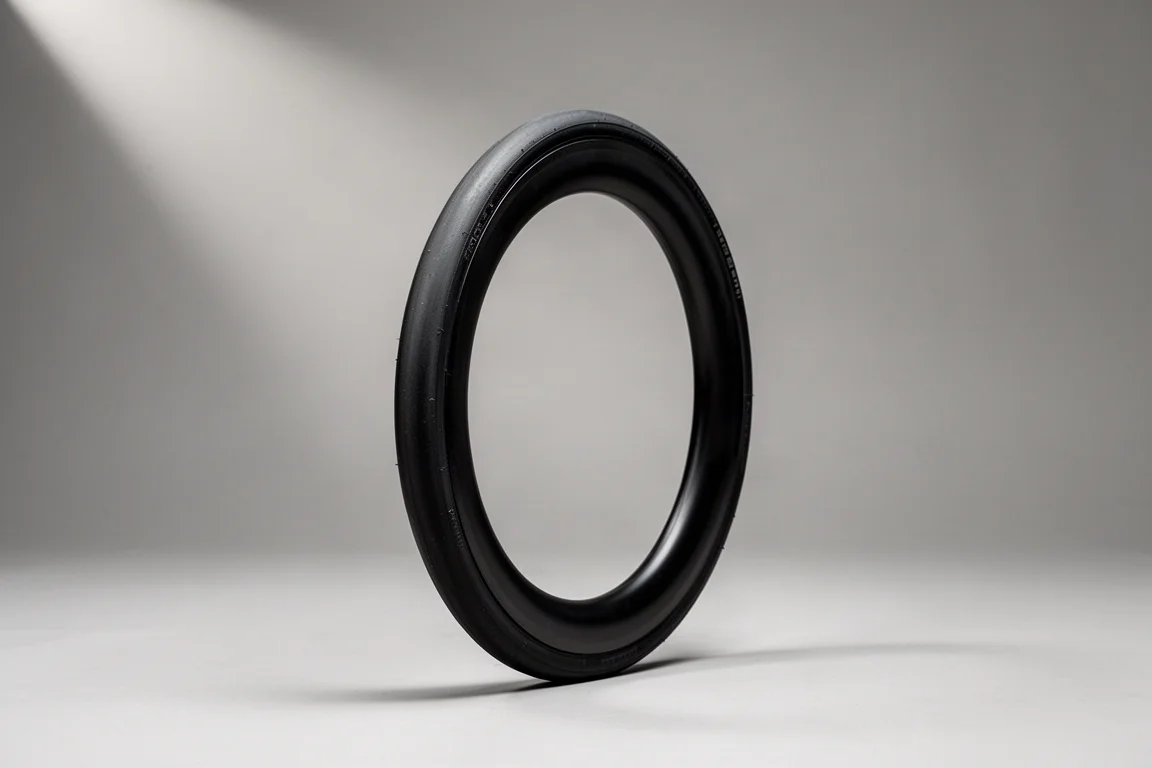
Pirelli P Zero Race TT
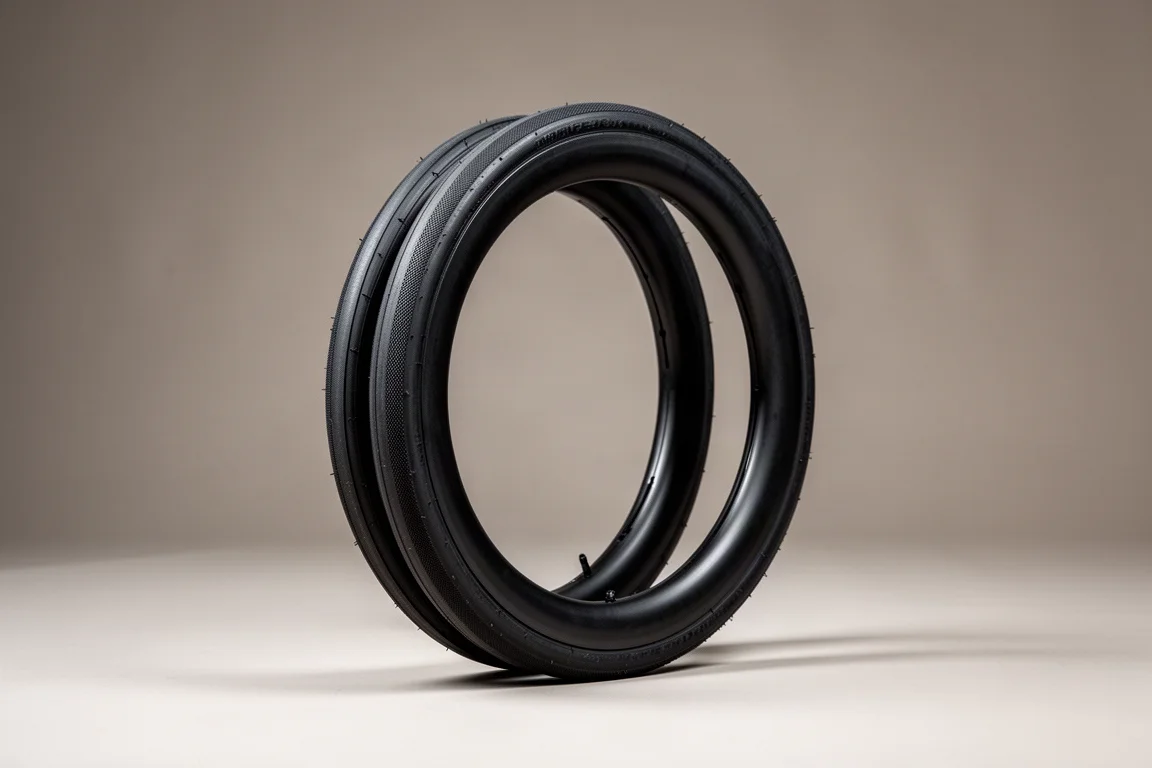
Pirelli’s new time trial tyre is available in just two sizes, 26mm and 28mm. The absence of anything narrower is a notable signal about where road tyre widths are heading, especially for a tyre intended for professional racing. There is no tubeless version, so it has to be run with inner tubes, and the published performance figures were generated using the 28mm version mounted on a full-section wheel.
That makes 28mm the reference size for most riders considering it, even though the 26mm option exists. The tube-only construction also suggests Pirelli is prioritising stability and control over the pursuit of a tubeless setup at this point, which matters to riders who value staying upright on slick or technical courses.
Continental GP5000 AllSeason TR
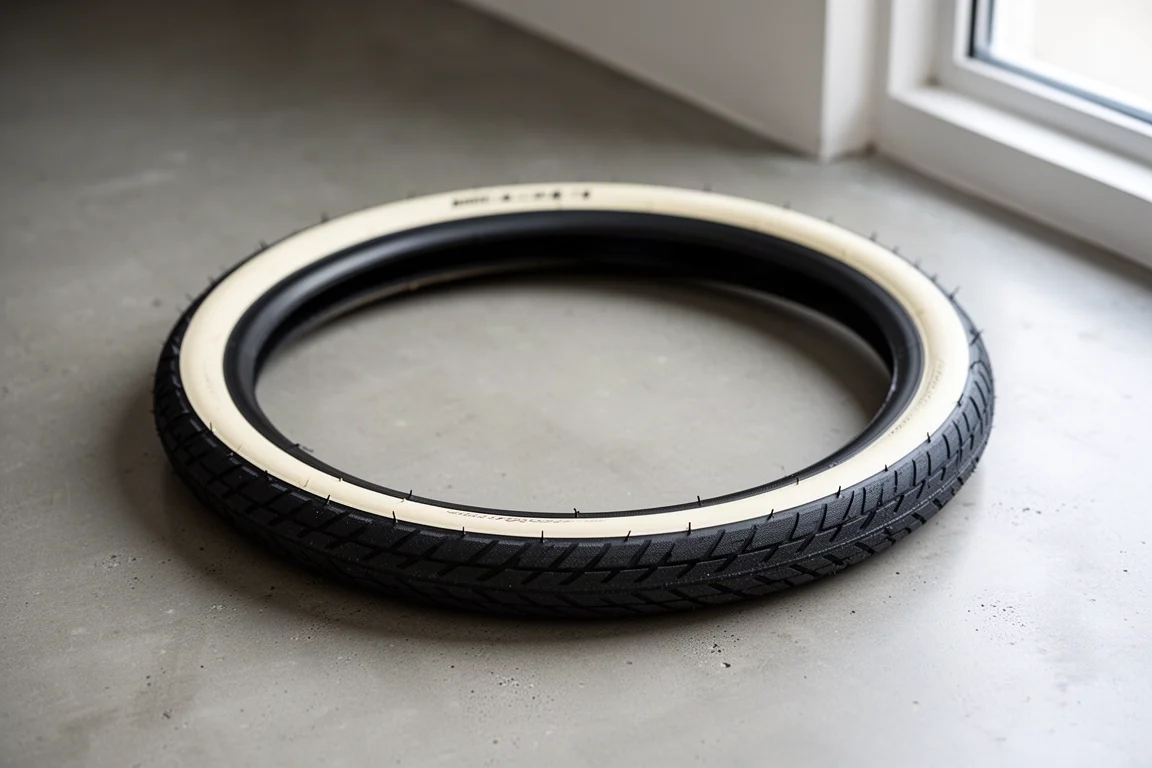
The GP5000 AllSeason TR is tubeless ready and spans 25mm to 35mm. Continental’s aim was to combine the speed of a GP5000 with the protection, grip and longevity associated with the GP4 Seasons, and the 25mm option is a genuinely useful inclusion for winter bikes where mudguards leave little clearance for wider rubber. A cream sidewall option adds a classic look, though it will not stay cream for long in real conditions.
Whether the tyre delivers on both sides of that brief is the open question. Summer riders will want it to feel as quick as a standard GP5000, while winter riders will expect the durability of an all-season tyre. At €95.99 it sits in the upper range for a road tyre.
Continental GP5000 TT TR
The GP5000 TT TR is a tubeless ready time trial tyre, and it is the more confusing of Continental’s two new releases. Time trial tyres normally trade grip and durability for straight-line speed, but the claims here suggest a broader spread of performance, with grip and puncture protection retained alongside low weight. Continental claims a 35g reduction compared with the S TR, which most likely comes from reducing puncture protection, even though some protection is still claimed.
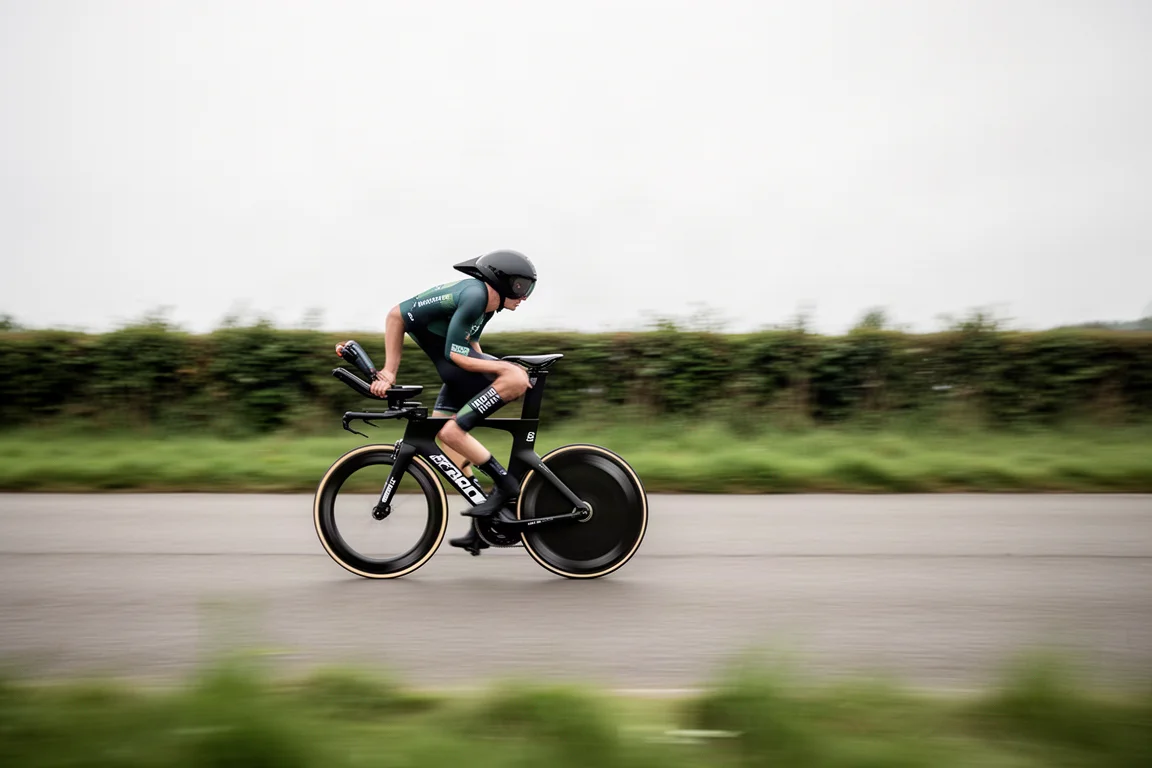
For riders who race against the clock, that combination is appealing. For everyone else, the question is whether the TT badge reflects a genuine specialisation or simply the next step in the GP5000 family. At €108.95 it is priced like a specialist tyre, so it makes most sense for riders with a specific speed goal in mind.
Enve MOG
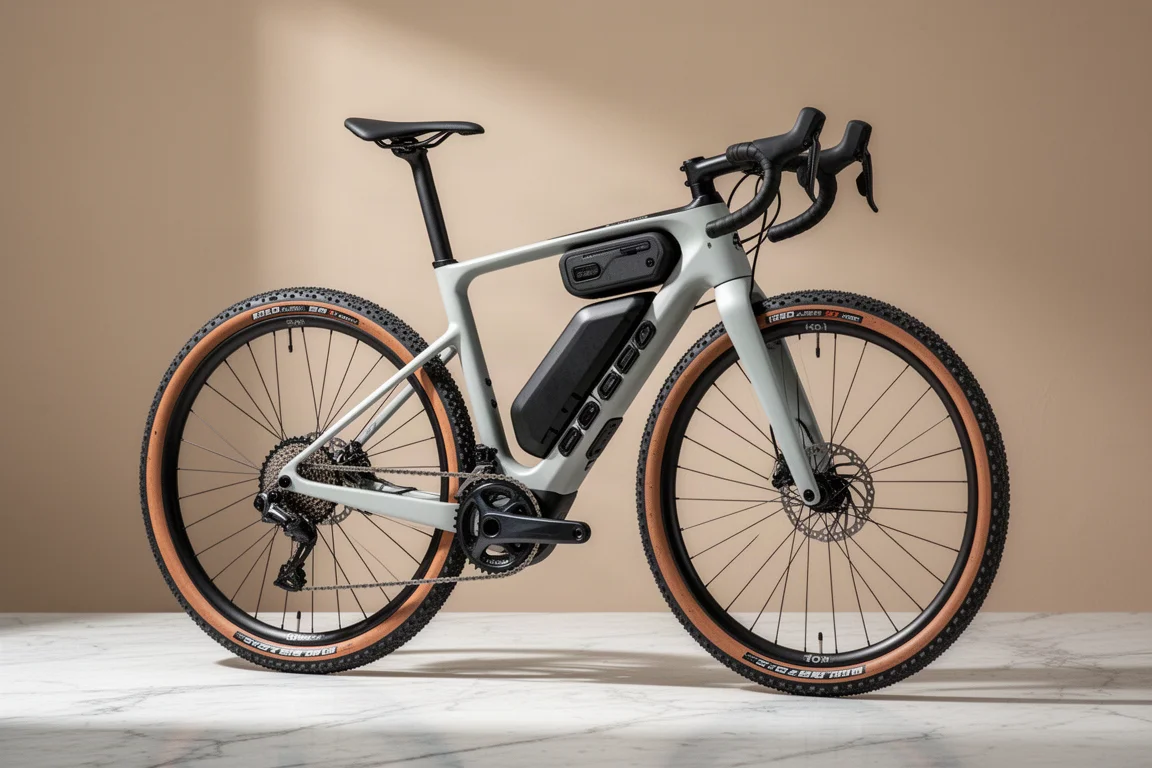
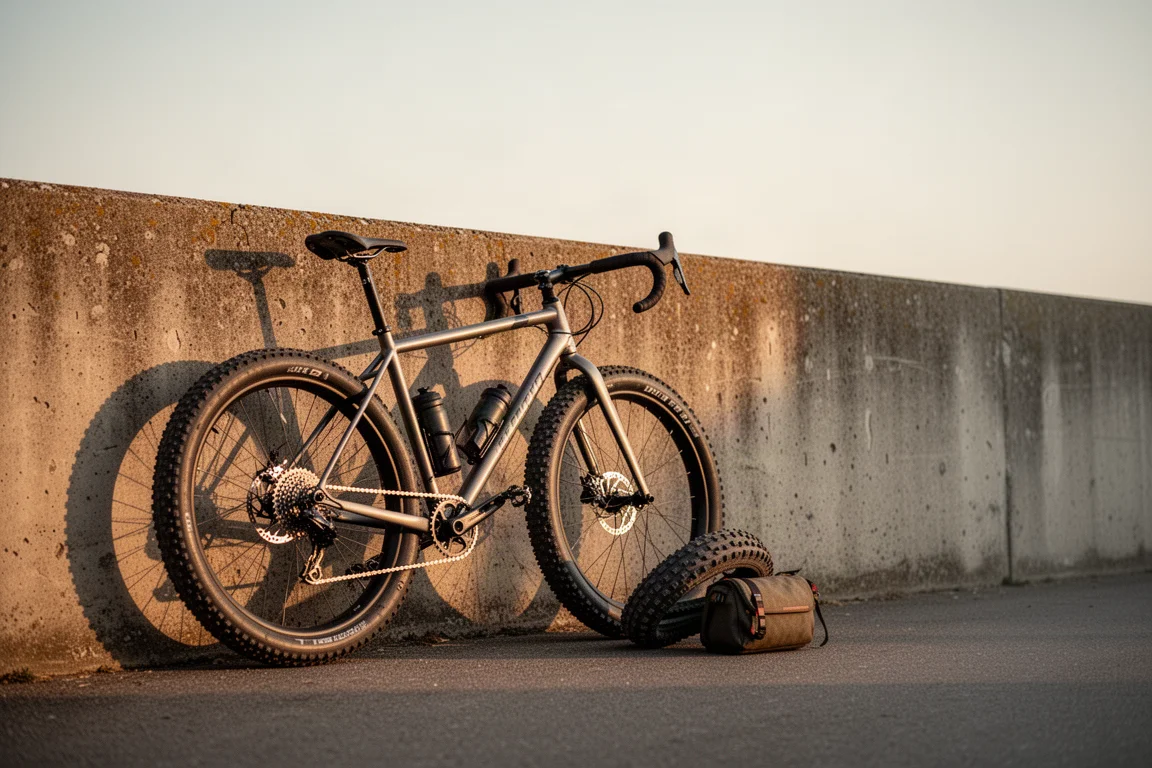
The MOG is Enve’s take on a gravel bike, and the headline numbers are straightforward: it is built around 700c wheels with clearance for tyres up to 50mm, and it is expressly not designed around 650b wheels. It adds down tube storage, rack and fender mounts, and top tube mounts, which is a lot of versatility for a performance-oriented frame.
The ride character is described as light and lively, with tube shapes carried over from the brand’s road platform. That combination of adventure-ready mounting points and a fast, lightweight frame is the core of the pitch. It is also expensive, at £5,500 for the frameset, which puts it firmly in the territory of top-end bikes.
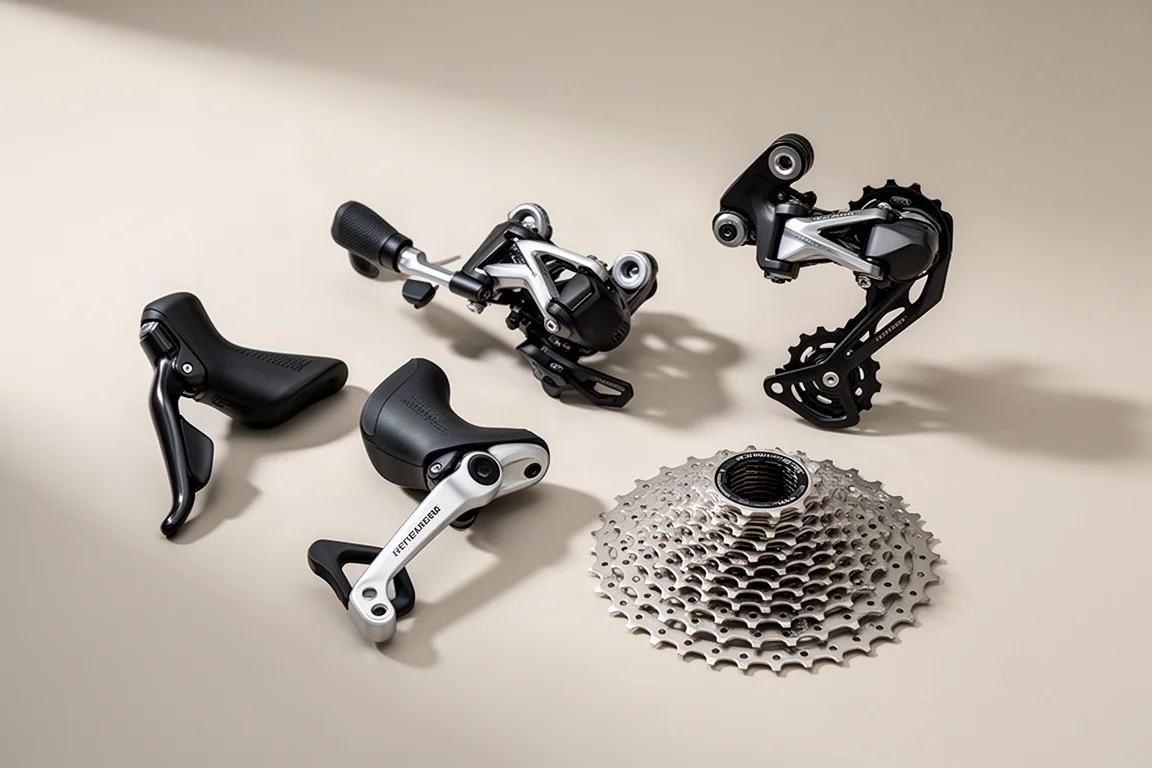
Shimano CUES
Shimano’s CUES ecosystem is set to replace the long-running Claris, Sora and Tiagra groupsets, which have earned a following for working reliably with minimal fuss. CUES first appeared in the e-bike space before extending into flat bar bikes, and drop bar components are expected to follow later. Pricing for the range has not been confirmed.
The philosophy behind CUES is different from the usual trickle-down approach. Rather than inheriting older racing technology, the groupsets are developed around durability, using the LinkGlide system for smooth, long-lasting shifting. CUES spans 9, 10 and 11 speed across three tiers, and the components are interchangeable, with a single chain shared across the range. That gives bike shops and riders far more freedom to build to a price point or a personal preference, and it improves the odds of finding a compatible replacement part when travelling.
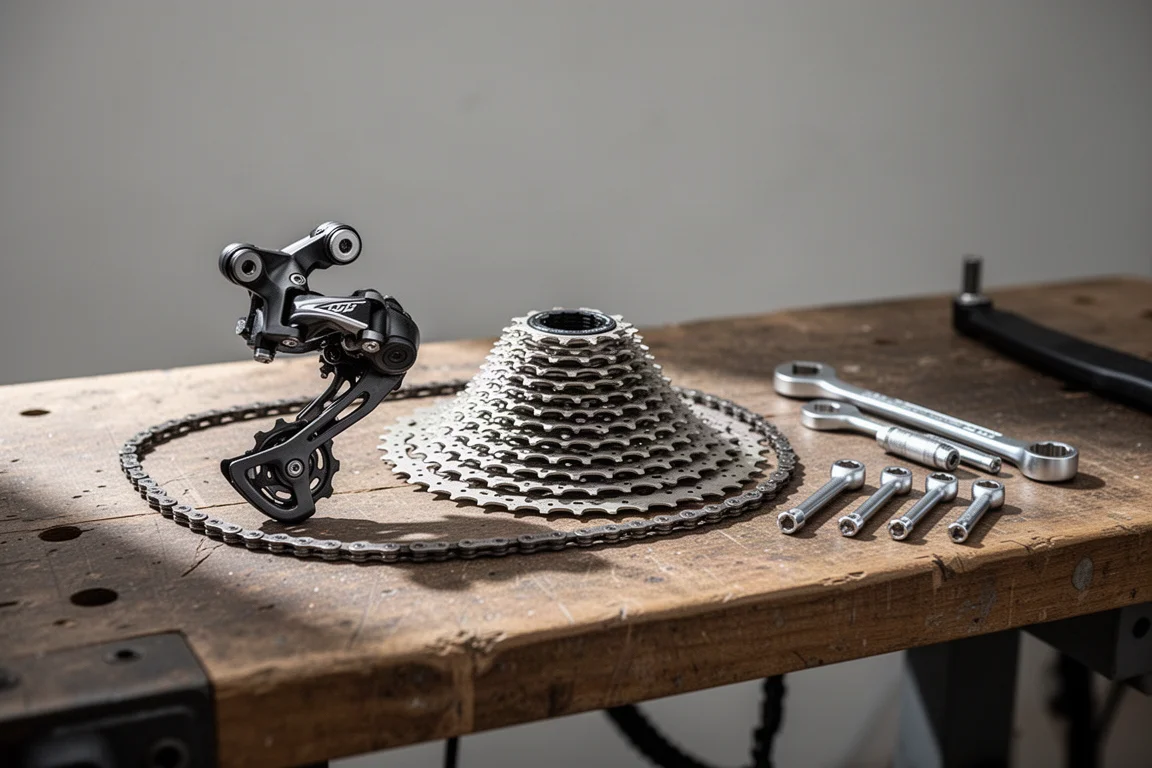
Shifting quality is the other notable point. LinkGlide is designed to remove the crunch and hesitation that entry-level drivetrains can produce, particularly under load, and in practice the shifts come through quickly and seamlessly rather than noisily or drawn out. For riders who have put up with clunky low-tier groupsets for years, that is a meaningful change. The open questions concern weight and rim brake availability, since the wider trend towards disc brakes makes it likely that entry-level road bikes will keep moving in that direction.
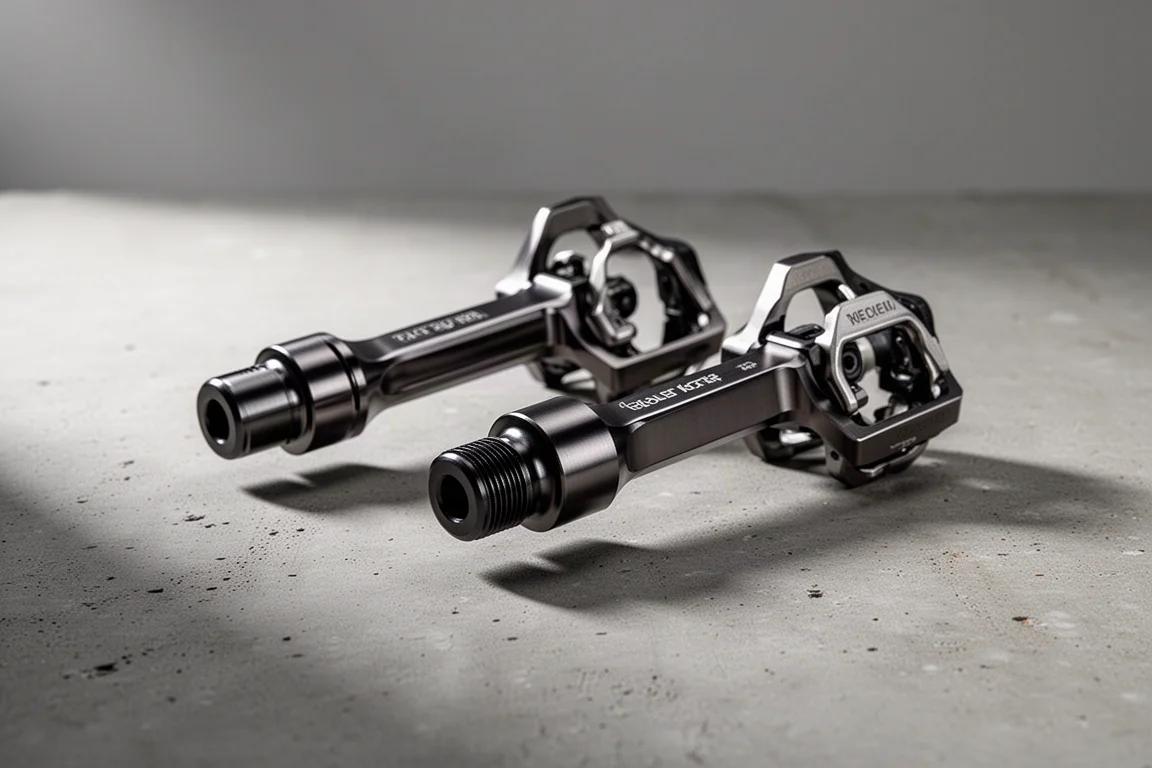
Garmin Rally RK100
The Rally RK100 is a single-sided power meter pedal system. It accepts Look KEO cleats, and like the rest of the Rally range the pedal bodies can be swapped to suit a different cleat standard, which makes the system easy to move between bikes and setups. Calibration is straightforward, and once fitted the pedals are ready to ride.
Battery life is quoted at up to 120 hours, and power accuracy at plus or minus one percent. ANT+ and Bluetooth connectivity allow pairing with most head units, and pairing with a Garmin head unit unlocks a deeper analysis of power data in Garmin Connect. For riders who want power measurement without committing to a crank-based system, pedal-based measurement remains the most flexible route.
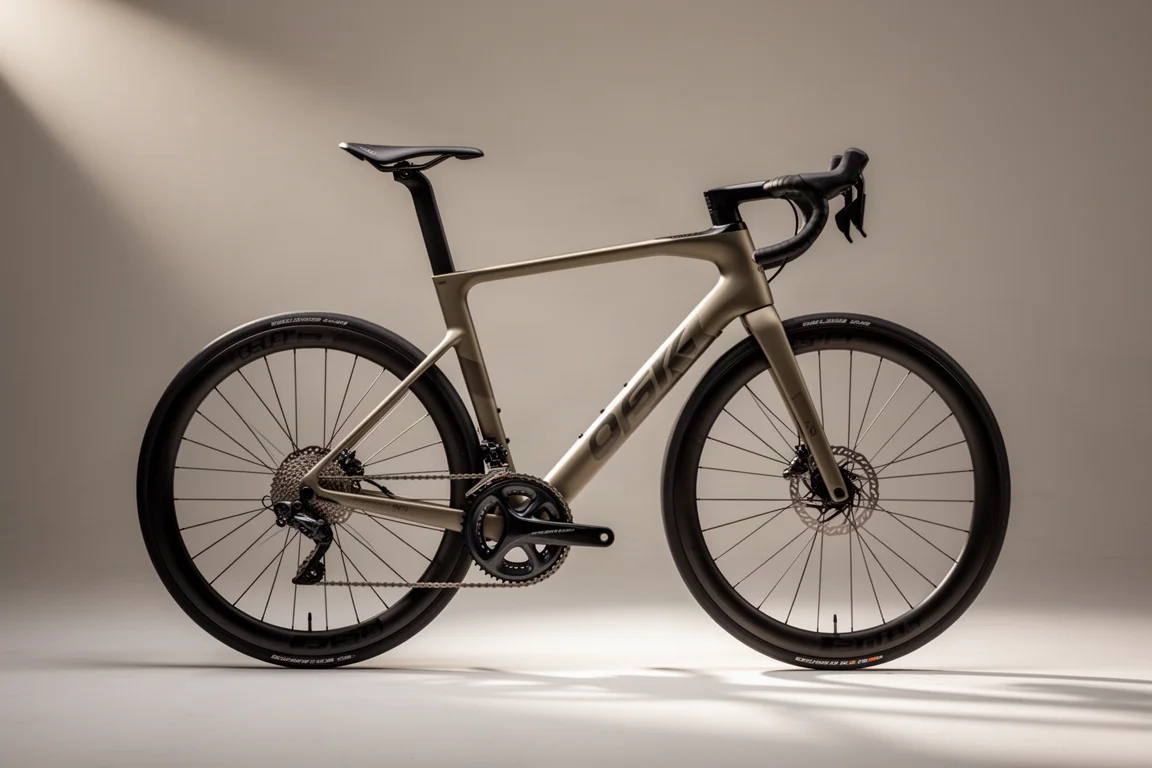
Liv EnviLiv
The EnviLiv is a women’s specific aero road bike, and the new version has gone on a significant diet: the frame is 292g lighter than before, helped by slimmer tube shapes. The geometry and measurement work have been developed around women’s proportions, including height and torso-to-leg ratios, and the finishing kit is specified accordingly.
The result is a bike that follows the same direction as the brand’s other recent aero platforms, pairing a sleeker frame with a lighter overall package. Riders who have struggled to find an aero road bike that fits properly straight out of the box are the clearest beneficiaries of that approach.
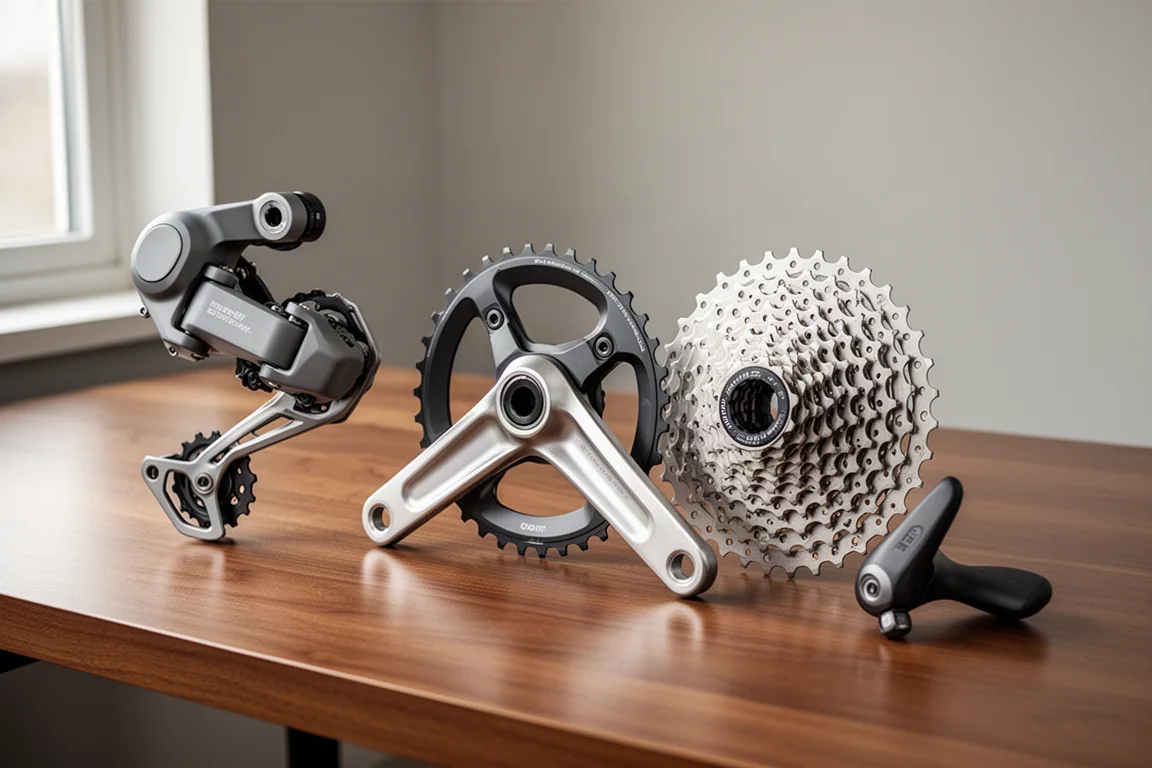
SRAM Force
The latest SRAM Force groupset is an interesting convergence of the brand’s range: the shifter shape comes from Rival, the third tier of the road lineup, while the chainset design is inherited from Red. Removable batteries remain one of the most practical features, making day-to-day living with the bike considerably easier.
Shifting performance is a clear strength. The rear derailleur moves up and down the cassette quickly and smoothly, even under load, without the crunch or hesitation that cheaper systems can produce. The available gear ratios also compare well with Ultegra, offering both a harder top gear and an easier climbing gear, which gives a wider usable spread.
There are trade-offs to weigh. The hood shape is comfortable in most positions but less agreeable when riding aggressively on the tops, and there are no shift buttons on top of the hoods. The power meter version integrates the chainrings and the meter into a single unit, so worn chainrings mean replacing the whole assembly, and replacement rings cost considerably more than Ultegra equivalents even without the power meter. Riders who value long-term serviceability should factor that in.
Buying Advice
If you are choosing one upgrade from this group, tyres usually deliver the most noticeable change for the money. The GP5000 AllSeason TR makes sense for riders who want a single tyre for year-round use, while the GP5000 TT TR and Pirelli P Zero Race TT are aimed at riders chasing speed, with the Pirelli requiring inner tubes and 28mm being the size used for its published figures.
Groupsets are a longer-term decision. CUES is worth understanding if you are buying an entry or mid-tier bike, because its interchangeable 9, 10 and 11 speed components change what is possible at a given budget, while SRAM Force rewards riders who value smooth shifting and removable batteries but deserves a careful look if you plan to run the power meter version for years.
Shoes and bikes come down to fit and intent. The Adidas Road Cycling Shoe 2.0 is a comfortable, accessibly priced option rather than a race shoe, and the Liv EnviLiv is a women’s specific aero platform for riders who want the fit to be right from the start. The Enve MOG is a premium frameset for riders who want gravel versatility without giving up a light, fast feel.
Conclusion
This batch of releases covers a lot of ground, from a £150 road shoe to a £5,500 gravel frameset. The common thread is that each product is clearer about who it is for than a specification sheet alone suggests. Tyres and shoes are the simplest purchases, groupsets are the longest-term commitments, and the bikes are best judged on fit and intended use. Match the product to the riding you actually do, and most of these will prove easy to live with.
Further reading
Related Reviews
Cycling Tech
Best Cycling Tech: Nine Standout Products Worth Considering
Nine pieces of cycling kit that earned their place through long-term use, from a keenly priced World Tour race bike to a multi-tool that has survived two years of hard riding.
Cycling Tech
Best Pro Peloton Bikes and Components 2023: 8 Standout Upgrades
A roundup of the most technically interesting pro peloton bikes and components for 2023, from the Cannondale SuperSix EVO to Shimano Dura-Ace and Continental GP5000 S TR tires.
Cycling Tech
Bike Tech Roundup: Five Standout Upgrades Worth a Closer Look
A four-season tubeless tire, a featherweight climbing wheelset, a hangar-free drivetrain and two pairs of gravel shoes, assessed on the details that matter.