Power Tool Accessories
Crescent Nail Slicer Framing Blade: A Torture Test Review
We put the Crescent Nail Slicer framing blade through extreme durability tests, including rebar and sheet steel cuts, to see just how tough it really is.
Introduction
Circular saw blades usually get judged on how cleanly they cut lumber, but durability is the quality that separates a good framing blade from a great one. The Crescent Nail Slicer framing blade has built a reputation for handling the kind of abuse that ruins lesser blades, and that reputation is what made us want to test it properly.
Rather than sticking to standard framing cuts, we designed a series of stress tests to find out where this blade’s limits actually are. The results were more impressive than expected.
Who This Product Is For
The Crescent Nail Slicer is aimed at framers, carpenters, and jobsite users who need a blade that keeps cutting even when the material is less than clean. Nails hidden in reclaimed lumber, staples, and other embedded metal are the usual killers of framing blades, and this one is designed specifically to survive them.
If you mostly cut clean, premium stock in a controlled shop environment, a standard fine-finish blade may serve you just as well. But for rough framing, demolition work, or any job where the wood comes with surprises, a blade built for abusive conditions makes real sense.
Main Strengths
The standout result from our testing came with number five rebar. We ran the blade through multiple pieces of high-quality rebar on a controlled test track, and while it lost some teeth in the process, it still had enough left to finish the remaining cut. We are not aware of any framing blade that can cut through five pieces of number five rebar and keep going. That is genuinely impressive durability for a blade that was never intended to cut metal at all.
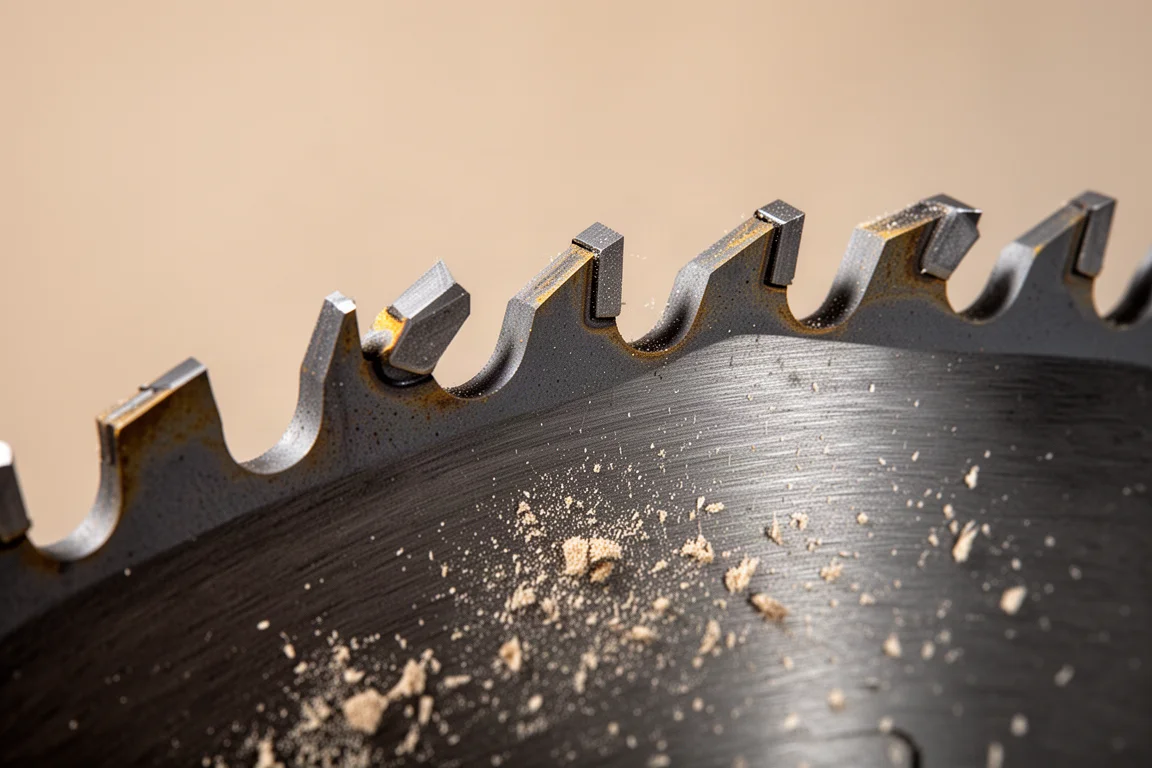
A second test pushed things even further with 3/16-inch sheet steel, a little over 12 inches long, on a fresh blade. The blade chewed through mild steel, losing only three teeth by the end of the cut, and the tooth loss was barely noticeable until the very end. The tester’s own reaction summed it up: this is a tough blade.
Things to Consider Before Buying
It is important to keep these results in context. Circular saws are not designed for cutting metal, and Crescent built this as a framing blade, not a metal-cutting blade. Our steel tests took the product far outside its intended use, in a heavily controlled environment with extra safety precautions. Do not try this at home or on the job site.

What these tests do show is a safety margin. If a framing blade can survive rebar and mild steel under controlled conditions, it should shrug off the everyday hazards of rough framing work with ease. Treat the metal-cutting performance as proof of toughness, not as a reason to change how you use your saw.
Buying Advice
For anyone framing walls, building decks, or working with lumber of uncertain provenance, this blade is an easy recommendation. The durability demonstrated under extreme testing suggests it will handle everyday jobsite abuse without needing frequent replacement.
If you want to pick one up, these blades are available at your local Lowe’s, which makes it simple to grab one on the way to the job site.
Conclusion
The Crescent Nail Slicer framing blade earned its reputation the hard way. Cutting through rebar and sheet steel, materials far outside its design brief, and still finishing the job speaks to a level of toughness few framing blades can claim. For framers and carpenters who need a blade that keeps cutting when the wood fights back, this one deserves a spot on the truck.
Product link
View more details for Crescent Nail Slicer Framing Blade
This product is mentioned in the review. Check the specifications, options, and compatibility before buying.
View more details for Crescent Nail Slicer Framing BladeFurther reading
Related Reviews

Power Tool Accessories
Best Drill Attachments 2026: Three DeWalt Tools Worth Buying
A practical look at three DeWalt drill attachments that deliver real value, plus the sketchy options you should skip.

Power Tool Accessories
Best Drill Bits 2026: 14 Sets Tested on Mild Steel, Spring Steel, and AR500 Armor
We tested 14 drill bit sets across mild steel, spring steel, and AR500 armor plating to find the best value, speed, and durability.

Power Tool Accessories
Best Right Angle Impact Adapters 2026: Five Options Tested for Speed, Torque, and Durability
We tested five right angle impact adapters from DeWalt, Milwaukee, Warrior, Titan, and Milescraft to see which ones deliver real performance without failing early.