Hand Tools
Crescent Apex Shock Guard Insulator: A Small Tool That Adds a Real Safety Layer
An affordable quarter-square insulator rated to 1,000V that slips between your tool and a fastener. Tested with a high-frequency generator to see how it holds up.
Introduction
Insulated tools are one of those categories where the smallest products often raise the biggest questions. The Crescent Apex Shock Guard line sits right in that space: tiny insulator inserts that sit between the end of your tool and the fastener, promising protection up to 1,000 volts for roughly the price of a coffee.
We spent time with the Quarter Square version to see whether a device this small and this cheap deserves a place in your toolbox.
What the Shock Guard Actually Is
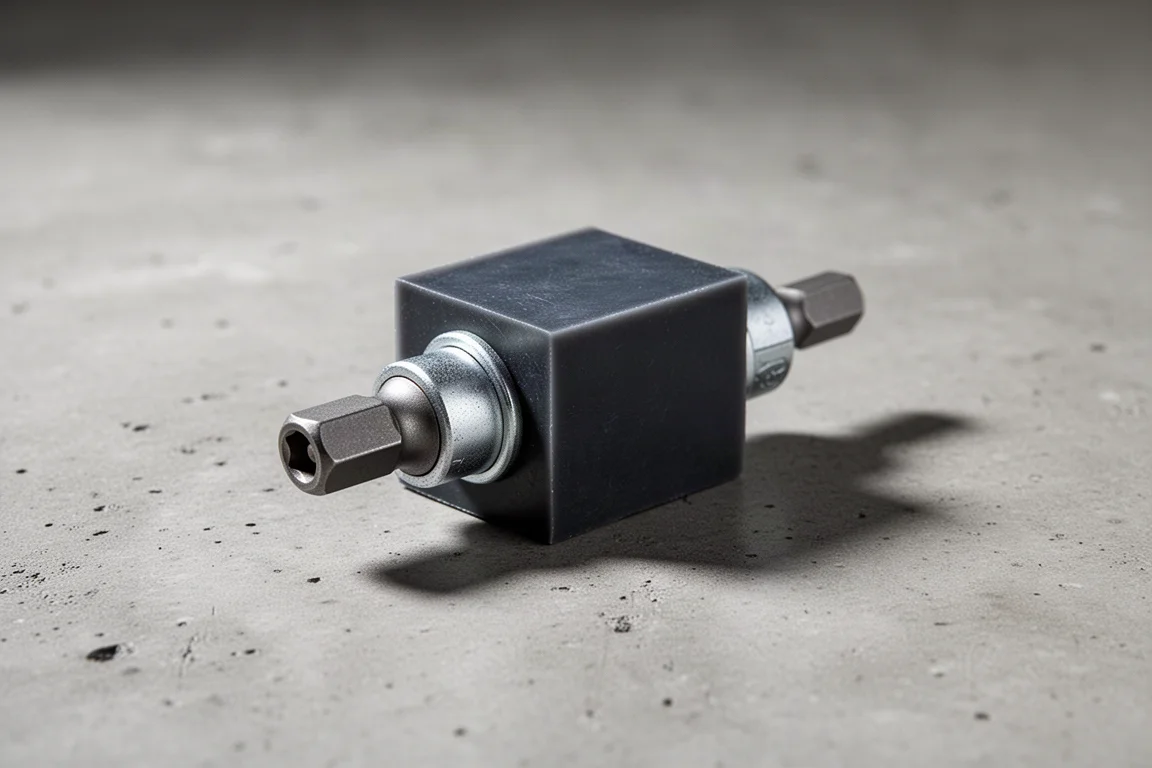
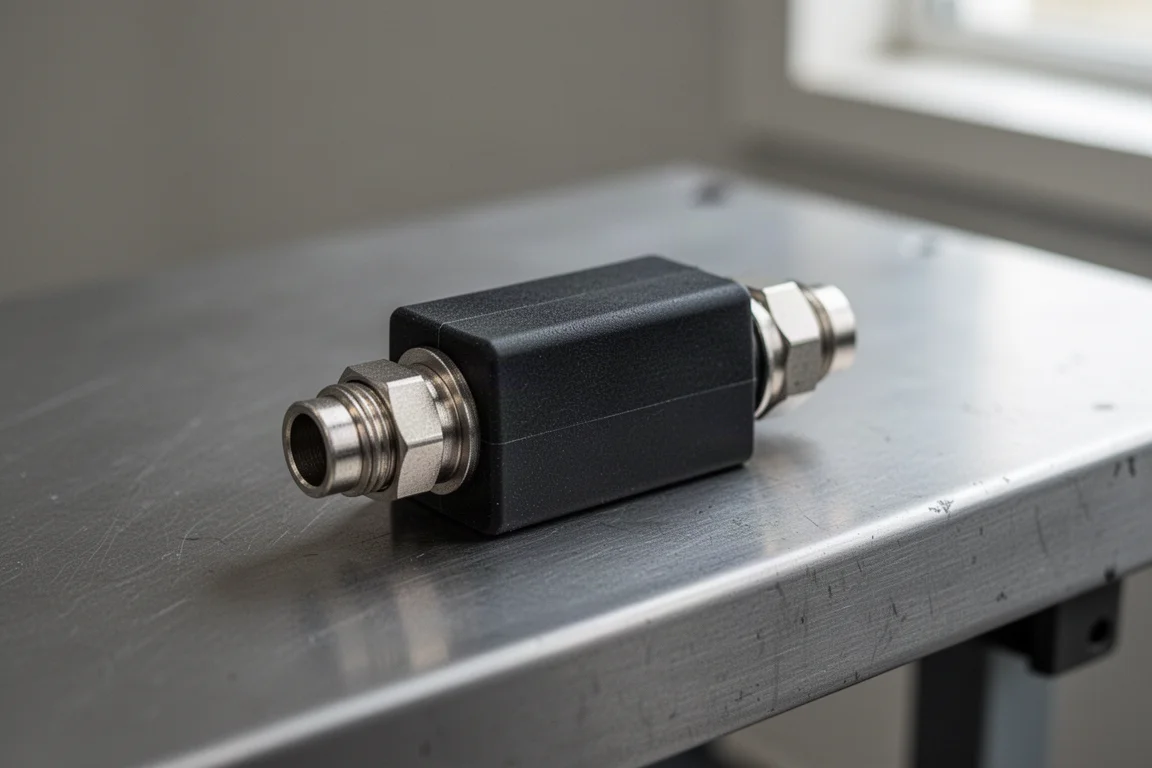
The Quarter Square Shock Guard is a small insert made of a very hard polymer or plastic material, with metal couplings on both sides. One end is sized for a quarter-square drive, so you can drop a bit driver onto it, and you can immediately get your quarter-inch drive when you need it. Crescent Apex makes several variants, including sizes for hex drivers.
The purpose is essentially the same idea as an insulated rating on a tool. The fine print specifies a rating up to 1,000 volts, meaning current should not pass through the insert to the tool end. They sell for between $8 and $10 depending on the version, making this one of the least expensive ways to add a layer of insulation to tools you already own.
How It Held Up Under a High-Voltage Test
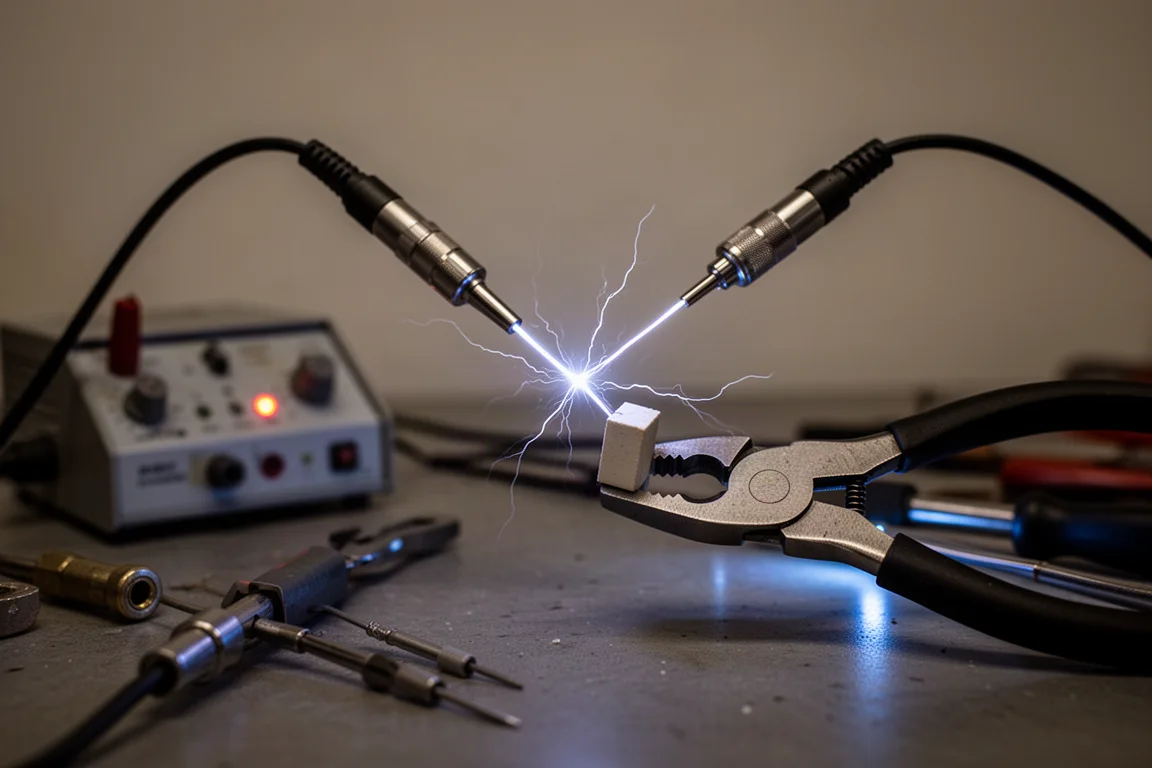
To see how the claim holds, we put the insert in front of a high-frequency generator producing roughly 20,000 to 50,000 volts at about a tenth of a milliamp, far beyond the stated 1,000V rating.
Held in soft-jaw pliers and brought close to the probe, the insulator held up. The arc jumped the gap around it rather than passing through it. We pushed the output up to around 30,000 volts and tried the same test with several other tools nearby, and the Shock Guard continued to behave as advertised. A faint tingle occasionally reached the hand, but nothing passed through the block itself.
The Weak Point We Found
At over 30,000 volts, two or three times the stated rating, we did find one weakness. While moving the insert around, a secondary arc jumped out of a crack near the center of the body, arcing to a thumb holding it. It hurt, and it is visible on close inspection: electricity going in one side, and a second jolt leaping the gap at a seam.
That is worth keeping in perspective. This was an extreme over-voltage scenario, a fraction of a milliamp of current, and far past any normal residential use. Under the conditions the product is actually rated for, it performed exactly as described. But it is a reminder that no insulator is magic, and physical condition matters, cracks included.

Are They Worth It?
The bigger conversation is whether insulated tools make sense at all, and the answer is yes, with the right mindset. The advertising pitch is straightforward: this is designed to save a life if something goes wrong. There is no harm in using one, and if a circuit turns out to be hot when it should not be, or someone switches something on mid-job, an extra insulating layer may protect you.
What it is not is a license for reckless work. Nobody should buy an insulator and then dive into electrical projects with sloppy habits or an unverified dead circuit. Think of it like a helmet: you do not plan to crash, but you would not mind the extra protection if you do. If you ever work in situations where a circuit might be unexpectedly live, something like this genuinely matters.
Who Should Actually Buy One
This is an easy recommendation for DIYers and tradespeople who occasionally work near electrical systems and want a low-cost backup layer on the tools they already use. At $8 to $10, the Quarter Square Shock Guard costs almost nothing relative to the protection scenario it covers.
It is less suited to someone expecting it to replace properly rated insulated tools or to justify careless work around live circuits. It is a supplement to good practice, not a substitute for it.
Conclusion
The Crescent Apex Shock Guard Quarter Square insulator does what it claims: it blocked current well beyond its 1,000V rating in testing, with the only failure appearing at extreme over-voltage through a seam in the body. For the price, it is a sensible, low-commitment safety addition for anyone who works around electricity and wants one more layer between a mistake and an injury.
Product link
View more details for Crescent Apex Shock Guard Quarter Square Insulator
This product is mentioned in the review. Check the specifications, options, and compatibility before buying.
View more details for Crescent Apex Shock Guard Quarter Square InsulatorFurther reading
Related Reviews
Hand Tools
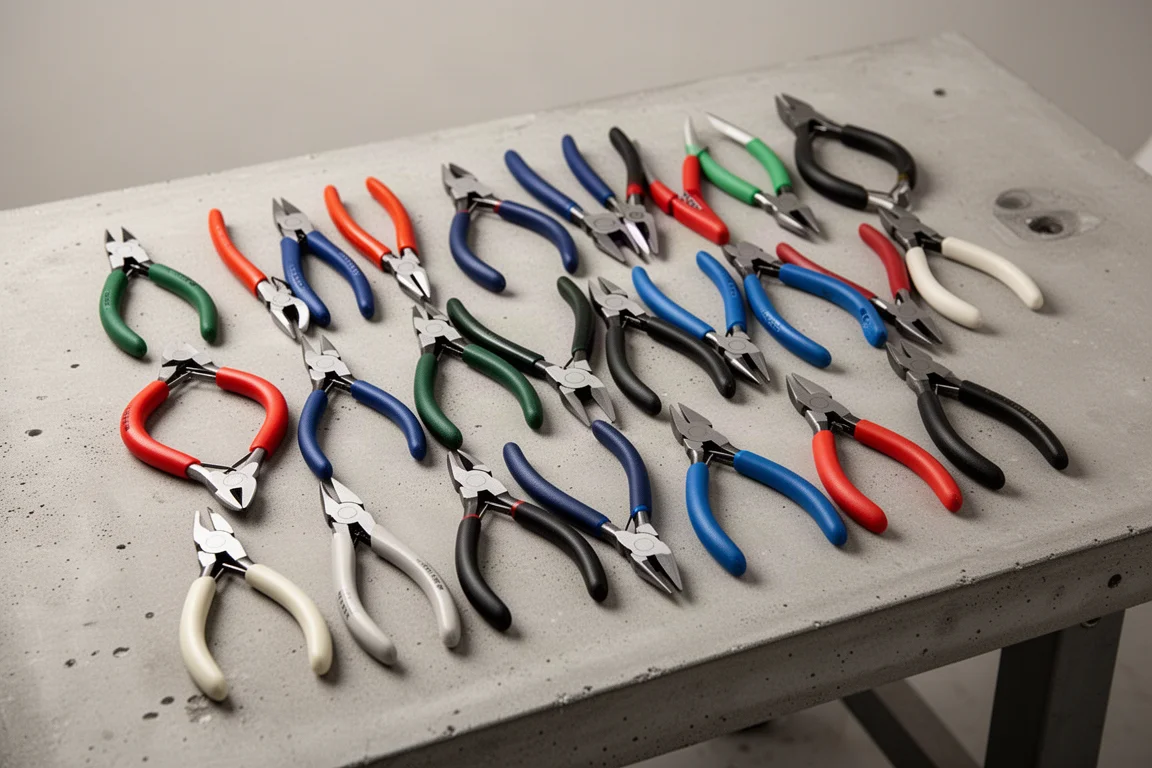
Best Diagonal Cutters 2026: 16 Pliers Tested for Cutting Power and Durability
We put 16 diagonal cutters through nail, screw, drill bit, and hex key tests to find the best value picks for your toolbox.
Hand Tools
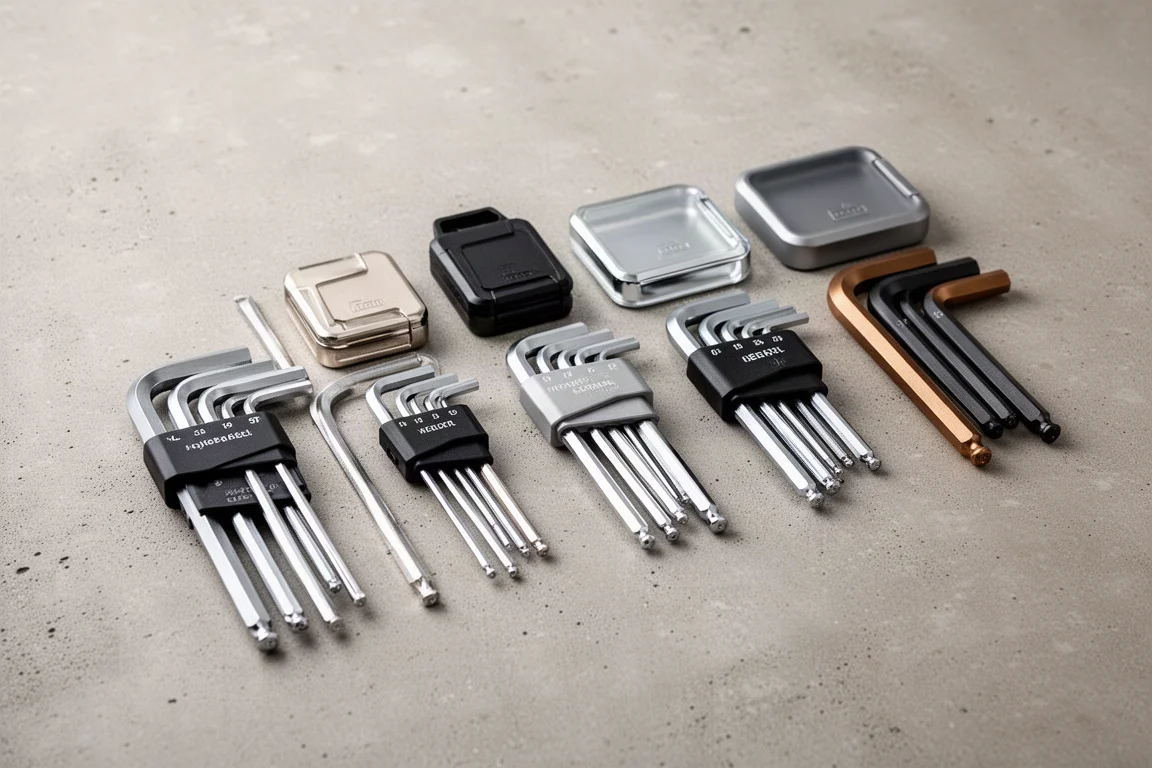
Best Hex L Key Sets 2026: Nine Sets Tested for Real-World Torque
Nine hex L key sets from budget to premium, tested for torque, fit, and durability. See which sets deliver real performance and which ones to skip.
Hand Tools
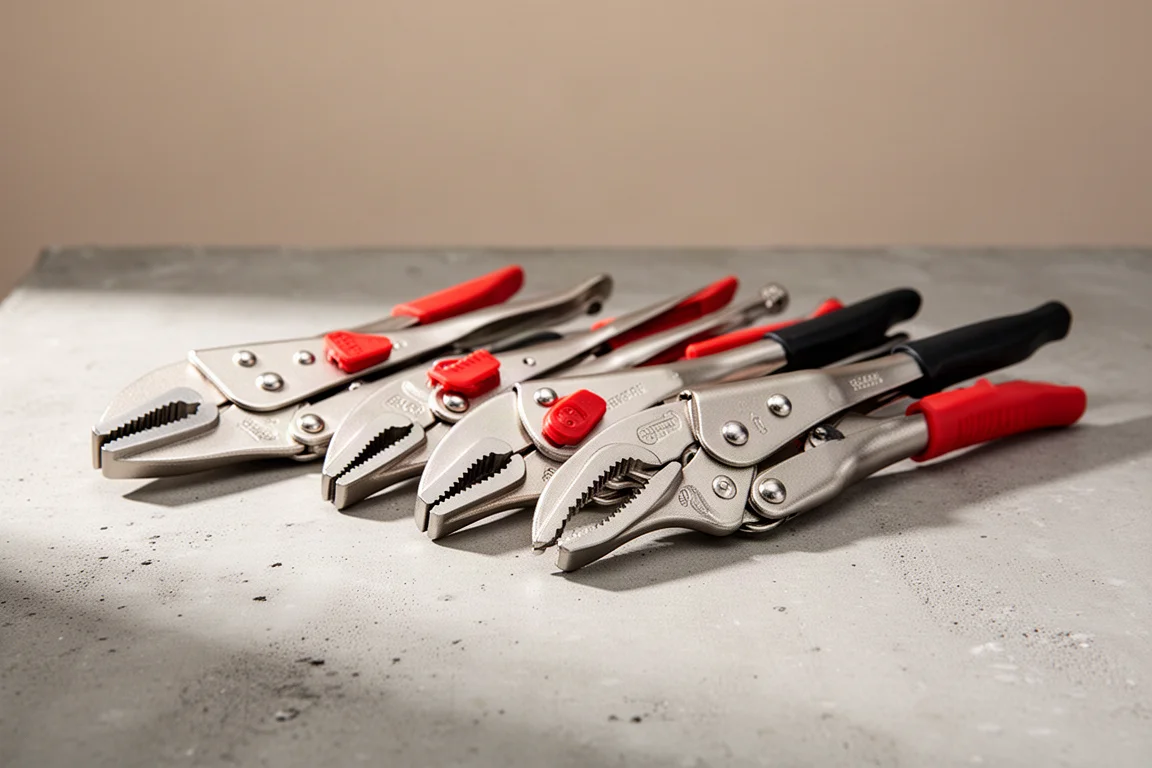
Best Locking Pliers 2026: Top Picks Tested for Grip and Durability
We tested 18 brands of 10-inch locking pliers for grip strength, jaw bite, build quality, and ease of release to find the best options for tough jobs.