Hand Tools
Crescent 2-in-1 Combo Plier Review: Clever Idea, Mixed Execution
A hybrid lineman-style plier and wire stripper that cuts and strips well on one side but flexes and frustrates on the other. Here is what to know before buying.
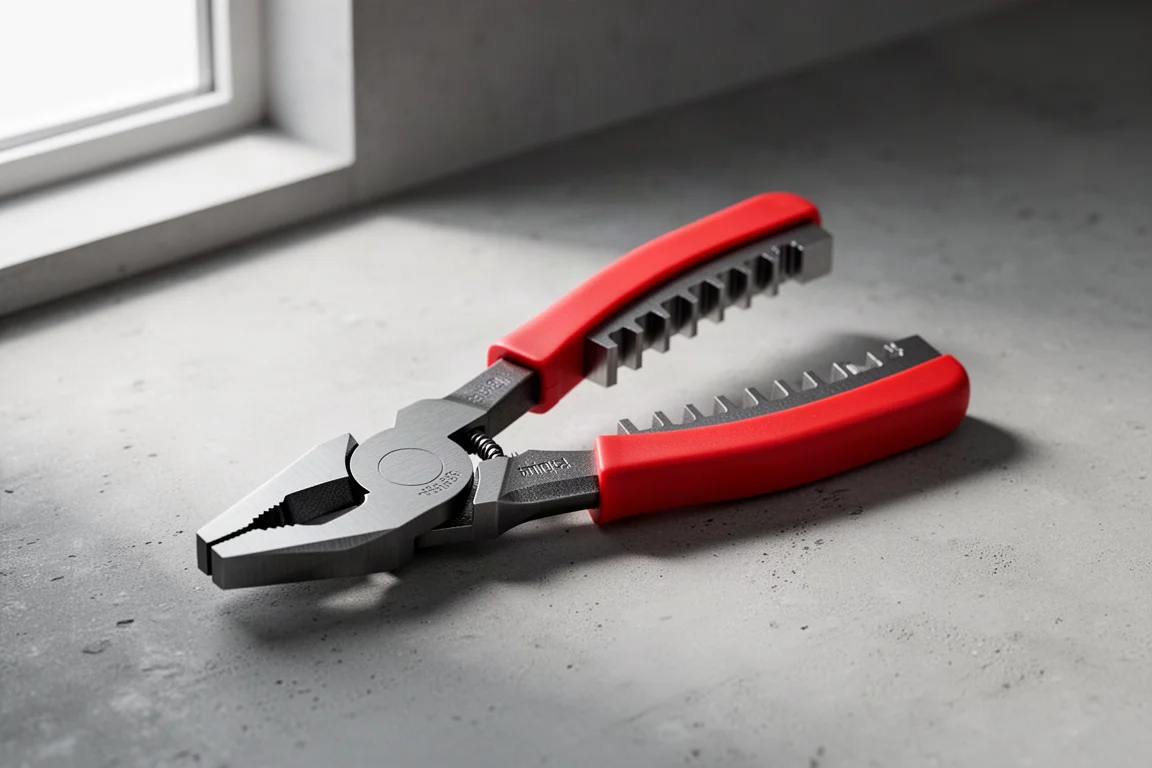
Introduction
The Crescent 2-in-1 Combo Plier is an unusual tool: a lineman-style plier on one side and a graduated wire stripper on the other, covering roughly 10 to 20 AWG (2.6 to 0.8 mm). The idea is obvious. One tool that replaces two, saving space in a small kit. The question is whether the combination sacrifices too much in the process. After working with it, cutting 12 gauge wire, stripping repeatedly, and stress-testing the pivot, the honest answer is: it depends on what you actually need.
What the Crescent 2-in-1 Combo Plier Is
This is a hybrid tool with two distinct working ends. One side functions as a high-leverage side cutter and general plier, and the other is a graduated stripper for wire from about 10 to 20 gauge. Crescent is clearly experimenting with tool designs here, and the concept itself is interesting: a single tool for stripping plus all the essentially multiplier-style wire work.
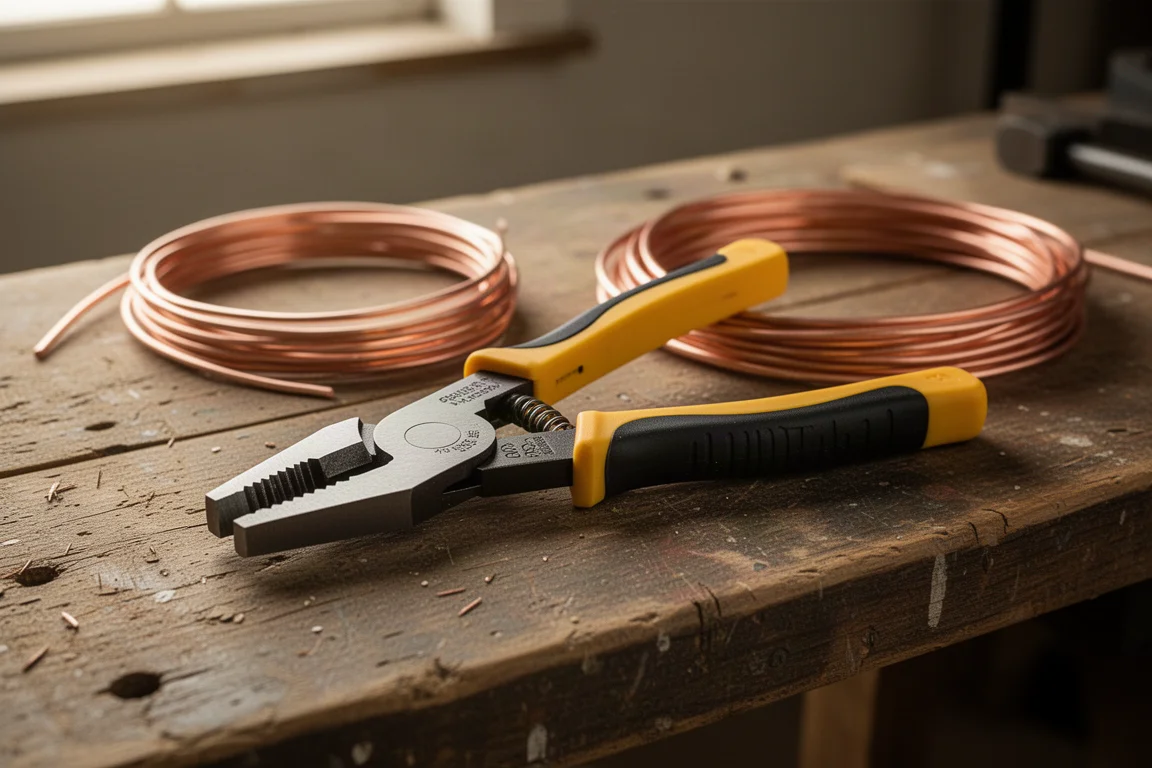
It is currently sold online in the roughly $25 to $30 range, which is worth keeping in mind, because the alternatives below can actually cost less.
Stripping and Cutting Performance
The stripping side is the stronger half, and it is genuinely good. Seat a wire in the right notch and you get a satisfying click, then the insulation slides right off cleanly. It is efficient enough that this feature alone was a reason to own the tool in the first place.
The high-leverage side cutter is also impressive. 12 gauge wire pops through with very little effort, and after extended use there is no meaningful wear beyond minor scuffing in the painted coating.
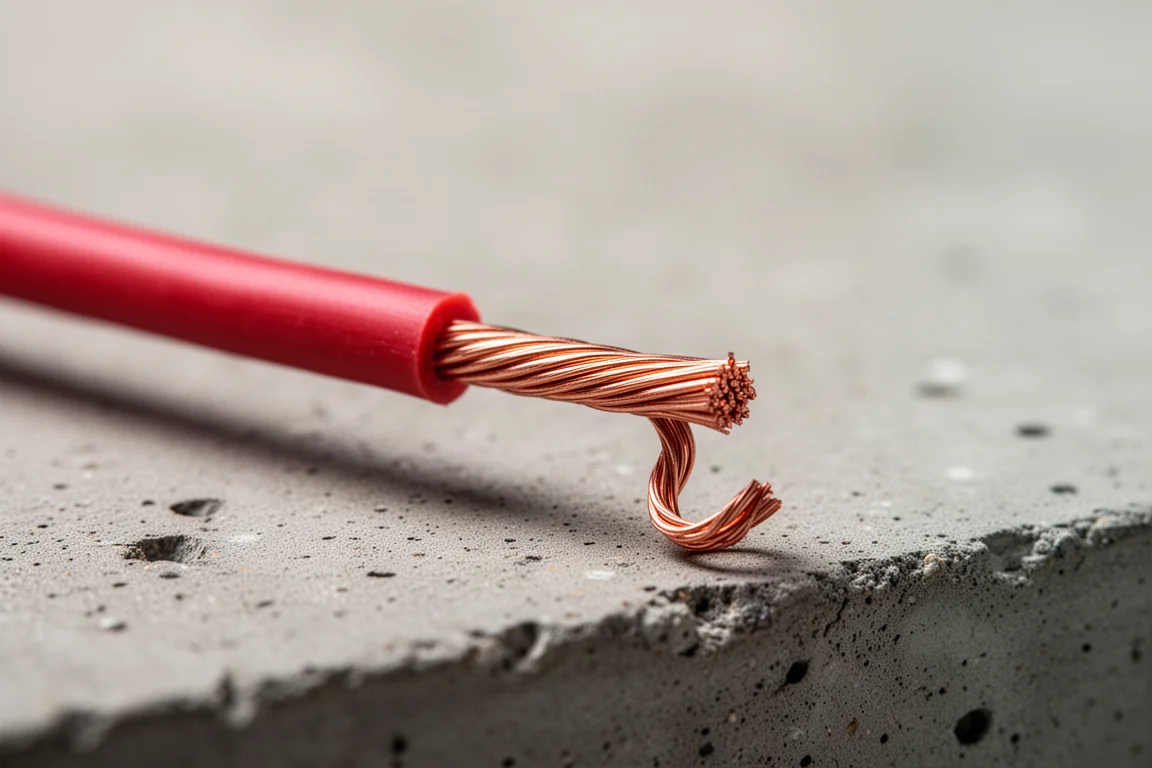
So why the hesitation? The plier-side cutting jaw is where things fall apart. Cut insulation near the pivot and it tends to stay pinched rather than popping free; you have to keep working it to release the cut piece, and the problem gets worse toward the end of the jaw. On fine work that is a real annoyance, though it is not entirely unusual for a tool with a set of cutting knives that need to stay in close alignment.
Build Quality and Flex
There is noticeable flex in the joint. With the tool open it feels almost like a stack of washers on a pivot with stamped steel handle arms, and under leverage the handles move in multiple directions. When the tool is closed and locked it seems to hold together reasonably well, but the play is there, and it shows under real force.
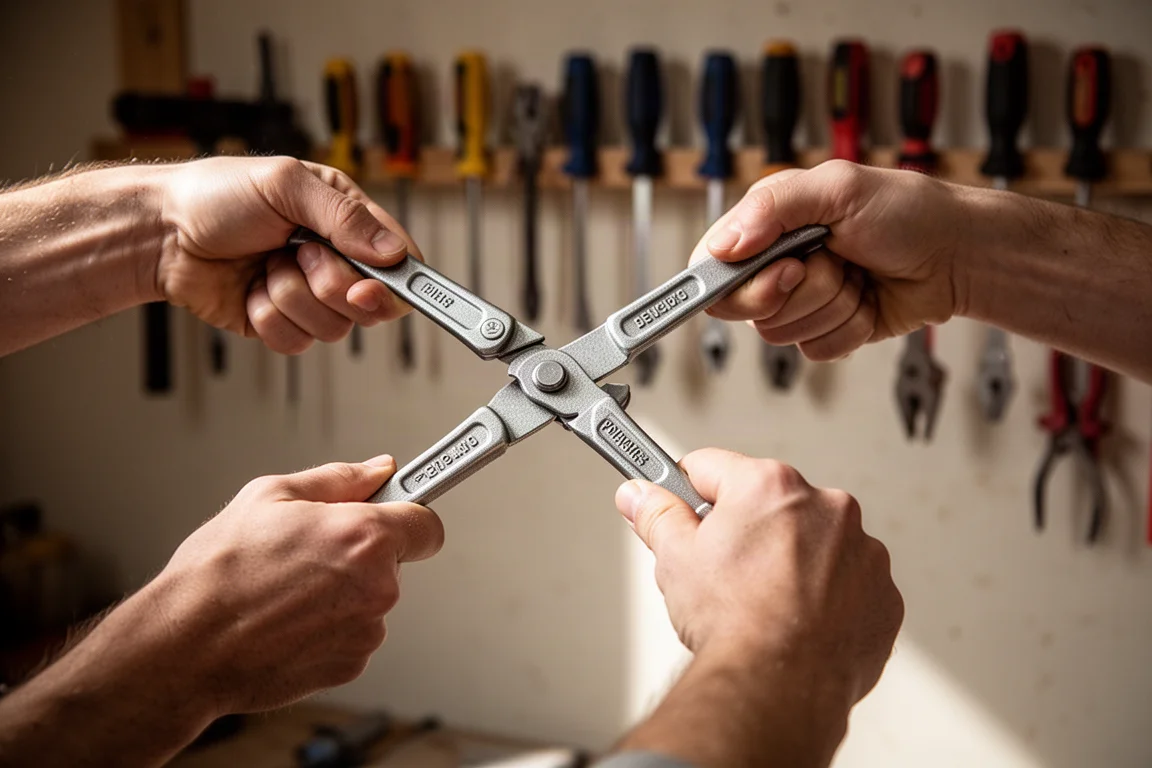
Comparatively, smaller dedicated connectors show essentially no flex under the same twisting test. For a combination tool intended to be tossed in a bag, it would also be nice if it locked up solid in a small blade opening so nothing catches in the cutting knives in transit. That is not quite what you get here.
Who This Tool Actually Makes Sense For
There are narrow cases where this makes sense. If you need one compact tool that strips and does light plier work, for a motorcycle kit, overlanding setup, or any small space where carrying two tools is impractical, the concept delivers. The trade-off is that both functions are compromised relative to dedicated tools.
The honest recommendation, though, is that most buyers are better served by splitting the roles: a good dedicated multiplier or lineman plier, which you can find in a similar short form factor with much higher performance, plus a proper wire stripper. If budget is the driver, a basic inexpensive multiplier-style plier cuts comparably or better and includes gripping teeth, and a small dedicated stripper in the 10 to 30 AWG range runs roughly $10 to $12. Both together can sell for less than this single tool.
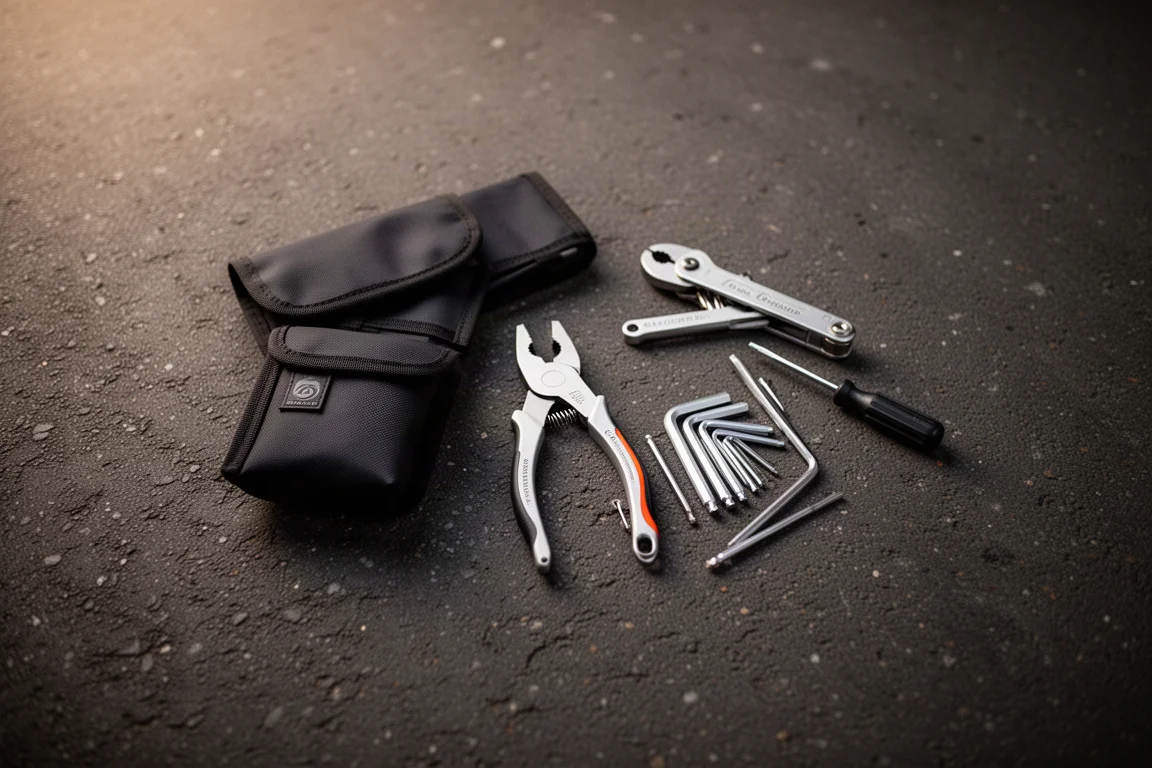
There are also other versions of this hybrid idea from different brands, including interchangeable multi-head pliers for tasks like snap rings, so the market has no shortage of choices if you like the concept.
Things to Consider Before Buying
The stripping side works well and the cutter is strong. The plier-side cutting jaw grips cut insulation instead of releasing it, the joint flexes under load, and the locking mechanism is only partial. At $25 to $30, it competes directly against buying two dedicated tools that each outperform it.
Buying Advice
Buy it only if you specifically need one compact tool that does both jobs and can accept the compromises. Otherwise, buy a quality dedicated lineman or multiplier plier and a separate stripper. The performance difference is significant, and the total cost can be lower.
Conclusion
The Crescent 2-in-1 Combo Plier is a genuinely interesting design experiment with one excellent half and one underwhelming half. The stripper and side cutter earn real praise, but flex, jaw alignment issues, and a partially locking mechanism undercut the rest. Unless the single-tool format is exactly what you need, dedicated tools remain the better purchase.
Product link
View more details for Crescent 2-in-1 Combo Plier
This product is mentioned in the review. Check the specifications, options, and compatibility before buying.
View more details for Crescent 2-in-1 Combo PlierFurther reading
Related Reviews
Hand Tools
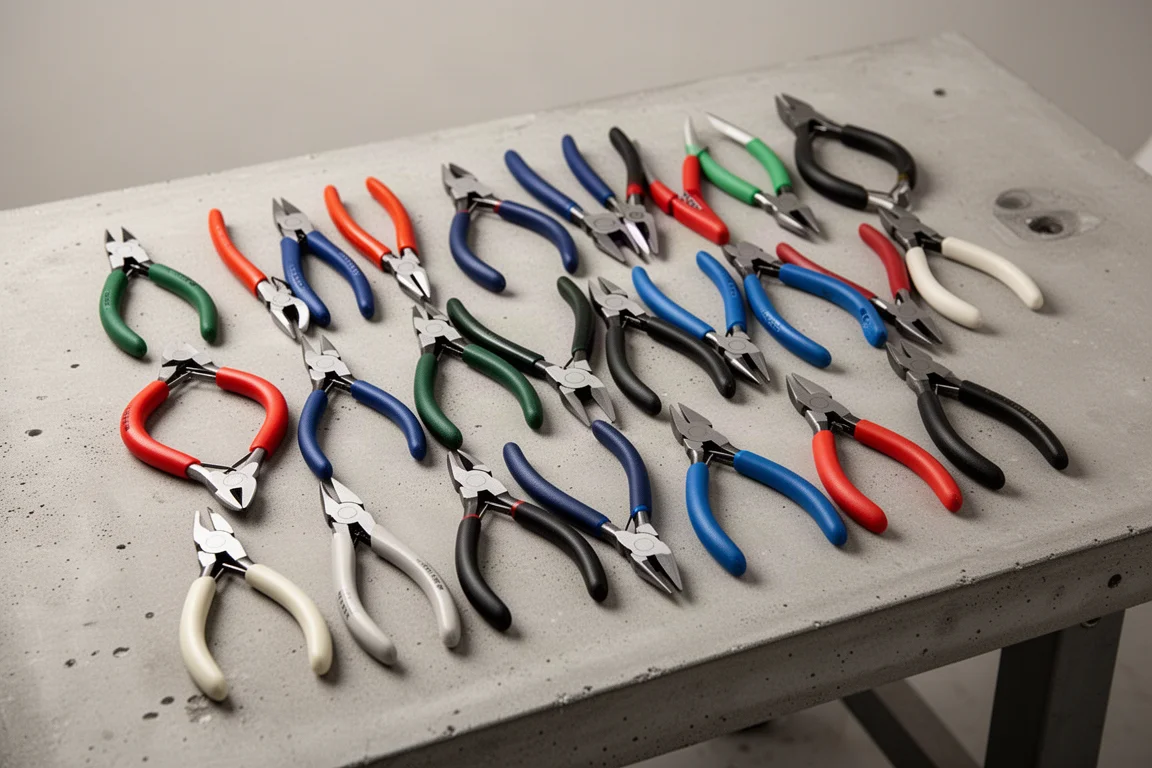
Best Diagonal Cutters 2026: 16 Pliers Tested for Cutting Power and Durability
We put 16 diagonal cutters through nail, screw, drill bit, and hex key tests to find the best value picks for your toolbox.
Hand Tools
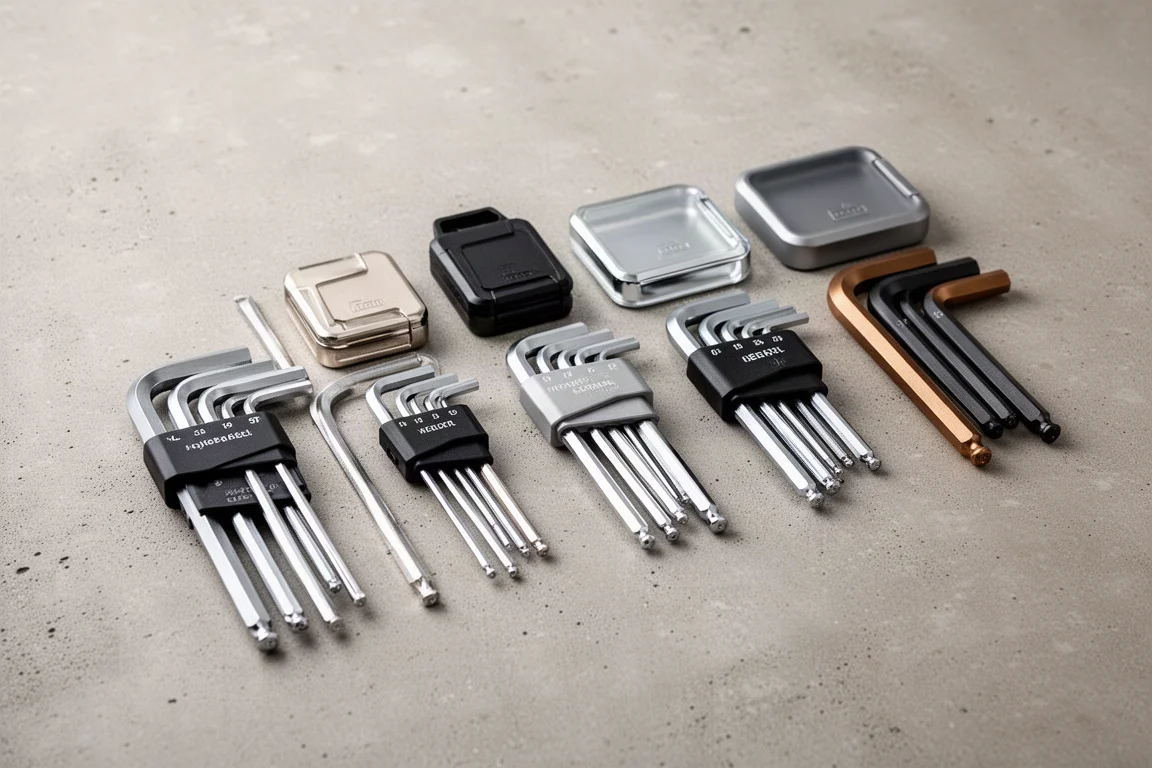
Best Hex L Key Sets 2026: Nine Sets Tested for Real-World Torque
Nine hex L key sets from budget to premium, tested for torque, fit, and durability. See which sets deliver real performance and which ones to skip.
Hand Tools
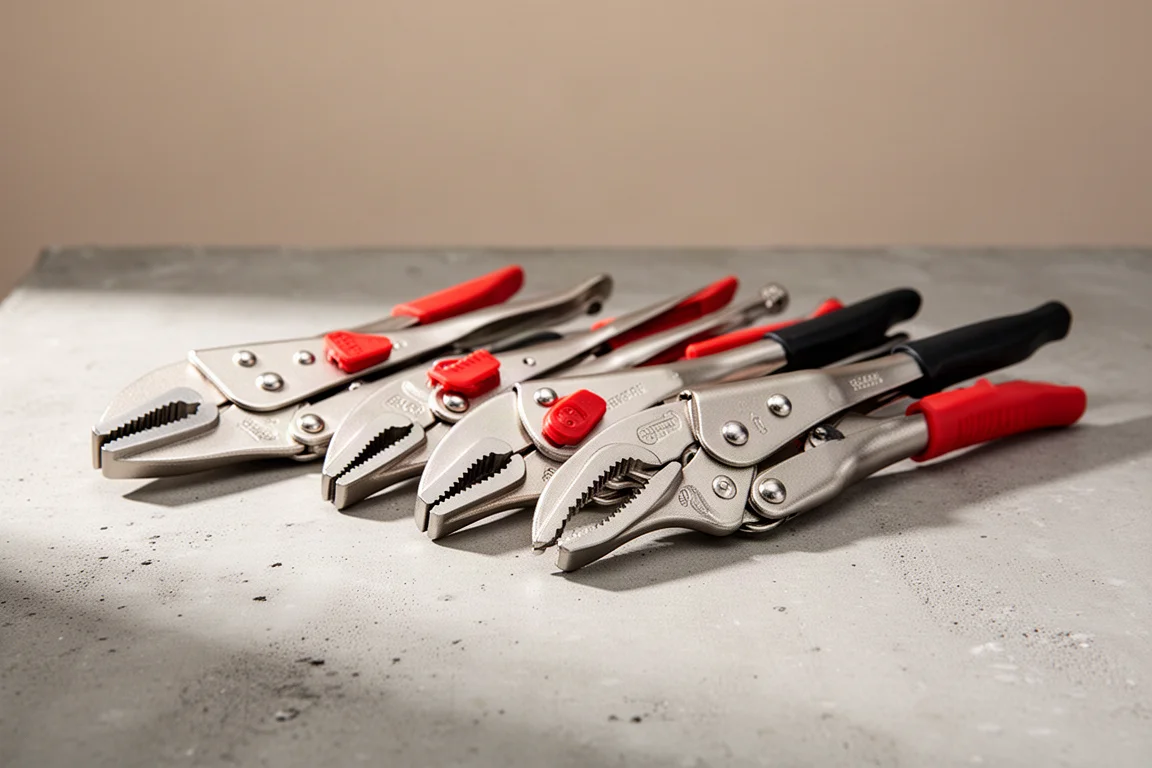
Best Locking Pliers 2026: Top Picks Tested for Grip and Durability
We tested 18 brands of 10-inch locking pliers for grip strength, jaw bite, build quality, and ease of release to find the best options for tough jobs.