Guitar Pedals
Crazy Tube Circuits White Whale Jr. Review: Compact Spring Reverb and Tremolo
A smaller take on the White Whale with real springs inside, plus the same reverb and tremolo tones in a more pedalboard-friendly format.
Introduction
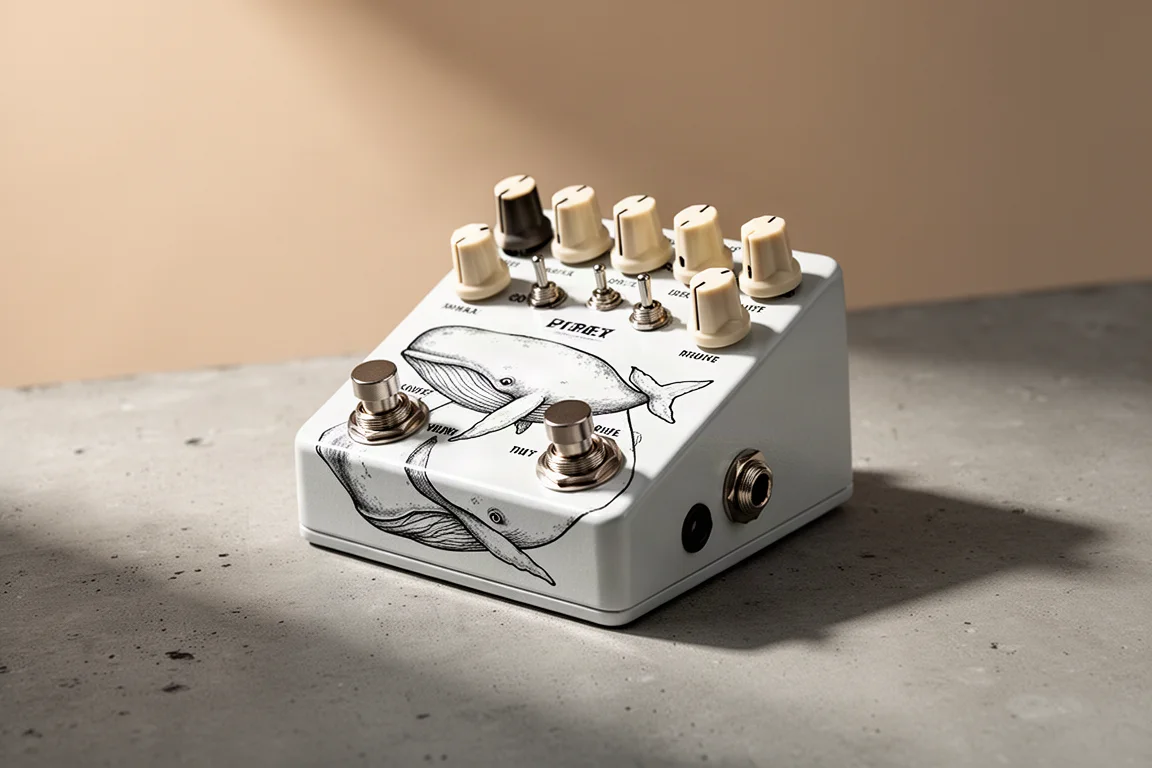
Spring reverb has been a staple of guitar tone for decades, but the hardware has often been bulky. The Crazy Tube Circuits White Whale Jr. aims to change that by packing a real spring reverb and tremolo into a compact enclosure. It is a smaller sibling to the White Whale Senior, and it keeps the same core sound while trimming the feature set.
Who This Product Is For
The White Whale Jr. is for guitarists who want genuine spring reverb and tremolo without sacrificing pedalboard space. It suits players who already appreciate the sound of the White Whale Senior but need a more compact option for a crowded board. It is also a good fit for those who want a straightforward reverb and tremolo unit without the extra switching options found on the larger model.
What Makes the White Whale Jr. Different
The White Whale Jr. is not simply a smaller version of the White Whale Senior with the same internals. It is a distinct unit with a different feature set. Both pedals share the same two footswitches and seven knobs, and both use the same spring pan components that create the sound. The difference lies in the enclosure and the controls.
The White Whale Jr. uses an uncovered spring pan, the same variation you would find internally in an amplifier. The White Whale Senior has a metal protective cover over its spring pan. The springs themselves and the components that shape the sound are the same, so the core tone is consistent between the two.
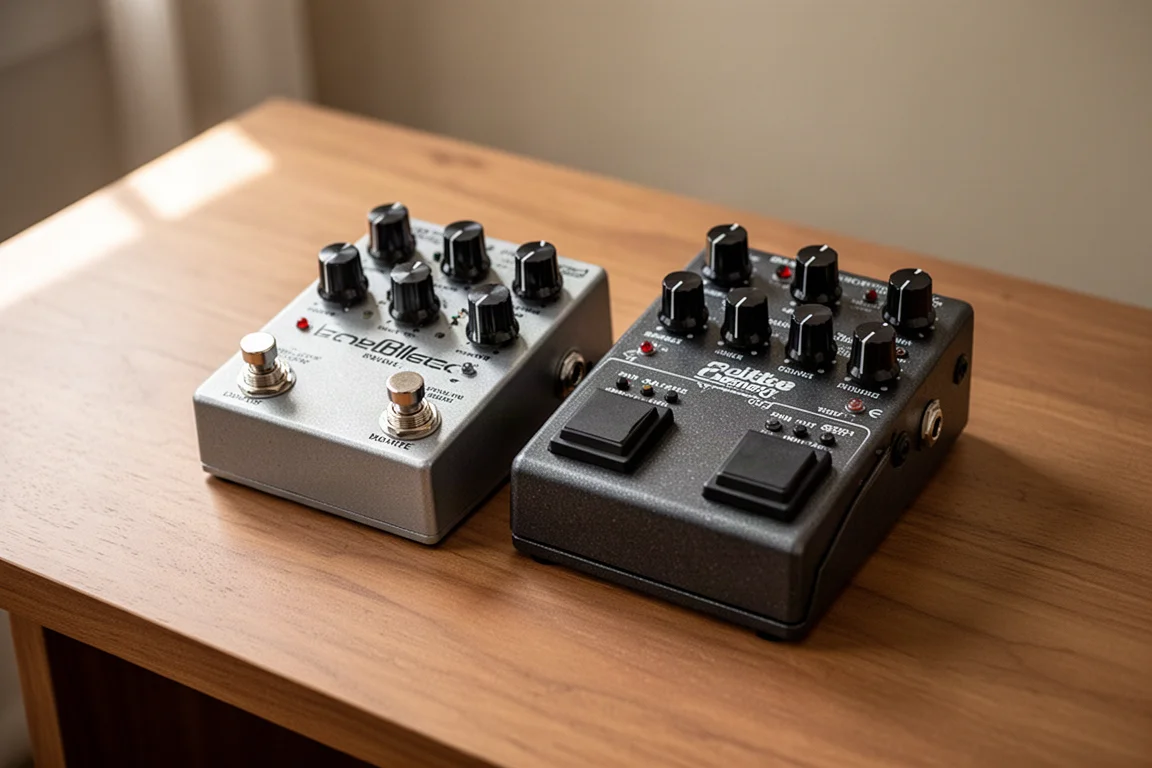
The White Whale Senior adds several features that the Jr. omits. It has a three-way switch for long, short, and medium trails, a pre-post switch for placing the tremolo before or after the reverb, and a three-way style selector for optical, tube, and harmonic tremolo with a hard and soft push button. It also includes input jacks for expression control over both the reverb and the tremolo. The White Whale Jr. skips all of that in favor of a simpler, more compact layout.
Reverb Controls and Tones
The reverb side of the White Whale Jr. is controlled by four knobs: reverb volume, dwell, mix, and tone. The reverb volume knob controls the output level of the effect, not the mix. This means you can use the reverb as a boost to push an amplifier into tube distortion, which adds a fun creative option.
The dwell knob sets the length of the reverb tail. Cranked all the way up, it produces a long, spacious decay. The mix knob blends the dry and wet signals, and the tone knob ranges from bright and cutting to dark and moody. Even at the darkest setting, the reverb retains a springy personality.
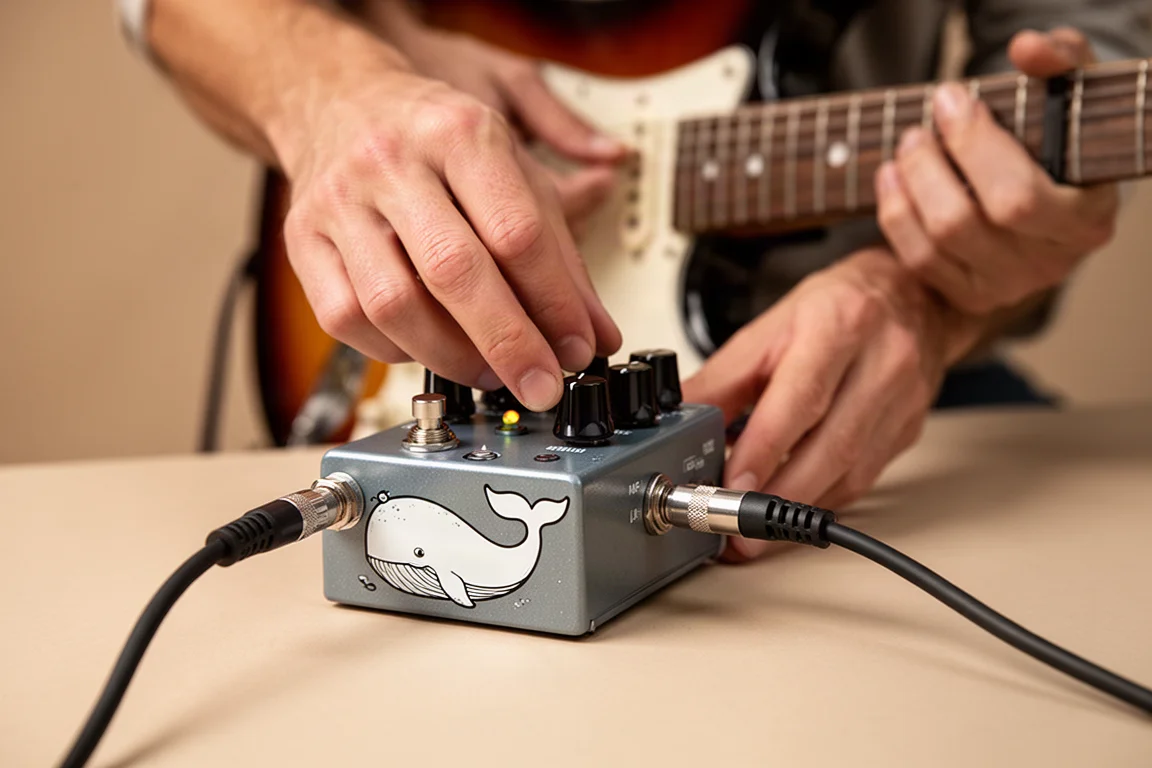
The White Whale Jr. delivers a classic in-amp spring reverb sound rather than the outboard surf-style reverb of a Fender 6G15. It is voiced to sit inside an amplifier circuit, and it does that job well. There is a definite spring reverb artifact in the sound, so it does drip, but not in the same style as a dedicated outboard surf unit. The tone is versatile enough for surfy, brittle sounds with the tone knob up, or smooth and bluesy textures with it rolled back.
Tremolo Controls and Tones
The tremolo side of the White Whale Jr. keeps things simple with volume, speed, and intensity knobs. The volume control can act as a boost, and you can turn the intensity all the way down to use the tremolo side purely as a clean boost. The speed knob ranges from very slow to fast, and the intensity goes high enough to get close to a square wave shape without fully reaching it.
The tremolo has a smooth, musical character that works well for classic amp-style modulation. It pairs nicely with the reverb, and the two effects together create a rich, dimensional sound. The controls are intuitive, and the pedal responds well to adjustments.
Using the White Whale Jr. With Dirt Pedals
The White Whale Jr. shines when placed after an overdrive or distortion pedal. The reverb takes on a gritty, tight, fizzy quality that pushes the ice-pick nature of the tone in a fun way, especially with the treble turned up. This pairs well with overdrive, distortion, or even fuzz pedals.
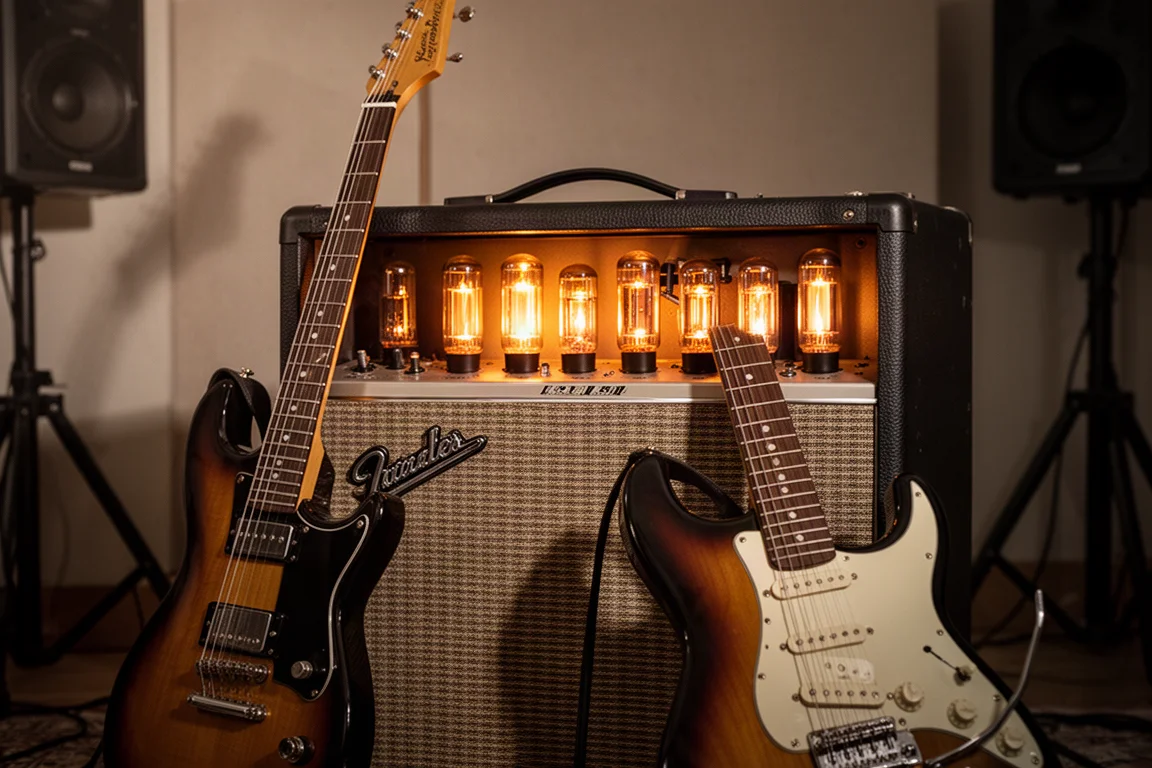
Placing the reverb before a dirt pedal also works well, producing a more conventional and attractive sound. The boost capability of both the reverb and tremolo volume knobs adds another layer of flexibility, letting you push a hot tube amp or a dirt box of your choice. The White Whale Jr. can function as two separate boosts if you dial back the mix and intensity, making it a versatile tool beyond just reverb and tremolo.
Stereo Setup With the White Whale Senior
Running two White Whale pedals in stereo opens up a wide range of creative possibilities. The White Whale Jr. and the White Whale Senior can work together on the same signal, each feeding a separate amplifier. The two pedals can be set to different speeds and modes, creating a swirling, polyrhythmic tremolo effect that is immersive and fun.
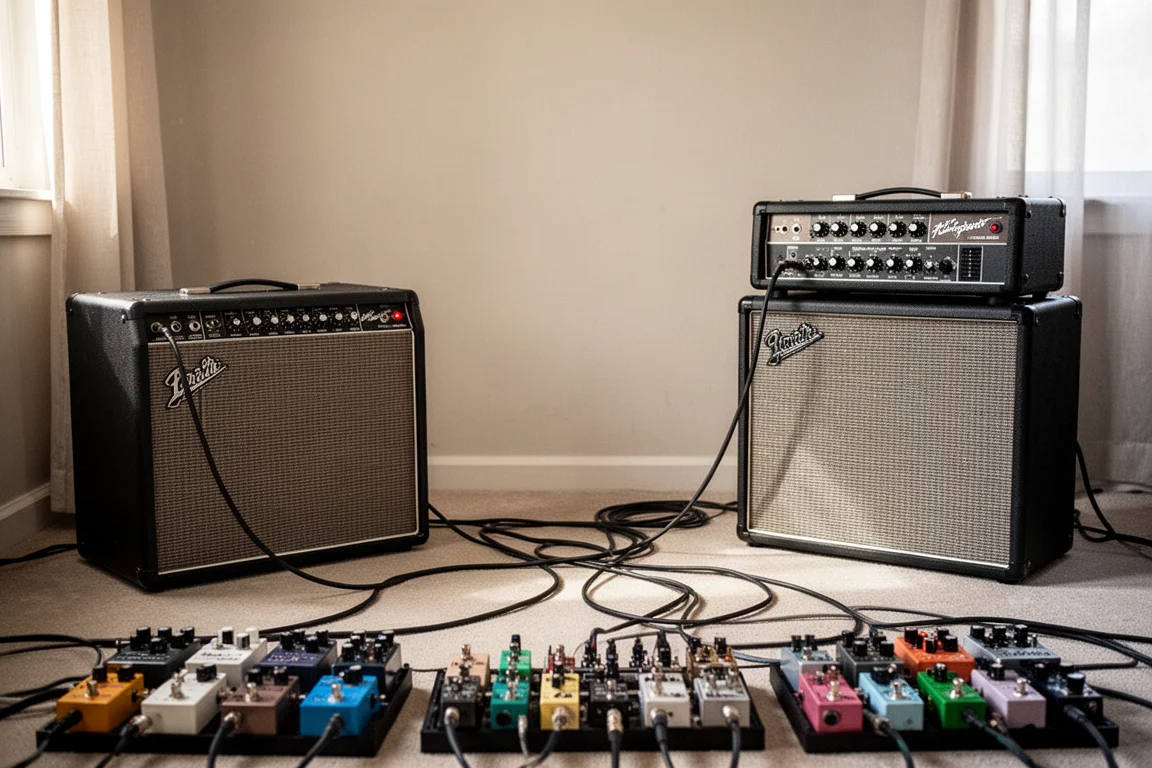
The White Whale Senior adds the harmonic tremolo mode and the pre-post switching, which gives you more options for shaping the stereo image. Mixing and matching the two pedals with different settings is where the real fun lies. A stereo rig does not require dedicated stereo pedals; two pedals feeding two different amps can produce a rich, spacious sound that is well worth exploring.
Buying Advice
Choosing between the White Whale Jr. and the White Whale Senior comes down to your pedalboard space and your need for extra features. The White Whale Jr. is the more compact and straightforward option, ideal for players who want the core reverb and tremolo tones without the additional switching and expression controls. The White Whale Senior is the fuller-featured choice, with more tonal options and the ability to control the effects via expression pedals.
If you already have a crowded pedalboard and want a genuine spring reverb and tremolo in a smaller footprint, the White Whale Jr. is a strong pick. If you need the extra flexibility of the Senior’s switches and expression inputs, the larger model is worth the space. Both pedals deliver the same excellent spring reverb and tremolo sound, so the decision is really about features versus footprint.
Conclusion
The Crazy Tube Circuits White Whale Jr. proves that real spring reverb does not have to take up a huge amount of space. It delivers the same core tones as the White Whale Senior in a more compact package, with a straightforward control layout that is easy to dial in. The reverb is voiced like an in-amp spring unit, and the tremolo adds a smooth, classic modulation. Whether you use it alone or pair it with the Senior for a stereo rig, the White Whale Jr. is a practical and inspiring addition to any pedalboard.
Product link
View more details for Crazy Tube Circuits White Whale Jr.
This product is mentioned in the review. Check the specifications, options, and compatibility before buying.
View more details for Crazy Tube Circuits White Whale Jr.Further reading
Related Reviews

Guitar Pedals
Best Fuzz Builder Pedals 2026: Five Versatile Fuzz Pedals Worth Exploring
Five fuzz pedals that go beyond simple gain and tone controls, offering deep EQ, clipping modes, voltage control, and more for building your own sound.

Guitar Pedals
Bi-Tron C B Light Review: A Compact Chorus and Vibrato Pedal with Serious Depth
The Bi-Tron C B Light packs chorus, vibrato, modulation modes, filter modes, expression control, MIDI, and 16 preset banks into a compact pedal.

Guitar Pedals
Catalinbread Proto Club 6 Review: A Unique Chorus and Phaser Combo
The Catalinbread Proto Club 6 blends a low-frequency phaser with a high-frequency chorus, offering a distinctive modulation pedal with powerful EQ shaping.