Power Tools
Craftsman V20 Reciprocating Saw Review: A Light, Capable All-Rounder
A compact dual-speed reciprocating saw with strong specs on paper. We look at how it handles vibration, blade changes, and real cutting work.
Introduction
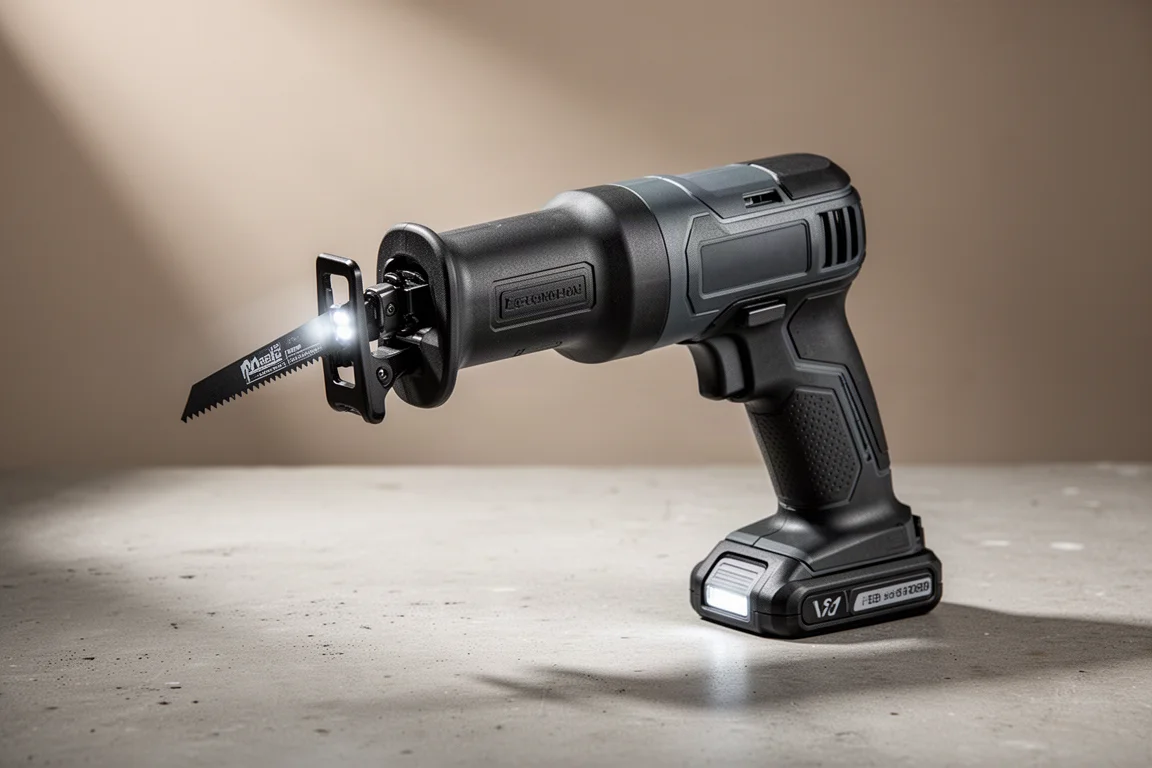
On paper, the Craftsman V20 reciprocating saw looks like it should be excellent: up to 3,200 RPM on speed level two, up to 2,300 RPM on level one, a 1-1/8 inch stroke length, and a compact body weighing under 5 pounds. It also comes with an LED work light up front, a comfortable grip, and a short overall length that makes it easy to maneuver. We put it through a full range of cuts to see whether it lives up to those numbers.
First Impressions and Handling
The first thing worth checking on any new reciprocating saw is vibration. Running the Craftsman at high speed with no blade loaded shows some pretty significant vibration, and you can feel it working its way up your arms. Compared directly, a standard Sawzall jumps around less, while a more powerful Super Sawzall actually moves more despite better dampening elsewhere. The takeaway: this is not a vibration-free saw, and if you plan to use it all day, gloves and breaks are a sensible idea. That said, after a few hours of intermittent use, the vibration was not painful or uncomfortable, just noticeable.
Blade Changes and the Shoe
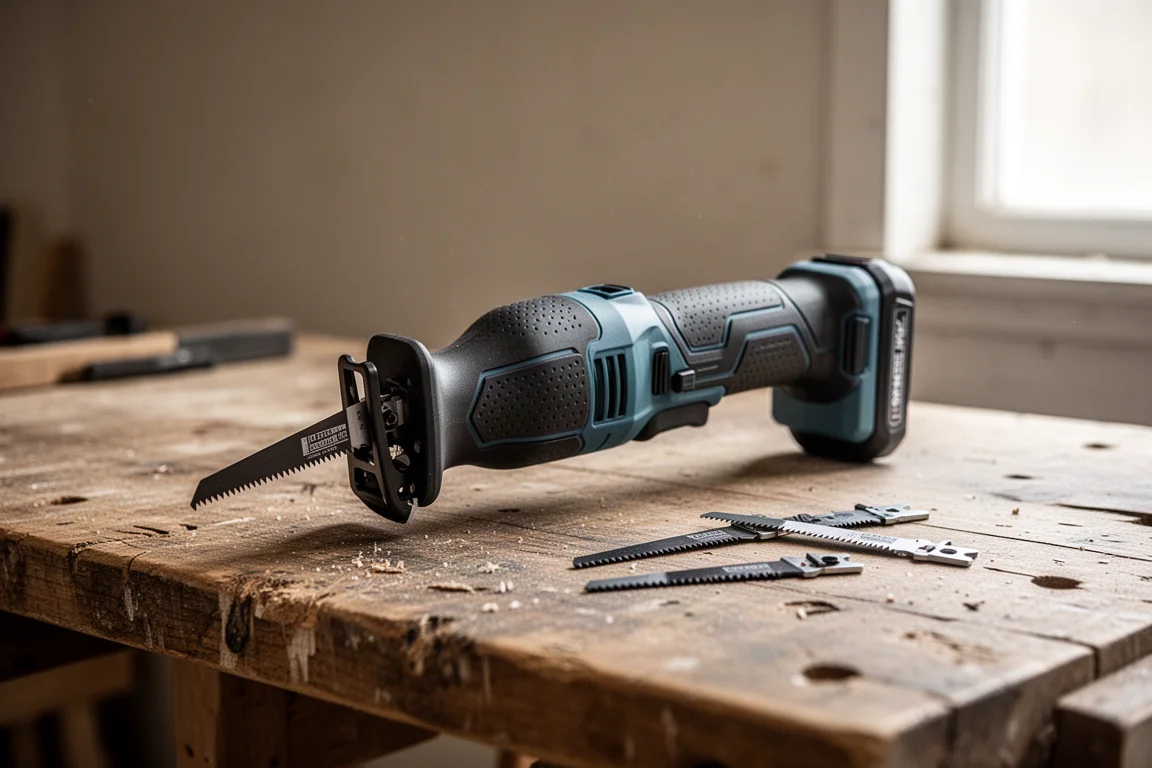
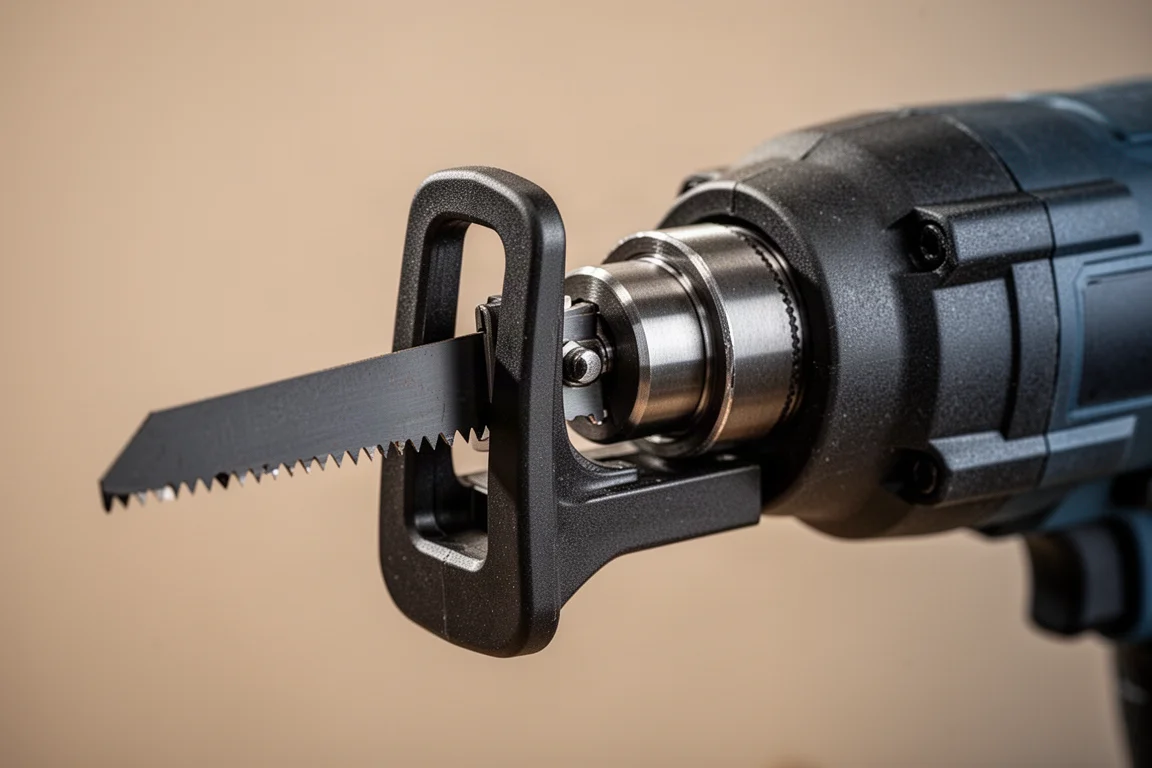
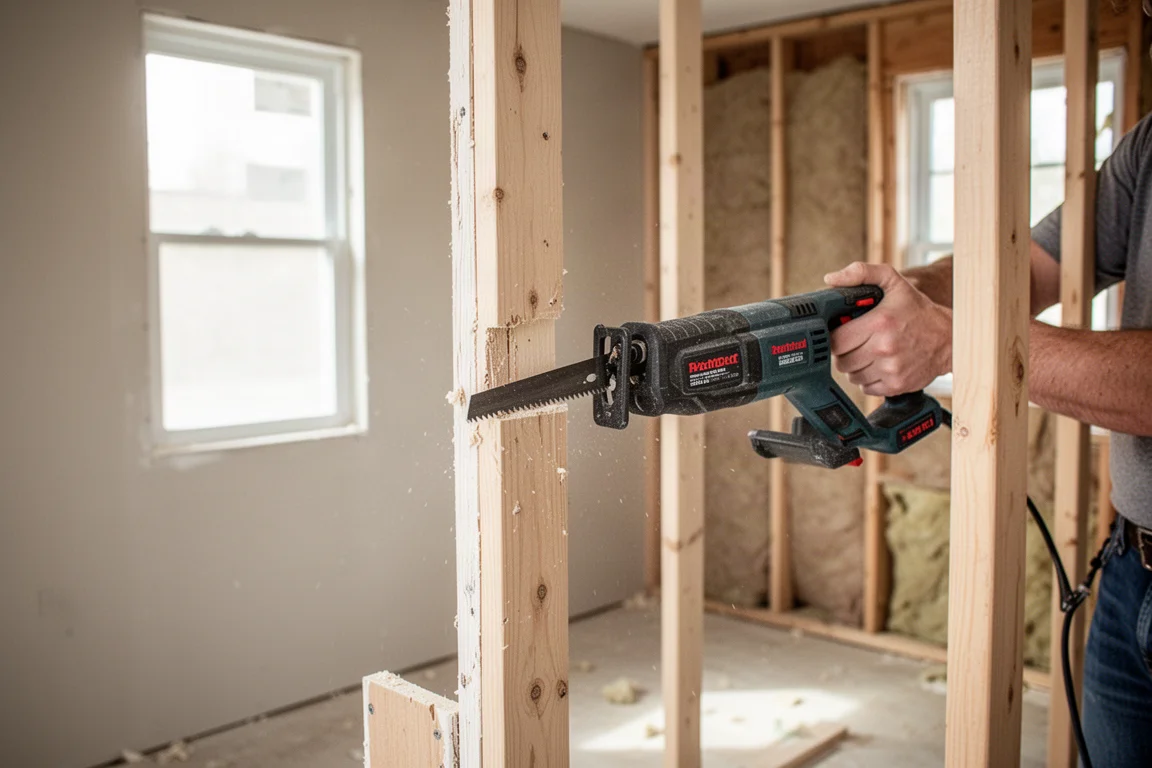
Blade insertion is refreshingly simple: twist the lever, drop the blade in, and you are done. Blades can be installed facing either direction, and even when a blade is fully seated, the mechanism stays accessible. The included bi-metal wood blade is a reasonable starting point.
The one design compromise here is the shoe. It will move, but it is not adjustable in and out, which limits how well you can preserve unused blade sections and extend blade life. It is not a dealbreaker, but an adjustable shoe would have been a welcome extra.
Cutting Performance
In sappy, wet wood with the stock blade, the saw struggled and produced some burning in the cut. Swapping to a pruning blade transformed the experience: plenty of vibration fed back through the tool, but it went right through the same material.
On clean, dry 4x4 lumber with nail-embedded wood in the mix, better blades made a huge difference. The DeWalt Elite Series, designed for nail-embedded wood, performed well, and the Milwaukee Axe produced very similar results. A Diablo bi-metal blade also handled the nails without trouble, and some standard non-carbide blades actually cut faster when brand new, at the cost of dulling sooner. A multi-material Milwaukee home wrecker blade even managed angle iron, with the main vibration coming from the unstable workpiece rather than the saw itself.
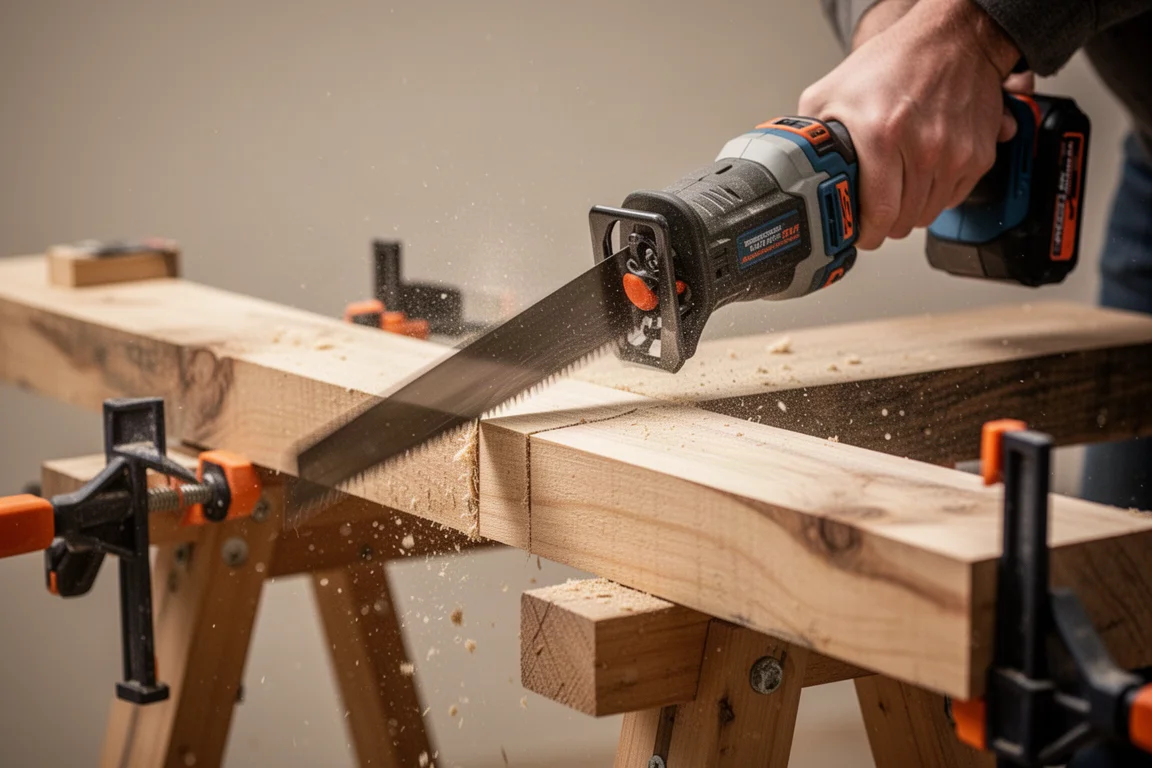
The dual-speed switch is genuinely useful. In wood, high speed makes a big difference in cut speed, while the lower setting is there for materials where control matters more. The variable speed trigger is impressively smooth, and the speed selector sits out of the way on top of the tool.
Battery, Heat, and Everyday Use
All testing was done with a 5 amp-hour battery, and the saw handled it comfortably. Stepping up to a 9 amp-hour pack would not change much: the same blade does the same work, maybe marginally faster. That is part of the appeal of the Craftsman V20 line. This is not a heavy-duty tool that demands the biggest battery; it works well with a 4, 5, or 6 amp-hour pack while doing essentially the same job.
Heat is worth monitoring. After moderate use, the saw showed some definite hot spots, with readings peaking around 115 degrees at the front and the battery getting slightly warm. Nothing alarming, but noticeable for the amount of work done.
Things to Consider Before Buying
This is a basic saw in the best sense of the word. There is no rafter hook, but it is compatible with the Versa Stack system if you want to mount something on the side for hanging or storage. The LED light works great, the grip is comfortable, and the compact form factor is pleasant to hold for extended periods. The fixed shoe and the vibration are the two compromises to keep in mind.
Buying Advice
The most important lesson from this saw is that blade choice matters as much as the tool itself. The wrong blade in wet wood will make any saw look bad; the right blade lets this one shine. If you are already in the Craftsman V20 battery ecosystem and find this saw at a good deal, it is easy to recommend, especially for non-professional or occasional use. It is not one of the very best reciprocating saws on the market, but it is comfortably far from the bottom of the pile: a very good saw for the right buyer.
Conclusion
The Craftsman V20 reciprocating saw delivers on its core promise: light, compact, easy on batteries, and capable across a wide range of cuts when paired with the right blade. Vibration and the non-adjustable shoe are the trade-offs, but for DIY users and V20 owners, it is a solid, practical pick.
Product link
View more details for Craftsman V20 Reciprocating Saw
This product is mentioned in the review. Check the specifications, options, and compatibility before buying.
View more details for Craftsman V20 Reciprocating SawFurther reading
Related Reviews
Power Tools
Best 1-Inch Pistol Impact Wrenches: Three Heavy-Duty Options Compared
We compare three 1-inch pistol impact wrenches, from a budget-friendly Harbor Freight model to a premium Caterpillar unit, to help you choose the right one.
Power Tools
Best 3/4-Inch Impact Wrenches 2026: Five Contenders Compared
We compare five 3/4-inch impact wrenches across price and performance, from a budget Amazon option to Snap-on's most powerful model yet.
Power Tools
Best Budget Cordless Tools 2026: Walmart Finds That Punch Above Their Price
We tested five cordless tools from Walmart, including a high-torque impact wrench that trades blows with Milwaukee and a $35 duster that outperforms its price class.