Hand Tools
Craftsman V Series: A Pro-Style Tool Line With an Identity Problem
The Craftsman V series promises pro-grade mechanics tools, but limited store availability and pricing that undercuts rivals make it a confusing buy.
Introduction
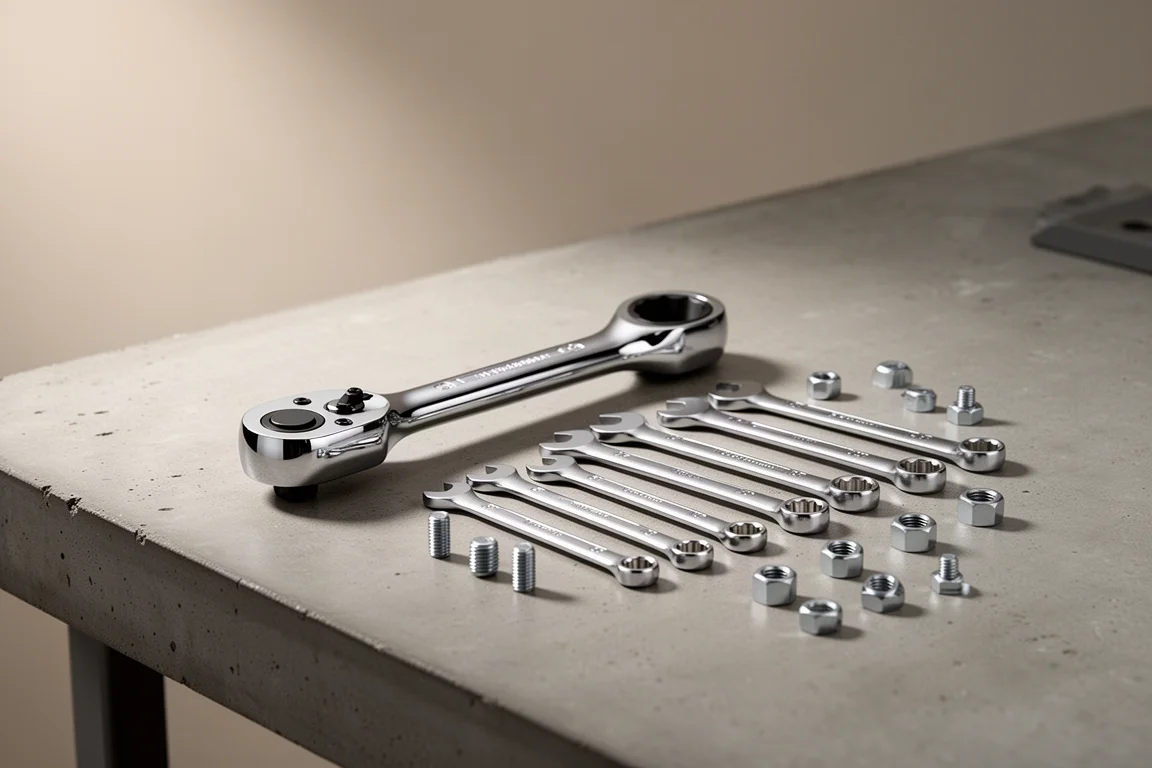
The Craftsman V series has flown under the radar since it launched. Only a handful of reviewers have looked at a few wrenches or a ratchet, and in-depth coverage of the line is still hard to find. That is a shame, because on paper this is an interesting concept: a pro-oriented line of mechanics tools from a brand most people associate with the mid-range DIY aisle.
In practice, though, the V series is a confusing line to pin down. The selection is limited rather than expansive, the pricing sits above several strong competitors, and availability is inconsistent enough to complicate the one thing Craftsman is traditionally known for: easy in-store warranty swaps. Here is what you need to know before spending money on it.
What the V Series Actually Is
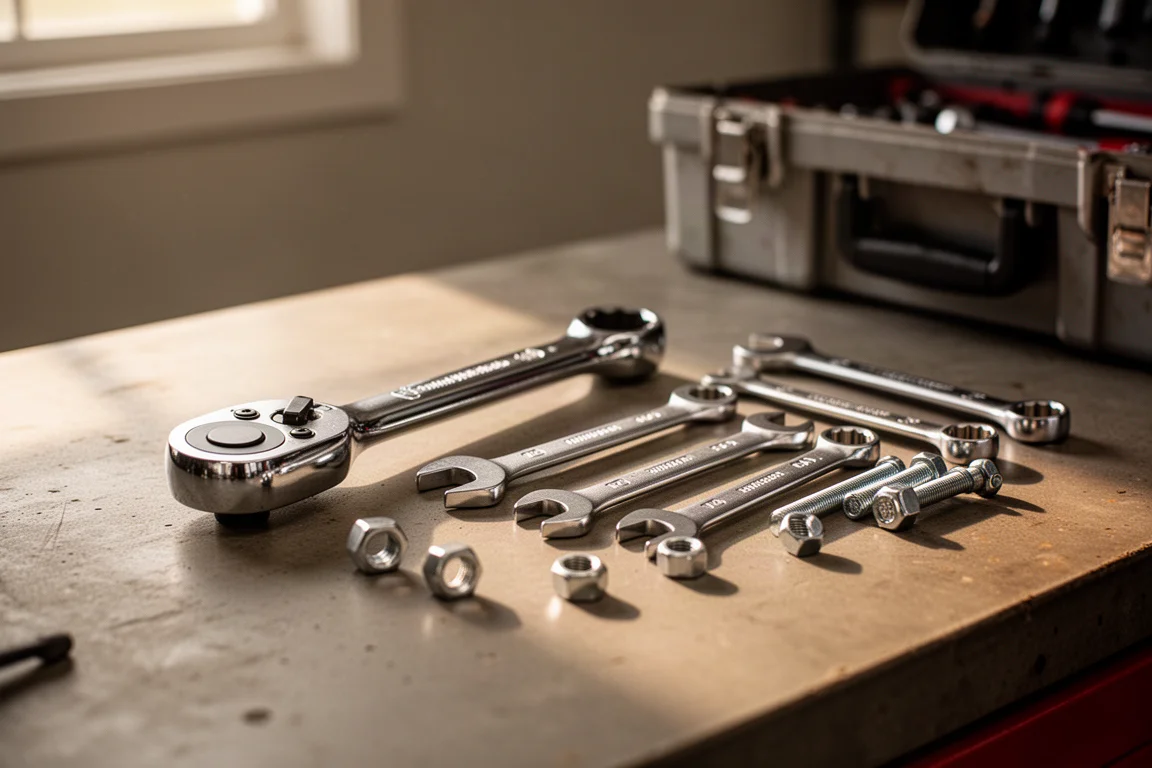
The V series is positioned like a pro line of mechanics tools, but it is not a full range. You get select tools: some ratchets, some sockets, a few wrenches, and a scattering of other small items. Nothing too crazy, and nothing close to the breadth of a full Craftsman or Kobalt lineup.
One thing worth knowing up front: the tools are not made in the USA. They are made in Taiwan, possibly with a few exceptions made elsewhere. That matters less for quality than for positioning, since the pricing still leans premium even though the manufacturing origin matches plenty of mid-priced competitors.
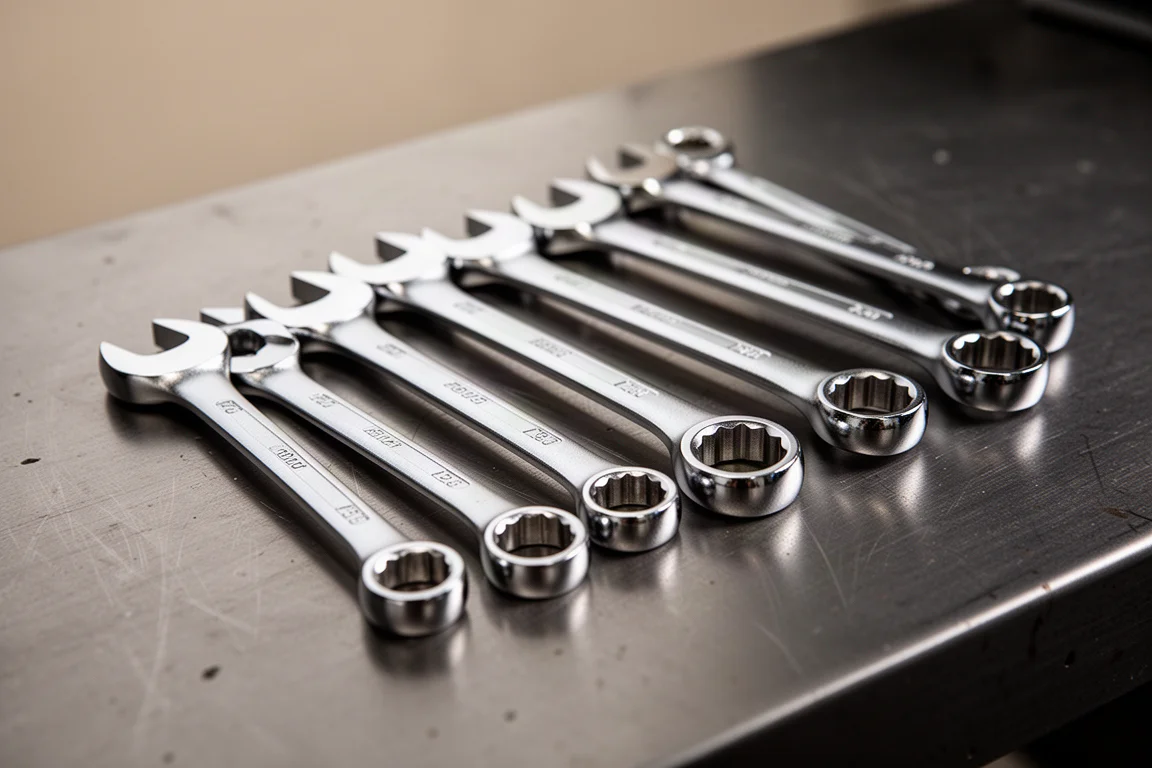
There is also a family connection that explains a lot about the V series. Stanley Black and Decker, which owns Craftsman, also owns Iceman (a mostly European brand) and Mac Tools. The wrenches across all three brands look remarkably similar, and they are very likely produced in the same Taiwanese factory. The difference is what you pay: the comparable V series wrench sets run roughly 60 to 80 dollars from Lowe’s or Ace, the European Iceman equivalents would land well above 100 dollars, and Mac Tools carries tool-truck pricing that gets closer to 300 dollars.
Availability and Warranty: The Practical Problem
This is where the V series gets genuinely hard to recommend. In checking Lowe’s locations around Orlando, none had any V series stock available for pickup. The line behaves almost like an online-only offering, and most shoppers will never see it in person at Ace or anywhere else.
That creates an awkward warranty situation. The tools carry a lifetime warranty, but if a store does not stock the line, walking in with a broken wrench gets you nowhere. You will be told to call Craftsman instead, and then you are waiting on a replacement in the mail rather than swapping it across the counter. For a brand whose regular lineup lets you break a tool and walk out with a new one the same day, this is a strange trade-off.
It also raises a fair question: if the V series is meant to be a higher-end brand, why is there no dedicated store presence, no visible brand representative, and no obvious retail identity? As it stands, it is hard to see who the line is actually being sold to. Professional mechanics will lean toward tool-truck brands, and pro DIYers can simply buy regular Craftsman off the shelf and warranty it in person.
How the Pricing Stacks Up
Pricing is the other reason the line is puzzling. Take the Craftsman 3/8 inch standard drive ratchet: a fairly no-frills tool at around 60 dollars. The closest comparable flex-head ratchet from Harbor Freight’s Icon line comes in at roughly 15 dollars less, is stocked in store, and carries a lifetime warranty you can use immediately.
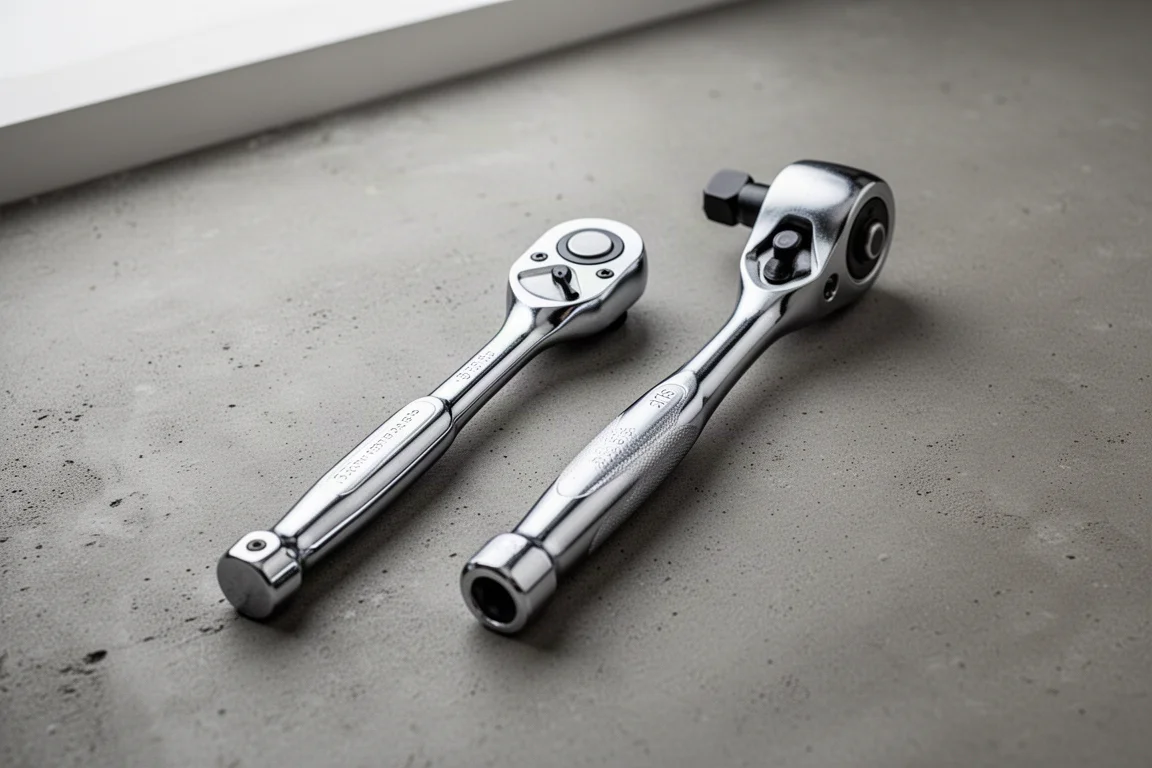
The pattern repeats on smaller tools. The V series 3/8 inch stubby ratchet lists at about 54 dollars, while the competing Icon stubby runs around 34 dollars for a tool competing on the same level. That is roughly 20 dollars cheaper, in stock, and warrantable at the counter without a phone call or a shipping wait.
Even GearWrench, which performs well in independent testing and does not always enjoy deep store availability, generally costs less than this. The V series is priced like a premium brand but sold like an online-only one, and that combination is difficult to justify when in-store alternatives undercut it.
Who Should Actually Buy It
For professional mechanics, the answer is simple: they will gravitate toward tool-truck brands with stronger professional credentials, and the V series does not compete there. For serious home users working on vehicles, dirt bikes, mini bikes, or go-karts in the garage, the calculus is tougher.
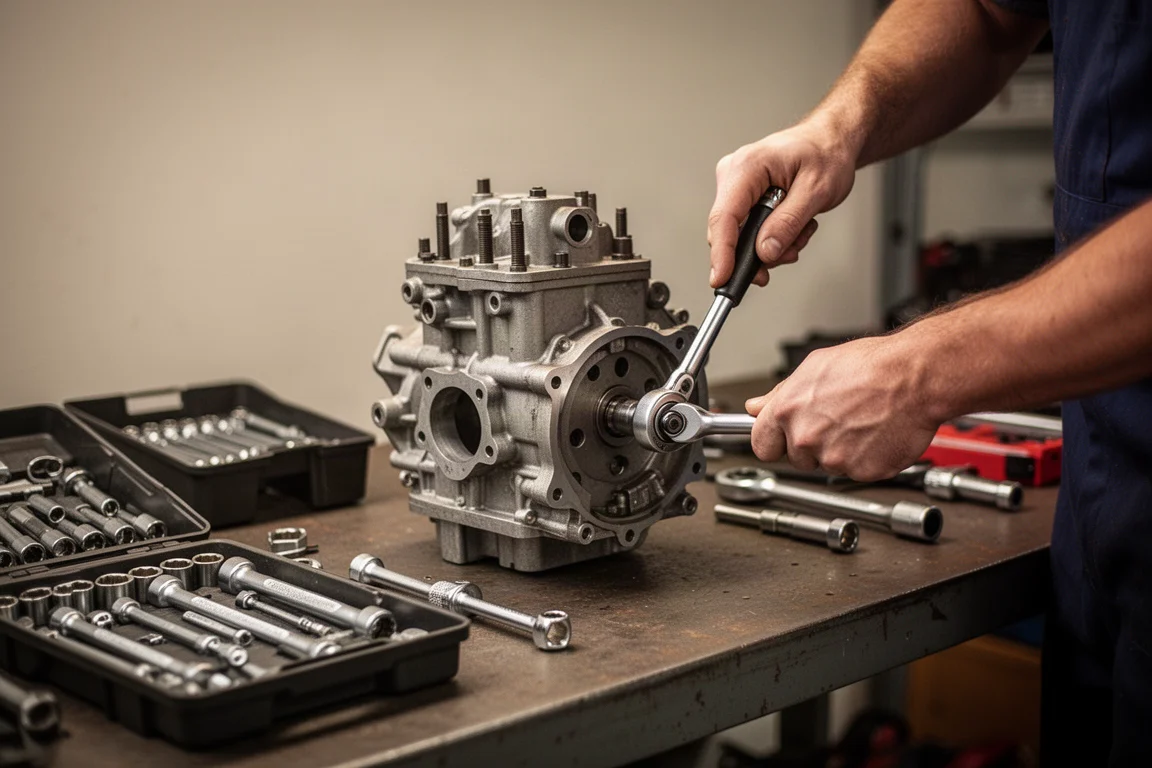
If you already own regular Craftsman tools, the standard line is easier to buy, easier to replace, and sitting right there in the store. If you are shopping on price and value easy warranty swaps, Icon delivers similar ambitions for less money with instant in-store service. Where the V series makes sense is narrower: you specifically want these particular tools, you are comfortable ordering online, and you accept that any warranty claim means contacting Craftsman rather than a counter exchange.
Conclusion
The Craftsman V series is not a bad tool line. The build looks like pro-grade equipment, the lifetime warranty is there, and the shared factory with Iceman and Mac Tools suggests competent manufacturing behind it. The problem is everything around the tools: thin availability, no in-store presence, a warranty that cannot be honored across a counter, and pricing that undercuts itself against Icon and even GearWrench.
Until Craftsman gives this line a clearer retail identity and more sensible pricing, it is hard to recommend over the alternatives. If you have used the V series yourself, your experience may say more than the specs do.
Product link
View more details for Craftsman V Series
This product is mentioned in the review. Check the specifications, options, and compatibility before buying.
View more details for Craftsman V SeriesFurther reading
Related Reviews
Hand Tools
Best Diagonal Cutters 2026: 16 Pliers Tested for Cutting Power and Durability
We put 16 diagonal cutters through nail, screw, drill bit, and hex key tests to find the best value picks for your toolbox.
Hand Tools
Best Hex L Key Sets 2026: Nine Sets Tested for Real-World Torque
Nine hex L key sets from budget to premium, tested for torque, fit, and durability. See which sets deliver real performance and which ones to skip.
Hand Tools
Best Locking Pliers 2026: Top Picks Tested for Grip and Durability
We tested 18 brands of 10-inch locking pliers for grip strength, jaw bite, build quality, and ease of release to find the best options for tough jobs.