Power Tools
Craftsman RP High Torque Impact Wrench vs DeWalt DCF900: Which Half-Inch Impact Deserves a Spot in Your Garage?
A hands-on comparison of two 1/2 in. high torque impact wrenches, looking at real-world lug nut removal, mode control, weight, and where each tool actually shines.
Introduction
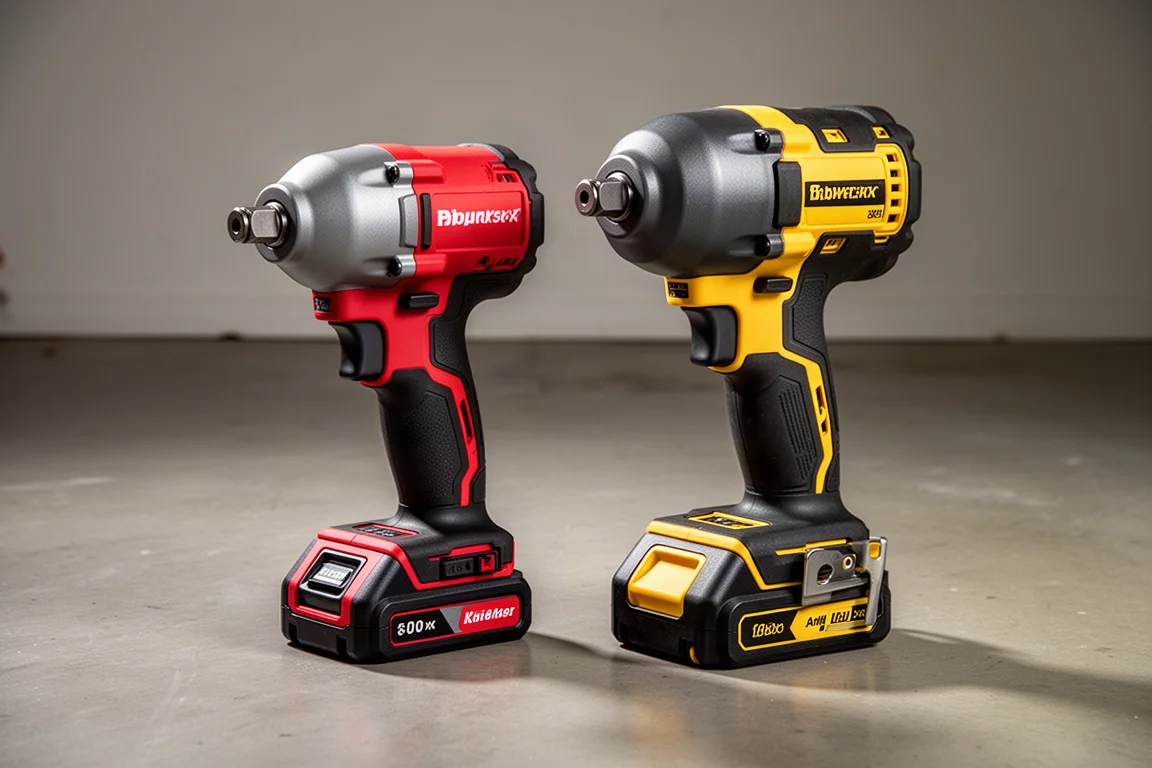
If you have been shopping for a half-inch drive high torque impact wrench, two names keep coming up: the Craftsman RP High Torque 1/2 in. Impact Wrench and the DeWalt DCF900. Both are battery-powered, both claim serious nut-busting numbers, and both come up in the same conversations. After spending real time with both tools on actual jobs, including tire rotation and suspension fasteners, it is clear they are not the same tool wearing different colors.
First Impressions: Simple Controls Done Right
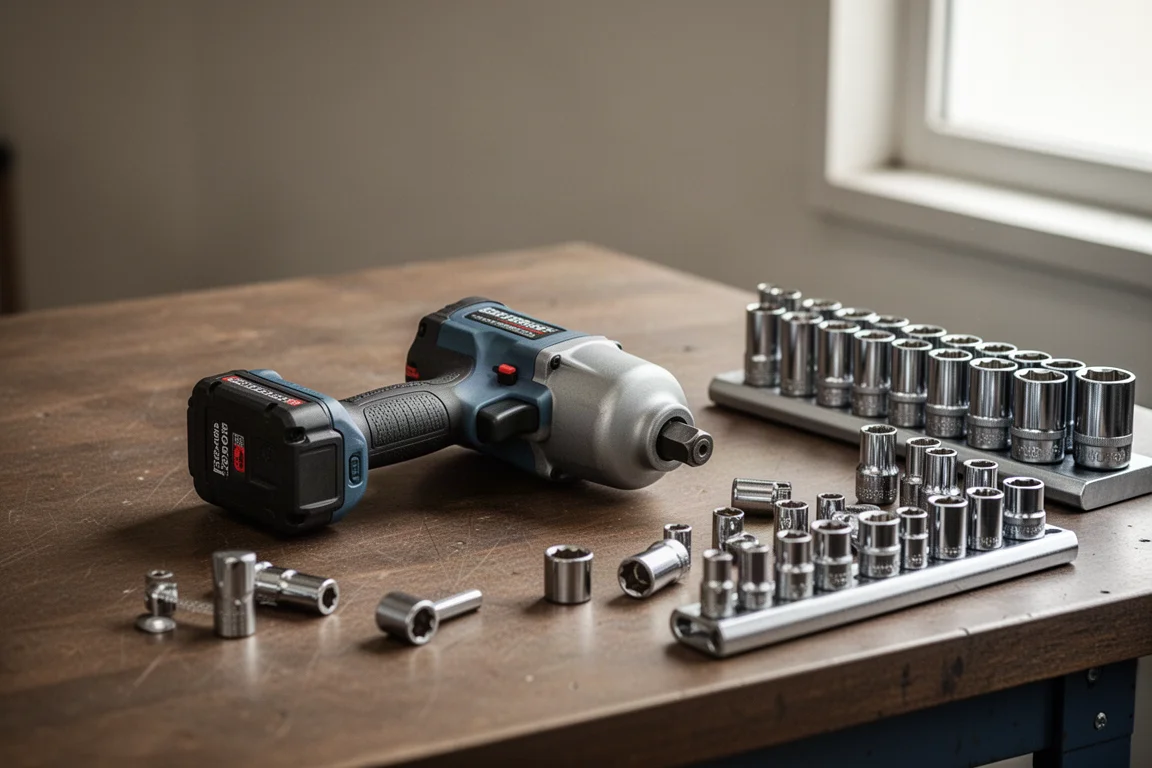
The Craftsman RP keeps things refreshingly basic. Forward and reverse, plus a sliding switch on the bottom that moves between three modes. Nothing fancy, nothing buried in menus, and that is part of the appeal. A slide switch like this has very little to fail. It should keep sliding back and forth for years unless you literally fill it with grit, dust, and sand.
That switch design is one area where the Craftsman actually edges out the DeWalt DCF900, which uses push buttons. The DCF900 offers its own set of modes, but for anyone who prefers a physical, tactile selector that will not wear out, the Craftsman setup is easy to love.
Real-World Lug Nut Testing
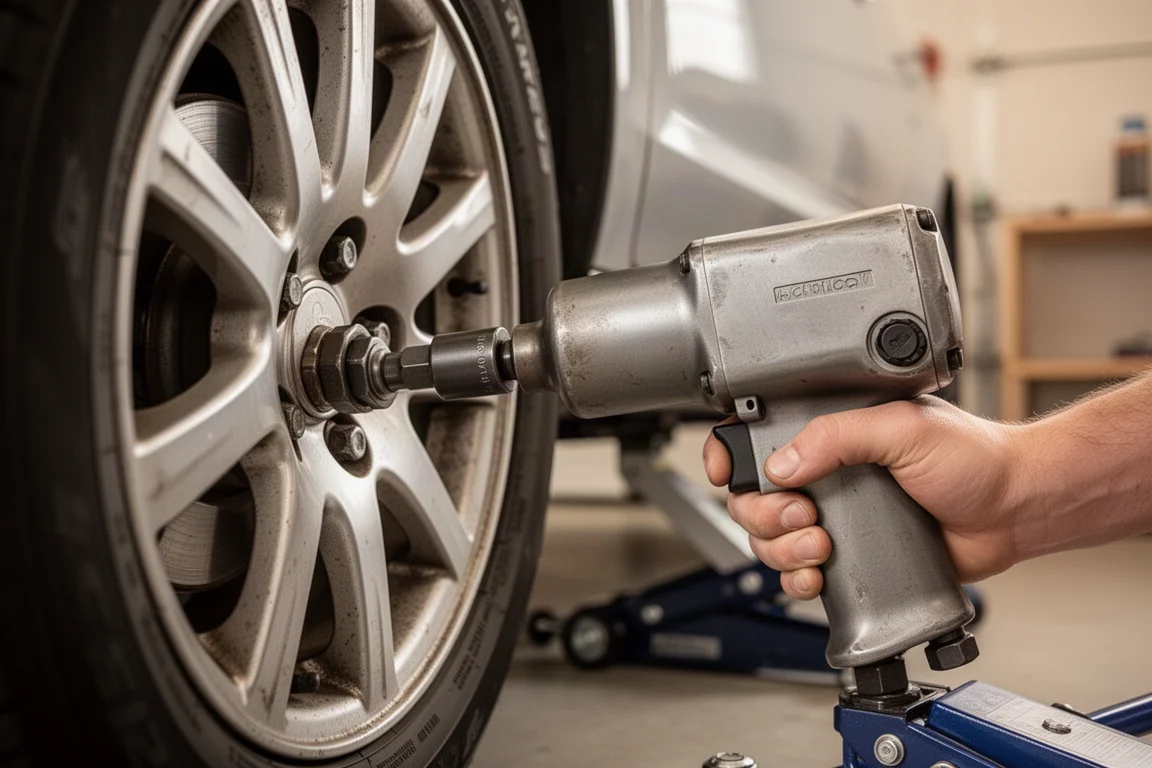
On a set of car lug nuts, the differences started showing. The Craftsman runs at around 2,000 RPM while the DeWalt spins at 2,300 RPM, and you can hear the difference immediately. In a stop test, both tools stopped spinning at about the same moment, which means the faster-spinning DeWalt actually halts sooner relative to its speed. The Craftsman lets lug nuts spin a bit more after the trigger is released, which feels a little like the old pneumatic days. It is not a dealbreaker, just something to get used to.
Mode behavior on the Craftsman is interesting. Level one is genuinely slow, almost hand-tight territory, and barely moved the fasteners at all. Level two would not remove lug nuts set at roughly 150 ft-lbs, which was a surprise. Level three, however, pulled everything off without drama, including fasteners tightened to 400 ft-lbs, and it did not struggle much doing it.
How Much Torque Is Really There?
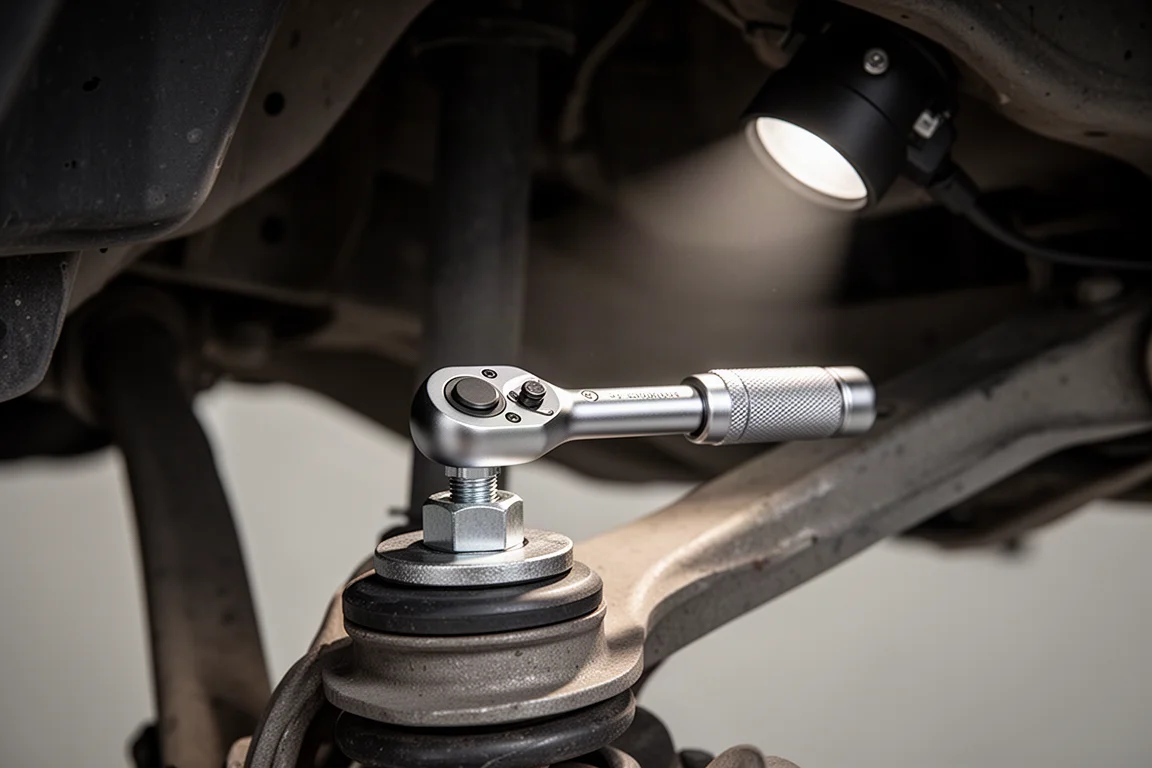
The Craftsman is rated for 1,000 ft-lbs of nut-busting torque, and in testing it came impressively close to that on a bolt that had been tightened to 400 ft-lbs and then pushed slightly beyond. Tightening on level two landed somewhere in the 120 to 130 ft-lbs range by feel, which is actually a usable range for wheel work.
The honest caveat: pushing into the 650 to 700 ft-lbs and beyond range is where any 1,000 ft-lbs-rated tool starts getting into guesswork territory, especially on rusty or dirty fasteners versus clean test-bench conditions. In the 600 ft-lbs range and below, the Craftsman should pull fasteners out without issue. Above that, you are gambling. That is an opinion based on use, not a lab figure, but it applies to just about any tool in this class.
Weight and Everyday Handling
Here is where the Craftsman quietly wins. There is a noticeable weight difference between the two tools, and the DeWalt DCF900 is the heavier of the pair. The Craftsman is heavier than a compact impact, but not heavy in the way the DCF900 is, which means it is easier to use in more positions and for longer sessions.
That lighter build makes the Craftsman a realistic single-impact solution. If you only want one impact wrench and you would rather not buy a separate mid-torque tool for suspension work, this one can plausibly do it all without wearing you out.
Choosing Between Them
The DeWalt DCF900 is the raw performer of the two: faster, heavier, and possibly the most powerful half-inch drive impact wrench currently available. It hits hard and it is an excellent tool in its own right. If someone tells you it is the same as the Craftsman, that is simply not accurate. The ratings, the price, the weight, and the in-hand feel are all different.
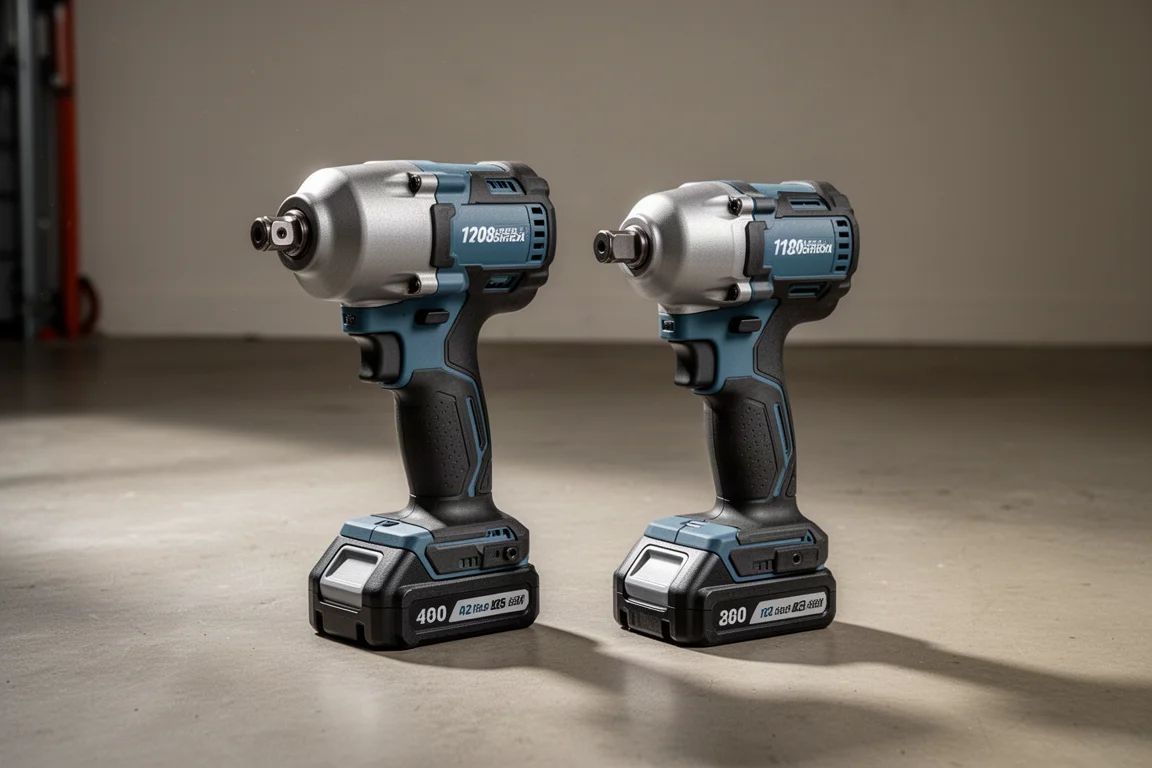
The Craftsman RP is the more comfortable, more controllable option with a better switch design and enough real-world power for tire rotation, suspension work, and most fasteners you will meet on a passenger vehicle. For anyone dealing with rusty suspension work or general garage duty, it should not disappoint, and its power delivery will probably surprise you given how mild it feels in hand.
Conclusion
These two impact wrenches serve slightly different buyers. The DeWalt DCF900 is the brute-force choice for maximum power, while the Craftsman RP offers a lighter, more comfortable tool with a durable slide switch and plenty of real-world torque for typical automotive work. Match the tool to the work you actually do, and either one can earn its place in your garage.
Product link
View more details for Craftsman RP 1/2 in. High Torque Impact Wrench
This product is mentioned in the review. Check the specifications, options, and compatibility before buying.
View more details for Craftsman RP 1/2 in. High Torque Impact WrenchFurther reading
Related Reviews
Power Tools
Best 1-Inch Pistol Impact Wrenches: Three Heavy-Duty Options Compared
We compare three 1-inch pistol impact wrenches, from a budget-friendly Harbor Freight model to a premium Caterpillar unit, to help you choose the right one.
Power Tools
Best 3/4-Inch Impact Wrenches 2026: Five Contenders Compared
We compare five 3/4-inch impact wrenches across price and performance, from a budget Amazon option to Snap-on's most powerful model yet.
Power Tools
Best Budget Cordless Tools 2026: Walmart Finds That Punch Above Their Price
We tested five cordless tools from Walmart, including a high-torque impact wrench that trades blows with Milwaukee and a $35 duster that outperforms its price class.