Workshop Tools
Craftsman, Ridgid, and Workshop Wet/Dry Shop Vacs: What to Check Before You Buy
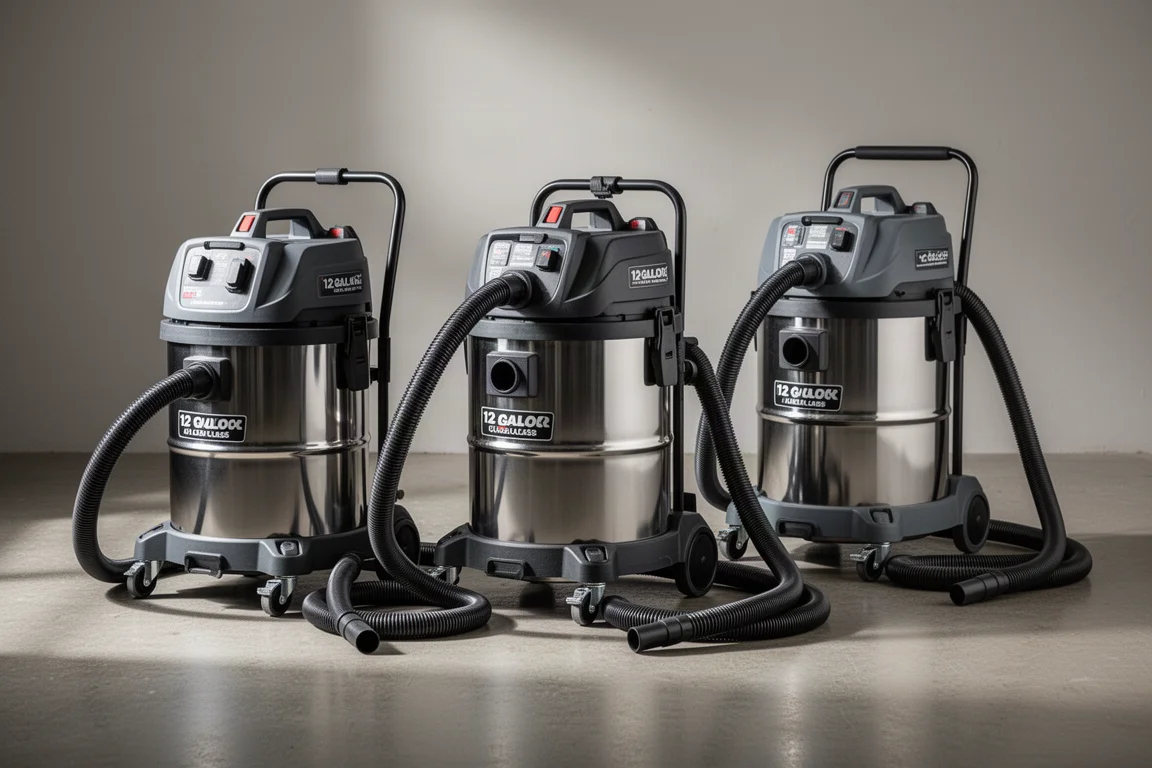
These wet/dry shop vacs share the same manufacturer, so reading the back of the box matters more than the brand on the front. Here is what the specs really tell you.
Introduction
If you are shopping for a wet/dry shop vac, the most useful information is not on the front of the box. It is on the back, in the small print, where the real specification table lives. That is also where you will find the one detail that matters most when comparing brands: the name of the company that actually manufactures the vacuum.
That single line can save you money, because several popular shop vac brands come off the same production line.
How to Read the Box Before You Buy
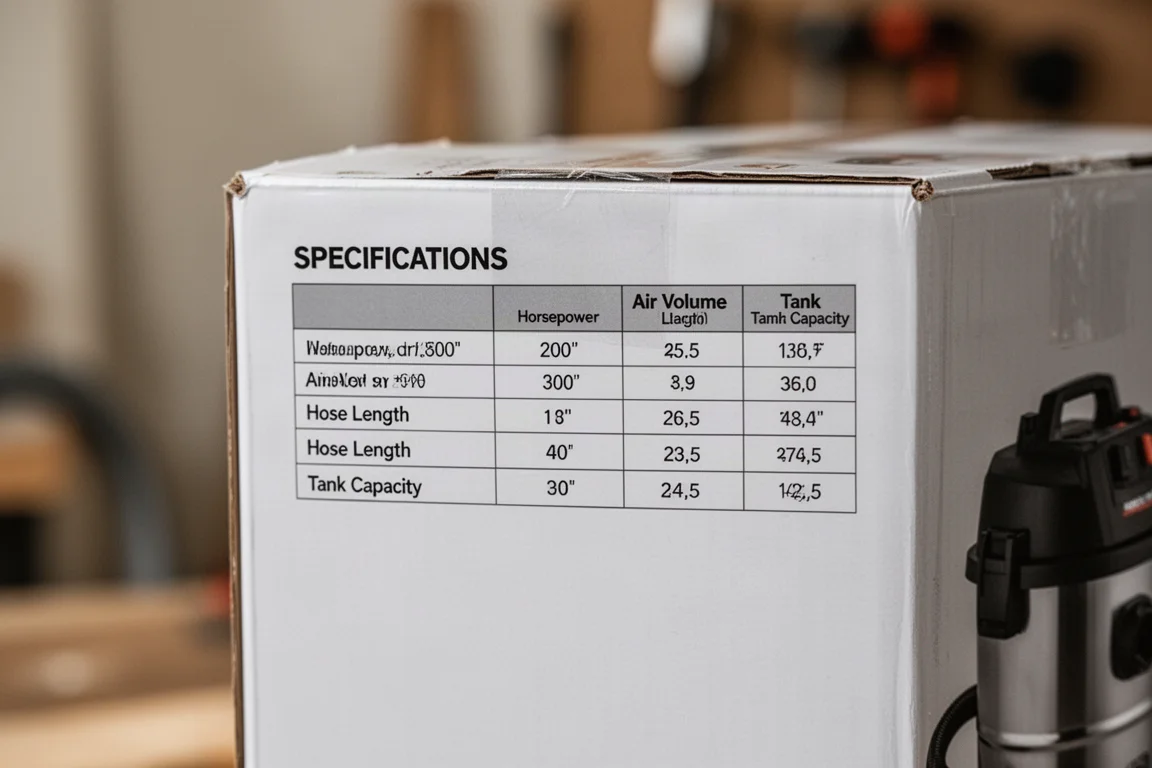
Take a typical 12-gallon Craftsman model sold at Ace. The back of the box lists peak horsepower of 6.0, but peak horsepower is physically impossible with a 15 amp, 120 volt plug. It is a marketing number, always marked with a footnote, and not something you can rely on when comparing models.
The same skepticism applies elsewhere. Air volume is listed as “up to 160 CFM,” and the word “up to” tells you the real figure is lower. Tank capacity is quoted at 12 gallons, but the footnote explains that figure depends on the contents, filters, and other factors. Hose length is 7 feet with a 2.5 inch diameter, and the unit weighs about 18 pounds.
The decisive line sits lower on the panel: product manufactured by Emerson Tool Company out of St. Louis, Missouri. Emerson builds this Craftsman model, it builds Workshop vacuums sold online, and it builds the Ridgid vacuums sold at The Home Depot. Once you know the manufacturer, you can compare nearly identical machines across different stores and buy wherever the price or service is better.
Craftsman Wet/Dry Shop Vac (12 Gallon)
The Craftsman model reviewed here is an Emerson-built 12-gallon unit with a 7-foot, 2.5 inch hose and an 18-pound body. Assembly is minimal: a handle on top with included screws, hose connections, and caster wheels that seat best with a light tap from a dead blow hammer or rubber mallet rather than being pushed in and hoped for. The whole job takes only a few minutes.
Included in the box are a crevice nozzle, a larger wet floor nozzle for bigger debris, and roughly 6 feet of extension wands that fit together securely. The hose ends are kink resistant: you can coil the hose into a tight circle near the connectors without it collapsing, which matters most at the two high-stress points, the end on the vacuum and the end you hold while working.
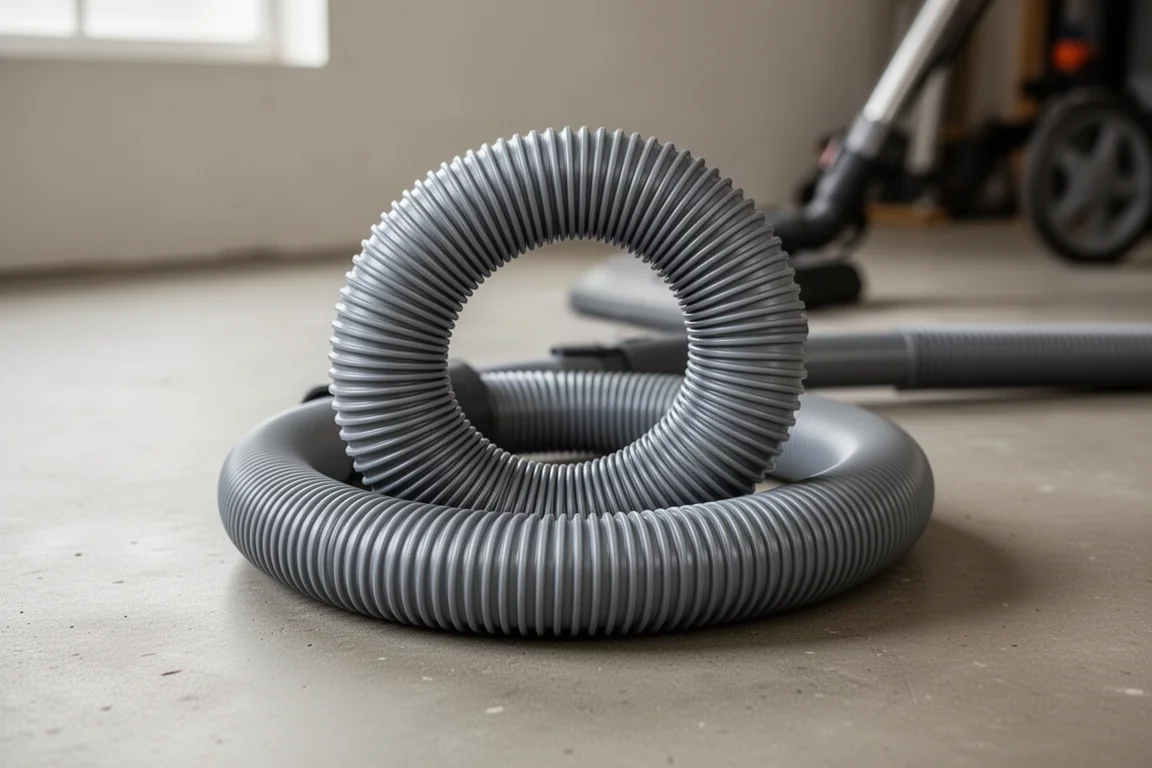
One honest limitation: because the hose plugs into the lower canister, a full tank means a full hose too. Lift or tilt the unit when it is loaded with water and whatever is in the hose will spill out. You will want to use the drain plug or roll the unit rather than tilt it.
This unit carries a three-year warranty, and long-term impressions of the Emerson platform are positive: quiet enough to run near a conversation, generous capacity, and a strong value for anyone using it more for wet pickup than dry. If you need a smaller footprint than an older, larger Workshop model, this size class is a sensible step down.
Ridgid Wet/Dry Shop Vac
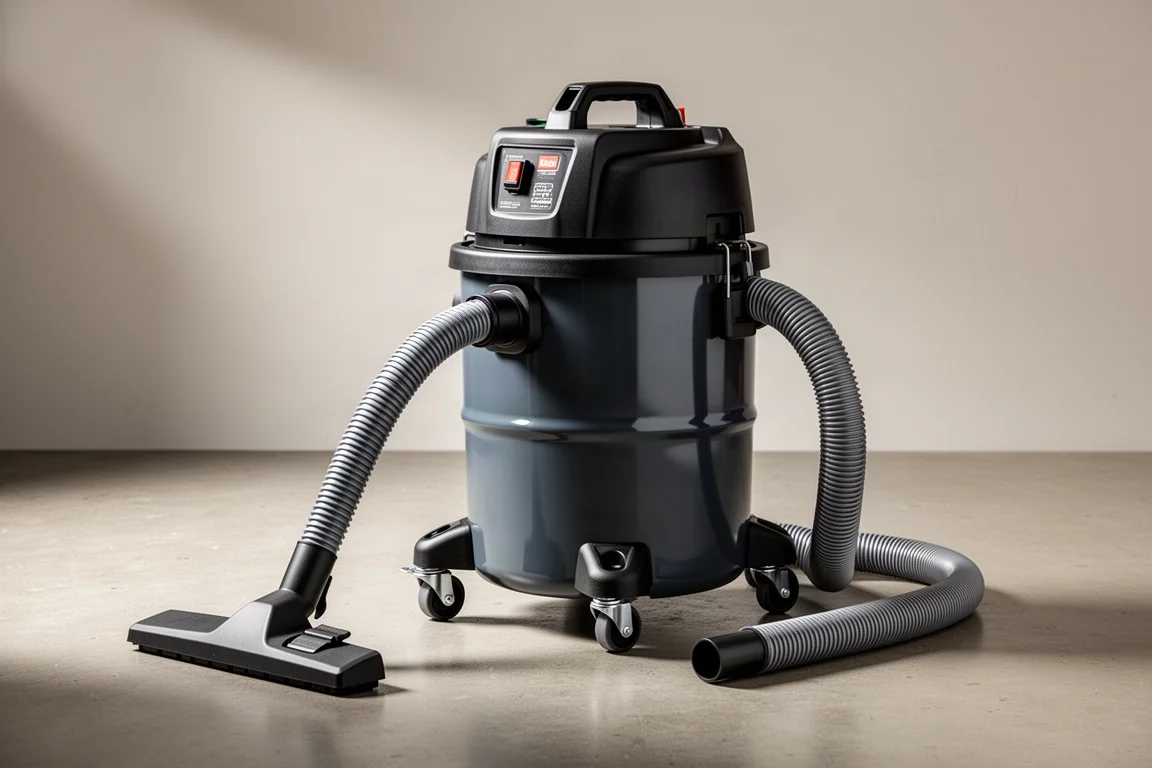
The Ridgid vacuums sold at The Home Depot are made by the same company, Emerson, which means the core platform is essentially the same parts and pieces assembled under a different name. That makes spec-by-spec comparison with the Craftsman and Workshop models straightforward, and it means the buying decision often comes down to where you prefer to shop rather than which machine is technically better.
If your local option is The Home Depot, this is the Emerson-built unit you will find there, and comparing its back-of-box specifications against the Craftsman table above will show how closely the two align.
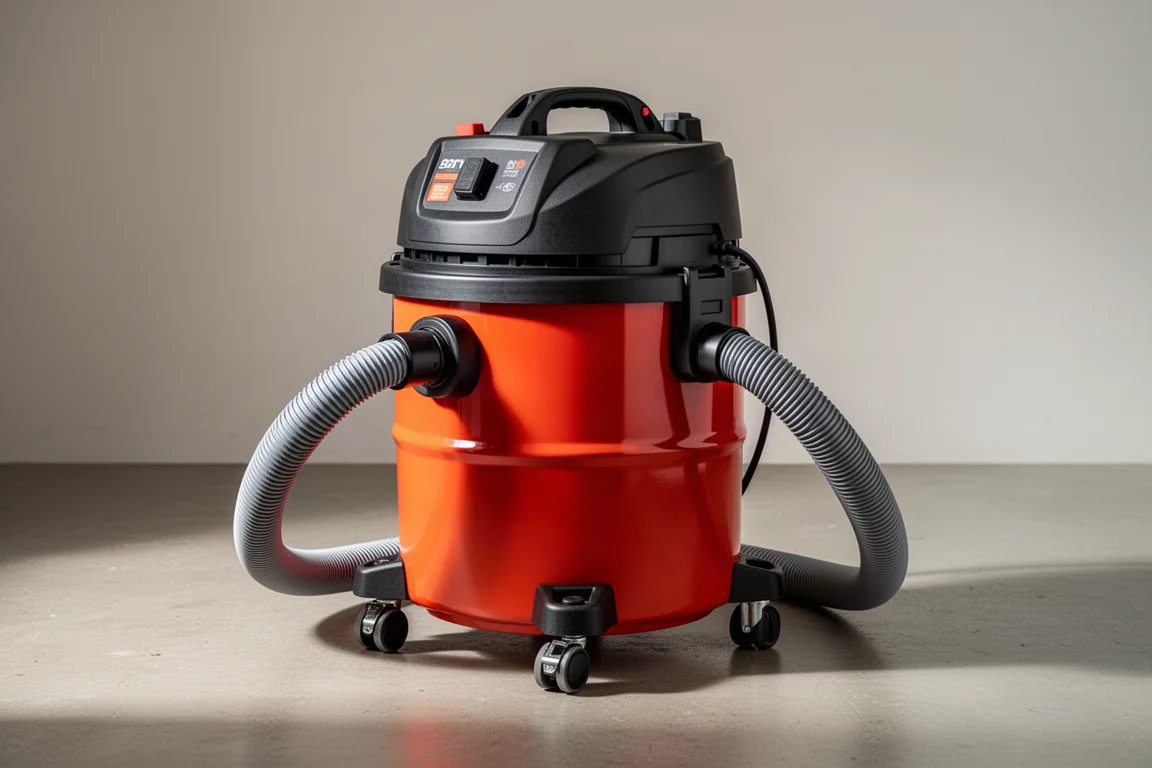
Workshop Wet/Dry Shop Vac
Workshop is the Emerson vacuum brand you can buy online. The reviewer here has run a Workshop model for several years and describes loving it; the only reason for choosing the newer Craftsman was size, not quality. If your projects need more tank capacity than a 12-gallon unit, an older or larger Workshop model is a proven, durable option.
Because these are all Emerson machines at heart, the same spec-reading approach applies: check the manufacturer line, compare the real numbers, and let price and service decide.
Wet Pickup Performance and the Drain Plug
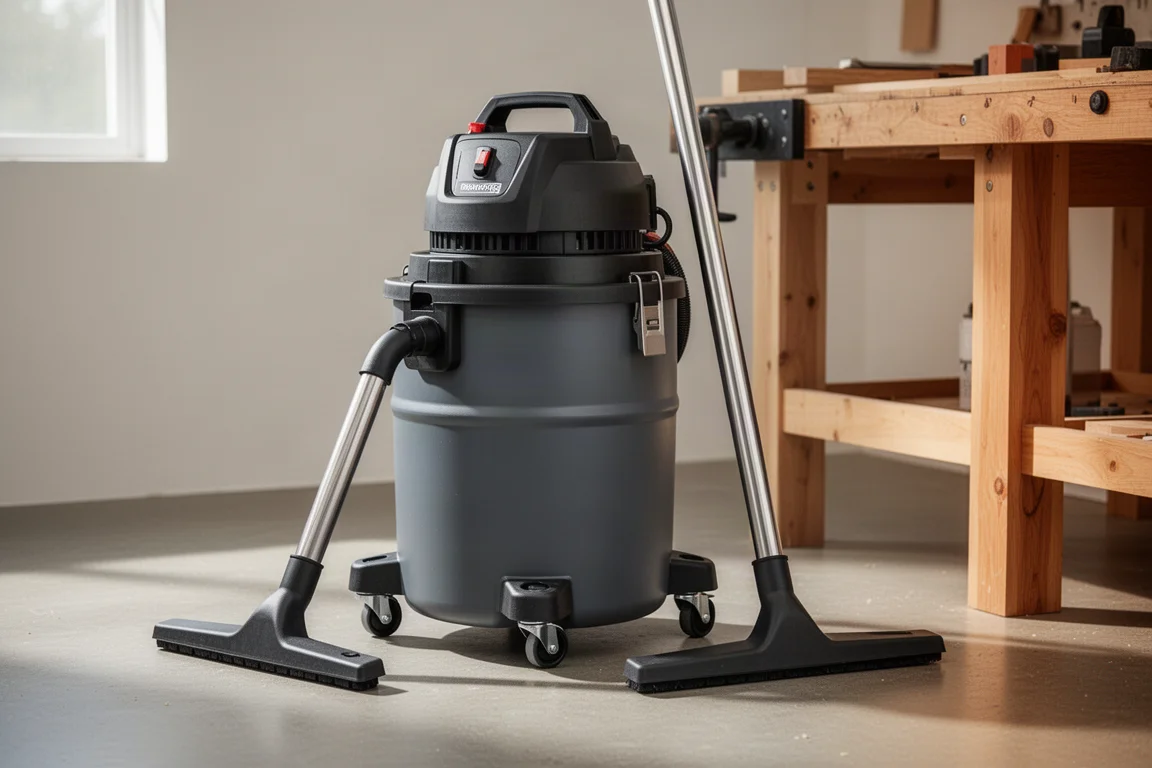
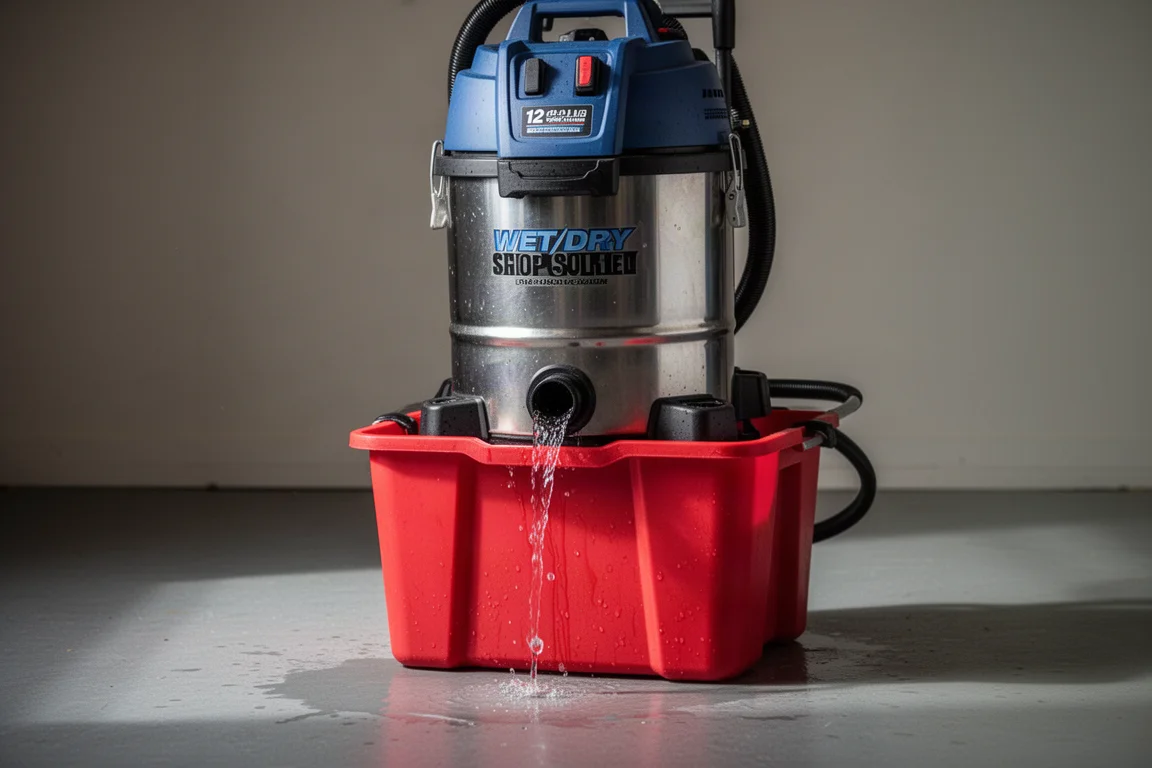
Most vacuums in this size class include a drain at the bottom of the tank, which is essential if you will use it for wet pickup more than dry. In a real test with 12 gallons of water loaded, the vacuum shut off after pulling out roughly 11 gallons in about 14 seconds. That is a strong result, and the container it emptied into was filled completely.
The trade-off appeared right after: with the canister full, water also remained in the hose, and because the hose sits below the stop ball level, any tilting sends it right back out. Use the drain plug or move the unit carefully.
Blower Function, Noise, and Duty Cycle
Most Emerson-built vacuums in this class include a blower port on the back. Switch your nozzle over and you get roughly 160 CFM of airflow, enough to clear a workbench or a small area, though it will not replace a leaf blower.
Noise is a pleasant surprise. Measured near the running unit, readings bounce around 70 dB, which in practice is not much louder than a normal conversation. For anyone tethered to the machine by a 7-foot hose for long stretches, that is a real comfort advantage.
One caution: these vacuums have a duty cycle. Running one continuously for 30 to 60 minutes as a dust collection system for woodworking will wear the unit out quickly. They are not designed for that kind of sustained runtime, and if dust extraction is your goal, a proper cyclone setup with a better filter is the smarter investment. A HEPA-style filter can be bought for this vacuum, but at that point a dedicated cyclone system usually makes more sense.

Buying Advice
Do not buy a large wet/dry vac if you do not want to hang onto a 2.5 inch hose for long periods. Some people find that diameter too bulky to hold; if that is you, either choose a smaller machine or buy an attachment with a smaller grip. There is a wide range of inexpensive accessories, hose extensions, and nozzles for these vacuums, so look past what comes in the package at what else you can add.
The bigger takeaway: look up who manufactures the vacuum you are considering. Once you know it is Emerson, you can compare Craftsman, Ridgid, and Workshop side by side, since they are largely the same machine under different names, and buy from whichever retailer gives you the better price or service.
Conclusion
The Craftsman, Ridgid, and Workshop wet/dry shop vacs are Emerson-built siblings, so the smartest purchase is the one that matches your capacity needs and comes from the store you trust. Expect a quiet motor, capable wet pickup with a usable drain, a kink-resistant hose, and a blower for bench cleanup, and skip the peak horsepower marketing entirely.
Further reading
Related Reviews

Workshop Tools
Best Drill Tap Sets 2026: Top Picks Tested for Speed and Strength
We tested 17 drill tap sets to find the fastest drilling, strongest threading, and most durable options for your workshop.

Workshop Tools
Cool Shop Tools 2026: Five Clever Upgrades Worth a Closer Look
A practical look at five workshop tools that solve real problems, from smarter drill bits to a safer table saw guard.

Workshop Tools
Cool Tools for the Workshop: Five Smart Upgrades Worth Trying
A practical look at five workshop tools that make measuring, drilling, marking, and sawing easier, from a clever square to a top-tier bandsaw fence.