Power Tools
Craftsman CMCF921 Mid-Torque Impact Wrench: A Real-World Look for DIY Users
Hands-on testing of the Craftsman CMCF921 mid-torque impact wrench against the Milwaukee M18 and Metabo HPT mid-torque, covering lug nut removal, battery choices, and who it actually suits.
Introduction
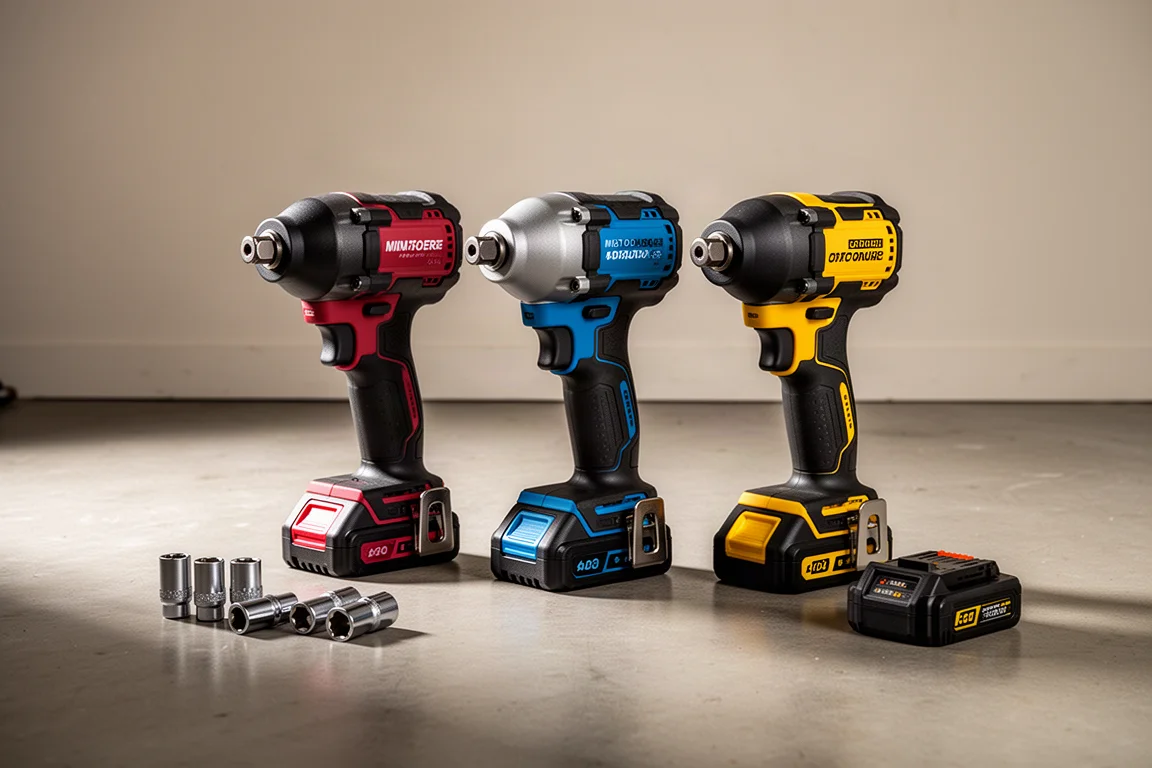
Mid-torque impact wrenches occupy a sweet spot for home users: more muscle than a compact driver, without the bulk and price of a high-torque monster. The Craftsman CMCF921 sits right in that space at a very accessible price, and it is worth asking whether a budget-friendly mid-torque can handle the jobs a DIY mechanic actually throws at it. To find out, it went up against two well-regarded rivals: the Milwaukee M18 mid-torque and the Metabo HPT mid-torque.
What the CMCF921 Is Built For
The Craftsman CMCF921 is the newer RP, or Runtime and Performance, model in the lineup. It is rated for 275 ft-lbs of fastening torque and looks and feels very similar to the earlier CMCF920, including matching specs, with the RP version intended to deliver a bit more runtime. Craftsman positions these tools squarely at the do-it-yourself crowd: the shade-tree mechanic who wants to get things done in the driveway without spending premium-tool money.
How It Performed on Lug Nuts
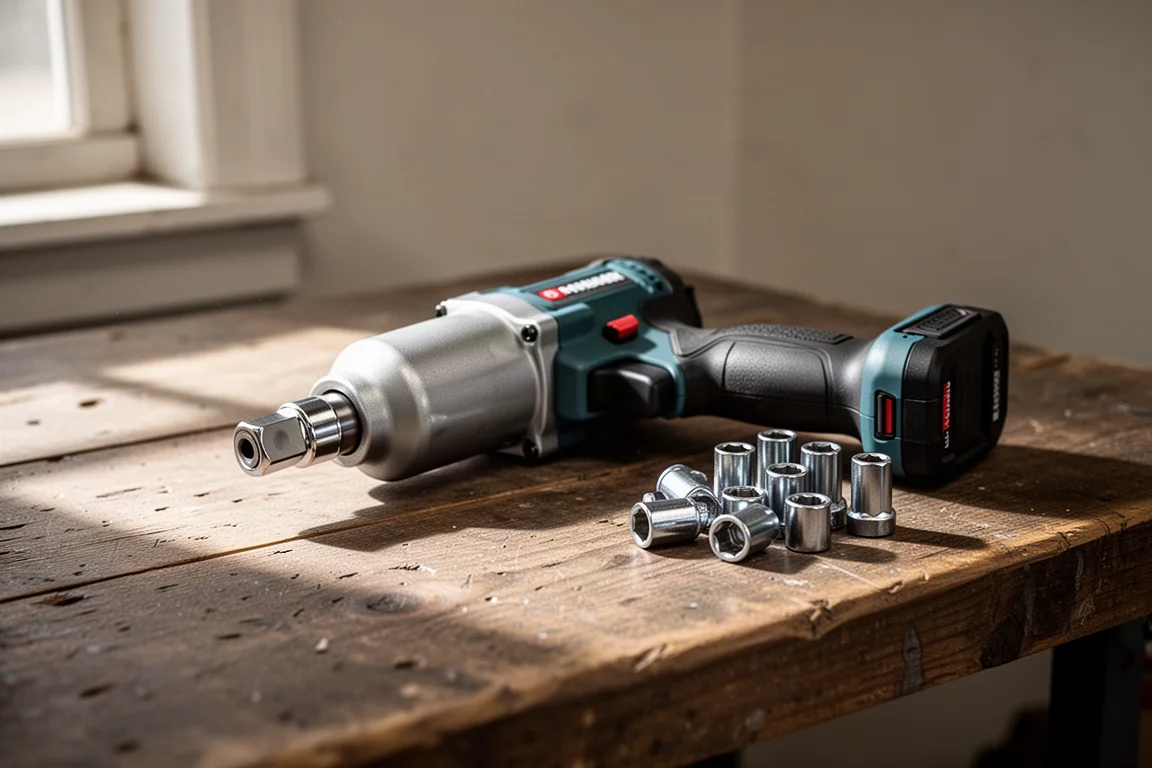
The test scenario was a familiar one: rotating tires roughly nine months after a shop installation, where lug nuts were likely tightened quickly and could sit anywhere from around 140 up to 200-220 ft-lbs. With a 4Ah battery, the CMCF921 removed every lug nut without drama, even on fasteners that had rusted around the edges and dried in place. It was not a lab benchmark, just a real-world question: will it remove them, and how quickly.
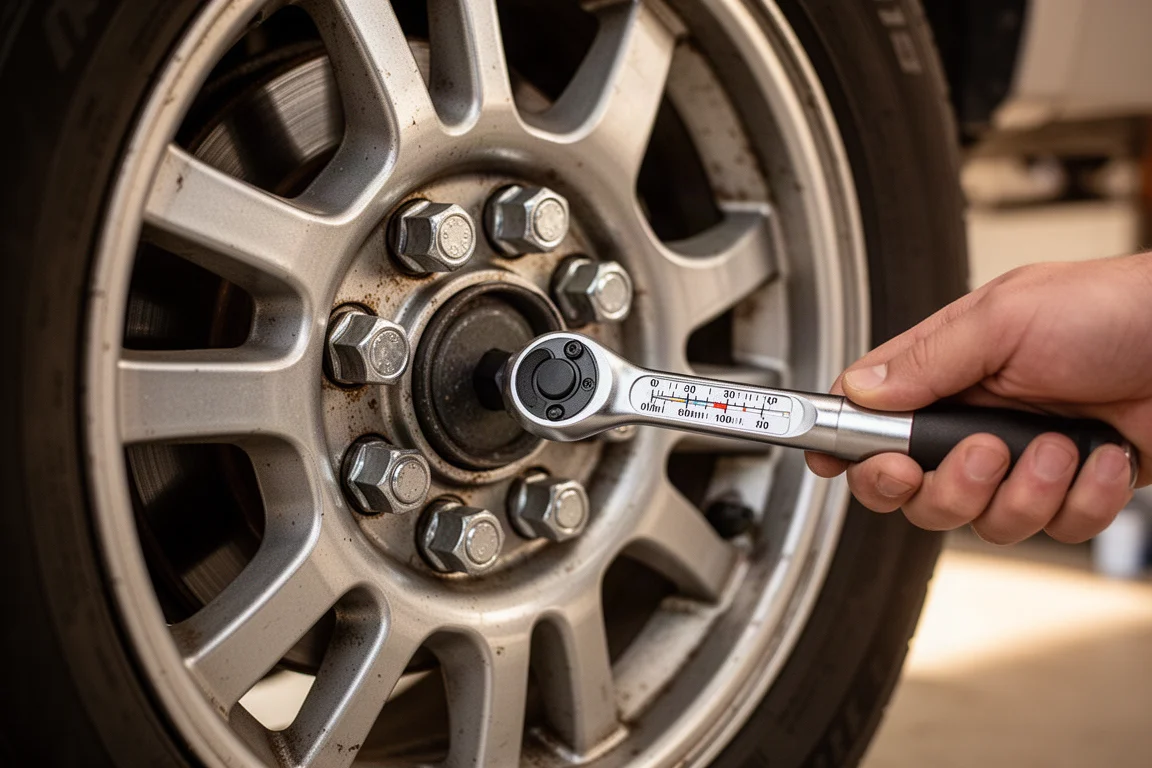
Tightening behavior was equally telling. On level one, around 900 RPM, the tool offers a controlled speed that is ideal for a DIY user threading lug nuts back on without overdoing anything. Level two steps up the pace for final tightening. In testing, the wrench reached roughly 150 to 160 ft-lbs with very little impacting, and it even broke loose lug nuts torqued to 200 ft-lbs, though that required noticeably more hammering. That 200 ft-lb figure is roughly double what a minivan’s lug nuts should be set at, so it represents a worst-case scenario rather than normal use.
How It Compares to Milwaukee and Metabo HPT
Side by side, the differences are clear. The Craftsman is noticeably larger than the Milwaukee, by perhaps half an inch to three-quarters of an inch, while the Milwaukee is a bit heavier, partly due to its battery. The Metabo HPT is a good bit larger than the Milwaukee as well, yet the Craftsman is still a touch longer than that one. None of these size differences are deal-breakers, but power separates them: the Milwaukee clearly delivers more muscle, at roughly twice the price of the Craftsman.
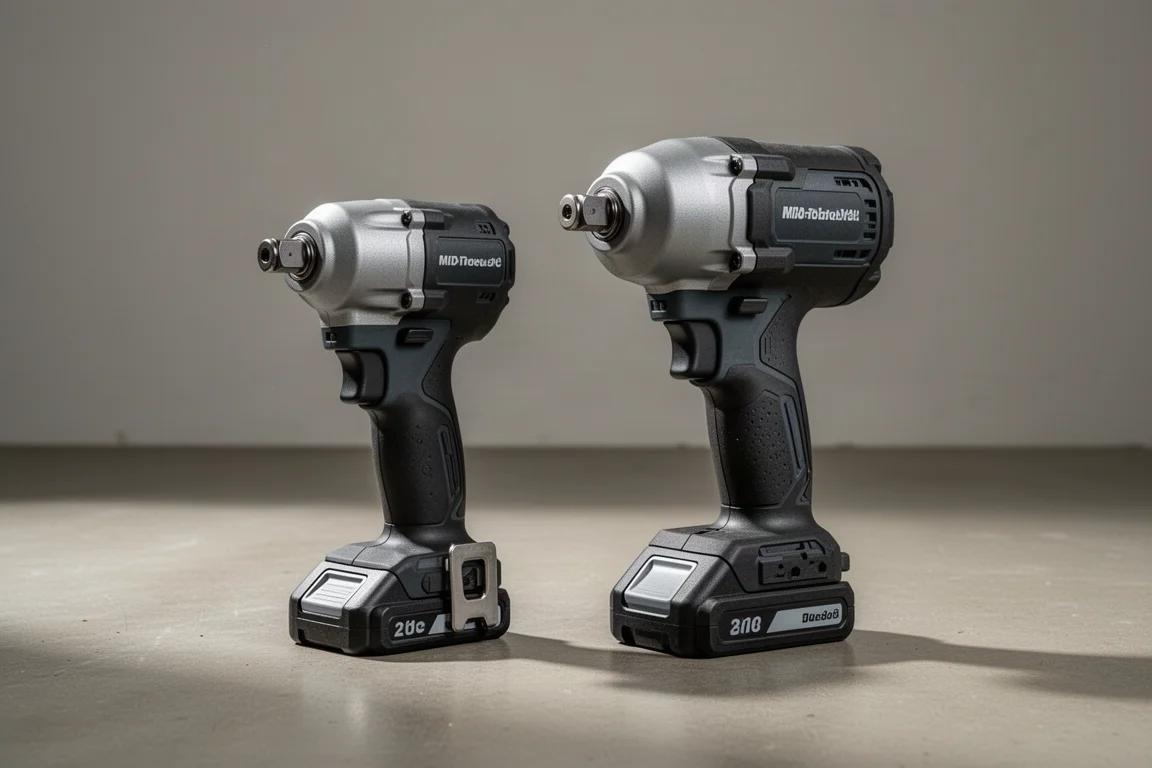
Ergonomics split the field too. The CMCF921 has a slightly fatter grip with good, comfortable texture, and larger hands fit nicely. The Milwaukee’s grip is thinner at the bottom and a bit easier to hold, making it the more comfortable of the two for some hands, while the Metabo HPT falls behind both for larger hands, partly because its neck could be longer. On controls, the Craftsman keeps things simple with a standard forward-reverse switch and just two speed settings, a slow setting and a fast one, rather than a three-speed mode selector. Its variable speed trigger is genuinely excellent, among the best seen on any impact wrench, and the forward-reverse lockout is standard and predictable.
Where It Falls Short
This is a mid-torque, not a high-torque tool. For engine components and lug nuts it works well, but for serious suspension work the honest answer is no: come prepared with a large battery and a breaker bar as backup, because it will not handle the really large bolts. The hog ring anvil is another friction point. It can make socket changes fiddly, and it is especially unhappy with sockets that are not impact rated. Use proper impact-rated sockets and that complaint largely disappears. Also worth noting: the small 2Ah battery明显 limits output on a tool like this, and removing lug nuts with one installed is slow going even on the more powerful Milwaukee.
Battery and Buying Advice
Battery choice matters more than most people expect. A 2Ah pack will work for something small, light, and infrequent, but for jobs like rotating tires, a 4Ah or 6Ah pack backs the tool up properly. Testing showed a real difference in impact speed between smaller and larger packs, with the 6Ah pulling lug nuts off noticeably faster. Anyone buying the CMCF921 in a kit should plan on pairing the included small batteries with at least one 4Ah or larger pack for real jobs.
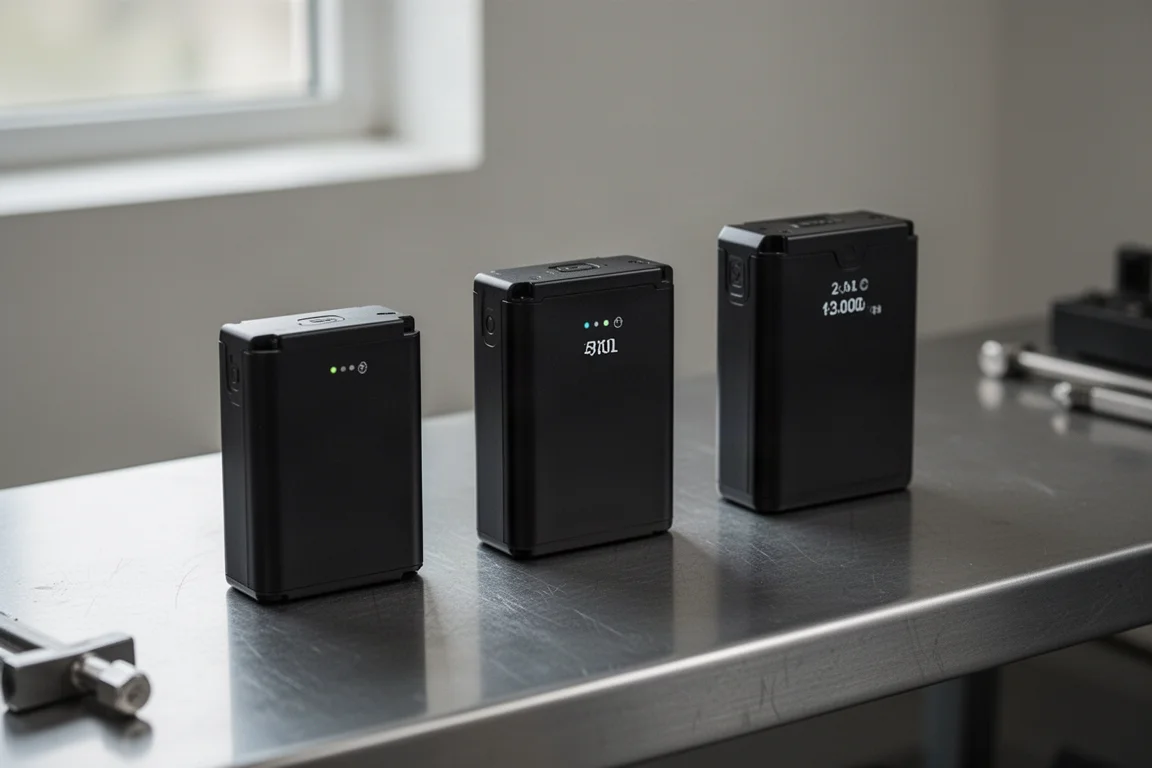
At around $119 for the bare tool, the Craftsman undercuts the Metabo HPT at roughly $200 bare and the Milwaukee, which sits above even that. It is not the strongest or the cheapest-possible tool on the market; it lives in the middle, and for the DIY user that middle turns out to be a comfortable place. One honest caveat: tightening a nut before removing it warms the fastener and makes removal easier, so any back-to-back tighten-then-remove comparison flatters the tool. Real-world rusted, dry lug nuts are the truer test, and the CMCF921 passed that one.
Conclusion
For the home mechanic, the Craftsman CMCF921 is a legitimately good tool: 275 ft-lbs of fastening torque, roughly 300 ft-lbs of removal capability, an outstanding variable speed trigger, and simple two-speed controls at a price well below the premium competition. Use the right battery, use impact-rated sockets, keep it away from heavy suspension work, and it will handle tire rotations, engine components, and everyday DIY jobs with confidence.
Product link
View more details for Craftsman CMCF921 Mid-Torque Impact Wrench
This product is mentioned in the review. Check the specifications, options, and compatibility before buying.
View more details for Craftsman CMCF921 Mid-Torque Impact WrenchFurther reading
Related Reviews
Power Tools
Best 1-Inch Pistol Impact Wrenches: Three Heavy-Duty Options Compared
We compare three 1-inch pistol impact wrenches, from a budget-friendly Harbor Freight model to a premium Caterpillar unit, to help you choose the right one.
Power Tools
Best 3/4-Inch Impact Wrenches 2026: Five Contenders Compared
We compare five 3/4-inch impact wrenches across price and performance, from a budget Amazon option to Snap-on's most powerful model yet.
Power Tools
Best Budget Cordless Tools 2026: Walmart Finds That Punch Above Their Price
We tested five cordless tools from Walmart, including a high-torque impact wrench that trades blows with Milwaukee and a $35 duster that outperforms its price class.