Everyday Carry Tools
County Comm Titanium Marlin Spike: A $20 Workhorse for Knots and Cordage
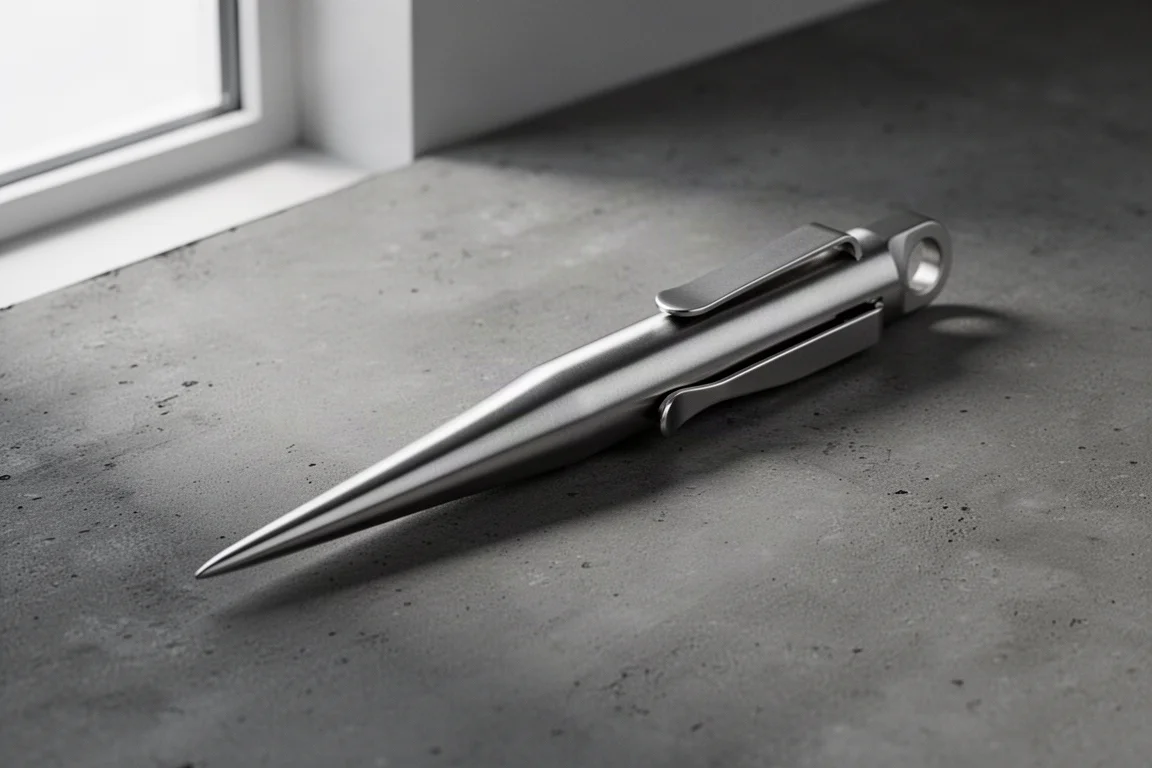
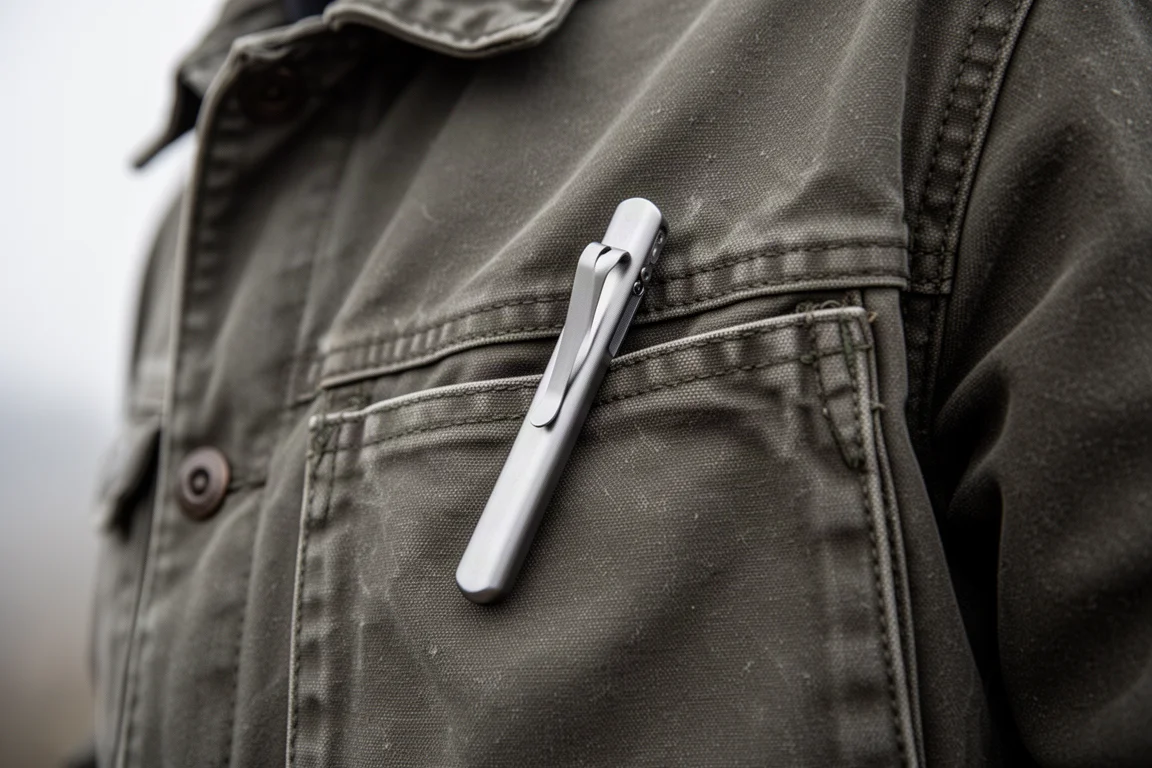
A solid Grade 5 titanium marlin spike with a REM finish and pocket clip, priced at just $20. Here is what it does well and who it suits.
Introduction
County Comm had leftover round stock in Grade 5 titanium with a REM surface finish, and instead of letting it sit, they turned it into a marlin spike. The result is a solid chunk of titanium with a titanium pocket clip, priced at only $20. It is a genuinely handsome piece of metal, and the size makes it more useful in everyday life than the giant spikes sailors once used for splicing ship rigging.
The interesting thing about this tool is that most people have never heard of it, yet almost everyone has improvised one. If you have ever picked up a stick, a screwdriver, or a punch to pry loose a stubborn knot, you have already used a marlin spike. You just did not know it had a name.
What a Marlin Spike Is Actually For
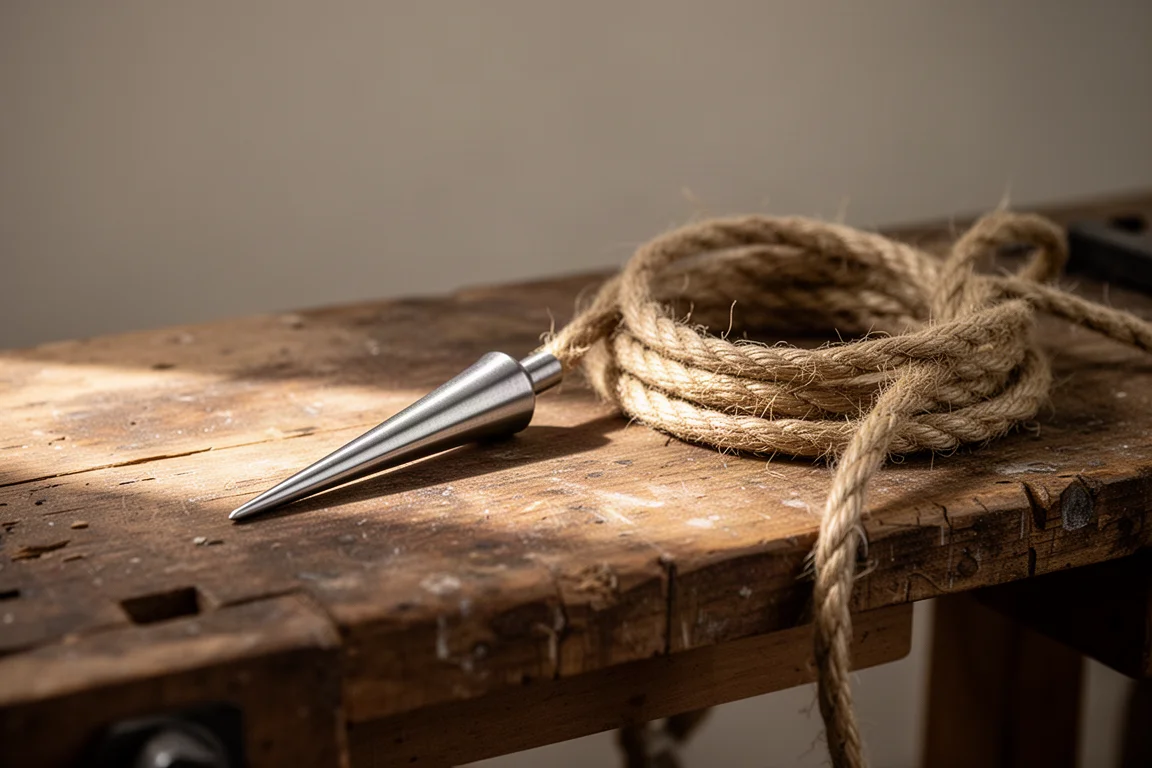
The name comes from marline, the twine sailors used to sew the ends of natural fiber ropes together so the woven fibers stayed in one piece. The tool used for that sewing work became known as a marlinespike. Fittingly, the marlin fish probably got its name from the spike, not the other way around.
Historically these tools were carried by anyone who worked with rope, and they were designed for far more than undoing knots. They handle splicing, making loops, and forming a marlin hitch, which is simply passing a bight of rope through a loop and then inserting the spike as a toggle handle so you can pull with real tension. It is the same trick everyone has done with a stick at some point, except it has a name and a proper tool.
Getting Knots Undone Without Damaging the Rope
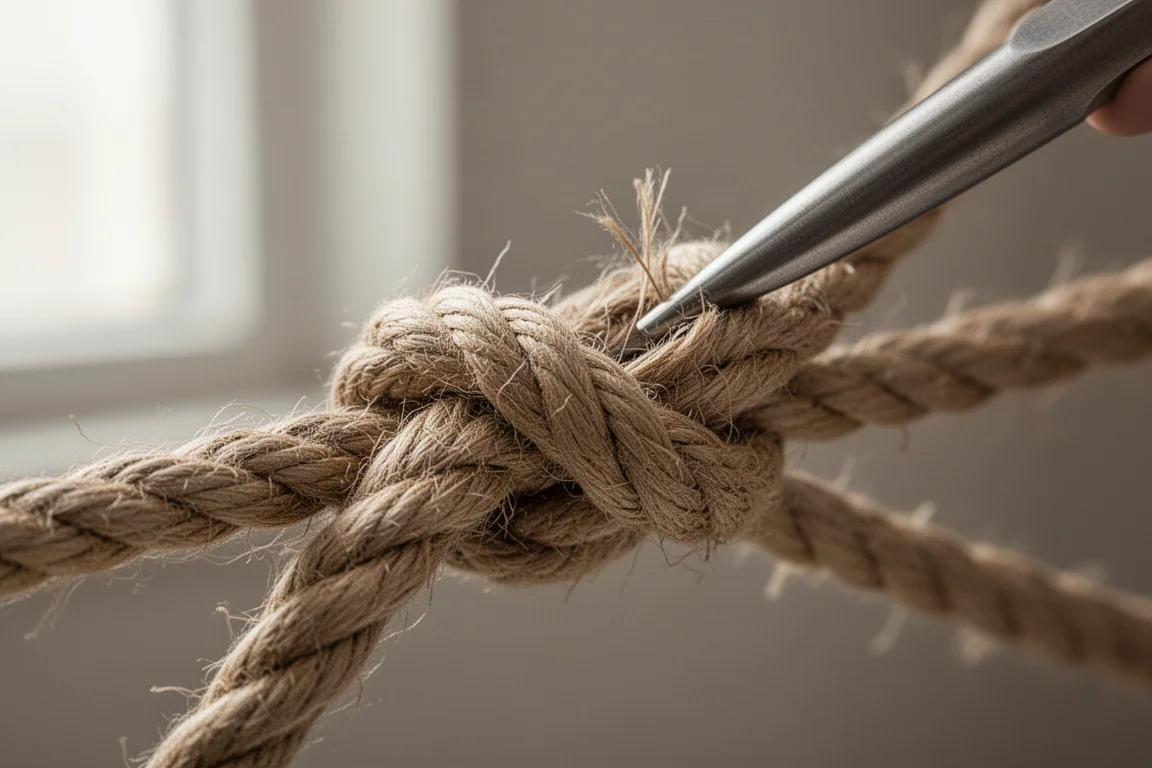
This is where the County Comm spike earns its place. The tip is pointed enough to get into tight knots, but not so sharp that it will accidentally pierce the rope. That balance matters, because the common alternatives all have trade-offs.
Screwdrivers, whether slotted or Phillips, work in a pinch but can damage fibers. Pry bars work but are heavy, chunky steel, and expensive for what they are. Punches of various sizes have long been a standby depending on rope diameter. A dedicated spike avoids all of that, and in titanium it brings a real advantage in saltwater environments where steel would corrode.
Sizing It Up
There is a rough traditional rule for matching spike length to rope: rope diameter is roughly one twentieth of the spike length, or equivalently, multiply rope diameter by 20. At about five and a half to almost six inches, this spike handles fairly substantial rope by that math, though most everyday tasks involve smaller cordage.
One honest limitation: for actual splicing on small-diameter rope, this spike is too big. Splicing thinner rope calls for a narrower tool. If splicing is your main goal, this is not the right size, but for loosening knots and general rigging work it is plenty.
Things to Consider Before Buying
A few caveats are worth knowing upfront. Availability is uncertain since these are made from leftover stock, so they may not last long at the $20 price. In untrained hands, a pointed metal spike could be a hazard, so treat it with the respect any sharp steel tool deserves.
If you are tempted by folding marlin spikes, like the classic Buck Yachtsman knife, keep in mind that a solid one-piece titanium tool is stronger and better suited to actual work. Vintage folding versions now sell for surprisingly high prices on the secondary market, and many owners would not use them as a spike anyway. Wooden or bone versions of these tools are historically called fids, while metal ones are the true marlin spikes.
A Bonus Skill: Finishing Paracord Ends Cleanly
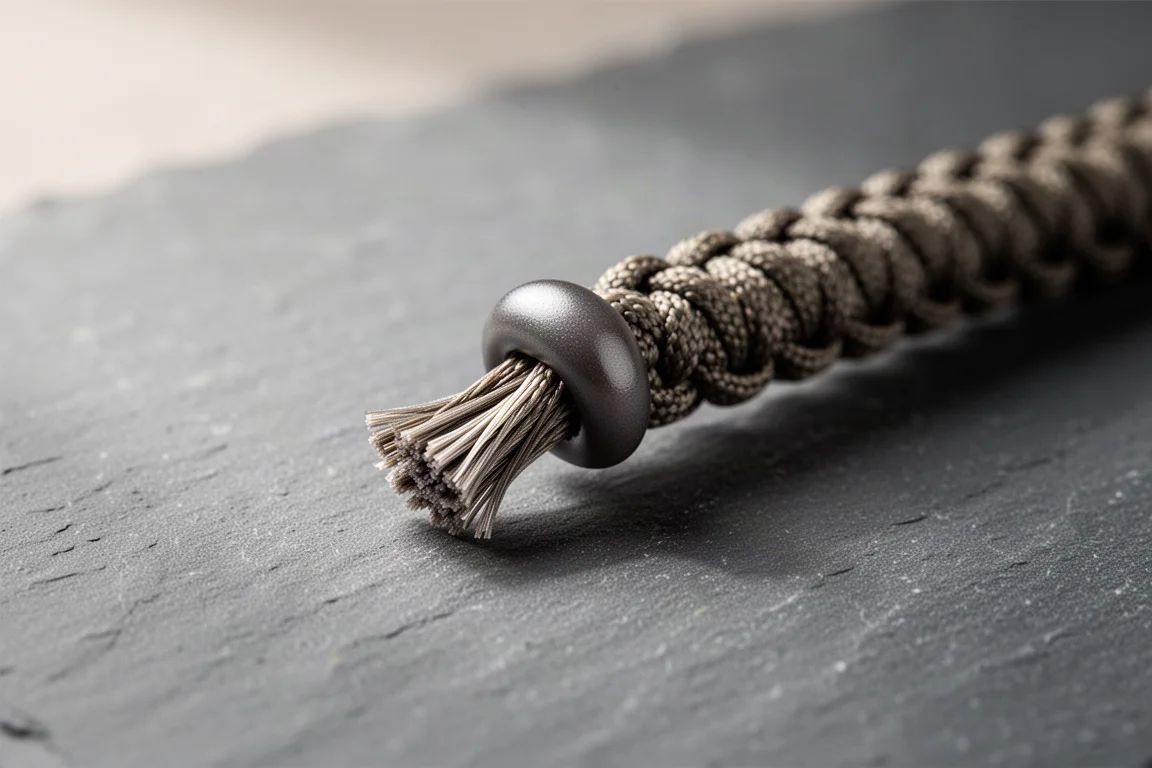
Since we are on the subject of cordage, here is a technique worth learning. Most paracord is kernmantle construction, with inner strands surrounded by a woven sheath. Instead of just melting the cut end and leaving a messy blob, pull the inner core strands out slightly, trim them back, and then melt the sheath end.
Roasting the trimmed end carefully lets the outer sheath form a neat little mushroom that seals cleanly, and you can roll it smooth. Without trimming the core first, the outside melts down unevenly and the result looks sloppy. Use good ventilation, since melting nylon releases fumes, and note that this trick does not work the same way on Kevlar cord.
Conclusion
The County Comm Titanium Marlin Spike is a rare thing: a genuinely well-made titanium tool at $20 that solves a problem most people did not know had a named solution. It is a workhorse rather than artwork, unlike the decorative spikes that sell for large sums elsewhere. If you work with rope, webbing, or rigging of any kind, it is an easy recommendation while they last.
Product link
View more details for County Comm Titanium Marlin Spike
This product is mentioned in the review. Check the specifications, options, and compatibility before buying.
View more details for County Comm Titanium Marlin SpikeFurther reading
Related Reviews
Everyday Carry Tools
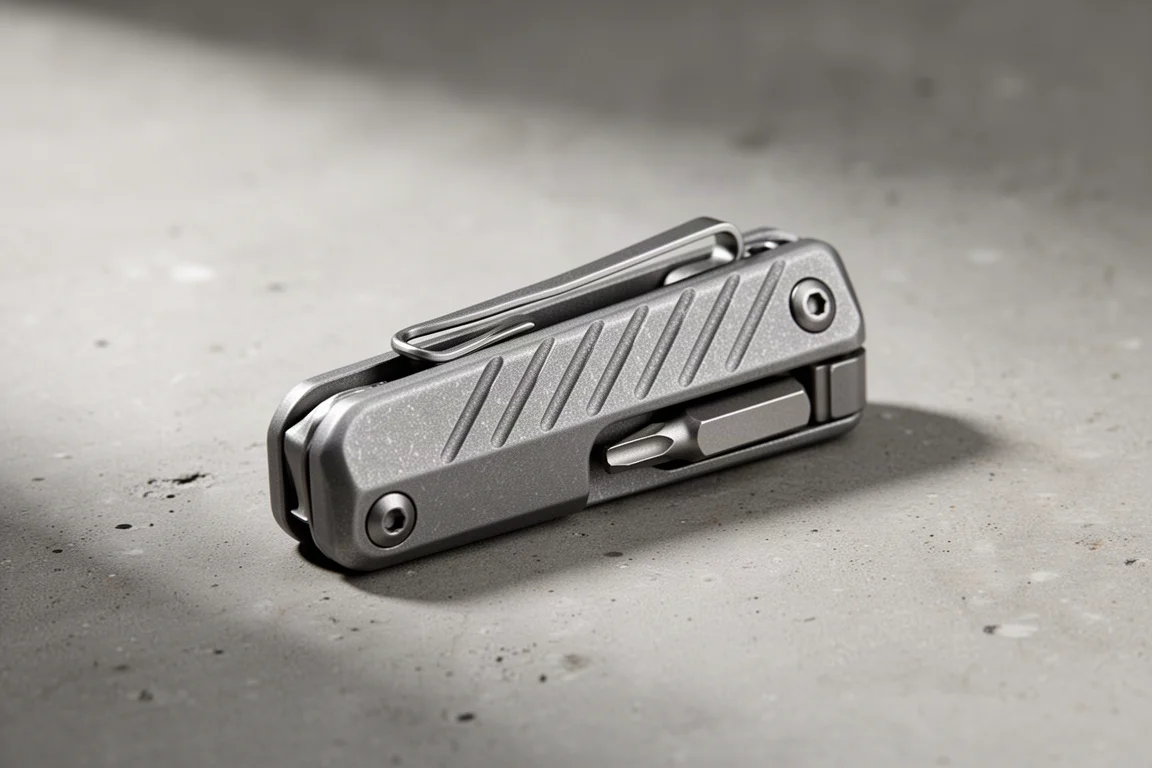
Antdesign Apex Review: A Titanium Folding Screwdriver Built for Everyday Carry
The Antdesign Apex standard version packs eight quarter-inch hex bits, swappable magnetic modules, and a grade 5 titanium body into a pocket-friendly folding driver. Here's what works and what doesn't.
Everyday Carry Tools
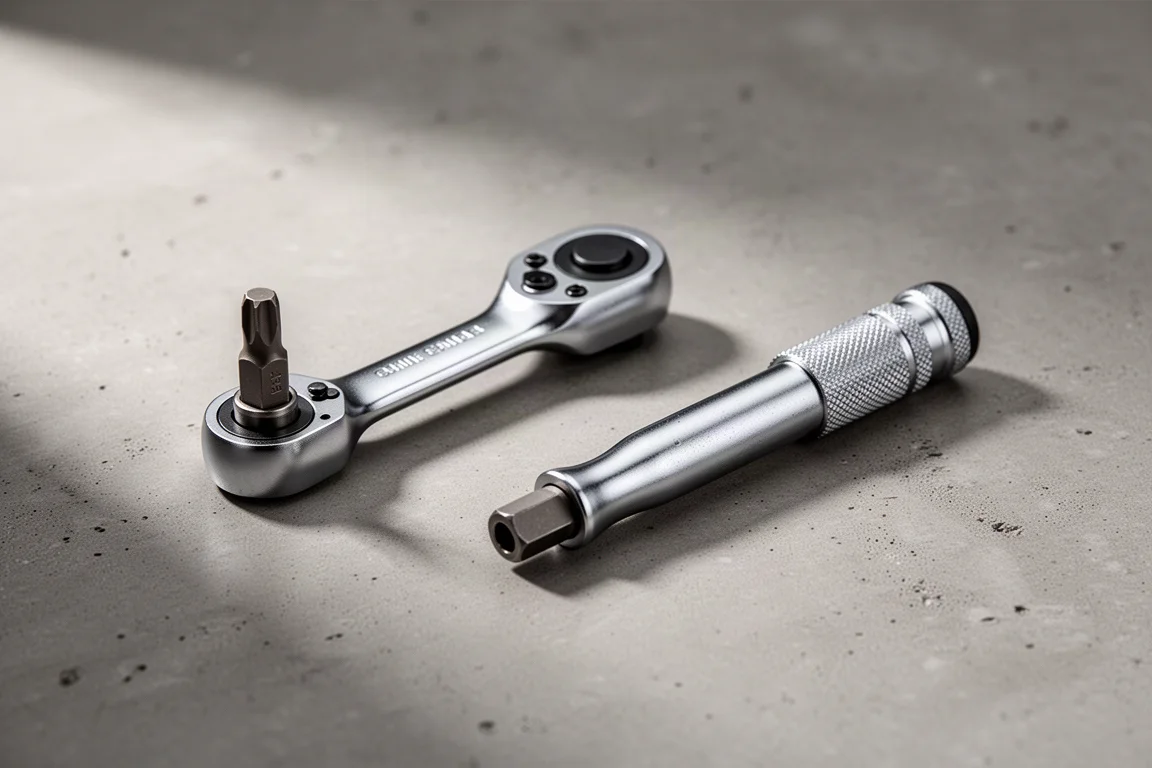
711L EDC Ratchet Wrench vs Leatherman Ratchet Driver: A Worthy Stand-In
The Leatherman Ratchet Driver has been hard to find for months. The 711L EDC Ratchet Wrench steps in with a Leatherman-compatible shank and its own tricks.
Everyday Carry Tools
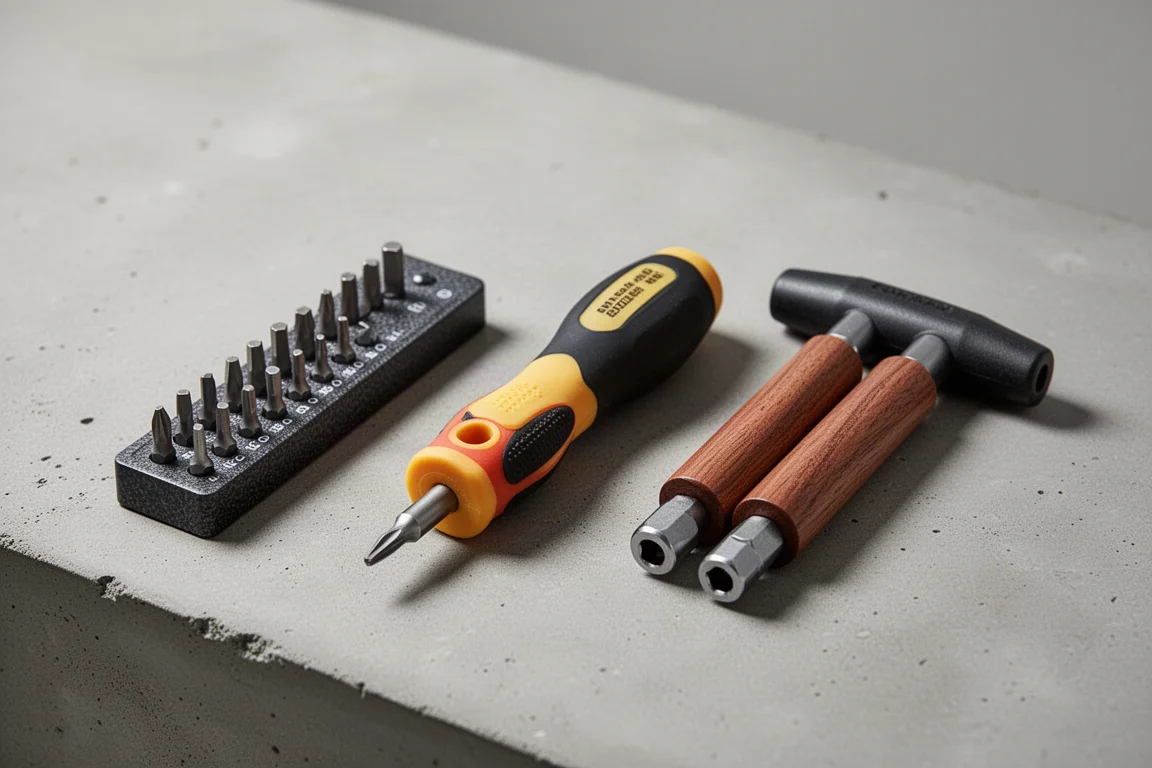
Three Compact EDC Screwdriver Sets Worth Carrying: Wiha and Fix It Sticks Compared
A close look at three pocketable screwdriver solutions, all around the same price, with very different approaches to bit storage and everyday carry.