Power Tools
Counterfeit DeWalt and Milwaukee Power Tools Tested: How Close Do the Clones Get?
We look at four counterfeit cordless tools sold as DeWalt and Milwaukee models, from a brushless ratchet to a compact impact wrench and a pocket-size drill, and see how they actually perform.
Introduction
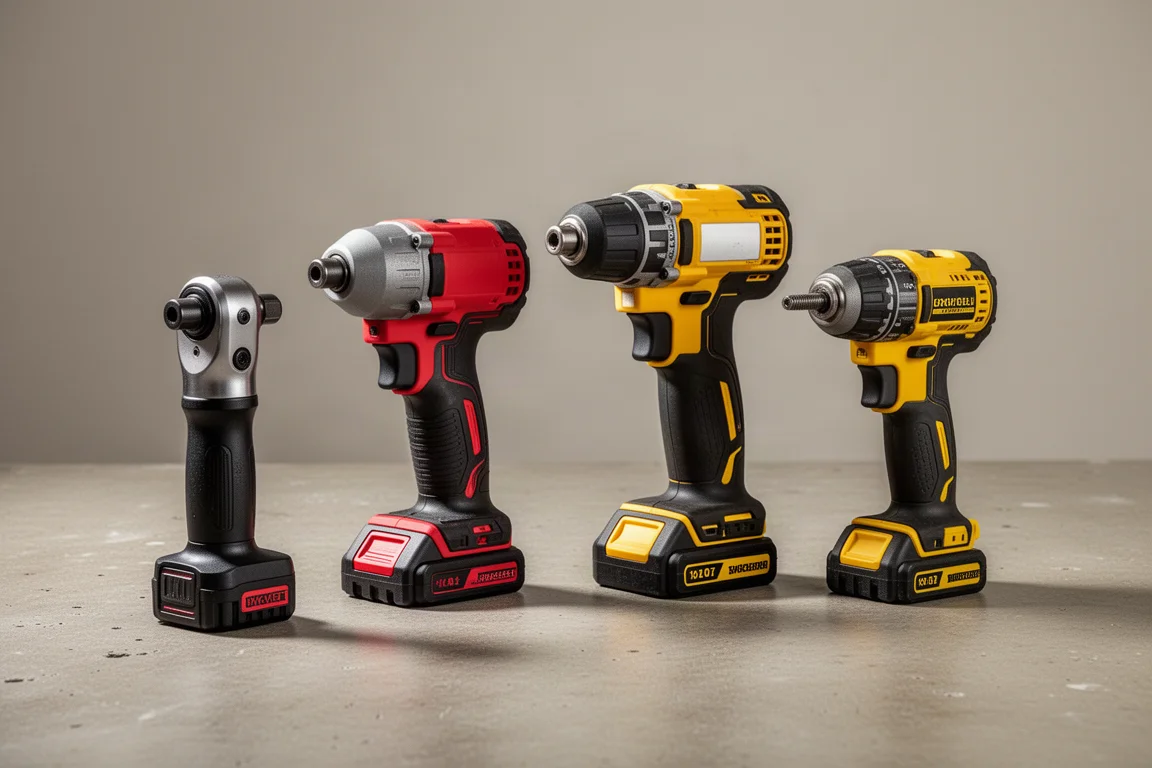
Counterfeit power tools have moved well beyond knockoff batteries and Makita clones on marketplace sites. Today there are counterfeit DeWalt and Milwaukee cordless tools being sold openly, including impacts, drills, and even brushless ratchets, often with the same model numbers and claimed specs as the real products they imitate.
We picked up four of them to test against the real models they claim to be: a DeWalt DCF 512 brushless ratchet, a Milwaukee 2855 compact impact wrench, a DeWalt DCF 922 compact impact wrench, and a DeWalt DCD 805 hammer drill. The short version: some are closer to the real thing than we ever expected, and some are impressively bad. Either way, this is a useful public service reminder that if a deal looks too good to be true, it usually is.
Counterfeit DeWalt DCF 512 Brushless Ratchet
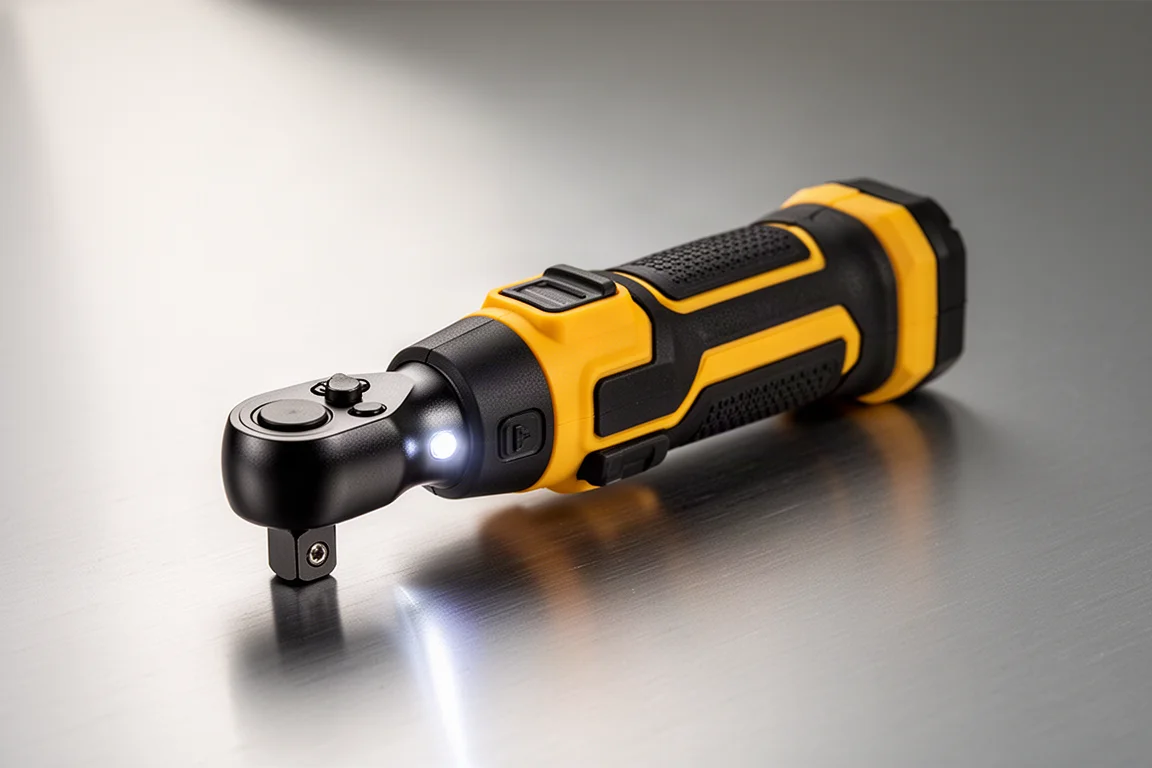
This one was bought for $54 and is sold as a DeWalt DCF 512 brushless cordless ratchet. In reality it is a 3/8 inch drive, which makes it closer to the real DCF 513, but the label says DCF 512 so that is what we went with. Believability gets a five out of 10 here; it looks fairly removed from the $200 genuine tool, yet people still get fooled into thinking they are scoring name-brand gear at a fraction of the price.
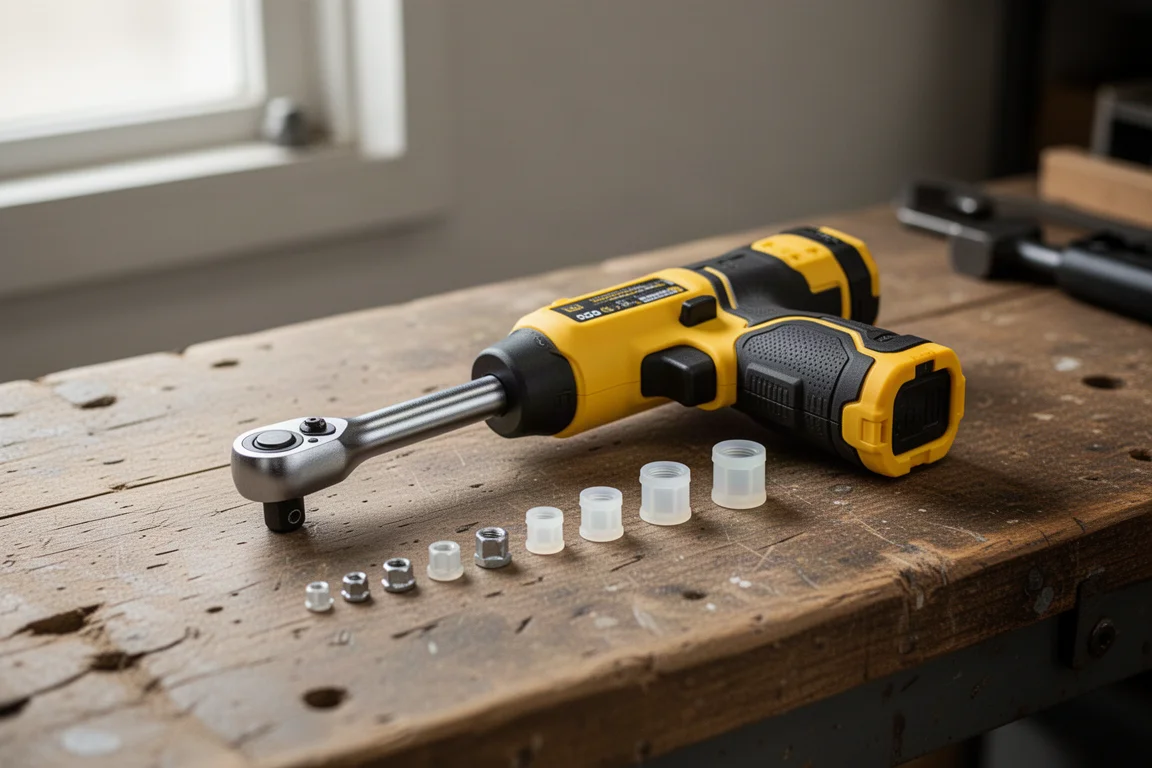
On our ratchet gauntlet of progressively torqued nylon lock nuts, the real DeWalt finished in 160 seconds while the counterfeit finished in a borderline respectable 201 seconds, with most of its trouble on the largest fasteners where it needed arm assistance. Both are advertised with identical specs, but teardown tells a different story: despite the brushless branding, there is a plain brushed motor inside, with a positive and negative wire hand-soldered to the battery slides and an LED spliced off the same circuit. Build quality is as simple as it gets.
Where it surprises is torque. DeWalt advertises 70 ft-lb on the real tool; the clone measured just 25 ft-lb, which explains the slow spots, but when brought up to torque by hand it held around 150 to 155 ft-lb with no breakage and kept running. Its score of 234 points lands it low overall but next to a Hercules and a 12V Makita, mostly on price. Notably, it beat brushed options from Durofix, Hyper Tough, and Amazon house brands that people buy regularly. It is lightweight because there is almost nothing inside, and the small head fits tight spaces. That does not make it a good buy, but it is more interesting than most fakes.
Counterfeit Milwaukee 2855 Compact Impact Wrench
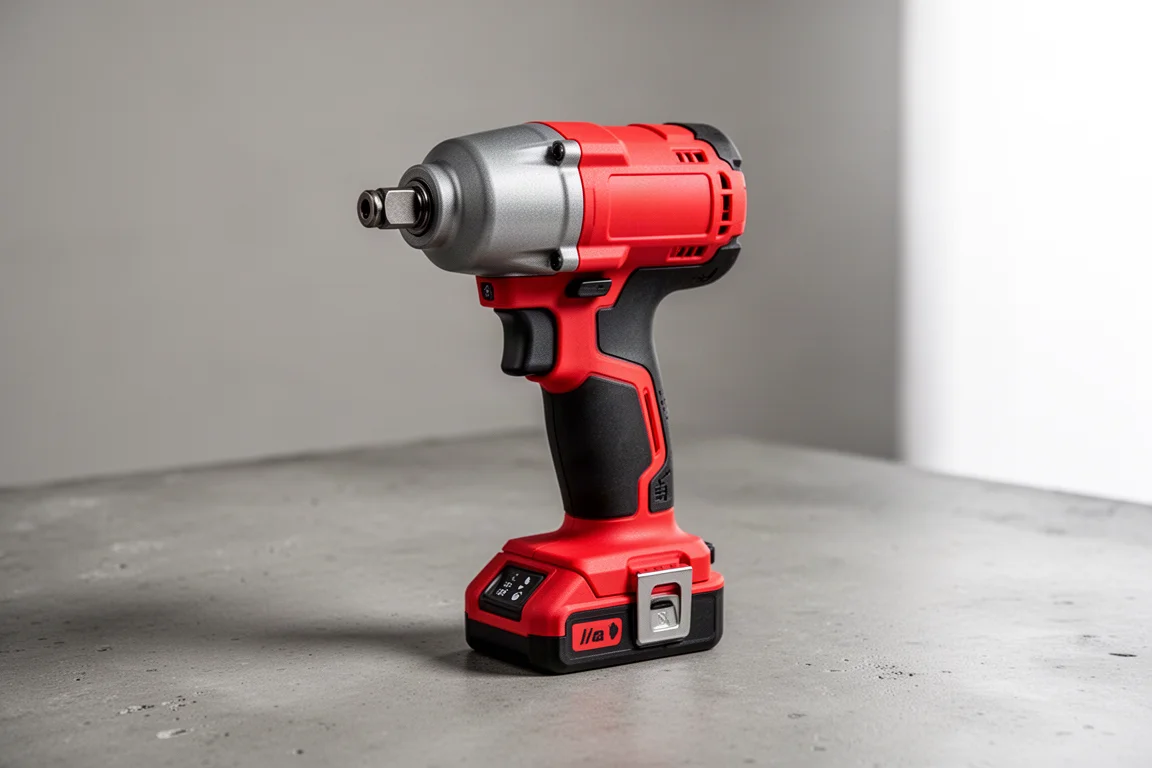
Sold for $58 as a Milwaukee 2855, this red and black stubby impact wrench looks, to our eyes, like a DeWalt DCF 911 design more than anything Milwaukee makes. Both this and the yellow clone below share a 1/4 inch hex collar inside the 1/2 inch anvil for impact driver bits, a feature only Bosch genuinely offers, plus the same cheap base-mounted mode selector seen across many of these clones. The forward-reverse toggle feels extremely cheap and easy to break, and the trigger is atrocious, more of an on-and-off switch than a variable control.
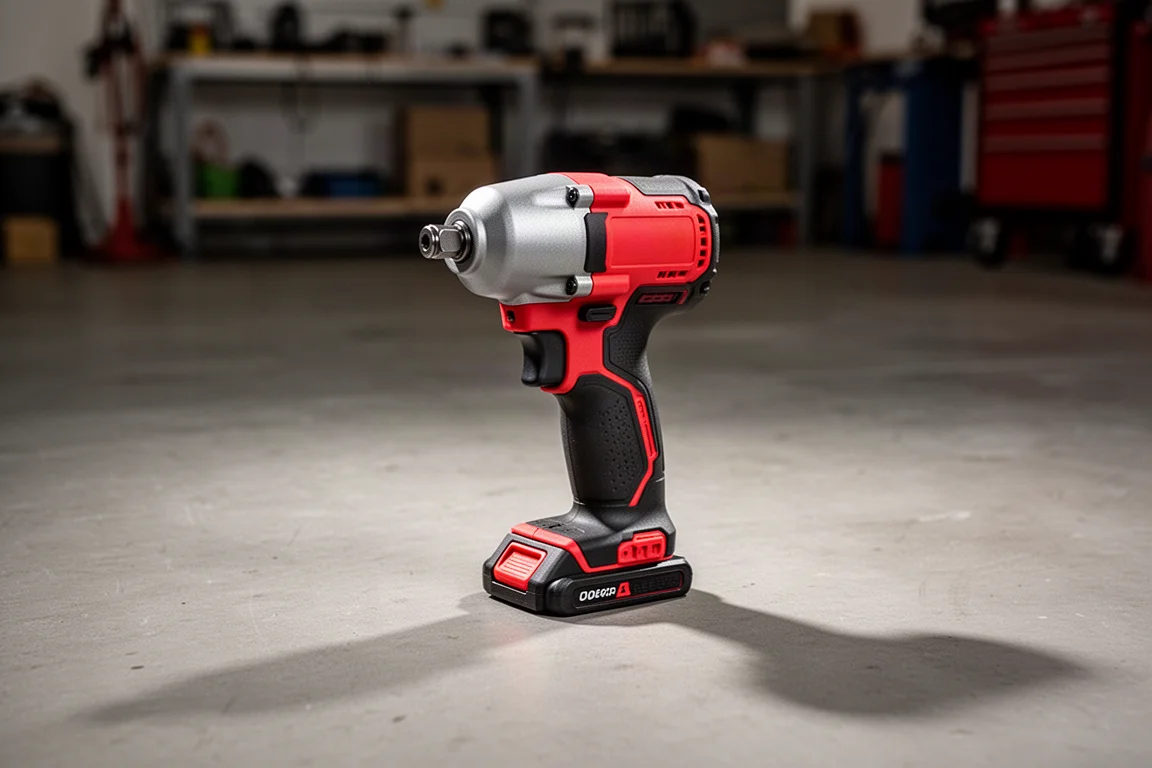
In a 10-second max reverse torque test, it managed 138 ft-lb, which is a record for the lowest torque from an 18V-class impact wrench we have measured, beaten only by one 12V tool. Over a 15-second best-case run it peaked at 168 ft-lb, well behind its claimed counterpart. It also picked up nothing from better batteries, peaking at the same number on a different pack.
Teardown is where it gets telling: primarily Phillips screws throughout, including on the aluminum hammer housing, a sealed control board nearly identical to the DeWalt clone’s, and a larger motor with more windings that somehow produced less. The hammer mechanism looks like repurposed impact driver parts with smaller springs, likely why it hits fast early but tapers off. We even found wires spliced with electrical tape, one missing tape entirely and left bare for the front lights. It scored 184 points total, and its asking price was higher than the noticeably better-performing yellow clone. This is the one to avoid most firmly.
Counterfeit DeWalt DCF 922 Compact Impact Wrench
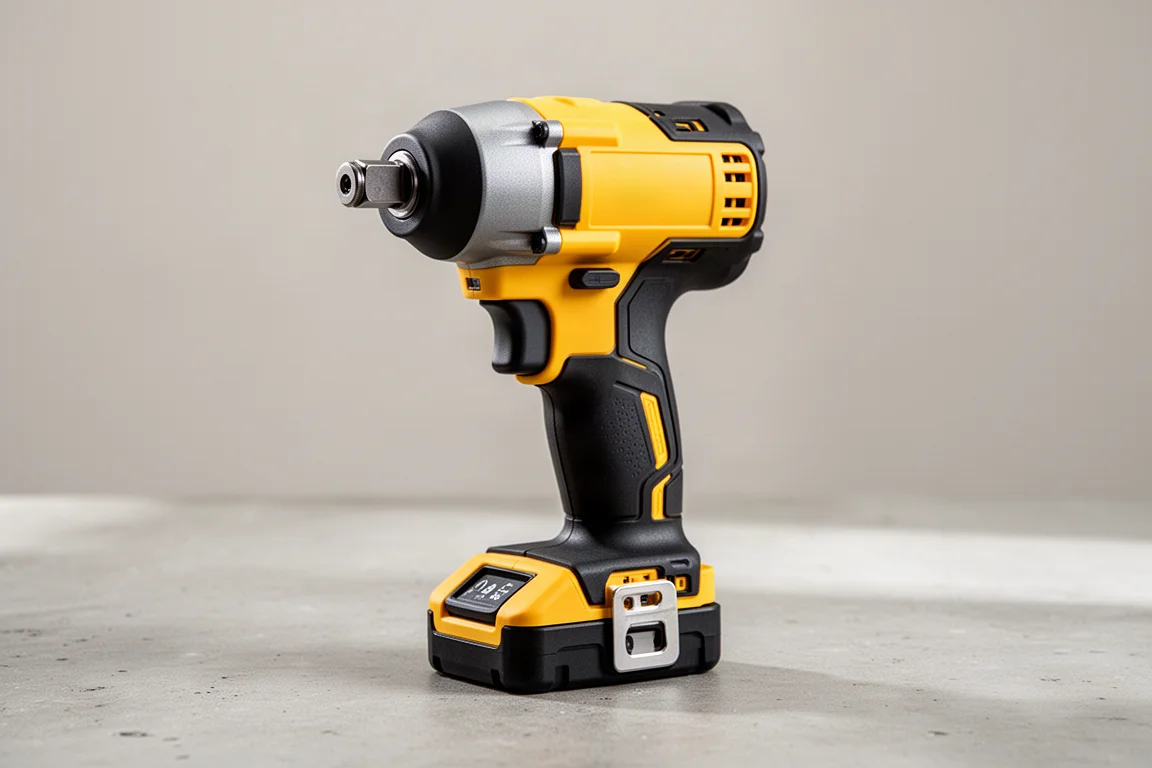
This yellow clone sells for $57 as a DeWalt DCF 922. Shape-wise it looks much more like a DCF 911, but it does match the length of the real DCF 921, DeWalt’s shortest impact wrench, at just 4.88 inches. At one point during testing its brand plaque simply popped right off, which is apparently a known quirk; some of these tools are even sold without branding entirely, suggesting one outfit makes the clone and another makes the plaque.
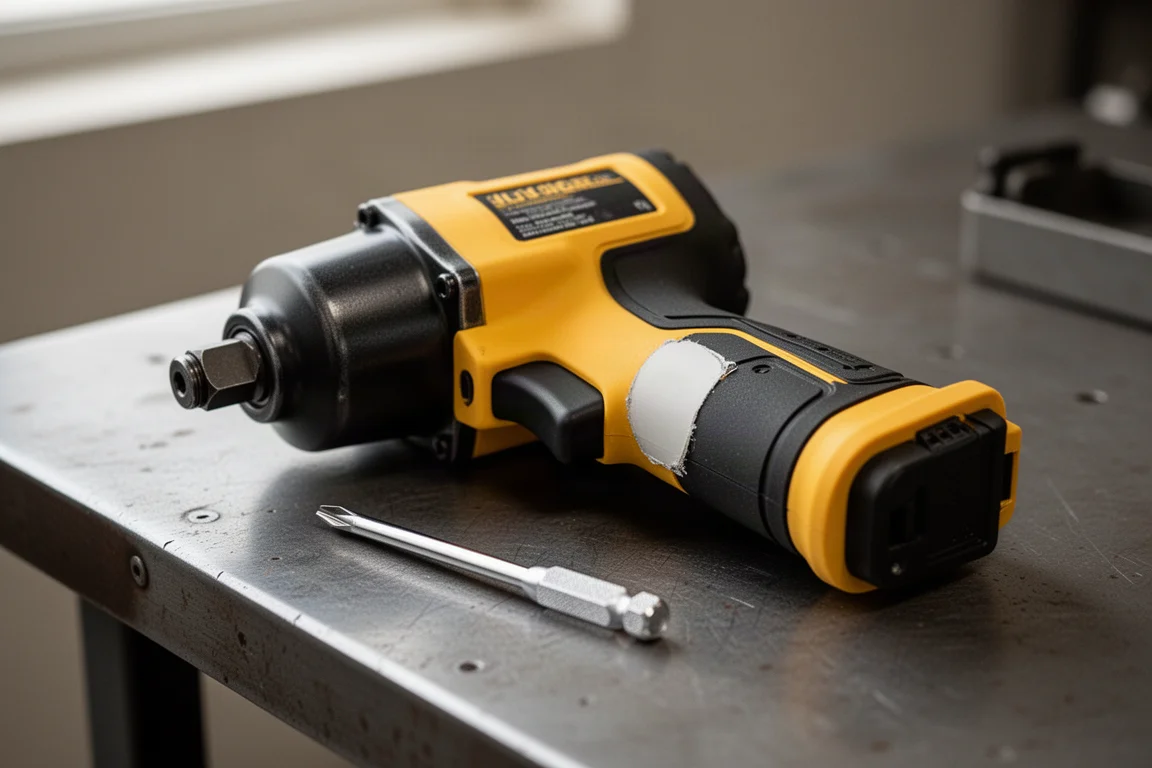
Performance was the surprise of the group. In the 10-second max reverse test it put up 192 ft-lb, knocking on the door of a genuine M18 and far exceeding what we expected from either clone. With a 9Ah FlexVolt battery, its best result climbed to 223 ft-lb. It was also more consistent across different batteries than most tools are with the same pack.
Teardown shows the same story as its red sibling: Phillips screws everywhere, a nearly identical sealed control board (one marked as made in Dongyang, the other unmarked), similar hammer mechanisms that are not interchangeable due to different gear tooth counts, and impact-driver-style hammer assemblies. It scored 55 points overall, beating the fake Milwaukee on both performance and price. Its 4.88 inch length is genuinely useful for tight spaces, and its 42.8 ft-lb per inch density is not terrible. Still, it advertised specs it could only deliver 74 percent of, and it is a counterfeit. Interesting to test, hard to recommend.
Counterfeit DeWalt DCD 805 Hammer Drill
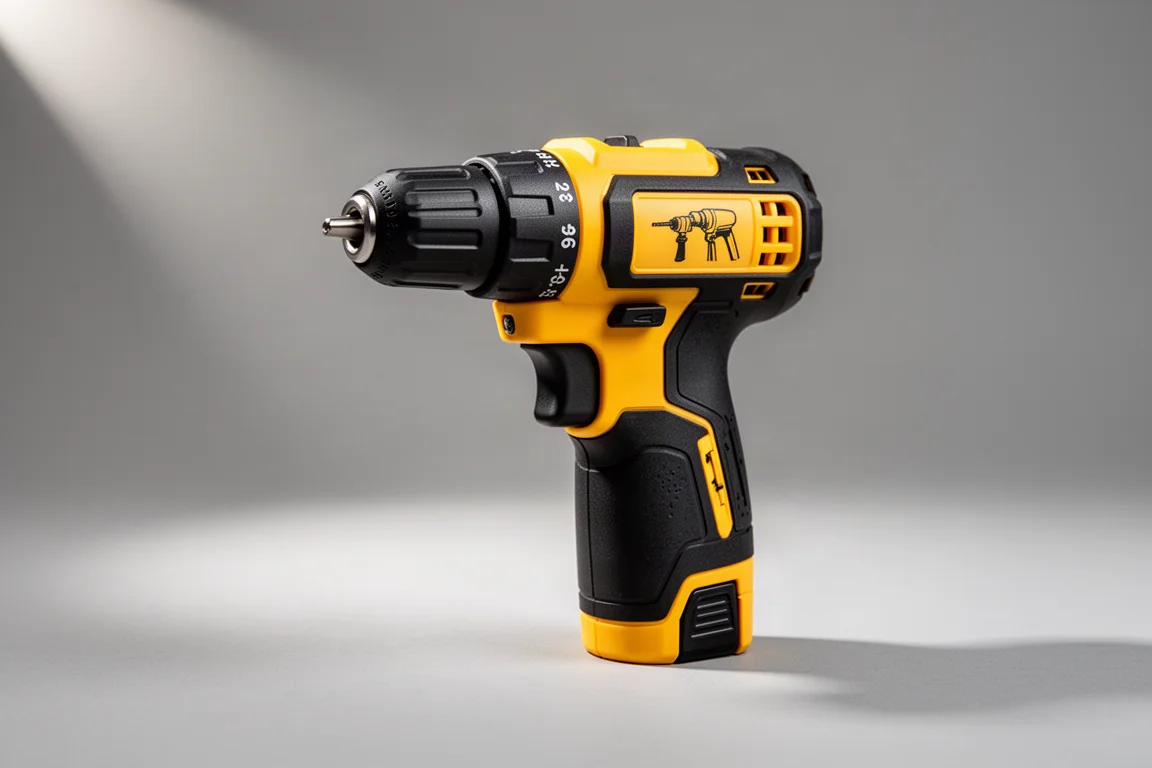
The last one is sold as a DeWalt DCD 805, though it is much smaller than the real tool: 5.7 inches long versus just over seven, and under 2 pounds versus 3. One reason is that it is not actually a 1/2 inch drill as advertised; the chuck maxes out at 3/8, so it will never fit a standard 1/2 inch shank bit. Another reason for the low weight is the hammer graphic printed on the side. It is purely decoration. There is no hammer drilling mode at all, so it is not a hammer drill like the real 805 in any way.
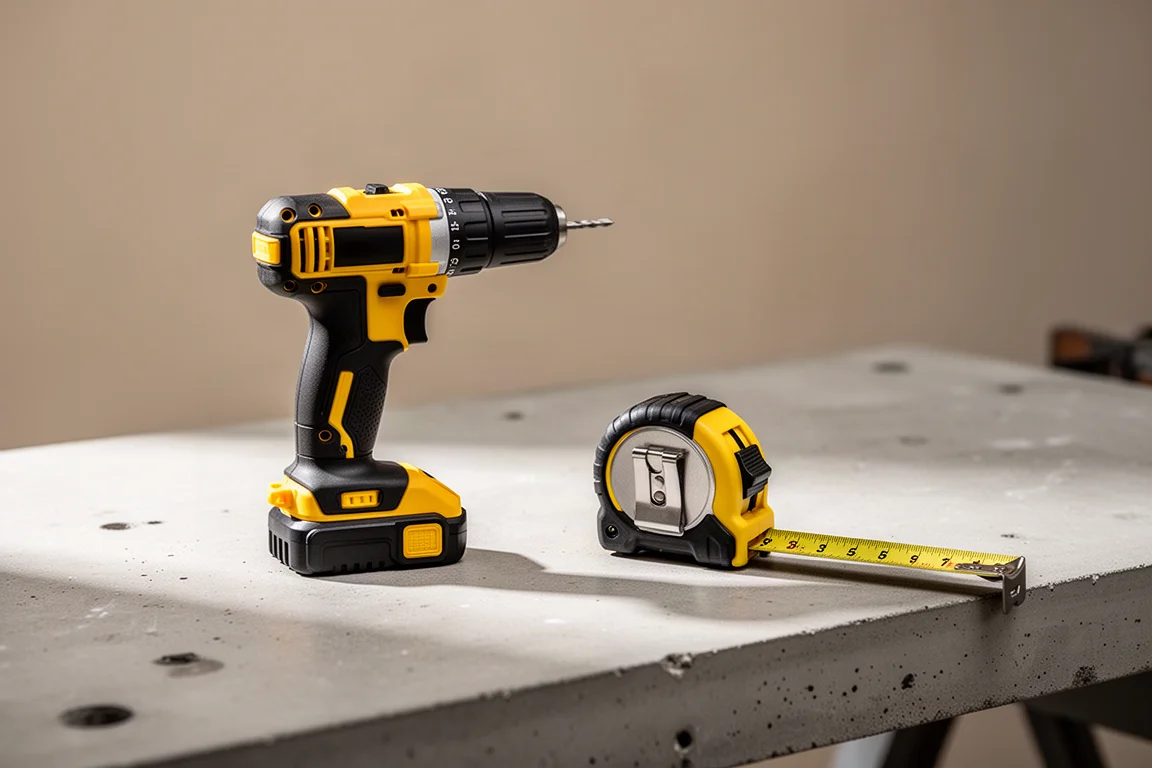
On the torque dyno it measured 14.1 ft-lb, and with a 5Ah pack it produced 430 watts in high, above the Hart HPDD 25 and any brushed Harbor Freight drill we have tested, despite being several inches shorter. With a larger 9Ah pack it climbed to 530 watts, similar to the rest of the bunch at top performance. In low speed it made as much as 400 watts on a taxing setup.
That places it in our budget-friendly non-hammer drill rankings, around the middle of a field of budget Amazon and store-brand options. As a tool, there is something genuinely here: if it were honestly marketed as a micro lightweight drill with some grunt, it would be a quirky, pocket-size oddball worth a look. But it relies on pretending to be a DeWalt hammer drill to turn a profit, and that is the problem. Consider it a collector’s item at best.
Buying Advice on Counterfeit Power Tools
The headline takeaway is that these clones are closer to the real thing today than we would have ever guessed, in some cases reaching 67 to 74 percent of the genuine tool’s advertised performance. But closer is not the same as good, and the details give them away: cheap base-mounted mode selectors, Phillips-only teardowns, brushed motors in brushless clothing, spliced wiring, and plaques that fall off.
Name-brand batteries are a separate and worsening problem, with counterfeits increasingly hard to tell apart without opening them. Weighing them helps, and we no longer link to name-brand batteries on marketplace listings for this reason. Our advice stands: if a price looks too good to be true, it is. The savings rarely materialize and the risk of a tool that dies, underperforms, or misrepresents itself entirely is high.
Conclusion
Not all of these fakes suck equally. The DCF 512 ratchet beat several legitimate budget brushed tools, the DCF 922 clone put up genuinely surprising torque numbers, and the DCD 805 impostor is the smallest drill we have ever tested with real output to back it up. The fake Milwaukee 2855, on the other hand, was bad in an almost impressive way. For most people, the real tools remain far enough ahead, and far safer a purchase, that spotting the difference is still easy once you know what to look for.
Further reading
Related Reviews
Power Tools
Best 1-Inch Pistol Impact Wrenches: Three Heavy-Duty Options Compared
We compare three 1-inch pistol impact wrenches, from a budget-friendly Harbor Freight model to a premium Caterpillar unit, to help you choose the right one.
Power Tools
Best 3/4-Inch Impact Wrenches 2026: Five Contenders Compared
We compare five 3/4-inch impact wrenches across price and performance, from a budget Amazon option to Snap-on's most powerful model yet.
Power Tools
Best Budget Cordless Tools 2026: Walmart Finds That Punch Above Their Price
We tested five cordless tools from Walmart, including a high-torque impact wrench that trades blows with Milwaukee and a $35 duster that outperforms its price class.