Travel Gear
Cotopaxi Allpa 28 Review: Why the Updated Version Is a Great Travel Backpack
The refreshed Allpa 28 gains a larger main compartment, water bottle pocket, improved straps, and a new nylon fabric. Here is what changed and what to check before buying.
Introduction
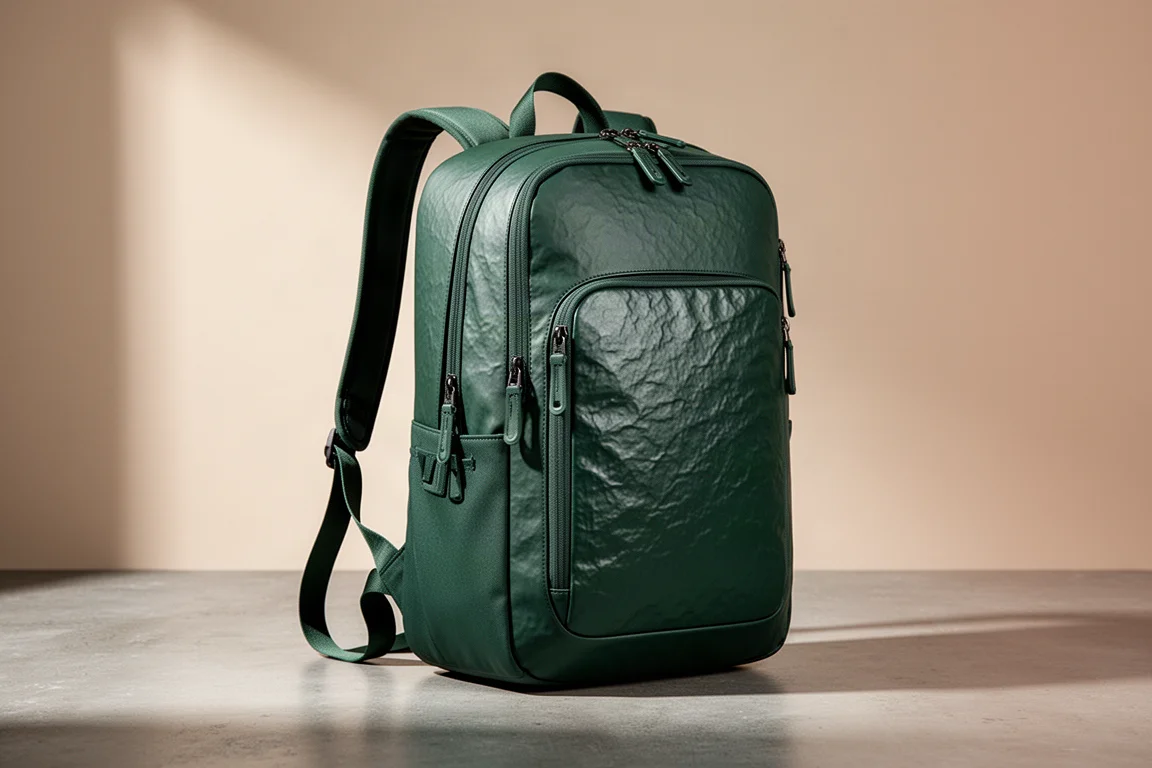
The Cotopaxi Allpa 28 has long been one of the most recognizable travel backpacks on the market: colorful, fun, well designed, and versatile. The 2024 update takes what was already a good travel bag and, in our view, makes it a great one. The changes are more substantial than a simple color refresh, and some of them matter a lot for real-world packing and carrying.
There is one detail worth clearing up right away, though: despite still being marketed at 28 liters, the updated pack measures closer to 33 liters when packed out. We will get into that below.
Size: The 28-Liter Question
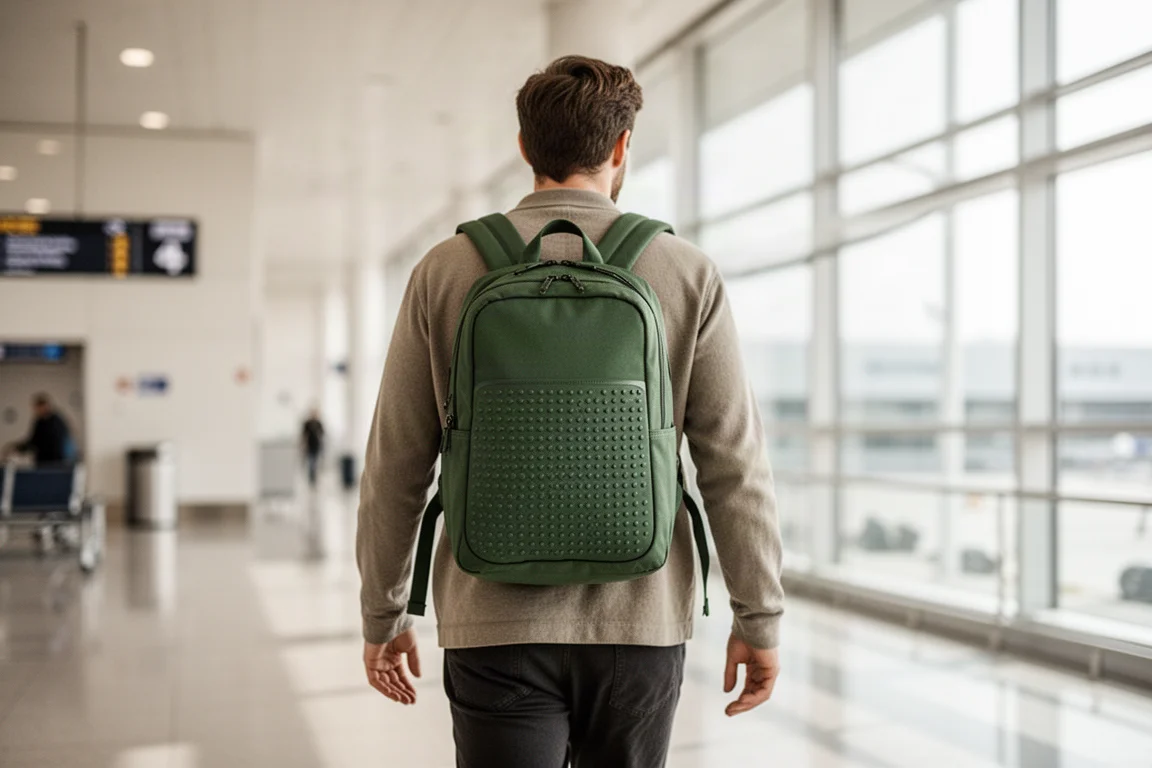
Side by side, the updated bag is noticeably larger, especially in the main panel, yet Cotopaxi still lists the original 28-liter capacity and the same 19 by 12 by 9 inch dimensions. A hands-on capacity test suggests otherwise. Filled with packing peanuts and transferred into a marked container, the old model measures very close to its listed 28 liters. Pouring that same volume into the updated version leaves it visibly underpacked; adding another 5 liters brings it to a genuinely full state, landing at roughly 33 liters.
This is not necessarily bad news. The larger interior is one of the best changes. But if you are buying the Allpa 28 specifically because you need it to fit strict personal-item sizers, be careful. Fully packed, even the old version does not fit an 18 by 14 by 8 sizer box, and the updated model is a bit fatter still at around 9.5 to 10 inches deep. Underpacked, the old version can often squeeze in as a personal item, but the updated bag is less likely to manage it.
Fabric and Weight
Cotopaxi switched from a thick 1000-denier polyester to an 840-denier nylon, both with a waterproof TPU coating. Dropping denier numbers might sound like a downgrade, but it is not. Nylon is generally more durable than polyester at the same thickness, so the new fabric is equally strong while being thinner, more flexible, and less stiff. The finish has also changed: the old rubberized coating looks smooth, while the new fabric shows a more interesting weave-like pattern, with the trade-off of an added Cotopaxi logo under the small llama emblem.
The thinner fabric also cuts weight. On a travel scale, the old model comes in at 2.74 lb (1.24 kg), and the updated one at 2.46 lb (1.12 kg).
What Is New on the Outside
The most welcome addition is a side water bottle pocket. The old model skipped one, likely because the side fabric panel of the main compartment was simply too small. The updated version enlarged that panel to make room for a very stretchy mesh pocket that lays flat when empty and takes up no space until you use it. It handles nearly any bottle you throw at it, including a fat one-liter Nalgene, though a bottle that size stretches it pretty full.
The front of the bag keeps the large dump pocket that reaches about a third of the way down, essentially unchanged in size and design. On top of it sits a new slim slash pocket for small items like keys or chargers. The only real downside is the extra zipper on what used to be a clean, minimalist exterior.
Carry Comfort and Back Panel
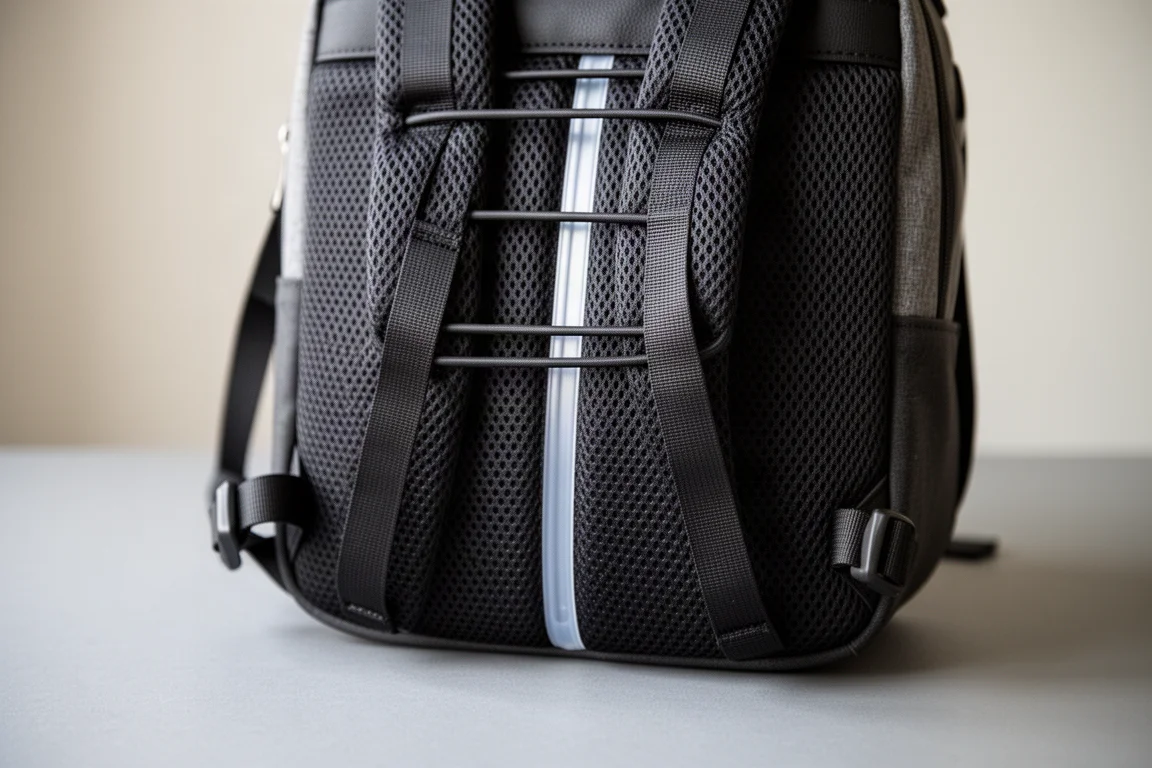
The carry system received some of the most meaningful upgrades. The shoulder straps are now thicker and wider, with more padding and a better breathable mesh backing. The old straps were not bad, but the new ones are clearly more comfortable.
Cotopaxi also added a luggage pass-through sleeve on the back, along with improved airflow and ventilation. One thing lost in the update: the old model let you unbuckle and stow the straps under the pack, and the new version no longer supports that.
The back panel is where the structure improvement really shows. The old design had a plastic frame sheet only in the middle panel, leaving the edges soft and the panel slightly rounded. Overpacked, it could pop outward, meaning only the middle of the bag actually rested against your back. The updated version runs the frame sheet the full width of the back panel, making it much flatter and more supportive. This matters especially for the laptop sleeve that sits against the back panel: a flatter panel protects a laptop’s corners from pressure, rather than concentrating stress on the edges. The sleeve itself is essentially identical, with the same roughly 15.5-inch opening, a slightly softer foam, and the same fabric loop that works as a zipper lock but can get in the way when sliding a laptop in. Both versions fit a 15.5-inch laptop the same way.
One small loss: the old model had a side pocket holding an additional rain cover, and that is gone on the update.
Interior and Packing
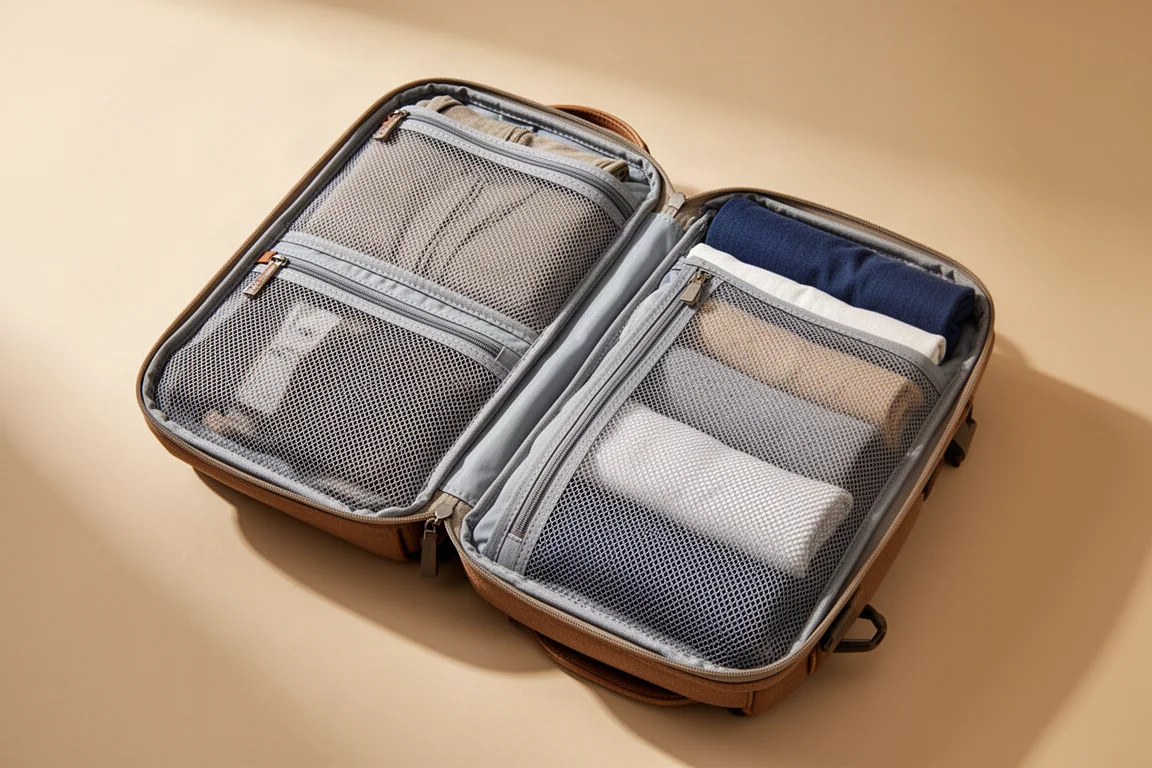
Inside, the layout is fundamentally the same, with one change that we are not sold on: the zipper orientation on the interior fabric panels has been flipped. On the old model, the panels unzip and fold out, making it easy to reach your gear in the main compartments. The updated version folds these pockets inward over themselves, where they tend to flop up and get in the way. It is not a dealbreaker, but it is a change we would reverse.
What we do like is the larger main compartment. The updated side panel is roughly twice the size of the old one, and it makes a real difference in practice. The Allpa generally does not need packing cubes because the zippered panels keep gear in place, but the difference shows when you do use one: a medium padded packing cube fits in the updated main compartment easily with plenty of room to spare, while the same cube bulged out of the old version’s pocket. The old bag always felt tighter than its spec sheet suggested; the new one finally has the space it appears to have.
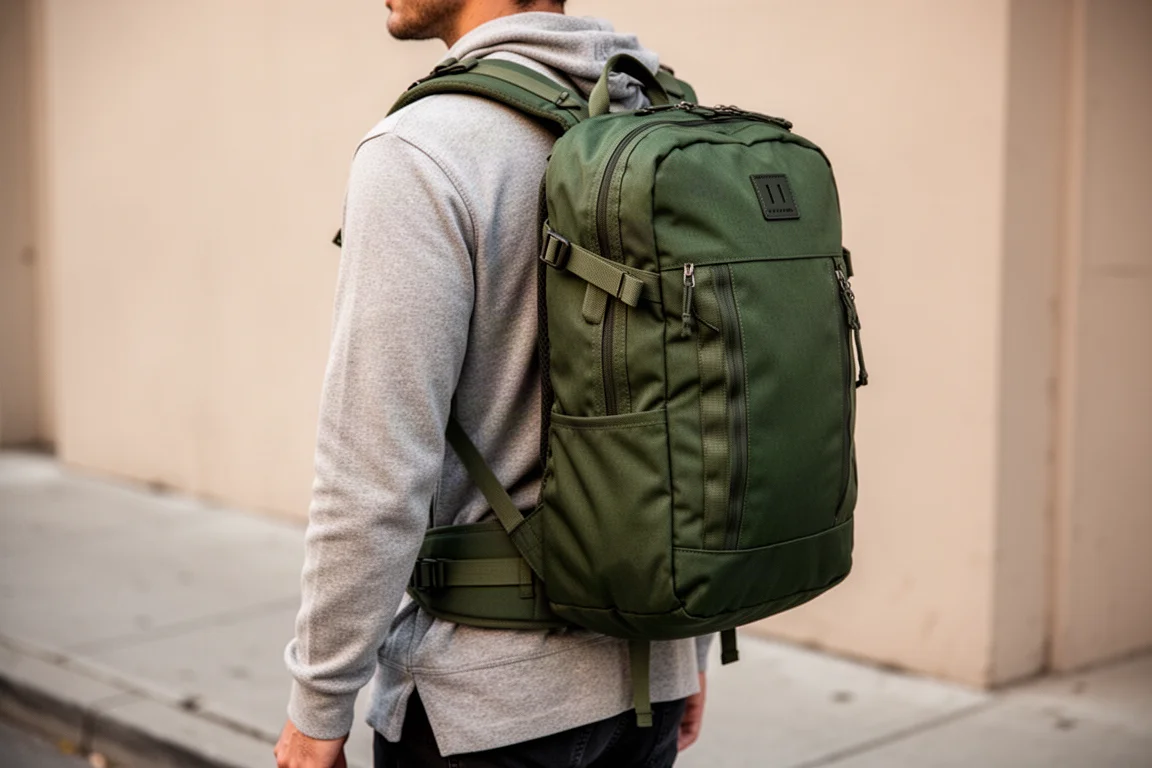
Buying Advice
The updated Allpa 28 is the better bag for almost everyone: more capacity where it counts, better straps, a flatter and more protective back panel, a water bottle pocket, and a lighter, more flexible fabric. Choose the updated version if you want a do-everything travel pack and can tolerate the extra few liters of real-world capacity.
The main reasons to hesitate: if you need a bag that fits strict personal-item sizers, or if you valued the stowable straps and included rain cover of the old model, the update moves in the wrong direction for you. Underpacked, the older Allpa was often usable as a personal item; the new one is less forgiving in that role.
Conclusion
The Cotopaxi Allpa 28 update turns a popular travel backpack into a genuinely better one. The larger main compartment, side bottle pocket, improved carry comfort, and full-width frame sheet address nearly every practical weakness of the original, and the fabric swap is a smart trade of bulk for flexibility. Just go in knowing the “28-liter” label is optimistic, and check your airline’s personal-item limits if that is your primary use case.
Product link
View more details for Cotopaxi Allpa 28
This product is mentioned in the review. Check the specifications, options, and compatibility before buying.
View more details for Cotopaxi Allpa 28Further reading
Related Reviews
Travel Gear
12 Essential Travel Items That Make Every Trip Better
After traveling to over 150 cities worldwide, here are the practical items that have become indispensable for modern travel.
Travel Gear
Best One-Bag Travel Gear for Long Trips: 8 Essentials
A practical guide to the travel gear that proved its worth over 30 days of one-bag travel in Southeast Asia, from the pack to the power bank.
Travel Gear
Best Shoes for Camino de Santiago: Hiking Boots, Trail Runners, or Barefoot
A practical guide to choosing the right footwear for the Camino de Santiago, comparing hiking boots, trail running shoes, and minimalist barefoot options across different routes and seasons.