Food & Grocery
Costco vs UK Supermarkets: 12 Popular Foods Put to a Blind Taste Test
Olive oil, Parmigiano Reggiano, penne and ribeye from Costco, Aldi and Waitrose compared in a blind taste test, with prices and surprising quality results.
Introduction
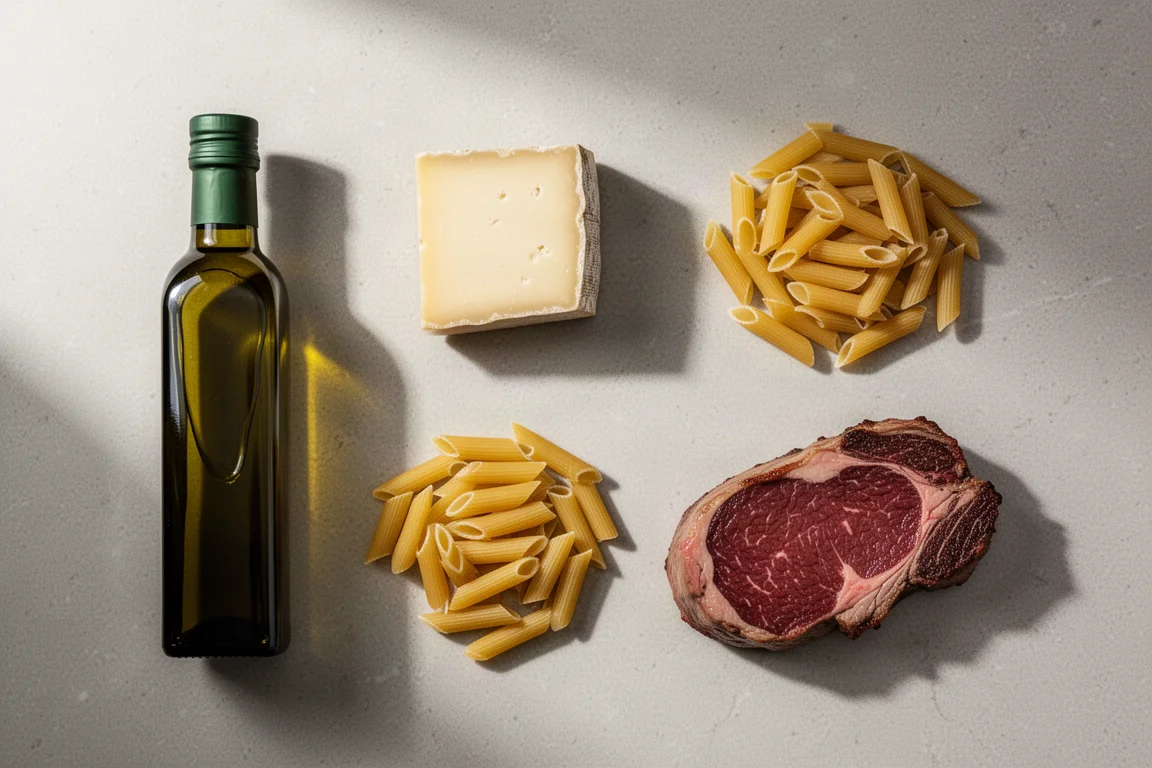
Costco has a reputation for value through bulk buying, but how does the quality of its most popular food items stack up against a budget supermarket like Aldi and a premium one like Waitrose? We put four everyday categories through a blind taste test: extra virgin olive oil, Parmigiano Reggiano, penne pasta and ribeye steak. All items were compared side by side under the same conditions, with prices checked per litre or per kilo so the comparison is fair.
The headline finding? Costco is not always the cheapest, and in one case it was the most expensive per litre. But where it charges more, there was often a definable quality reason for it.
Extra Virgin Olive Oil: The Polyphenol Surprise
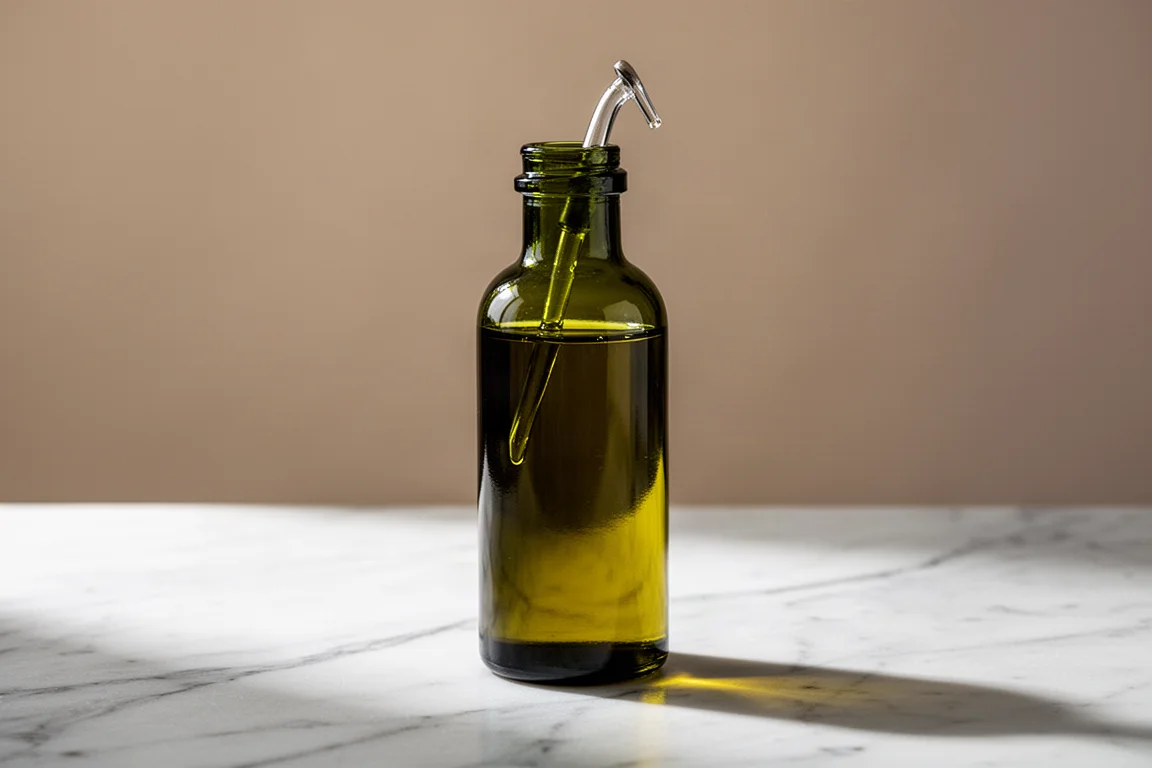
Three extra virgin olive oils were tasted blind. The taster picked B as a favourite, describing it as peppery but rounded, with A the most neutral and C delivering a bigger punch of flavour with noticeable bitterness and a burning sensation at the back of the throat.
That burn actually means something. The throat-catch in a good olive oil comes from polyphenols, groups of antioxidants. Higher polyphenol levels mean a longer shelf life, but also more bitterness and burn. Italian DOP certification ranges between 300 and 400 milligrams of polyphenols per kilogram, while standard extra virgin olive oils sit around 250 plus. The guesses placed the oils as Costco, Waitrose and Aldi in that order, but only the Waitrose pick was correct: A was Aldi’s Solesta, B was Waitrose, and C was actually Costco’s Kirkland Signature.
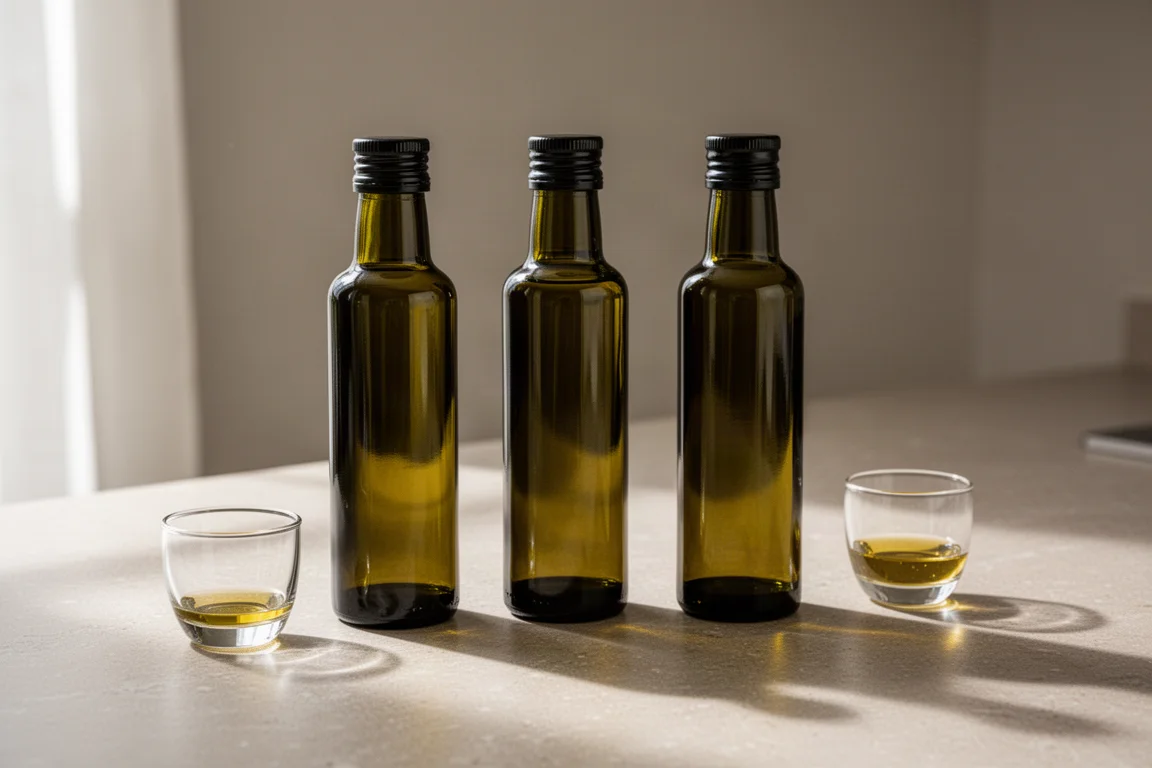
Here is where it gets interesting on price. The Aldi Solesta, a blend of olive oils of European Union origin, costs £6.79 per litre. The Waitrose oil, from Spain and mechanically harvested, is £8.50 per litre. The Kirkland Signature is £10 per litre, making it the most expensive of the three per litre, which surprised most people expecting bulk-buy pricing.
The Kirkland bottle is a two-litre Italian-origin oil, grown, pressed and bottled in Italy, with polyphenol levels between 300 and 400 milligrams per kilogram, putting it among the highest antioxidant supermarket oils. If you value that measurable quality uplift, the premium makes sense. If you just want a decent everyday oil, the Waitrose at £8.50 is the one most people would grab. The co-founder of Costco once stated a Kirkland product should be equal or better quality than national brands, with products pilot tested regionally before national expansion and discontinued if reviews, sales or quality benchmarks are not met. On this evidence, that philosophy shows.
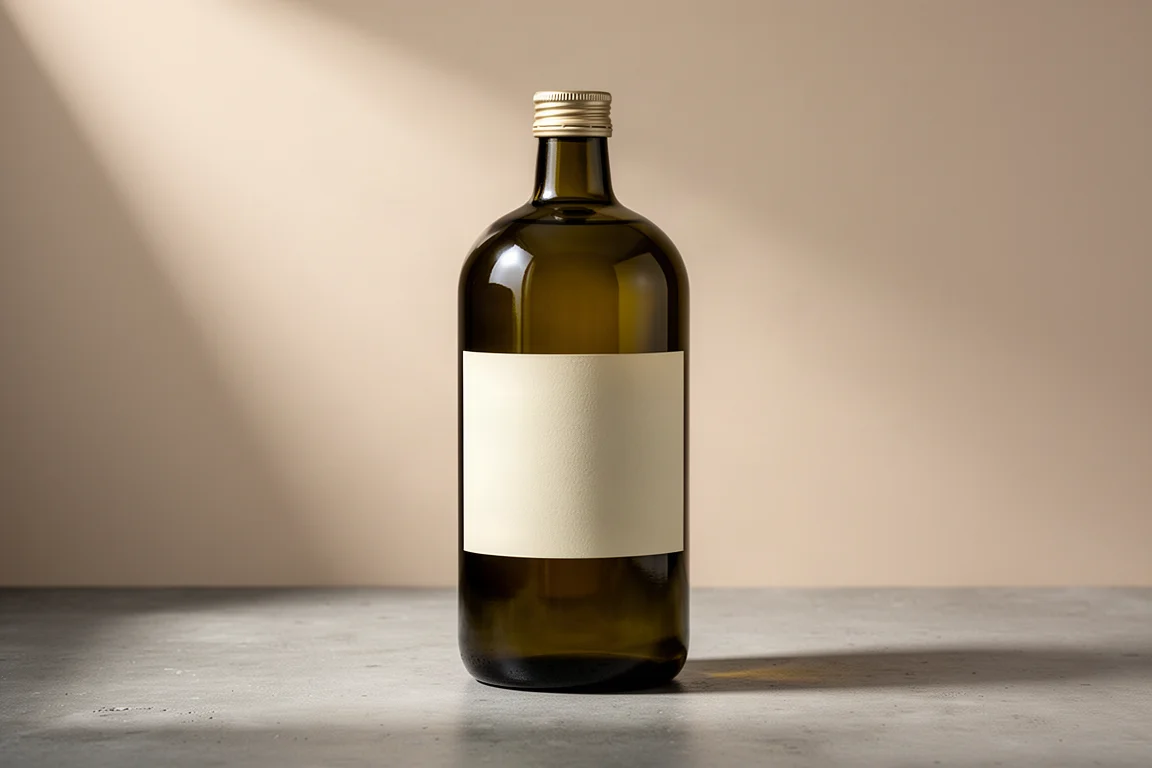
Aldi Solesta Extra Virgin Olive Oil
The most affordable of the three at £6.79 per litre, this blend of EU-origin olive oils tasted noticeably more neutral in the blind test. It works fine as an everyday cooking oil, but it lacked the peppery character of the other two.
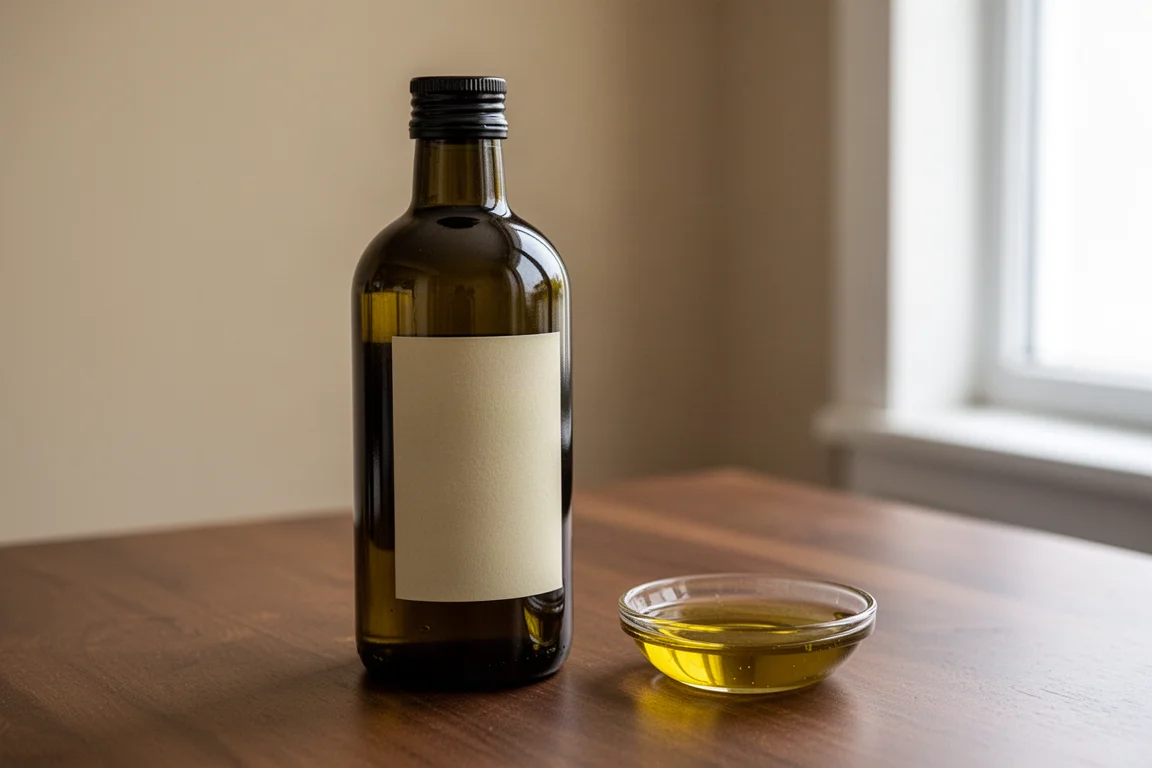
Waitrose Extra Virgin Olive Oil
The pick of the blind test: peppery, rounded and pleasant even when tasted on its own. Sourced from Spain and mechanically harvested at £8.50 per litre, it sits in the middle on price and won on balance of flavour.
Parmigiano Reggiano: Funk Matters
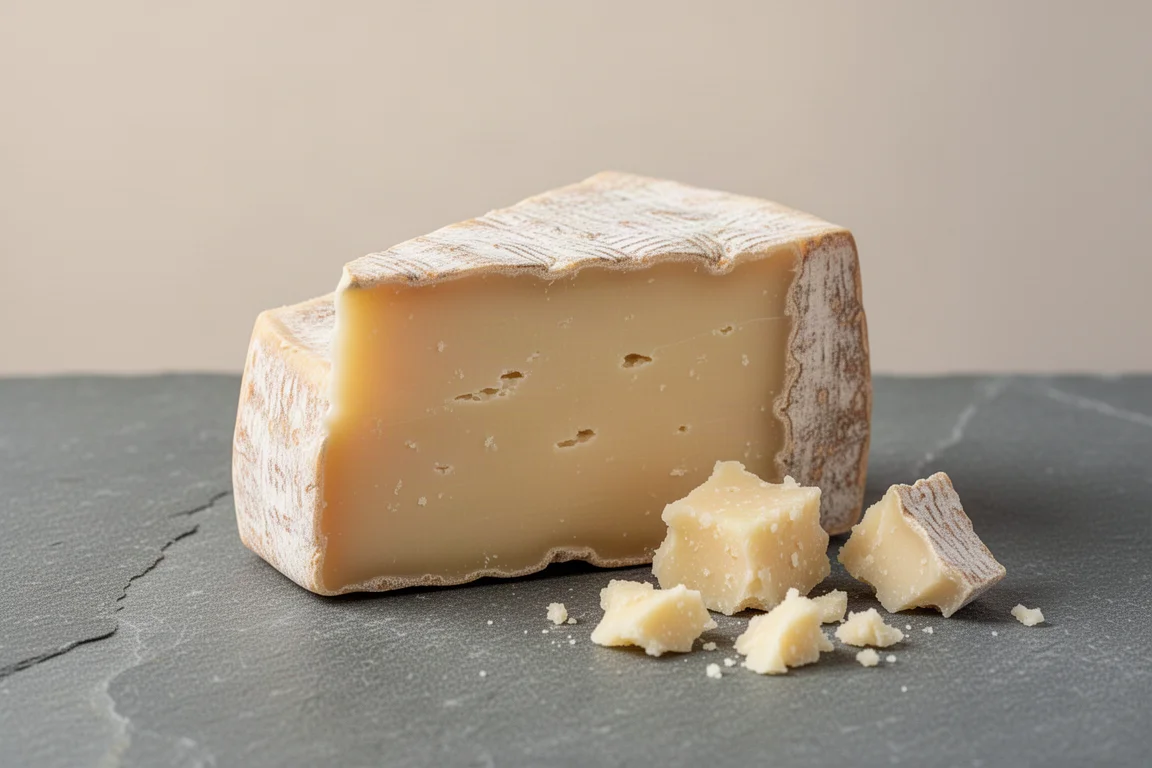
All three cheeses in this round were PDO/DOP certified and aged 30 months, so on paper they should be comparable. Good Parmigiano Reggiano generally hits its sweet spot between 24 and 30 months of aging, while anything beyond 36 months develops a more crystalline, nuttier, complex character.
The blind taster found B funkier with a more pronounced, pleasant aftertaste, while A was rounder and tasted less mature despite being aged for exactly the same length of time. B was the clear favourite, and the guess was that it was the Costco wedge.
Wrong again. A was the Costco GranTerre Parmigiano Reggiano PDO, aged more than 30 months and made in Italy with certification from a control body authorised by the competent ministry. B was the Waitrose No.1 30 Months Italian Parmigiano Reggiano DOP. C was the Aldi Parmigiano Reggiano PDO, minimum 30 months aged, made with raw cow’s milk, and a two-star Great Taste award winner.
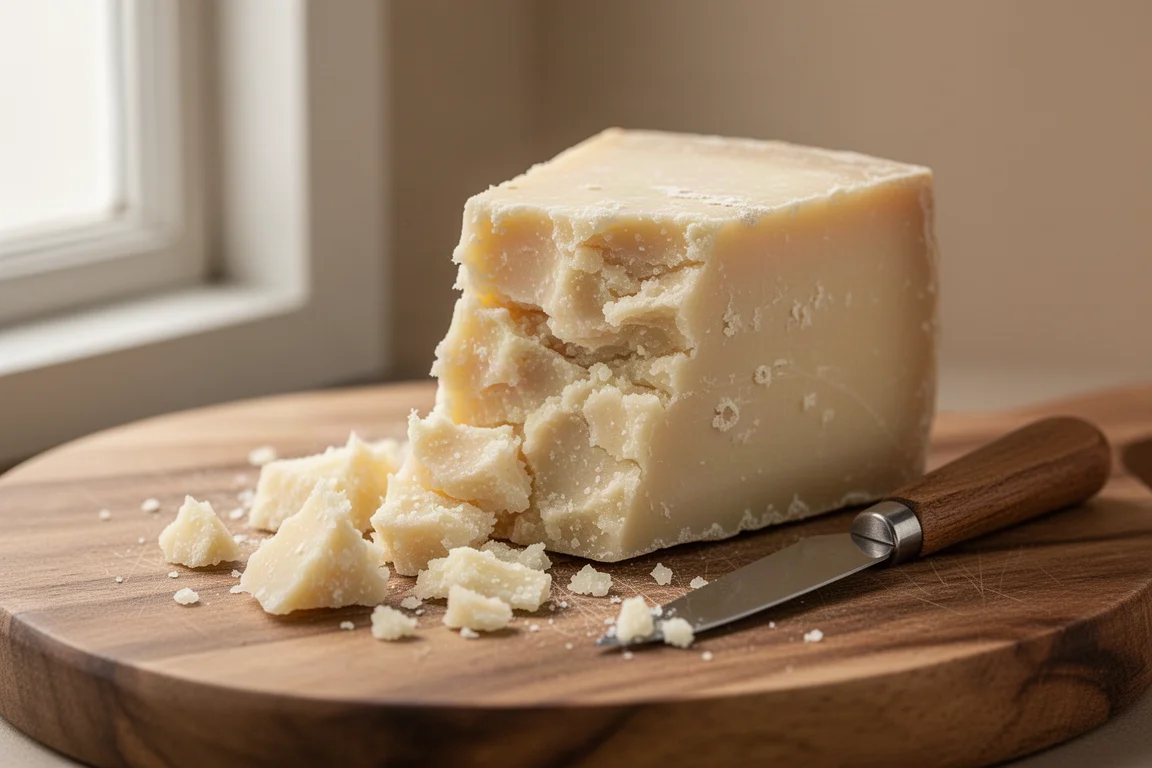
On price, Costco came in at £18.69 per kilo, with its 1.05kg block costing £19.62. Waitrose charges £28.75 per kilo. Aldi was almost identical to Costco at £18.76 per kilo. The Waitrose cheese had more character, but the difference was not judged worth the price gap for most buyers, and a full kilo of Parmesan is a lot to get through. Smaller regular-sized wedges are easier to buy elsewhere unless you genuinely use cheese by the block.
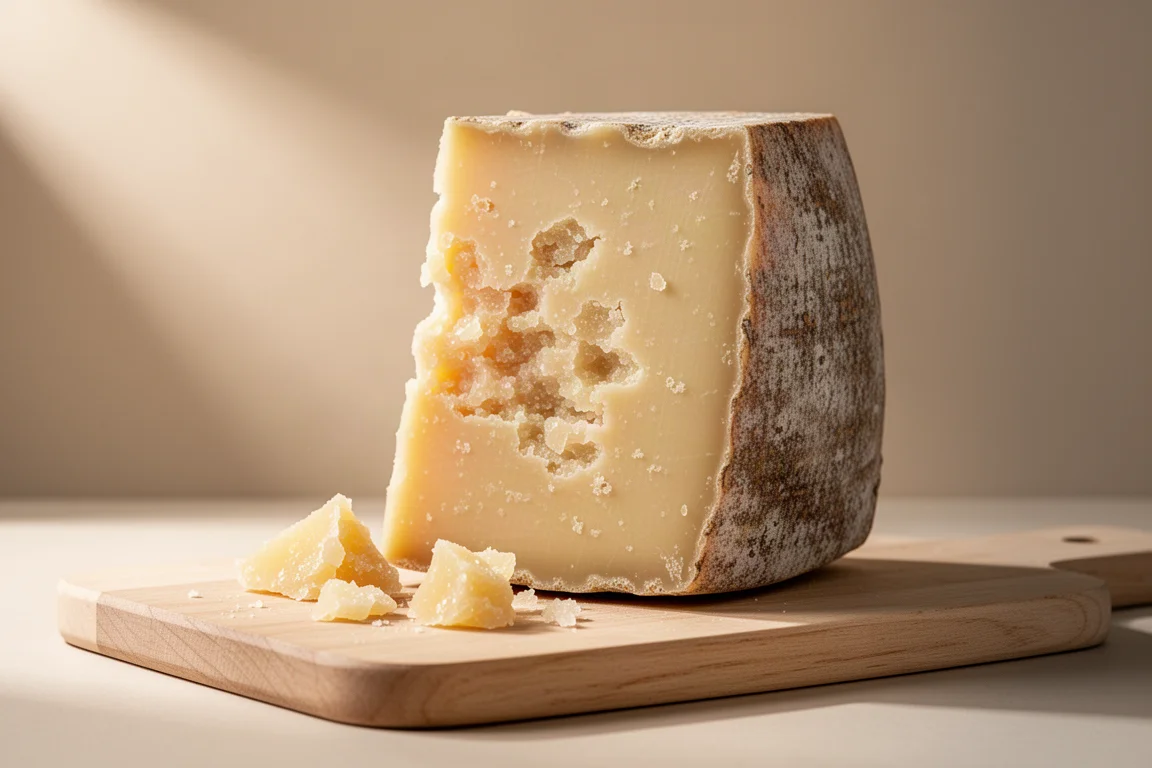
Waitrose No.1 30 Months Italian Parmigiano Reggiano DOP
The blind test favourite, with a funkier profile and a longer, pleasant aftertaste than the other two. At £28.75 per kilo it is by far the most expensive of the trio, so it is a buy for flavour rather than value.
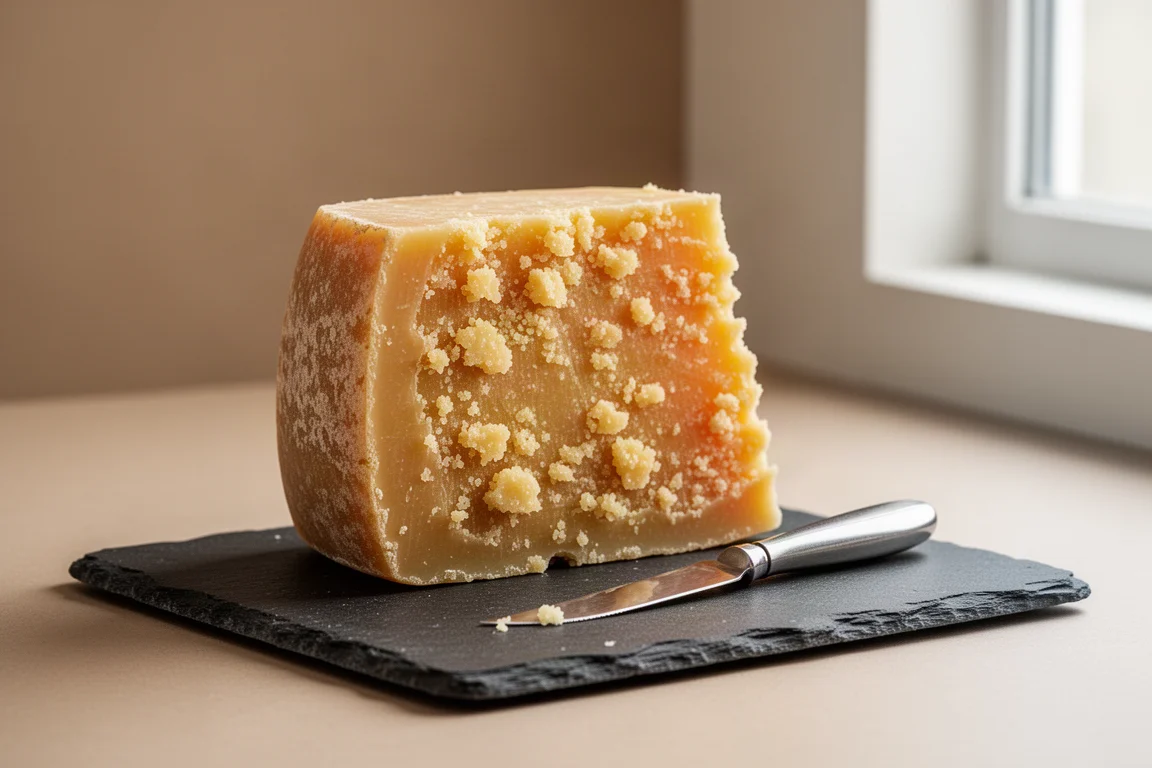
Aldi Parmigiano Reggiano PDO
Minimum 30 months aged, made with raw cow’s milk and holding a two-star Great Taste award, all at £18.76 per kilo. It scored nearly the same as the Costco cheese and is the easy value pick.
Penne Pasta: Texture Tells the Story
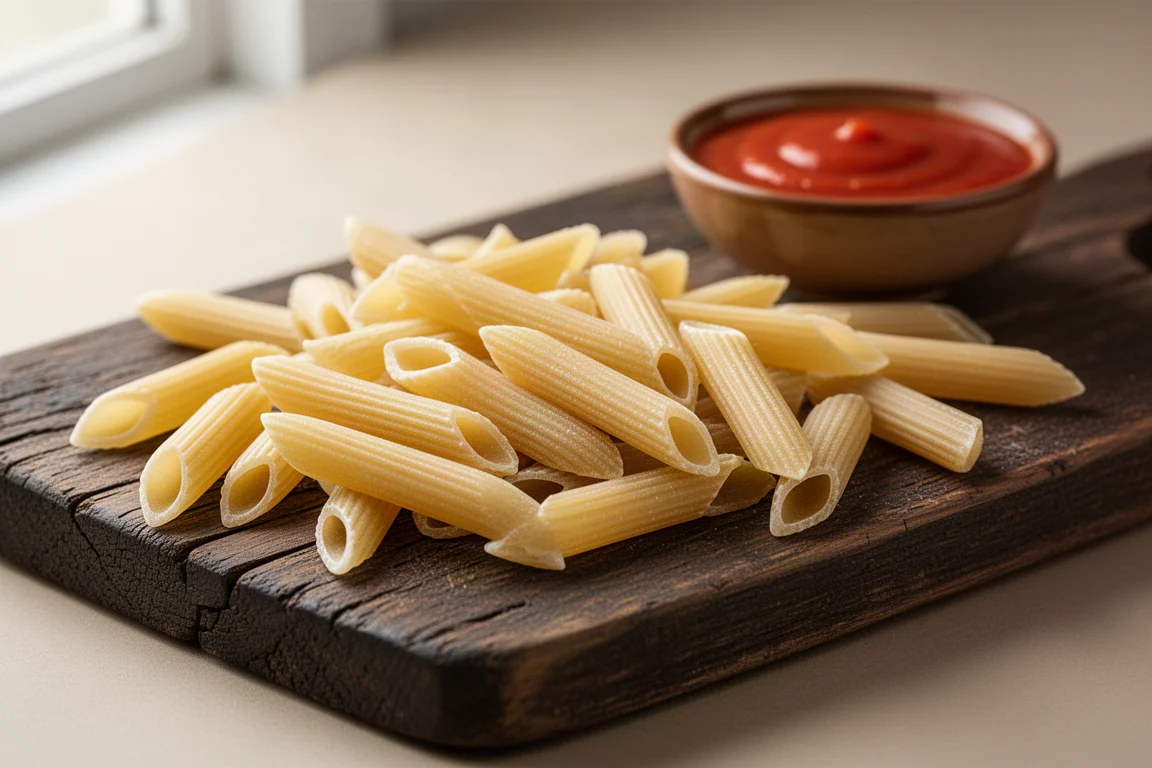
Good penne has a few tells: a rough matte surface so sauce clings to it, bigger ridges, a pale or straw colour when dry, since brighter yellows can suggest higher-temperature drying that affects taste, and no cracking or dustiness. All three pastas were cooked in water at exactly the same temperature for exactly the same time.
The taster found A chewier than preferred, B standard, and C the best: a texture described as closer to the al dente bite you look for, to the tooth. All three dried pastas looked completely different raw, with one looking visibly more premium and matte.
The guesses were Aldi, Waitrose, Costco. All wrong. A was the Waitrose Essential penne, B was the Costco Dalverde penne, and C, the favourite, was the Aldi Cucina pasta. The taster had even assumed the Costco pasta was the Waitrose one because it looked and felt more premium than the actual Waitrose product.
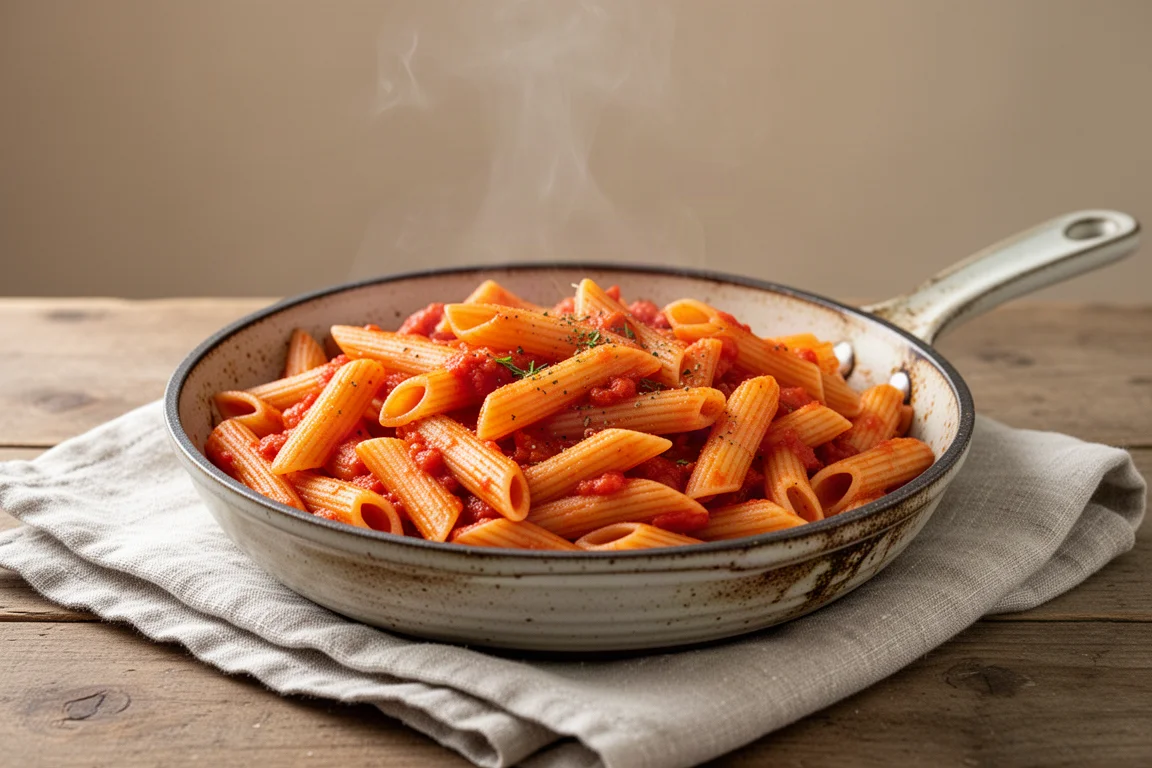
Prices were close: the Waitrose Essential is £1.50 per kilogram and the Costco Dalverde £1.60 per kilogram. Dalverde, however, is deemed a premium Italian pasta brand, established in 1967 and sourced and crafted in Fara San Martino. The Aldi Cucina pasta is made in Italy under Aldi’s own Italian-inspired range. For a pound or so a kilo, all three deliver; the differences were mostly texture, and the budget option won this round outright.
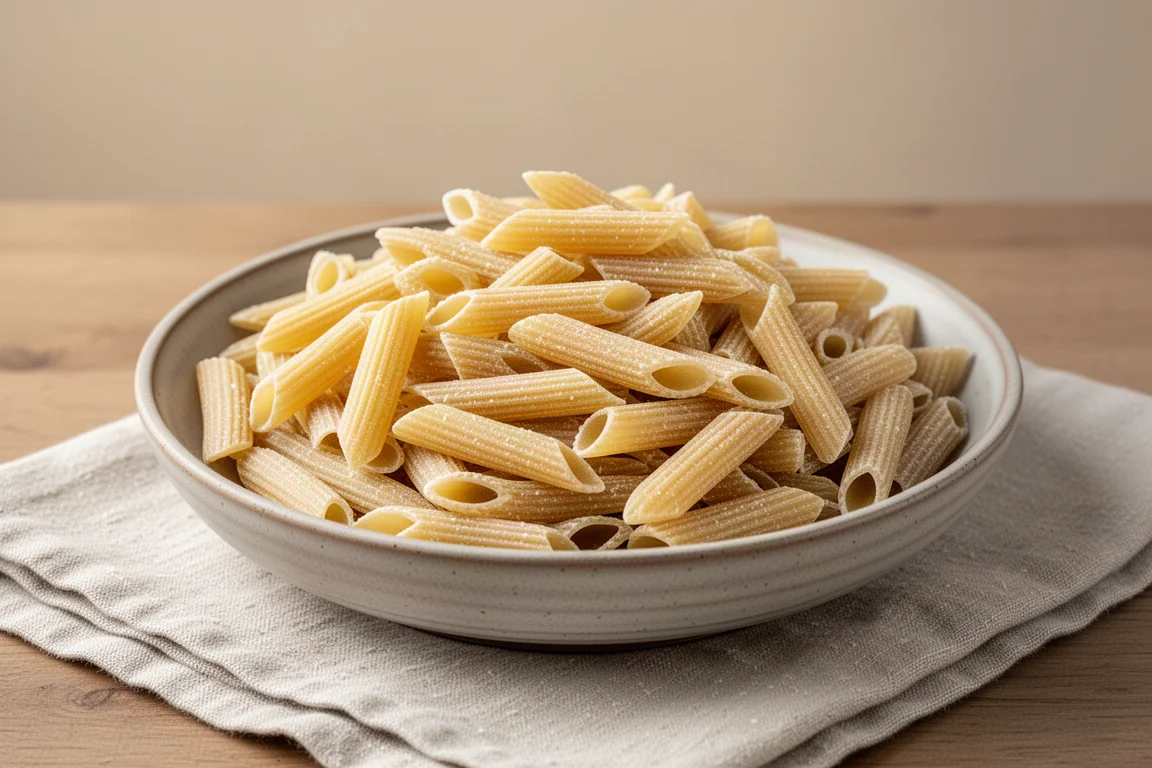
Waitrose Essential Penne Pasta
The cheapest of the three at £1.50 per kilogram, but the chewiest of the blind test. It looked the least premium when dry and lost this round on eating texture despite the lowest price.
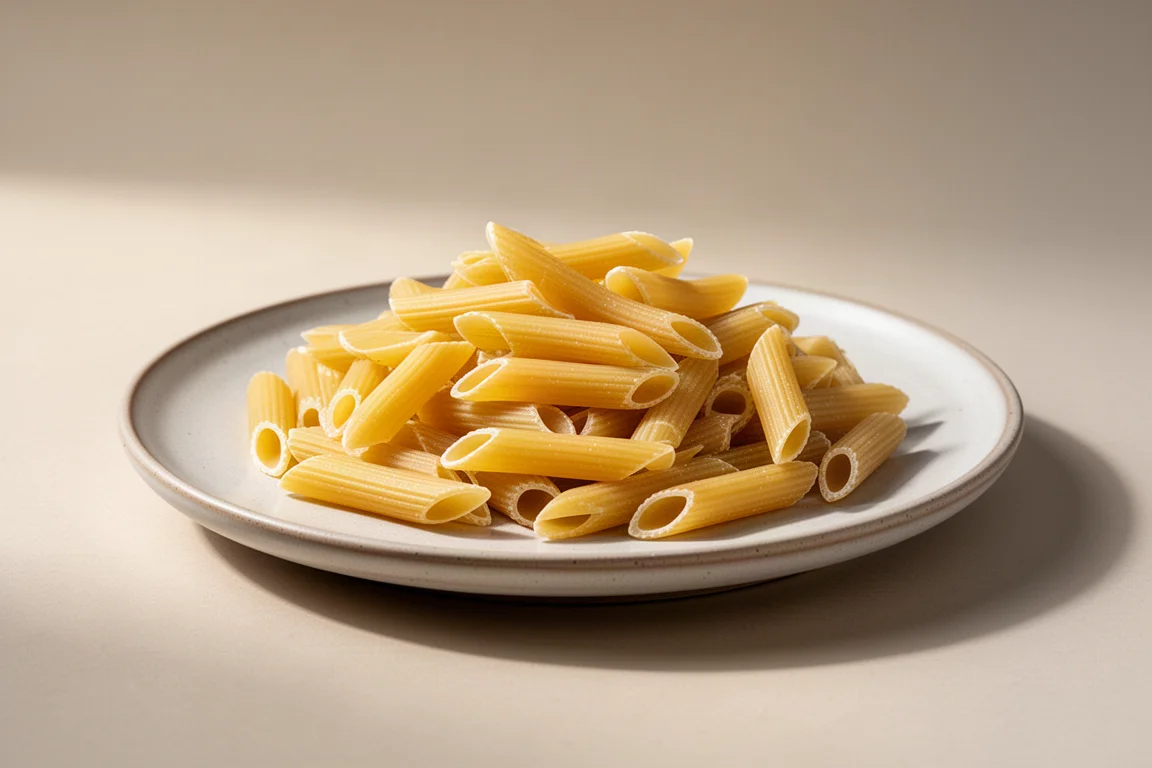
Aldi Cucina Penne Pasta
The surprise winner: made in Italy under Aldi’s Cucina own-brand range, it delivered the best al dente bite of the three despite being the budget supermarket option.
Ribeye Steak: The Big Beef Question
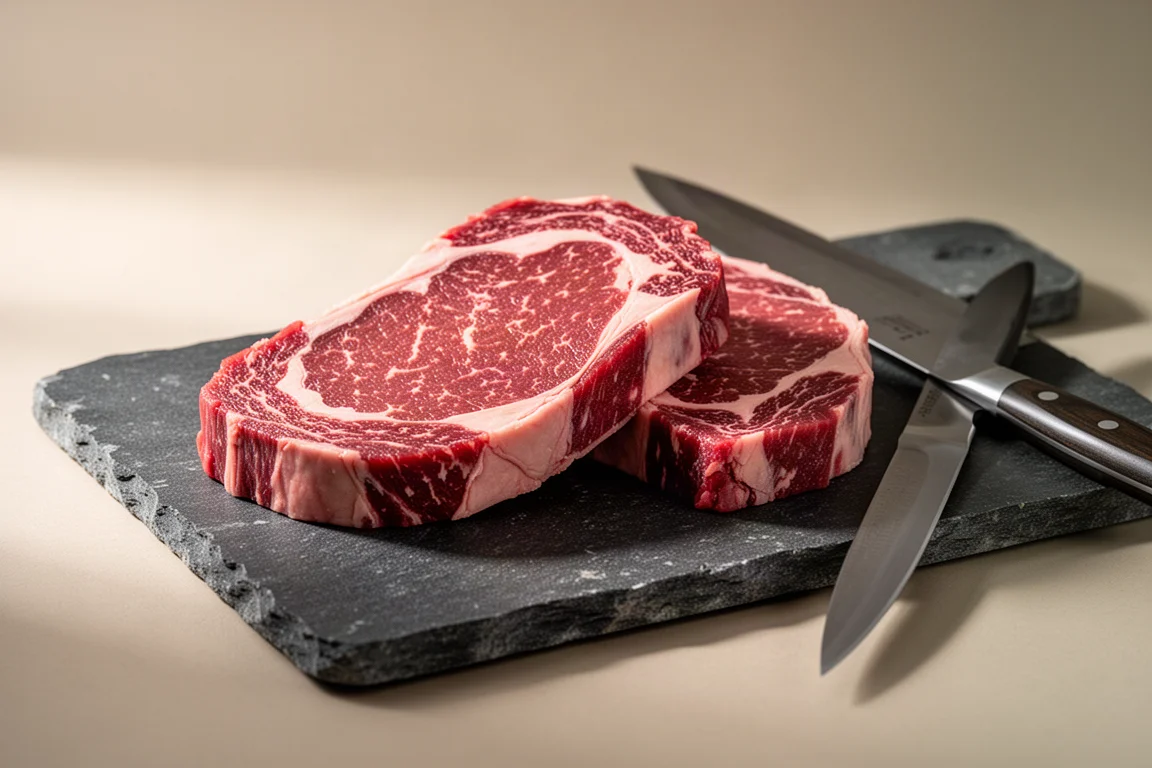
Three ribeye steaks, all seared in a hot pan of oil until medium rare. The taster noted visual differences in the fat and how it had rendered, found B much steakier and beefier than A, and placed C somewhere in between. The guess was Aldi, then Waitrose, then Costco, backing Costco because of the retailer’s focus on its butchery section.
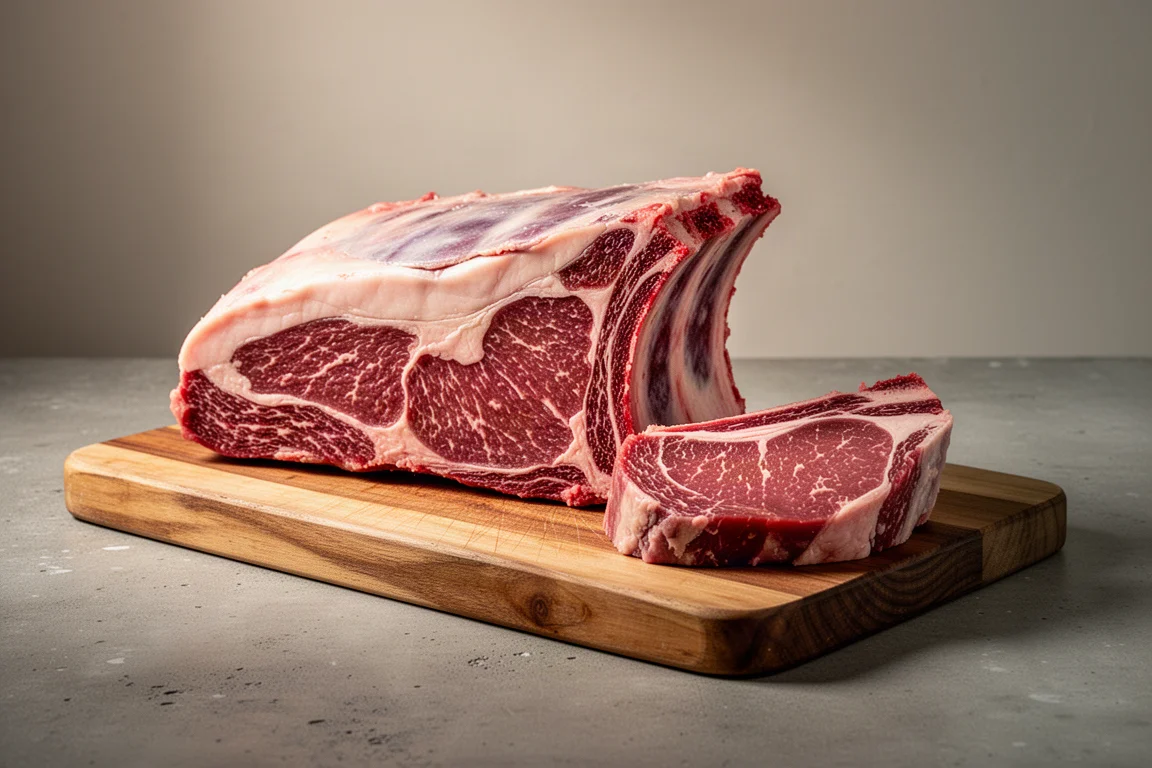
Once more, wrong. A was the Aldi British ribeye steak, 21 day matured. B was the Costco Australian ribeye. C was the Waitrose British beef ribeye. The Costco cut is sold as a full beef rib primal, born, reared and cut in Australia, from cattle 20 to 30 months of age, with a guarantee of non-contact with animals treated with hormones and from non-hormone farms. It is also a Great Taste producer.
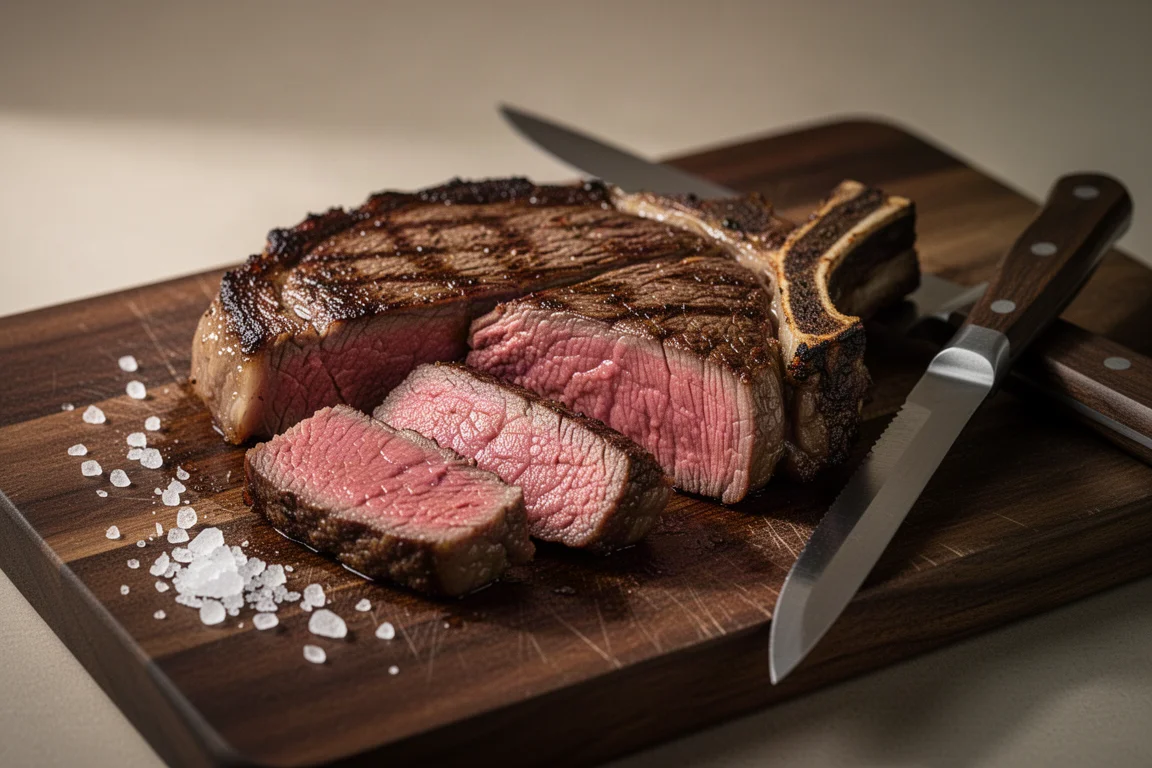
On price, the Aldi steak is £23.54 per kilogram, the Costco Australian ribeye £31.99 per kilogram, and the Waitrose British beef ribeye £40.91 per kilogram. Costco sits slap bang in the middle. The one caveat is provenance: it has come all the way from Australia, which feels odd when British beef is this good, though Costco sells British beef too and the Australian was simply the only ribeye cut available in this comparison.
The real question is whether a full rib primal works for your situation. It cost £188.36 for the whole cut, a big single outlay, but it lets you cut steaks to fit the occasion: thin cuts for quick meals, perfect steaks for yourself, thick slabs for celebrations, or large chunks roasted whole for a Sunday roast. That works if you have the freezer space and the appetite for batch prep. We also looked for credible examples of poor relationships between Costco and farmers and did not find many, though that is not to say none exist.
Aldi British Ribeye Steak
21 day matured British beef at £23.54 per kilogram, the cheapest of the three and a lovely steak in its own right, though less beefy than the Costco cut in the blind test.
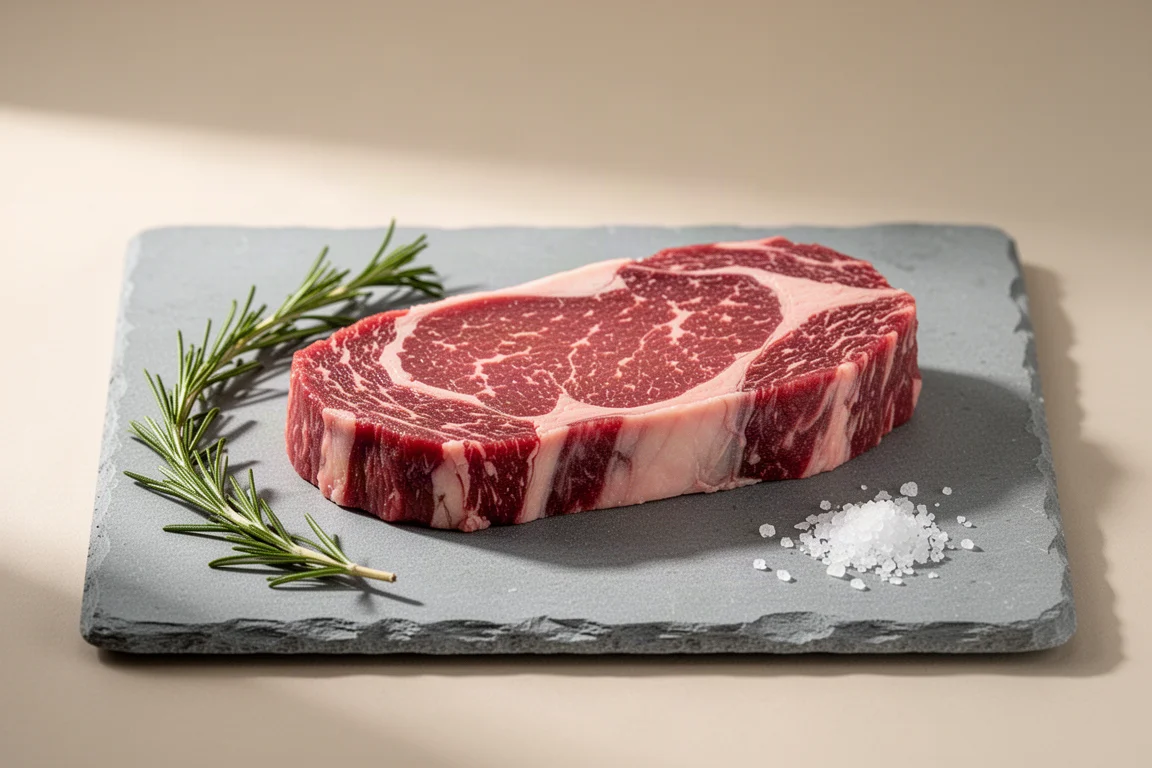
Waitrose British Beef Ribeye Steak
The most expensive at £40.91 per kilogram, sitting between the other two on flavour in the blind test. You pay a premium for the British beef label here.
Overall Buying Advice
The biggest lesson from this comparison is to stop assuming Costco is automatically cheaper. Per litre and per kilo, it was the most expensive olive oil of the three, mid-priced on steak, and only the outright winner on Parmesan price. What you do get, more often than not, is a definable quality reason for the price, from high polyphenol levels in the Kirkland oil to a premium Italian pasta brand in the Dalverde penne.
At the same time, Aldi won two of the four blind taste tests outright, on pasta and on olive oil positioning, and matched Costco almost exactly on Parmesan price. Waitrose won on olive oil and cheese character but charged a clear premium for it.
The practical takeaway: treat Costco as a place to stock up on things where the quality uplift is measurable and the format suits you, such as a two-litre olive oil with high polyphenols or a whole rib primal you can portion and freeze. For everyday staples like pasta and standard-sized cheese wedges, the budget options are genuinely excellent.
Conclusion
Across four categories, the quality at all three retailers was higher than the price gaps suggested, and every blind test guess about which was which turned out to be wrong at least once. Costco earns its price on items with verifiable quality credentials, Aldi routinely punches above its price, and Waitrose delivers the most character at the highest cost. Buy to match how you actually cook and store food, and you will not go far wrong with any of the three.
Further reading
Related Reviews
Food & Grocery
Best Store-Bought Cranberry Sauce: 9 Options Ranked for Your Holiday Table
We tasted nine store-bought cranberry sauces, from classic jellied cans to nutty relishes, to find which ones actually earn a spot next to the turkey.
Food & Grocery
Best Mozzarella for Cooking and Salads: Two BelGioioso Cheeses Worth Buying
Fresh mozzarella vs whole milk block mozzarella: how moisture content changes melting, flavor, and which one belongs in your cart.
Food & Grocery
Best Store-Bought Hummus: 9 Supermarket Brands Compared
We tasted nine widely available supermarket hummus brands plain and with pita to find which ones actually earn a spot in your cart.