Running Gear
Coros Pod 2 First Run Review: Cleaner Treadmill Data and Real Power Tracking
A first-run look at the Coros Pod 2, covering setup, pace tracking, power metrics, and who actually benefits from clipping one on.
Introduction
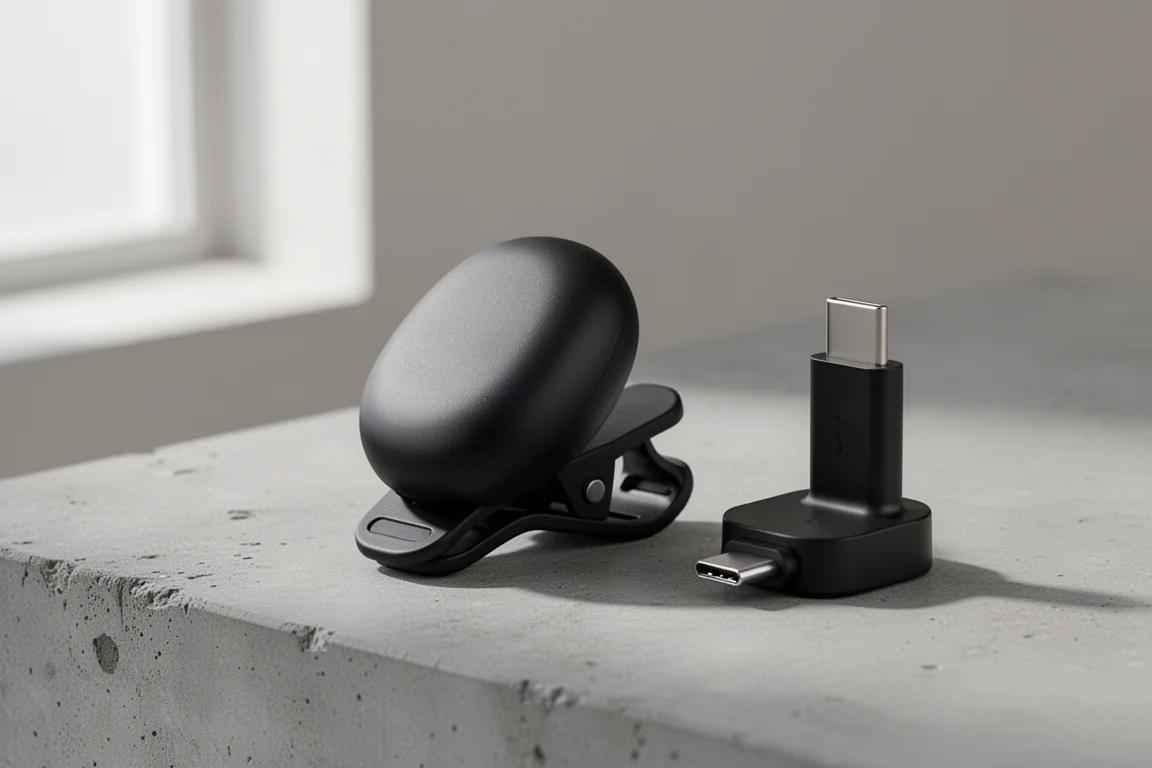
The Coros Pod 2 is a small clip-on performance optimization device that pairs with the Coros app and watch ecosystem to add running power, faster pace tracking, and treadmill distance data to your runs. After a first full run with it, here is how setup went, what the metrics look like in practice, and whether it earns a place on your shoe.
Why Use a Running Pod at All
Two main reasons stand out. The first is treadmill running. Once calibrated, the pod automatically identifies treadmill distance, so you no longer have to manually recalibrate your watch after every indoor session. That matters more than it sounds: when a watch clocks 5.6 miles for a 6-mile treadmill run and you recalibrate afterward, every split gets stretched and compressed. If you ran 800 meter repeats in there, the structure is gone. With the pod, split data stays clean.
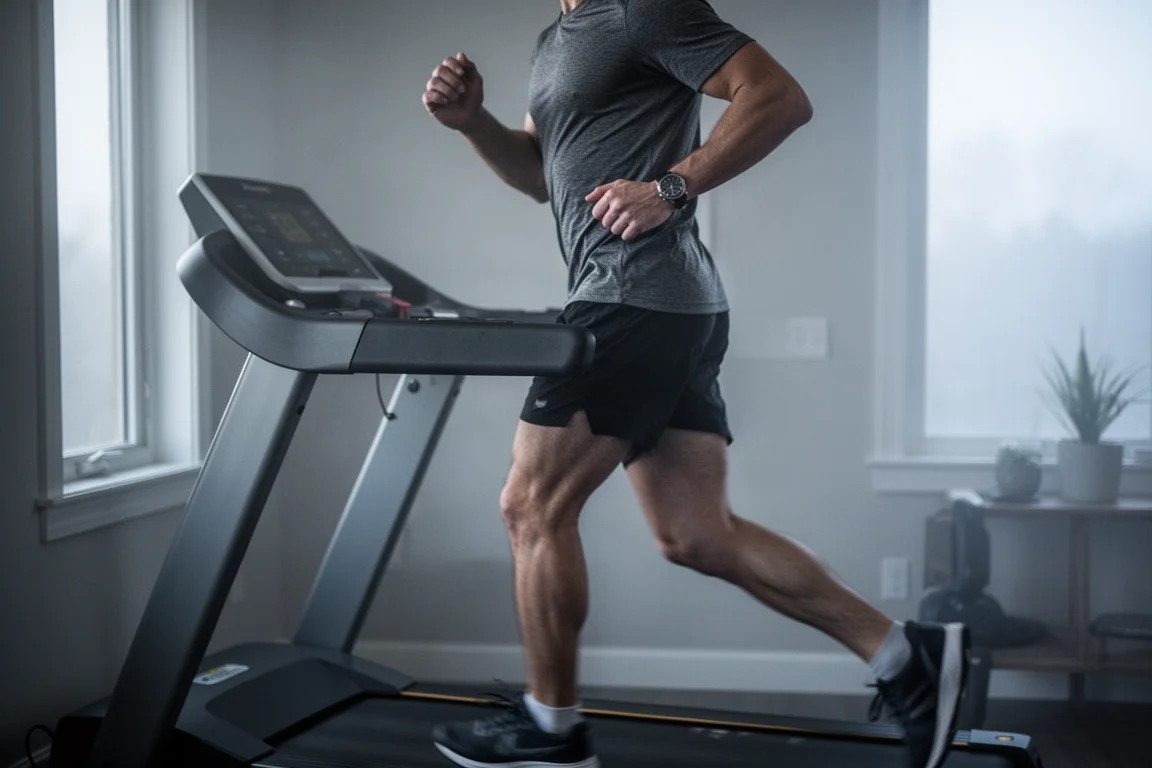
The second reason is power tracking. For runners who train on hills but race on flat courses, power offers a way to compare efforts across terrain. A pace that feels manageable on the flats can be dramatically harder on climbs, and the gap grows as you get faster. Power gives you a second benchmark beyond pace and heart rate. A bonus benefit is instant pace: at fast paces like strides or short repeats, watch pace updates lag noticeably, and the pod tightens that lag considerably.
Setup and Everyday Use
Setup is genuinely simple. In the Coros app, you go to the accessories page, add the Pod 2, and place it on the included charging cradle until the status light flashes. Our unit was not charged from the factory, so a short charge was needed first, though afterward the app reported 95% battery from roughly 30 minutes of charging. No user manual required, and the pairing flow ends cleanly with a confirmation screen.
Mounting is just as easy. A small plastic clip threads onto your laces and the pod pops into it. Two clips are included in the box in case you lose one, and the pod stayed firmly attached through an entire 8-mile run. A USB-C charging cradle comes standard.
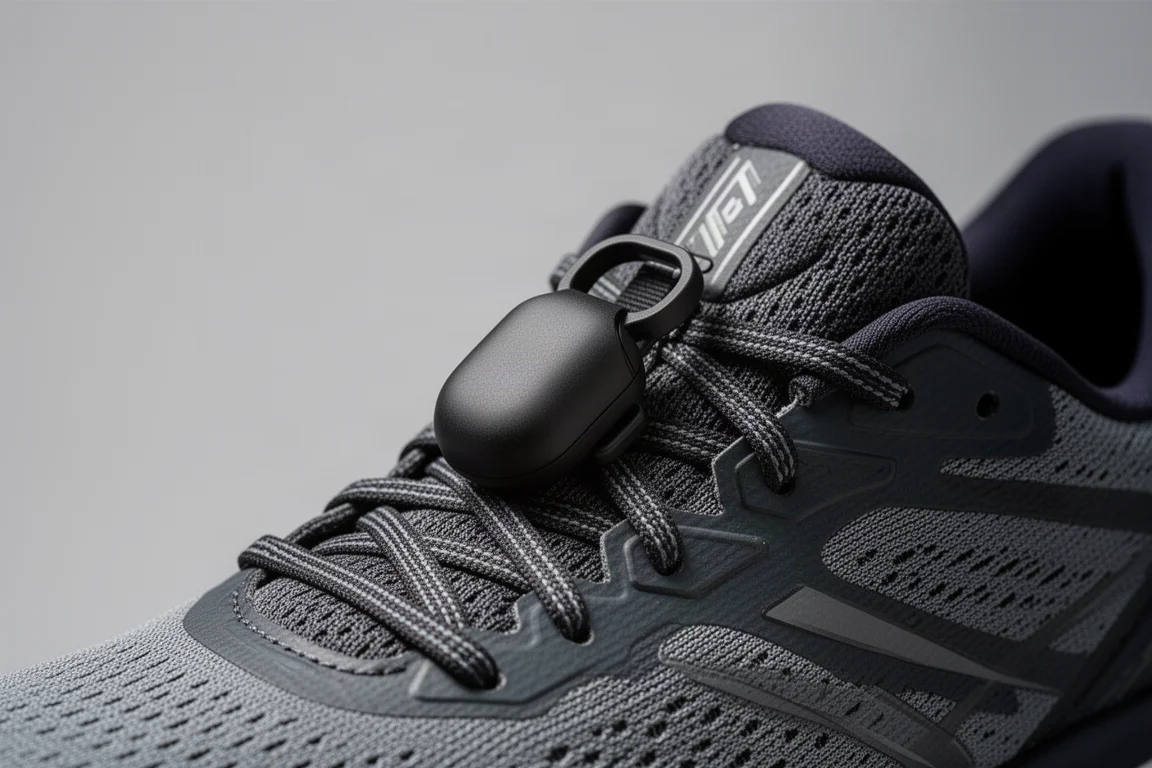
Once paired, the pod shows up on the watch’s pace data page, and you can edit your activity data screens to add power metrics: current power output, average power, lap power, and 3-second, 10-second, and 30-second averages. That is a lot of data for one screen, so it is worth being selective about which fields you actually use.
First Run Impressions
The most immediately noticeable difference is pace responsiveness. Speeding up from around 8:50 to 7:17 pace, the watch updated in roughly 3 seconds rather than the 7 to 15 seconds it took without the pod. At even faster paces, the lag dropped to one or two seconds versus five to eight. On a recovery run at around 8:06 pace, average running power read 265 watts, rising on climbs and dipping on descents.

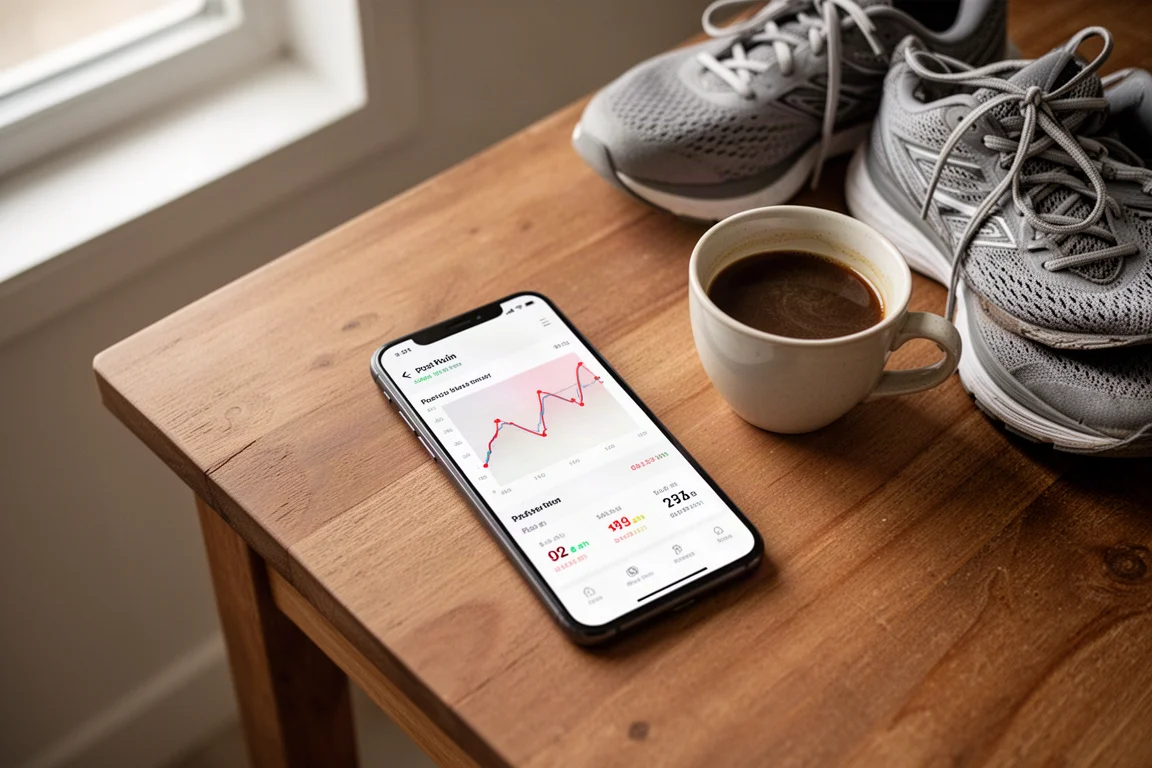
Post-run, the app displays the full data picture: 8 miles in 59 minutes 37 seconds at 7:27 average pace, 277 average watts, 400 feet of elevation gain, 170 average cadence, and an average heart rate of 139. The run screen also shows Pod 2 battery life directly on the watch, which is a nice touch. Efficiency was rated as good rather than great or excellent, which is the kind of honest labeling that makes the metrics feel credible.
Power Tracking for Hill Runners
The power data itself takes some learning. On a normal easy run, it will not tell you much. The real value is in benchmarking: comparing average power on a hilly tempo run against a tempo on flatter ground, or using a known 5K power value to set treadmill intensity that actually matches road effort. Running power correlated closely with pace on the first run, and max power peaked at 356 watts on this outing, versus roughly 382 watts at half marathon effort and around 480 on hill sprints, giving a useful sense of the numbers’ range.
Things to Consider Before Buying
A few caveats are worth knowing. Treadmill calibration is required before the automatic distance feature works, so plan for a calibration run. Interpreting power metrics is a skill in itself, and the payoff depends on whether you actually train by numbers. The pod is a Coros ecosystem accessory, so it makes the most sense if you already run with a Coros watch, where setup and data screens integrate smoothly. And at roughly a hundred dollars, it is a comfort purchase as much as a performance one: if it gets you out the door and makes training more enjoyable, that is reason enough.
Buying Advice
This is an easy recommendation for three kinds of runners: treadmill regularers who want clean split data without manual recalibration, hill-based runners who want power as a terrain-independent effort benchmark, and faster runners frustrated by pace lag during strides and short intervals. If you run mostly flat, easy miles with a casual approach to data, you can safely skip it.
First-Run Takeaways
Setup was intuitive from the accessories page to the shoe, mounting held securely, and both pace tracking and power metrics worked as advertised on the very first run. The battery indicator and instant pace display are pleasant surprises, and the two included clips remove any fear of losing the mount. The main open question is how the power data evolves once it is used across structured workouts like hill sprints and treadmill sessions, but as a first impression, this is a well-made, thoughtfully integrated accessory with a clear thumbs up.
Conclusion
The Coros Pod 2 delivers on its core promises: fast pace tracking, usable power data, and cleaner treadmill metrics, all wrapped in a setup process that takes minutes. For data-driven runners approaching their ceiling or anyone logging serious winter treadmill miles, it is a smart, low-friction addition to the Coros ecosystem.
Product link
View more details for Coros Pod 2
This product is mentioned in the review. Check the specifications, options, and compatibility before buying.
View more details for Coros Pod 2Further reading
Related Reviews

Running Gear
Best Running Caps 2026: Nine Tested Options for Summer and Winter
A comprehensive guide to nine running caps tested across different conditions, from lightweight summer options to waterproof winter choices.

Running Gear
Best Running Caps: A Guide to Summer and Winter Options
A comprehensive review of nine running caps for different conditions, styles, and preferences, from lightweight summer options to waterproof winter choices.
Running Gear
Best Running Gear 2026: Five Picks That Earn Their Place
Five running upgrades covering heart rate, audio, fuelling, carrying and weather protection, with the trade-offs worth knowing before you buy.