Power Tools
Cordless vs Air Ratchets: Six Power Ratchets Tested Head to Head
From a $25 palm air ratchet to the fastest cordless on the bench, we compare torque, speed, and real-world usefulness across six power ratchets.
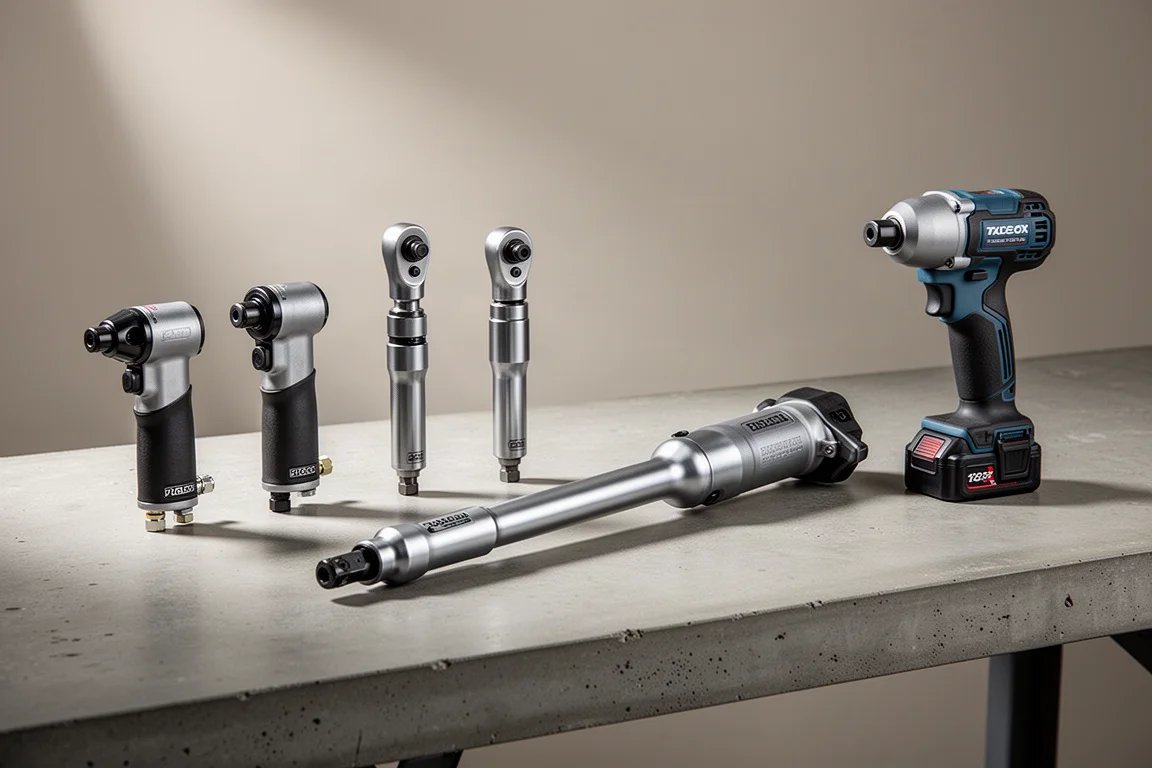
Introduction
Cordless ratchets have gotten fast, compact, and genuinely useful, which raises a fair question: is there any reason left to reach for an air ratchet? To find out, we put six power ratchets on the bench, spanning the full range from a $25 palm-class pneumatic to the Milwaukee M12 High Speed, the fastest cordless ratchet we have tested to date. Each tool went through the same torque measurements and a speed gauntlet of progressively larger Nylock nuts, then got judged on weight, access, and price. The answer turned out to be more interesting than either camp would expect.
How We Compared Them
Every ratchet ran the same gauntlet: a series of Nylock nuts increasing in size, where unthreading the nut represents constant resistance without extreme torque demands. We also measured torque with a dyno and tried taking each tool to around 150 ft-lbs by hand to see whether it survived being used like a traditional ratchet. Raw speed, raw torque, and how the tool behaves between the two turned out to matter more than any single spec sheet number.
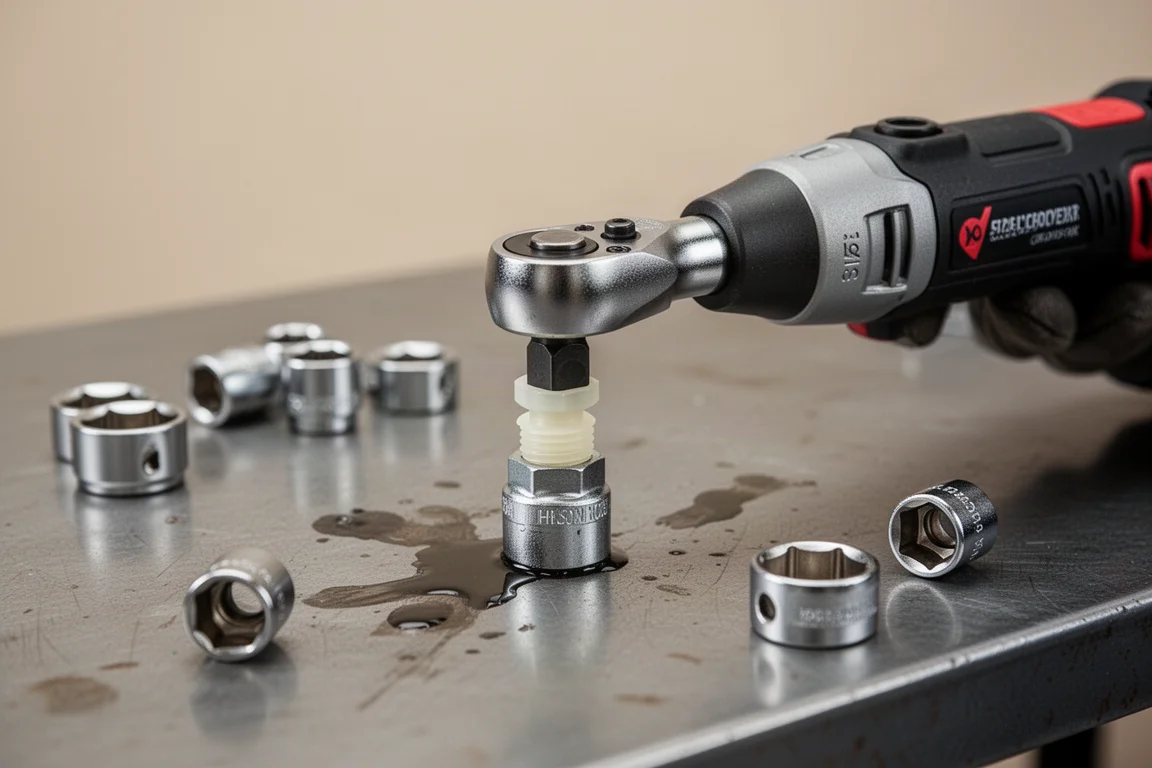
Harbor Freight 3/8 Mini Air Ratchet
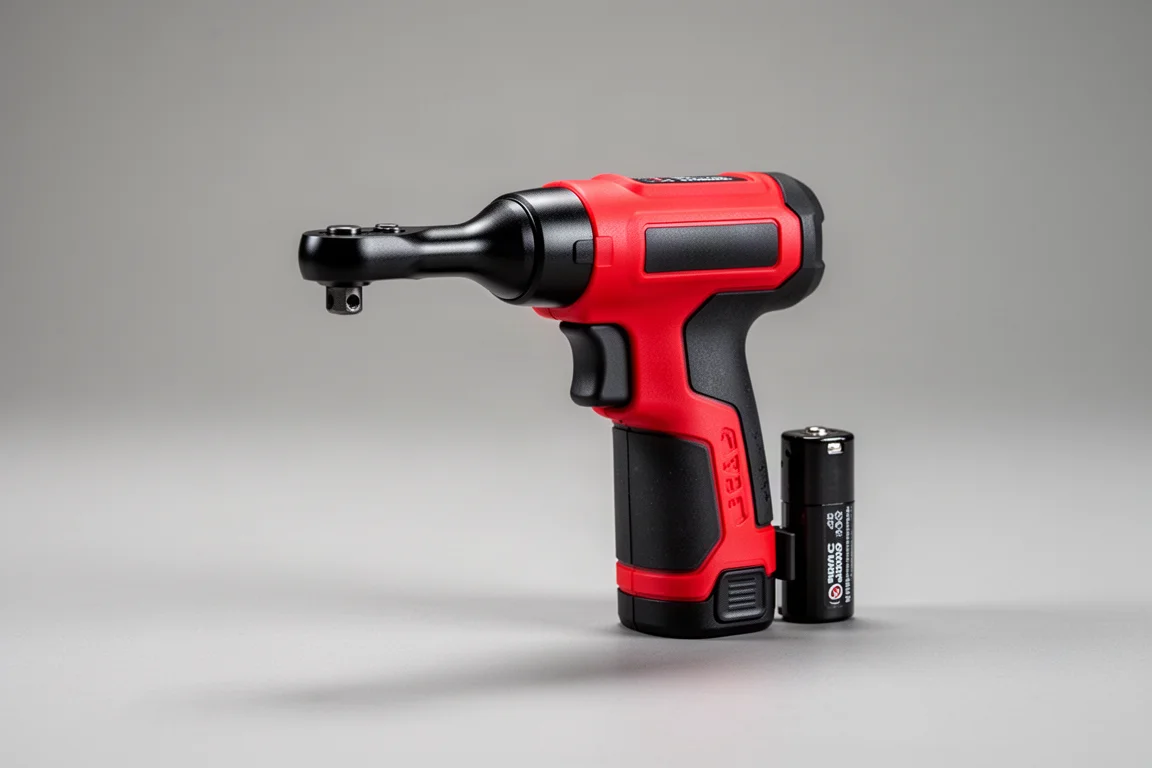
This is a palm-class air ratchet, and at $25 it is the cheapest tool in the lineup by a wide margin. The specs are low across the board: just 20 ft-lb of claimed torque and 300 RPM, both lower than the cordless competitor beside it.
On the bench it was the clear disappointment. At 90 psi it barely made four foot-pounds, could not even start the gauntlet, and earned an early DNF. Harbor Freight air tools are famously hit and miss, and this one is a miss. Honestly, most standard palm-sized air ratchets in this class offer little regardless of brand.
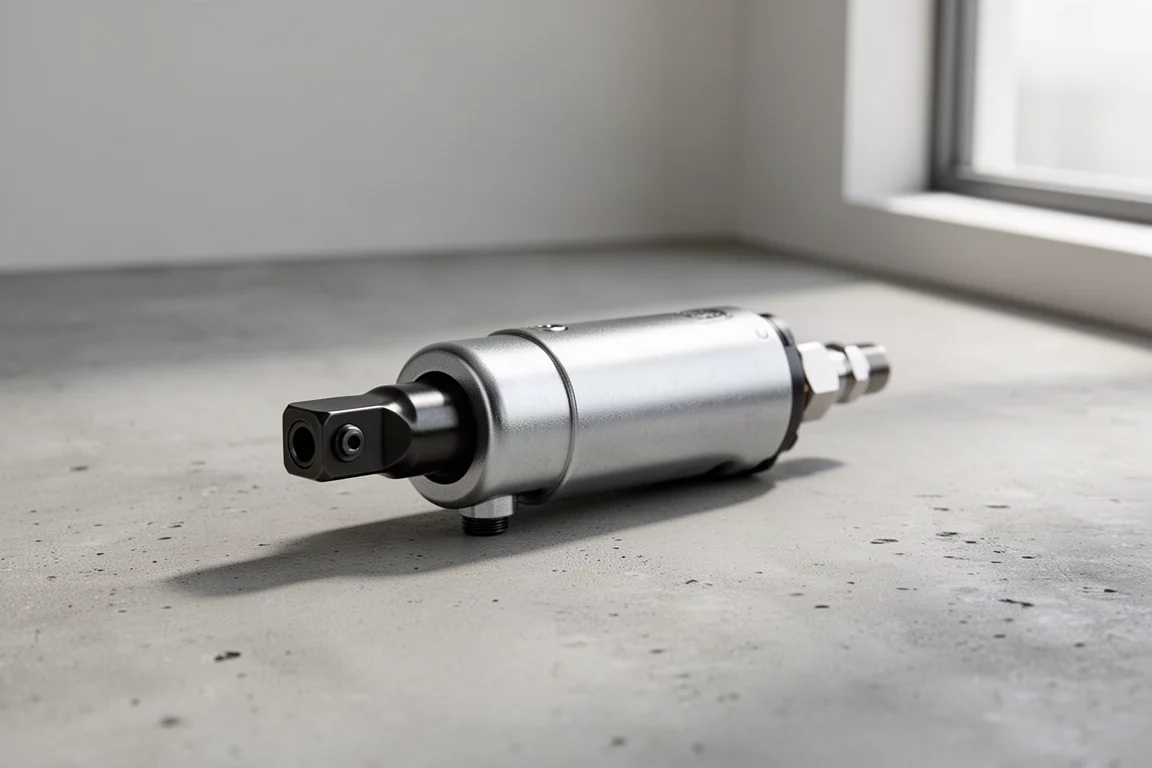
Harbor Freight Earthquake Impact Ratchet
If you want more performance for the least money, the most cost-effective route is an impact ratchet. This one costs $80 and jumps to 70 ft-lb claimed and 400 RPM. The trick is the design: it is essentially an air ratchet with a single-hammer impact mechanism placed in line before the ratcheting head. That also means it is reactionless, so when it hits on a fastener it does not throw your hand forward like an old knuckle scraper, and it cannot be cycled back and forth by hand like a traditional ratchet.
In testing it made a full 73 ft-lbs against its 70 claimed, and it was not bothered by being forced up to roughly 150 ft-lbs by hand. On the gauntlet it ran a strong 126 seconds, quiet by air-tool standards, and in our view it is probably Harbor Freight’s best power ratchet at the moment, cordless included.
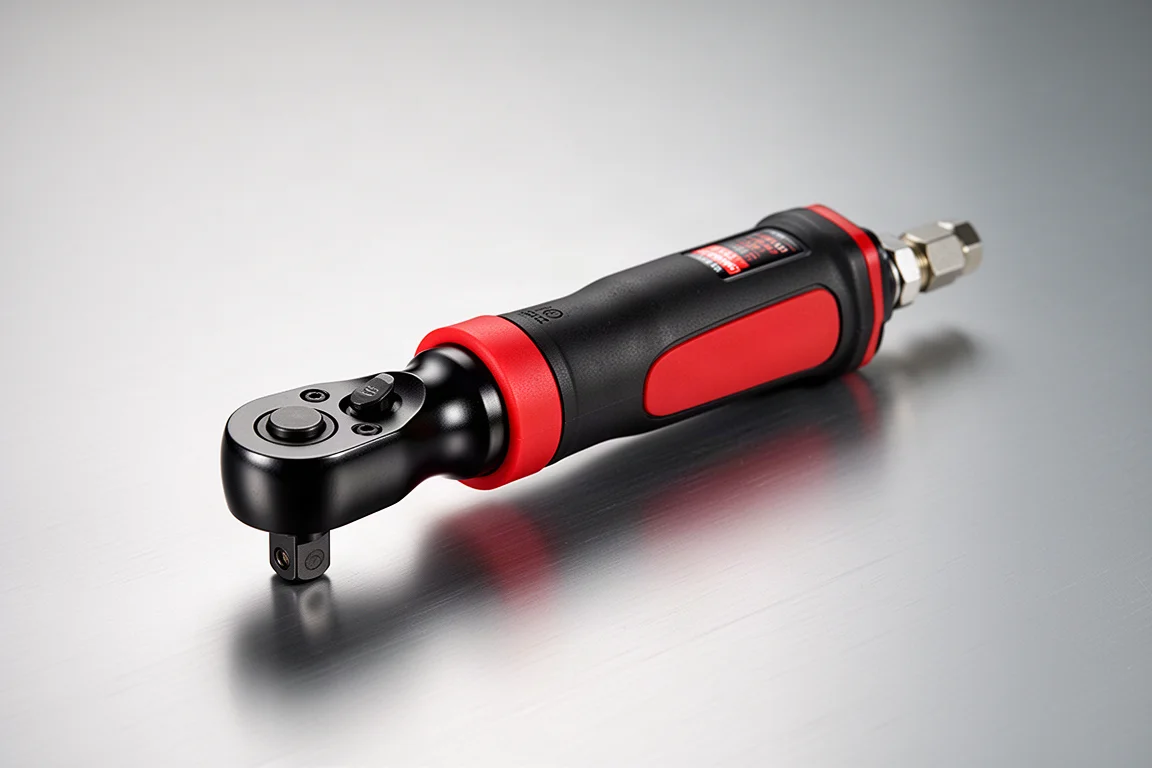
Astro 1128 HD V2 Impact Ratchet
This Taiwanese tool is a compact, quasi-palm-sized impact ratchet, noticeably smaller than the larger M12 yet packing an impact mechanism inside. It claims 55 ft-lb and 700 RPM, and our dyno showed up to 58 ft-lbs, edging out similar competitors slightly in torque. It managed around 100 ft-lbs by hand but lacks the leverage to reach 150.
One honest caveat: small impact ratchets often tighten 250-plus ft-lbs, but loosening is inconsistent, sometimes yes and sometimes no. These are not impact wrenches. Note that a Japanese competitor of the same compact impact design finished the gauntlet first overall at 62 seconds, with the Astro close behind at 67, so this style of tool is currently the speed benchmark, especially since the trigger alone can start loosening the high-torque fasteners that force a cordless ratchet to be worked by hand.
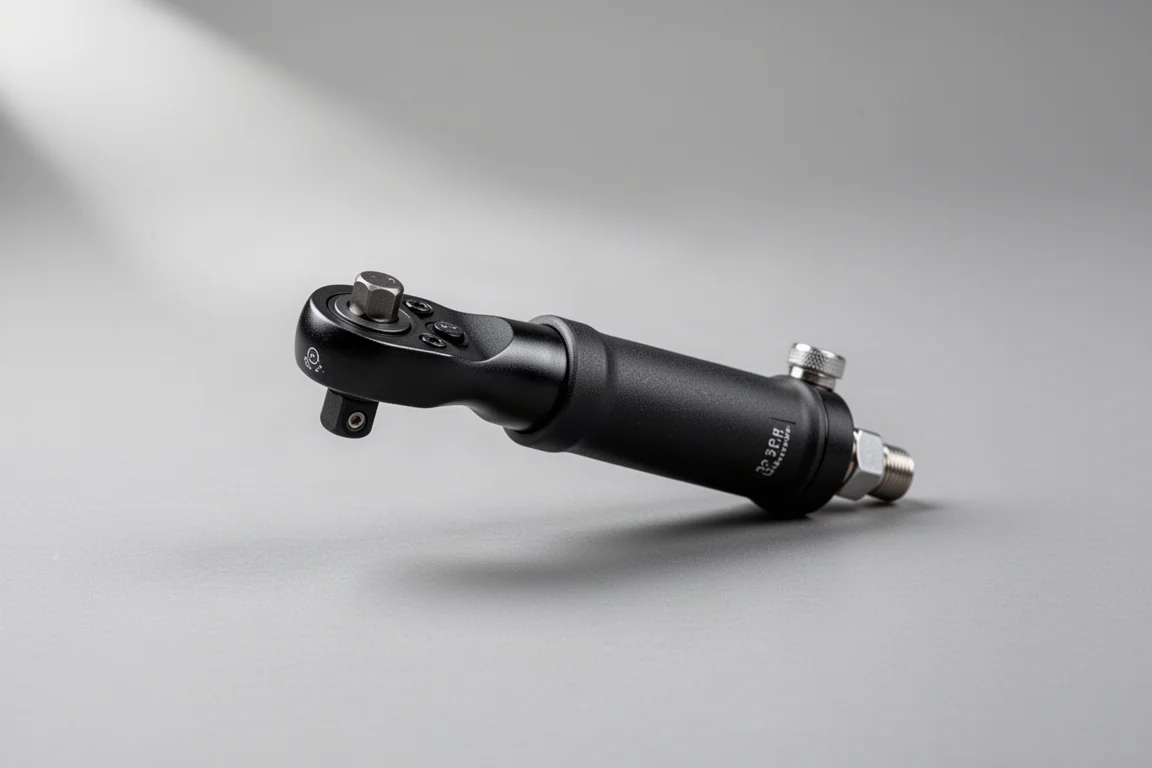
Astro 1120XL Deluxe Ratchet
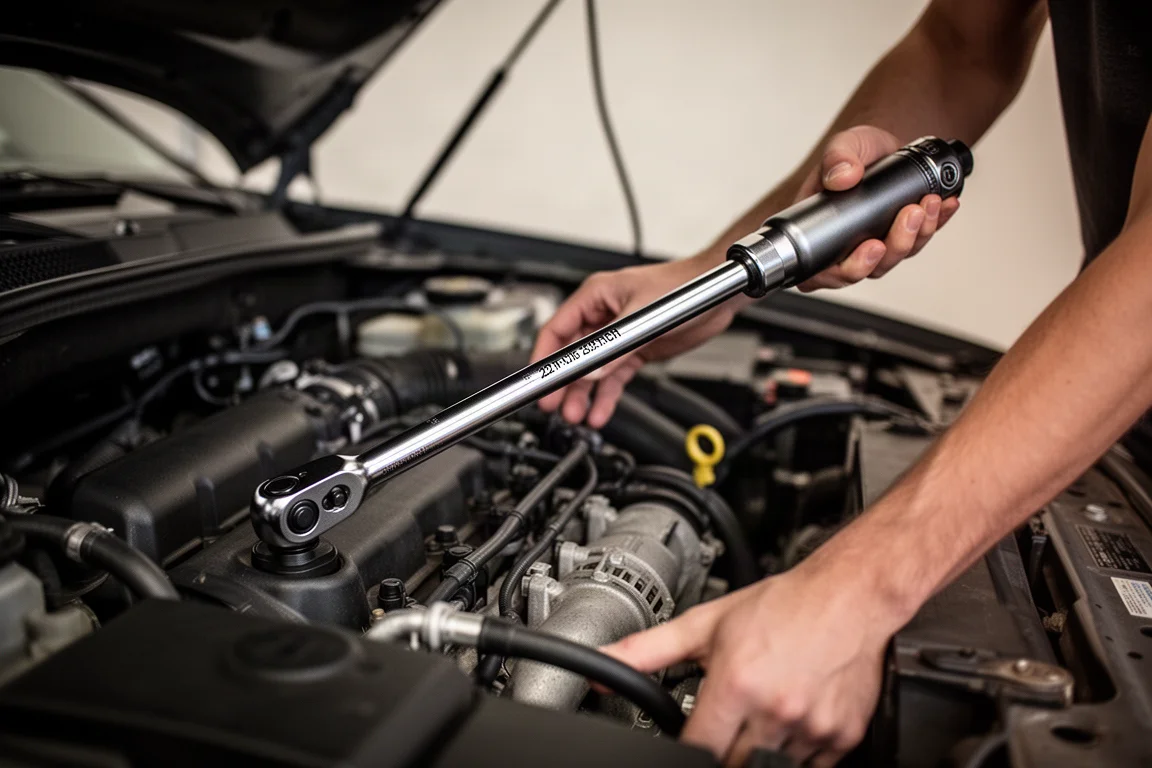
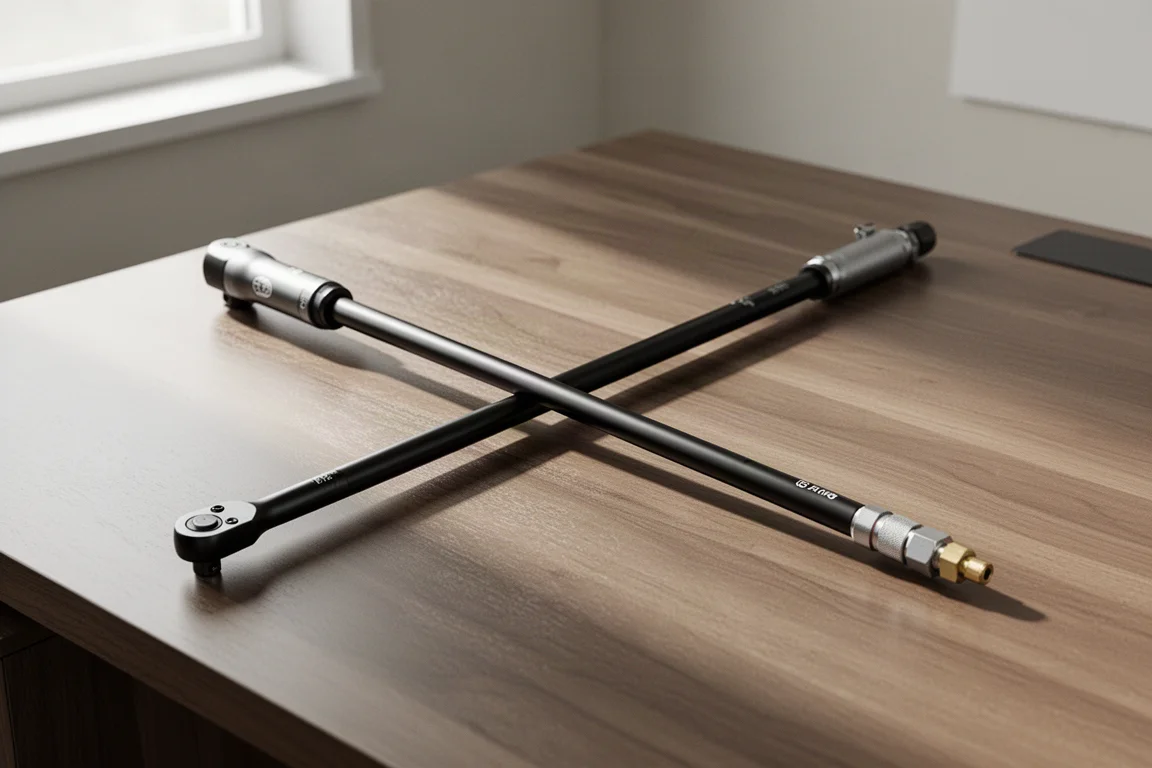
Now for a good old-fashioned spinning air ratchet, except an extra-long one. This is Astro’s latest long model at 22 inches, and instead of the usual specs for extended ratchets it claims 280 RPM and 82 ft-lb rather than the typical 160 RPM and 65 ft-lb. Our testing showed 83 ft-lbs, consistently.
The real party trick is the length. With a 3/8-inch ratchet head at the end of a 22-inch body, you can crank it to around 260 ft-lbs by hand without hurting it. On the gauntlet it hit 101 seconds, finishing only 17 seconds behind the M12 High Speed, and the reach let it catch up whenever the fasteners demanded hand-ratcheting torque that the cordless could not deliver. If you want your hands away from an engine bay, this is the tool that does it.
Aircat 805-HT High Torque Ratchet
The Aircat 805-HT is one of the most requested tools we have seen, and the specs explain why: it maxes out the character stats in the opposite direction of the fast cordless models, with 180 RPM but 130 ft-lb of claimed torque from a body and head similar in size to the 55 ft-lb M12.
Torque testing confirmed the crown. With a trigger nudge it reached 122 ft-lbs, and a nudge on this tool genuinely feels like an uppercut, so practice your trigger discipline. It also made it to about 150 ft-lbs by hand. But speed is where it falls apart: 249 seconds on the gauntlet, watching it grind through fasteners in real time is difficult, and for general fastener threading it is hard to recommend in modern use. Lug nuts, maybe.
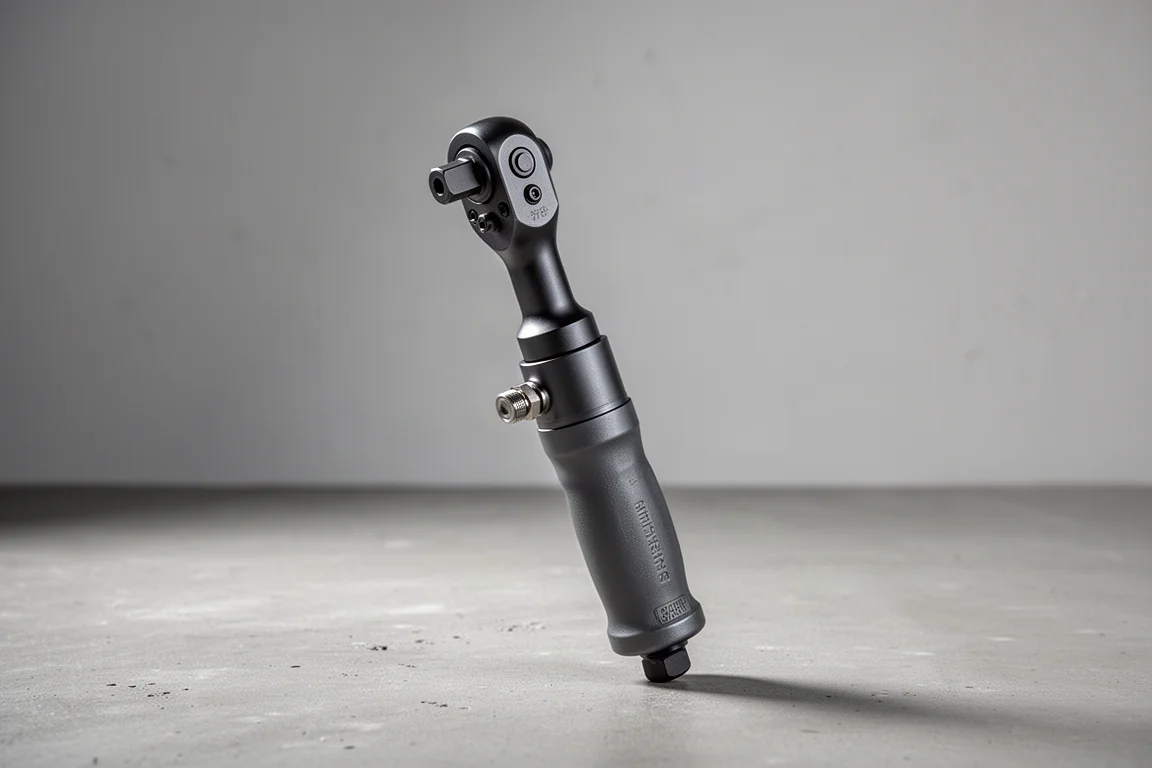
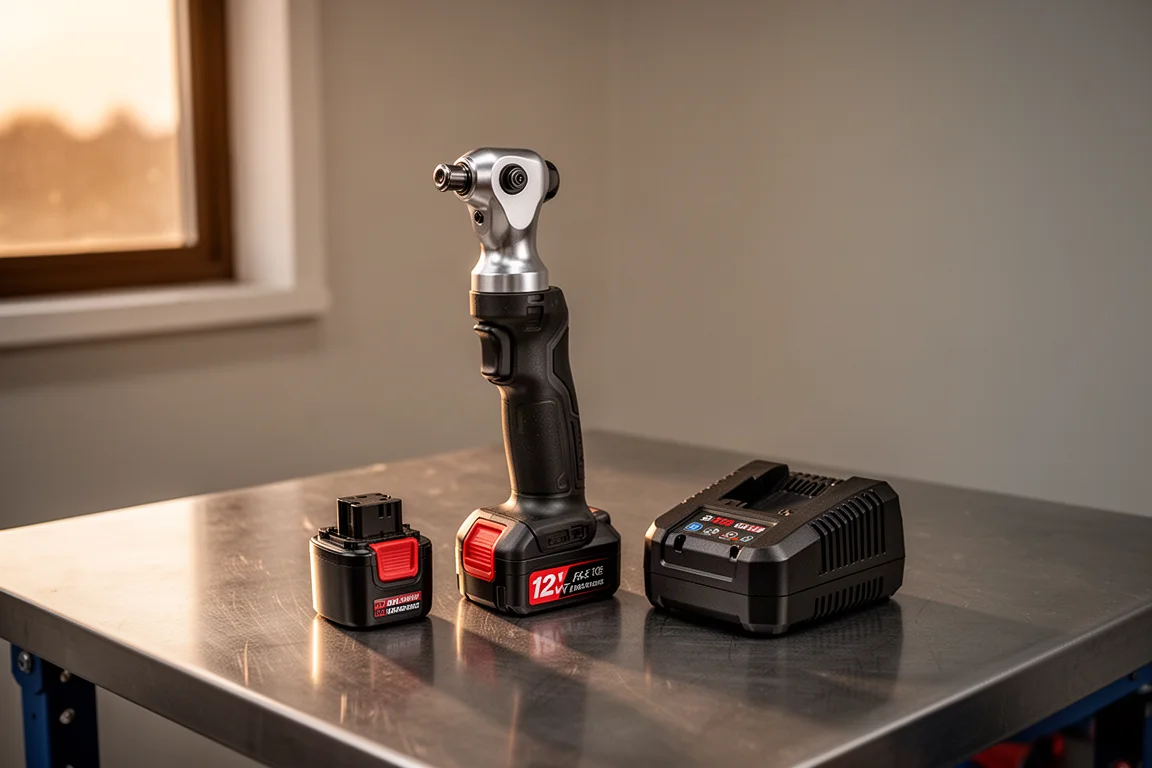
Milwaukee M12 High Speed Ratchet
At $199 retail, the M12 High Speed has been our top-scoring cordless, and it shows why on the gauntlet. It blazes through small fasteners like it is not even close, finishing the course in 100 seconds. The dyno showed 29 ft-lbs against a 35 ft-lb claim even with extra nudges, and that torque gap is its one real downside. When a fastener needs more, you have to hand-ratchet it, which slows both the tool and the job, and as fasteners get larger that happens more and more often.
Against the extended Astro it won by 17 seconds, and it survived the full 150 ft-lb by-hand test without complaint. But against the compact impact-style air ratchets it was left in the dust, largely because they can start loosening with just a trigger pull.
Buying Advice: Which Style Should You Choose
Here is the honest summary. Standard palm-sized air ratchets are a waste of time; cordless blows them away even at budget prices. Compact impact ratchets are the current performance kings, running as fast or faster than the top cordless models and usually with more power, though they are more complex, cannot be cycled by hand, and the top performers cost more. If you exclude impact ratchets, traditional long air ratchets can still match or beat cordless today, offering reach and raw torque that cordless brands simply have not chosen to build.
That is arguably good news for cordless buyers: with benchmarks this strong still coming from the air side, there is clearly room for improvement, and we have yet to find a true Goldilocks cordless model. Air tools, meanwhile, are not relics; some are just as good as ever and still setting a high bar.
Conclusion
Air ratchets still hold real advantages in speed, torque, reach, and price, and impact-style air ratchets currently beat the fastest cordless outright. But cordless is close, improving fast, and free of the hose. Buy the compact impact air ratchets for maximum speed, the long air ratchet for reach and torque, and the M12 if you want one tool that covers most jobs without an compressor dependency.
Further reading
Related Reviews
Power Tools
Best 1-Inch Pistol Impact Wrenches: Three Heavy-Duty Options Compared
We compare three 1-inch pistol impact wrenches, from a budget-friendly Harbor Freight model to a premium Caterpillar unit, to help you choose the right one.
Power Tools
Best 3/4-Inch Impact Wrenches 2026: Five Contenders Compared
We compare five 3/4-inch impact wrenches across price and performance, from a budget Amazon option to Snap-on's most powerful model yet.
Power Tools
Best Budget Cordless Tools 2026: Walmart Finds That Punch Above Their Price
We tested five cordless tools from Walmart, including a high-torque impact wrench that trades blows with Milwaukee and a $35 duster that outperforms its price class.