Power Tools
Cordless vs Air Cut-Off Tools: Three 3-Inch Options Tested for Real Power
We put the Milwaukee 2522 M12, DeWalt DCS438, and Astro Onyx 209 on a dynamometer to see which 3-inch cut-off tool actually delivers the most grunt.
Introduction
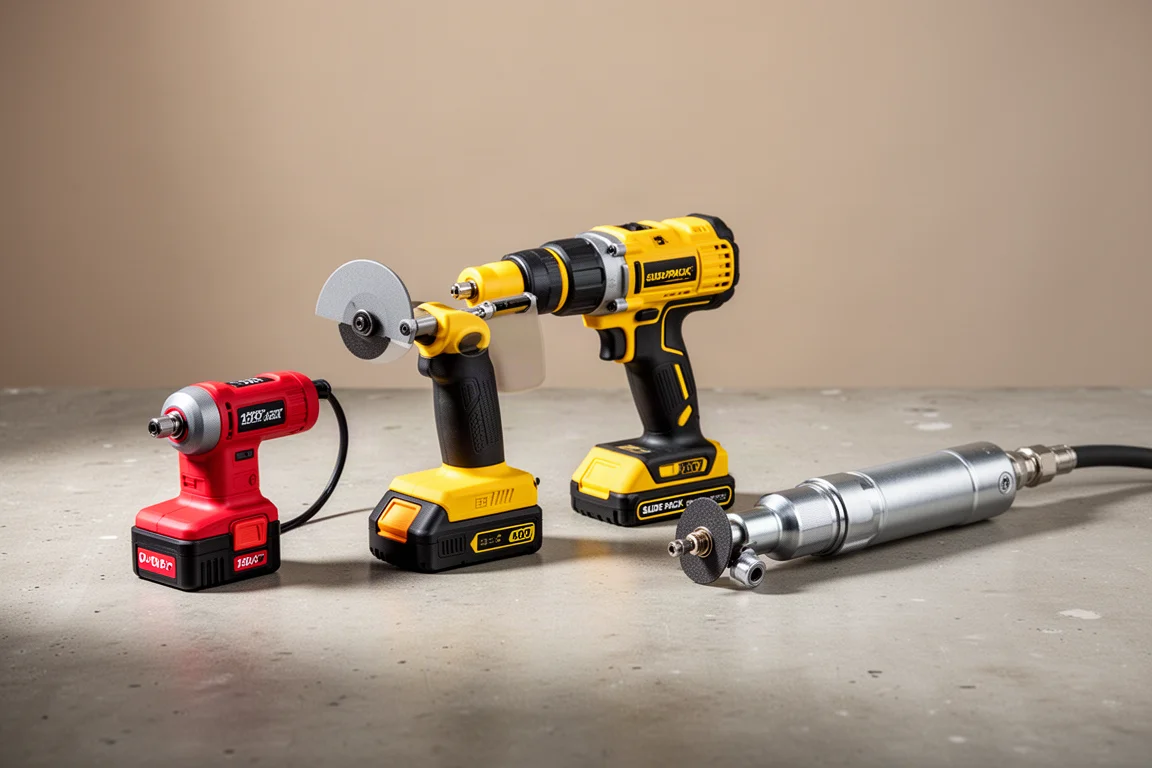
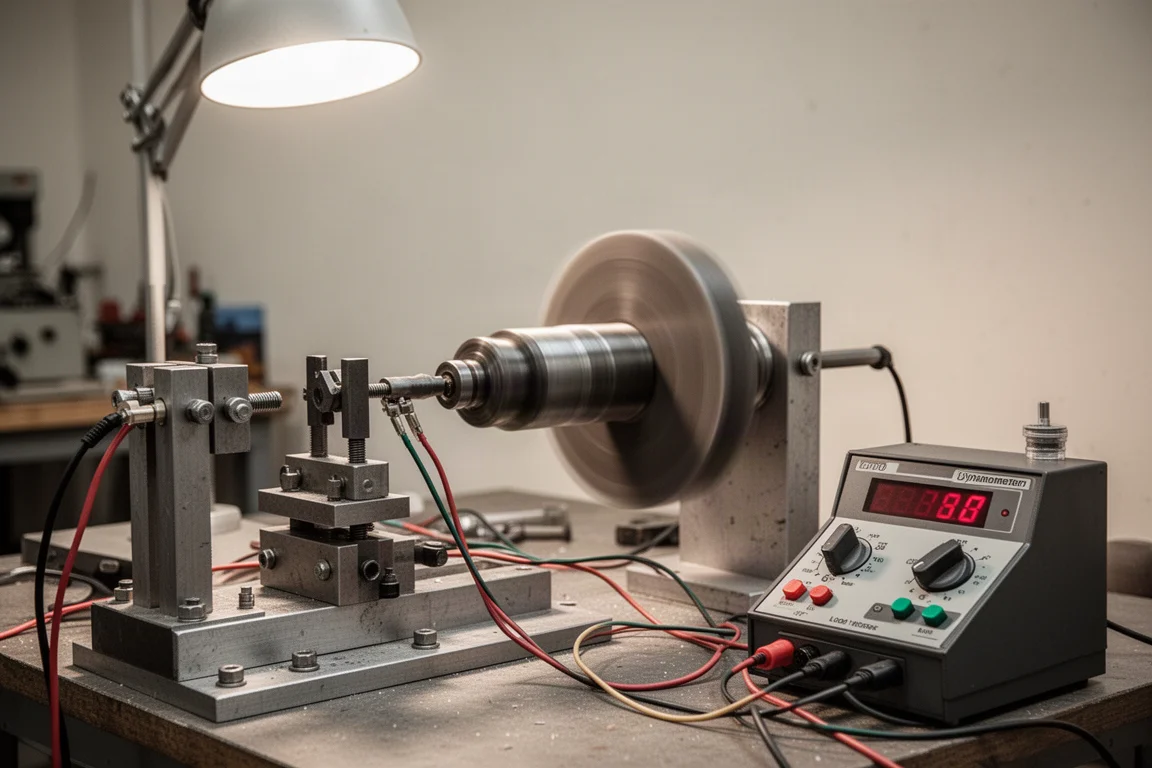
Cut-off tools are one of those categories where spec sheets tell you almost nothing. Almost none of the cordless models advertise a power rating, and even when a manufacturer publishes one, it rarely maps cleanly to how the tool behaves under a real cutting load. To get a better picture, three 3-inch cut-off tools were run on a dynamometer that measures power in watts and converts it to horsepower: the Milwaukee 2522 M12 cordless, the DeWalt DCS438 20V cordless, and the Astro Onyx 209 air-powered inline tool. The results reveal a much wider performance gap between the cordless options than most buyers would ever guess.
Why Power Ratings Are So Hard to Compare
The curious thing about cordless cut-off tools is that nearly none of them advertise a power rating, and the Milwaukee 2522 is no exception. DeWalt does publish a watts-out figure, similar to how it rates its cordless drills, but that number cannot really be compared against other cordless brands or against an air tool. Air tools are simpler in this respect: a one-third or one-half horsepower rating immediately gives you an idea of how much grunt you will get in use.
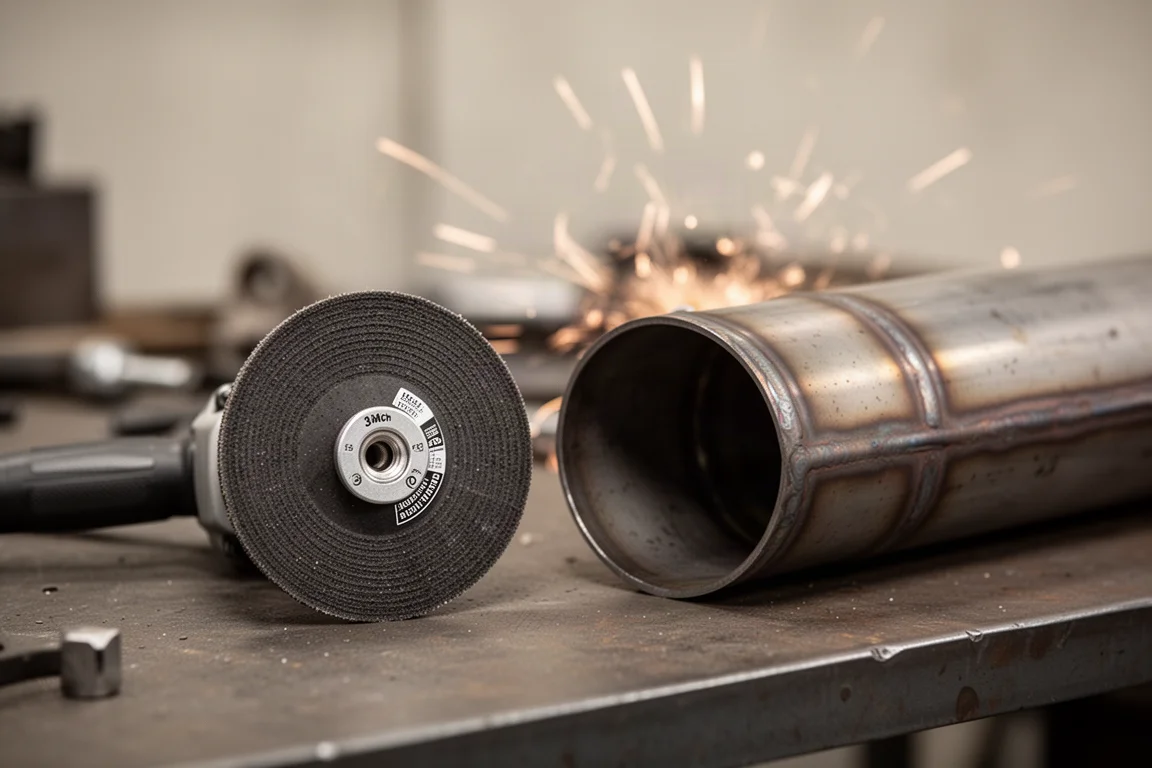
It is not a lot to go on in the battery category, though the Milwaukee’s motor housing hints at being something bigger than what was found in that brand’s die grinders for less money, which would be welcome if true. One clear advantage shared by many cordless offerings is forward and reverse, which lets you throw sparks away from the car instead of toward sensitive things like electronics, glass, or interior trim.
Milwaukee 2522 M12: The Compact Cordless
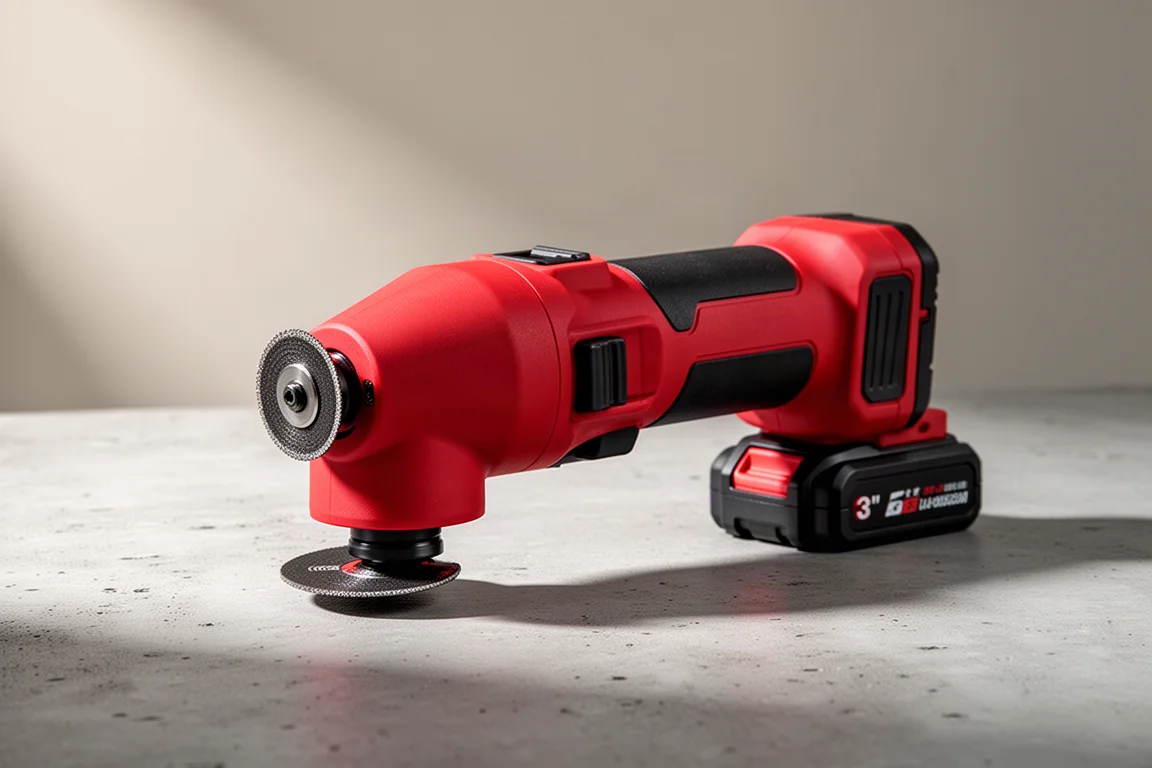
The Milwaukee 2522 M12 cordless cut-off tool retails for $149, though sales often change that figure. It supports both forward and reverse rotation, and its compact form makes it genuinely easy to maneuver in tight spots. On the dynamometer with the small CP 2.0 battery, it managed around 14,300 RPM at a 130-watt load, holding roughly 170 watts sustained and peaking near 180 watts, which works out to about 0.24 horsepower.
Swap to the XC 6.0 battery and the picture improves substantially: RPM at 130 watts of load jumped roughly 1,500 higher, and the tool held 220 watts sustained with peaks around 230 watts, about 0.31 horsepower. That is on par with, or slightly above, what a typical one-third horsepower air tool delivers on the same test setup, and well above the M12 die grinders previously tested. With the XC 6.0 fitted, though, it is no longer the tiny tool it appears to be.
Size and Volume: Measured by Water Displacement
To compare overall footprint fairly, each tool was ranked by volume, measured by dunking them in water to see how much space the tool actually takes up. The M12 came in at 700 milliliters, or 775 with the XC 6.0 battery. The Astro Onyx 209 air tool, being an inline design, is inherently smaller at just 450 milliliters.
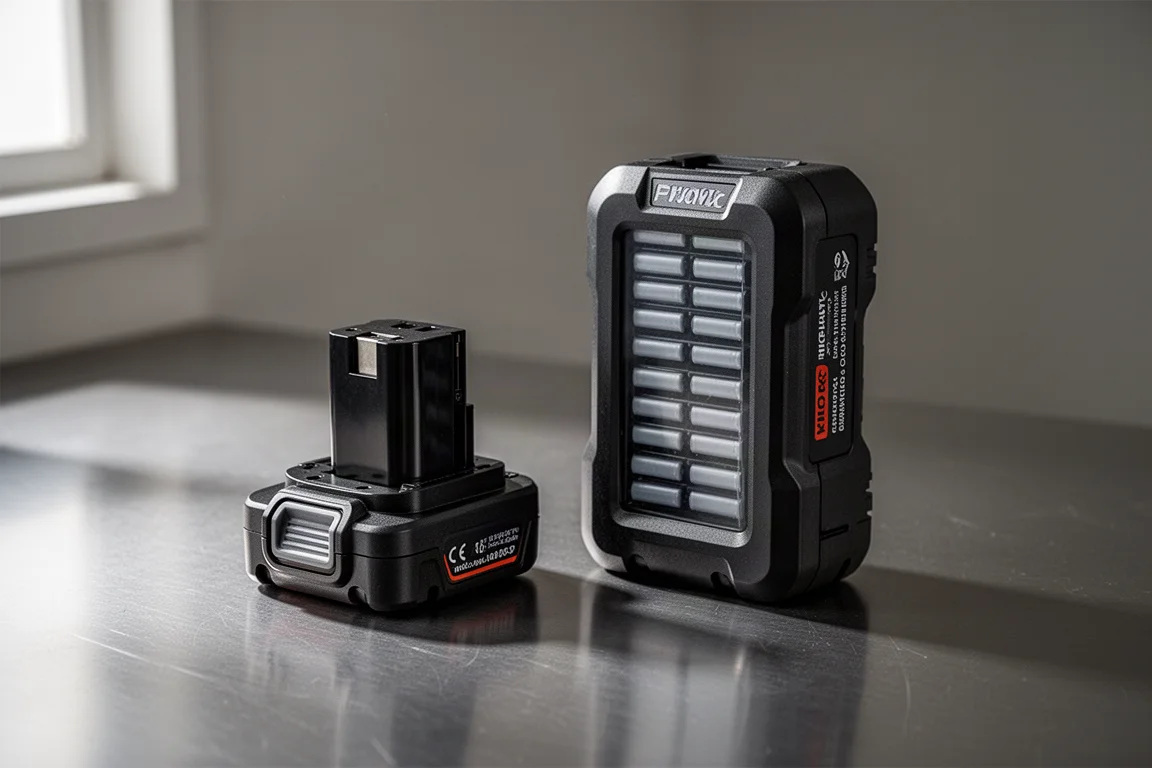
The DeWalt is where things get interesting. With its compact PowerStack battery, the DCS438 shrinks to a size remarkably close to an M12 running a 4.0 to 6.0 amp-hour pack, closing most of the size gap that would otherwise justify limiting yourself to 12 volts. Add a larger pack with 21700 cells, like a 6.0 amp-hour XR battery, and the tool’s displacement balloons to about 1.2 liters, larger than either competitor by a wide margin.
DeWalt DCS438: The Powerhouse
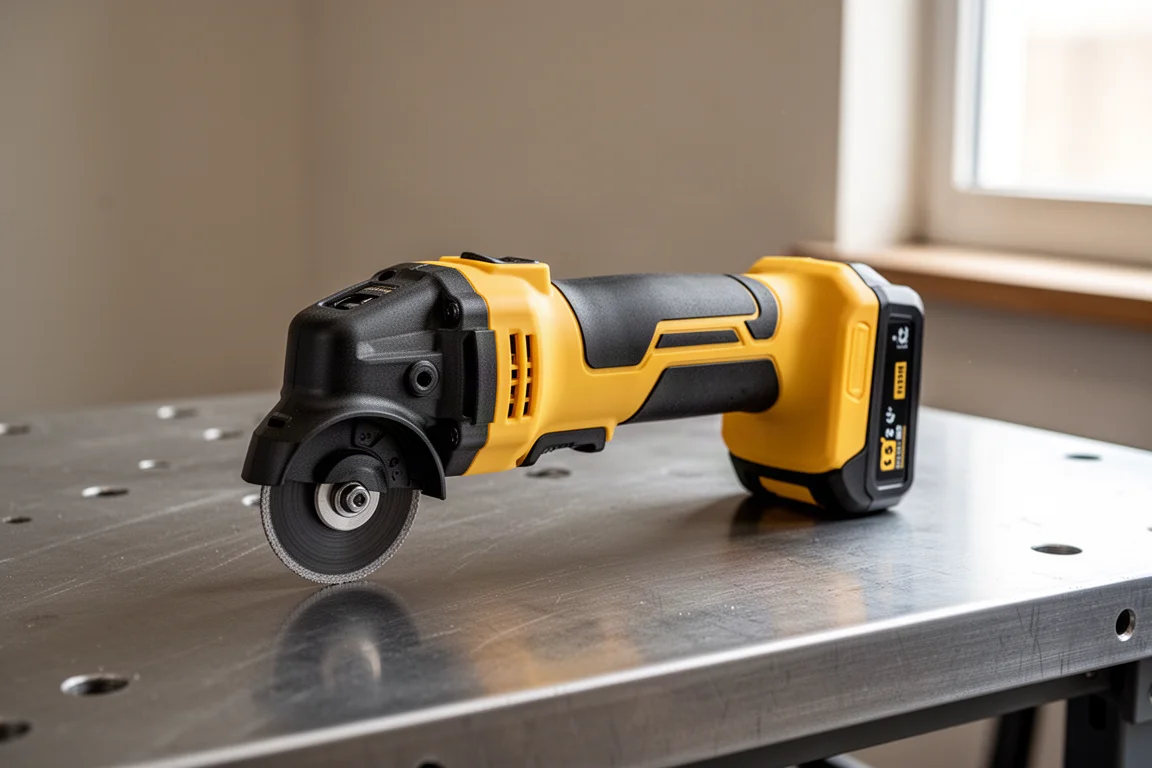
The DeWalt DCS438 retails for $179 and runs on DeWalt’s 20V platform rather than 12V, which some argue makes it impossible to compare against the M12. But unlike impact wrenches, where 12V versus 20VMax often means a visibly different tool size, the DCS438 with compact batteries nearly erases that argument. On the dynamometer it simply out-muscles everything else in this comparison.
With a 4.0 amp-hour compact battery, it posted similar RPM to the M12 with the XC 6.0 at light load, but its weak point only arrived at around 320 watts. With the PowerStack battery, it sustained 360 watts and peaked at 370, roughly half a horsepower flat. The real eye-opener was the 6.0 amp-hour XR pack: 480 watts sustained all day, with peaks around 500 watts before the load testers could slow it down, working out to about 0.67 horsepower. That is an absolute beast compared to other cordless options and most air tools in this class, and it lands close to DeWalt’s own 550-watt rating for the tool.
Astro Onyx 209: The Air-Powered Benchmark
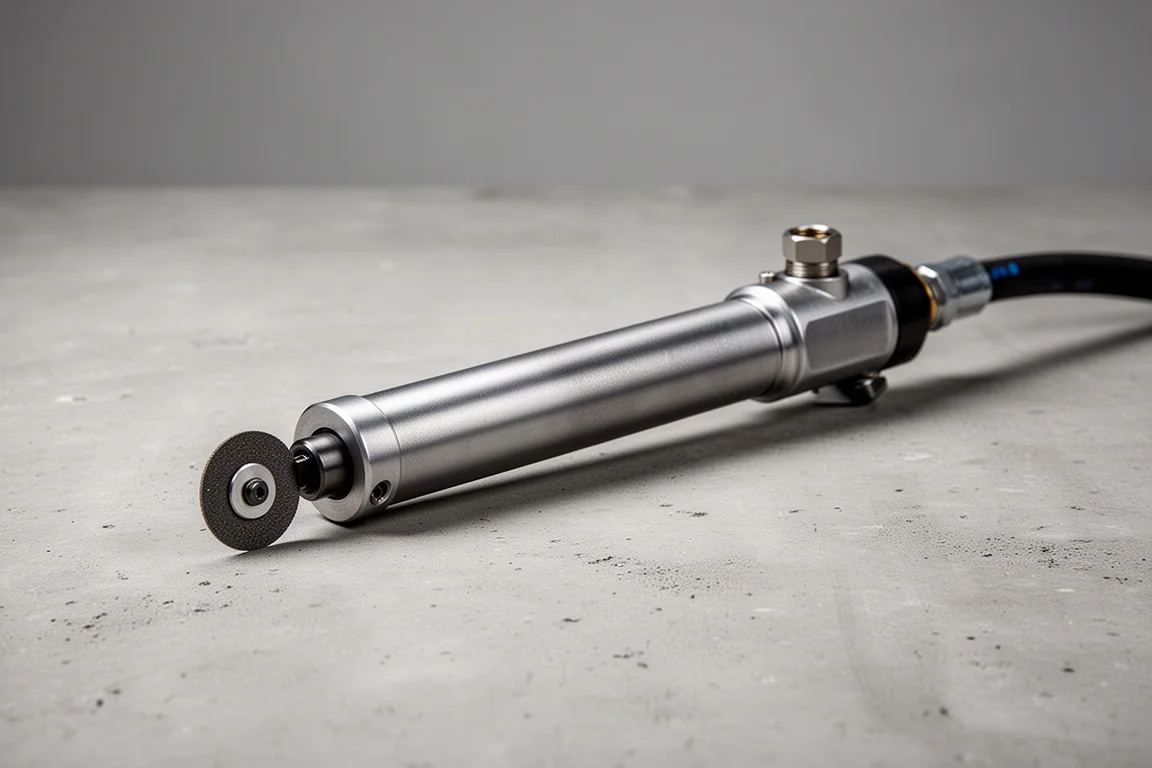
The Astro Onyx 209 is one of the few inline air cut-off tools on the market that lines up cleanly against these cordless tools. It is rated at half a horsepower, a refreshingly honest figure compared to the vagueness of cordless specs, and on the test setup it delivered almost exactly that.
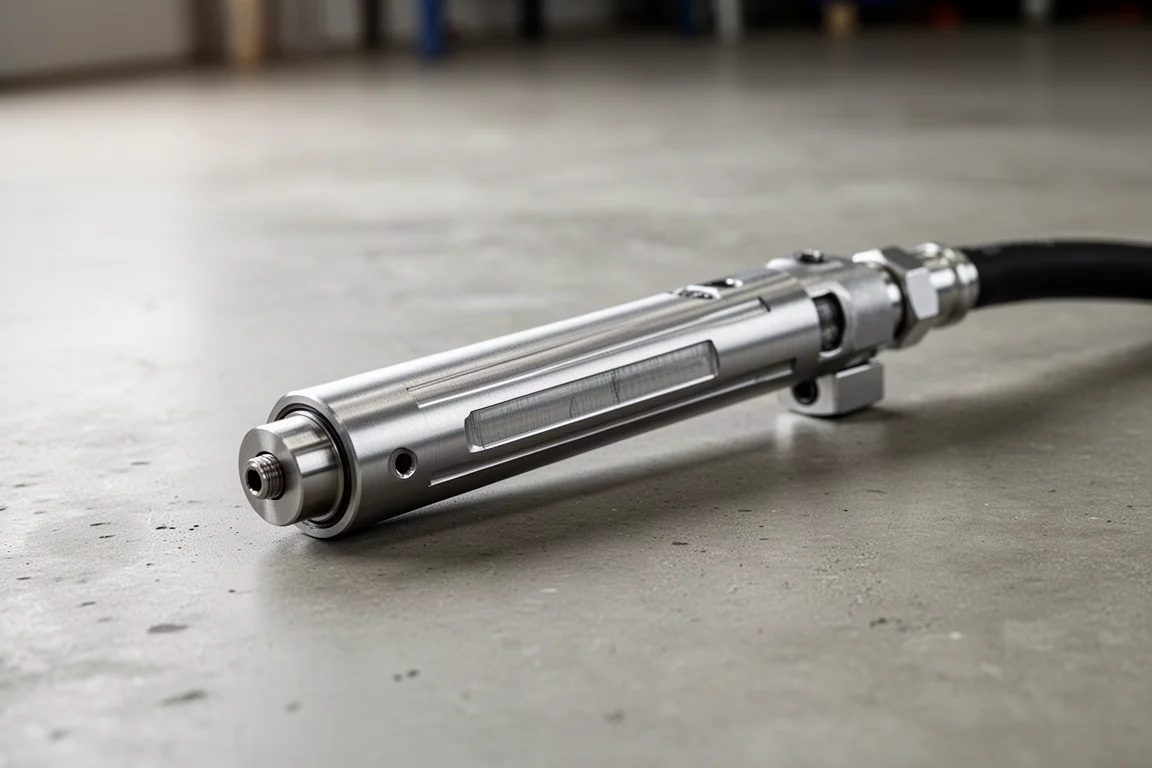
At a 130-watt load it spun just over 17,000 RPM, notably faster than either cordless tool at the same load, which matters if cutting speed under load rather than maximum grunt is your priority. It held 320 watts sustained, peaked at 340 watts, and produced 0.46 horsepower, close to its half-horsepower rating. Some small parasitic loss from fan cooling on the test rig may affect the cordless ratings too, but the tool comfortably lived up to its spec. If raw sustained power per unit of size is the goal, it is still a genuinely hard package to beat.
Overall Buying Advice
The headline finding is that there is roughly a 200 percent power difference between the two cordless tools in this comparison, and it is not simply because one runs two-thirds more voltage. Higher-voltage tools do not always make proportionally more power, so voltage alone should never be your buying criterion. On the dynamometer rankings, the air tool still leads on sustained power relative to its tiny 450 ml volume, and it spins faster under load than either cordless option.
If you already own DeWalt 20V batteries, especially a 6.0 amp-hour pack, the DCS438 is a phenomenal performer that embarrasses most of the category. If you value compactness and already run M12 tools, the Milwaukee 2522 is a legitimately useful, one-third-horsepower-class tool that just needs the right battery to shine. And if you have compressed air available, the Astro Onyx 209 remains the value pick: small, fast, and honest about its power. If you find the tool rapidly slowing down in use, you have already reached its power limit, so buy for the workload you actually do.
Conclusion
All three of these 3-inch cut-off tools are competent, but they serve different buyers. The Milwaukee 2522 is the compact everyday option that scales with battery choice. The DeWalt DCS438 is the outright power leader, particularly with larger batteries. The Astro Onyx 209 is the smallest and fastest under load, as long as you have an air compressor. Match the tool to your power source and your typical cutting jobs, and any of the three can be the right choice.
Further reading
Related Reviews
Power Tools
Best 1-Inch Pistol Impact Wrenches: Three Heavy-Duty Options Compared
We compare three 1-inch pistol impact wrenches, from a budget-friendly Harbor Freight model to a premium Caterpillar unit, to help you choose the right one.
Power Tools
Best 3/4-Inch Impact Wrenches 2026: Five Contenders Compared
We compare five 3/4-inch impact wrenches across price and performance, from a budget Amazon option to Snap-on's most powerful model yet.
Power Tools
Best Budget Cordless Tools 2026: Walmart Finds That Punch Above Their Price
We tested five cordless tools from Walmart, including a high-torque impact wrench that trades blows with Milwaukee and a $35 duster that outperforms its price class.