Power Tools
Cordless Power Tool Brands to Think Twice About Before You Buy In
Cordless tools lock you into a battery system, so picking the wrong brand costs more than one bad purchase. Here are the brands worth skipping, plus a few to research carefully.
Introduction
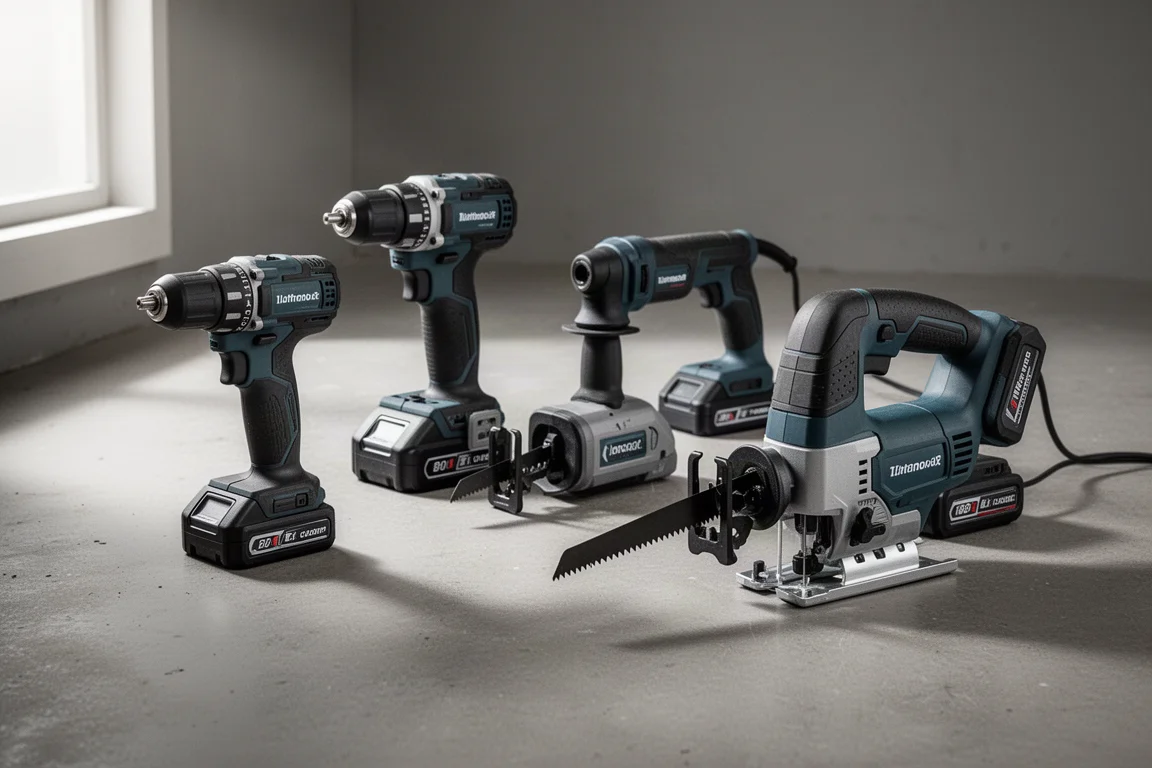
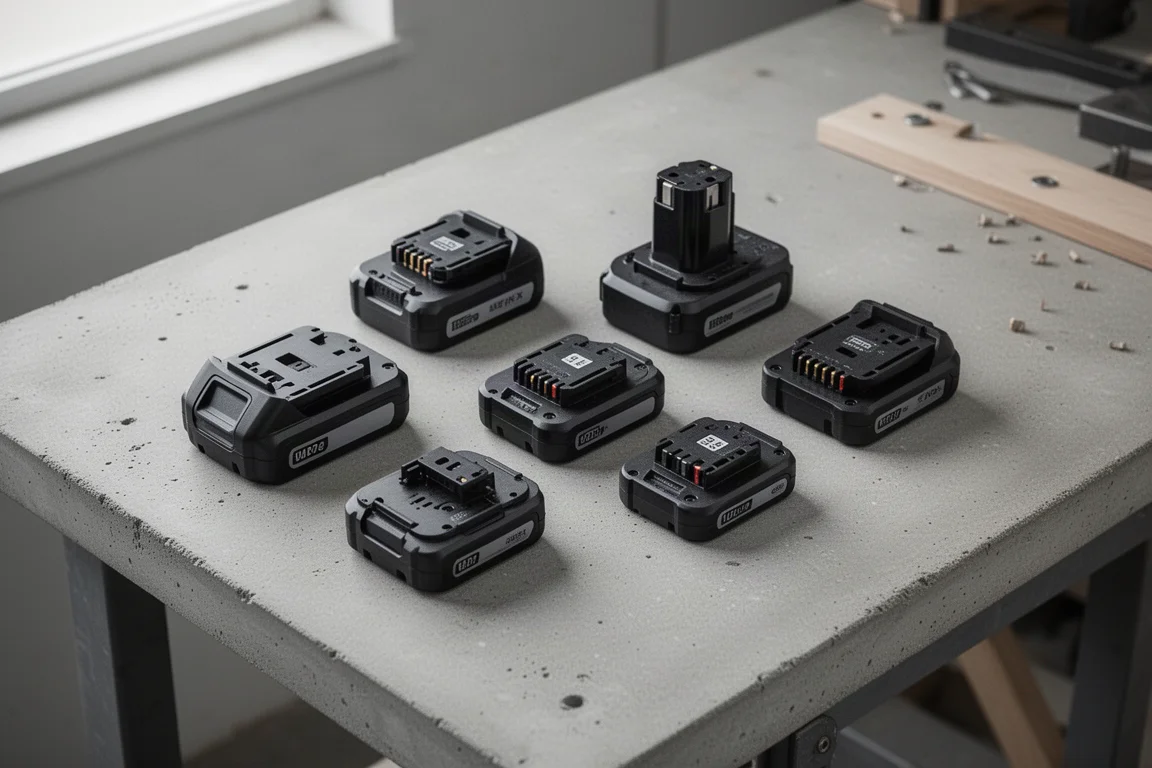
Buying cordless power tools is a bigger commitment than buying corded tools, because you are really buying into a battery platform. Once you own two or three batteries and a charger, switching brands means starting the investment over, so the brand you pick matters as much as the tool itself.
The good news is that this is a golden age for tool buyers. Plenty of brands are delivering serious performance at reasonable prices. The bad news is that a few brands, including some famous ones, are still poor fits for most retail buyers. This guide walks through the ones worth skipping, why they fall short, and a couple of lines that deserve a closer look before you commit.
Premium Brands Priced for Corporate Buyers
Bosch 18V Tools
The Bosch 18V system is genuinely excellent hardware, and nobody argues otherwise. The problem is that Bosch does not really serve people who buy at retail. Deals are hard to find, hands-on experience with the tools is limited, and the lineup is aimed at large corporate customers and heavy-duty construction work. For the vast majority of DIYers and everyday pros, the fit is simply wrong.
The much-discussed open battery initiative, where other companies can build tools on Bosch battery systems, sounds promising but has not translated into anything meaningful for North American shoppers. Nearly all of the participating companies are Europe-based, with only Husqvarna and the paint-sprayer-only Wagner available in the US.
Hilti
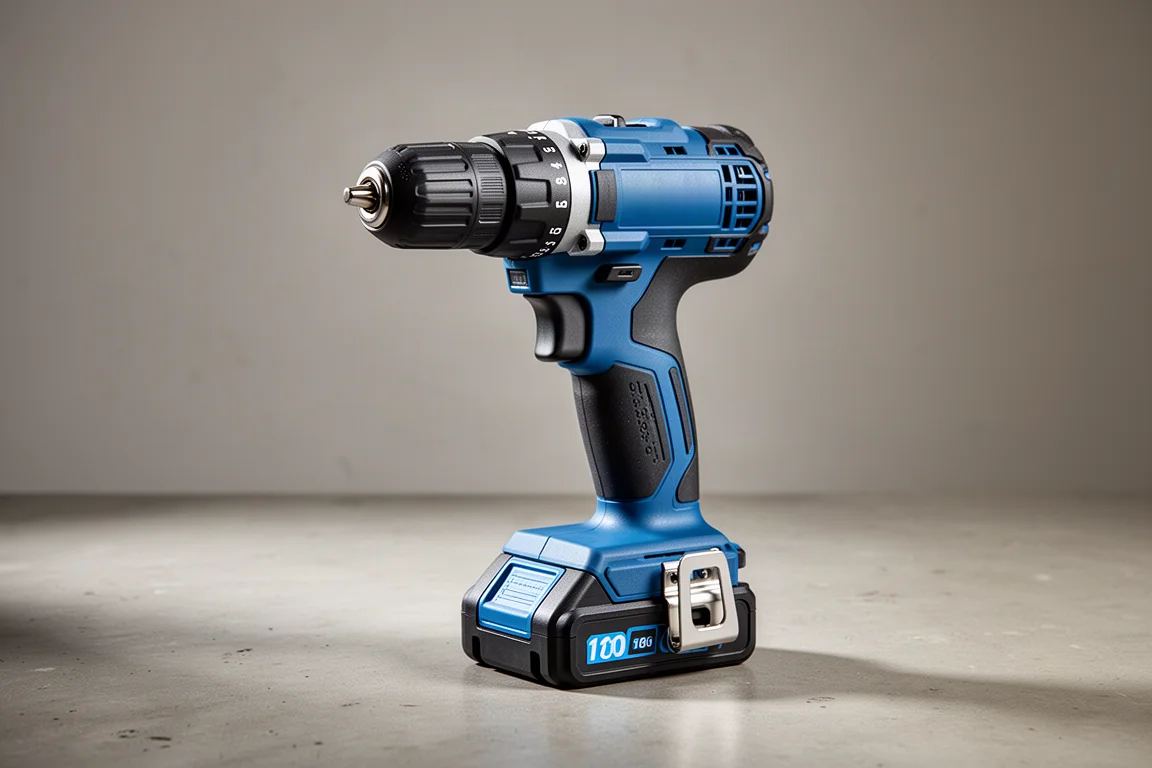
Hilti makes fantastic tools for high-end concrete and industrial construction, but the people who actually buy them have corporate purchasing behind them. Anyone can walk into a Hilti store, but the prices are quoted as weekly rentals because the tool itself is only part of the deal; you are buying into a whole service ecosystem built around fleet purchases.
For a DIYer or even a typical professional, it is like driving a supercar to the grocery store. It works, but far more affordable tools will get the same job done.
Festool
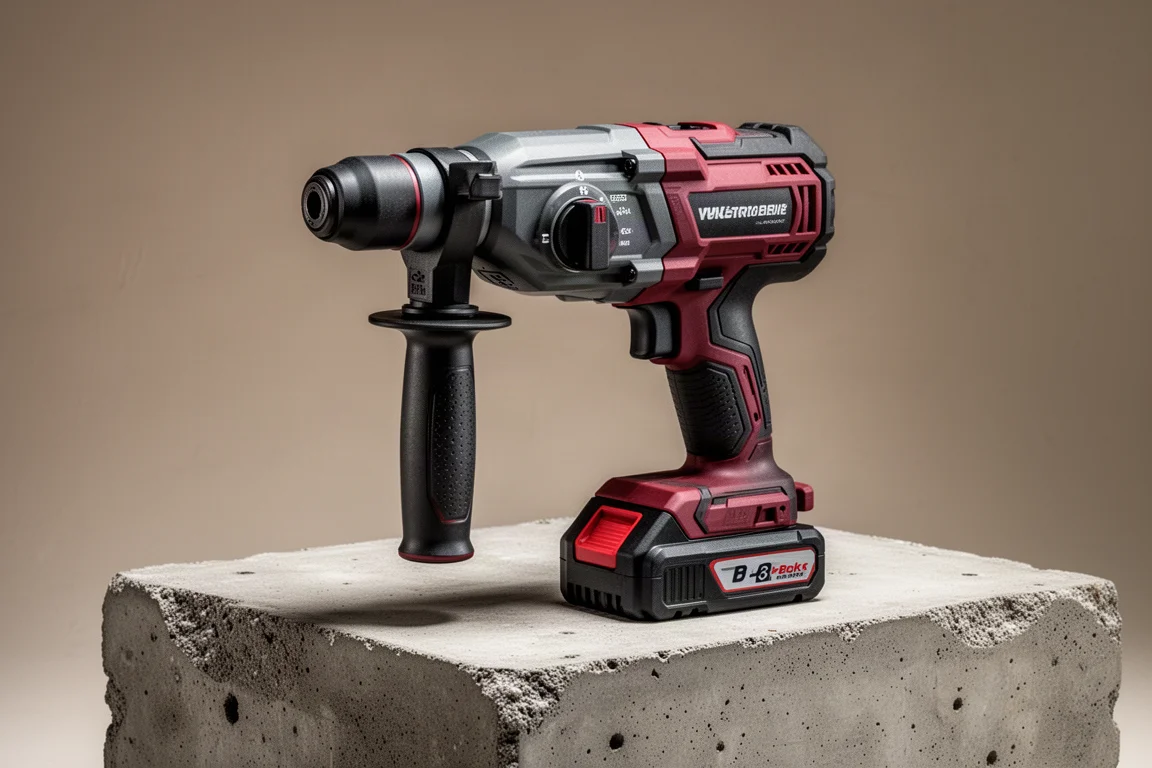
Festool is built for high-end woodworkers, cabinet makers, and mobile custom installers, and for that crowd it is the gold standard. The Systainer storage system and modular ecosystem are genuinely well designed, and the tools themselves are superb.
For everyone else, it is overkill. A general contractor or weekend builder does not need a precision-grade, premium-priced ecosystem to drive nails or frame a deck, and the price premium is hard to justify outside that niche.
Snap-on
Snap-on serves the high-end professional mechanic, and for those buyers it makes sense. For the average shopper, even a serious enthusiast, the cost does not line up with what you get. Brands like DeWalt and Milwaukee deliver comparable performance for far less money, and Snap-on has been losing ground to them in recent years as younger technicians increasingly opt out of the traditional truck-based sales model.
Abandoned and Neglected Brands
Porter Cable
Porter Cable used to be a five-star brand, and its corded tools, especially its routers, were among the best in the business. Then Stanley Black & Decker repositioned it to compete against Ridgid and effectively stopped supporting it. The brand has not released meaningful new cordless tools in years, its last major additions came roughly two and a half years ago, and its social presence has gone quiet.
It has also been dropped from Lowe’s and now sells mainly through Tractor Supply, with a small shelf of around eight tools, some brushed and some brushless, many of them redundant. The tools are not terrible, but they are not the best either, and the line is clearly abandoned. This is not a system worth buying into.
Ridgid
This one stings because Ridgid tools are genuinely good. The build quality and performance are solid, and plenty of people bought in for the same reason: the lifetime service agreement. But the real-world picture has cracks.
Ridgid is sold only through Home Depot at retail, with roughly 37 in-store tool options. Meanwhile, Ryobi offers 447 tools in store, backwards compatibility with decades of old blue batteries, and lower prices. If performance matters more to you than price, Milwaukee is not that much more expensive. The middle ground Ridgid occupies is hard to defend.
Then there is the lifetime service agreement itself. It is technically a service agreement, not a legally defined warranty, which means the company writes the rules. Experiences reported by long-time Ridgid owners have been mixed: roughly half of the cases reviewed went smoothly, with tools returned after a couple of weeks, while the other half were denied outright, often with vague claims of abuse that did not match reality. For a brand whose main hook is that agreement, that is a real risk to weigh.
Black & Decker Matrix
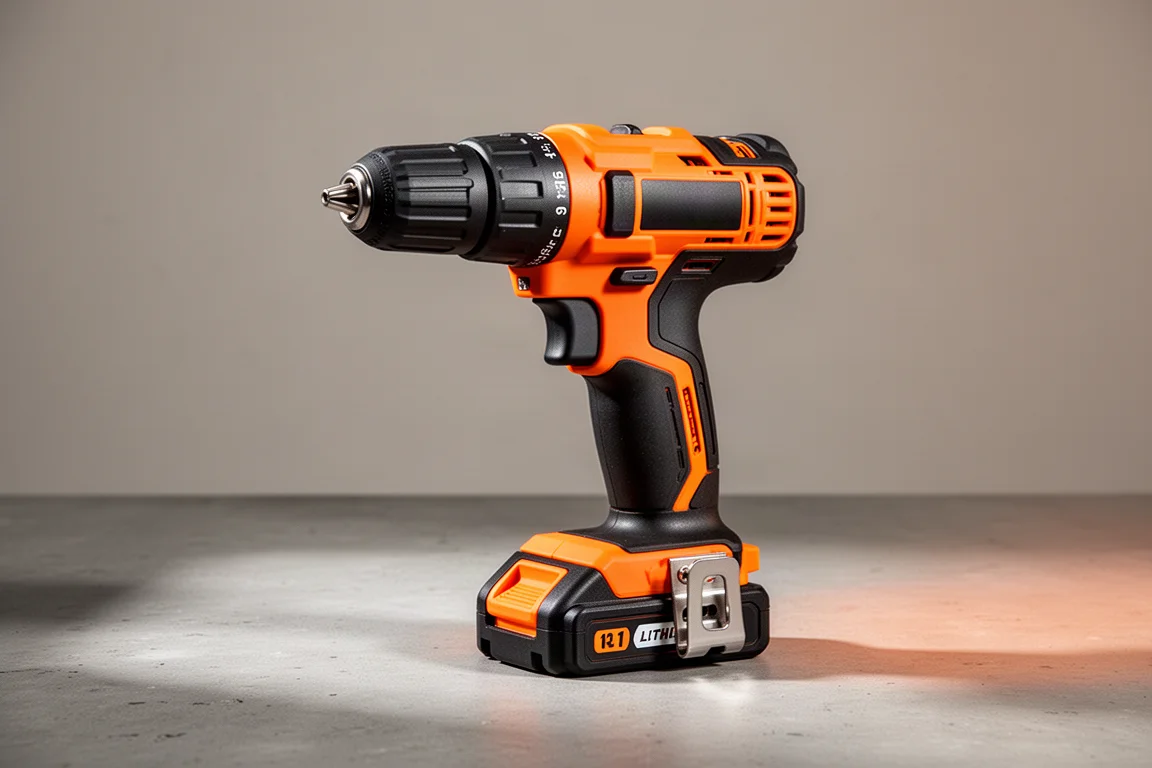
Black & Decker is another Stanley Black & Decker brand left to wither. The tools have all but disappeared from Lowe’s and Walmart, and it has been hard to spot the brand at retail for a long time. The Matrix combo system is a mildly interesting oddity that goes on sale periodically, and the brand’s cocktail mixer has become a hot item, but neither is a reason to invest in the battery platform.
With so many stronger alternatives available at similar prices, there is little practical case for buying into Black & Decker cordless today.
Budget Lines That Go Nowhere
Harbor Freight Warrior
Harbor Freight is beloved, and its Hercules and Bauer lines deserve the praise they get. The Warrior cordless line, however, is stuck in place. The tools are all brushed, the charger plugs directly into the battery rather than letting you click the pack in and walk away, and the range tops out at a drill driver, jigsaw, impact driver, reciprocating saw, and flashlight.
The starter pack is not bad for the money, but the line never expanded, so there is nowhere to grow. If you want a true budget entry point, HyperTough at Walmart was refreshed a few years ago and offers at least as much quality with a larger tool selection.
Random Amazon Brands
Amazon is full of one-off tool brands, often white-labeled from the same original equipment manufacturers, where the branding on the box literally reads “cordless drill”. A $40 drill with a 10 percent coupon can be a perfectly usable one-time purchase, but building a battery system around these brands is a gamble, because many of them disappear as quickly as they appeared.
Kimo
Kimo pushed hard into the influencer market a few years ago, sending free tools to almost anyone who would take them, and the results were inconsistent: one reviewer found the first tool impressive and the next one garbage. More concerning, the company reportedly pressured creators to remove critical videos and sought agreements promising no negative coverage.
On top of that, the 20V line never expanded into a full range; it includes a couple of impact wrenches, a nailer, a buffer, a ratchet, and a one-handed recip saw, and that is about it. Between the thin lineup and the questions around review integrity, the warranty is hard to trust.
That reputation matters more than any single spec. When a company cares more about controlling the message than standing behind the product, long-term support is the first thing to suffer.
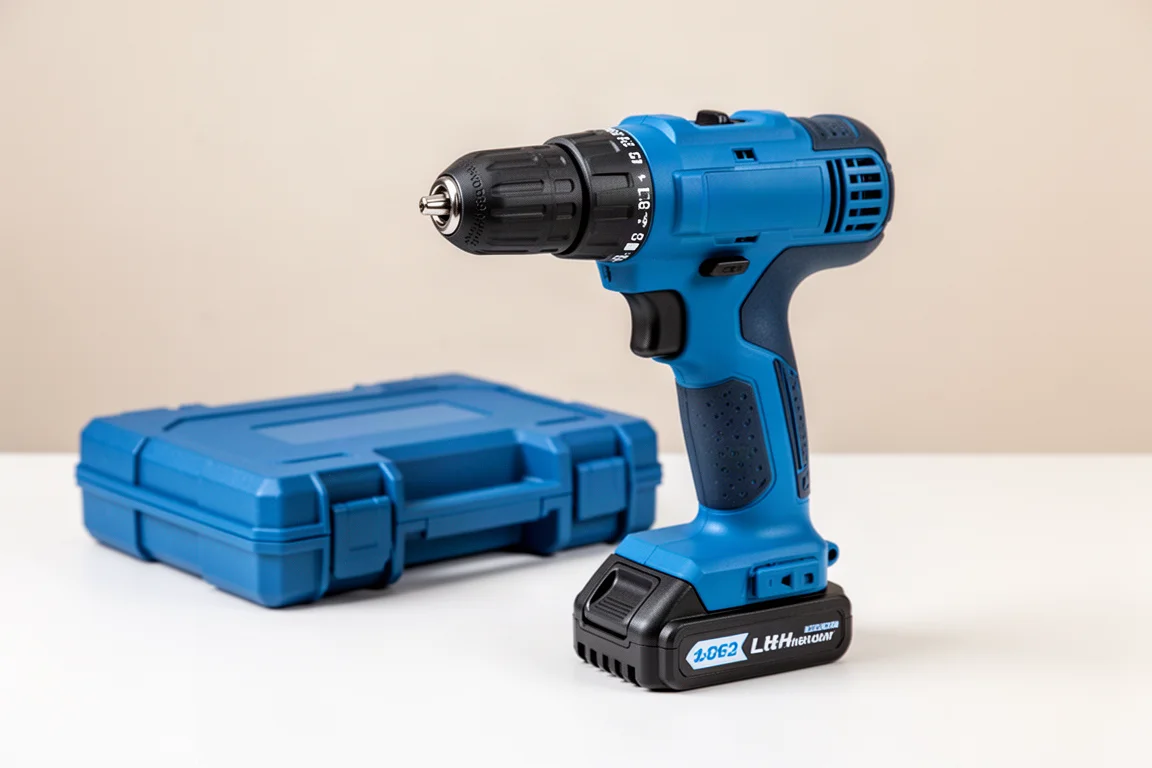
Lelli
Lelli’s tools raised eyebrows when they turned out to be identical to Harbor Freight’s discontinued 40V Lynx outdoor equipment line, right down to the batteries, which physically slid into Lynx tools and ran them. When that was demonstrated publicly, the company first asked for the video to be removed and then resorted to legal threats.
That behavior alone is disqualifying for most buyers. There is nothing wrong with OEM manufacturing, but a company that harasses people over honest reporting about its products is not one worth building a battery investment around.
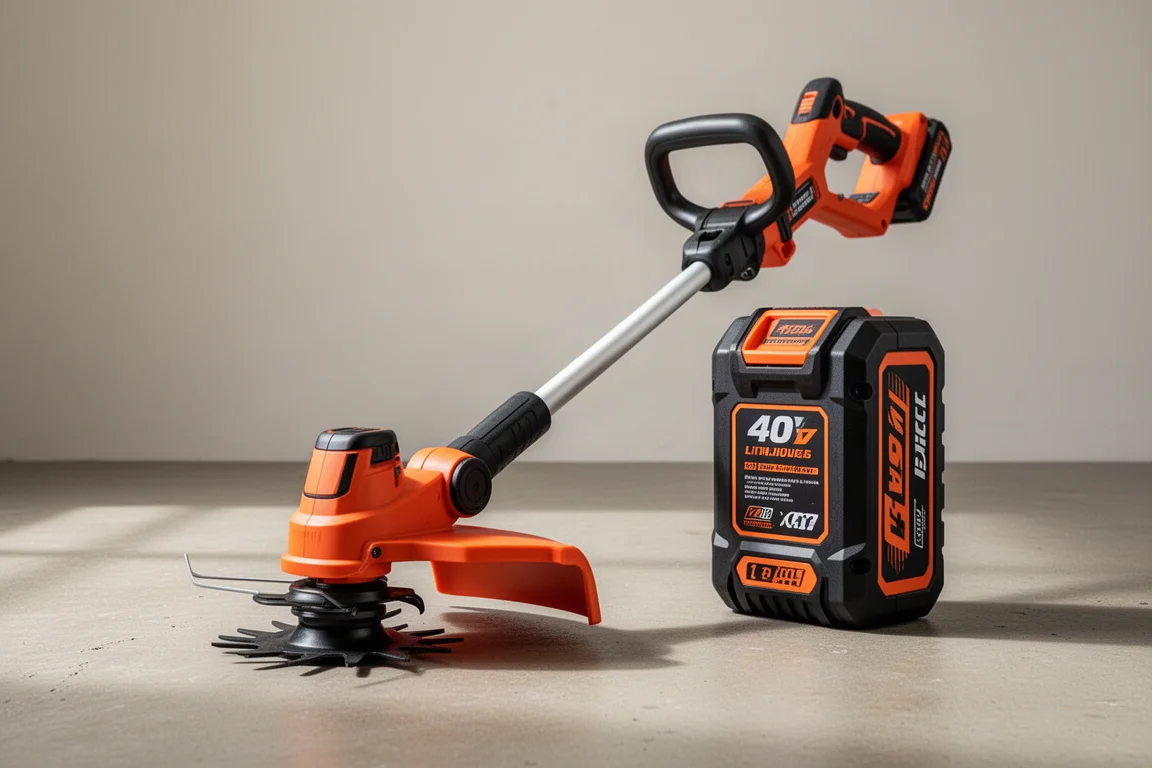
HiCHICA
HiCHICA reportedly opened conversations with a simple condition: review the tools, but say nothing negative. That is an immediate red flag, and the brand has earned no coverage as a result. These alphabet-soup Amazon brands come and go so quickly that long-term battery and parts support is doubtful at best.
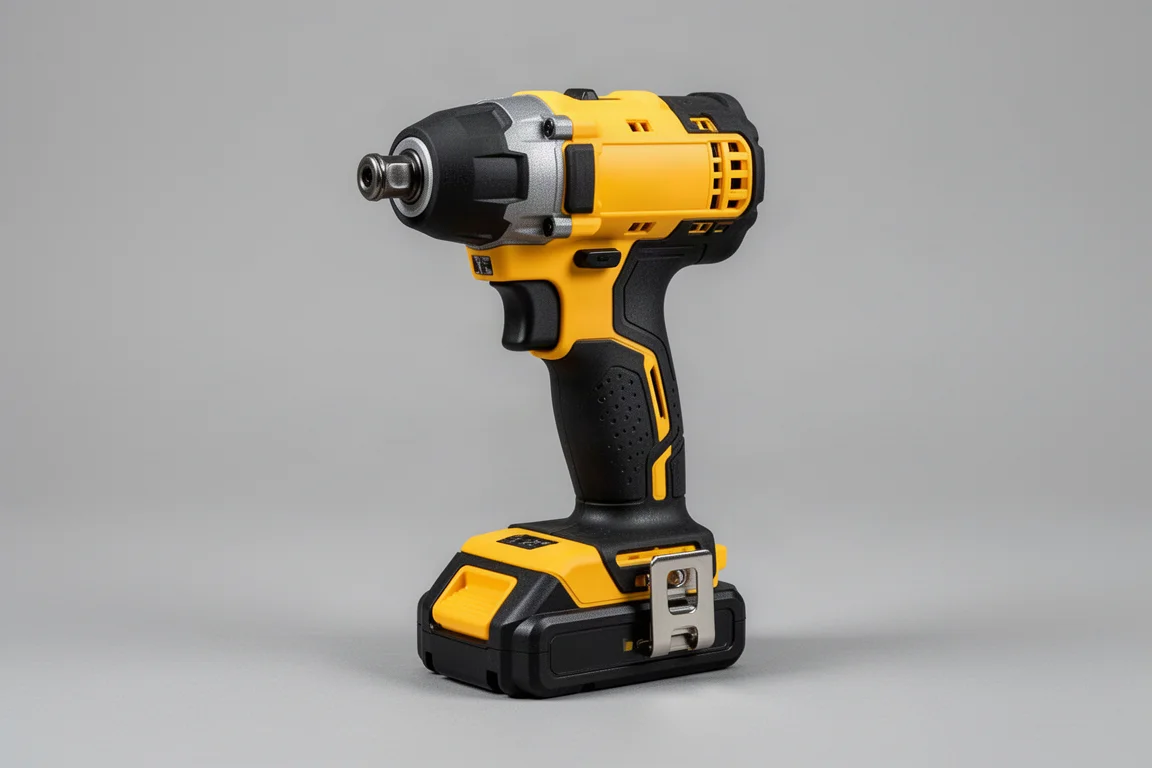
Einhell
Einhell is the exception in this section. Behind the unfamiliar Amazon listing is an established European prosumer brand that partnered with Snow Joe for a while before moving to Amazon directly. The tools are best described as high-end DIY rather than true prosumer: weekend warrior and homeowner grade, with decent build quality.
The catch is timing. Deals come and go, so patience pays off. If you catch a good discount on a tool you actually need, Einhell is a reasonable budget pick.
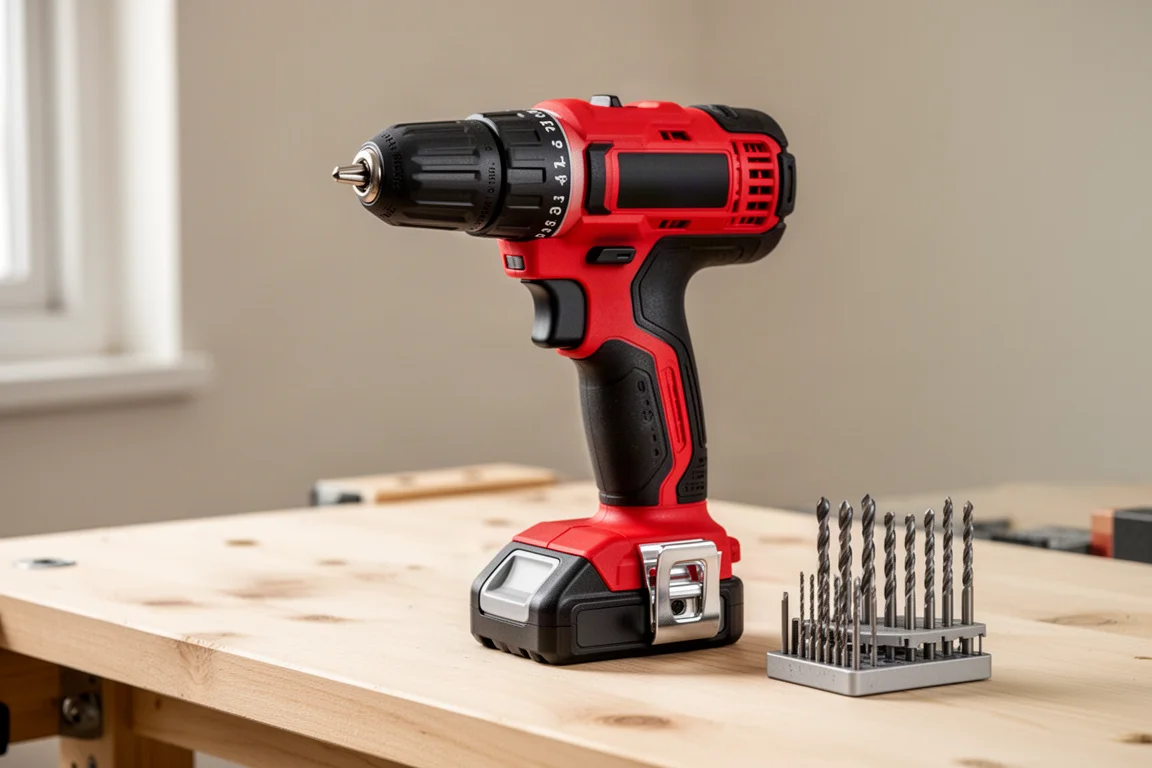
DCK 20V Brushless Drill
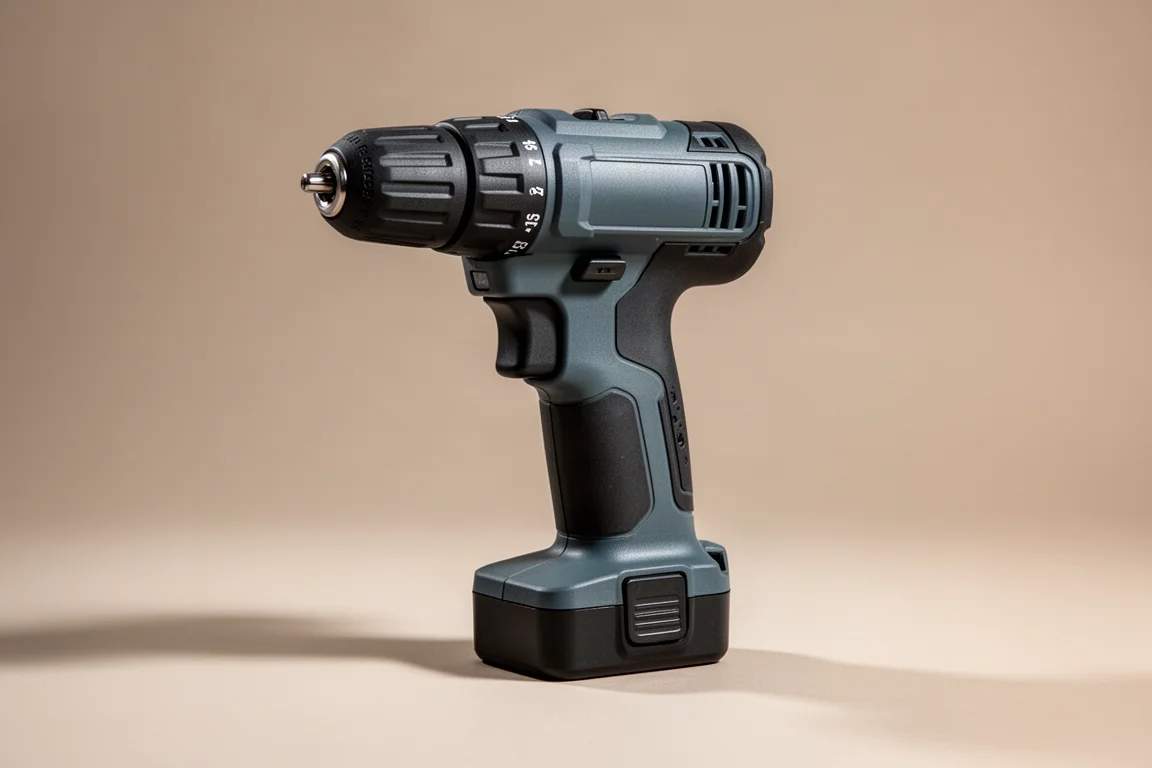
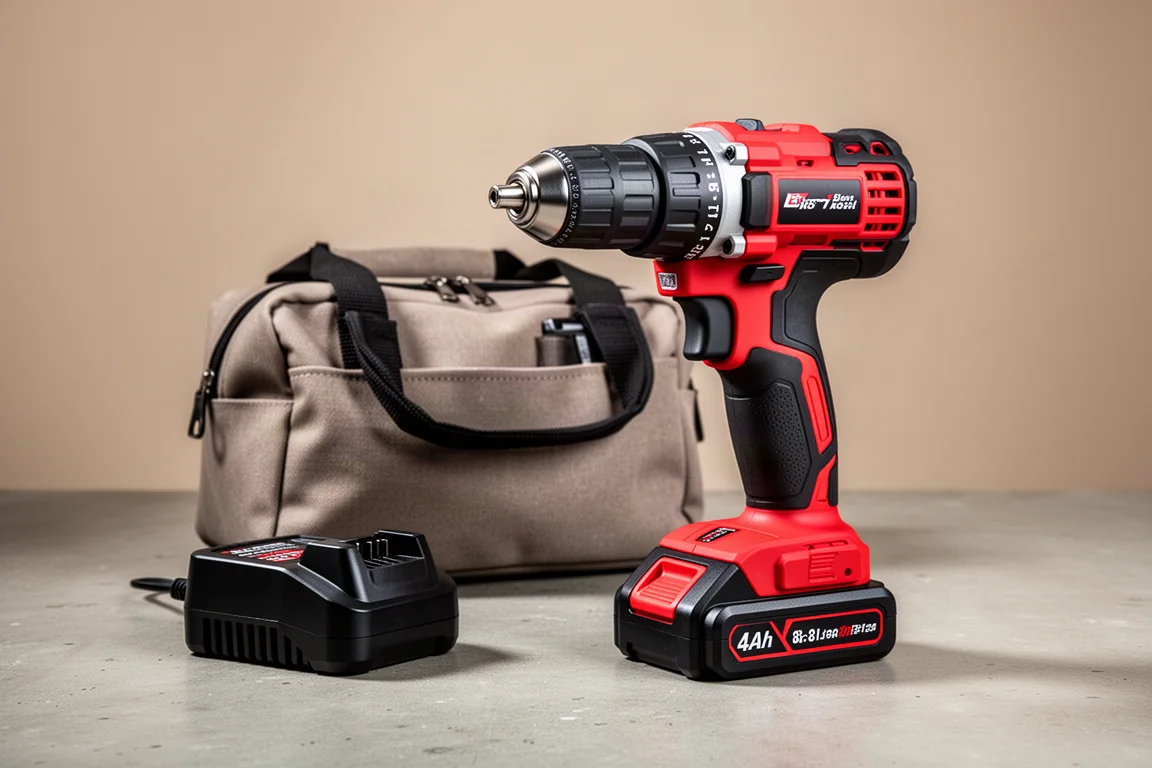
DCK, from the Chinese tool group of the same name, is better than its generic Amazon listing suggests. The 20V brushless drill features a full metal chuck, comes with a base-station-style charger, a decent bag, and a 4Ah battery, and has sold for around $60, sometimes as low as $40 with a 10 percent coupon.
The limitation is the ecosystem: there is not a full line of tools behind it. As a one-off purchase, a loaner for the brother-in-law, or a go-bag tool you do not mind abusing, it is a surprisingly solid value.
Brands to Research Before Committing
Metabo HPT
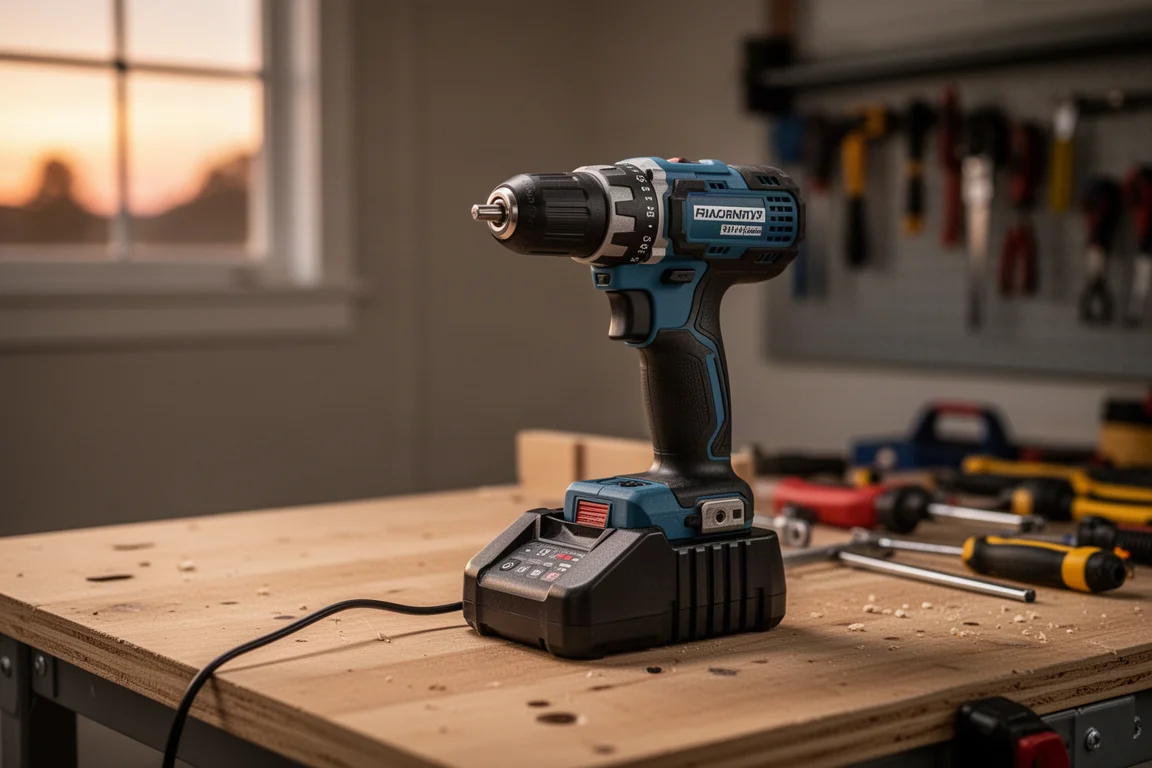
This one hurts, because Metabo HPT was long the best bang-for-the-buck pick for drill drivers: a brushless drill with a 4Ah battery and charger for under $100, backed by a lifetime warranty. The heritage is real too; the brand was Hitachi before Metabo acquired it, and the tools remain excellent value-grade professional options.
The concern is availability. Lowe’s has been clearing the line off its shelves, and the company has not answered questions about the brand’s future there. If Lowe’s drops it entirely, Metabo HPT becomes online-only, and the brand could eventually be folded away. Nothing here says do not buy; it says do your research and know what you are buying into.
Craftsman V20 Brushless
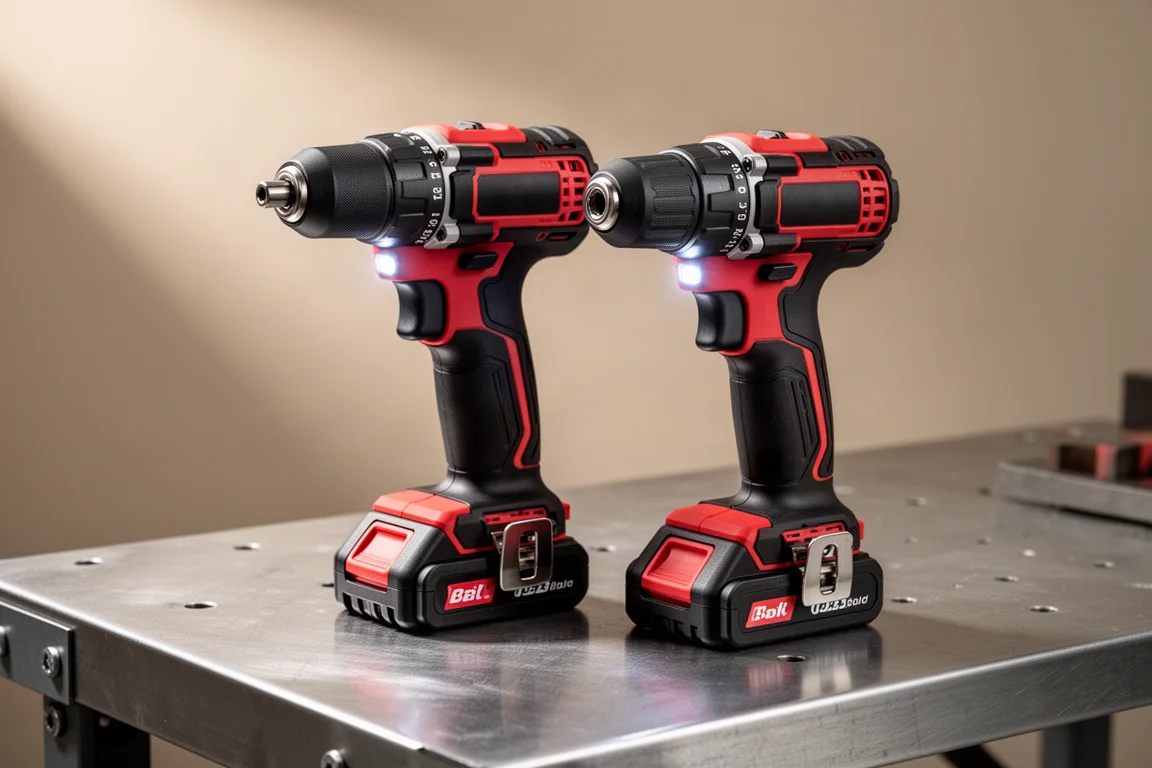
Craftsman is Stanley Black & Decker’s new golden child after Porter Cable, bought for a reported $900 million, so the brand is unlikely to be abandoned soon. The brushed V20 tools, however, have been consistently disappointing for their price, with expensive batteries and chargers that make the entry cost hard to justify.
The reworked brushless V20 line is a different story. It has been coming within spitting distance of its big brother DeWalt, often looking suspiciously like DeWalt tools painted red, at Craftsman prices. For DIYers, prosumers, and value-focused pros, the brushless V20 line is worth a look; the brushed stuff is not.
Overall Buying Advice
The pattern across this list is simple. Skip premium brands built for corporate fleets if you shop at retail, skip brands that have been abandoned by their owners, and be extremely careful with unknown Amazon brands that have no track record. Invest your battery money in a brand with a broad, actively supported tool lineup.
If you have special needs, like industrial concrete work or high-end cabinetry, the premium exclusions do not apply to you. For the other 99 percent of buyers, matching the brand to how you actually shop and work is the single most important decision.
Conclusion
Cordless tools are a platform decision, not just a tool purchase. Avoid brands that ignore retail buyers, brands their owners have walked away from, and brands with no track record of standing behind their products. Spend the savings on a system with real depth, and your batteries will keep paying you back for years.
Further reading
Related Reviews
Power Tools
Best 1-Inch Pistol Impact Wrenches: Three Heavy-Duty Options Compared
We compare three 1-inch pistol impact wrenches, from a budget-friendly Harbor Freight model to a premium Caterpillar unit, to help you choose the right one.
Power Tools
Best 3/4-Inch Impact Wrenches 2026: Five Contenders Compared
We compare five 3/4-inch impact wrenches across price and performance, from a budget Amazon option to Snap-on's most powerful model yet.
Power Tools
Best Budget Cordless Tools 2026: Walmart Finds That Punch Above Their Price
We tested five cordless tools from Walmart, including a high-torque impact wrench that trades blows with Milwaukee and a $35 duster that outperforms its price class.