Power Tools
Makita vs Milwaukee Cordless Job Site Blowers: Which One Blows Harder?
Two premium 18V compact blowers go head to head on blow force, noise, weight, filters, and accessories, with a cheap USB-C challenger throwing a spanner in the works.
Introduction
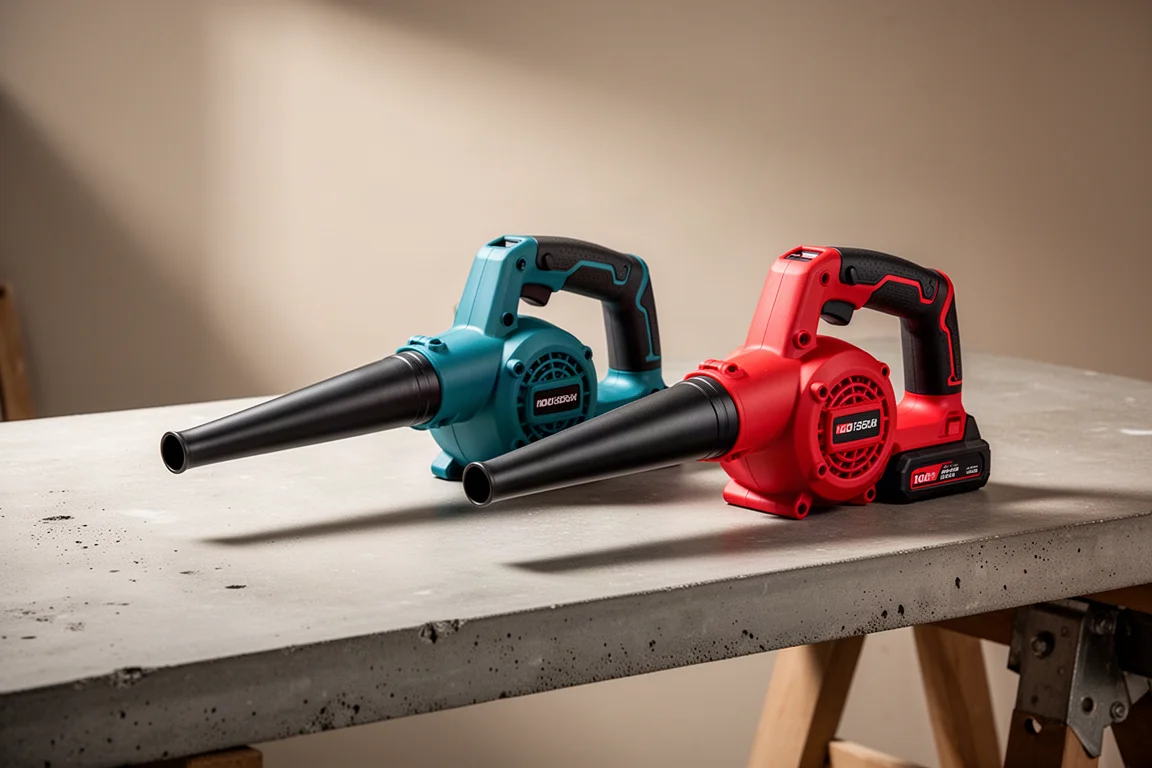
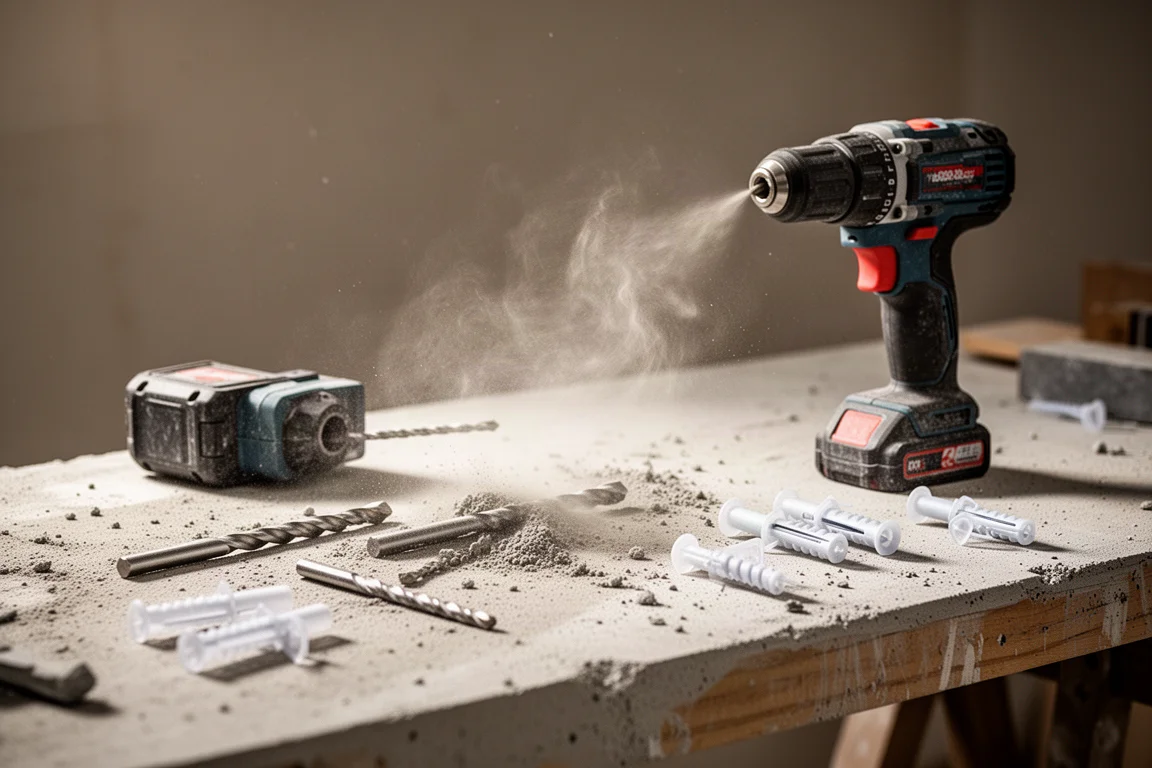
Compact cordless blowers have quietly become one of those tools you reach for constantly once you own one. Blowing out filters, blowing out the car, clearing drilled holes in concrete before setting anchors, and blowing down your tools at the end of the day are all jobs these little units handle brilliantly. The question worth asking is whether the premium brand versions are actually worth their price tags, or whether a budget USB-C unit can do the same job for a fraction of the money.
This comparison covers two established 18V options, the Makita 18V cordless blower and the Milwaukee M18 compact blower, alongside a cheap generic USB-C blower that turned out to be more interesting than expected.
Pricing and What You Get
The Makita is the more affordable of the two big brands to get started with. A kit with the tool, a battery, and a basic slow charger was found for around NZ$441, while the bare tool alone sits around NZ$252 at Bunnings. The Milwaukee is roughly NZ$300 for the bare tool, and a kit could not be found at all, which makes sense since this is really an add-on tool for people who already own batteries and a charger. If you did find a kit, you would be looking at over NZ$500.
That context matters: both of these tools assume you already have a battery platform. If you do not, the whole calculation changes, which is where the budget option enters the picture.
The Budget USB-C Challenger
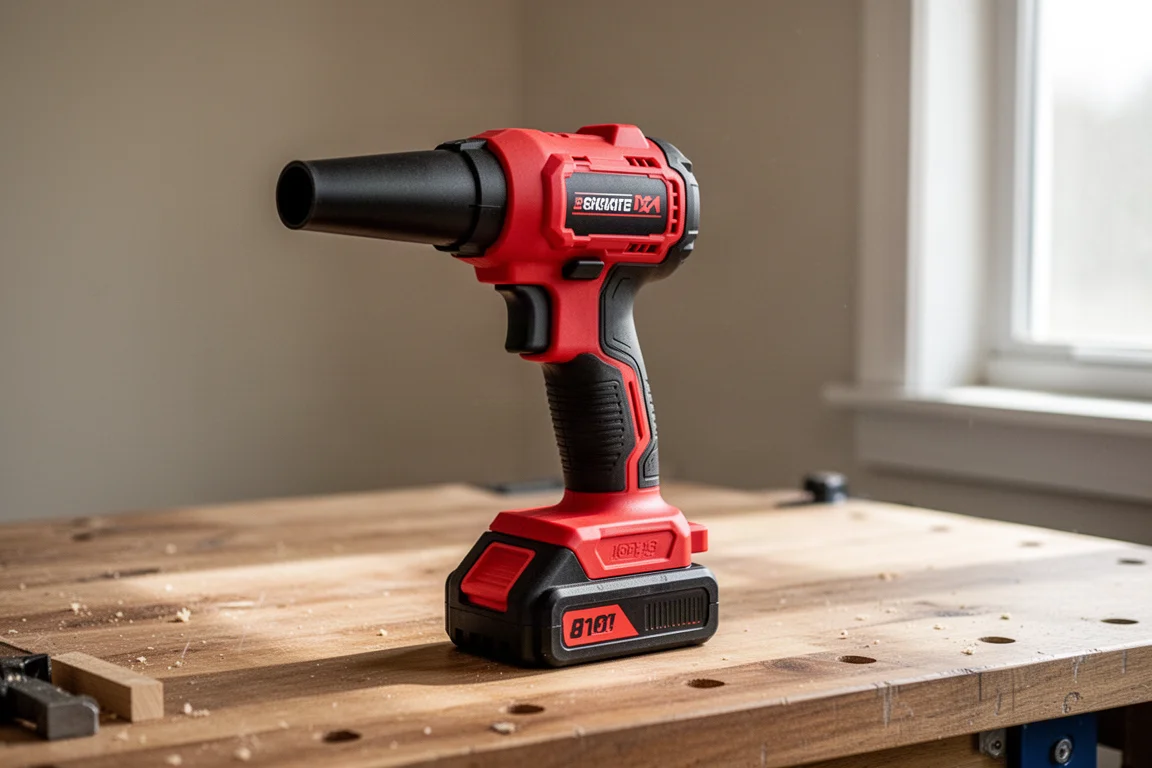
There is a third option that does not need an external battery or a bulky charger at all. It charges over USB-C, costs only NZ$79, and weighs just 663 grams, roughly 23.4 ounces. Inside, it apparently runs five 18650 cells at 2,000mAh each, effectively an 18V 2Ah pack, so run time on full power will be short.
The claimed specs on the listing include “12 G plus super wind pressure”, along with a technical term that does not translate cleanly into English. The marketing aside, the practical story is this: it has five power settings including a top mode the marketing calls “violent mode”, a small built-in light toggled by double-tapping, and an onboard four-light charge indicator with tiny LEDs. It is fiddlier to use than the trigger-based tools, with no trigger and a three-second hold just to power it on. It also has a horribly uncomfortable, barely rounded brick-like body.
Ergonomics and Weight
The Milwaukee ergonomics story is mixed. This particular M18 blower is fine to hold, though many of the brand’s 12V tools have historically been clunky and chunky with sharp edges digging into your hands. They are improving, but the trigger grip here is still far nicer than the budget unit.
In weight terms, with a 5Ah battery fitted, the Milwaukee comes in at just over 1.5kg, roughly 53 to 54 ounces. The Makita with the same 5Ah class of battery is about 25 grams heavier, around 55 ounces. The budget blower, at 663 grams, is dramatically lighter simply because it carries far fewer cells.
Nozzles and Accessories
This is where the premium tools pull away from the budget option. The Makita comes with five different nozzles, including narrow fine-blow attachments and long tubes for blowing out concrete anchor holes, plus options for sucking air out of things. The Milwaukee includes three nozzles in a holder that screws to the wall or attaches magnetically.
The budget blower ships with only two attachments and a short USB-C to USB-C cable, and neither attachment is narrow and precise. If fine, targeted blowing is your main use case, the big brands clearly win on accessories.
Filters and Dust Handling
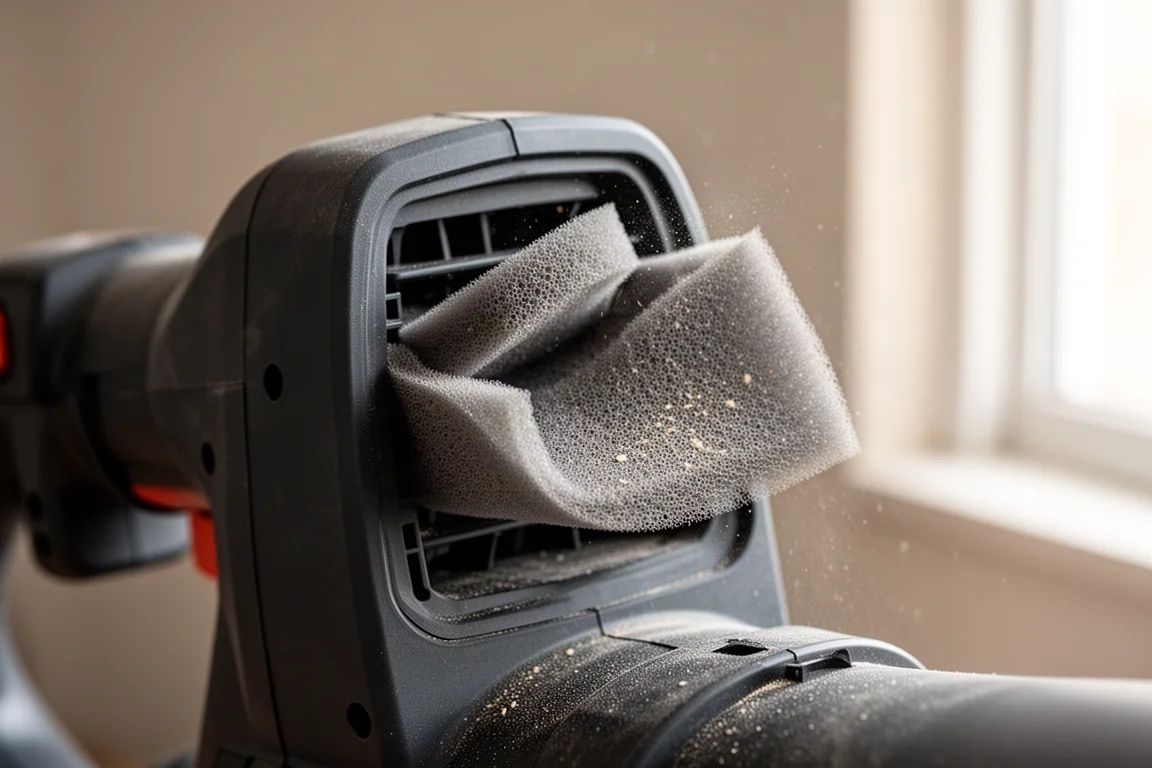
Dust gets inside these blowers even when they have filters, so intake design matters. The Milwaukee comes standard with a HEPA filter, which is a genuine advantage for anyone using the blower around electronics or in very dusty conditions. The Makita does not include a HEPA filter but one is available separately, and the foam filters it ships with clog up quickly in dusty conditions.
The budget unit has no filter at all. You can look straight into the blades, so anything sucked in goes straight through the guts of the blower, and any dust you blow off a computer or similar device gets fired right back at it. That is a real limitation for cleaning work.
Noise Levels
Testing with a decibel meter at about 300mm from the tool head, with nozzles removed, produced some surprises. The Milwaukee registered 87.8dB on top speed. The Makita hit 95.6dB, considerably louder. The budget blower landed in the middle at 93.3dB, though it was the whiniest sounding of the three, and one reading of 97.8dB was recorded when it fell onto the bench. The Makita is the loudest by a considerable margin.
Blow Force Test: What the Scale Says
Blowing straight down at a scale, with no nozzles fitted and filters removed for fairness, the Makita reached around 295 grams of downward pressure. The Milwaukee managed around 304 grams, roughly 10 grams more.
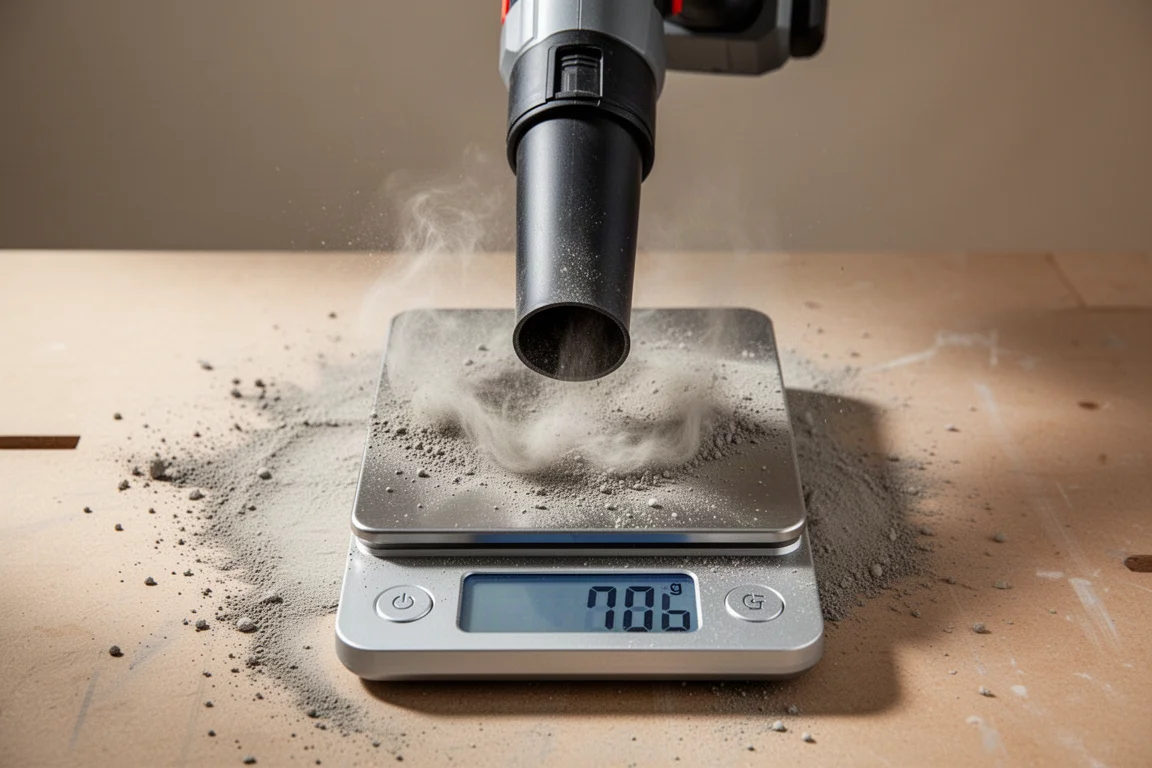
The budget blower then embarrassed both of them, reaching about 850 grams on its top “violent mode” setting from closer range. That comes with a caveat: get the Makita or Milwaukee too close and they actually suck down onto the surface rather than blowing away, while the budget unit pushed back hard with serious back pressure. Testing with a Makita 40V 8Ah tablet battery and a Milwaukee 12Ah Forge battery on the big tools made no difference to the reading, if anything slightly worse.
Everyday Blowing: Clearing Dust in the Real World
In practical use, the pattern held. The budget blower, once its high mode spins up, simply smashes debris off surfaces from a distance. It is arguably too powerful on that setting, but for blowing down tools at the end of the day, nozzle precision and filters stop mattering much. You just stand back and clear everything.
The Makita and Milwaukee still feel more refined in the hand, start instantly with a pull of the trigger, and offer trigger locks, but raw clearing power on the bench is not their home turf anymore.
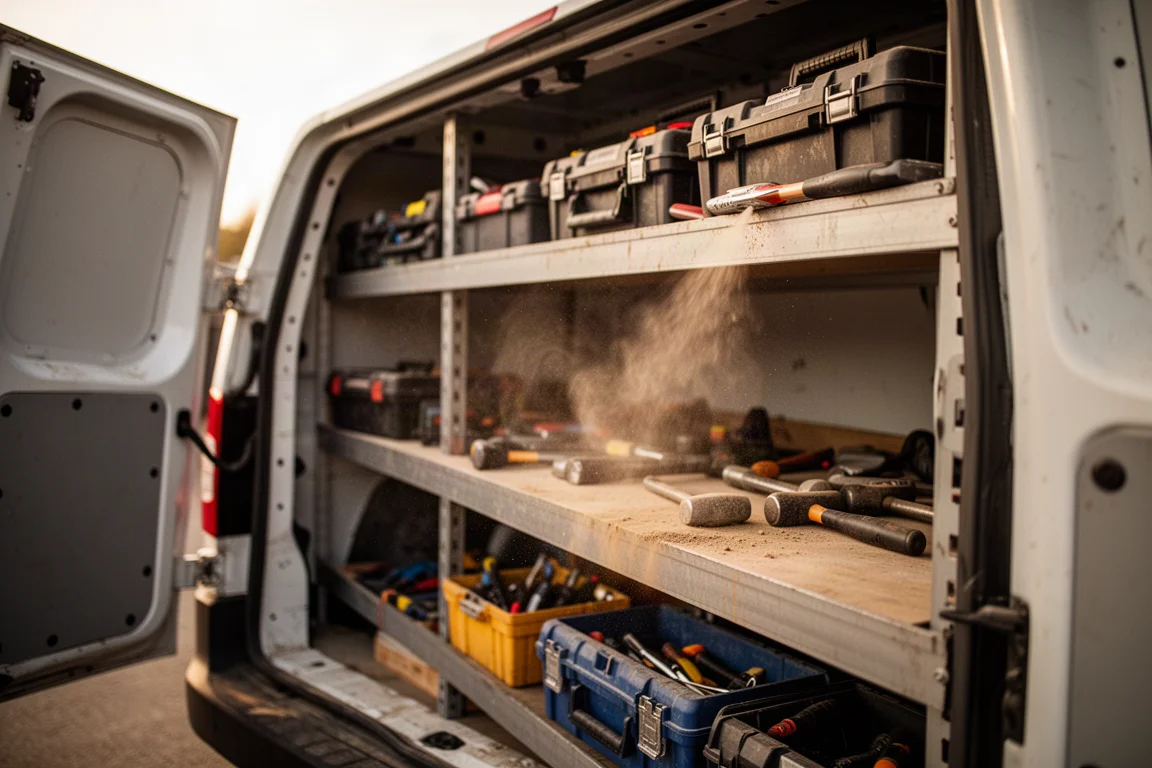
Makita 18V Cordless Blower
The Makita was the first blower of this style from a proper tool company, and it has been out long enough to have hundreds of imitators. It is a fairly bulky unit with excellent nozzle options, including long attachments for concrete anchor holes, and optional HEPA filtering. Its weaknesses are noise, quickly clogging foam filters in dusty conditions, and a premium price for the kit. If you want precision blowing with a mature accessory ecosystem, it remains a strong pick.
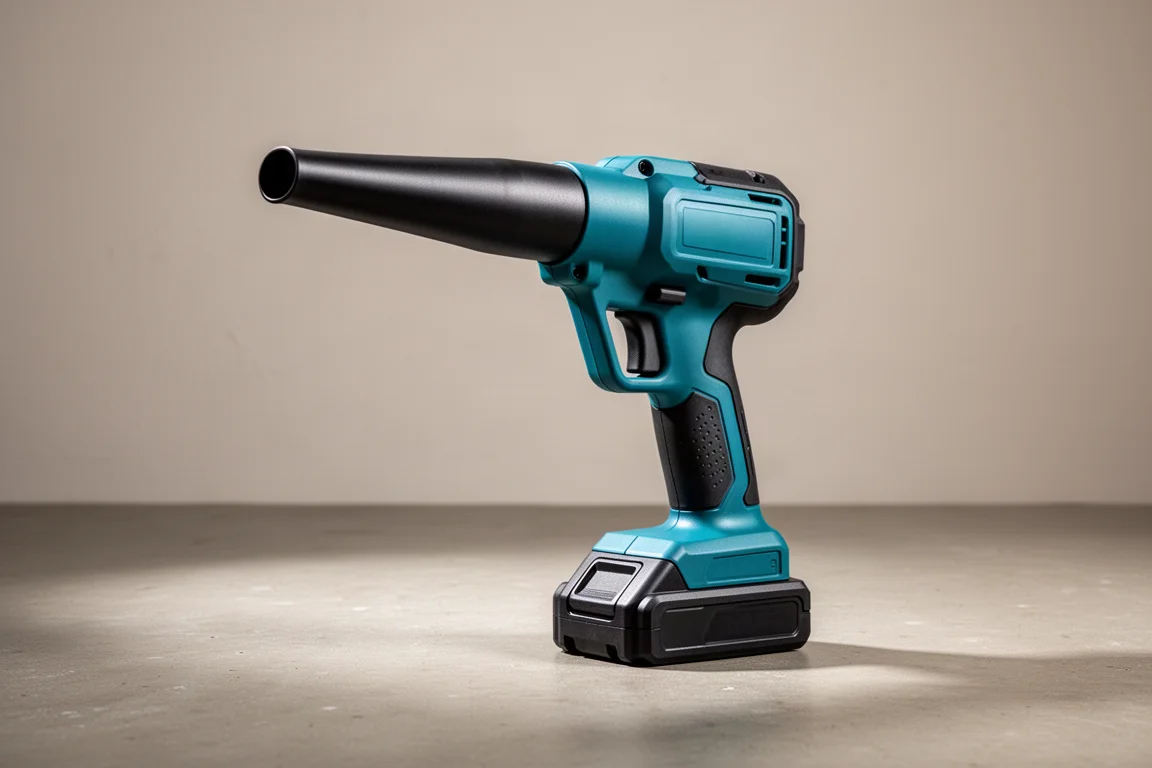
Milwaukee M18 Compact Blower
The Milwaukee M18 compact blower is slightly lighter than the Makita, produced the highest raw thrust reading of the two premium tools at around 304 grams, and is the quietest of the three at 87.8dB. It comes standard with a HEPA filter and includes three nozzles in a practical wall-mountable, magnetic holder. Its ergonomics are decent by Milwaukee standards, though the brand’s smaller tools have had a rough history in that department, and a kit is hard to find, making the true cost dependent on batteries you may already own.
Buying Advice
If you already own a Makita or Milwaukee battery platform and want a refined, well-supported blower with trigger operation, good nozzles, and proper filtering, both premium tools make sense. The Milwaukee edges ahead on weight, noise, and included HEPA filtering; the Makita wins on nozzle variety and bare-tool price.
If all you care about is raw blow power for blowing down tools and surfaces, the NZ$79 USB-C blower is shockingly effective, dramatically lighter, and does not need a battery platform at all. The trade-offs are real: poor ergonomics, no filter, short run time on full power, fiddly controls, and questionable long-term durability. The established brands may need to step up, because the cheap option genuinely competes on power.
Conclusion
The Makita and Milwaukee compact blowers are polished, well-made tools that justify their place in an existing battery ecosystem, with the Milwaukee offering slightly better weight, noise, and filtration and the Makita offering more nozzle options at a lower bare-tool price. The surprise is how much performance an inexpensive USB-C blower now delivers, even if it is uncomfortable, unfiltered, and short on refinement. Match the tool to the job: precision and longevity favor the big brands, while raw clearing power on a budget favors the newcomer.
Further reading
Related Reviews
Power Tools
Best 1-Inch Pistol Impact Wrenches: Three Heavy-Duty Options Compared
We compare three 1-inch pistol impact wrenches, from a budget-friendly Harbor Freight model to a premium Caterpillar unit, to help you choose the right one.
Power Tools
Best 3/4-Inch Impact Wrenches 2026: Five Contenders Compared
We compare five 3/4-inch impact wrenches across price and performance, from a budget Amazon option to Snap-on's most powerful model yet.
Power Tools
Best Budget Cordless Tools 2026: Walmart Finds That Punch Above Their Price
We tested five cordless tools from Walmart, including a high-torque impact wrench that trades blows with Milwaukee and a $35 duster that outperforms its price class.