Power Tools
Cordless Framing Nailer Comparison: HiKOKI Gen 2 vs Makita vs Milwaukee
Three full-clip firing tests, depth checks, and lockout counts reveal where each of these cordless framing nailers wins and loses.
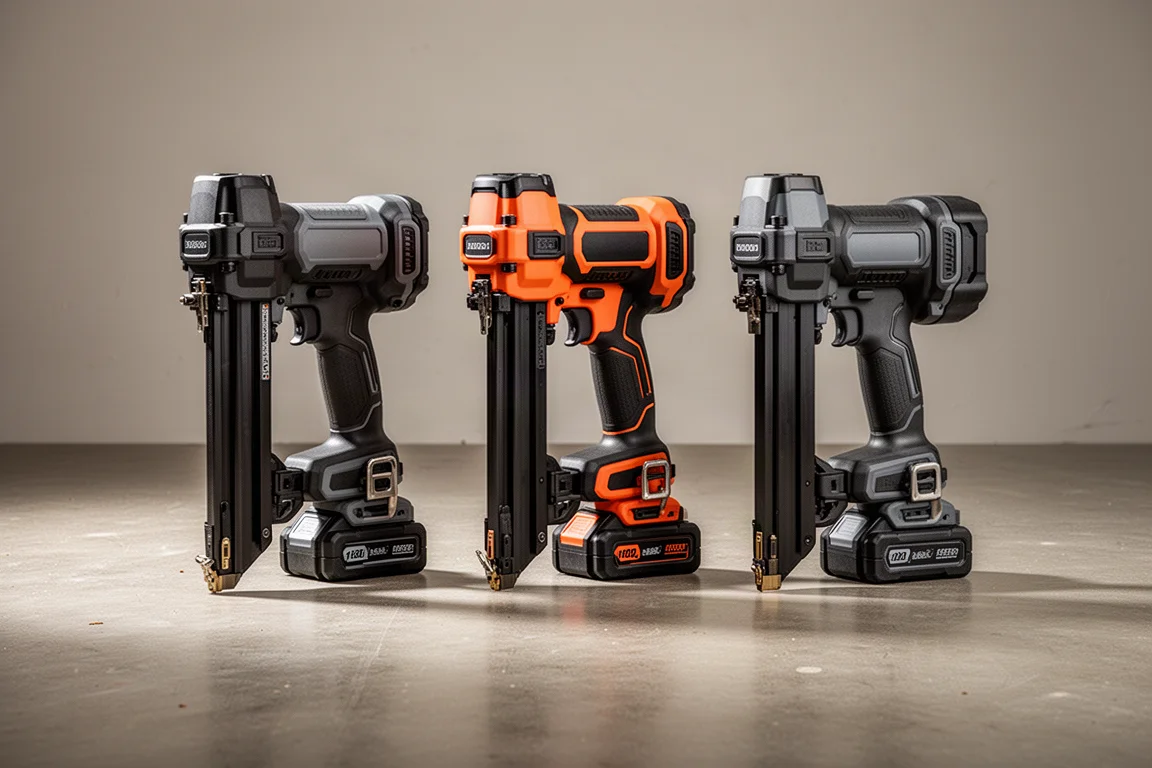
Introduction
Cordless framing nailers have all but replaced gas-powered tools on site, and three names keep coming up: HiKOKI, Makita, and Milwaukee. To see how they really stack up, each was loaded with a full clip of 90 mm (3-1/2 inch) galvanized paper-collated nails, 39 nails to a clip, and fired in full sequential, single-fire mode with a freshly charged 5 Ah battery until the tool locked out. The result is a straightforward, practical picture of where each tool shines.
How the Test Was Run
The rules were simple and consistent. Each nailer received one full clip of 39 galvanized framing nails and fired them continuously until lockout, set to full sequential mode rather than bump fire. After firing, the nails left in each magazine were counted, and nail depth was checked in radiata pine.
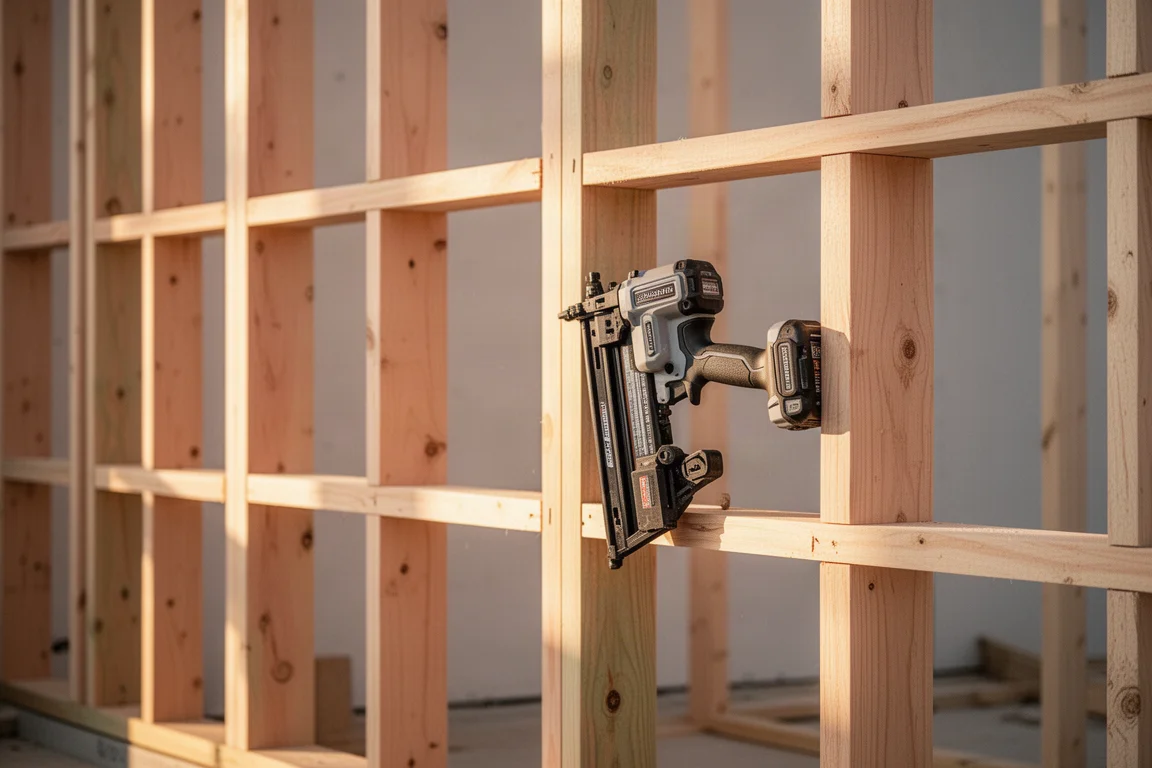
One caveat worth knowing: a small timing error occurred with one tool, where four nails fired after the timer was thought to have stopped. Add a few seconds mentally to that tool’s time when comparing. The overall picture is still clear enough.
Firing Speed
In terms of felt speed, HiKOKI felt the fastest, followed by Milwaukee, with Makita a little behind. The HiKOKI and Milwaukee were also more consistent in firing speed throughout the clip, while the HiKOKI started extremely strong and seemed to struggle slightly to keep the same pace toward the end of the clip.
The Makita fired steadily without cutting out, though it sounded as if it was starting to strain toward the end of its clip.
Depth and Power
All three nailers drove nails good and deep into radiata pine, and all three have more raw power than a comparable gas-powered nailer. Looking straight down at the timber, the HiKOKI and Makita nails sat at similar depths, while the Milwaukee nails appeared to sit deeper.
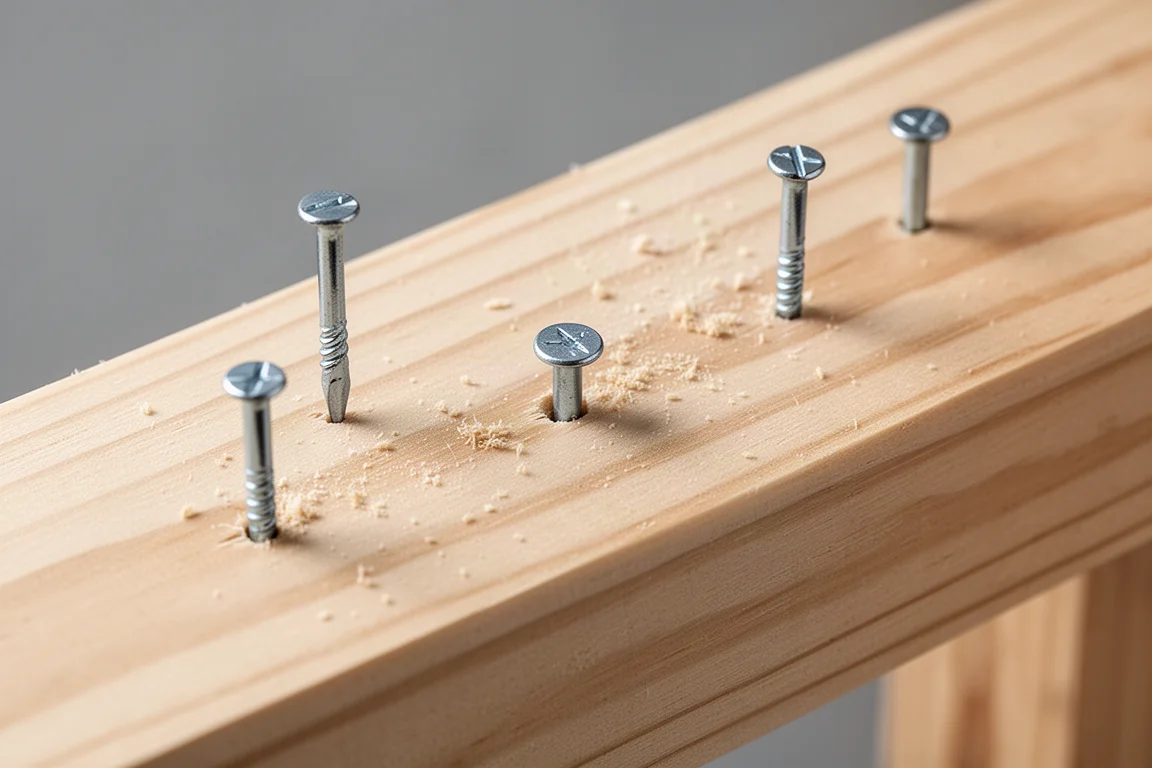
That said, the Milwaukee left noticeably more wood chips and sawdust sprayed across the nail heads, making the depth harder to verify at a glance. It also did a bit more visible damage to the timber. None of the three struggled to set a nail, which is exactly what you want from a framing tool.
Lockout Counts: How Many Nails Are Left
After lockout, the remaining nail counts told an interesting story. The Milwaukee left 8 nails in the magazine, the Makita left 7, and the HiKOKI left 9. Lockout can vary by a nail or two between runs depending on how the paper strip sits, so treat these as indicative rather than exact.
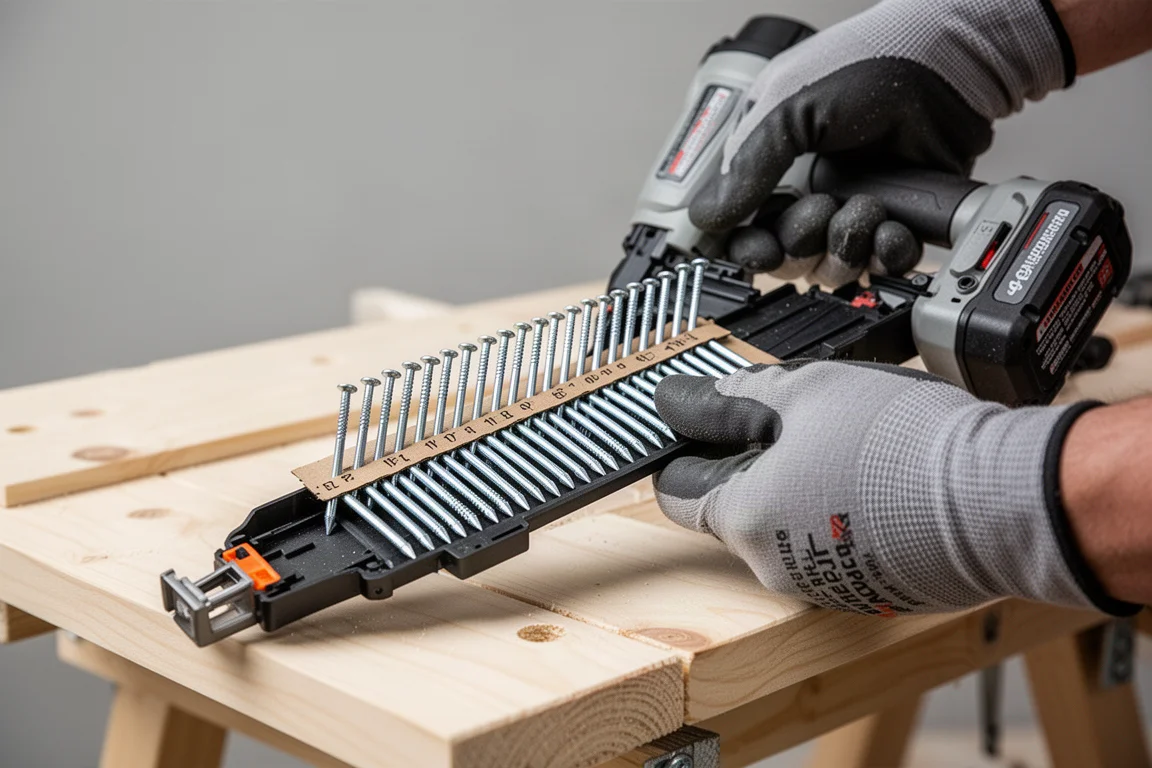
Practically, a lower lockout count means fewer interruptions to reload. Starting your day, the Makita lets you keep nailing a little longer before swapping in the next strip, followed by the Milwaukee, with the HiKOKI needing its next clip sooner.
Trigger Feel
One quirk separates the Milwaukee from the other two: there is a short delay between pulling the trigger and the nail firing. Both the HiKOKI and Makita fire the instant the trigger is pulled. If you use these tools all day, that delay is not a dealbreaker, but it is disconcerting when switching between brands and worth trying before you buy.
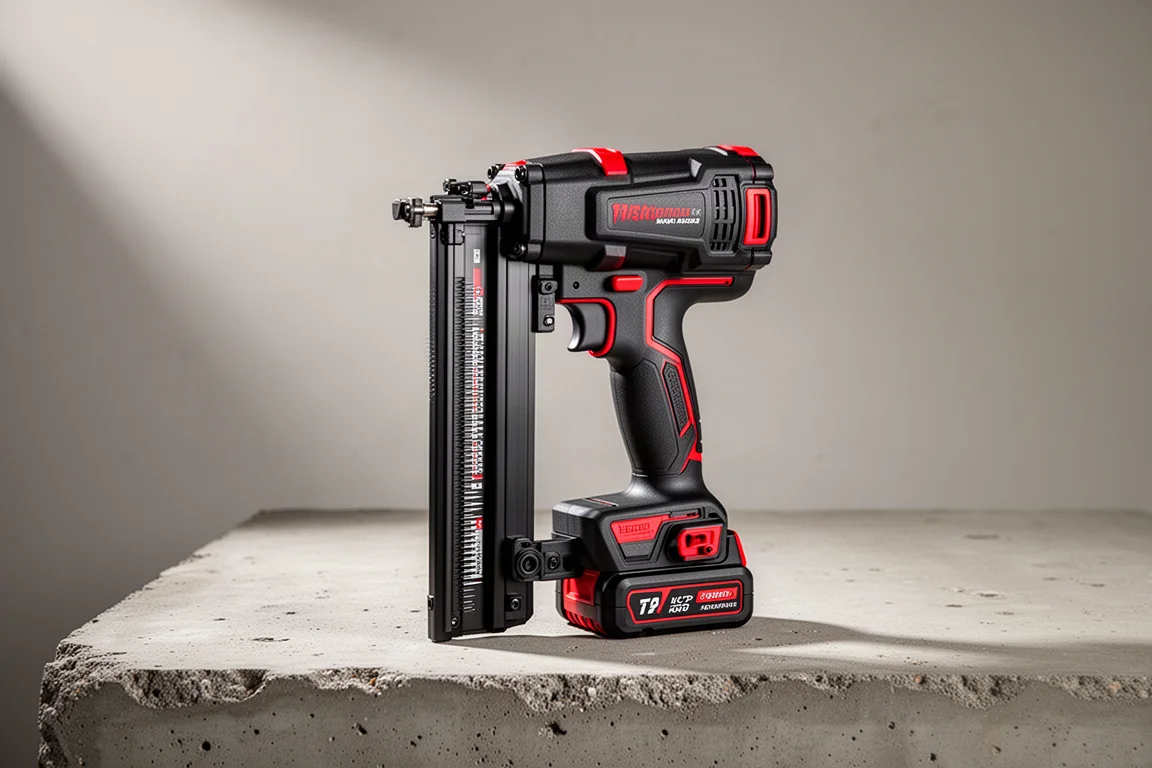
Comfort, Weight, and Balance
In the hand, the HiKOKI Gen 2 comes out on top with the best balance, comfort, and weight of the three. The Makita is the heaviest of the bunch, and you notice it immediately after picking up the HiKOKI, though its balance is still pleasant and better than the Milwaukee’s.
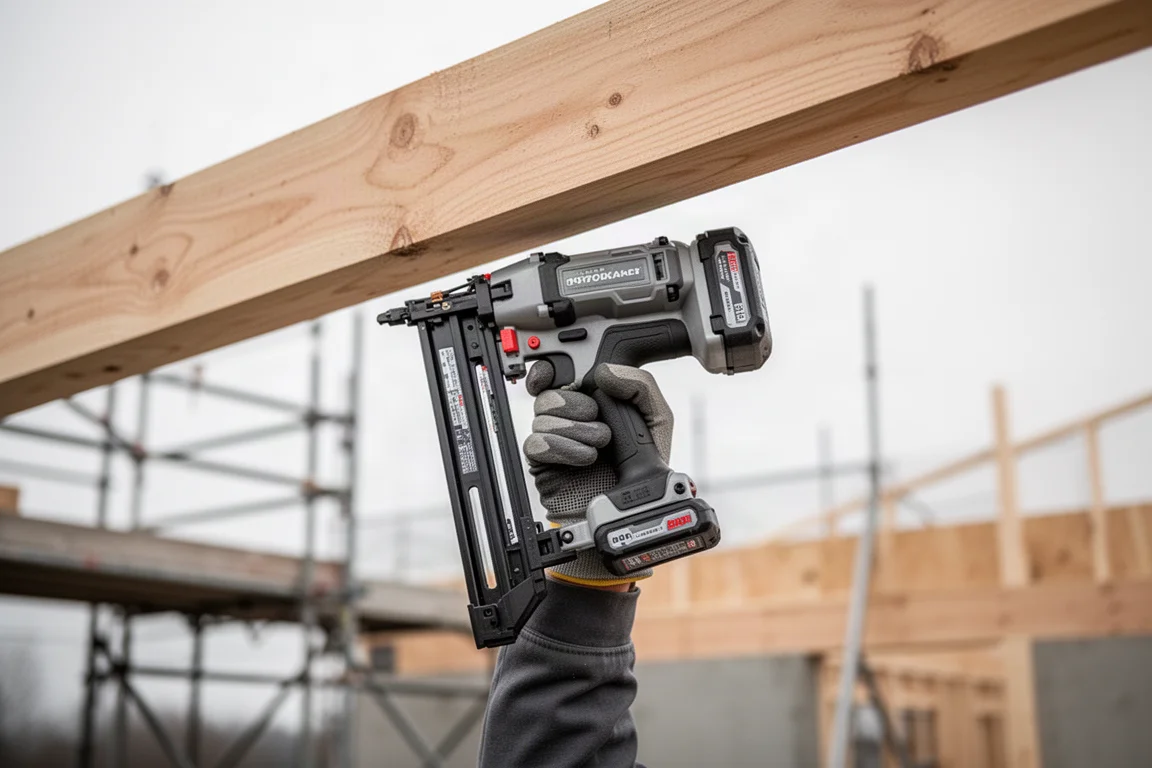
All cordless framing nailers are heavier than gas-powered alternatives, but they eliminate the downsides that come with gas: no smell, no buying expensive fuel cells, and no lock-in to a particular brand of nails so you can use far cheaper, generic fasteners.
Which Should You Buy?
If comfort and all-around performance matter most, the HiKOKI Gen 2 is the strongest overall package, with the best balance and weight and the quickest felt firing speed. The Makita suits buyers who value the lowest lockout count and steady, predictable firing and don’t mind extra weight. The Milwaukee drives nails deepest and consistently well but carries a trigger delay and a bit more timber damage.
Conclusion
All three are powerful, capable cordless framing nailers that outperform gas tools in running cost and convenience. The HiKOKI Gen 2 edges the comparison on feel and speed, the Makita on reload interval, and the Milwaukee on raw depth. Match the trade-offs to how you actually work and any of the three will serve a framing crew well.
Further reading
Related Reviews

Power Tools
Best 1-Inch Pistol Impact Wrenches: Three Heavy-Duty Options Compared
We compare three 1-inch pistol impact wrenches, from a budget-friendly Harbor Freight model to a premium Caterpillar unit, to help you choose the right one.

Power Tools
Best 3/4-Inch Impact Wrenches 2026: Five Contenders Compared
We compare five 3/4-inch impact wrenches across price and performance, from a budget Amazon option to Snap-on's most powerful model yet.

Power Tools
Best Budget Cordless Tools 2026: Walmart Finds That Punch Above Their Price
We tested five cordless tools from Walmart, including a high-torque impact wrench that trades blows with Milwaukee and a $35 duster that outperforms its price class.