Power Tools
Cordless Circular Saw Comparison: Milwaukee M18 2833 vs Ridgid R8656 vs Bosch ProFactor
Dyno-tested results for three cordless circular saws, covering cutting speed, peak power, runtime, weight, and value to help you pick the right one.
Introduction
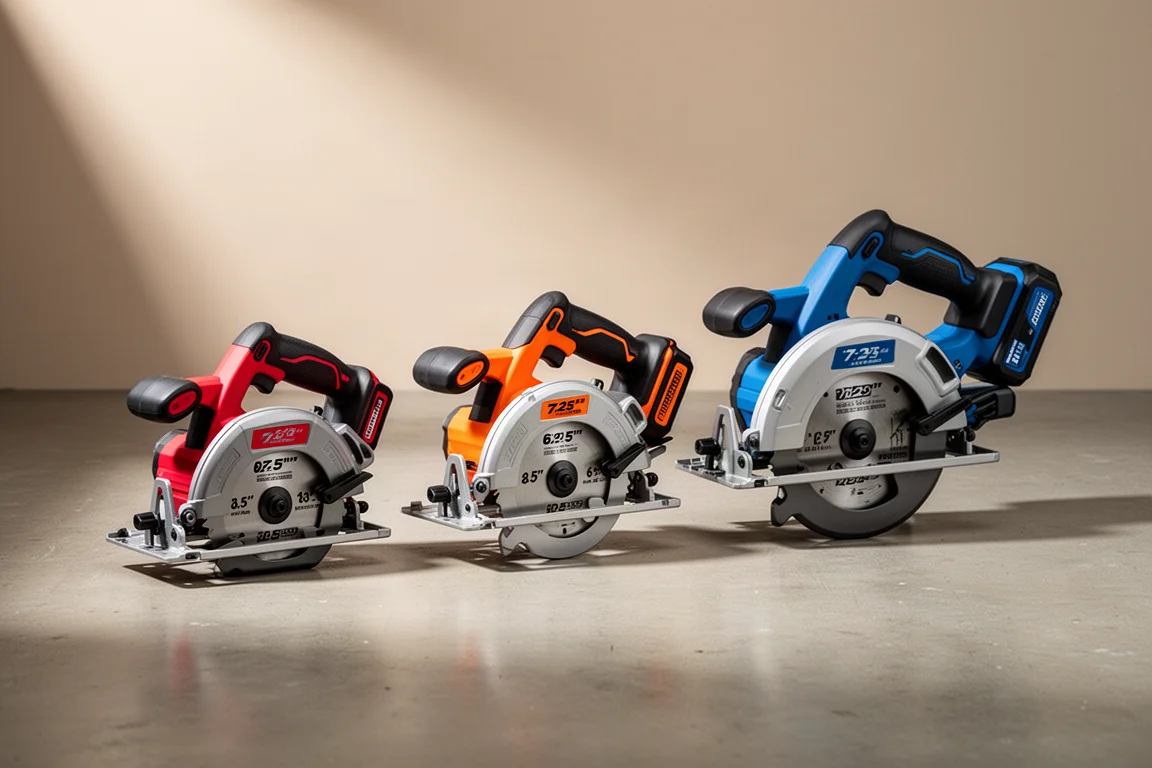
Cordless circular saws keep getting harder to choose. The newest entrants claim 6-1/2 in. models can now keep pace with full-size 7-1/4 in. saws, and one of the tools in this comparison genuinely seems to back that up. We put the Milwaukee M18 2833 6-1/2 in. circular saw, the Ridgid R8656 6-1/2 in. circular saw, and the Bosch ProFactor 7-1/4 in. circular saw through dynamometer testing to measure cutting speed under load, peak power, runtime on the same battery size, weight, and noise, then scored everything against bare tool price.
The short version: the new Milwaukee is the performance standout, the Ridgid is the value pick, and the Bosch performs like a very solid, efficient full-size saw.
How We Evaluated These Saws
Every saw was strapped to a dynamometer to measure speed under a typical 2x4-style cutting load, then pushed harder and harder until it stalled, which reveals peak power in watts. Runtime testing used the same 8 amp hour battery size from each brand to make Trigger Time, total revolutions, and performance drop-off directly comparable. Weight and noise rounded out the scorecard, with points tallied against bare tool price.
One note worth keeping in mind: peak power on these saws varies a lot depending on which battery you pair with them, sometimes dramatically. That battery sensitivity turned out to be one of the most important findings of the whole comparison.
Ridgid R8656: Light, Compact, and Surprisingly Strong
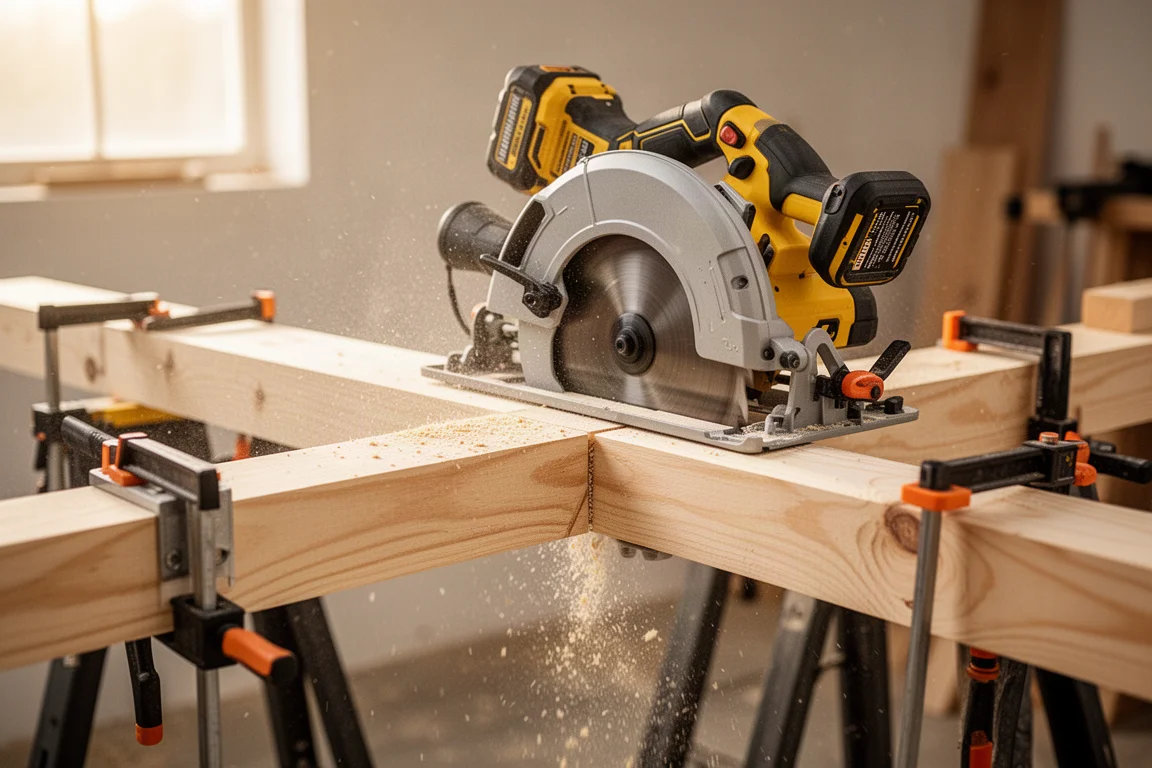
The Ridgid R8656 often sells for around $115 as a bare tool, and kits with a 4 amp hour max output battery and charger can sometimes be found even cheaper during sales. It is part of the SubCompact line, and the name fits: at 6.95 lb with a magnesium guard and shoe, it feels noticeably light in hand compared with a typical M18 6-1/2 in. saw with a larger pack, which comes in around 7.9 lb. The battery placement also sits nicely out of the way, a genuine form factor win.
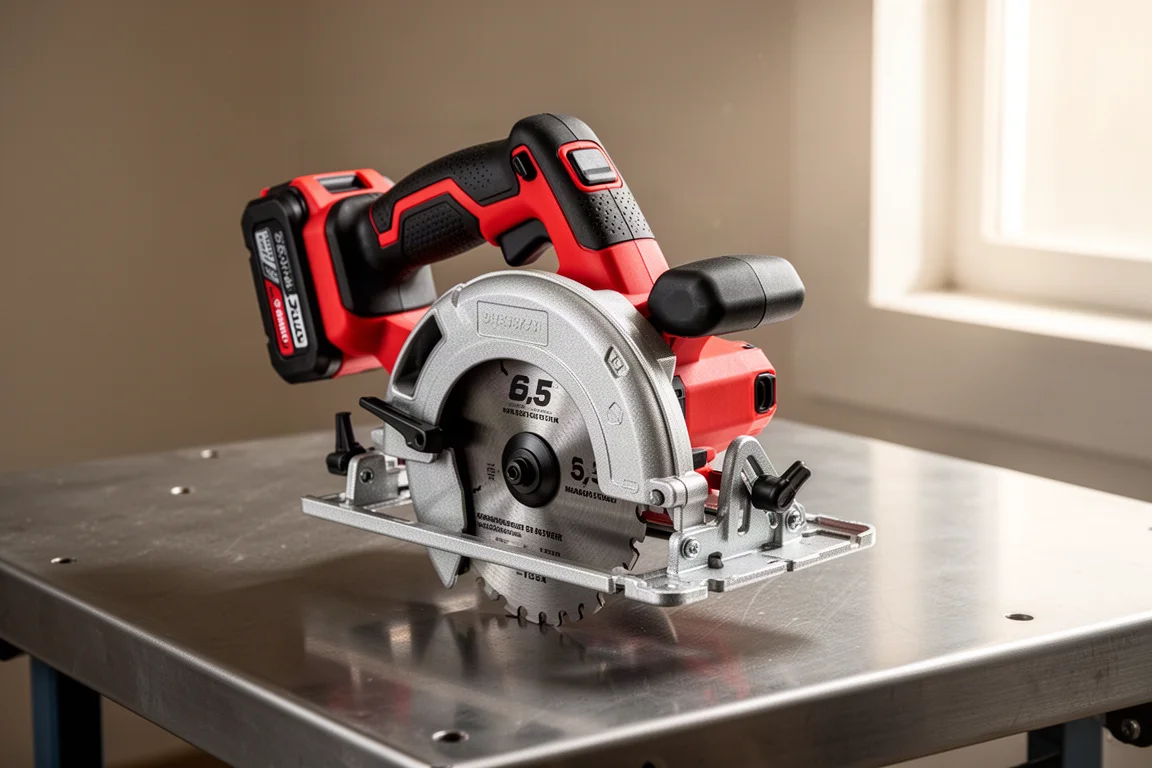
Under load with the included battery it turns 3,900 RPM and peaks at 520 watts. Step up to the 8 amp hour 21700-cell pack and it climbs to 4,320 RPM and 700 watts, which is very good for this size of tool. Averaging the two battery types gives roughly 4,110 RPM and 610 watts of peak power. It also offers a deeper cut at 90 degrees than an older-style 6-1/2 in. saw, with the two sizes matching at 45 degrees. On the downside, it was the noisiest of the three and the least pleasant pitch to the ear. As a total package at this price, it scored extremely well.
Bosch ProFactor 7-1/4: The Efficient Full-Size Baseline
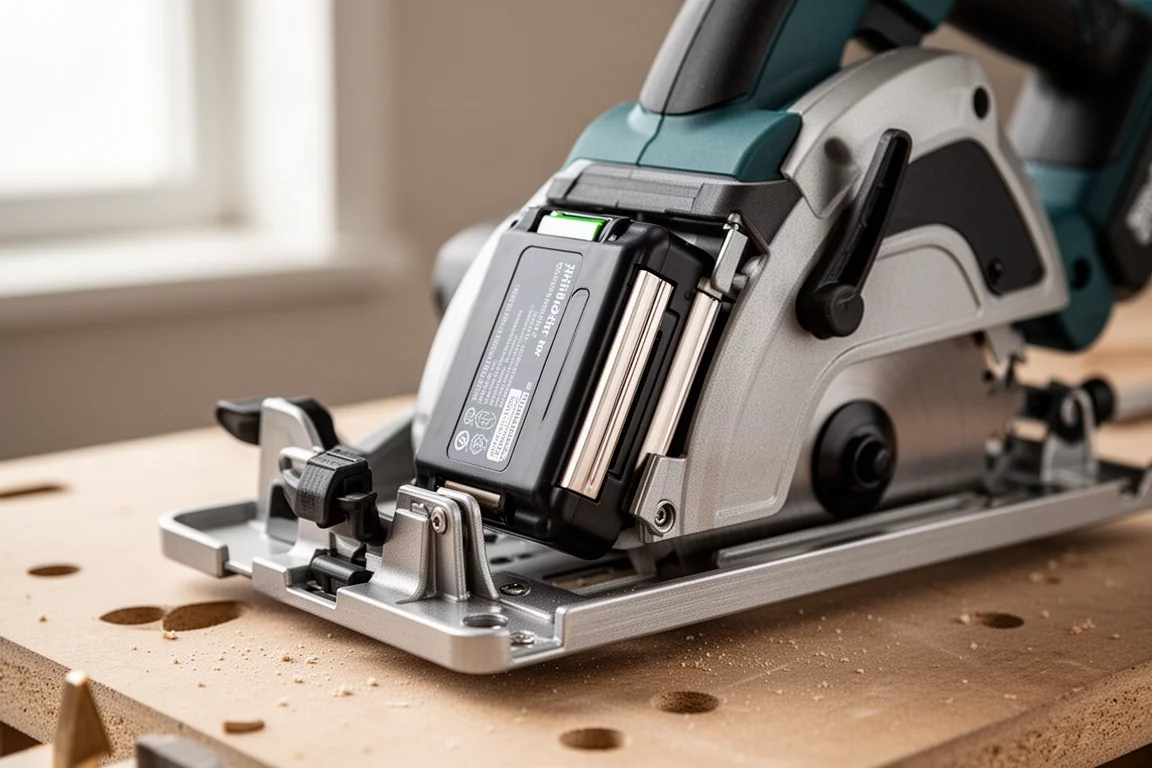
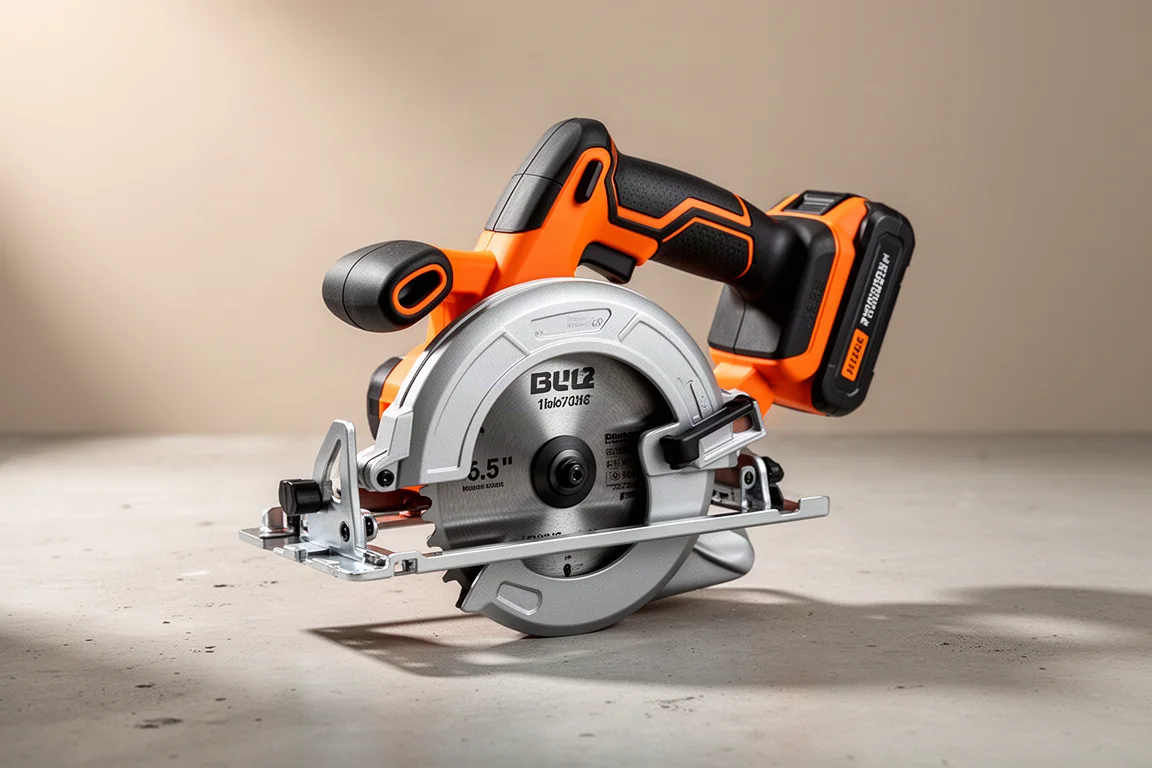
The Bosch ProFactor 7-1/4 in. saw behaves very much like a typical full-size 7-1/4 in. saw across the tests, which is not an insult: it posted 4,830 RPM under the standard cutting load and peaked around 820 watts, right in line with the median result among all saws tested to date. It ran 17 minutes of trigger time under load on an 8 amp hour battery, the longest of the three, with efficiency that edged out the DeWalt as well.
It is also very quiet for the class, and it earned a strong overall score of 637.4 points. If you want the familiar heft, cut capacity, and runtime of a large saw with refined behavior, this one delivers exactly that.
Milwaukee M18 2833: The New Performance Benchmark
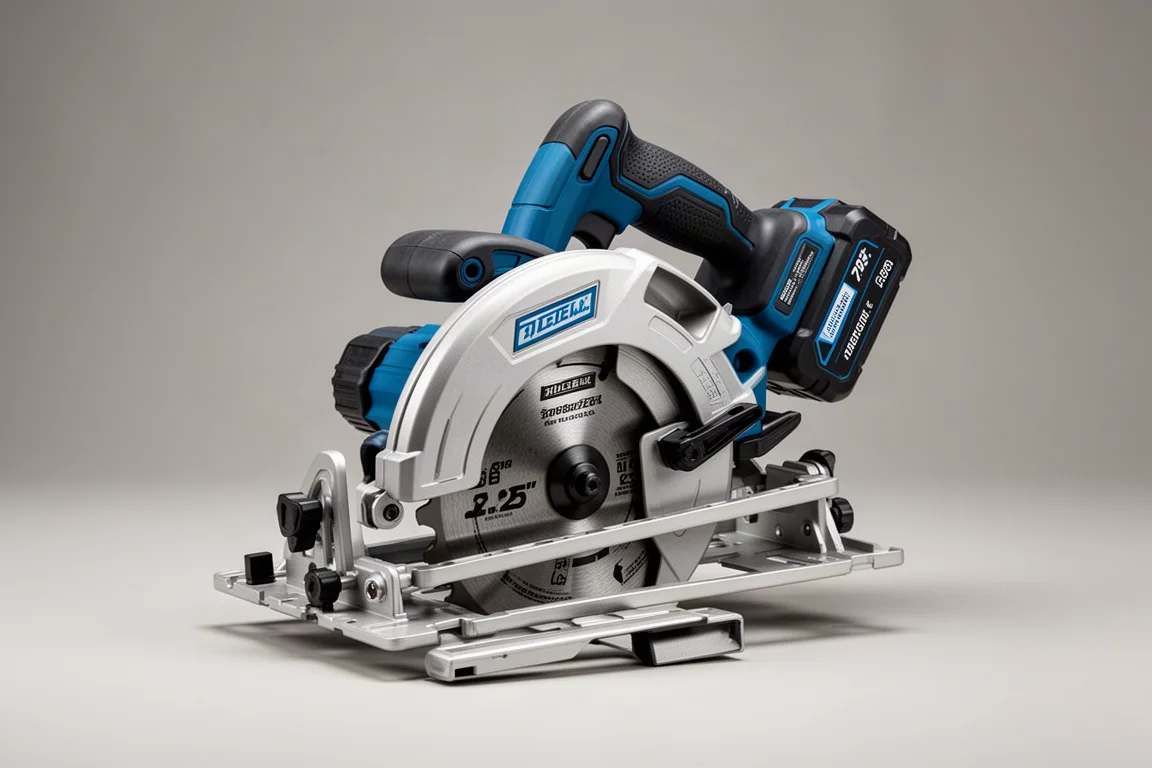
The Milwaukee M18 2833 sells for $229 as a bare tool, and it clearly was designed around the 6 amp hour Forge battery. With the standard 5 amp hour pack it turns 5,720 RPM under load and peaks at 580 watts, but with the Forge attached it hits 6,010 RPM under load, slightly above its advertised free speed, and an remarkable 930 watts of peak power. Its blade teeth move at roughly 111 mph through wood at the edge, faster than the Bosch despite the smaller blade. It outpaced not just the Bosch but also other full-size 7-1/4 in. saws including the Hercules, Ridgid, DeWalt Power Detect, and Hilti Nuron in both speed and power.
Runtime is where it gets interesting. It logged 80,000 total revolutions on an 8 amp hour battery, more cutting done in principle, but only 13.5 minutes of trigger time and a sharp drop in performance once under 90% charge, because it keeps demanding full power as the battery drains. That constant demand also generates more heat: a standard high output 8 amp hour pack can trip its heat protection before emptying. The 6 amp hour high output made 770 watts on this saw, and even the XC 6.0 high output reached 770 watts. At 7.9 lb versus around 10.2 lb for the average full-size saw tested, it is lighter, but you pay for the technology.
Runtime and Heat: What the Tests Revealed
With the same 8 amp hour battery in each saw, the DeWalt ran 16 minutes and the Bosch 17 minutes, both with gradual speed drop-off as the battery drained. The Ridgid stepped down audibly in cutting speed and cut out first. The Milwaukee behaved differently from every other saw: speed stayed at or above 6,000 RPM and actually increased as the battery depleted, which produced more total revolutions but less raw running time and noticeably more heat.
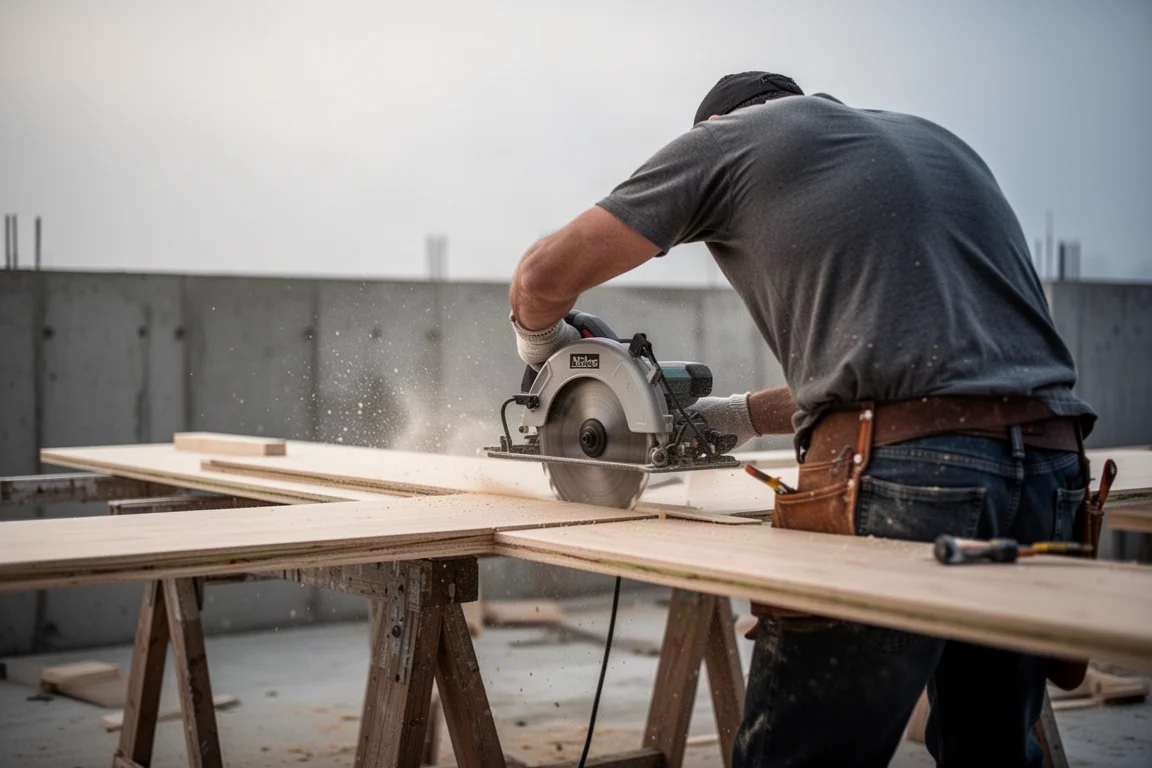
For most people who stop and start cuts the way a normal user does, the heat issue is unlikely to matter. If you lean on a saw like a table saw with long continuous cuts, though, pairing the Milwaukee with a Forge-class battery is the safe choice.
Which Saw Should You Buy
Scored against bare tool price, the Ridgid came out extremely well with 98.5 points per dollar tier, the DeWalt at 74.4, and the Milwaukee at 60 flat, with final totals placing the Milwaukee first overall, followed by the Ridgid and DeWalt. The Milwaukee is one of the few, perhaps the only, 6-1/2 in. saw that can be pushed as fast and hard as an average 7-1/4 in. saw and often more so, cut depth aside. But it costs as much as or more than a full-size saw, and it clearly rewards the more capable battery.
The Ridgid is the smarter buy for most people: compact, light, cheaper, and strong for its size, especially in a kit. The Bosch is the pick if you want full-size capacity, long runtime, and quiet operation without chasing maximum power.
Conclusion
The Milwaukee M18 2833 resets expectations for what a compact 6-1/2 in. circular saw can do, provided you feed it a high-performance battery. The Ridgid R8656 remains the value favorite, and the Bosch ProFactor is the dependable full-size option. Match the saw to your battery situation and cutting habits and you will not go wrong with any of the three.
Further reading
Related Reviews
Power Tools
Best 1-Inch Pistol Impact Wrenches: Three Heavy-Duty Options Compared
We compare three 1-inch pistol impact wrenches, from a budget-friendly Harbor Freight model to a premium Caterpillar unit, to help you choose the right one.
Power Tools
Best 3/4-Inch Impact Wrenches 2026: Five Contenders Compared
We compare five 3/4-inch impact wrenches across price and performance, from a budget Amazon option to Snap-on's most powerful model yet.
Power Tools
Best Budget Cordless Tools 2026: Walmart Finds That Punch Above Their Price
We tested five cordless tools from Walmart, including a high-torque impact wrench that trades blows with Milwaukee and a $35 duster that outperforms its price class.