Power Tools
Cordless Chainsaw Comparison: Milwaukee M14 Top Handle vs DeWalt 20-Inch vs Stihl 261 CM
Three very different saws cut through dead ash and dense sugar maple. Here is how the Milwaukee M18 14-inch top handle stacks up against the DeWalt 20-inch and the Stihl 261 CM.
Introduction
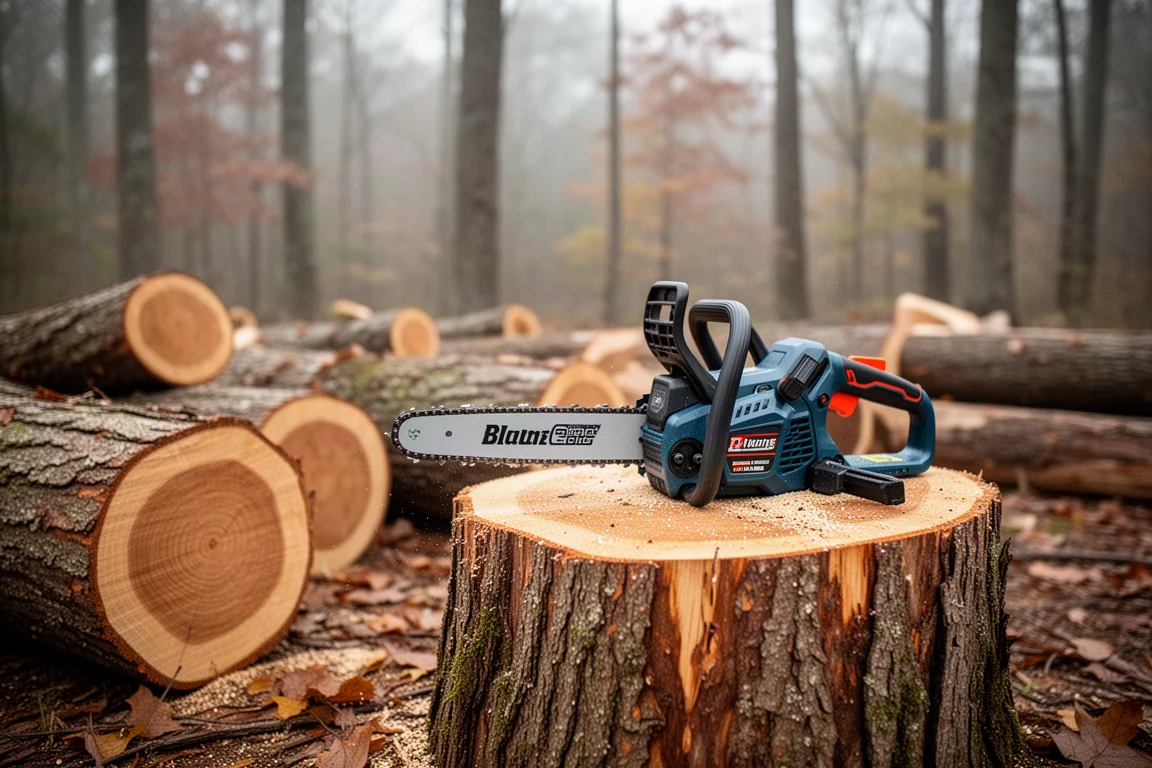
A top-handle chainsaw has a very specific job: trimming trees, cleaning up around a property, and getting into positions where a full-size saw is awkward. The new Milwaukee M18 14-inch top handle saw makes a strong case that a compact cordless saw no longer has to feel like a compromise. To put that claim to the test, we cut through dead ash and live hardwood sugar maple with three very different saws: the Milwaukee, the larger DeWalt 20-inch, and the professional-grade Stihl 261 CM gas saw.
The results were more interesting than expected. Here is how each saw performed and who each one actually suits.
How the Three Saws Were Compared
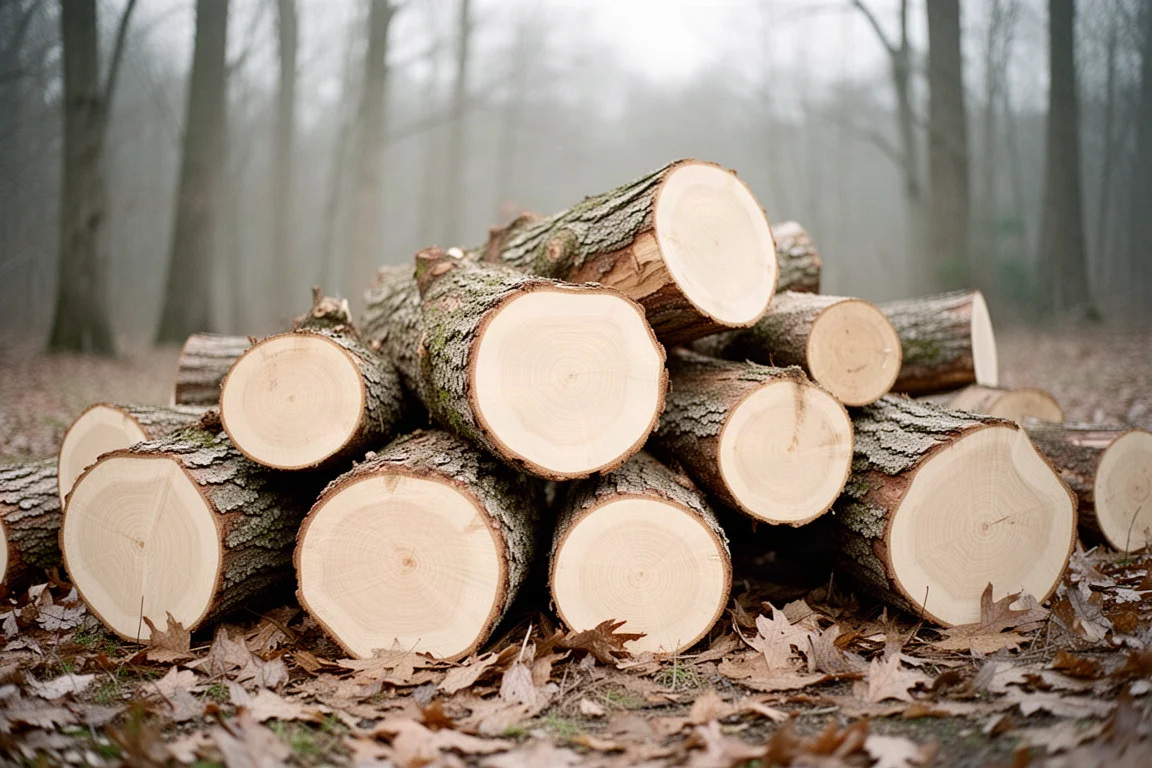
The cutting material matters. Everything here was dense sugar maple, a notably hard wood, plus dead ash and some partially rotten wood from clearing a drain line with a tree over it. With softer wood or popular lumber, all of these saws would slice through noticeably faster, so maple is a genuinely demanding benchmark.
What stood out was how close the competition was. The Milwaukee, a compact top-handle saw, held its own against the much larger DeWalt 20-inch, while the gas-powered Stihl served more as a reference for how quickly hardwood can be processed when speed is the priority.
Milwaukee M18 14-Inch Top Handle Chainsaw
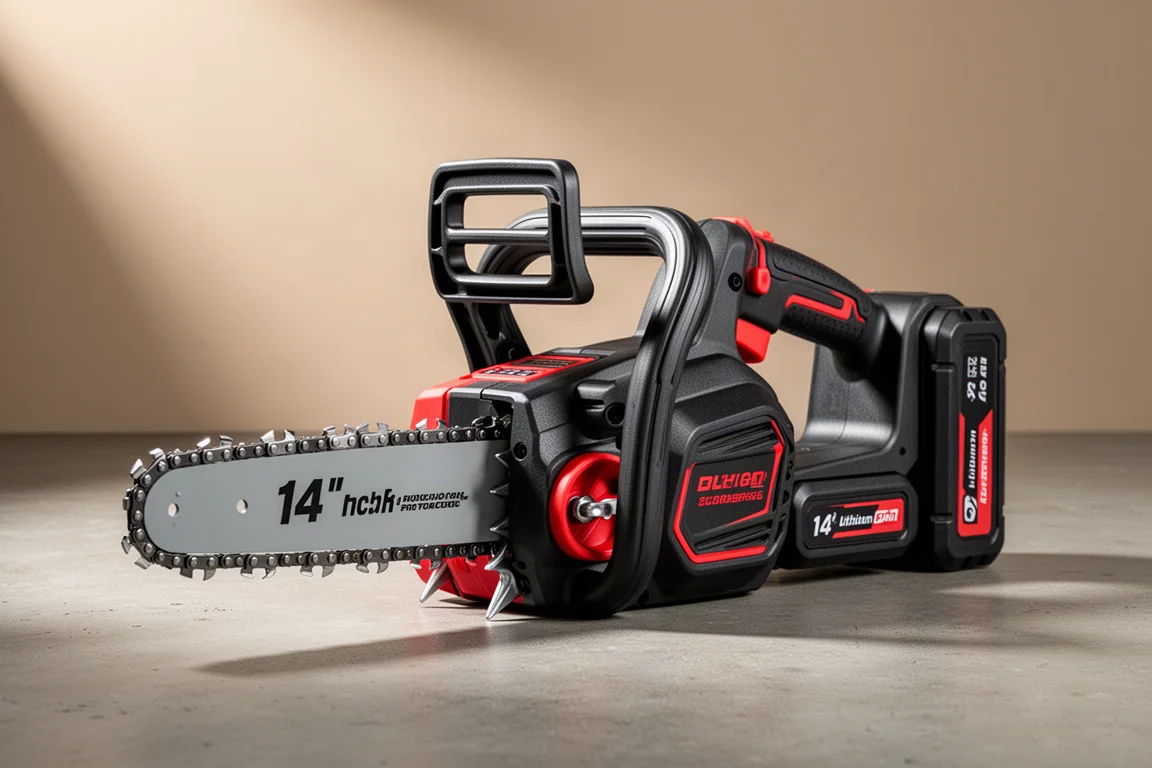
This saw is an absolute beast for its size. The motor runs at 7,700 RPM, which felt noticeably faster than the DeWalt, and the DeWalt in turn felt faster than the Stihl in this comparison. The 14-inch bar uses a 3/8-inch low-profile pitch chain with a .043 gauge. Total length is about 26 inches with the battery fitted, and weight comes in at 10.9 pounds with the 8 Ah battery or 12.1 pounds with the 12 Ah pack.
Cutting performance lived up to the numbers. It powered through smaller maple trees all over the property, handled ash without complaint, and sliced right through rotten wood during drain line cleanup. Like many saws, it sometimes needs to be pushed into the cut rather than simply grabbing and going, which is partly the nature of a smaller saw.
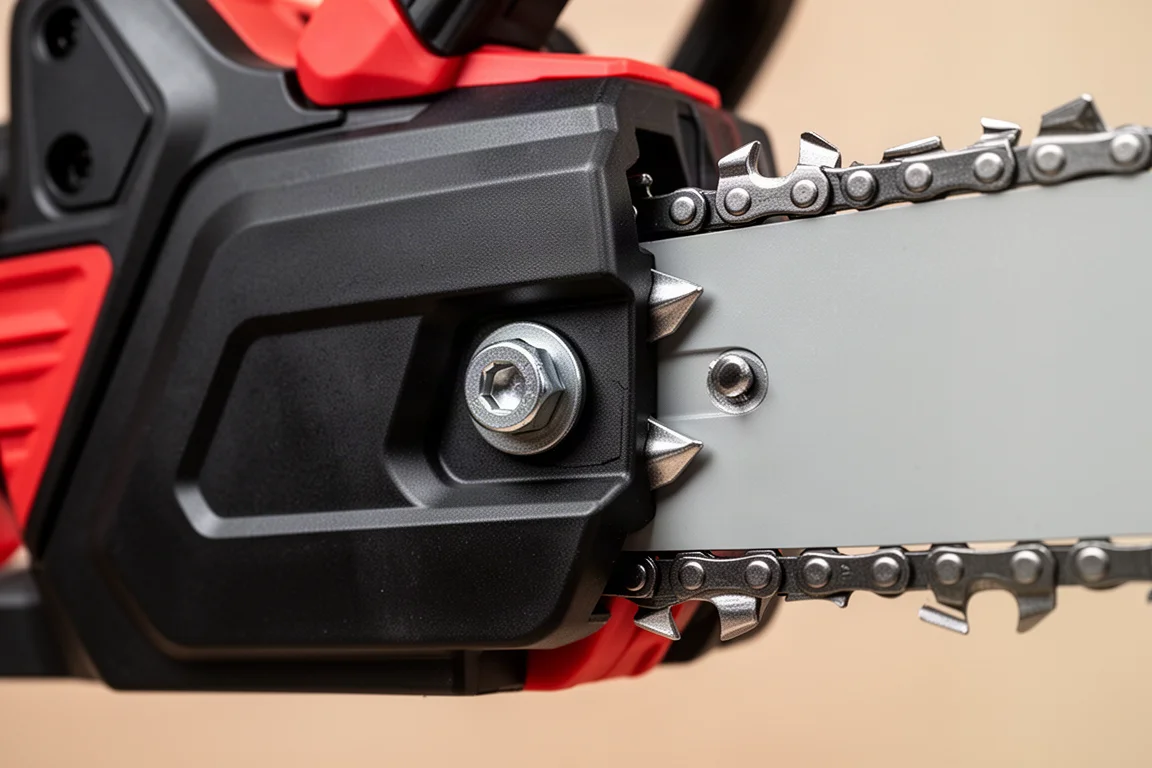
Nearly everything feels intuitive. The chain brake sits in a great spot and is both mechanical and electrical. The variable speed trigger responds quickly on startup, getting to full cutting speed almost immediately. Metal bucking spikes are fitted, which is important on a saw like this, and a single bolt holds the chain tension assembly with a tensioning tool stowed securely on the body where it is unlikely to catch on anything in the woods.
The one quibble is the safety switch, which requires sliding the hand forward and up before squeezing the trigger. It works, it just is not quite as natural as the rest of the layout.
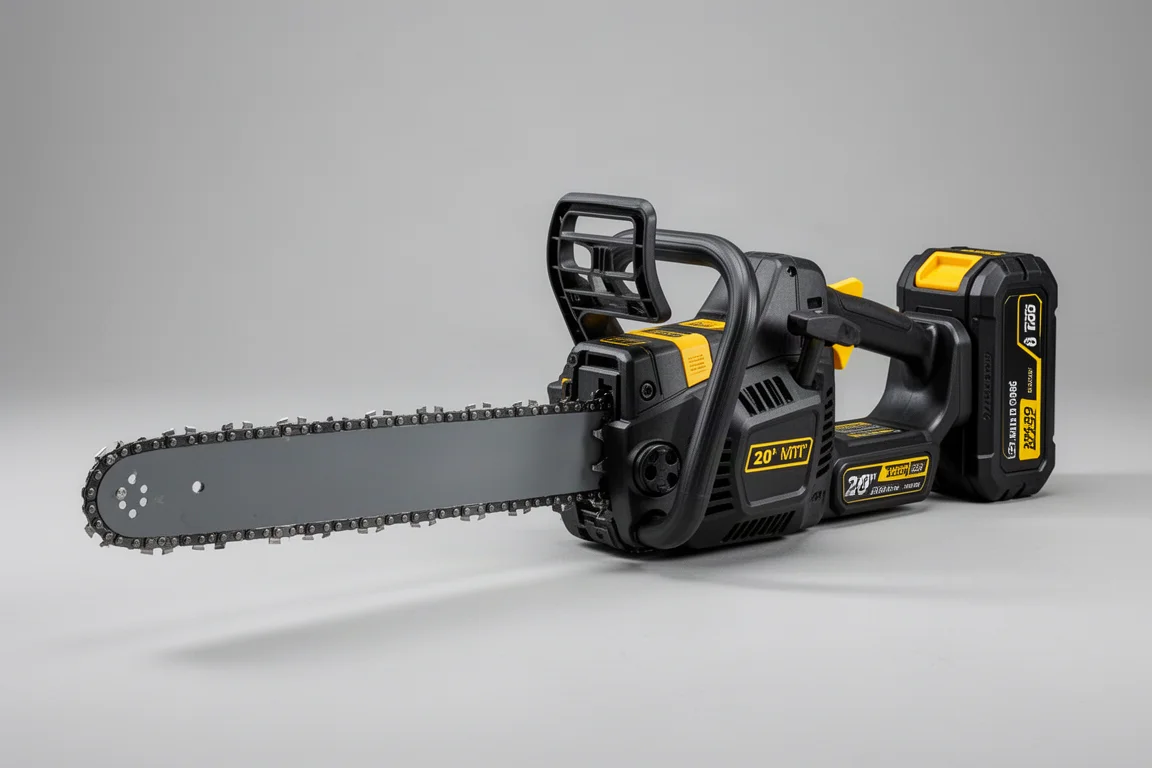
DeWalt 20-Inch Chainsaw
The DeWalt runs a much larger 20-inch bar and, paired with the 15 Ah battery, feels quick through the cut. It was noticeably faster than the Stihl in this hardwood test, which is impressive for a cordless saw of that size. Against the Milwaukee, the comparison was close, which says more about the Milwaukee than anything else given the difference in bar length and overall class.
If your work involves consistently larger diameter logs, the extra bar length here is a real advantage. It is not a top-handle saw, so it fills a different role: a big cordless saw for heavier cutting on the ground rather than in-tree trimming.
Stihl 261 CM Chainsaw
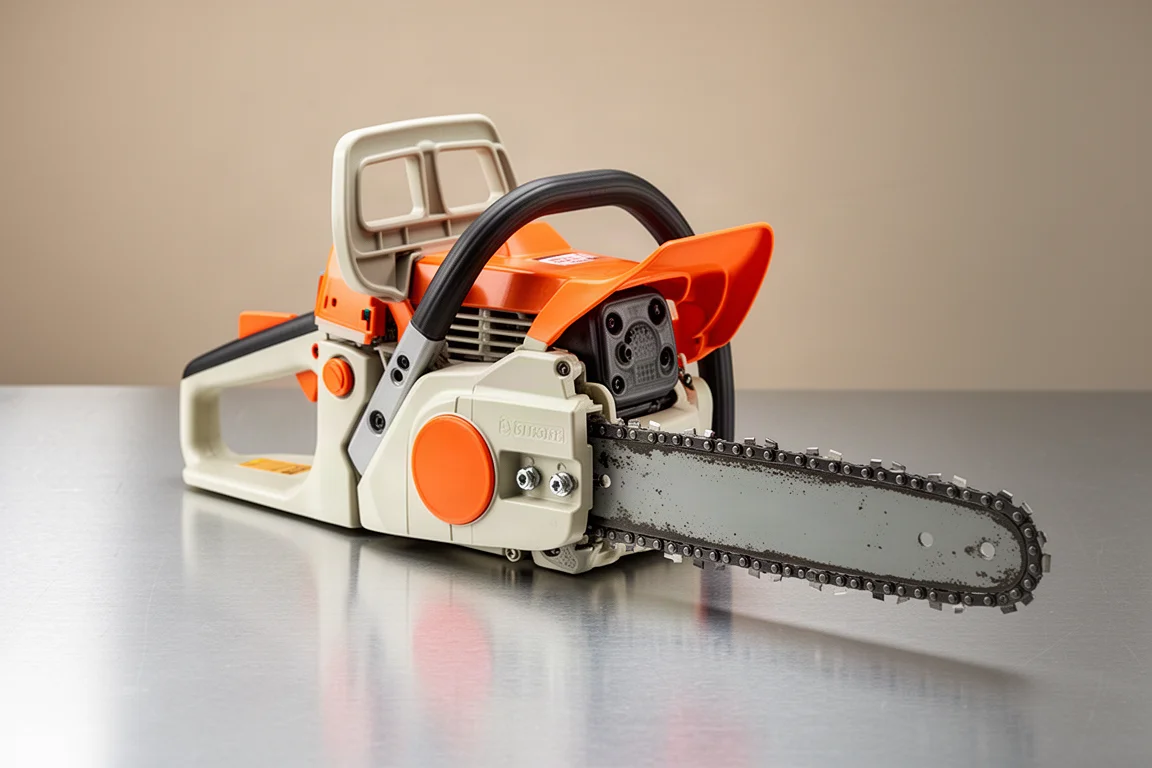
The Stihl 261 CM is a professional-grade smaller gas saw, and in this comparison it acted as the pace reference. Against dense sugar maple, both the DeWalt and especially the Milwaukee felt quicker through the cut, which is a striking result for battery-powered tools against gas.
That said, gas still has its place. The 261 CM is a proven platform for users who want familiar refueling workflow and do not want to think about battery capacity. In this particular hardwood test, though, the cordless options were the ones turning heads.
Batteries, Runtime and Pricing
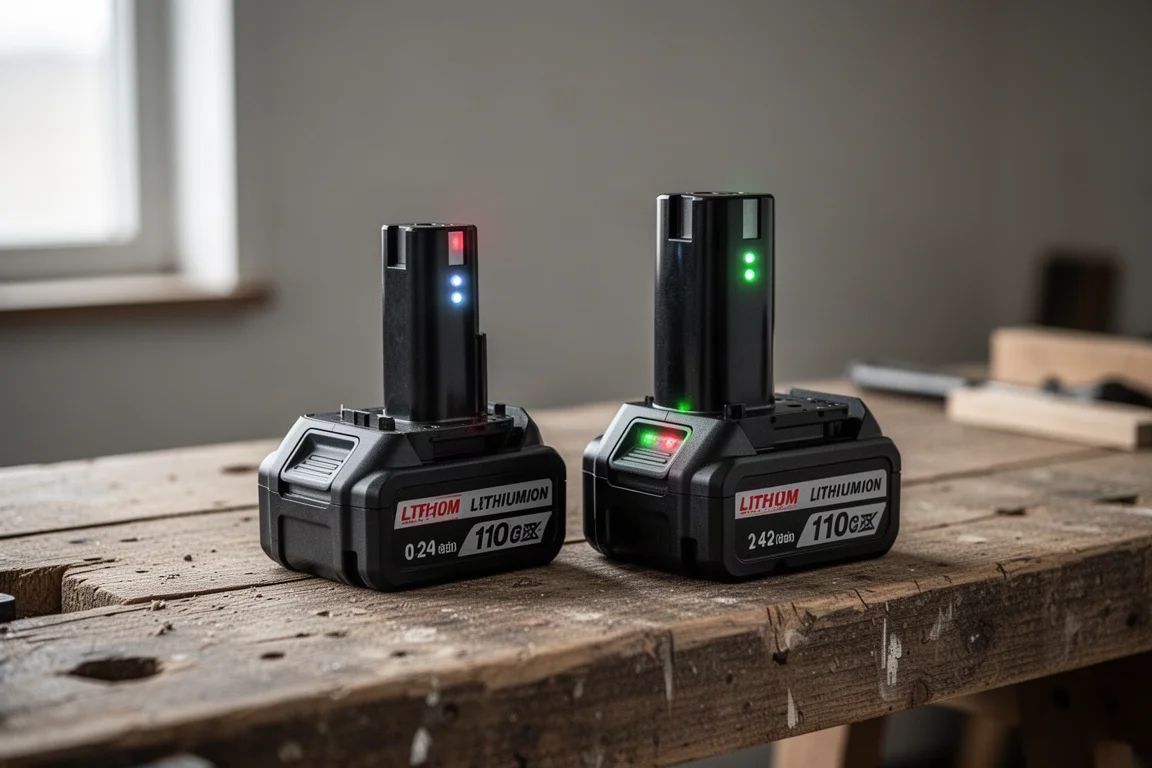
The Milwaukee accepts all of Milwaukee’s M18 batteries, and both the 8 Ah and 12 Ah packs fit without issue. The choice comes down to the work: on larger hardwood logs, this saw likes to chew through battery capacity, so the 12 Ah pack is the smarter pick. For typical top-handle duties, trimming trees and cleaning up as you cut, the 8 Ah battery works perfectly fine.
Bar and chain oil is essential, and it must be proper sticky bar and chain oil that clings to the bar and chain. Motor oil or gear oil is not a substitute.
On pricing, the Milwaukee sits at the top of its class: around $499 MSRP for the kit with the 8 Ah battery, or roughly $359 for the bare tool, with some variation across retailers. Notably, it is currently priced right alongside Milwaukee’s larger 16-inch top handle saw, which is also a strong performer.
Ergonomics and Everyday Handling
Everything about the Milwaukee’s layout is aimed at all-day tree work. The chain brake placement is excellent, the tensioning tool locks in tight and stays put, the battery compartment allows smooth in-and-out swaps, and the rear handle balances well for top-handle style cutting. The 14-inch size gives you options on much larger trees while staying compact enough for in-tree work.
If you are torn between Milwaukee’s smaller 8-inch hatchet and this 14-inch saw, the 14-inch is the clear choice. It keeps the compact form factor but adds the capability for bigger trees, and the cutting speed is genuinely impressive.
Which Saw Should You Buy?
The decision mostly comes down to use case and budget:
- Milwaukee M18 14-inch Top Handle: the pick for tree trimming and property cleanup, with outstanding speed and torque in a compact package. Choose the 12 Ah battery for heavy hardwood work.
- DeWalt 20-inch: the pick for larger ground-level cutting where big logs are routine and bar length matters.
- Stihl 261 CM: the pick if you prefer a professional-grade gas saw and a refueling workflow over batteries.
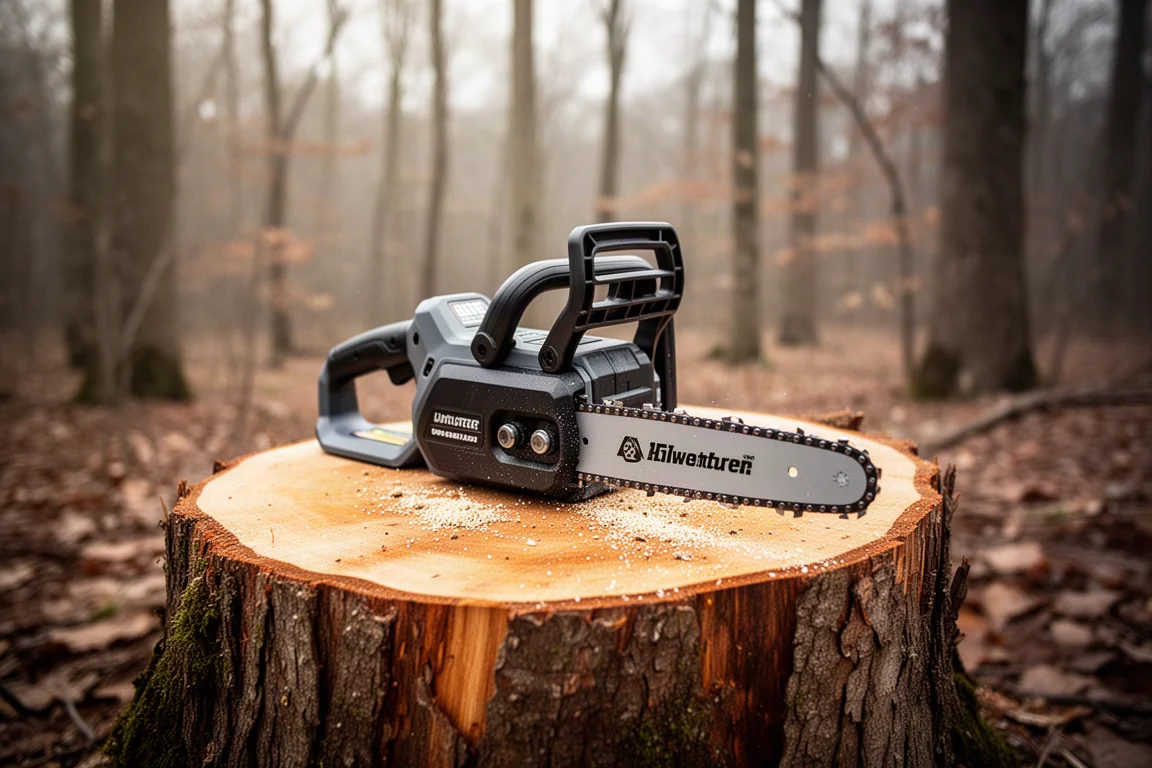
It is worth noting that the choice between the Milwaukee 14-inch and the Milwaukee 16-inch is genuinely difficult, since the 14-inch’s RPM is so impressive. For most buyers, it will come down to ergonomics and what the saw is actually for.
Conclusion
The Milwaukee M18 14-inch top handle chainsaw is an excellent saw that competes closely with a much larger DeWalt and outpaces a professional gas saw in dense hardwood. It is priced accordingly, but for anyone doing serious tree trimming and property work, the speed, torque, and thoughtful design make it easy to recommend.
Further reading
Related Reviews
Power Tools
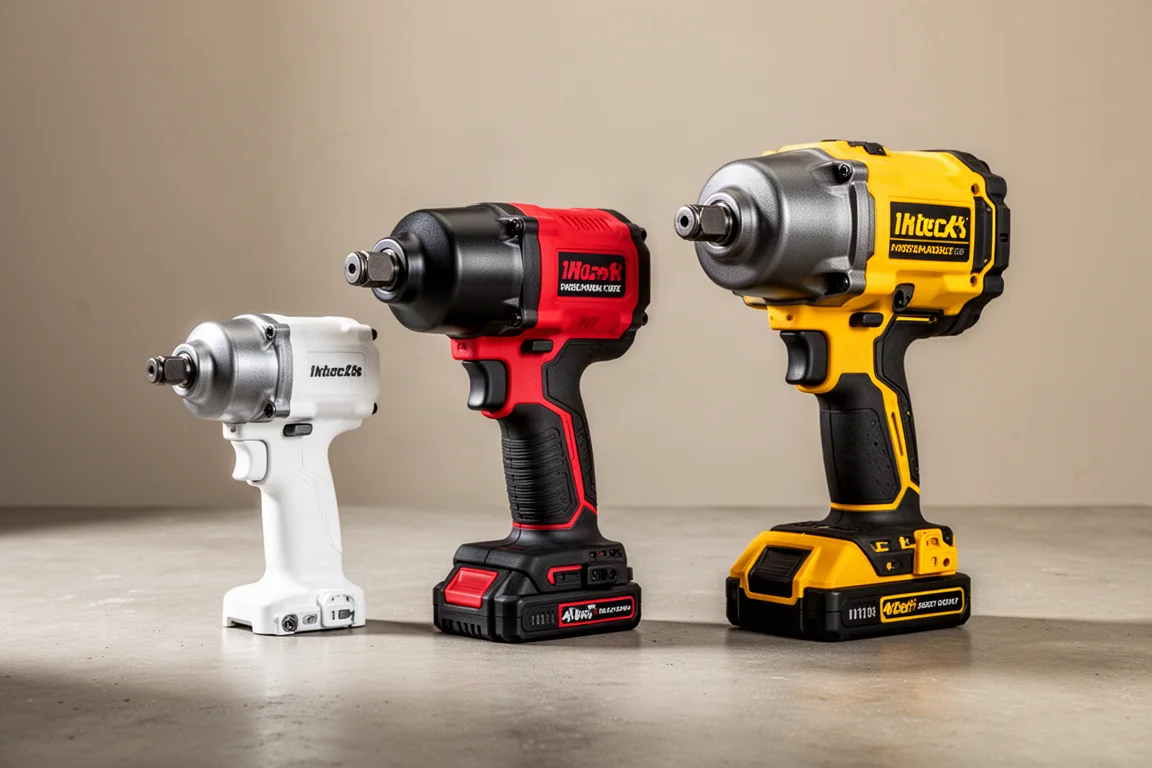
Best 1-Inch Pistol Impact Wrenches: Three Heavy-Duty Options Compared
We compare three 1-inch pistol impact wrenches, from a budget-friendly Harbor Freight model to a premium Caterpillar unit, to help you choose the right one.
Power Tools
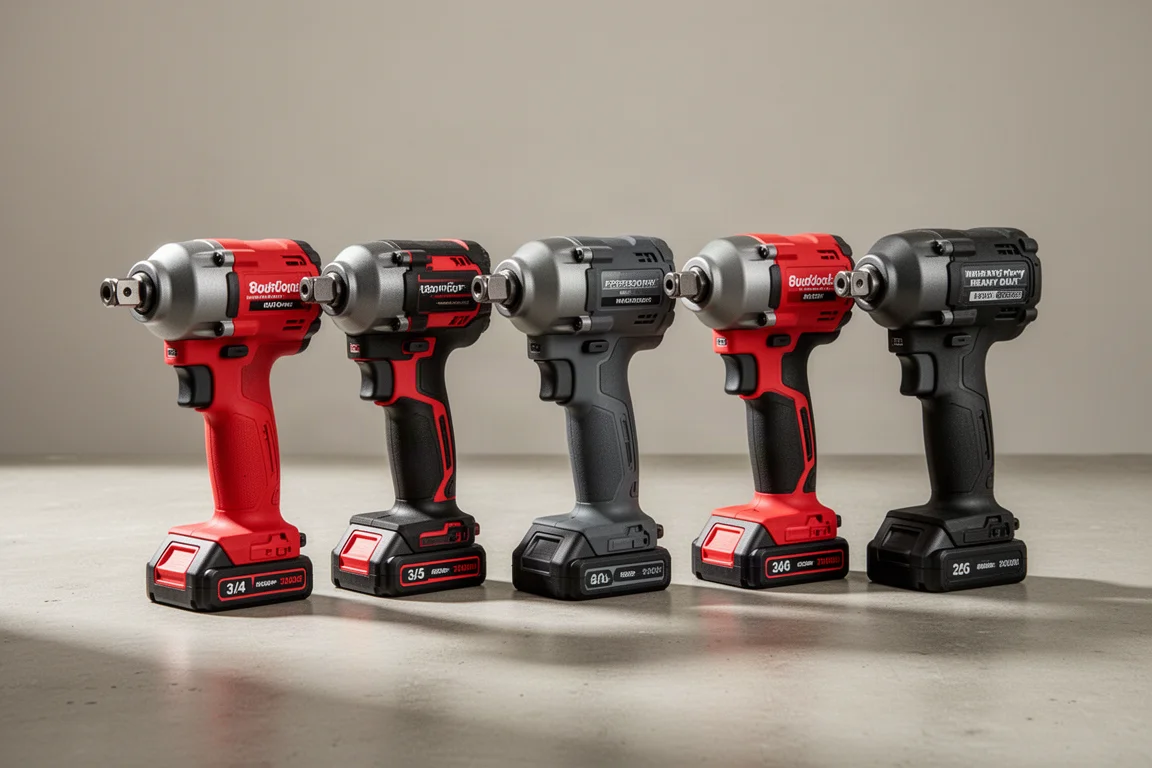
Best 3/4-Inch Impact Wrenches 2026: Five Contenders Compared
We compare five 3/4-inch impact wrenches across price and performance, from a budget Amazon option to Snap-on's most powerful model yet.
Power Tools
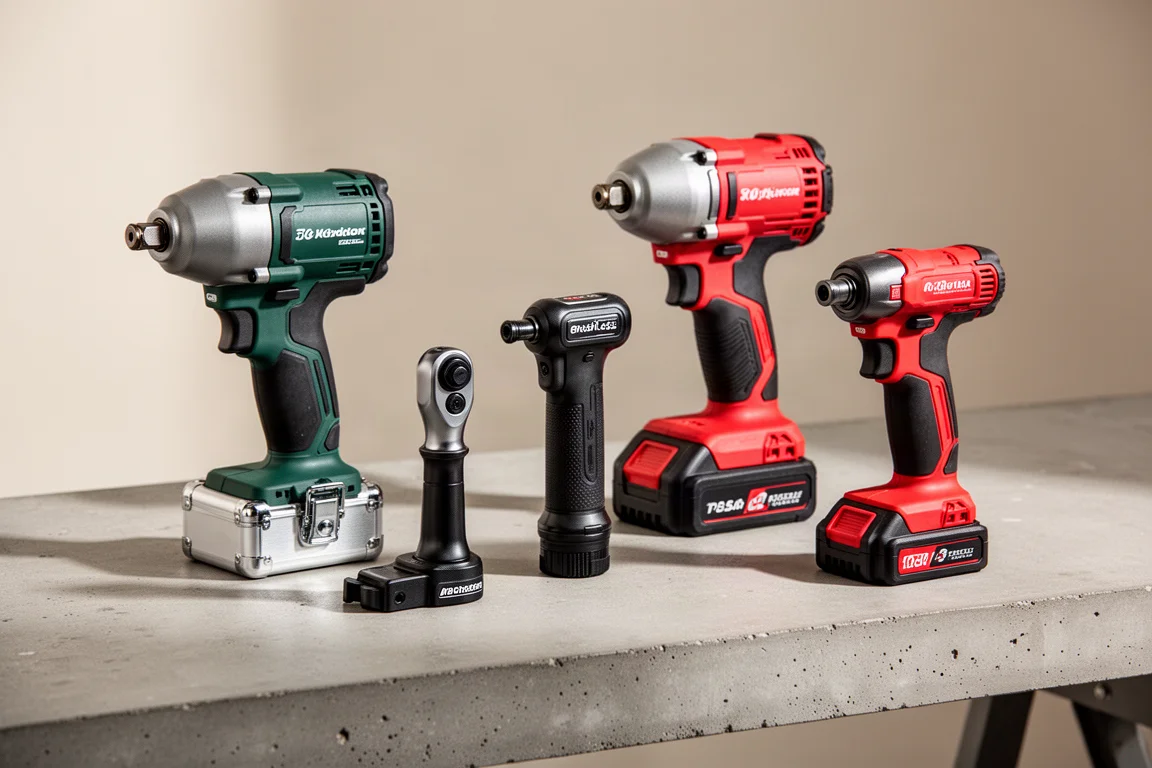
Best Budget Cordless Tools 2026: Walmart Finds That Punch Above Their Price
We tested five cordless tools from Walmart, including a high-torque impact wrench that trades blows with Milwaukee and a $35 duster that outperforms its price class.