Power Tools
Corded Impact Wrenches, Tested: Old-School Torque vs Modern Cordless
We look at six half-inch to 1-inch drive impact wrenches, from vintage Milwaukee and Ingersoll Rand corded units to Makita's heavy hitters and today's M18 and M28 cordless tools.
Introduction
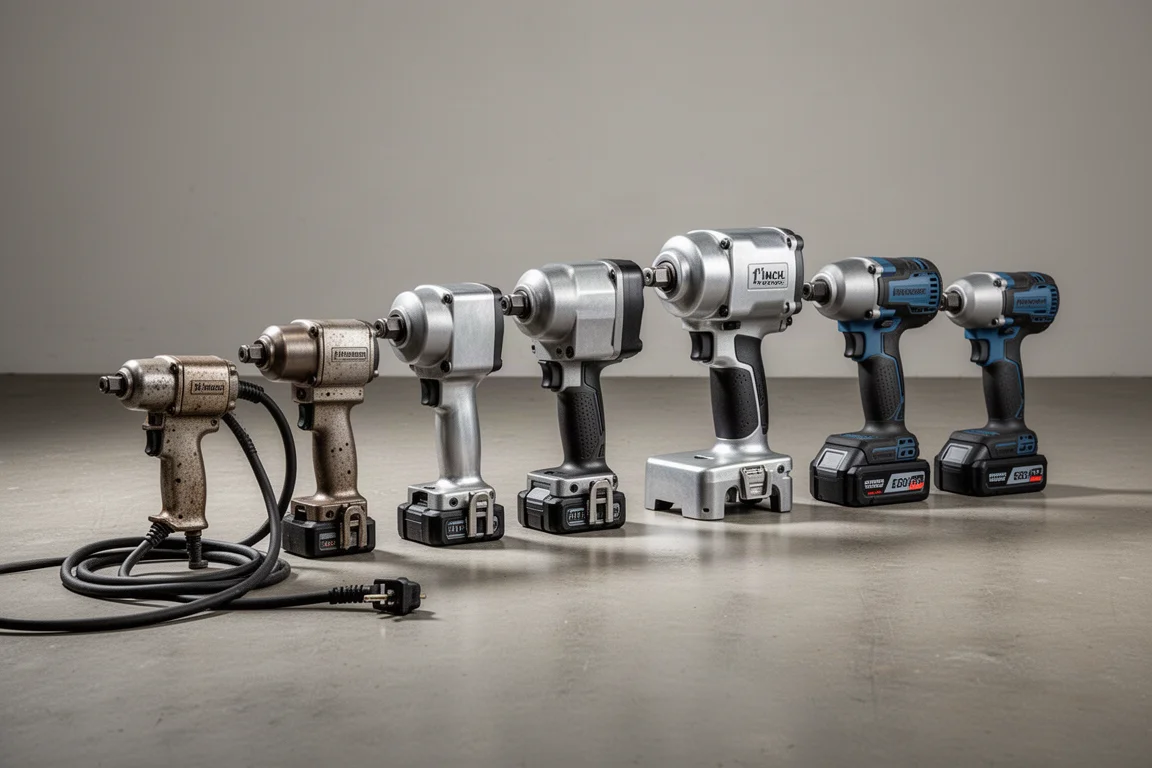
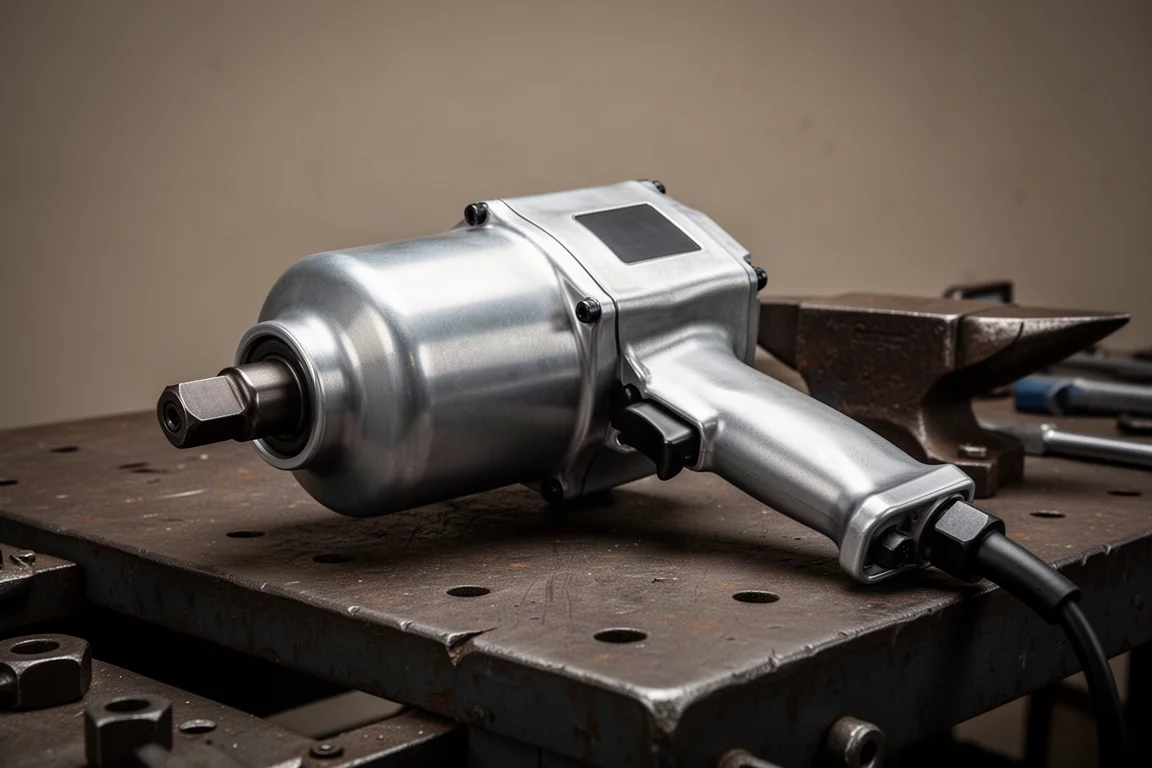
Corded impact wrenches rarely get much attention these days, but they earned their place the slow way: by simply lasting. To see how the old guard stacks up, this comparison covers six tools across half-inch, 3/4-inch and 1-inch drive, all run through standardized torque testing on the same bench. The lineup includes a mid-80s Milwaukee 9050, its near-twin the Ingersoll Rand 8049, two large Makita corded models sent in by a reader, and two Milwaukee cordless references: the current M18 2967 and the older 28-volt M28.
The results are a useful reality check. Vintage corded tools held their own better than you might expect, especially in forward torque, though every one of them is forward-biased and none come close to today’s best cordless monsters in reverse.
Milwaukee 9050: The Half-Inch Classic
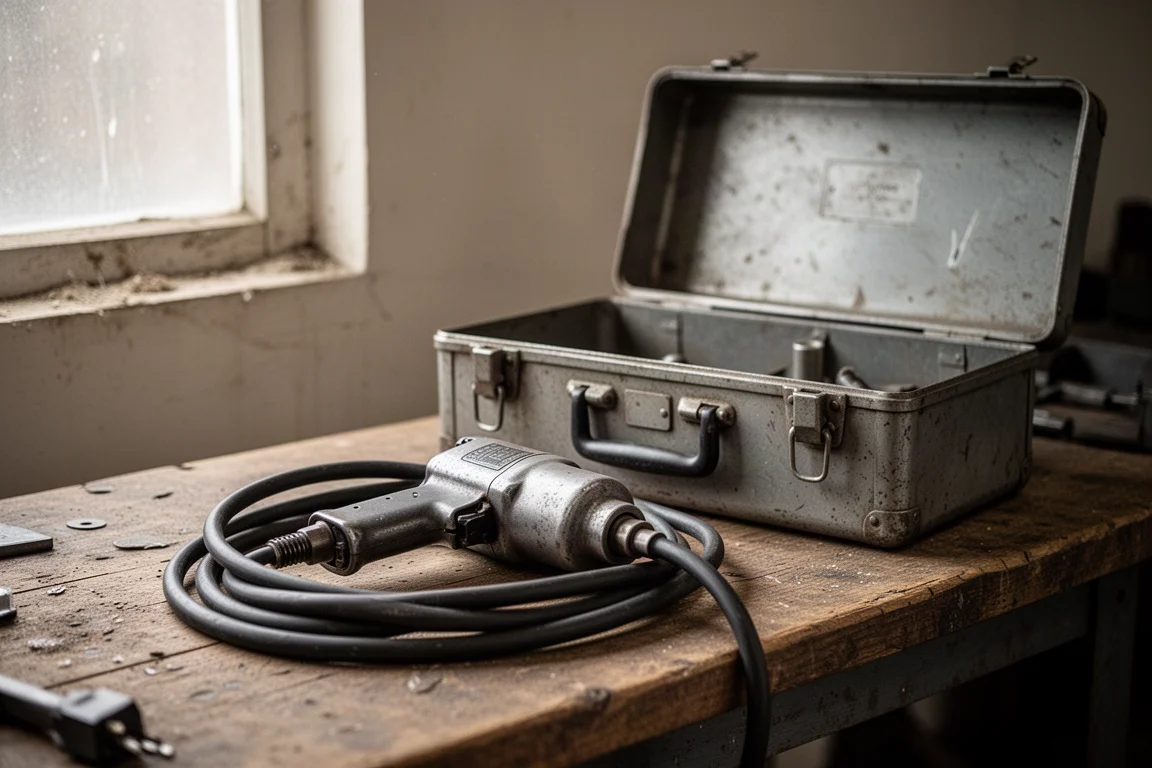
This mid-80s half-inch drive corded impact from Milwaukee’s Brookfield, Wisconsin factory is the kind of tool that defines the era. It ships in a genuinely cool steel case, carries a full list of serviceable parts in the manual, and runs on a 4-amp motor. Its actual RPM measured about 100 higher than advertised, and it has the quintessential corded run-on after you release the trigger. The working torque test, a five-second run in forward, put it at 218 ft-lbs, which is not far off what the cordless M28 delivered two decades later. In reverse it managed 234 ft-lbs, barely above its forward figure, which fits the pattern: this tool does not enjoy reverse.
Like most corded impacts of its day, it is long and heavy by modern standards, but it keeps spinning back-to-back runs without getting warm. After a clean and regrease it even gained a little torque in testing, reaching 355 on the scoring scale.
Ingersoll Rand 8049: The Red Twin
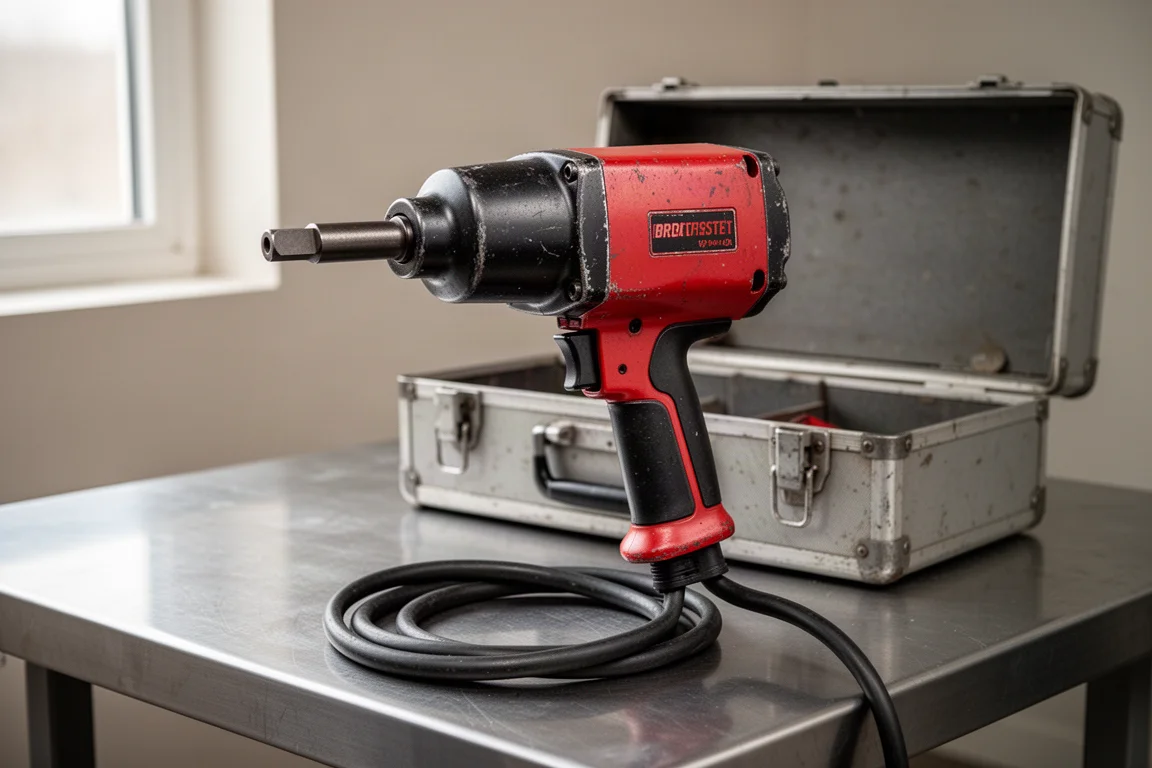
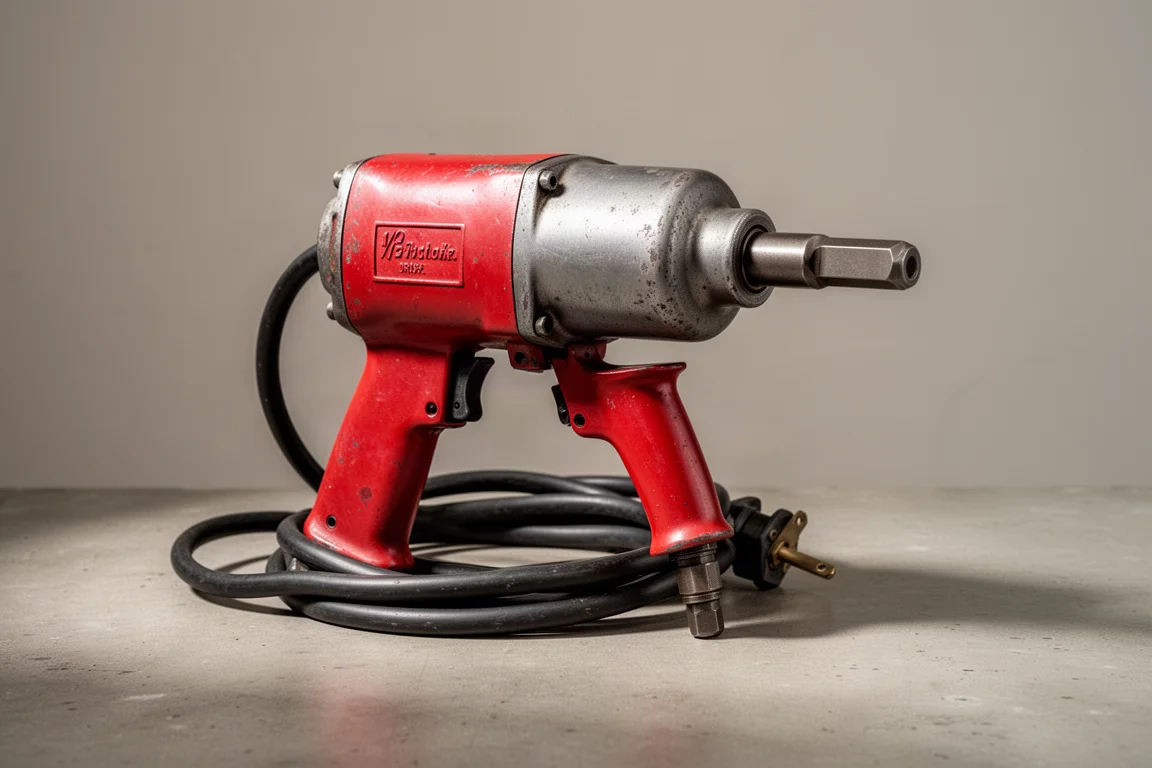
The Ingersoll Rand 8049 looks nearly identical to the Milwaukee 9050 in every way, and it is rated slightly higher at 5 amps versus 4. That extra current shows up in the numbers. It eventually made 260 ft-lbs in working torque, roughly 19 to 20 percent above the red unit, and its peak numbers across every test ran between 10 and 20 percent higher as well, following a similar curve.
If you are choosing between the two vintage twins, the IR is the stronger performer on paper. Beyond that, the story is much the same: serviceable, forward-focused, and built like industrial equipment.
Makita 6906: Heavy-Duty 3/4-Inch Drive
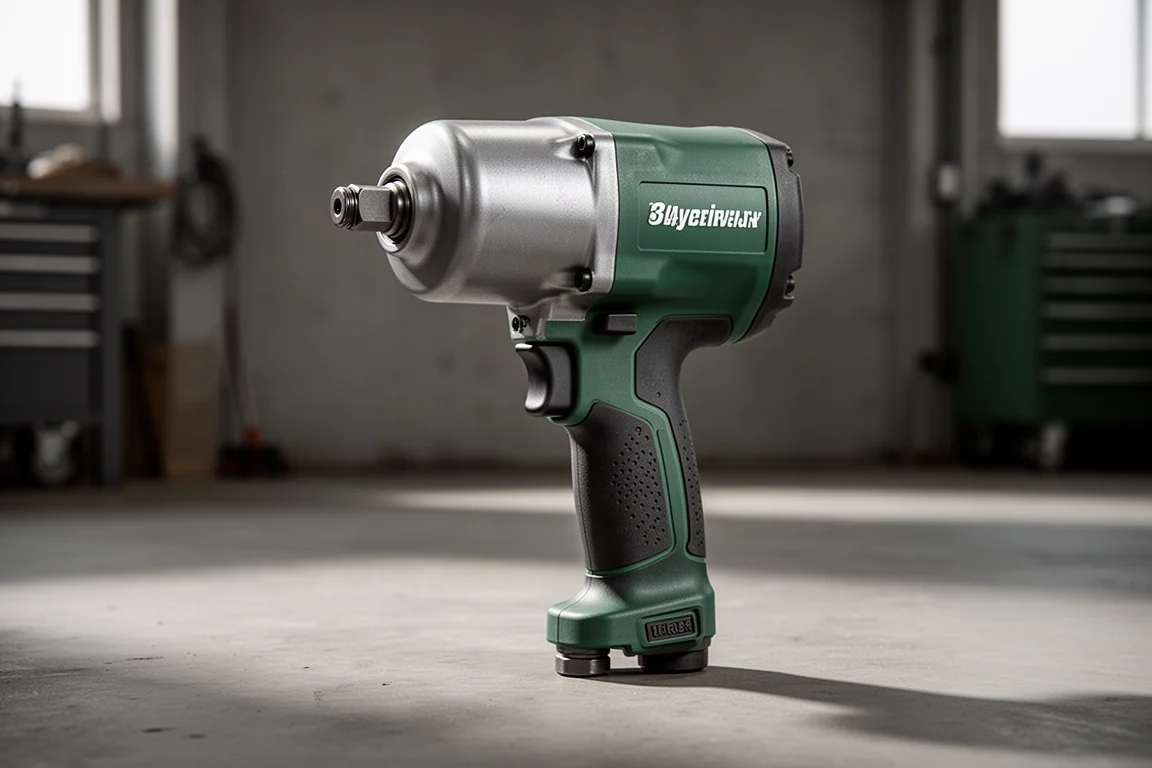
Stepping up in drive size, the Makita 6906 is where these tools start feeling like production equipment. It is just shy of 12 pounds and 13 inches long, with the paddle-style trigger usually seen on smaller professional impacts. Its rated 433 ft-lbs of torque sits around what a modern mid-torque cordless delivers, and the test result came in at 428 ft-lbs in forward, right in line with the spec. In the longer max-torque test it put up 680 ft-lbs, which lands close to Makita’s current cordless LXT 3/4-inch high-torque tools.
That performance comes with real bulk and a price tag around $900 for a new one, so it is a tool for people doing serious construction work, not weekend tire changes.
Makita 6910: The 1-Inch Behemoth
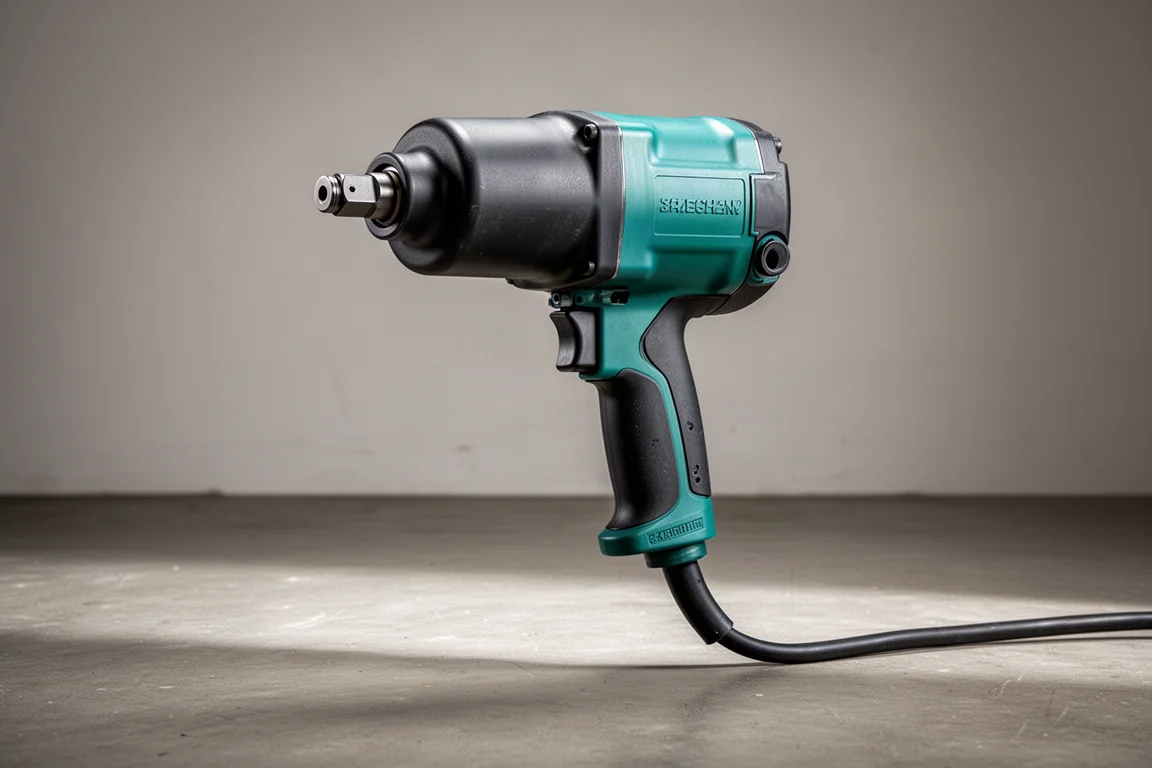
The Makita 6910 is the boss of this lineup: a 1-inch drive corded impact with an aluminum body that still feels like reinforced concrete. It weighs 20 and 3/4 pounds, draws a full 13 amps, and has a tendency to make the lights dim when it spins up. Rated at 735 ft-lbs, it beat that figure in testing with 962 ft-lbs against a modern M18 high-torque with a forge battery, and after a service and regrease it crossed the 1,000 ft-lbs mark.
It is not violent or jittery so much as it is a relentless, heavy kind of torque, like wrestling a bull by the horns. Reverse performance is where it falls short: 676 ft-lbs in the ten-second reverse test, actually below the M18’s curve, another sign these big Makitas favor forward fastening work.
Milwaukee M18 2967: The Modern Benchmark
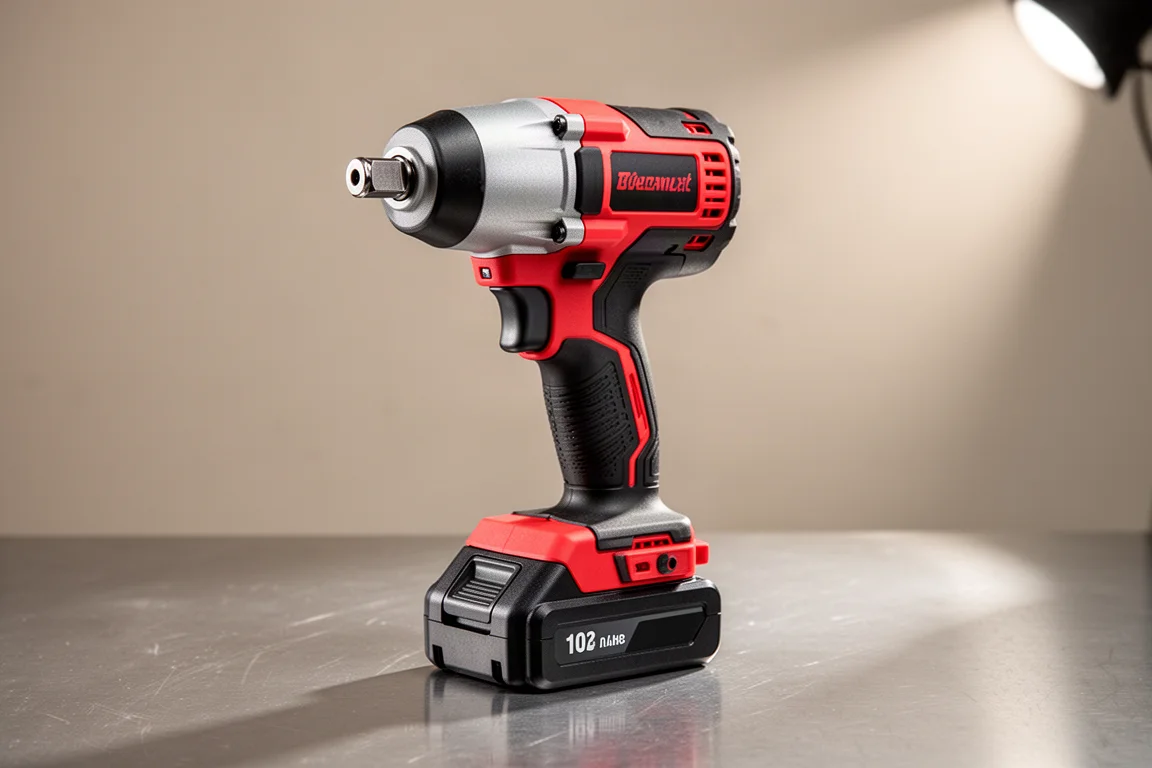
The Milwaukee M18 2967 is the current cordless reference point in this comparison, a full-size half-inch drive impact selling around $300. It is fast, compact, and easy to live with, and it sets the bar the old tools are measured against. In forward working torque it comfortably cleared the vintage Milwaukee, and in the reverse test the 1-inch Makita needed everything it had to beat it.
Its hammer assembly weighs roughly a third of the 1-inch Makita’s, which tells you how quickly it swings to keep up. If you want maximum torque with none of the cord and weight, this is the shape modern tools have taken.
Milwaukee M28: The Cordless Middle Ground
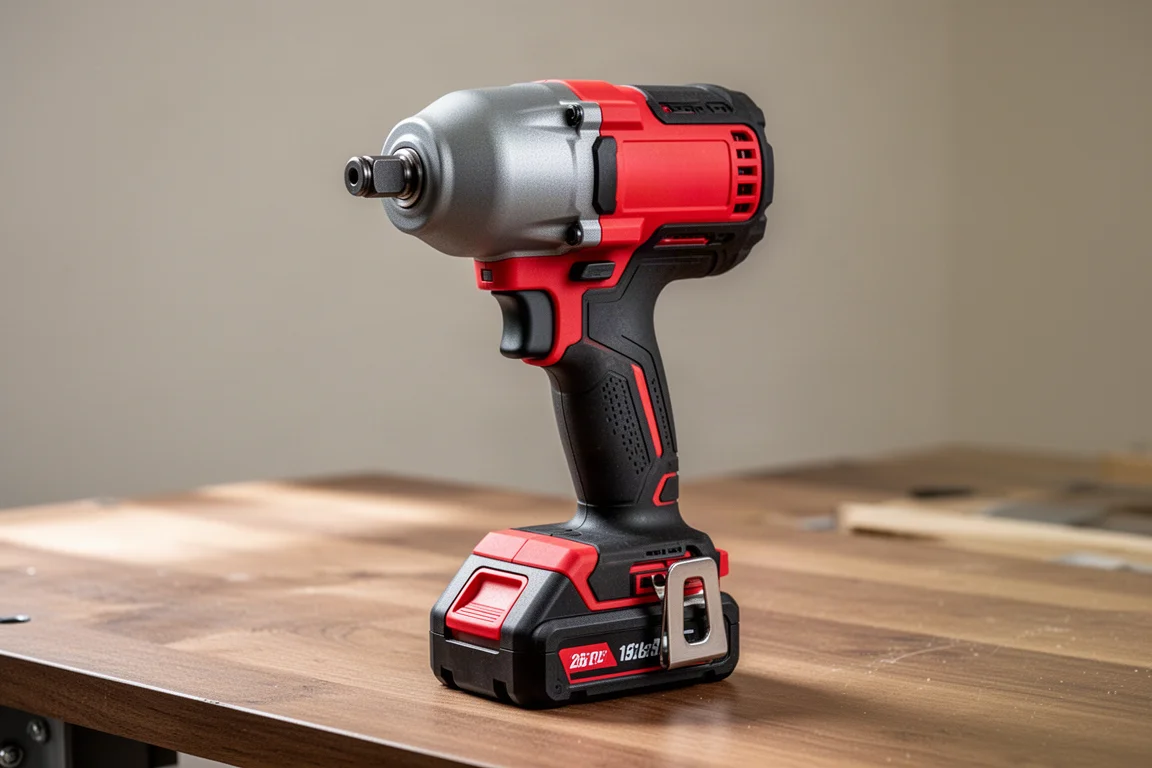
The Milwaukee M28, Milwaukee’s 28-volt cordless impact from the not-so-distant past, sits neatly between the vintage corded tools and today’s M18. It is loaded with bearings inside, the kind of overbuilt construction you associate with a flagship. In the working torque test it landed fairly close to the mid-80s Milwaukee 9050, which is a flattering result for the old corded unit as much as anything.
For buyers on a budget hunting older cordless platforms, it remains a capable half-inch impact that outperformed the vintage half-inch tools in the best-case forward test.
Inside These Tools: Serviceability Is the Point
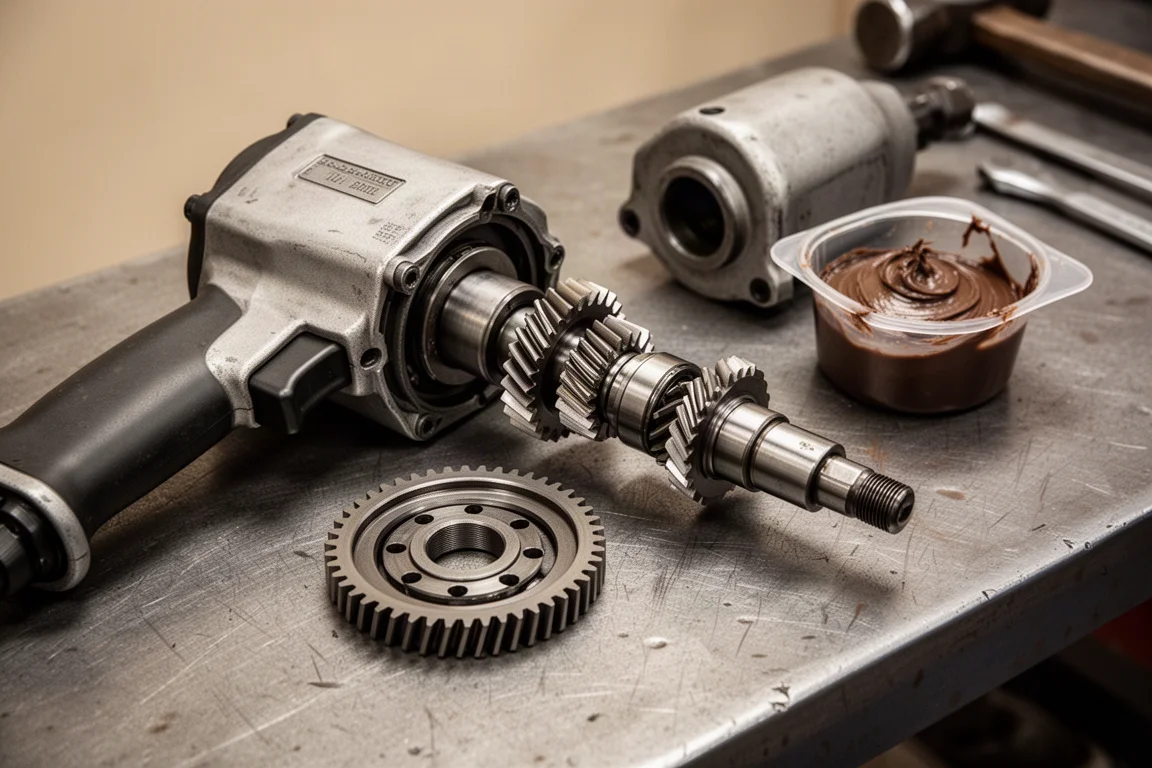
Cracking open the 1-inch Makita takes four bolts and no handle disassembly. Replaceable brushes are accessible without opening the tool, and every portion has listed part numbers. The hammer inside weighs 6 pounds 12 ounces, roughly three times what is inside the M18, which explains both the feel and the forward torque. The 3/4-inch Makita’s hammer, by contrast, is undersized with room to spare in its housing, and ours had been packed with what looked like five times the necessary amount of non-OEM chassis grease, which had to be scraped out.
High-speed footage at 10,000 frames per second captured the sprung hammer and cam mechanism in action, including grease filamenting and small puffs of vaporized grease as pressure events flash inside the housing. It is a genuinely interesting look at a simple, well-understood mechanism.
Should You Buy a Corded Impact Wrench Today?
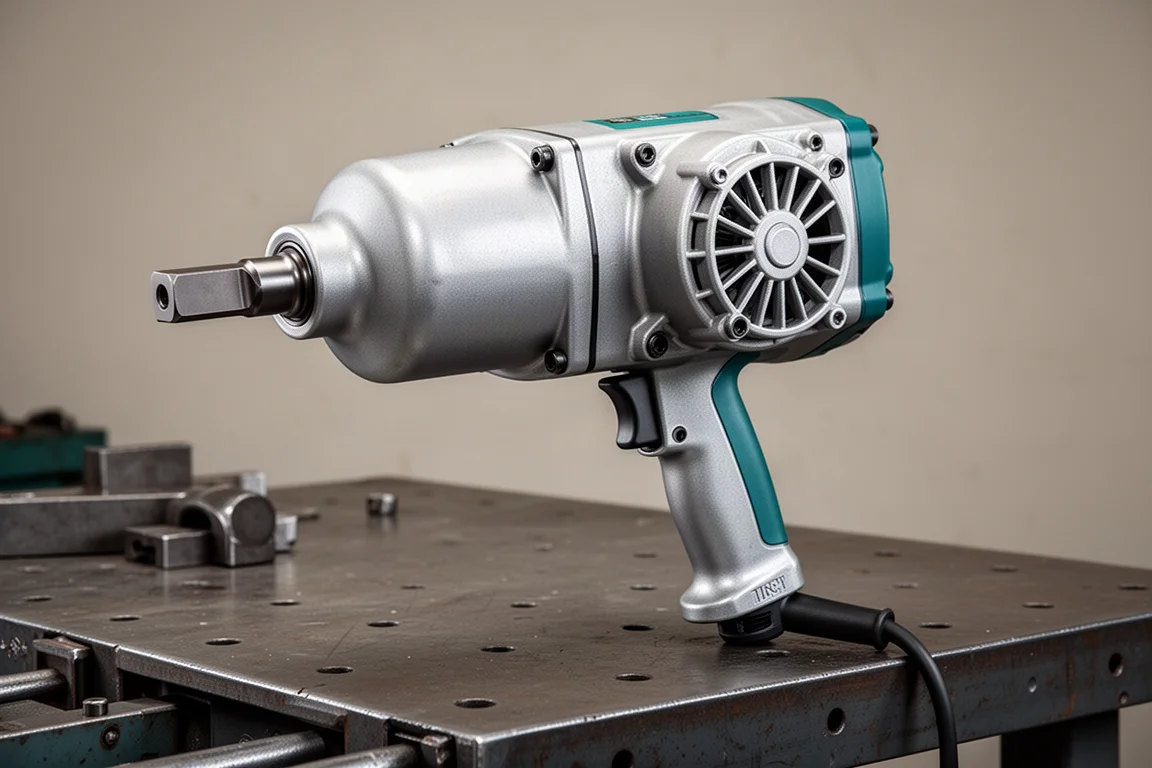
These tools did not break any records against modern cordless flagships, and their weight and price count against them. But they are workhorses, not one-trick ponies. Across many back-to-back runs, none got hot or even warm to the touch, thanks to big rear fans and generous internal air gaps that today’s jam-packed pocket rockets lack.
There is also a practical argument: a well-kept corded tool from decades ago still works, and the Makita 6910 in particular offers serious torque per pound for around $1,150 to $1,200. If your work is stationary, socket-driven fastening at a bench or a fixed station, a corded impact remains a legitimate choice. If you move around a job site all day, the M18 is the more sensible buy.
Conclusion
The old guard holds up better than expected. The vintage Milwaukee and Ingersoll Rand half-inch units deliver respectable forward torque and unmatched serviceability, the Makita 3/4-inch model nearly matches its spec sheet, and the 1-inch Makita 6910 genuinely beat a modern cordless flagship in forward. Modern cordless tools still win on size, reverse torque, and convenience, but these corded veterans earned their reputation and, in some cases, keep it.
Further reading
Related Reviews

Power Tools
Best 1-Inch Pistol Impact Wrenches: Three Heavy-Duty Options Compared
We compare three 1-inch pistol impact wrenches, from a budget-friendly Harbor Freight model to a premium Caterpillar unit, to help you choose the right one.

Power Tools
Best 3/4-Inch Impact Wrenches 2026: Five Contenders Compared
We compare five 3/4-inch impact wrenches across price and performance, from a budget Amazon option to Snap-on's most powerful model yet.

Power Tools
Best Budget Cordless Tools 2026: Walmart Finds That Punch Above Their Price
We tested five cordless tools from Walmart, including a high-torque impact wrench that trades blows with Milwaukee and a $35 duster that outperforms its price class.