Tools & Gear
11 Cool Tools That Do Things Differently: A Practical Roundup
A precision screwdriver, a 1 kWh power station, an ingenious spanner, rescue multitool and more practical tools with genuinely clever design.
Introduction
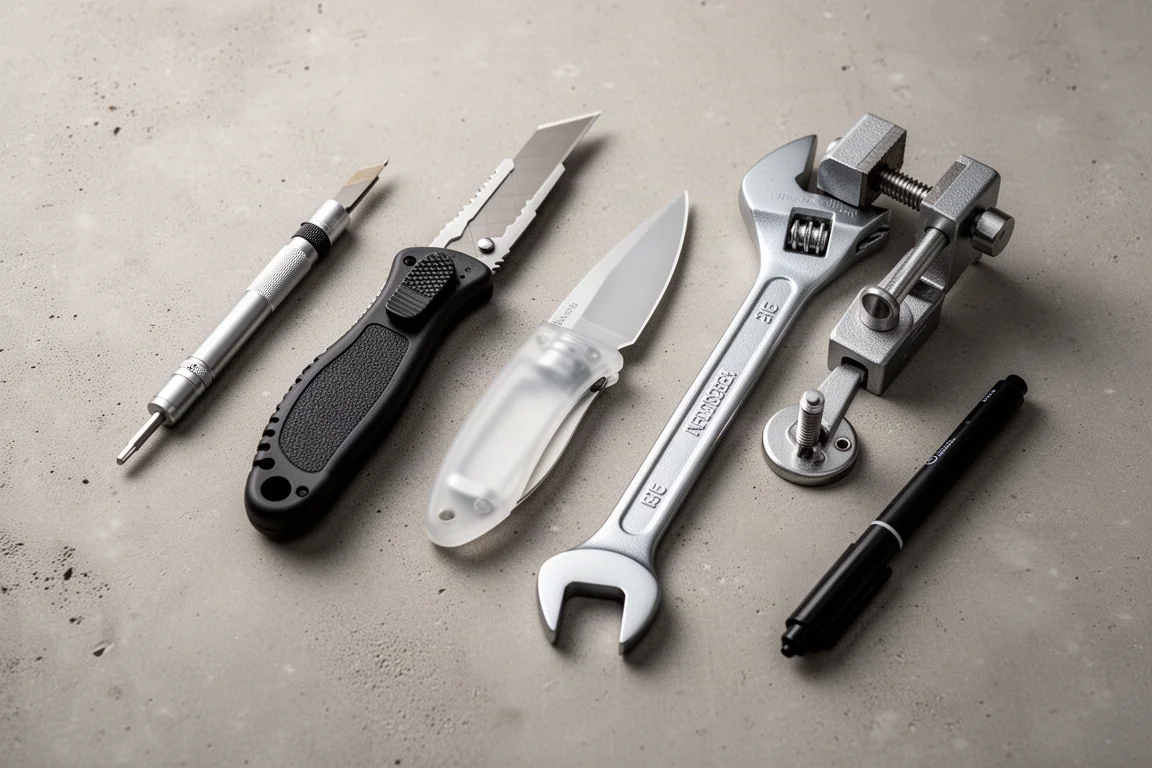
The best tools are not always the biggest or the most expensive. Sometimes it is the one that fits in a pen loop, or the one that finally makes a frustrating job simple. This roundup collects eleven tools that approach everyday problems in genuinely different ways, from workshop staples to emergency gear and pocket-sized everyday carry.
Hoto SE Precision Screwdriver
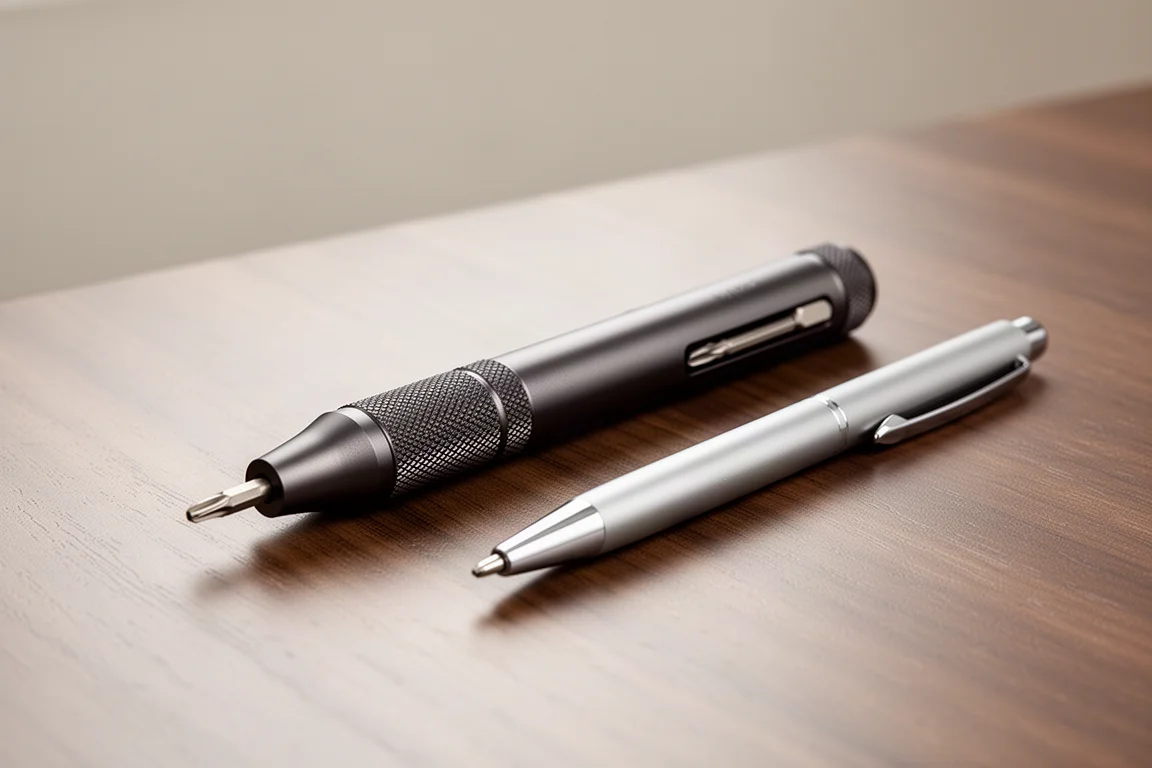
Hoto’s SE Precision Screwdriver is about the size of a pencil, even smaller than Hoto’s previous compact screwdriver. That size is the key selling point: it fits anywhere a pen will go, making it ideal for a spare pen loop in a bag or jacket.
The trade-off is storage. The handle only holds a couple of double-ended 4 mm bits rather than the 12 found in the larger model. You do get an endless pencil bit included, though the writing it produces is very faint even on white paper.
Build quality is genuinely good for the price. The body is anodized aluminium, the retaining magnet is very strong, and both the spare bits and the bit holder are held magnetically. At around £13 or the equivalent in dollars it is reasonable, and a sensible pairing is to keep the bigger Hoto in your toolkit and load this one with your three favorite double-ended bits for everyday carry or a tech kit.

Jackery Explorer 1000 v2
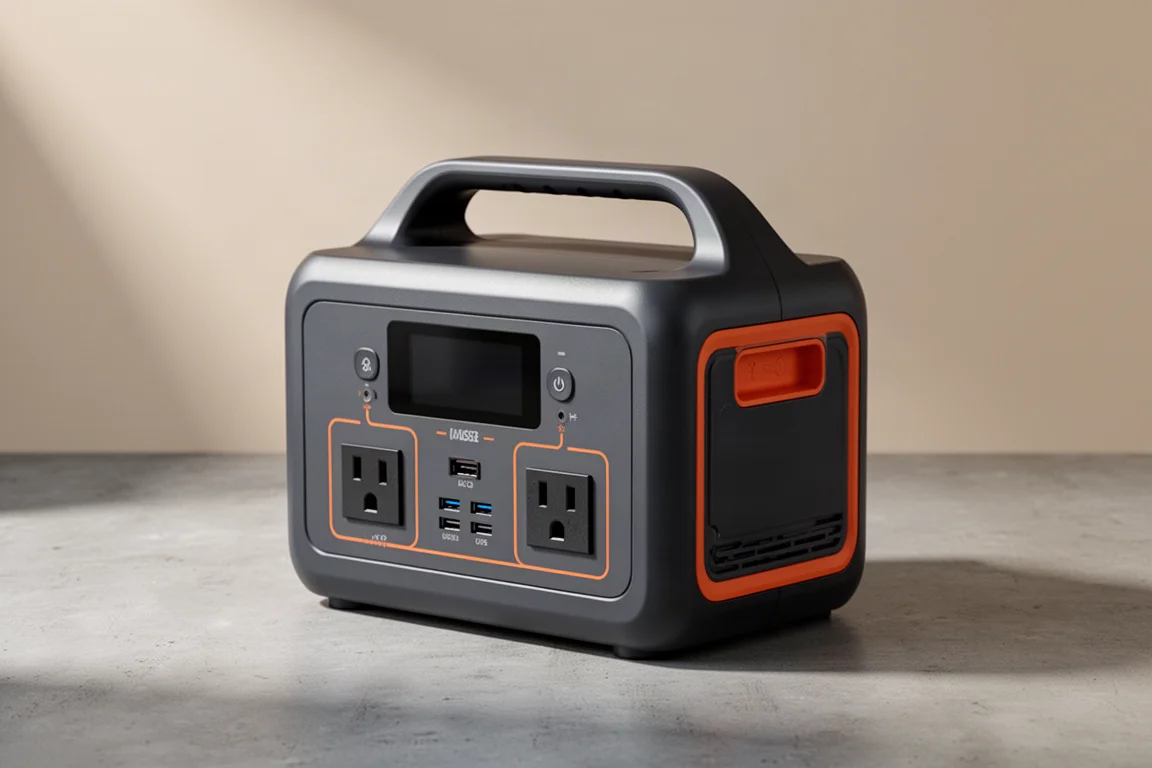
Jackery is arguably the best-known brand in portable clean energy, and the Explorer 1000 v2 stands out even in a crowded field. It is the smallest and lightest 1 kW-class LFP (lithium iron phosphate) power station available, and LFP is a meaningfully safer battery technology than conventional lithium-ion, backed here by 62 layers of protection.
Battery longevity is a highlight: 4,000 charge cycles, enough for around 10 years of daily use. Charging is fast too. Supercharge mode fills the unit in just 1 hour, standard charging takes under 2 hours, a 12 V car outlet takes around 12 hours, and two 100 W solar panels can fully charge it in roughly 7.5 hours in good sunlight. It is also library-level quiet while charging.
Capacity is 1,070 Wh, enough to run a 60 W mini fridge for around 15 hours or a bright 10 W LED light for close to 100 hours. The front panel carries a 12 V car output, separate AC and DC switches, an informative display showing input, output and remaining duration, a useful light, two USB-C ports, one USB-A port, and two AC sockets with a 1,500 W combined maximum output. A fold-up handle with a rubberized grip makes one-handed carrying easy, and a simple iOS and Android app controls everything remotely over Bluetooth and Wi-Fi.

The two main use cases are remote power and emergency preparedness. It can run mains-powered tools like a hedge trimmer away from wall power, support an outdoor party, or keep a camper van’s air fryer and toaster going off-grid. At home it covers power cuts, running lights, a microwave, heaters and phone charging, and it can even act as an uninterruptible supply for a desktop computer by sitting between the mains and the equipment.
ToughBuilt Scraper Utility Knife
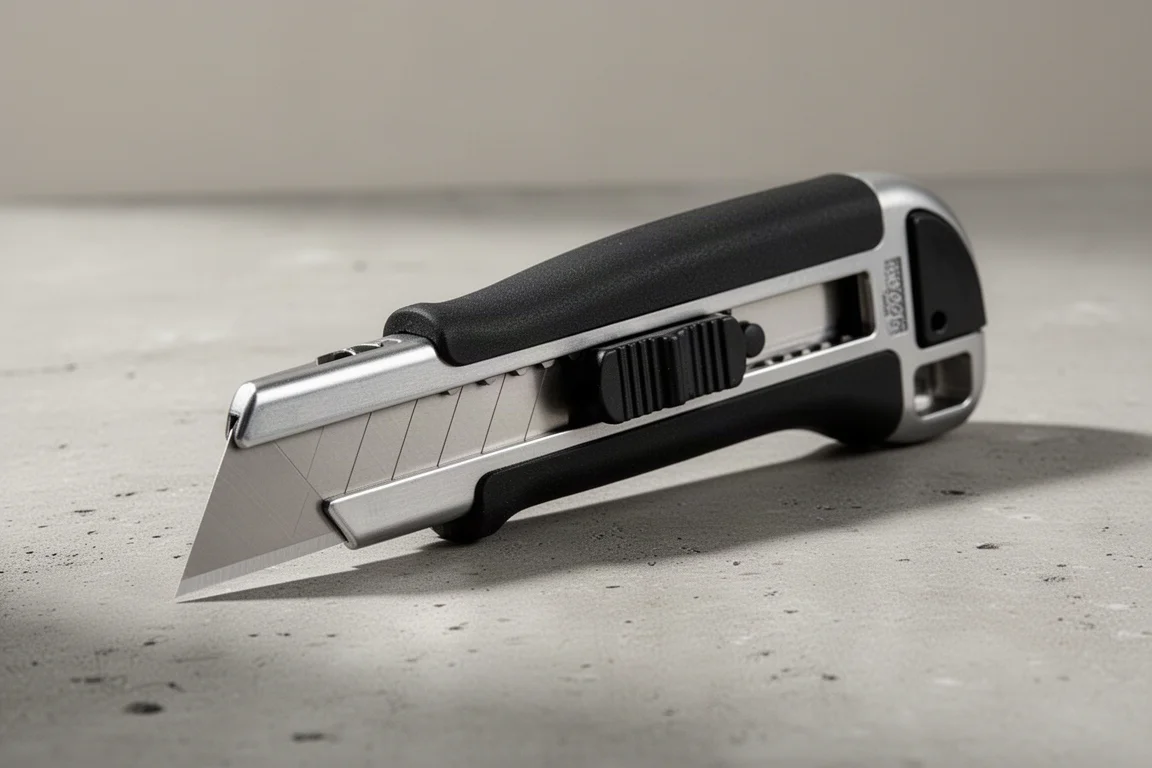
This one surprises with a mix of quality and practicality at an excellent price of around £20 or $25. It works first as a utility knife: press the unlock button, push the slider, and the blade locks into position. The rubberized handle wraps a metal body, gives a secure grip, and includes a finger guard.
The clever part is the second position. Slide further forward and the tool becomes a scraper with a bladed edge, perfect for removing overpaint from glass, tape or sticky residue. Switching back to knife mode is a quick one-handed action. Blades are easy to change, five spares are included (though they are unique to this knife), and there is even a pry tool on the base designed to lift paint lids. It lives up to the ToughBuilt name with an impressive 25-year warranty.
James Brand Palmer
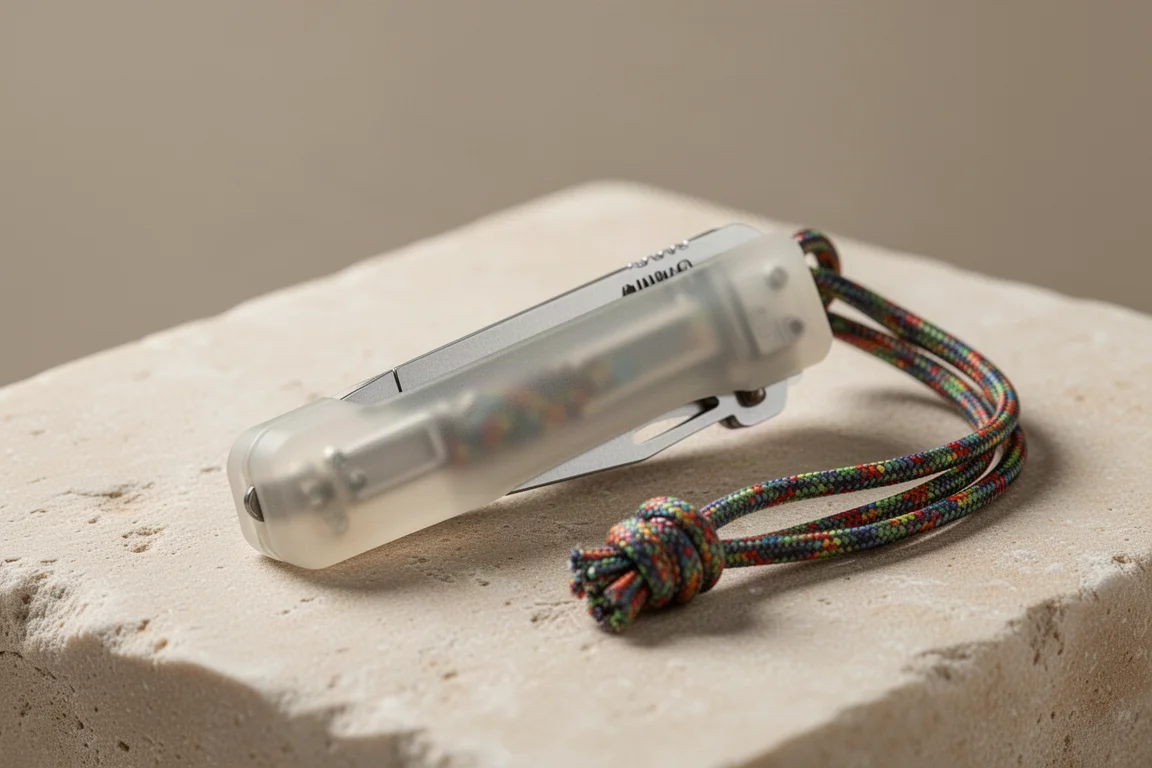
Possibly the best-looking EDC utility knife around, this updated Palmer swaps the aluminium casing for a super tough material called PCTG. It comes in five frosted see-through colorways with complementary colored lanyards, and the new look is lighter than the original.
The pocket-friendly design locks open and closed, with a middle detent that allows easy blade changes. It makes a great alternative to a folding pocket knife, though note that the locking blade would not technically be legal to carry in the UK. At £39 or dollars, it costs much less than the original aluminium version.
Marksman Chalk Markers
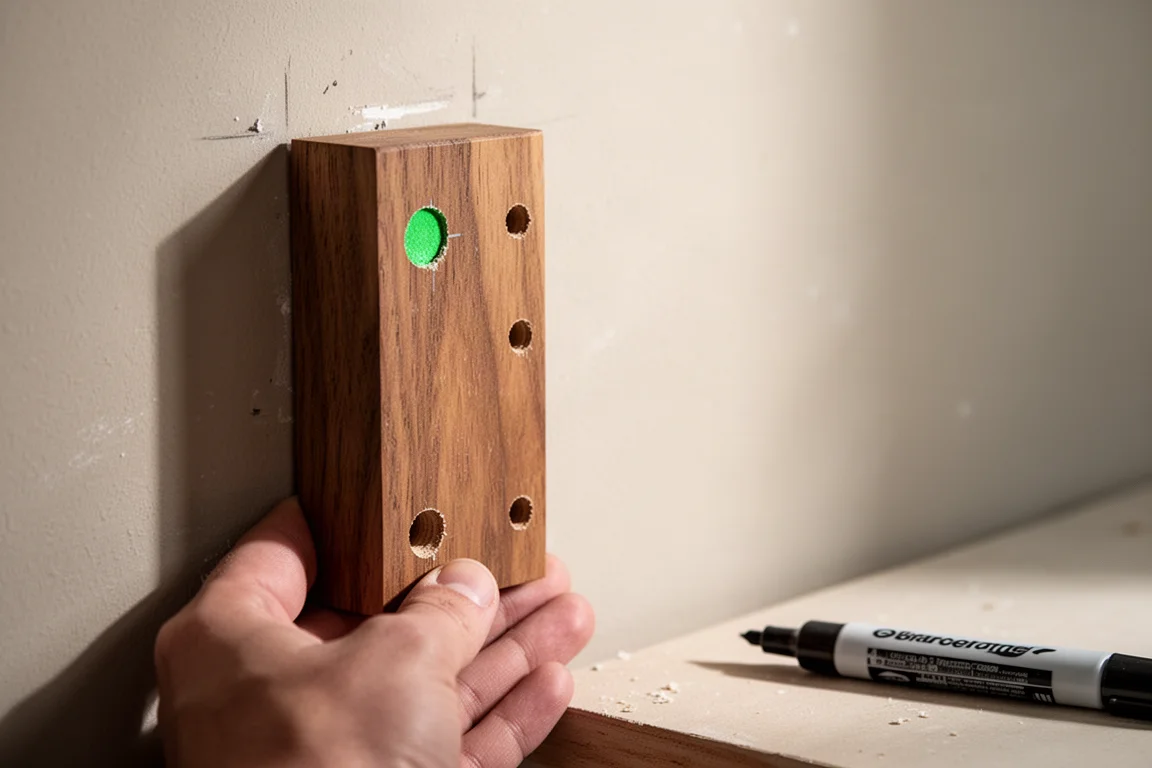
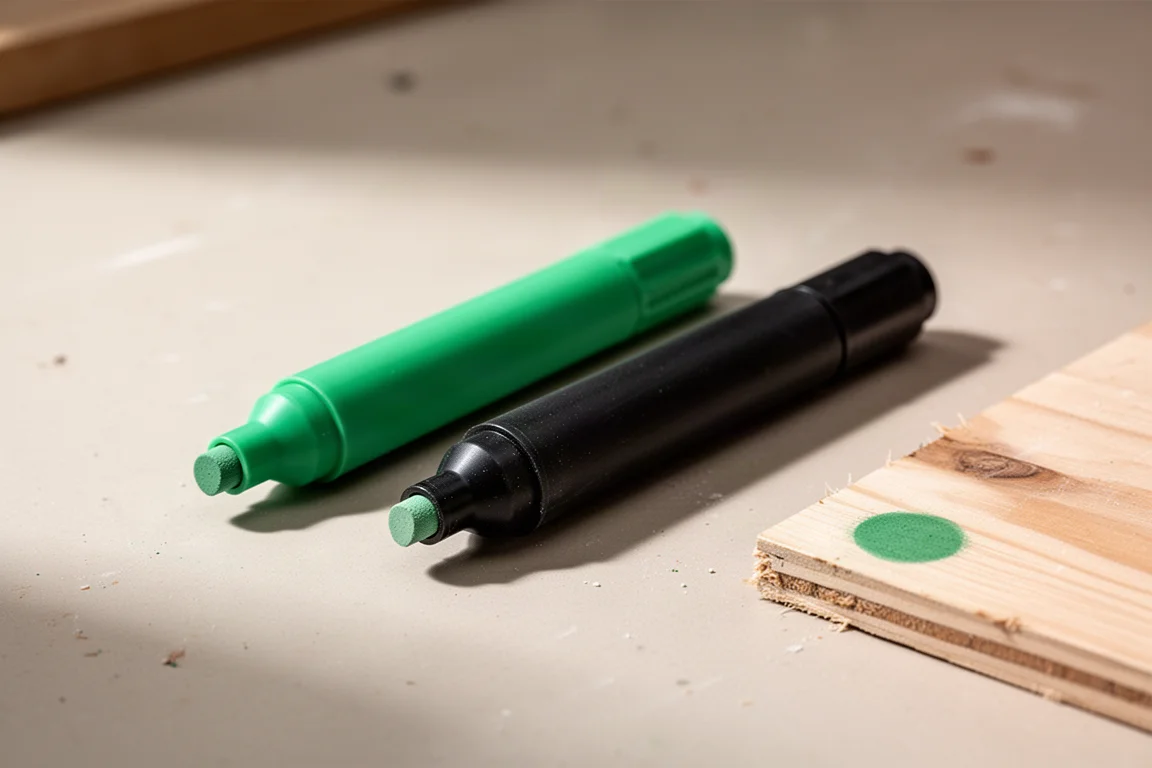
Drilling holes in exactly the right place is harder than it sounds, especially when positioning something like a thick wooden bracket with pre-drilled holes against a wall. These chalk markers from Marksman fire a small green chalk mark right through the hole, so you know exactly where to drill.
There are two versions. The green one works with fittings up to 50 mm thick; beyond that distance it stops producing a mark. The black version, which still leaves a green mark, covers 50 mm to 100 mm and works reliably at those greater thicknesses. The mark wipes away easily, they mark rough surfaces like brick and stone as well as smooth ones, a small twist prevents accidental activation, and each is apparently good for 200 marks. At under £10 for the pair they are excellent value. They are made in the UK and available on Amazon there, though they were hard to find in the US.
OX Pro Carbon Marking Pencil
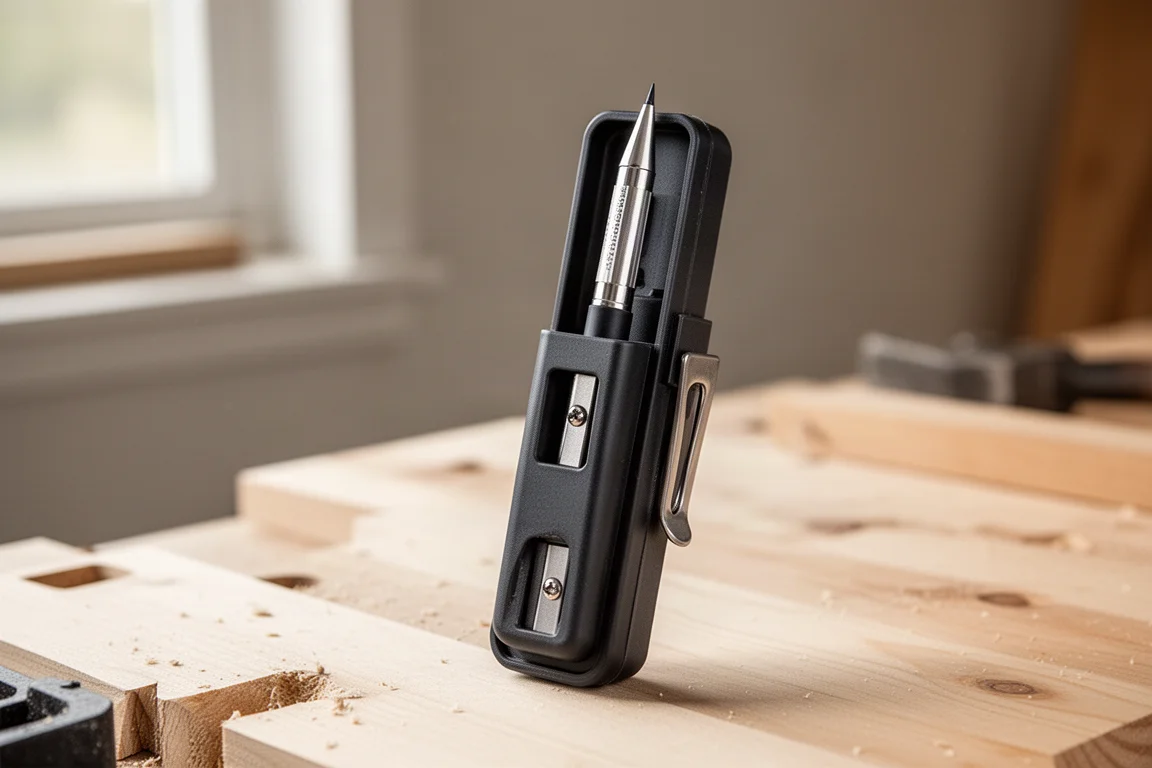
For those outside the UK, this award-winning carbon marking pencil from OX is a strong alternative at around £10 or $14. It has a narrow stainless steel tip for getting into tight spaces and a large 2.8 mm lead that suits general use as a carpenter’s pencil as well as marking through drilled holes of 6 mm diameter or more, up to a maximum of 40 mm deep.
The lead extends a click at a time and can be sharpened with a sharpener cleverly built into the supplied case, which also has a pocket or belt clip. All in all, a nice and affordable solution.
Franklin Sensors Stud Finder
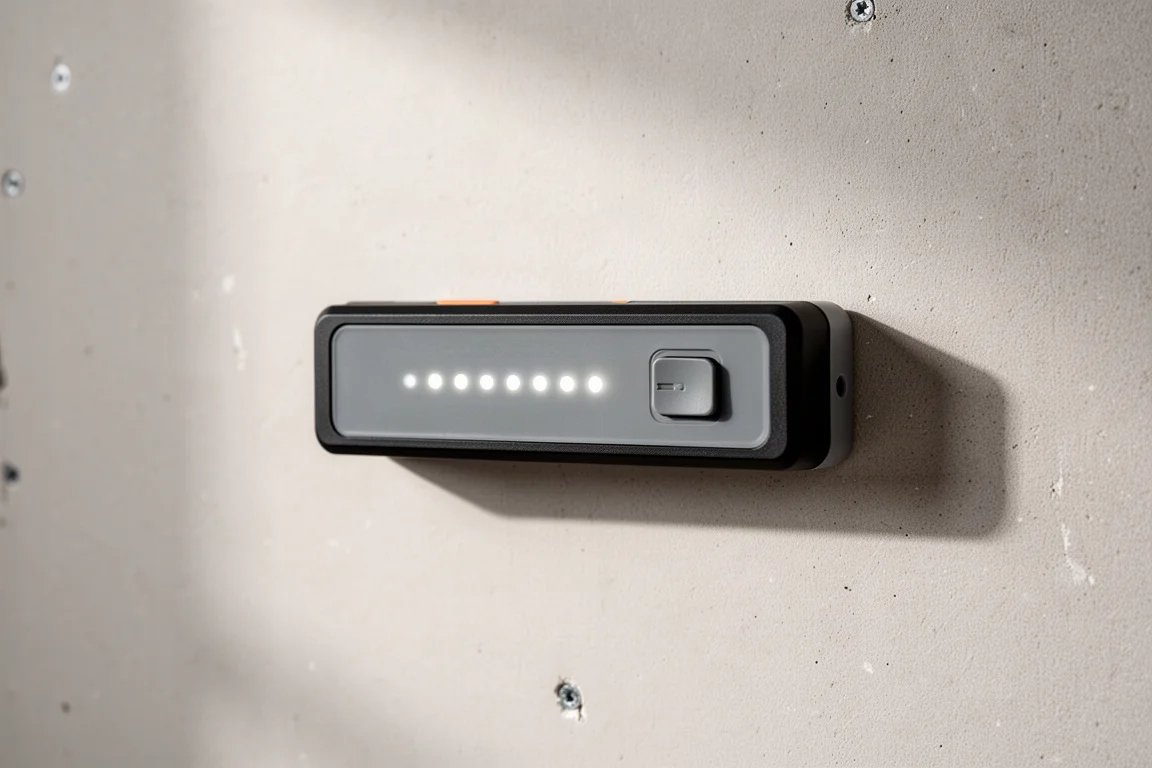
Anyone who has fought with a traditional stud finder will appreciate why this one impresses: it actually works. Conventional finders tend to beep erratically, demand sensitivity fiddling, and leave you knocking on the wall with mixed confidence and holes everywhere.
The Franklin Sensors unit uses 13 sensors rather than one, detecting density changes to a depth of 1.6 inches and working with both wood and metal beams. Install a couple of AA batteries, press and hold the single switch, and it starts detecting with no calibration and no annoying noise. Each sensor has an LED that lights up to show a density change, so you can see not just the beam but its width and edges. When centered, the middle LED turns green to mark the beam’s midpoint. There is also a built-in spirit level and ruler markings. At £50 or dollars it is not cheap, but with 13 sensors, US manufacturing, a solid feel and simple operation, it earns its price.
Metmo Adjustable Spanner
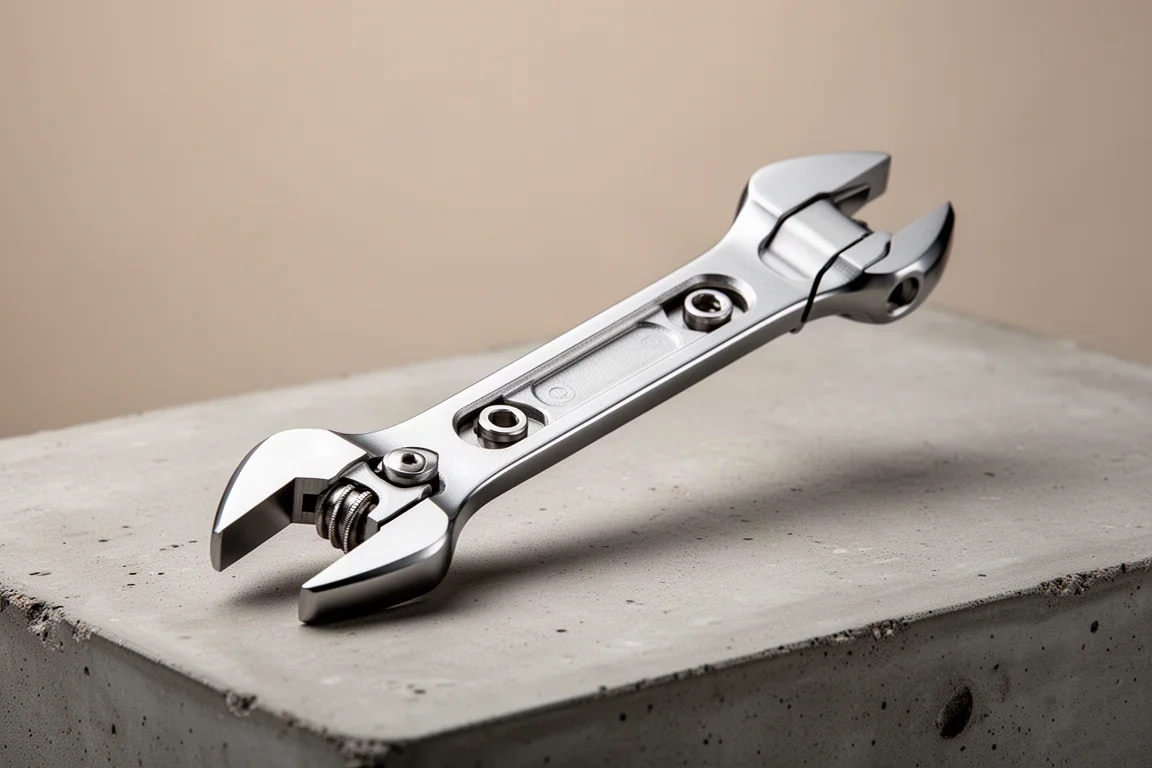
You have to marvel at the ingenuity here. Metmo, a brand focused on design innovation and quality without letting price get in the way, builds this adjustable spanner around an old 1929 patent, and it works flawlessly thanks to precise 5-axis CNC machining and stainless steel construction.
The action is so satisfying it could easily sit in a fidget toy collection, but it is practical too. It adjusts far faster than a standard shifting spanner, opening up to 22 mm, and the jaws simply lock in place when adjusted without any extra screws to tighten. A cutout in the rear of the jaws lets it double as a quarter-inch bit driver, though it is slightly awkward to use, and it can serve as a light-use hammer, although at £120 in the UK and nearer $160 in the US you might not want to bash it about.
Stanley Portable Vise
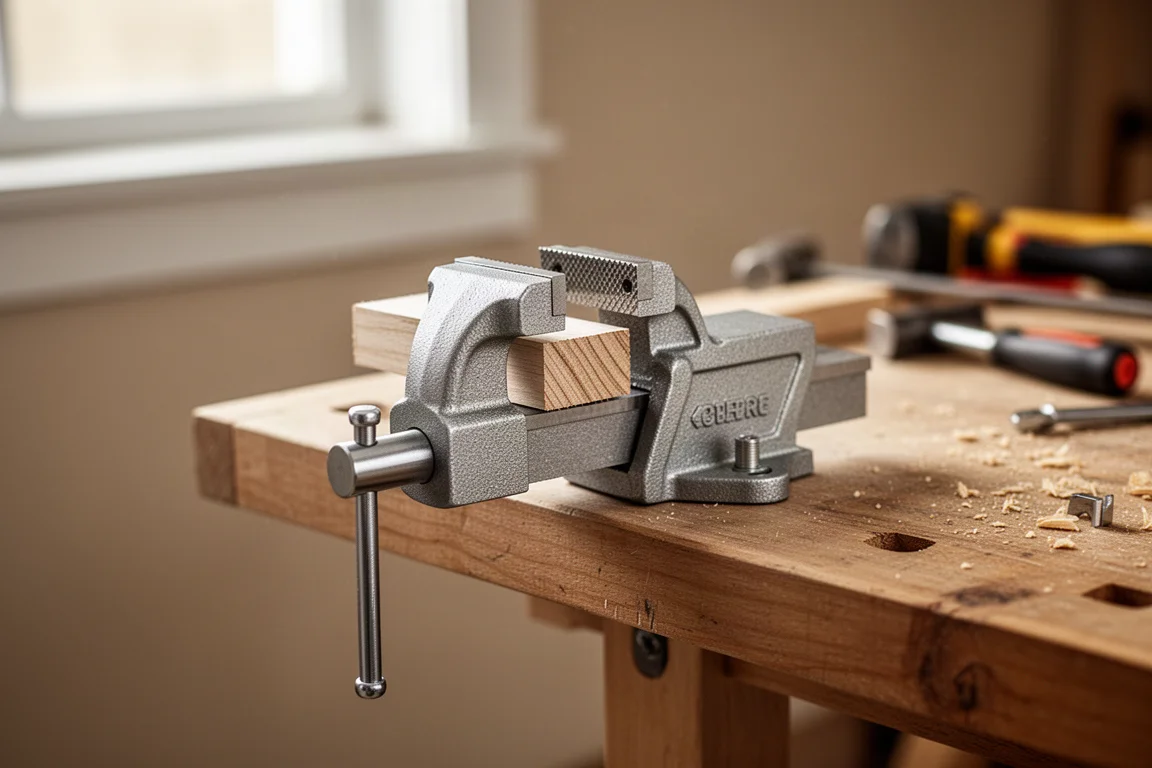
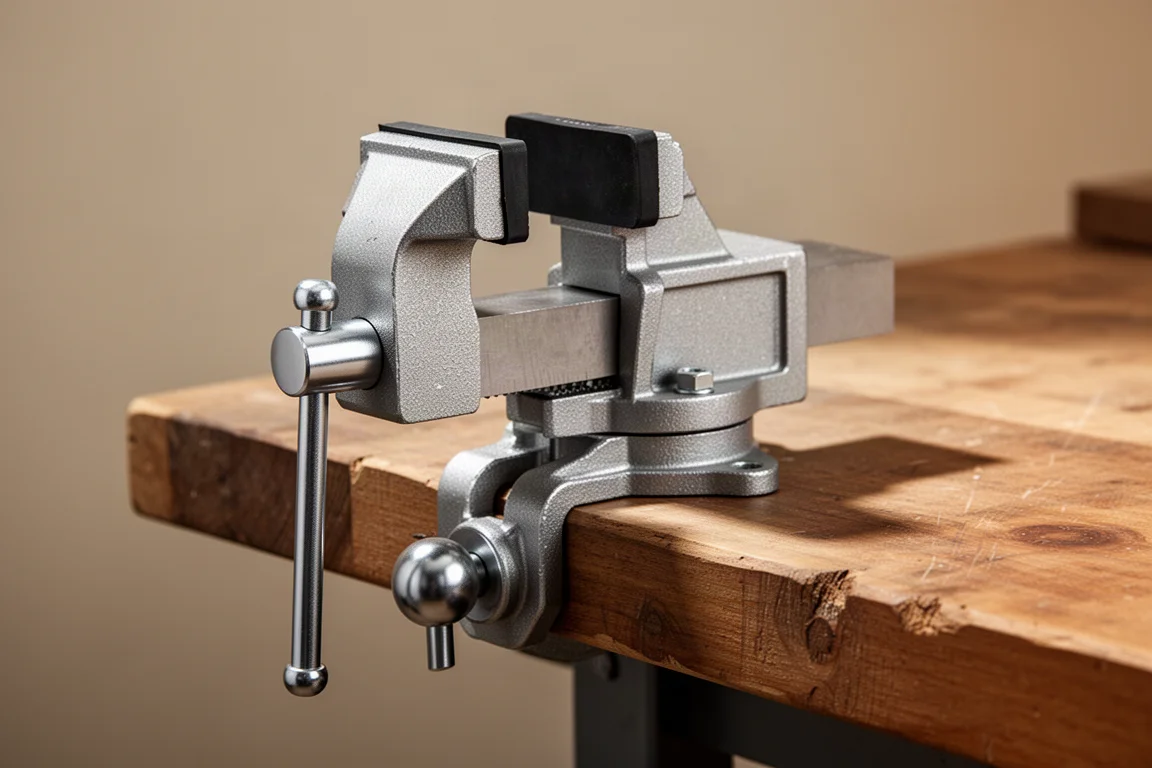
A vise is one of the most-used tools in any workshop, but the usual drawback is that it is permanently bolted to the bench. This portable version from Stanley solves that, and the value is remarkable at just £21 on Amazon in the UK, likely slightly more in the US.
Nearly everything is steel; the only exceptions are rubberized jaw caps to protect softer items and a rubberized plate and pad that improve grip and prevent marking whatever you clamp it to. It is reassuringly substantial at 1.5 kg (3.5 lb) yet still very portable. The jaws open to about 3 inches and it attaches to surfaces over 2 inches thick, giving plenty of placement options. The ball joint adds flexibility that a fixed workshop vise lacks, letting you position the vise at the perfect angle for the job. It is built like a tank, works brilliantly, and is genuinely hard to beat on value.
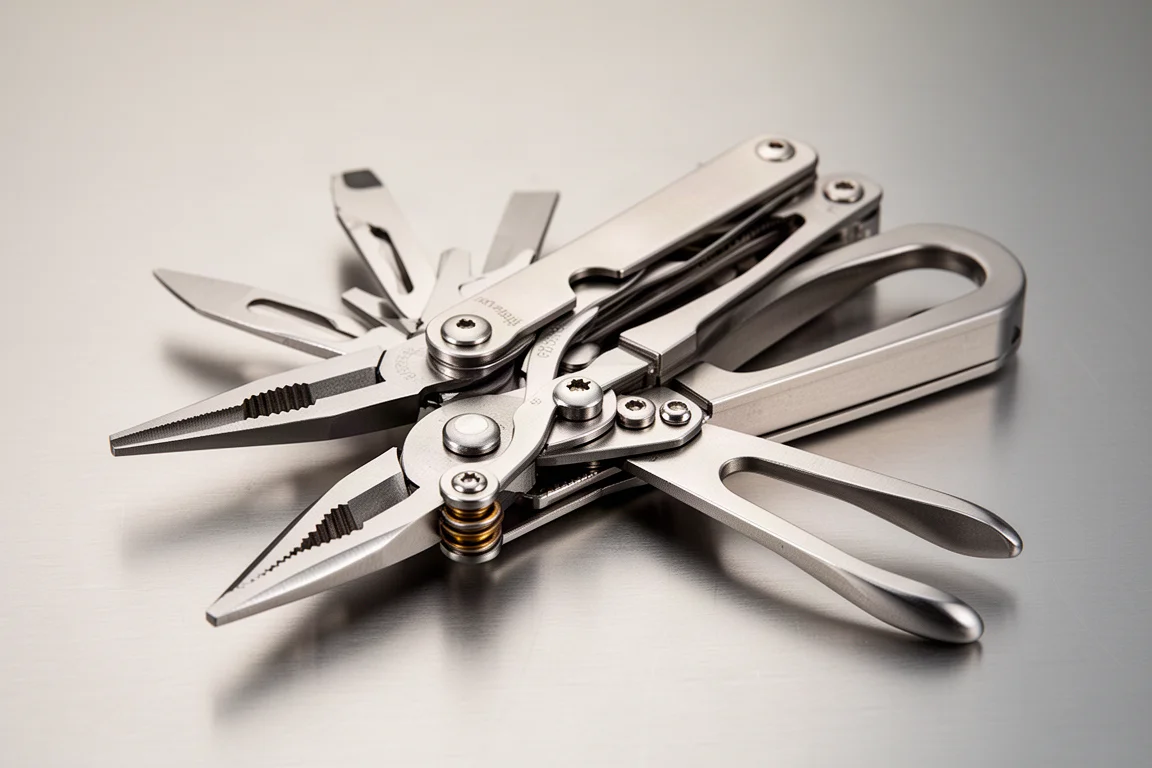
Nex Torch Pioneer Multitool
The Pioneer from Nex Torch, sister company of the better-known Nex Tool brand, is a Chinese-made multitool that innovates rather than copies. It primarily targets emergency responders and paramedics but appeals outside that group too.
Standout features include spring-loaded rescue shears, the real star of the tool, cutting through everything from thin polythene to thick clothing and even thin metal, with a serrated edge for grip and a rounded tip so you do not stab anyone while cutting clothing off. There is also a spring-loaded cutter designed for plastic handcuffs or heavy zip ties, a small saw and knife both with liner locks, an oxygen tank wrench cutout, a strap cutter for seat belts, a removable small screwdriver (with a handcuff key planned as a swappable option), ruler markings, a bottle opener, and fold-out needle-nose pliers with replaceable hard-wire cutters.
The main question mark is steel quality: the 20Cr13 or 30Cr13 steel used is good but not great, a concern if you plan heavy use. The included pouch is bulky and feels cheaper, and the tool itself is boxy, though build quality otherwise feels solid. Weight is reasonable at 270 g (9.2 oz) for such a large tool. Pricing is on the high side at $99 in the US, though UK listings around £78 including VAT are better value.
Metmo Magnetic Bit Case
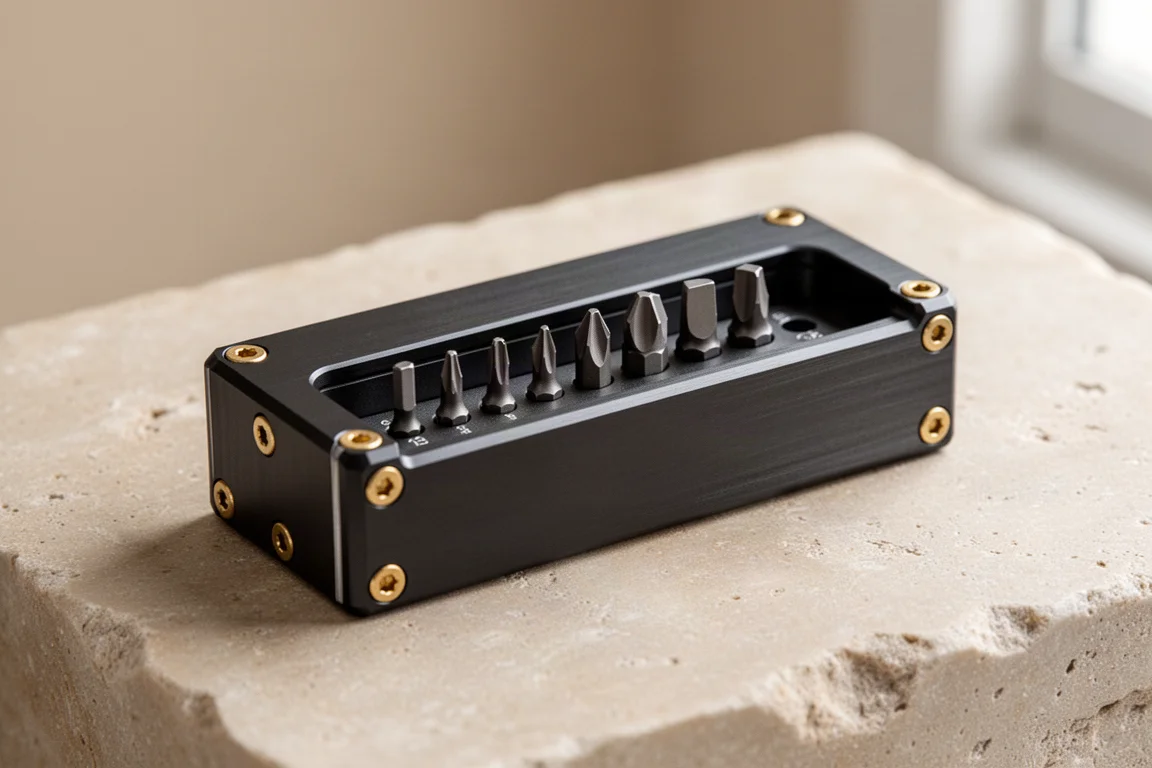
If you are a fan of the Metmo pocket driver, the Metmo Magnetic Bit Case follows the same design aesthetic. It is made from anodized aluminium with brass screws and holds six 25 mm quarter-inch bits in place with a strong neodymium magnet, while a surrounding frame pivots out of the way, mirroring the pocket driver, so the bit can slide out when needed.
At a push you can use it as a standalone screwdriver by pushing the bit out and holding it, but it is not a great solution, and it would be easier to recommend with a proper quarter-inch driver socket built in. At £39 without any bits, it really only appeals to pocket driver enthusiasts with deep pockets.
Buying Advice
A few themes emerge from this lineup. If you want maximum practical value, the ToughBuilt scraper knife, Stanley portable vise and Marksman chalk markers deliver the most utility per pound or dollar. If you want design and engineering as the main event, the Metmo spanner and magnetic bit case are the premium picks. If your priority is capability, the Jackery Explorer 1000 v2 and Franklin Sensors stud finder solve problems that cheaper alternatives consistently fail at. Match the tool to the job you actually do most often and every one of these can earn its place.
Conclusion
What unites these eleven tools is that each one rethinks a familiar category in some small but meaningful way. Some are cheap enough to buy on impulse, others are investments, but all of them show that good tool design is about solving the real problem, not just adding another version of the same thing.
Further reading
Related Reviews

Backpacking Gear
Building a 10 lb Base Weight: An Ultralight Backpacking Gear List
A practical walkthrough of the ultralight pieces behind a 10 lb base weight, from a 765 g pack and a roomy one-person tent to a full camp chair and a dependable water filter.

Road Bikes
10 New Road Bikes Worth Watching: Aero, Titanium, Steel and Endurance Standouts
A practical roundup of 10 new road bikes, from aero flagships chasing single-watt gains to titanium, steel and endurance platforms built for real roads.
Bikepacking Gear
11 Bikepacking Essentials for Long-Distance Cycling
Eleven bikepacking essentials for long-distance cycling, from a steel gravel frame and a two-person tent to helmet lights, packable gloves, and a frame bag that puts weight in the right place.