Cookbook Reviews
Cooking with Vegetables by Jesse Jenkins Review: Skater Boy Soupy Beans
We cooked 11 recipes from Jesse Jenkins' debut cookbook and rated it 6.8 out of 10. Here is what works, what does not, and who should buy it.
Introduction
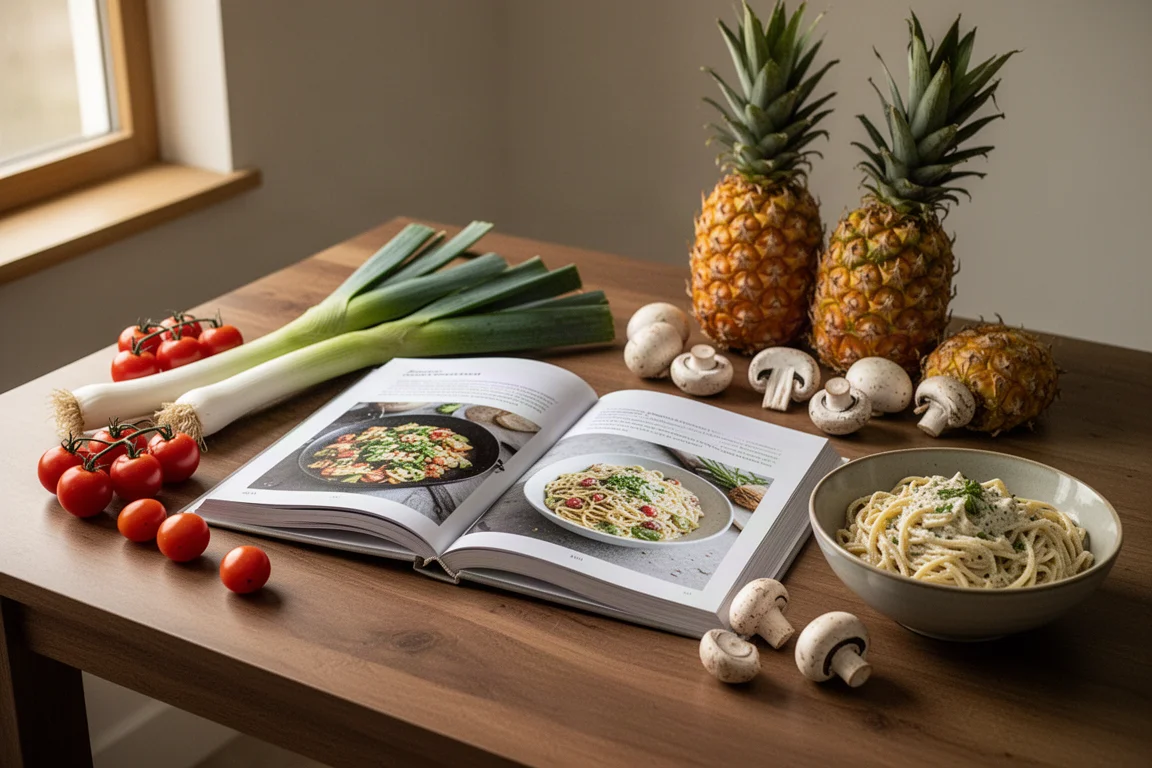
Jesse Jenkins’ debut cookbook, Cooking with Vegetables, arrives with a particular pedigree: Jenkins is a skateboarder, fashion photographer, and content creator behind the channel Another Day in Paradise, and he grew up in Los Angeles moonlighting in restaurant kitchens while chasing a skate career. He is now based in London, and that LA-to-UK journey shapes the whole book. It is not explicitly vegan or vegetarian, but it is dedicated to making vegetables the star of the show, drawing heavily on Italian and French classics with a smattering of Korean, Japanese, Thai, Mexican, and Guatemalan influence.
We cooked 11 of the 110 recipes, following them as precisely as possible: five mains, four sides, one dependency, and one dessert. Most dishes took about 45 minutes and made four servings, with an average cost of $7.10 per serving. We came away with an overall score of 6.8 out of 10 and an 81 percent smash rate on the dishes we tested.
What This Cookbook Is
This is a breezy book that does not overstay its welcome. The recipes are simple, approachable, and distinctly European in approach, and Jenkins is happy to give you basic signals and then hand the cooking over to you. Instructions are minimal, with occasional phrases like “add water if it looks too thick” or “check for seasoning and send it in the direction you like.”
That casual style is both the book’s charm and its biggest caveat. Cooks who already work intuitively will have zero issues, and it is arguably great for anyone trying to develop that intuition. But if you want detailed handholding, or you are an American cook who dislikes converting from Celsius and translating aubergine to eggplant, this may not be the book for you.
One practical accessibility note: nearly every recipe converts easily to at least vegetarian, with options like white wine, chicken stock, vegetable stock, or water offered interchangeably. That flexibility matters, because it is likely a big part of why people will buy this book. Accessibility scores a six.
The Standout Dishes We Cooked
The leek confit and labneh spaghetti was the highlight of our testing and earned a Hard Smash rating. There is no cream and no butter; the sauce comes entirely from confit leeks and labneh, and it eats like a creamy pasta somewhere between Alfredo and pesto. It is bright and herby, though it needed extra salt, and we found ourselves wishing for a tiny hit of chili heat like Aleppo pepper to finish it.
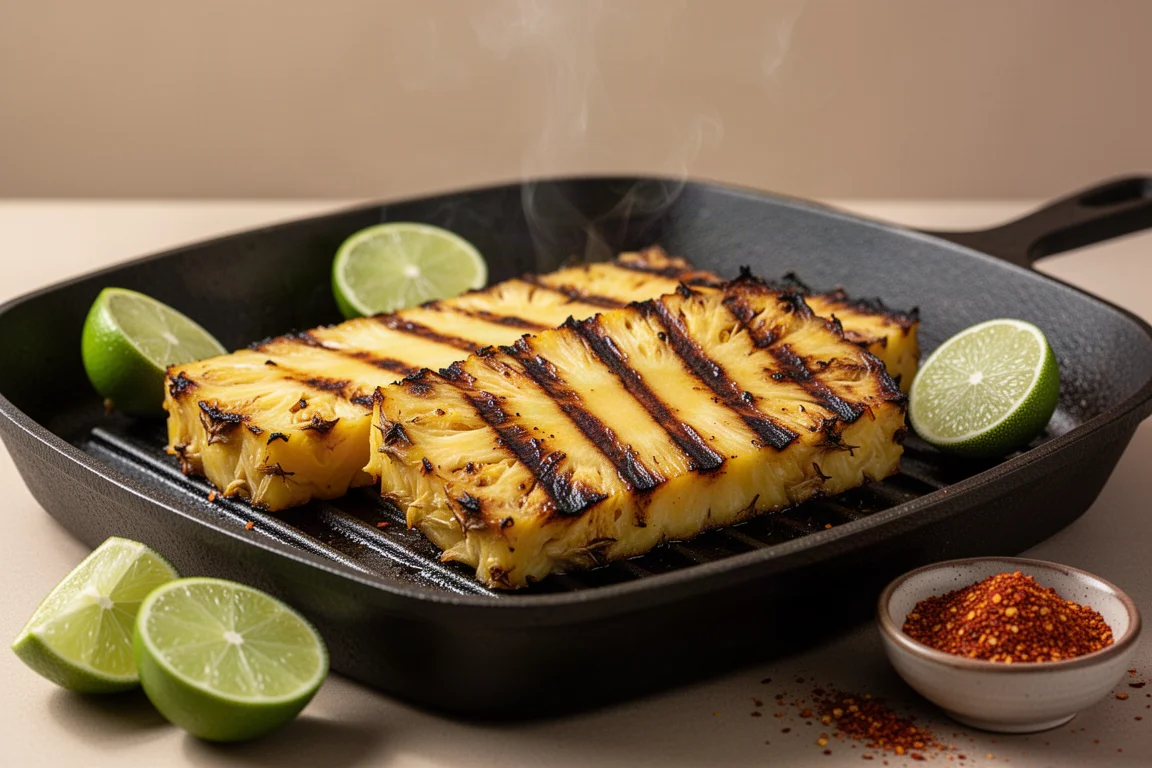
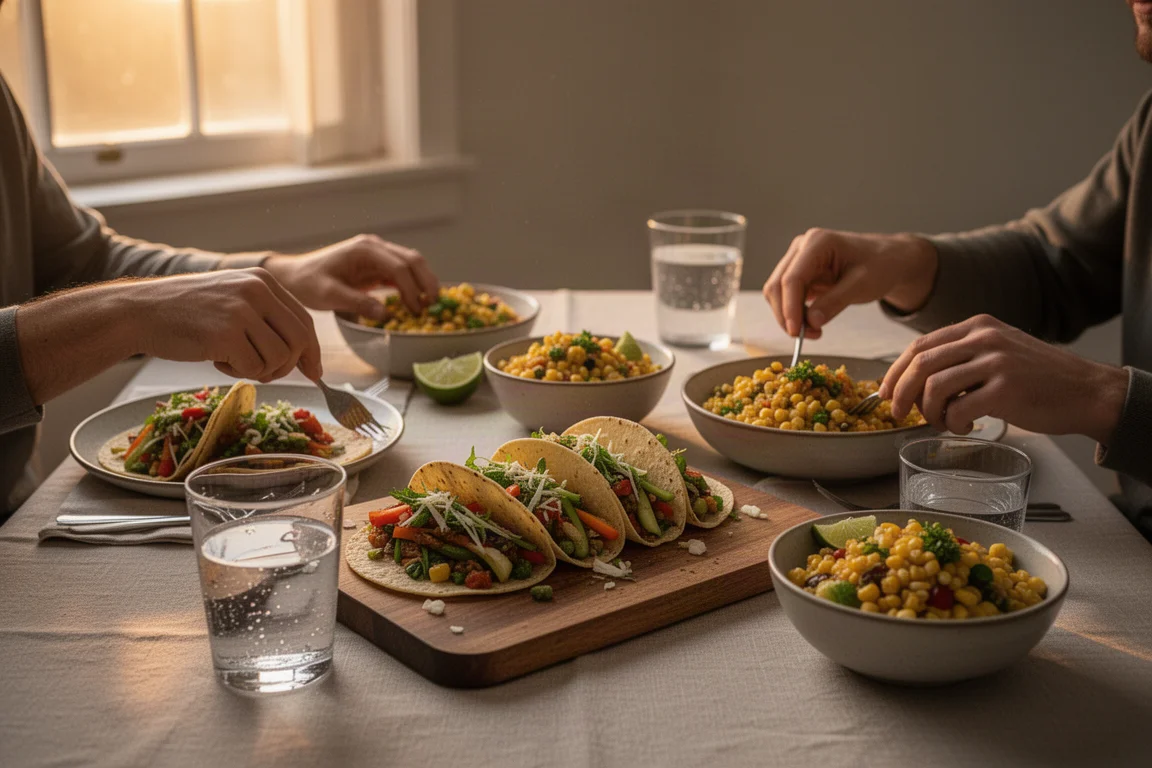
The grilled pineapple tacos were another standout and the best vegetarian tacos we have made. Jenkins takes the best part of al pastor, the grilled pineapple, and builds an entire sweet, spicy taco around it. Using underripe pineapple keeps everything intact, grilling adds caramelized sweetness, and extra lime juice balances the acid. The tahini in the topping was a genuinely interesting choice, adding more depth than mayo alone. We substituted feta for queso fresco, which worked well if not one to one.
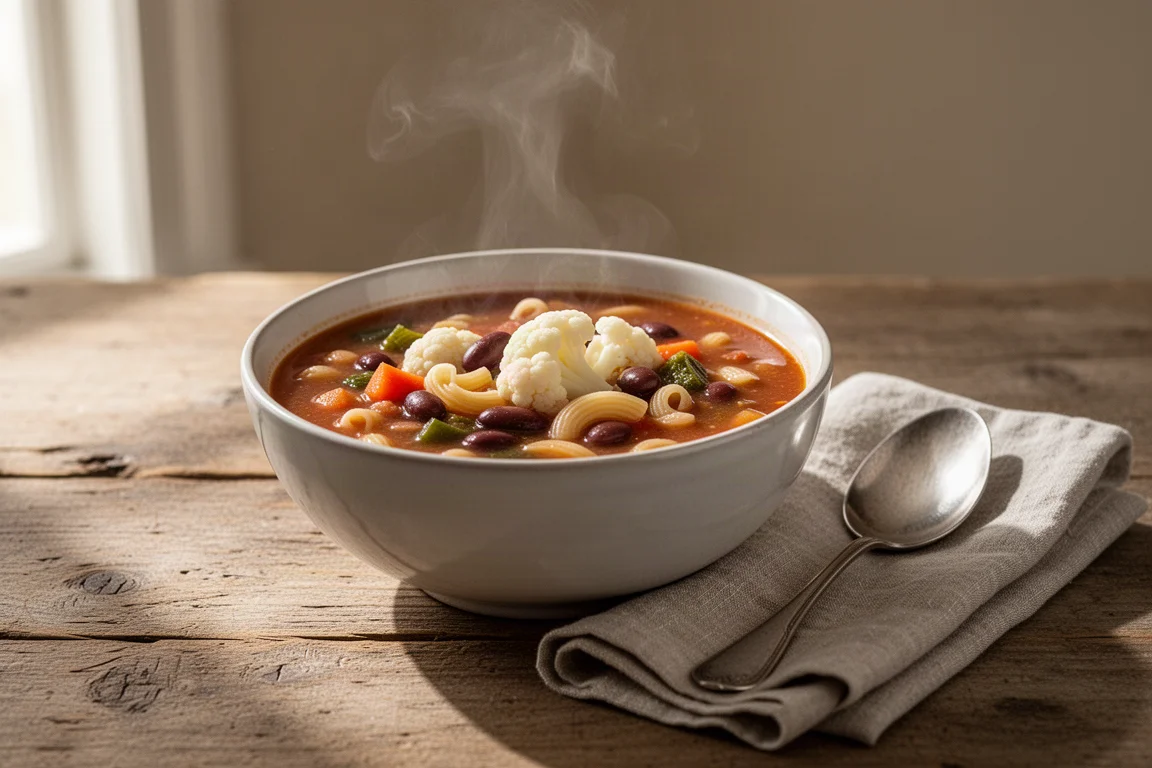
The carrots and butter beans, one of Jenkins’ most popular recipes online, earned a solid Smash. It is essentially vegetable bacon: smoky from the bacon lardons, with acidity from lemon and apple cider vinegar and crunch from almonds. We used slivered almonds instead of flaked and preferred the texture. The hot and sour minestrone, inspired by his mother’s Italian cooking with a kick from giardiniera, was cozy and punchy, though we would add more stock next time since the recipe reduces down to a very concentrated, filling soup.
Where the Book Falls Short
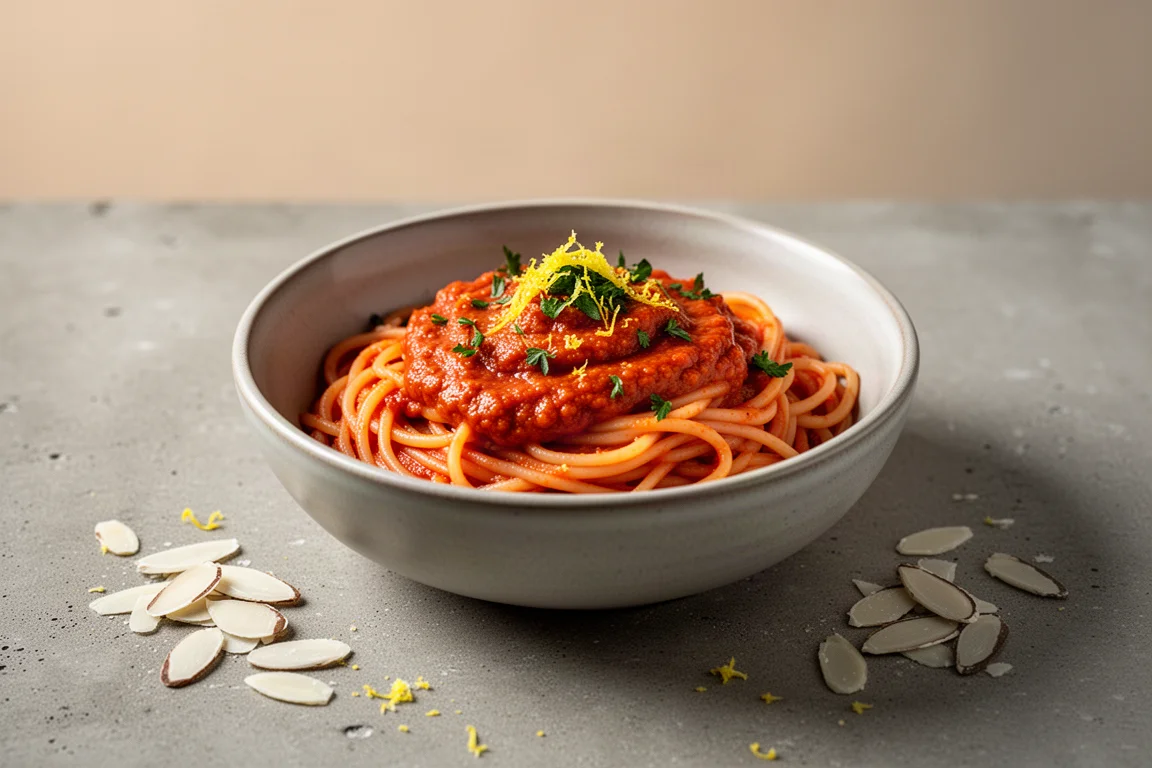
Not everything landed. The kimchi pasta putanesca was our biggest miss, earning a full pass. The base sauce flavor is genuinely good, but the dish gets noisy: too many competing hero flavors, with the canned tuna the loudest of all, and a texture combination that turned skunky rather than appetizing. If we made it again, we would leave the tuna out. The smashed cucumber Caesar also underwhelmed, a whisper of Caesar that mostly delivered anchovy and lemon, missing garlic, black pepper, and olive oil presence. The idea is worth keeping, but with your own dressing.
The elote succotash was pleasant but felt like a very European view on Mexican food, mild and green, wanting smokier flavors like grilled corn or chipotle to carry it.
Design scores a seven. Jenkins is a photographer by trade and the book looks great, with helpful photos that reveal texture. In several cases, matching the photos instead of the instructions would have improved our results, such as when our sauces came out thicker than his. The recipe formatting is standard issue, and long headnotes full of personal stories sometimes squeeze the instructions. Writing gets a five for exactly that split: charming but light on guidance. Flavor earns a seven for consistent, well-balanced results that lean on acid and heat in a way that clearly reflects his LA upbringing.
Value and Final Score
We consider a cookbook worth the cover price when at least half the recipes we try are smashes. At an 81 percent smash rate, with leftovers from the minestrone and pineapple tacos enjoyed for days, this is a book we will reach for again. Value scores a nine.
Who Should Buy This Book
If you want new ways to cook vegetables, enjoy Eurocentric flavors with occasional fusion, and prefer a chill book that does not make a big production of it, this is an easy recommendation. If you are used to bold Asian or Latin American flavors, expect his versions to be more muted. And if you need precise, exhaustively detailed instructions or refuse to convert from Celsius, look elsewhere. For everyone else, Cooking with Vegetables is a solid, enjoyable addition to the shelf.
Conclusion
Cooking with Vegetables scores 6.8 out of 10. It is not for everyone, but its consistent flavor, beautiful photography, and relaxed approach to vegetable-forward cooking make it one of the more satisfying books we have cooked from recently. Check the current price and pick up a copy if the skater boy soupy beans lifestyle speaks to you.
Product link
View more details for Cooking with Vegetables
This product is mentioned in the review. Check the specifications, options, and compatibility before buying.
View more details for Cooking with VegetablesFurther reading
Related Reviews

Electric Skateboards
Acedeck Ares X1 Review: A Powerful First Board From a New Name
The Acedeck Ares X1 brings a 14s battery, CNC aluminum trucks, and strong performance to the electric skateboard market. Here is a closer look at what it offers.

Air Purifiers
AirDoctor 3000 Review: A Simple Air Purifier With Impressive Performance
The AirDoctor 3000 delivers strong purification results in a medium-sized room, with a straightforward design that prioritizes ease of use over smart features.

Electric Rideables
Airtrick A1 Pro Electric Roller Skates Review: A Fun Ride With a Learning Curve
The Airtrick A1 Pro electric roller skates offer a portable, motorized ride, but their fixed trucks and learning curve mean they are not for everyone.