Everyday Carry
Best EDC You Can Buy at Buc-ee's: A Complete Carry Rundown
We built a full everyday carry from scratch at the famous Buc-ee's travel stop. Here is what was worth buying and what to skip.
Introduction
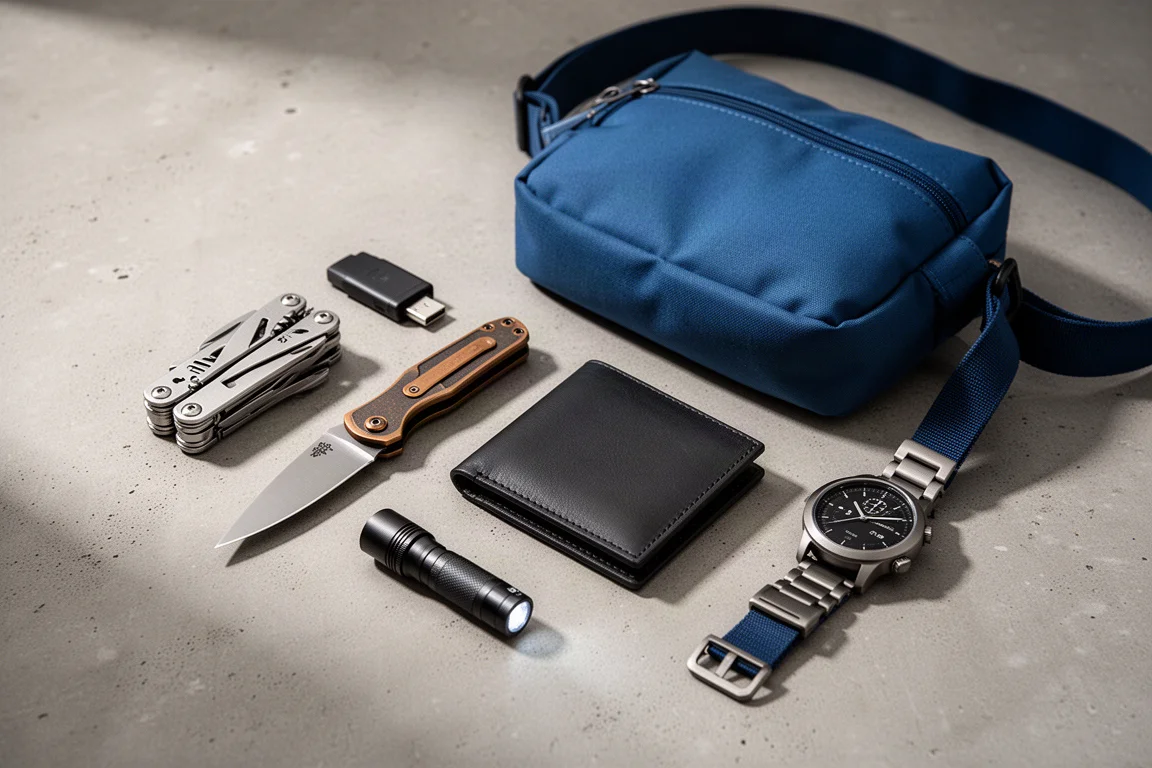
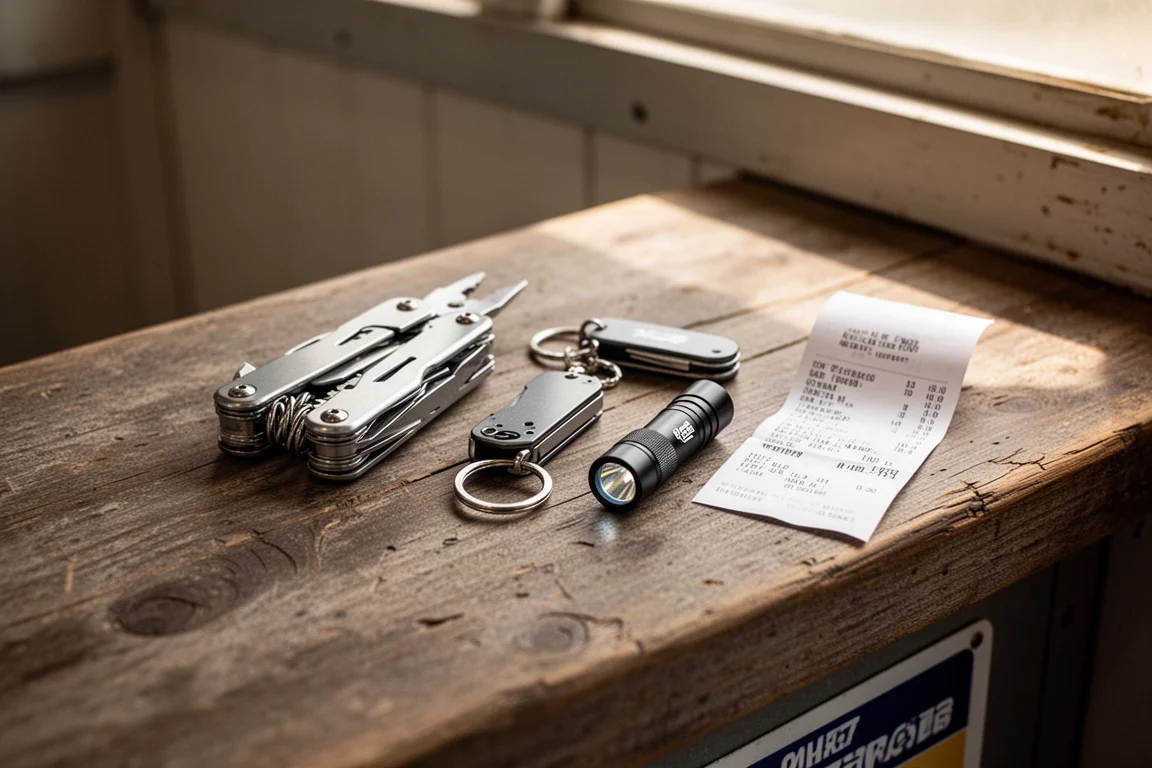
A complete everyday carry built at a travel stop sounds like a joke, but it turned into one of the more surprising gear hauls we have put together. The total came to just under $600, and while not everything earned a permanent pocket spot, a handful of items genuinely compete with gear you would find at dedicated outdoor retailers.
This is not a sponsored list. Everything was bought with our own money, which means the picks below reflect what actually felt worth the receipt, and a few things that did not.
The Multi-Tools: PowerPint vs. True Utility
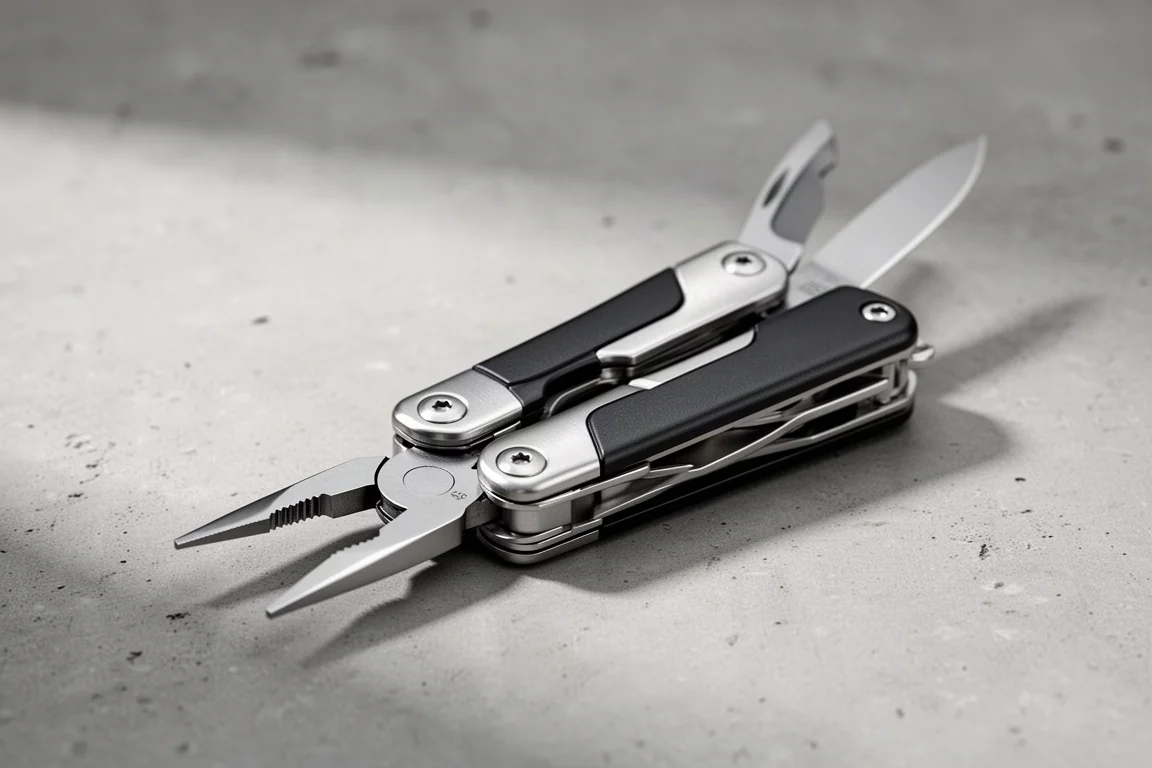
The biggest surprise of the trip was finding a SOG PowerPint on the shelf. This is a tool we already carry daily, and at $50 it matched pricing at Bass Pro, Walmart, and Academy. The standout feature remains the bit driver at the end of the tool, and the build quality comfortably outclasses the smaller alternatives nearby. There were only a couple left on the peg, so stock may vary by location.
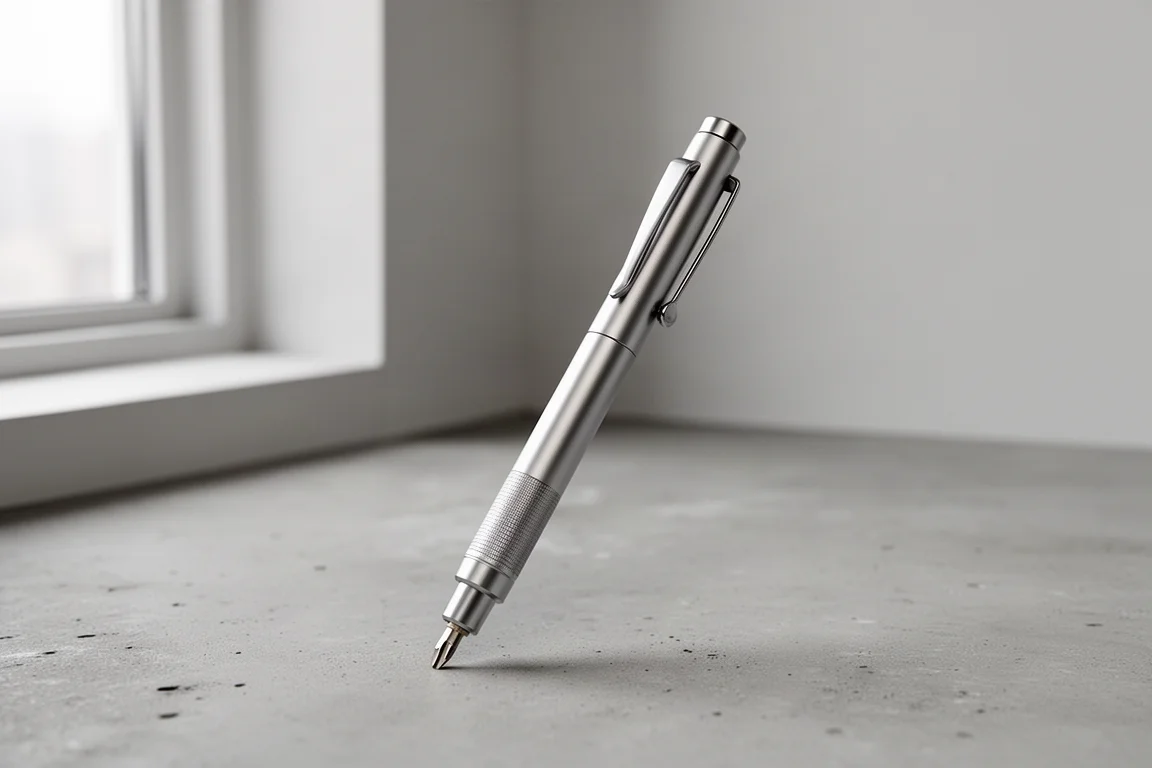
Right next to it sat the True Utility Multi-Tool Pin, about $10. It is exactly what it sounds like: a twist-action pen with a capacitive stylus, a Phillips and flathead bit held by an O-ring, a ruler, and a bubble level. It works, but the O-ring bit retention instead of a magnetic holder is a cost-saving choice that makes swapping bits fiddly, and a basic Zebra F-301 remains a better pen for less.
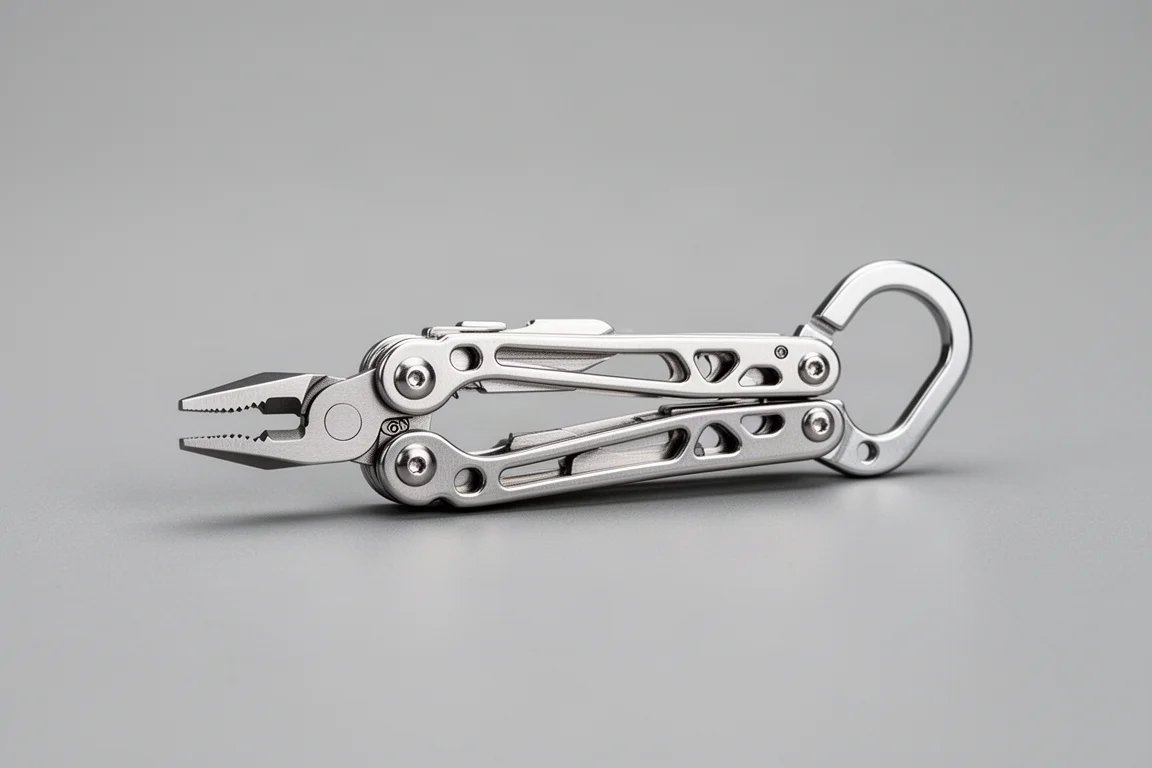
True Utility’s Seven is their take on a skeleton-key style mini pliers tool, around $15. It has spring-loaded pliers that feel half decent, plus a knife, a tiny saw, and a Phillips head. The bottle opener is not clearly marked, and the overall build feels noticeably cheaper than the PowerPint despite being heavier. It is fine as a curiosity, but the PowerPint is the clear pick if you can only choose one.
Wallets and Bags: Chums Offerings
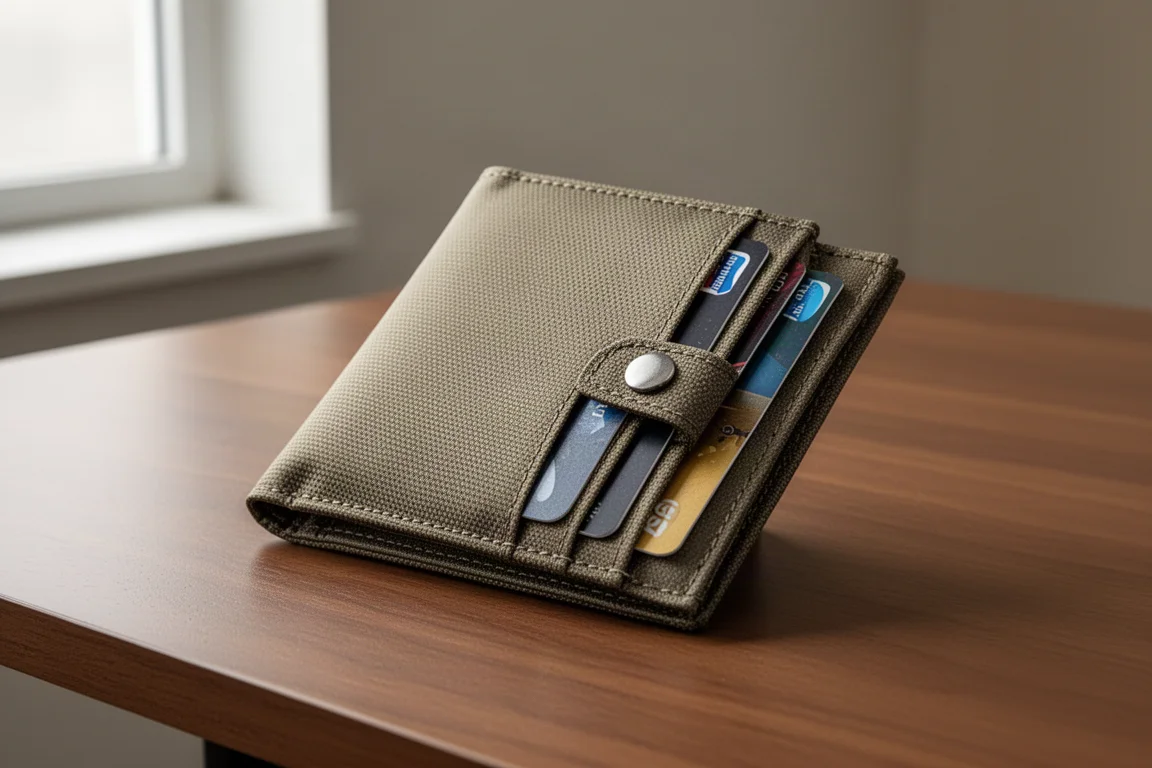
Chums had a whole section, so instead of the usual surf short wallet we picked up the Bandit Bifold for $17. It uses a magnetic closure with card slots inside, exterior elastic for folded cash, and an ID pocket. It is a reasonable bifold, though the price feels a touch high for the construction.
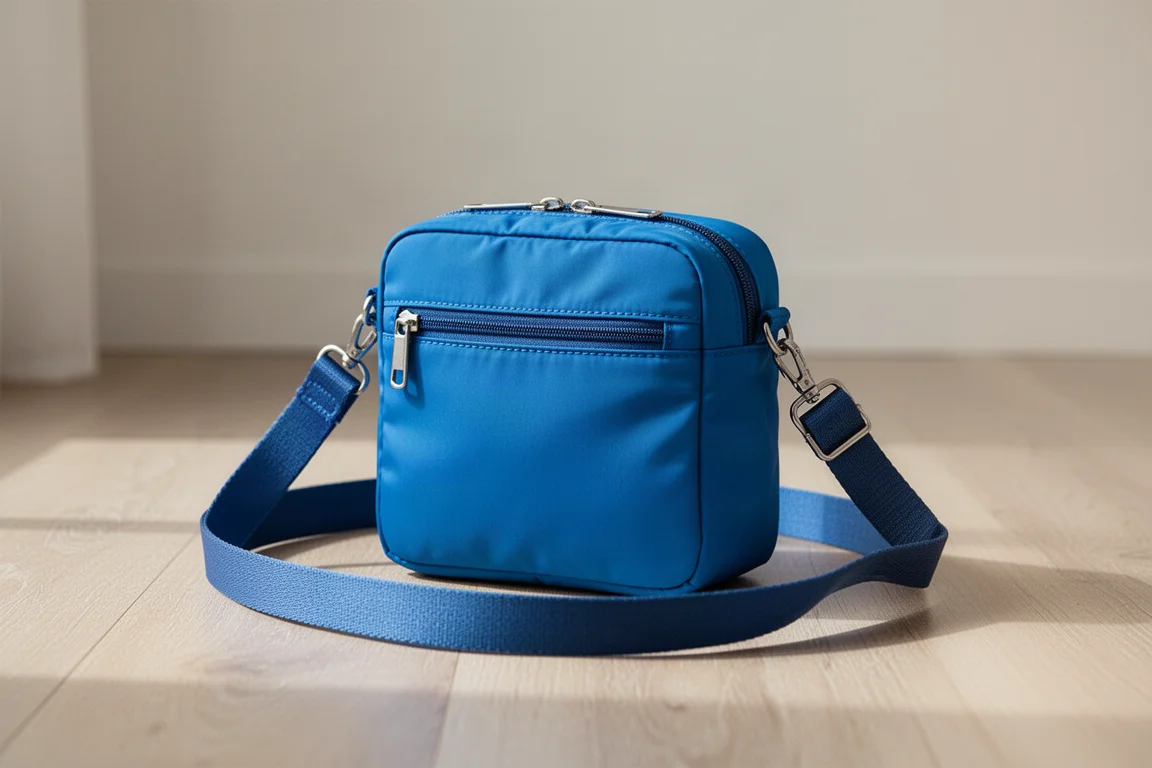
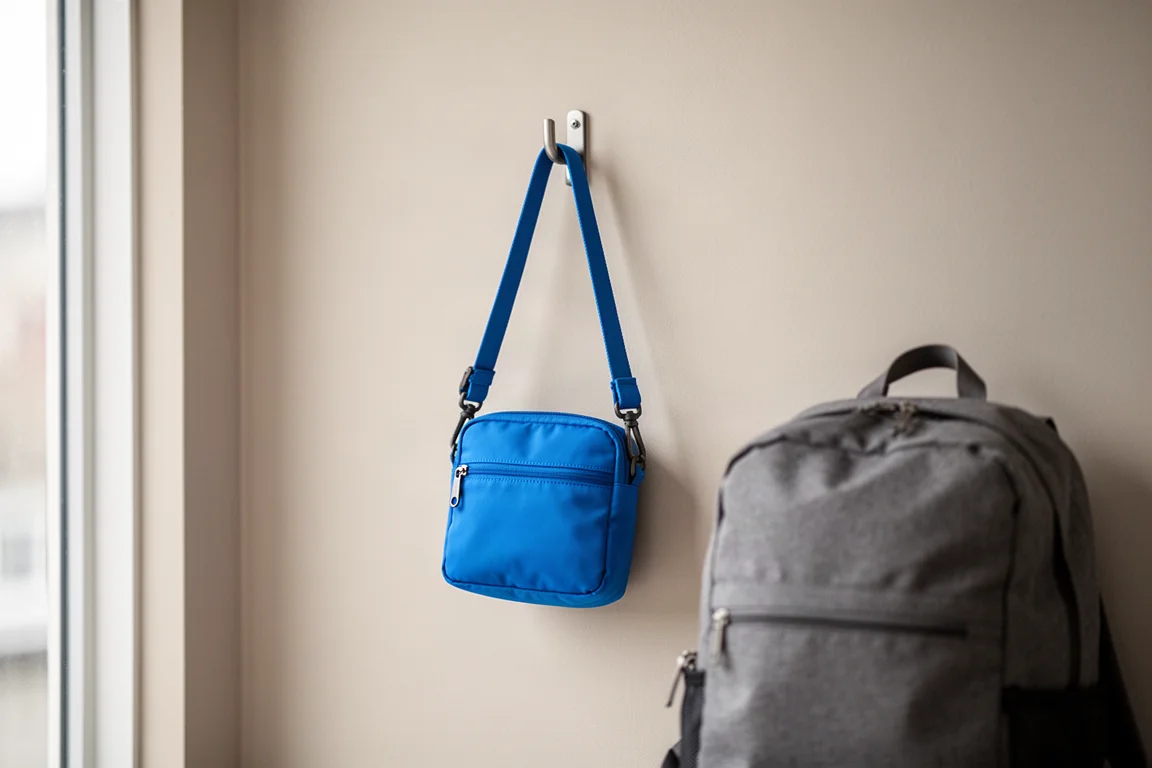
The Chums Cross Body Bag was $25 and stood out for its modular wear options. You can wear it cross body, clip both straps to the top to convert it into a fanny pack, or remove the strap entirely and use it as an organizer pouch inside a larger bag. The layout is minimal: a front zip pocket, a top opening with a mesh side pocket, and an exterior pocket. It makes more sense as slim backpack organization than as a true daily EDC bag, but for a theme park or park day it is a lightweight option.
Keys and Small Carry
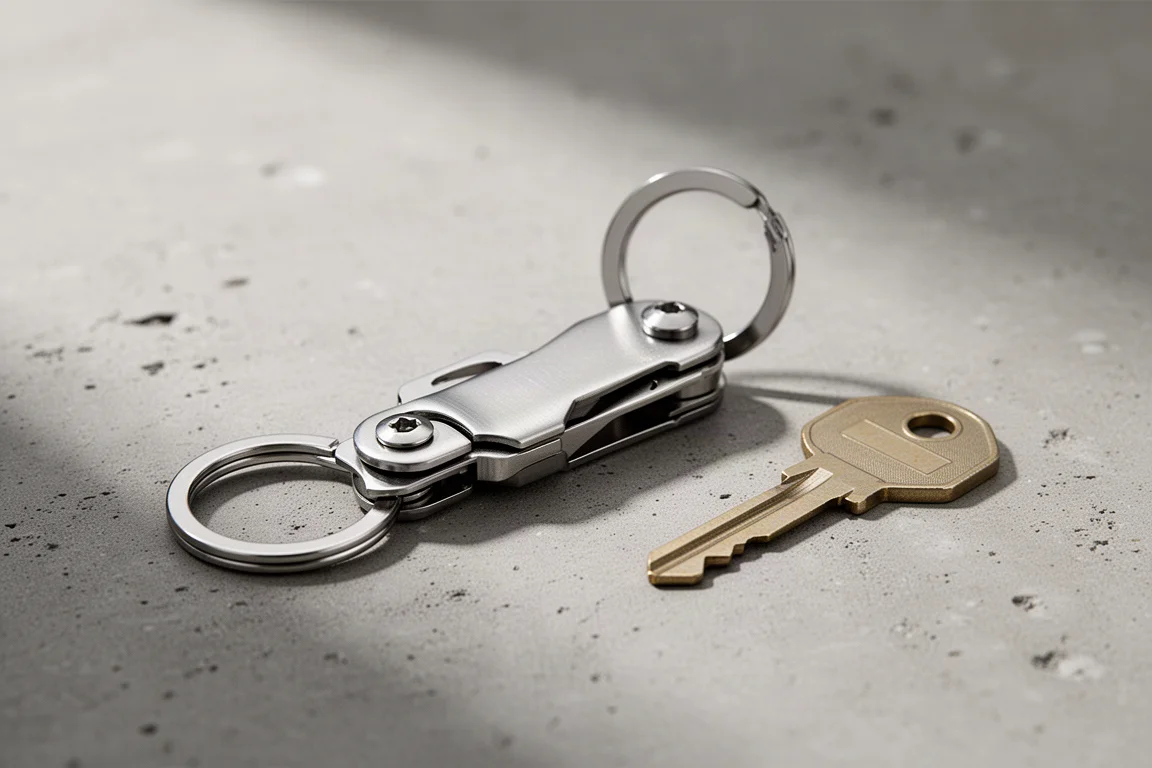
Keys were the easiest category. The Nite Ize G Series keychain was only a couple of dollars and does exactly what it should: hold keys on a split ring. In a pinch it can pass as a keychain tool, which is how it is marketed, but honestly its job is simple and it does it well.
Alongside it we picked up a True Utility nail clipper tool for around $10, essentially full-size fingernail clippers with scissors, a small knife, and a small file on an oversized split ring. Once you figure out the non-obvious opening mechanism, it works as a compact grooming tool, though the design takes some experimenting to understand.
Lighting: Fenix E18R 2.0
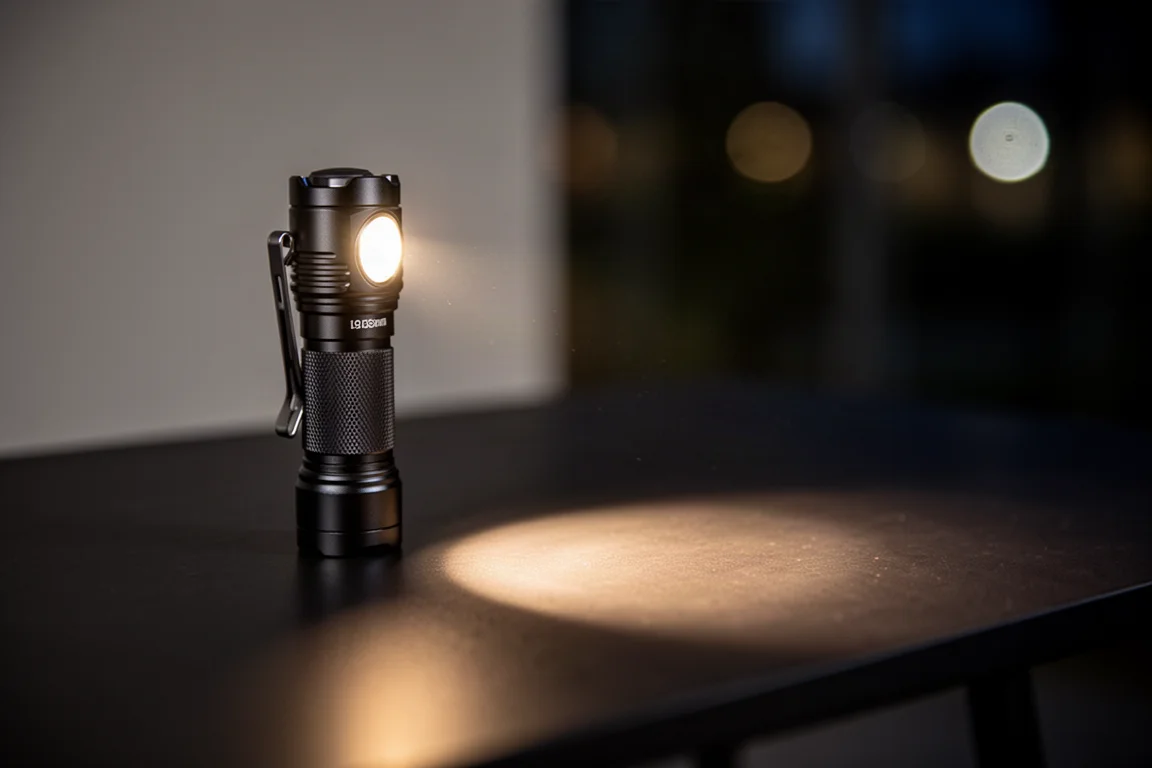
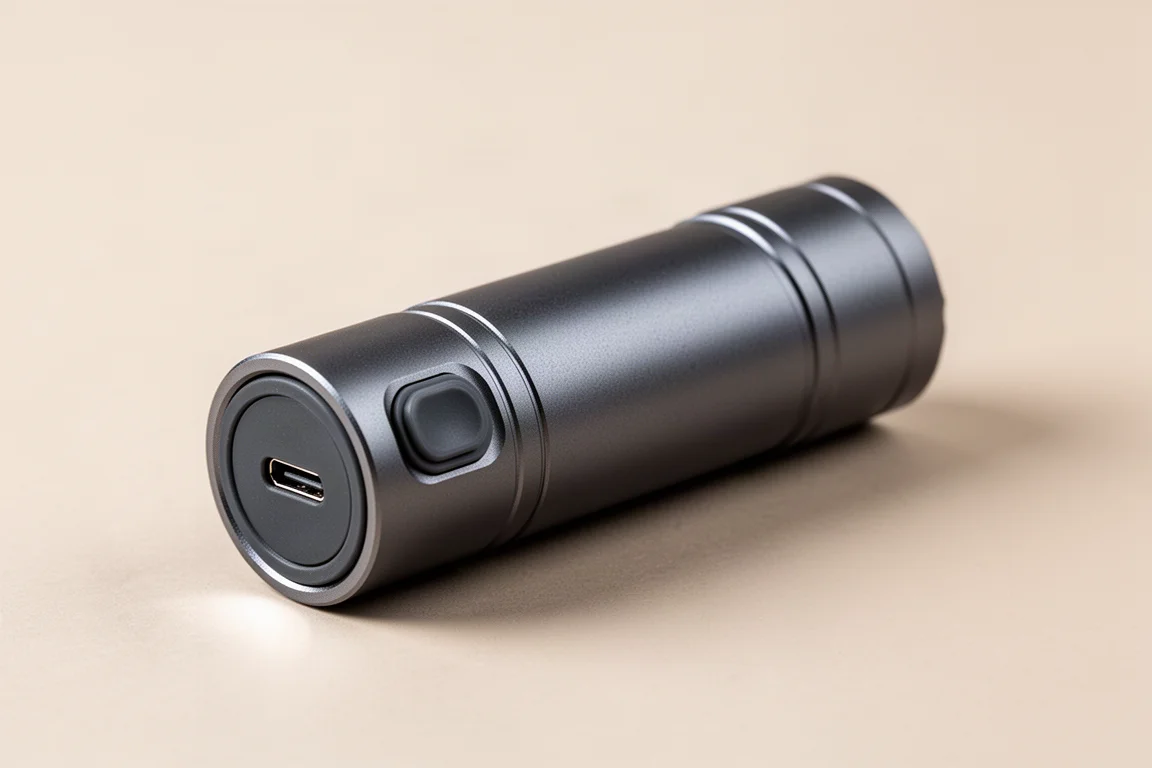
Finding a whole cabinet of Fenix flashlights was unexpected and genuinely welcome. The E18R 2.0 at $60 is a compact, truly rechargeable light with a gasketed USB-C port, a side switch with electronic lockout, and a strong output claimed at 1,200 lumens with roughly a 30-minute runtime that tapers quickly in practice. It has a dim moonlight mode and mode memory.
Compared with Fenix’s similar Baton-style lights, this one is close in size and price. If you prefer a tail switch with a side selector, the PD25R remains our personal favorite, but as a travel-stop flashlight find, the E18R 2.0 is a legitimate great light, not just a passable one.
Sunglasses and the Ray-Ban Question
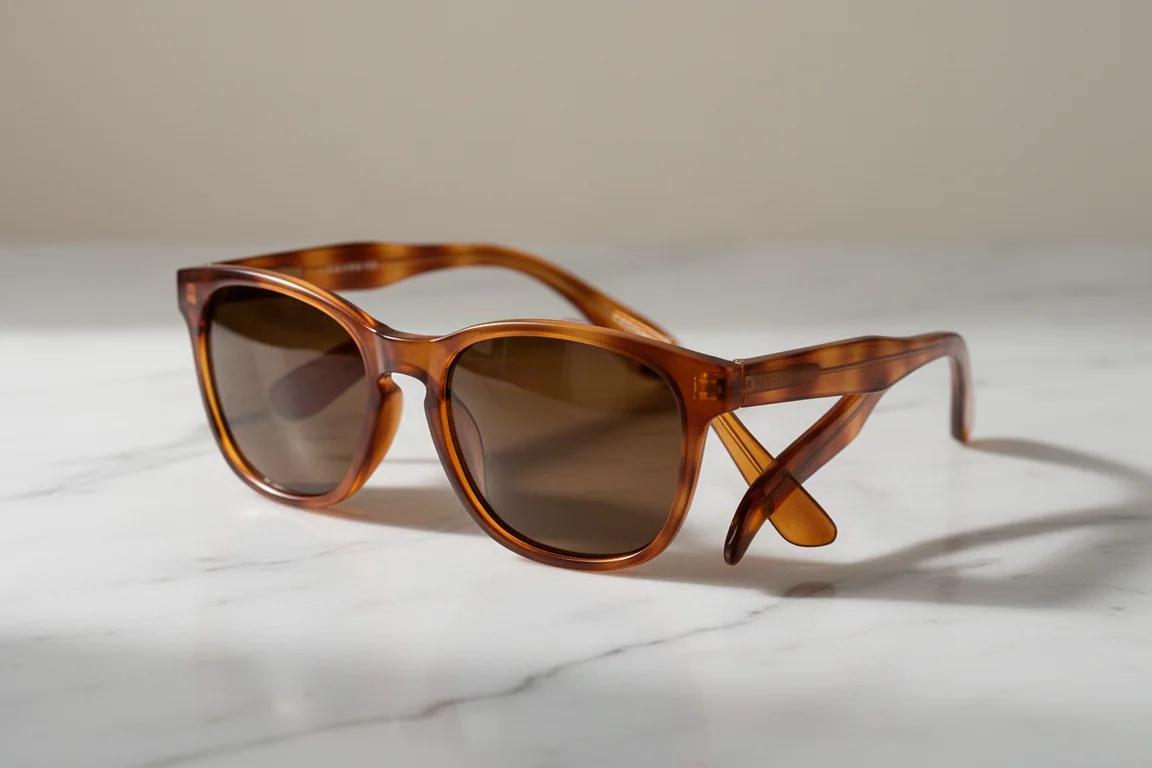
The store also stocked a decent sunglasses case, including Ray-Ban, Costa, and Oakley. A pair of lightweight Ray-Bans with a tortoise shell look came home for around $260. They are comfortable and have a little flex to the frame, but at that price we would not necessarily recommend buying sunglasses at a travel stop, especially since cheaper options were on the same rack. Also, keep them away from desk edges.
Chums Cross Body Bag: A Second Look
Worth circling back on: the cross body bag’s modular design is the real selling point. Several competitors in the same aisle were either barely bigger than a phone or built strictly as phone wallets. This one struck the best balance of size, weight, and versatility, and the pouch-in-a-backpack mode is how most people will realistically use it.
View more details for Chums Cross Body Bag
Knives and the Everyday Winner: Kershaw Iridium
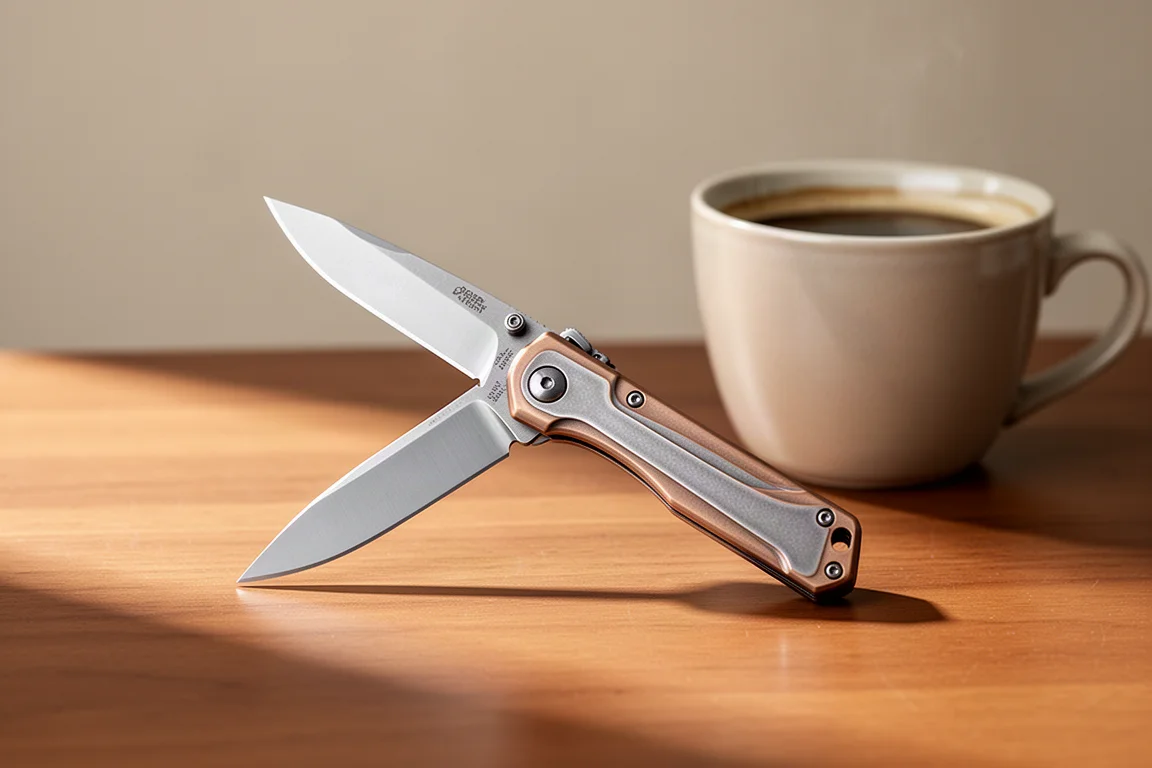
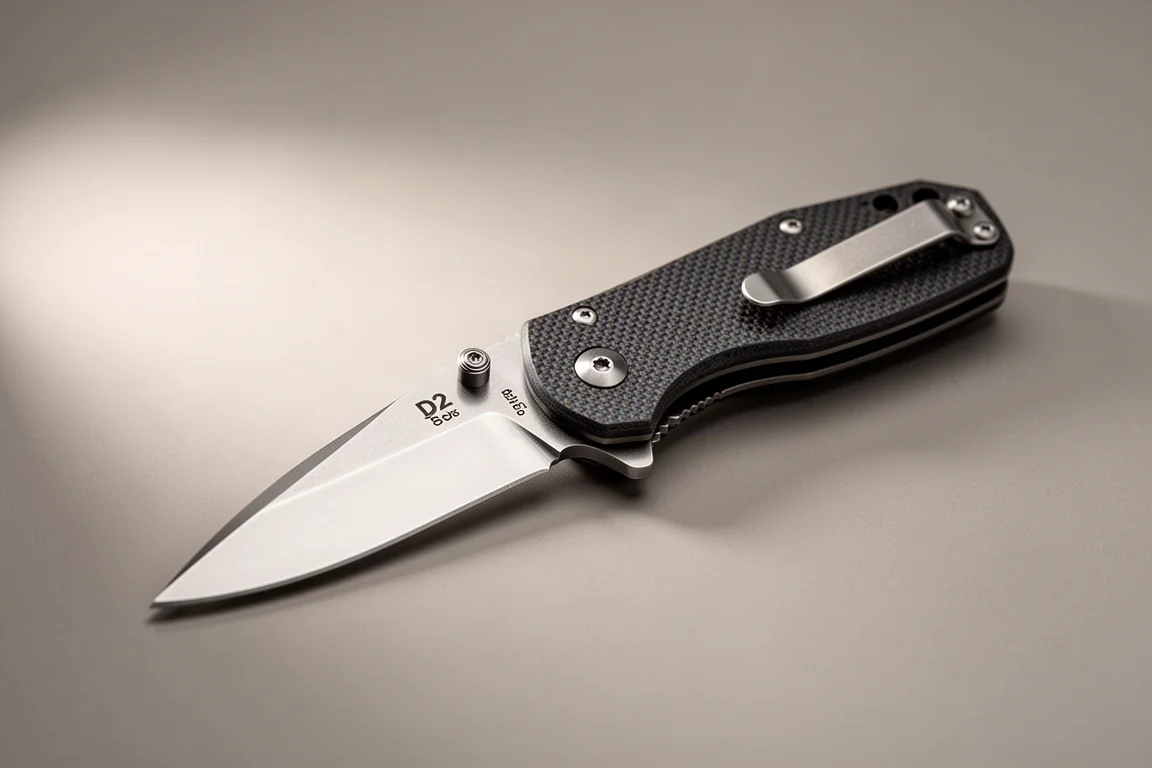
The knife case was bigger than expected, with Buck 110s, some Kershaw and Bear & Son options, and a few lesser-known brands. The Kershaw Iridium was the obvious pick at $65, and this was a fifth purchase of the same model. It is a D2 steel, crossbar-lock, fully ambidextrous knife with anodized aluminum handles, a nice matte texture, and bronze-orange backspacer accents that look genuinely sharp. It may have crept up from its original $50 price point, but it remains one of the best budget-friendly knives around, and it is available essentially everywhere, including here.
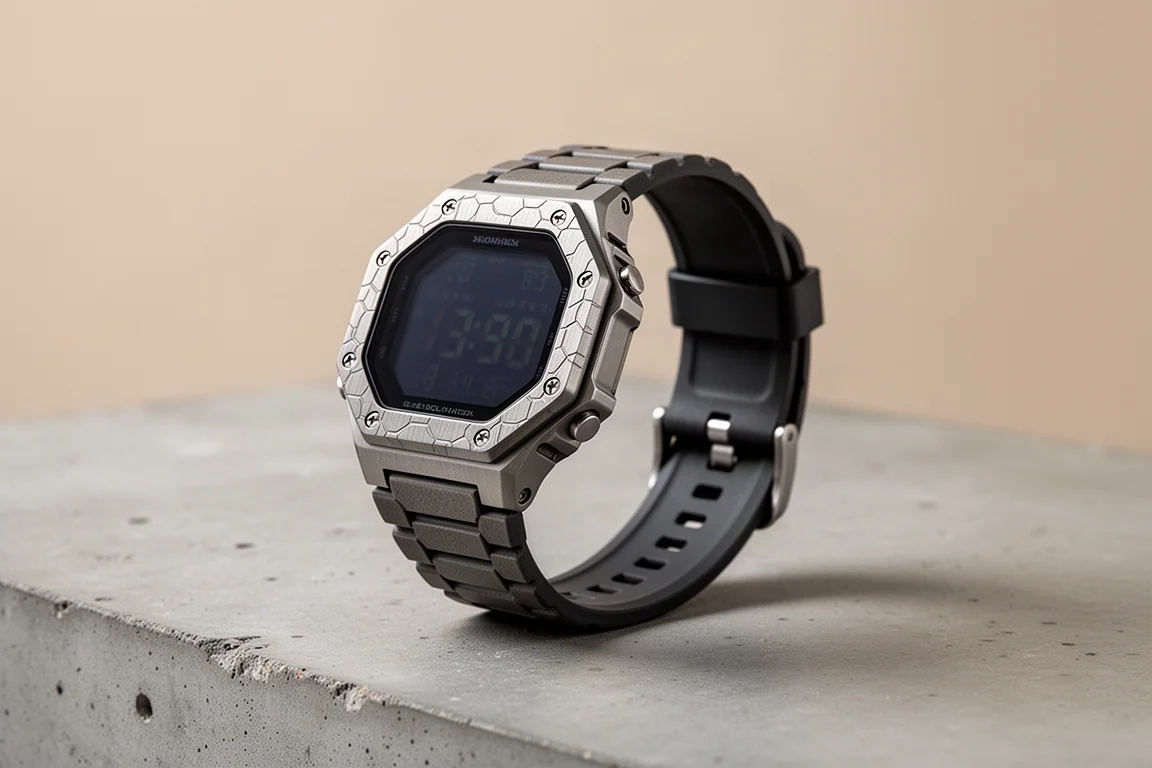
One gap: no watch was available in store. Fortunately a loaner RZE UTD UltaHex Titanium Digital Watch, the brand’s first digital model and claimed to be nearly indestructible with a lifetime guarantee, filled the wrist slot for the photos. It is not something you can pick up at a travel stop yet.
Overall Buying Advice
If you find yourself in this situation, prioritize the three items that hold up best: the SOG PowerPint, the Kershaw Iridium, and the Fenix E18R 2.0. Together those cost around $175 and cover the core of a capable carry. The wallet and keychain are fine, low-stakes additions. The True Utility items are best treated as impulse curiosities rather than daily drivers, and sunglasses are better bought somewhere you can try them on properly.
Conclusion
The idea that a roadside travel stop can stock a complete, competent everyday carry still feels unlikely, but the haul proved otherwise. A great multi-tool, a great knife, a genuinely good flashlight, and serviceable bags and accessories all came off the same shelves. Not every pick was a winner, and we have flagged which ones to approach with caution, but as a one-stop gear experiment, it was a pleasant surprise worth repeating.
Further reading
Related Reviews

Everyday Carry
Everyday Gear That Deserved a Second Look
A roundup of solid everyday carry items: watches, pens, a pencil, a knife, and a smart ring that each earned a place on the table.

Everyday Carry
KORE Tactical Bifold Wallet Review: A Durable Everyday Carry Option
A close look at the KORE Tactical Bifold Wallet, a reinforced nylon wallet with magnetic closure and room for cards, cash, and IDs.

Everyday Carry
Krabby Wallet Review: A Slim, Simple Carry That Has Stood the Test of Time
A closer look at the Krabby Wallet, a slim canvas and elastic design with a loyal following and a simple, functional approach to everyday carry.