Hiking Footwear
Columbia Conspiracy V OutDry vs Facet 75 Mid OutDry: Two Waterproof Walking Shoes Compared
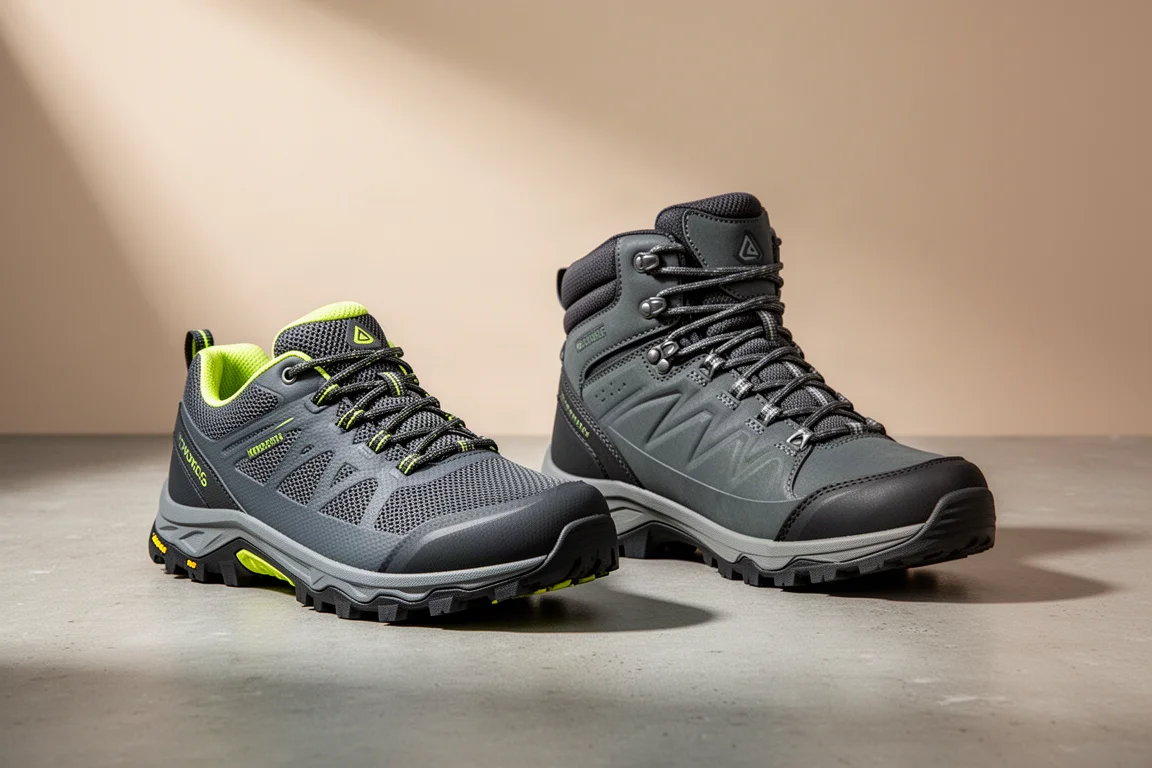
A light low-cut trail shoe against a cushioned mid-cut boot, both built around Columbia's OutDry waterproof system. Here is how they differ on real walks.
Introduction
Columbia’s OutDry footwear line has built a following among walkers who want waterproof protection without the weight of a traditional leather boot. Two models sit at the heart of that range: the Conspiracy V OutDry, a light low-cut trail shoe, and the Facet 75 Mid OutDry, a mid-cut boot with a plusher, more cushioned ride.
They share a name for waterproofing and a similar overall purpose, but they are aimed at slightly different walkers. One is built around minimum weight and a barely-there feel. The other adds height, cushioning and a wider platform for longer, more forgiving days on the trail.
What These Two Columbia OutDry Shoes Have in Common
Both shoes use Columbia’s OutDry waterproof system, which is designed to keep feet ventilated while preventing water from entering from the outside. That combination matters on British coastal and moorland routes, where a shoe can be soaked through one hour and drying in warm sun the next.
Both are also light for their category. The Conspiracy V OutDry in particular feels unusually light when lifted out of the box, and the Facet 75 Mid OutDry is only modestly heavier despite its taller collar and more substantial midsole. Neither shoe is a heavy leather mountain boot, and neither is designed for technical alpine terrain.

What they have in common is the intent behind them: a walking shoe you can put on in the morning, cover a full day in, and largely forget about while you are wearing it.
Columbia Conspiracy V OutDry: The Lightweight Trail Shoe
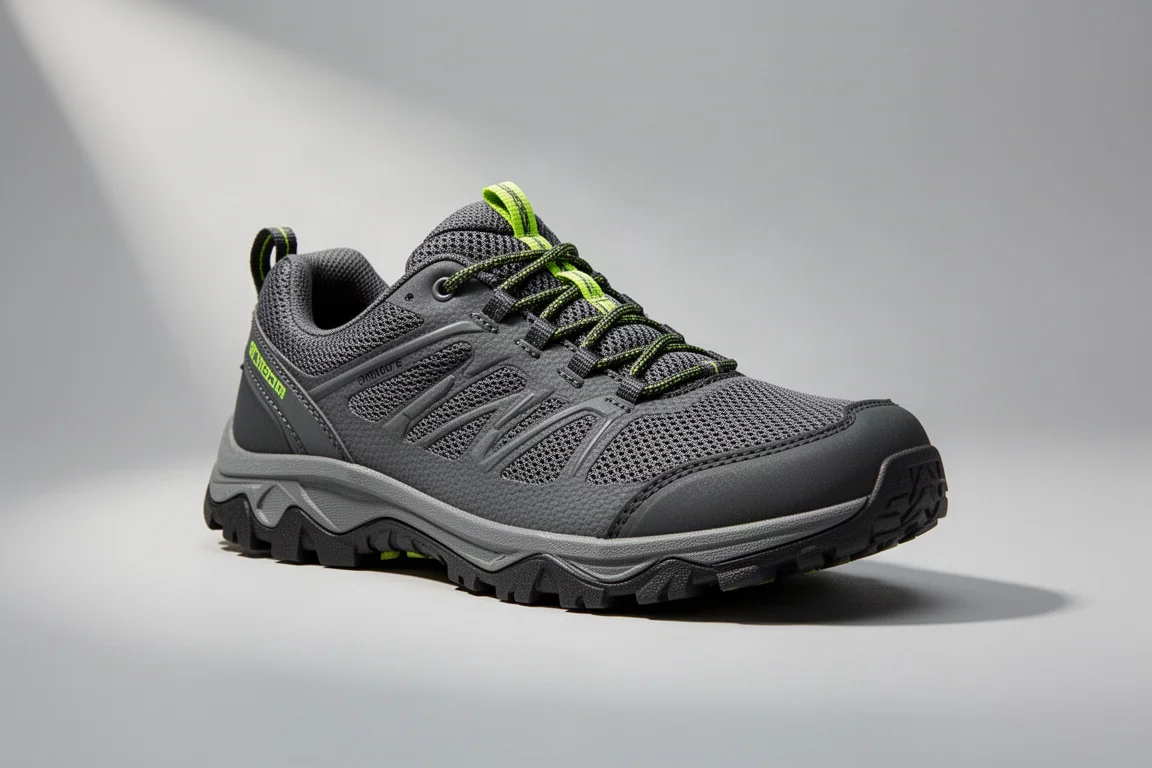
The Conspiracy V OutDry is the lighter of the two and the closest in feel to a running shoe. The low-cut profile leaves the ankle completely free, which keeps the shoe flexible and quick on uneven ground. On rock sections it grips well, and on long, featureless stretches of coast path the low weight makes it easy to pick up the pace and jog for a while rather than plod.
The absence of a collar means no ankle support, which is a deliberate trade-off. Walkers who prefer low-cut shoes generally find that ankle strength develops naturally over time, and the flexibility is worth the compromise for anyone covering mixed terrain at a steady pace.
The Conspiracy line also has a track record. It has ranked highly in a walking magazine’s hiking shoe roundup, and long-term owners of earlier versions report that the shoes stayed comfortable through years of heavy use on coast path, moorland, mountains, the school run and family days out before the soles wore down and the waterproofing weakened.
Columbia Facet 75 Mid OutDry: The Cushioned Mid Boot
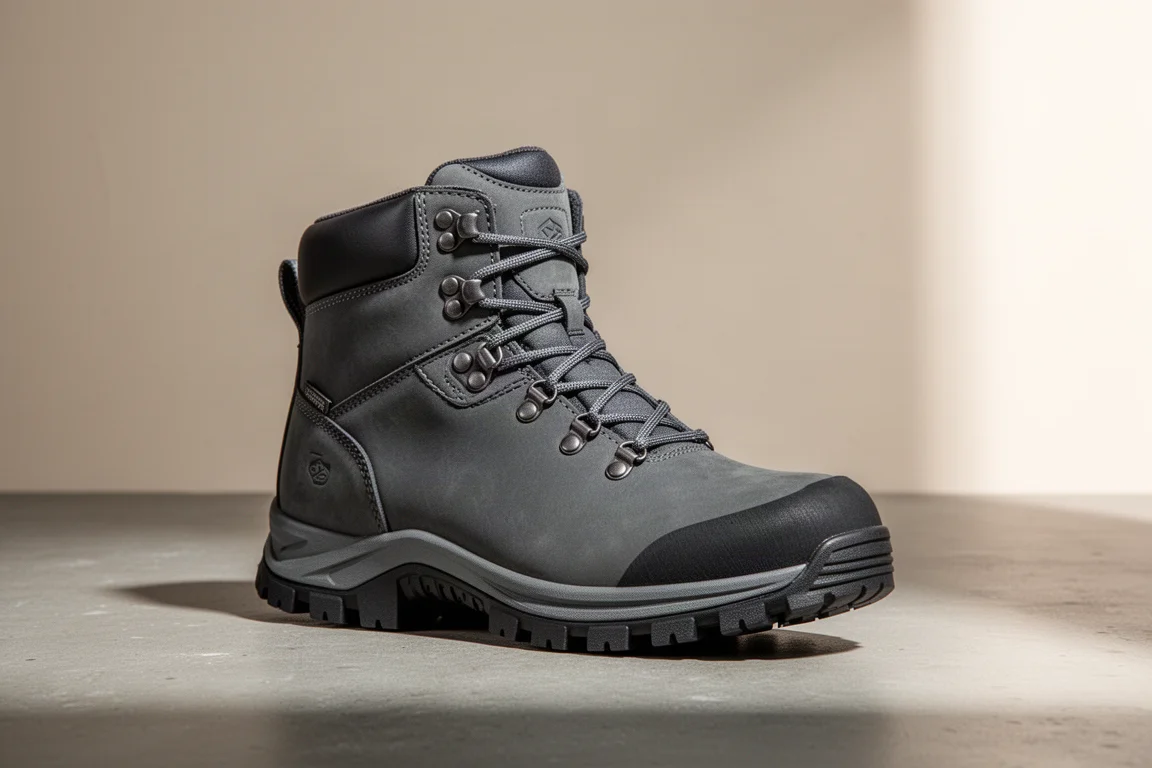
The Facet 75 Mid OutDry is the taller, more cushioned option. It uses plush cushioning technology for an elevated level of comfort and a smooth heel-to-toe transition, so longer days on hard-packed paths feel less punishing. It carries the same OutDry waterproof construction, and grip and traction are a step up on loose and mixed surfaces.
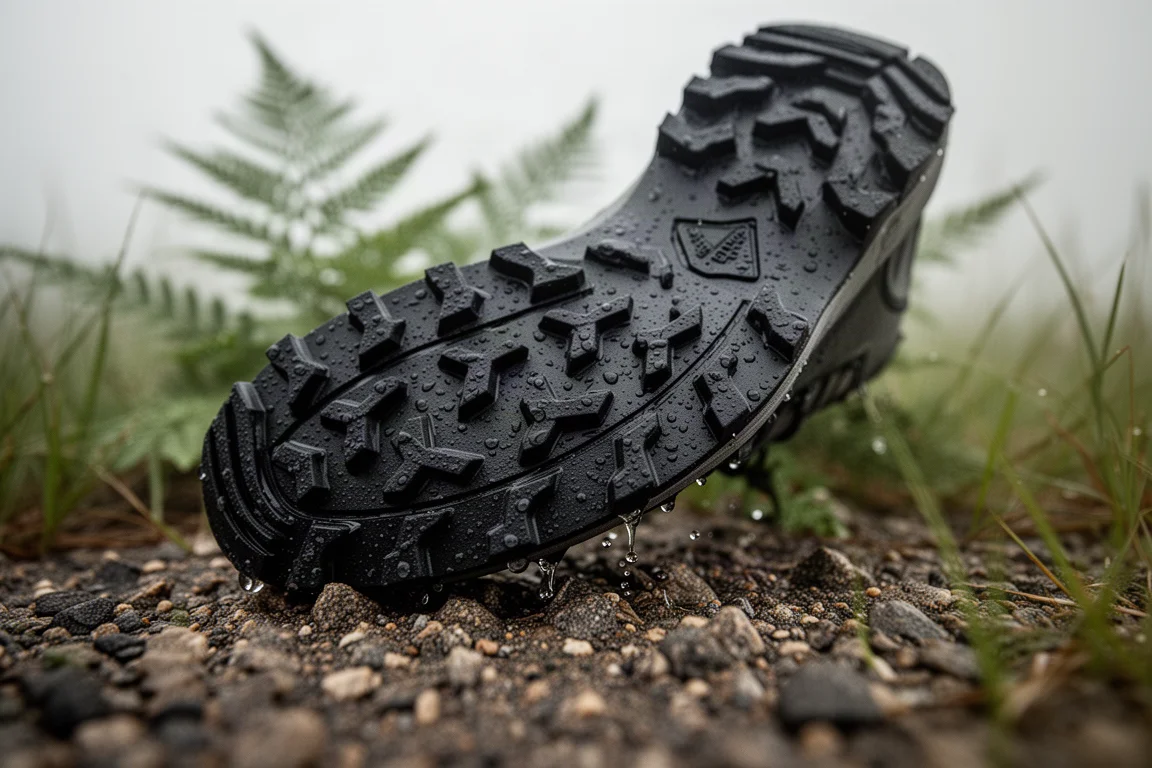
The tread is well suited to coastal walking, with enough depth to hold on wet rock and gravel without feeling like a heavy mountaineering sole. The mid-cut collar adds a little height and structure around the ankle while keeping the overall weight close to that of a low-cut shoe.
The fit is noticeably wider than the Conspiracy V OutDry. That extra room is comfortable on long walks, but it changes how the shoe behaves in other contexts: driving in them is possible but feels vague, as though the foot is covering two pedals at once. The shoe is also slightly taller and slightly heavier than the low-cut alternative, which is simply the cost of the extra collar and cushioning.
Fit, Feel, and Everyday Use
The Conspiracy V OutDry suits walkers who want the smallest possible amount of shoe between them and the ground. It works well for fast coastal walking, summer day hikes and everyday errands, and its low weight makes it easy to pack. The Facet 75 Mid OutDry suits walkers who want a little more structure and cushioning underfoot, and who value a mid-cut collar on rougher ground.
Both shoes were comfortable from the first walks. The Facet 75 Mid OutDry was worn daily across a week of walking in Somerset, including routes over Cheddar Gorge, without any break-in discomfort. The Conspiracy V OutDry covered a 19 mile stretch of the South West Coast Path soon after arriving.
Sizing is worth attention. One walker who usually takes the same size across brands found an alternative hiking shoe came up too small even in the ordered size, so trying both sizes or checking the fit carefully before committing is sensible.
Durability and Waterproofing Over Time
Waterproof membranes and outsoles are the two parts of a walking shoe that wear first. On earlier Conspiracy OutDry pairs, the soles flattened and the waterproofing faded after roughly two and a half years of constant use, which is a reasonable lifespan for a lightweight shoe worn far beyond the trail.
The Facet 75 Mid OutDry showed a small tear on the upper after a single week of walking, with no obvious cause such as the foot catching on that area. It did not affect comfort or waterproofing at that stage, but it is the kind of detail worth monitoring if you plan to put serious mileage on the shoe. Earlier Conspiracy pairs developed similar small tears across the upper over time without becoming unusable.
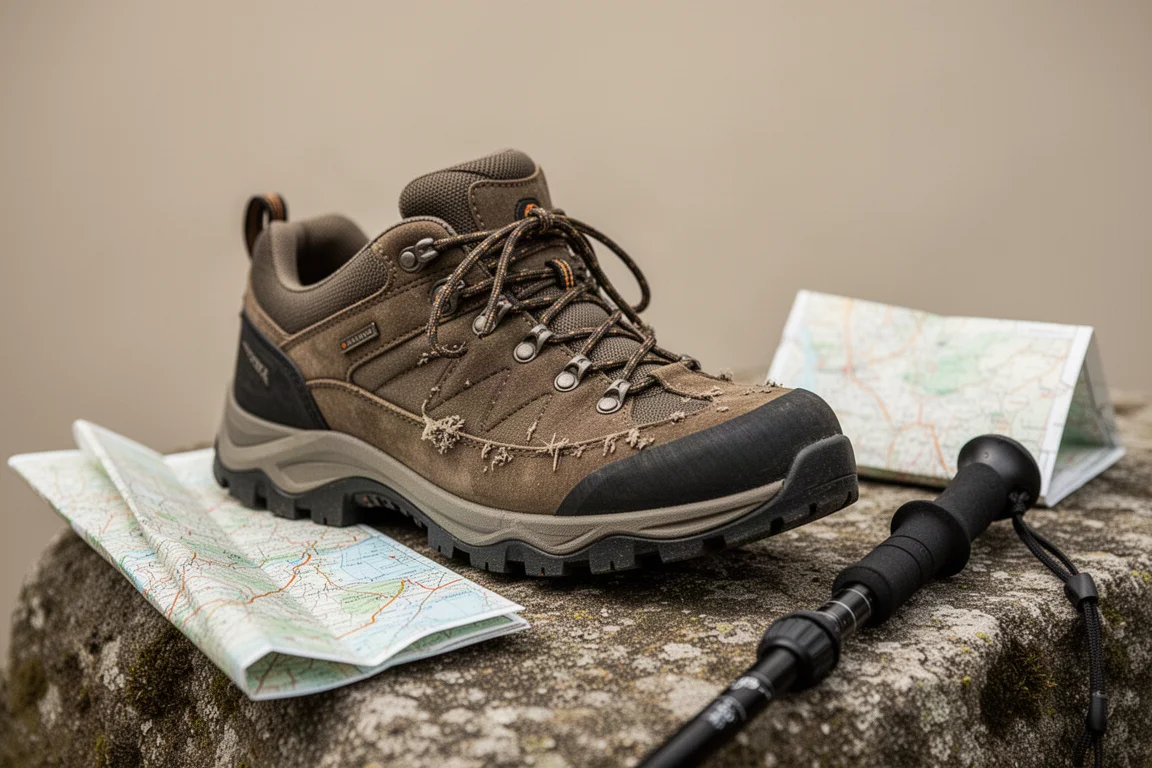
The practical takeaway is that both models are built for comfort and light weight rather than maximum abrasion resistance. If you walk on abrasive rock or scree regularly, expect the upper and outsole to show it.
Buying Advice: Which One Suits You
Choose the Columbia Conspiracy V OutDry if weight and flexibility matter most. It is the better choice for fast coastal walking, warm-weather day hikes and anyone who prefers a low-cut shoe and is happy to let ankle strength develop naturally. It is also the easier shoe to travel with and the one that feels least intrusive on the foot.
Choose the Columbia Facet 75 Mid OutDry if you want more cushioning underfoot, a mid-cut collar for a bit more structure, and stronger grip on mixed terrain. It is the more comfortable option for long, steady days on hard paths, and the wider fit adds room for walkers who find narrow trail shoes restrictive. Be aware that the extra width is noticeable when driving.
If you are replacing a well-used pair of lightweight walking shoes, both are sensible successors. The low-cut model keeps the formula that made the original popular, while the mid-cut model trades a small amount of weight for noticeably more comfort over distance.
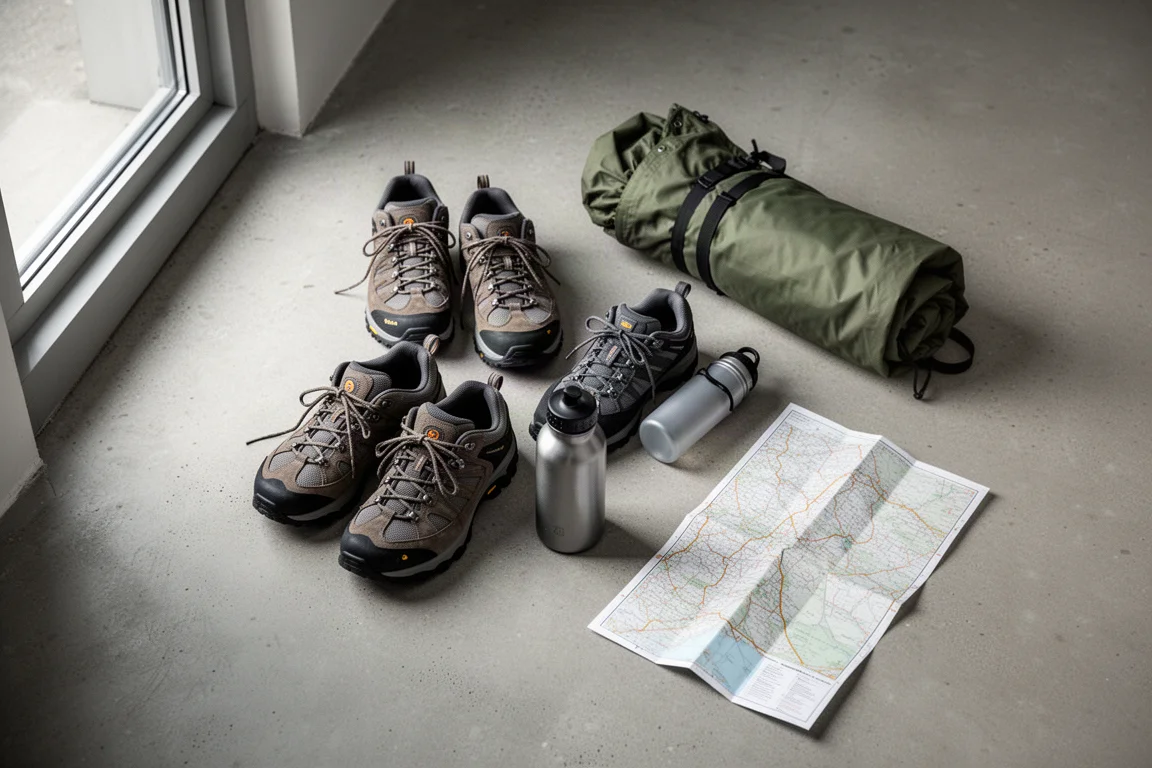
Neither shoe is aimed at technical mountain terrain or heavy winter conditions. They are waterproof walking shoes for coast paths, lowland trails, moorland tracks and everyday wear, and judged against that brief they make a lot of sense.
Conclusion
The Conspiracy V OutDry and the Facet 75 Mid OutDry share Columbia’s OutDry waterproof construction and a light overall build, but they serve different priorities. The Conspiracy V OutDry is the minimal, flexible, fast-walking option. The Facet 75 Mid OutDry is the cushioned, grippier, more structured option for longer days.
Pick the one that matches the walking you actually do most often, and either will cover a lot of ground comfortably.
Further reading
Related Reviews
Hiking Footwear
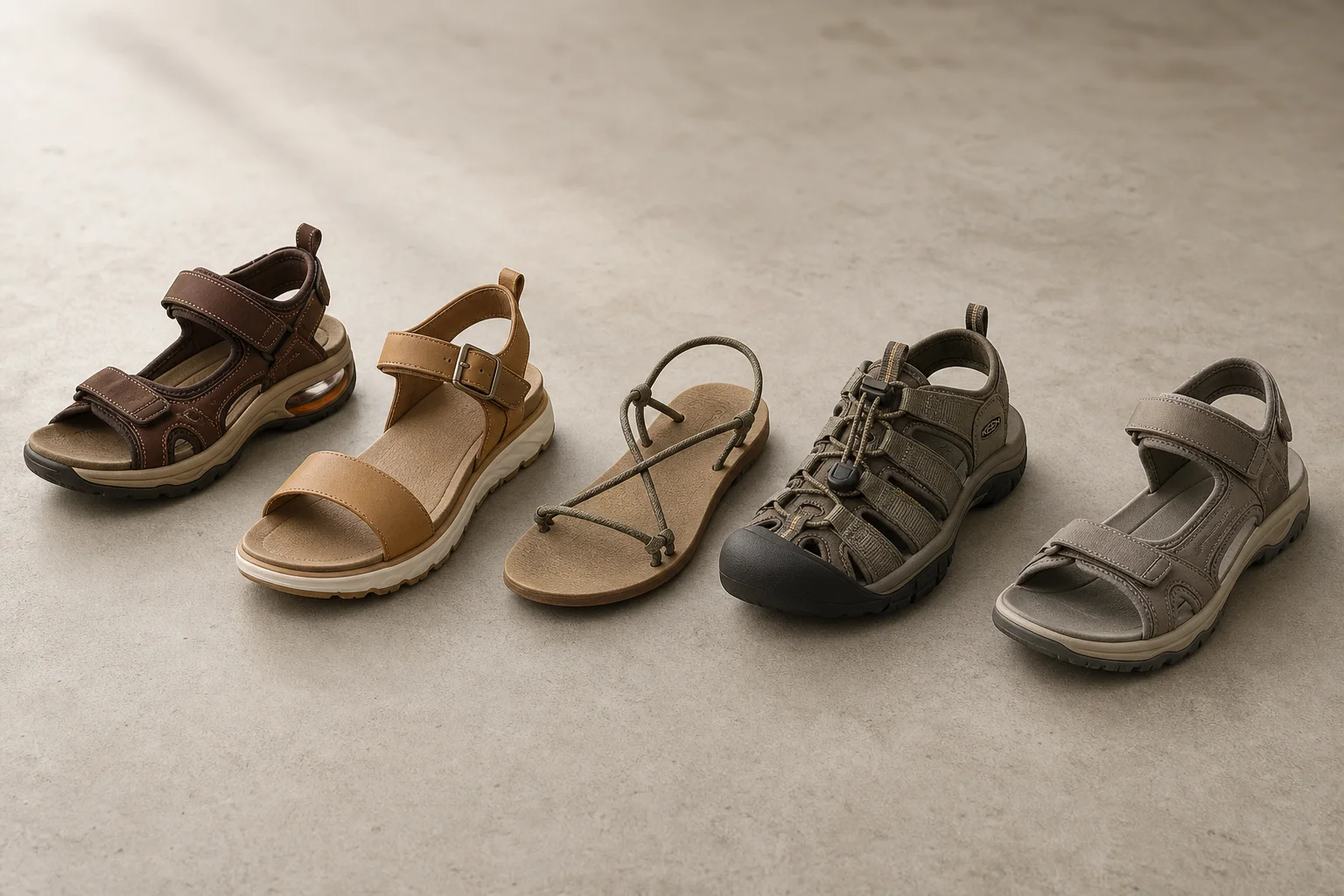
Best Hiking Sandals 2026: Five Options for Different Trail Needs
Five hiking sandals tested for comfort, protection, and versatility. Find the right pair for your hiking style, from minimalist designs to heavy-duty closed-toe options.
Hiking Footwear
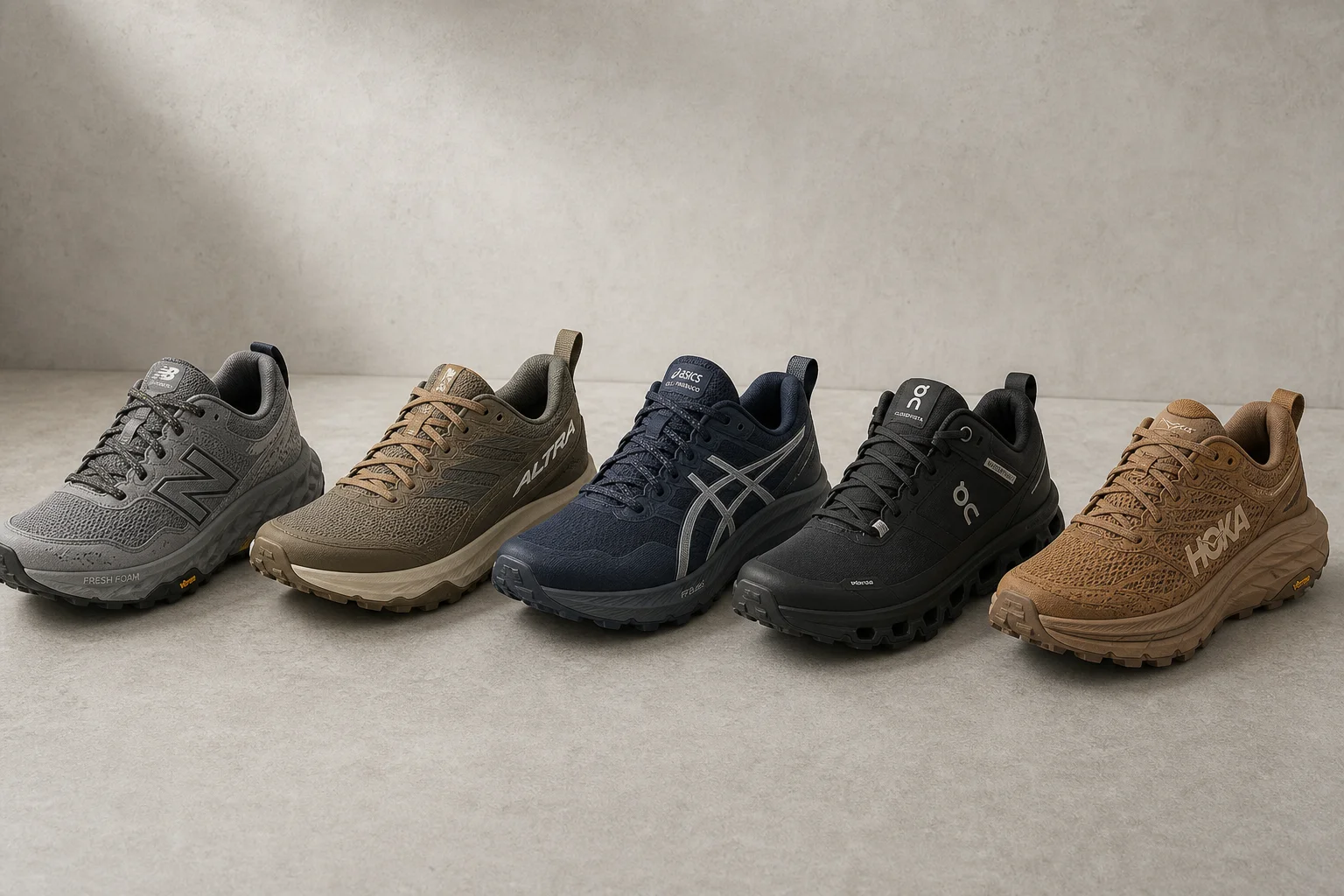
Best Hiking Shoes 2026: Five Options for Different Terrain and Support Needs
A practical guide to five hiking shoes covering max cushioning, zero-drop design, all-around versatility, waterproof protection, and balanced comfort for long-distance trails.
Hiking Footwear
Best Hiking Shoes for Men: Five Tested Options Ranked
A detailed ranking of five hiking shoes tested for comfort, traction, and durability across varied terrain and conditions.