Kitchen Knives
A Collector's Kitchen Knife Roundup: Honesuki, Santoku, Cleavers and Slicers Worth Knowing
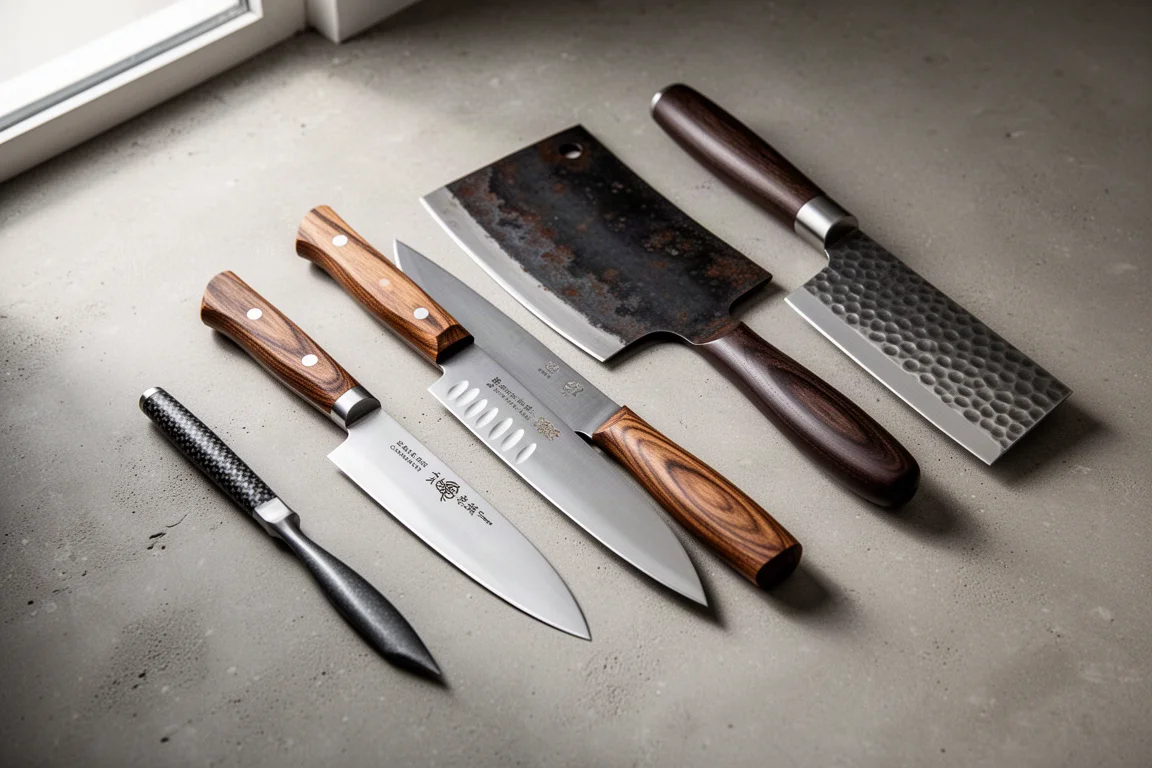
Eight knives from a working chef's toolkit: a poultry honesuki, a longer santoku, three cleavers, a razor-finished workhorse, an engraved everyday blade and a restored slicer.
Introduction
This roundup comes from a genuine daily-use collection: knives that have broken down chickens, sliced sandwiches, chopped stock bones and cut birthday-week cheddar. The through-line is simple. Every knife here earns its spot by doing a specific job extremely well, whether that job is precision poultry butchery, everyday prep or splitting pork spare ribs. There are a lot of cleavers involved, and that is entirely on purpose.
Best for Poultry: Moritaka Ishime Honesuki
The Moritaka Ishime Honesuki is built for poultry butchery, small game and general boning tasks. The ishime, or rock surface, finish gives it a distinctive texture, and the knife feels reassuringly chunky with a short bevel and a thick spine. It is full carbon steel except for the stainless tang, a smart design detail that protects the vulnerable part that sits inside the handle. It has broken down many chickens without a single chip.
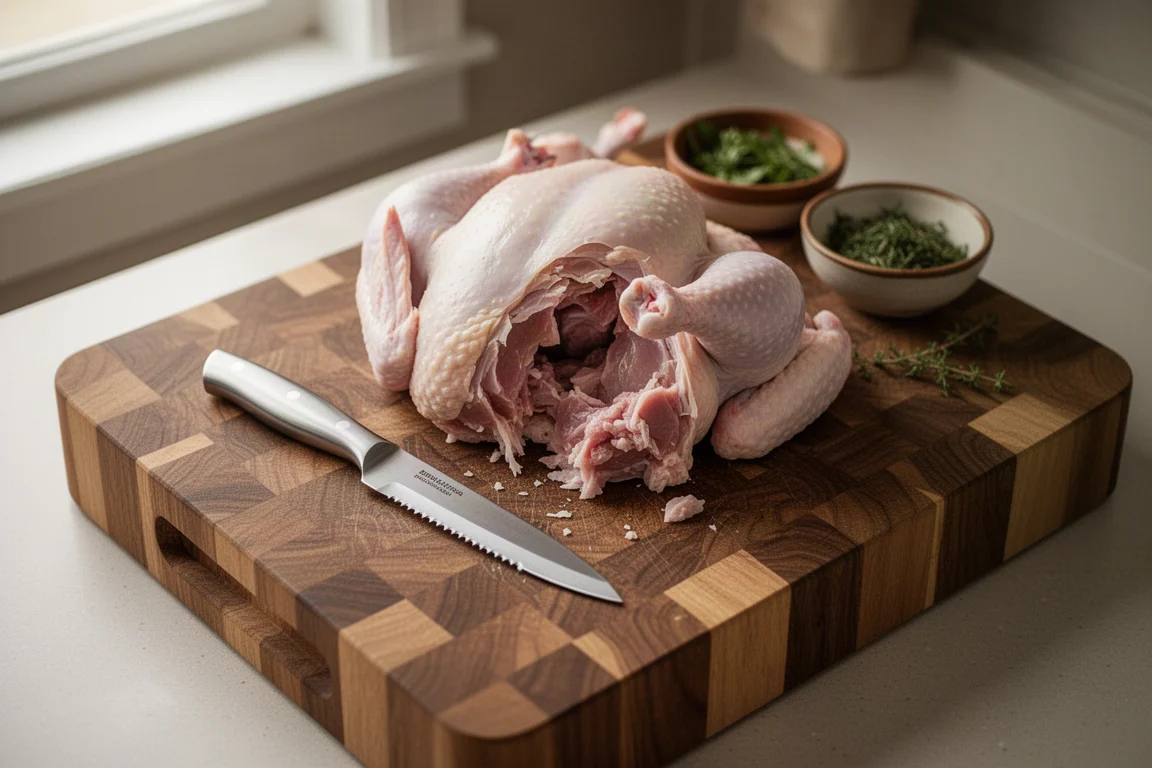
Moritaka has been forging sharp things since 1293, yet this honesuki only exists because the owner of a Canadian knife shop asked the smiths to make one. They looked into the unfamiliar shape, studied reference images, and delivered what is arguably a benchmark honesuki. That speaks volumes about their blacksmithing ability.
The Longer Santoku: Moritaka Aogami Super Santoku
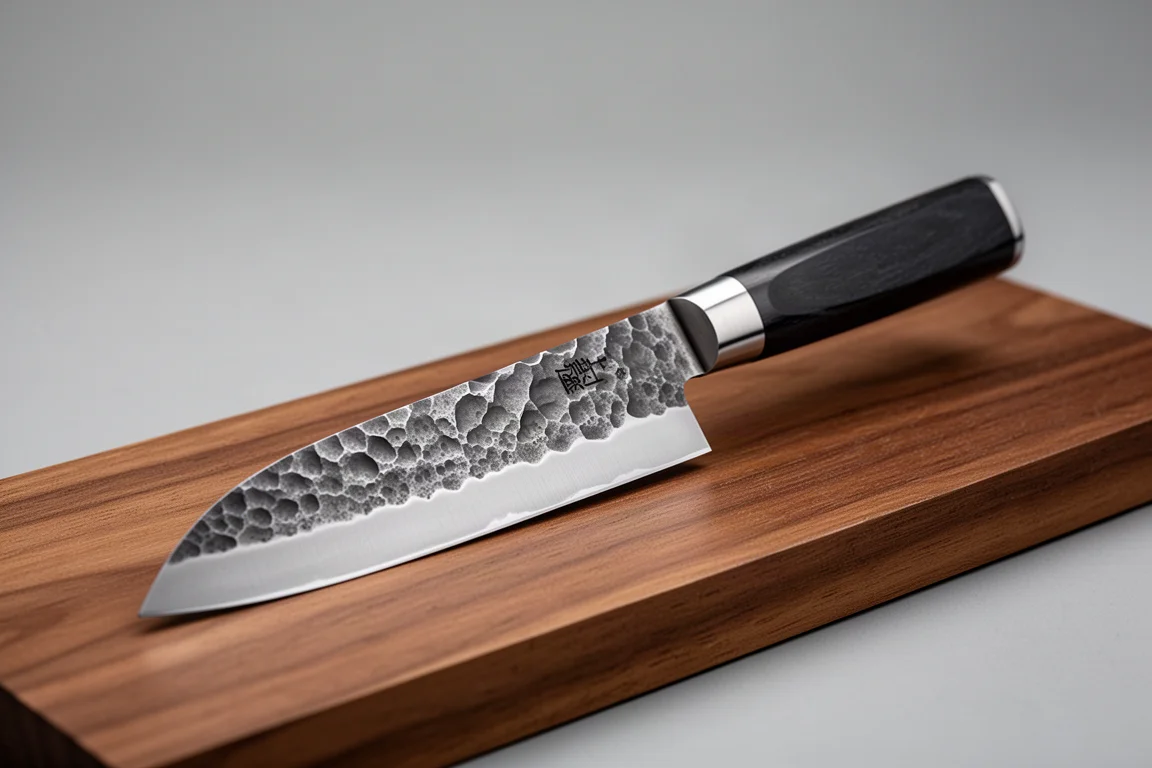
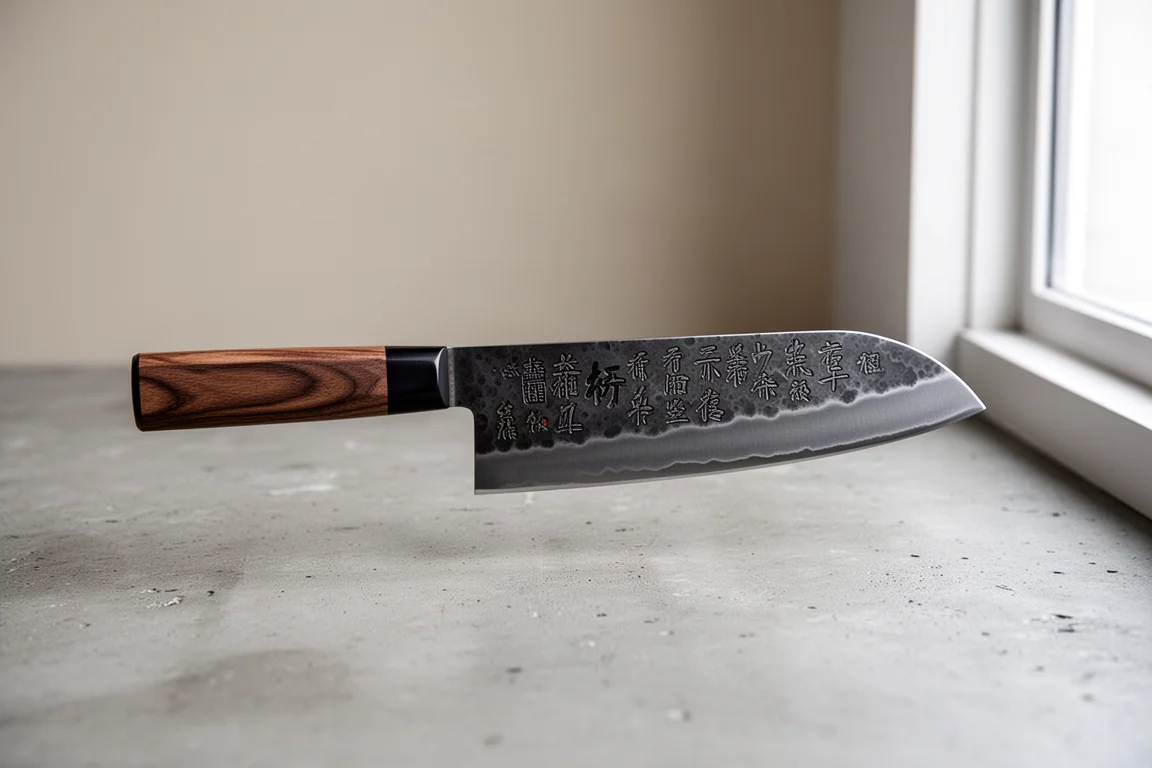
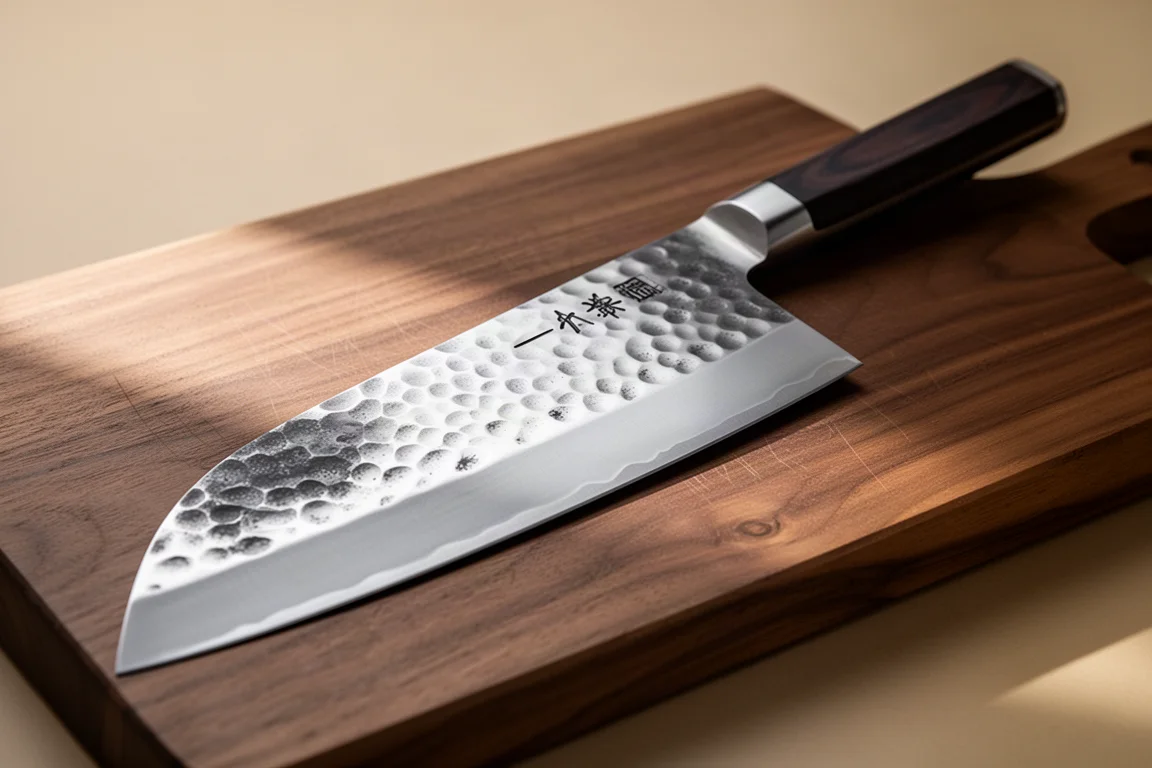
Many santoku run around 165mm, and this Moritaka Aogami Super Santoku stretches closer to 180-185mm, which gives more slicing real estate for bigger prep jobs. It carries the full engraved name of the very first Moritaka smith across the blade in striking kanji, paired with a walnut handle. After roughly three years of use it has never needed a full sharpening, only regular honing, which says a lot about the Aogami Super edge retention.
The One-Knife Do-It-All: ChenChiKee Civil and Military Cleaver
The ChenChiKee Civil and Military cleaver earned its name honestly: it handles both rough work and refined work. The rear of the blade powers through turkey bones with a hammer grip, while the front slices, dices and minces with surprising finesse. It has a nice taper, real heft for bone work, and on this older version, a deep patina that has developed over almost a decade of use. This is the knife that started a lifelong cleaver obsession, bought at the ChenChiKee store in Hong Kong before the lacquer era.
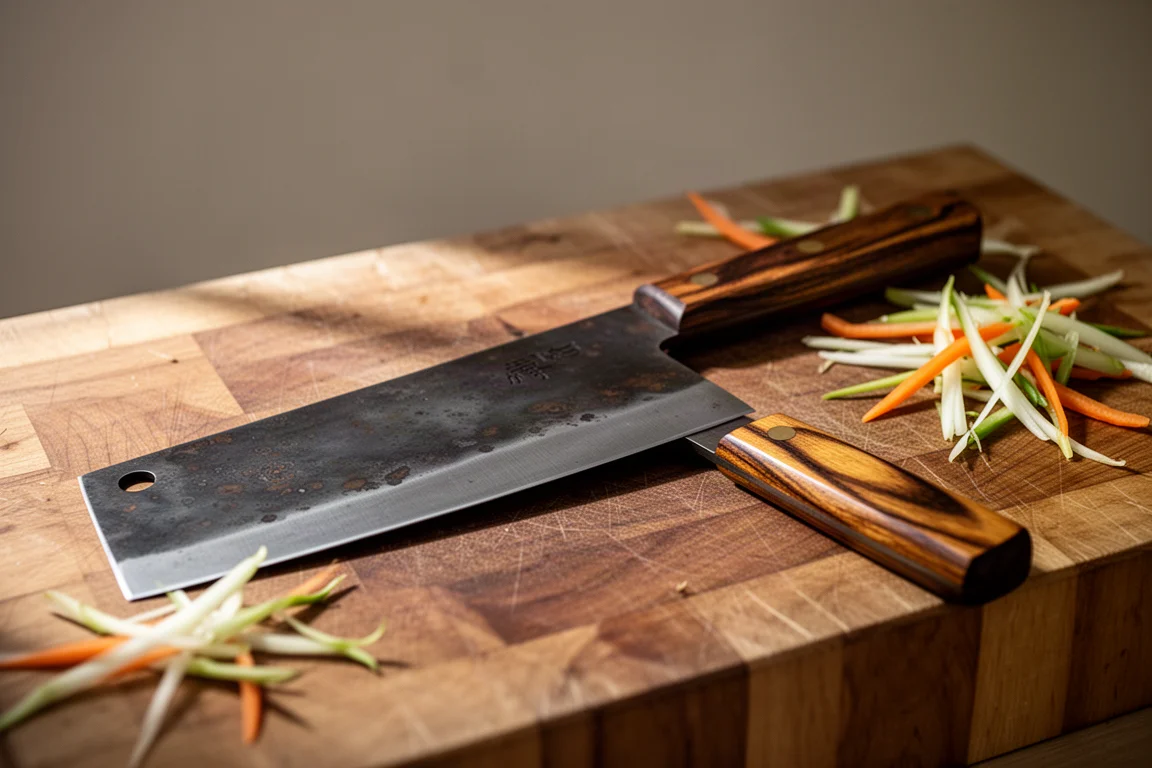
If you want one blade that covers bone chopping at the back and precision slicing at the front, this is the archetype.
The Biting Workhorse: Shibata Tinker Tank
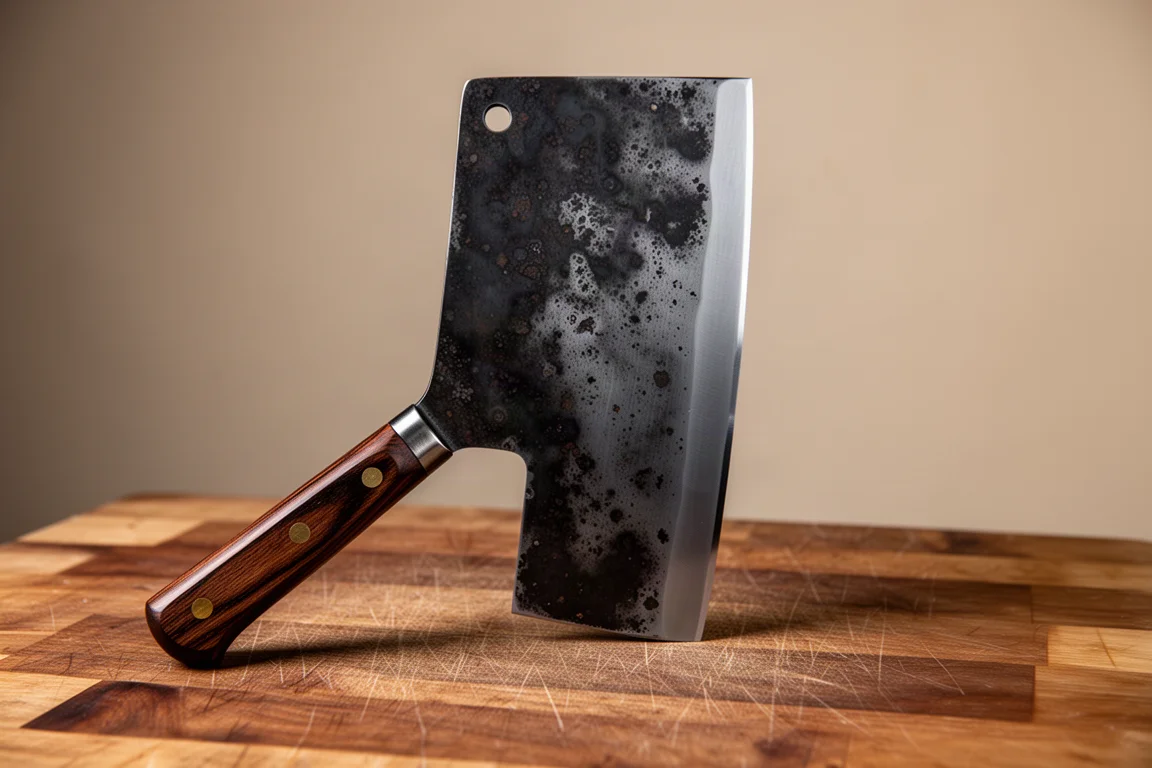
The Shibata Tinker Tank is genuinely hard to come by, and for good reason. The finish is beautifully rounded at the spine and choil yet dark and rustic-looking, with a very thin geometry behind the edge. What makes it special is the smith’s differential sharpening: one side of the edge is slightly coarser, the other finer. The result is an edge with real toothiness that bites into the cutting board instead of sliding on it. Combined with its weight, the knife simply stops where it lands, which makes cutting feel remarkably stable.
The Everyday Artist: Masashi Yamamoto Koken
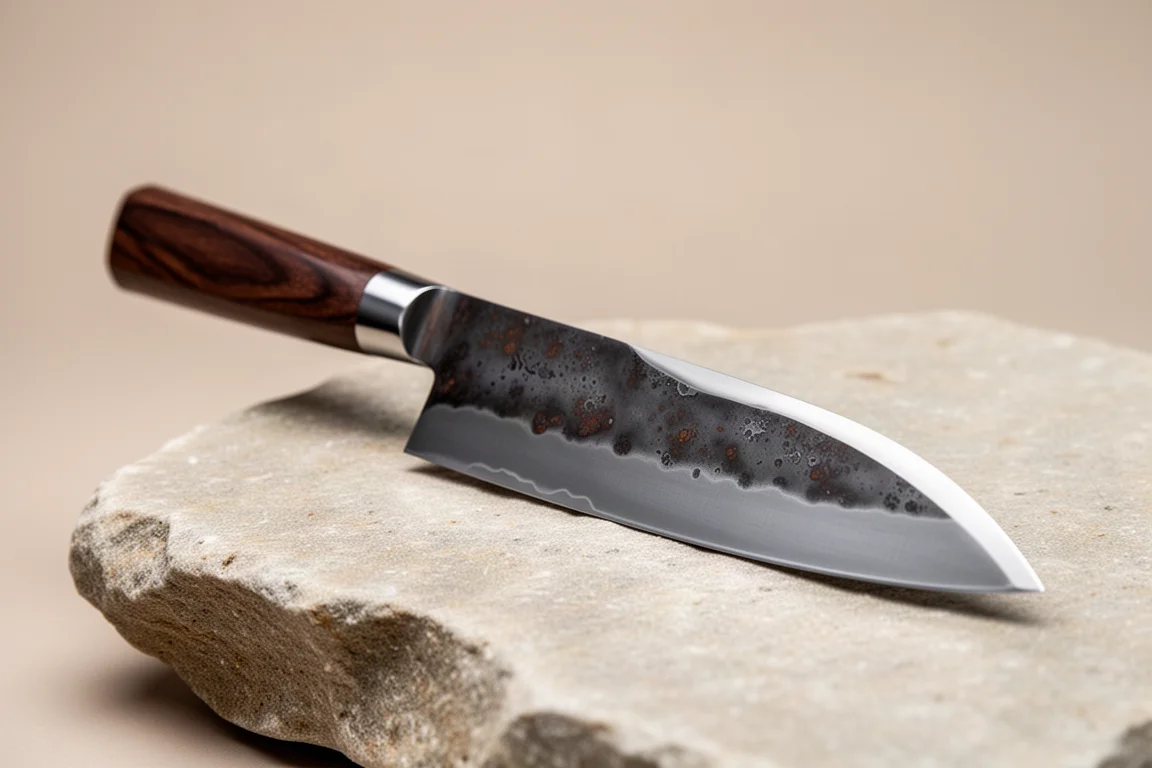
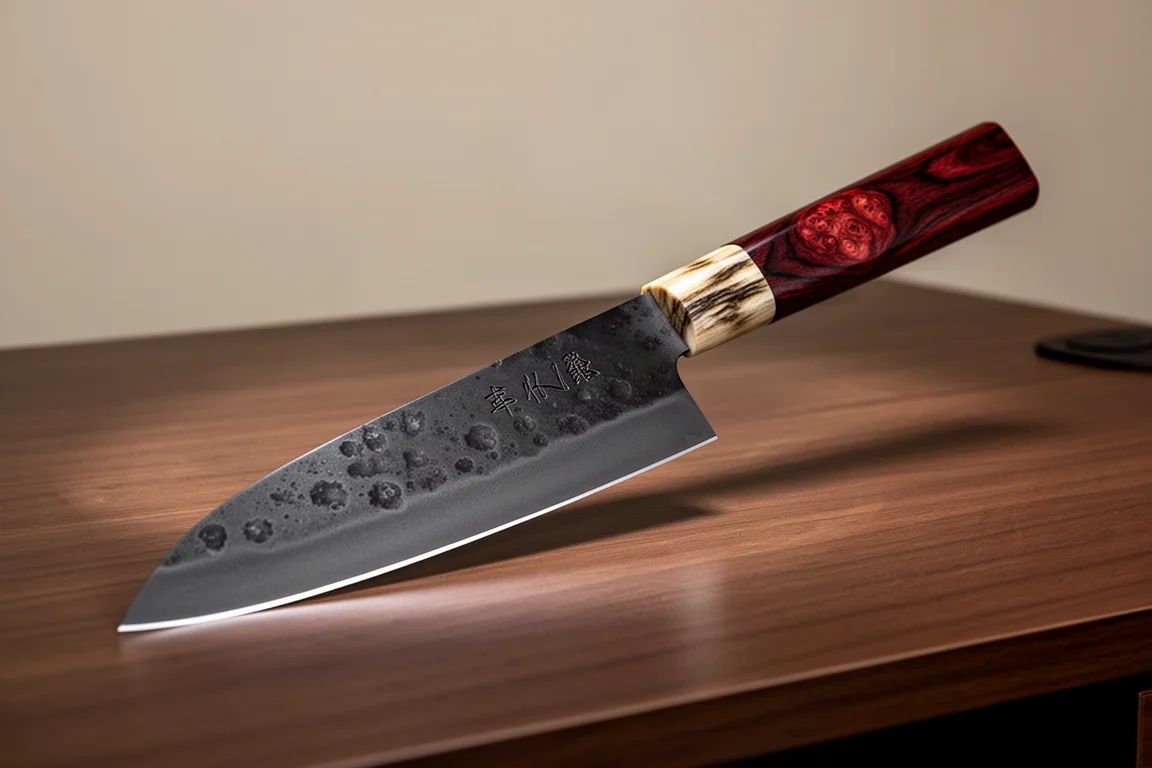
Masashi Yamamoto is a rare triple threat: blacksmith, sharpener and engraver. His Koken line shares the refined kurouchi black finish approach of the Tinker Tank, with a nicely rounded profile and a super thin, polished edge. This particular piece carries a hand-engraved kanji reading “Kaizen”, the idea of continuous improvement, hammered in with almost primitive tools. The water buffalo horn collar shows lovely figuration, and the red ebony handle has flecks of burl throughout. It is light and nimble, ideal for salads, side dishes and everyday prep when no large cutting is on the agenda.
The Stock-Making Beast: CCK Cow Kong Chopper
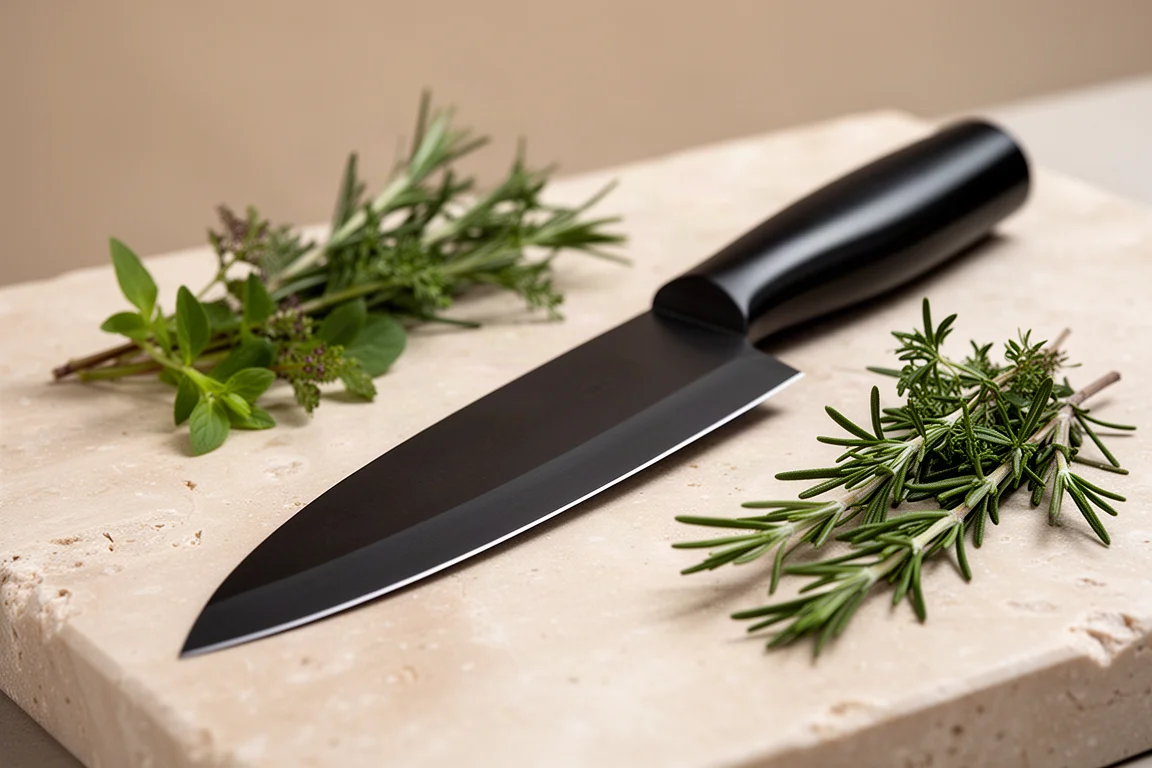
The CCK Cow Kong Chopper is a big, honest prep monster. The taper is decent, and the rear of the blade chops through small pork spare ribs while the front handles poultry work. It shines in a stock-making workflow: break down the chicken, cut through bones to release marrow into the pot, then chop carrots, onions and celery, all with one knife. This newer CCK style carries a QR code etched on the blade.
One lesson learned the hard way: attempting a ham thigh chipped the edge. Spare ribs are about the sensible limit for bone work here.
The Featherweight Slicer: CCK Mulberry Cleaver
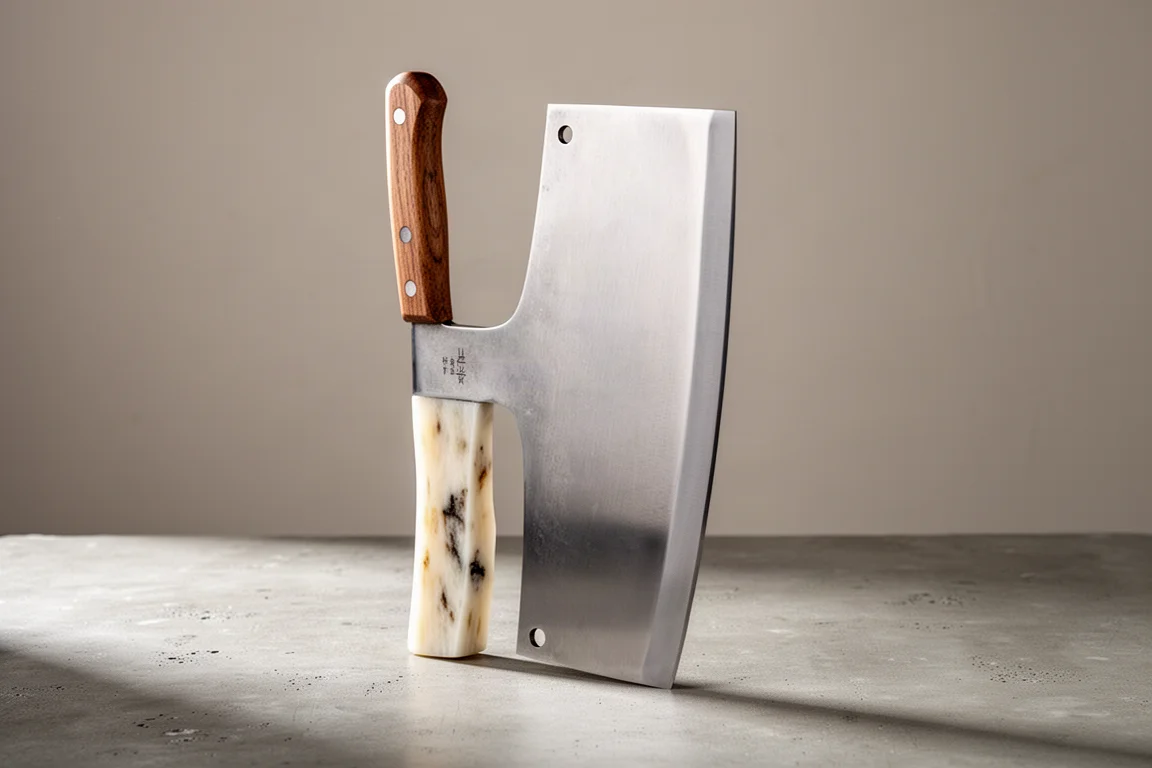
At the opposite end of the CCK spectrum sits the Mulberry cleaver, very light and very thin with minimal wedging. It is aimed at fine cutting work, and it suits anyone who loves the big square silhouette and generous knuckle clearance of a cleaver without the weight. Both this and the Cow Kong carry lacquer, so they resist rust and develop patina only slowly where the lacquer wears along the bevel. For slicing, dicing and mincing without hand fatigue, this is the pick.
The Thin Slicing Cleaver: Shui Terada Chabo Cleaver
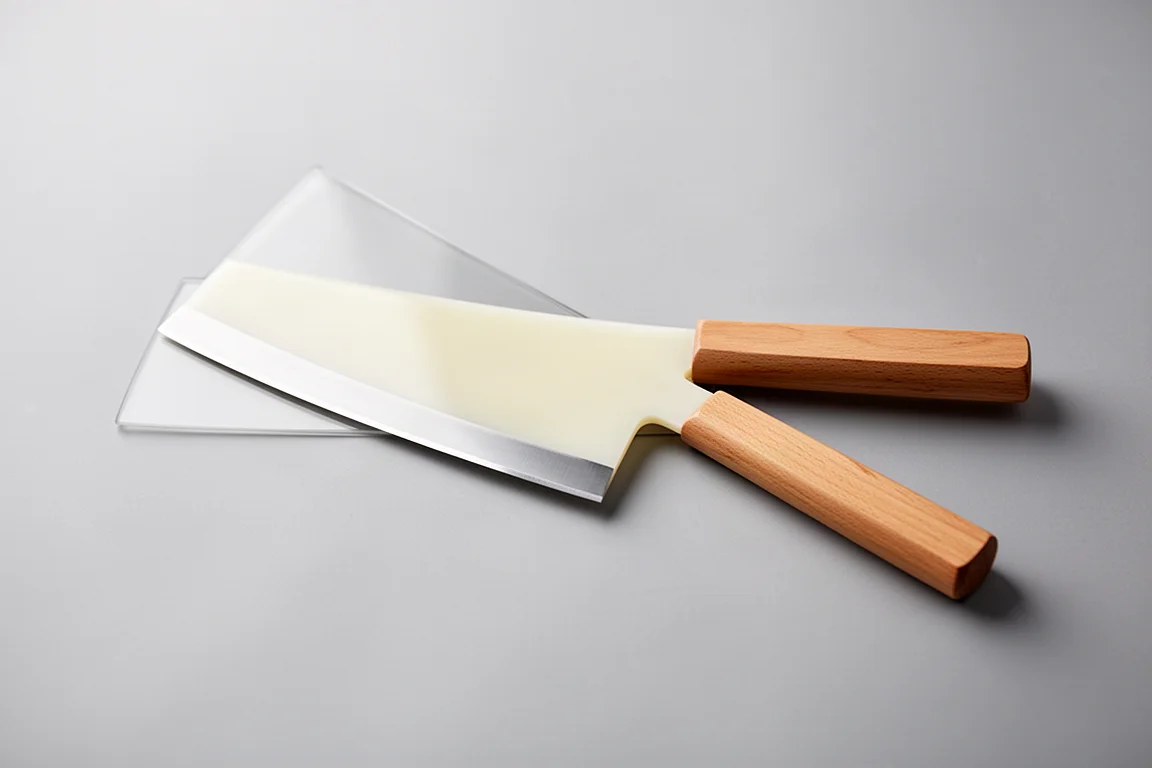
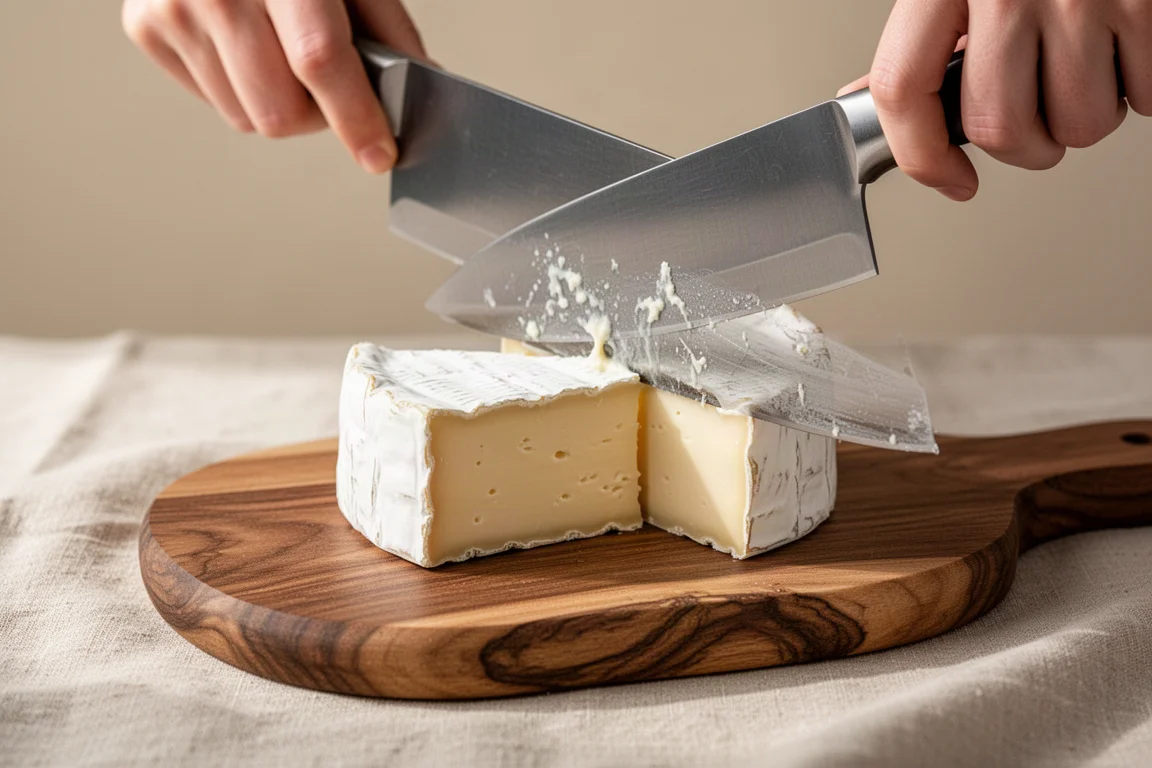
The Shui Terada Chabo Cleaver is a full-size chabo slicing cleaver with a carbon core under stainless cladding, visible hammer marks, and a distinctive logo with a heart in it. It is very thin for its size, tapering substantially toward the edge, so it should never touch bone. What makes it remarkable is the hammered face: the sides flare out toward the edge, giving excellent food separation, and the hammer texture keeps wet or soft food from sticking. It cuts soft cheese such as brie, which famously glues itself to knife faces, without any sticking. For big boneless meals, this is the one that gets reached for first.
Buying Advice
Match the knife to the job before anything else. For poultry and boning, a sturdy honesuki beats a general-purpose blade every time. If you want a single do-everything cleaver, a civil and military style covers bones and fine work, while a thin mulberry or chabo cleaver is the better choice for pure slicing comfort. For everyday prep, a thin, finely finished knife with strong edge retention will serve you longest between sharpenings. And whatever you buy in carbon or semi-stainless steel, wash and dry it promptly; lemon juice left overnight will rust even “stainless” steel.
Conclusion
A collection like this proves there is no single best kitchen knife, only the right knife for the task in front of you. A precise honesuki, a longer santoku, a heavy bone-capable cleaver, a featherweight slicer and a thin hammered chabo each solve a different problem. Pick the job you do most often, buy the knife built for it, and it will earn its place on your magnetic strip for years.
Further reading
Related Reviews

Kitchen Knives
Best Chef's Knives 2026: 27 Popular Options Tested and Ranked
A comprehensive review of 27 chef's knives ranging from $18 to $380, with honest assessments of handle comfort, blade balance, and real-world performance.

Kitchen Knives
Best Chef's Knives Under $75: Two Tested Recommendations
Two practical 8-inch chef's knives that balance sharpness, comfort, and durability without premium pricing.

Kitchen Knives
Best Chef's Knives 2026: 27 Options Tested and Ranked
A comprehensive review of 27 chef's knives ranging from $18 to $380, with honest assessments of handle design, balance, blade profile, and real-world performance.