Camping Chairs
Coleman Broadband Mesh Quad Chair vs YETI Trailhead Camp Chair: Which Camp Chair Fits You?
A $30 folding chair and a $300 folding chair compared on setup speed, seat support, breathability, frame strength, weight, and warranty.
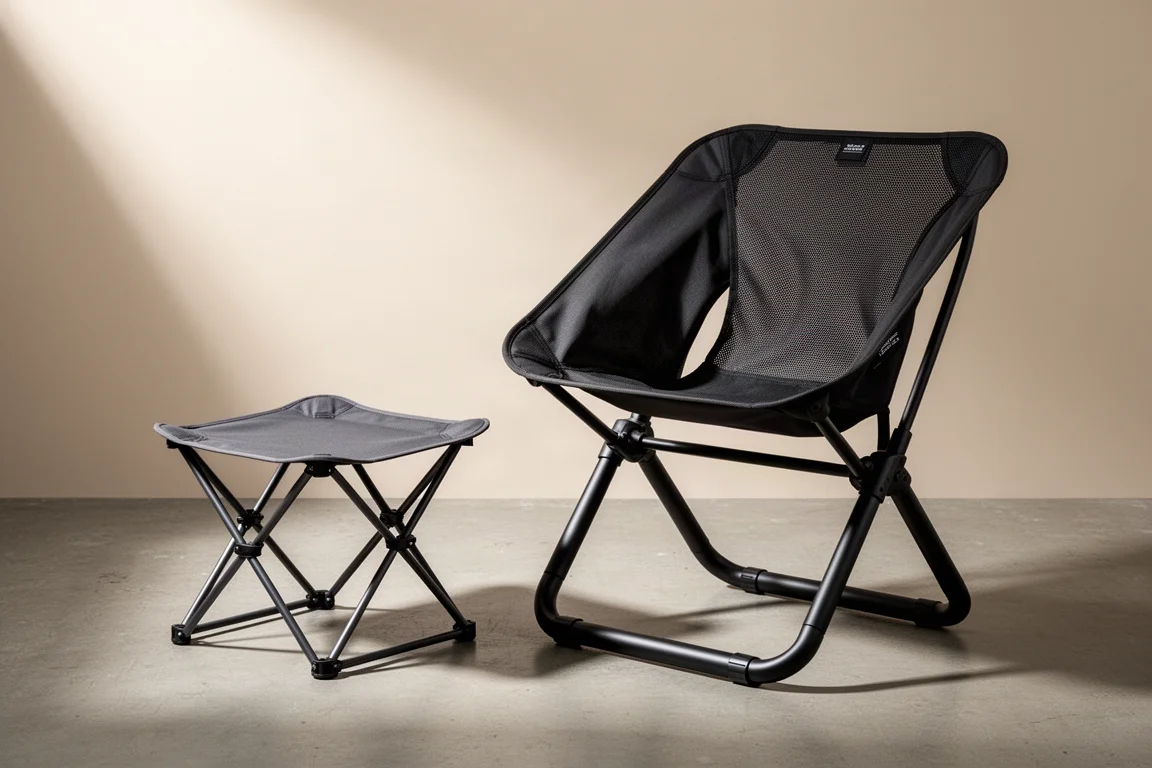
Introduction
The Coleman Broadband Mesh Quad Chair sells for around $30. The YETI Trailhead Camp Chair sells for around $300. On a campsite they both unfold into something you can sit on, and that is roughly where the similarities stop.
The differences show up in how long each chair takes to set up, how the seat and backrest behave under your weight, how much mesh sits against your back, how thick the frame is, and how much chair you have to carry from the car to the pitch. This comparison works through each of those points so you can judge whether the larger spend buys something you would actually notice.
What We Compared
Both chairs were put through the same sequence of checks: setup time, pack-away time, seat tautness, backrest tautness, backrest height, seat height, seat width and depth, mesh coverage, heat build-up over a one-hour sit, cup holders and pockets, frame pole thickness, joint quality, packed weight, packed volume, carry bag design, weight capacity, and warranty length.

Across 18 comparison points, the YETI came out ahead in 14 and the Coleman came out ahead in 4. The Coleman’s wins were concentrated in setup, pack away, and portability, which are exactly the areas where a lighter, simpler chair has an advantage. Everything else, from back support to frame strength, went the other way.
Coleman Broadband Mesh Quad Chair: The Budget Contender
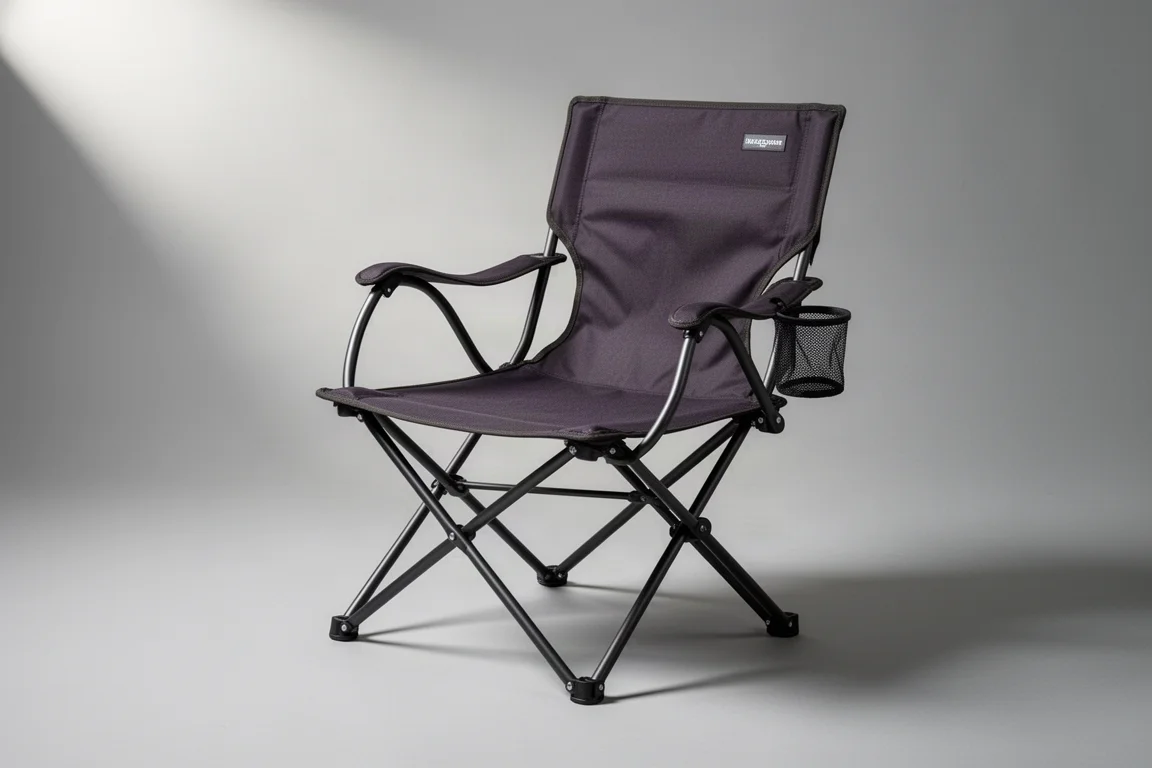
Setup is the Coleman’s strongest card. It took about 6 seconds to open, roughly three times faster than the YETI, and about 20 seconds to pack away, around half the time. The process is a single motion: pull the chair from its carry bag, grab opposite ends, and pull it open. There is nothing to lock or click into place.
That simplicity comes with a trade-off. The seat fabric is not taut, so you sink a few inches into it when you sit down, and the backrest behaves the same way. The backrest measures just under 20 inches, and the top 3 inches are noticeably flimsy with little support from the ends, which effectively brings usable backrest height down to about 17 inches. It covers an average adult back but stops short of a neck rest.
Seat height is around 11 inches, which is typical for a camp chair but much lower than a chair at home. About 35 percent of the chair is mesh, all of it in the backrest, so your back stays breezy while the seat warms up over time. There is one mesh cup holder roughly 2.8 inches wide that holds a single can, and no pockets anywhere on the chair. The frame poles measure about 0.63 inches thick with standard rivets, and the carry bag uses a single non-adjustable, non-padded webbing strap.
YETI Trailhead Camp Chair: The Premium Build
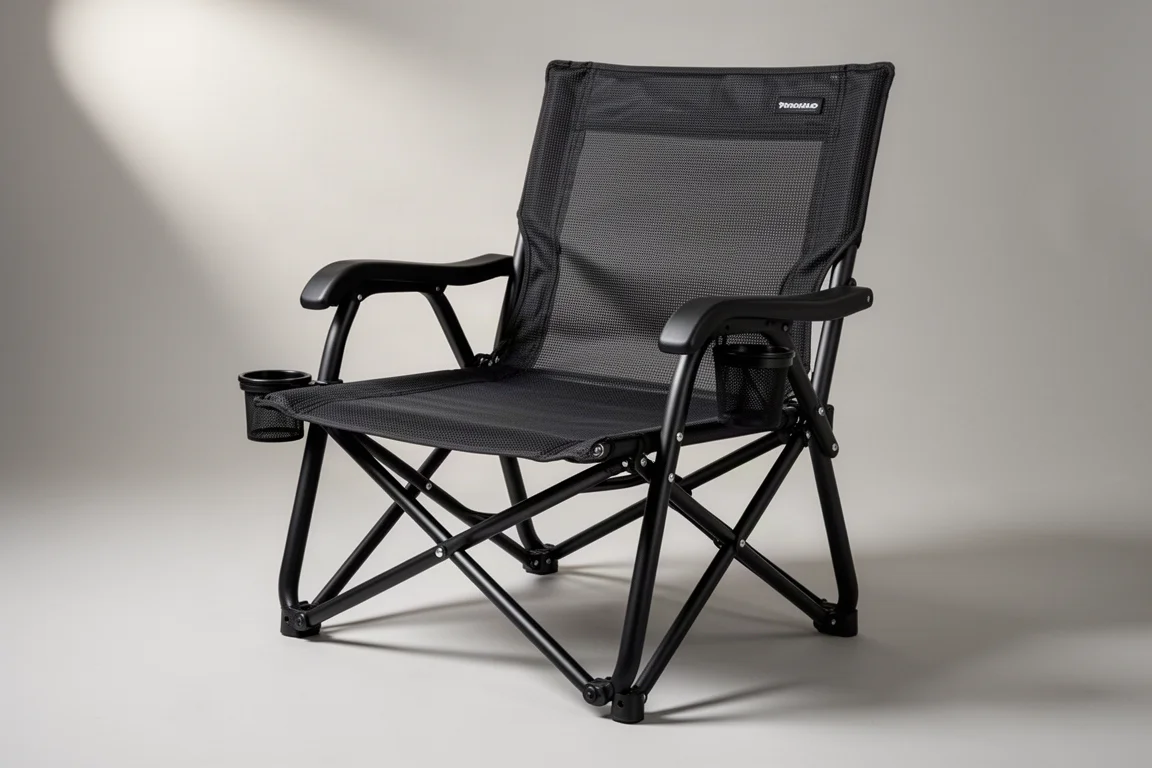
The YETI takes longer to set up because it is built around tension. After pulling it open, each armrest has to be locked individually until it clicks, and then the handle at the back of the chair has to be locked as well. Those steps are what make the seat fabric almost completely taut, so you do not sink into it at all, and what make the backrest firm enough to support your whole back when you lean into it. This is the clearest reason to consider the chair: the lumbar support is strong enough that it can feel better than some chairs people keep at home.
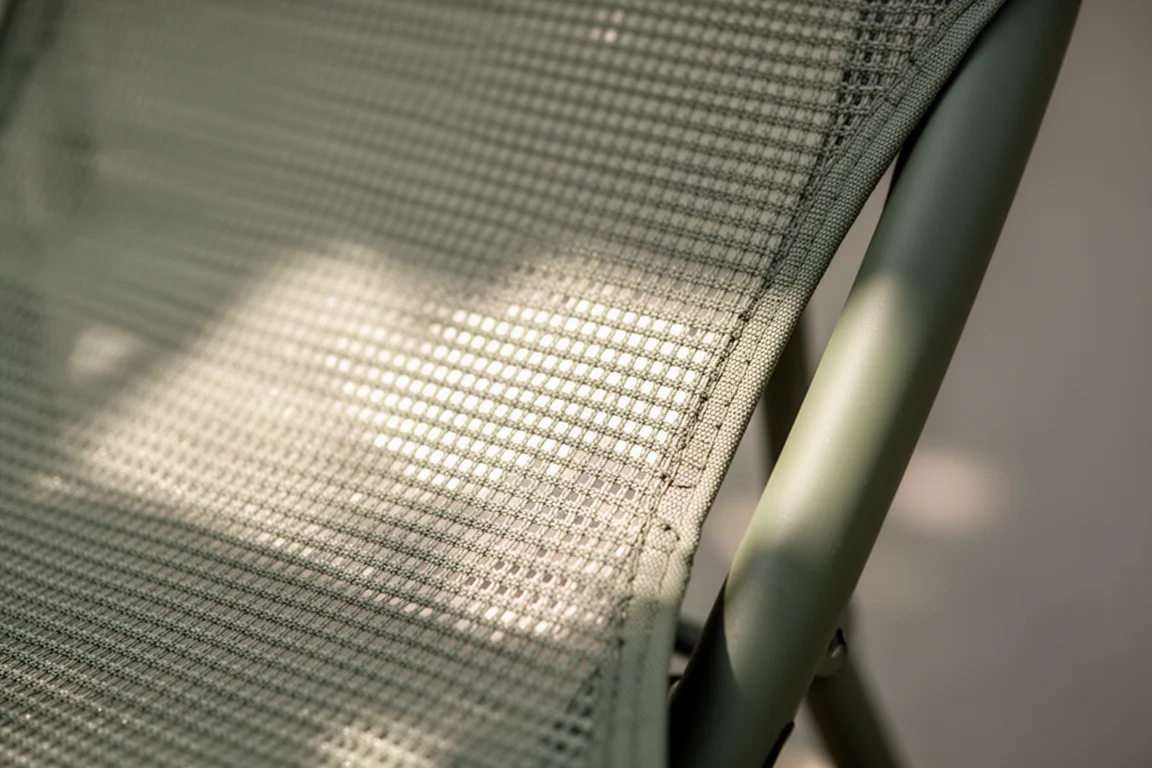
The backrest is about 4 inches taller than the Coleman’s, and although it still does not reach neck height when sitting upright, the top section flattens off slightly and is not flimsy, so a shorter person can scoot down and rest their head against it. Seat height is close to a normal dining chair, making it the tallest camp chair in this comparison and easier to stand up from. The entire chair is full-mesh construction, which is also why the price is high: mesh costs considerably more to manufacture than plain polyester fabric. There is a single cup holder, but it is larger and removable, fits cans, bottles, and even a 1-liter Nalgene, and has a drainage hole at the bottom. There are no pockets, which is a fair criticism at this price. The fabric is UV resistant, and after months of use including weeks in direct sun it showed no fading. The frame poles are more than an inch thick with noticeably beefier, higher quality joints than the Coleman’s.
Setup and Pack Away: Speed Against Taut Seating
If speed matters most, the Coleman wins clearly. It opens in a few seconds and folds away in about 20 seconds, with no locking steps to remember. The YETI’s armrest locks and rear handle lock add time at both ends of the trip, and forgetting one of them leaves the seat noticeably less firm.
It helps to think of those extra seconds as the cost of the seat and backrest tension rather than as wasted effort. The Coleman is faster because it does not try to hold its fabric taut. The YETI is slower because it does.
Comfort, Breathability, and Heat Build-Up
Mesh coverage is where the two chairs diverge most in daily use. The Coleman is roughly 35 percent mesh, limited to the backrest, so the seat accumulates heat during long sits. The YETI is full mesh throughout.

A one-hour sit test with a temperature gun measured the difference directly: the Coleman rose in temperature by more than three times as much as the YETI. For summer camping, that gap is the single strongest argument for the more expensive chair. If you mostly camp in mild conditions or use a chair for short periods, the difference will matter far less.
Frame Quality, Weight, and Portability
The Coleman’s poles are about 0.63 inches thick with simple standard rivets. The YETI’s are more than an inch thick, with thicker, higher quality pole joints throughout, and by pole thickness alone the YETI frame is close to twice as strong. Weight capacity is twice as high and the warranty is five times as long.
All of that strength has a cost in portability. The YETI is almost two and a half times heavier than the Coleman and ranks as the heaviest chair in this field of more than 20 camp chairs. Packed volume is roughly four times larger. The Coleman’s carry bag uses a single unpadded, non-adjustable shoulder strap, which is basic but light. The YETI’s bag has padded, fully adjustable straps with buckles and can be worn like a backpack, which makes the extra weight far easier to manage on the walk to a pitch.
Which Camp Chair Is Right for You?
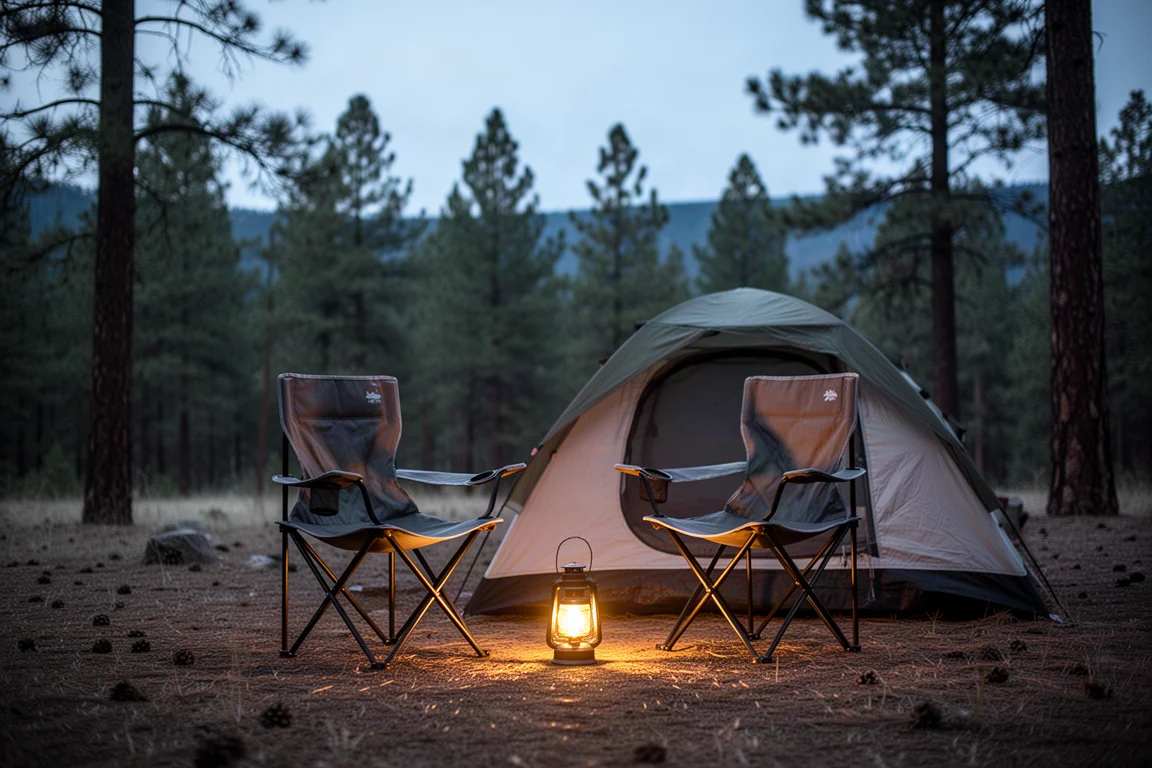
The YETI Trailhead Camp Chair makes sense if you need real lumbar support, if you struggle to get out of low seats, or if you camp mainly in summer and expect to use the same chair for years. Those are the three reasons that justify the price, and the lumbar support is by far the most important of them.
The Coleman Broadband Mesh Quad Chair at around $30 is the faster, lighter, simpler chair, and it covers the basics competently. It is not the budget pick to rush into, though. A chair in the $40 to $50 range offers better quality for not much more money, so the Coleman is best treated as a low-cost option for occasional use rather than the value sweet spot. Whichever way you go, match the chair to how you actually camp: fast and light for short trips, or supportive and breathable for long summer days.
Conclusion
These two chairs are separated by far more than price. The Coleman wins on setup speed, pack-away time, and portability. The YETI wins on seat tension, back support, mesh breathability, frame strength, weight capacity, and warranty. If back support and summer comfort are priorities, the premium chair earns its place. If you want something quick, light, and inexpensive for occasional use, the budget chair does the job, provided you accept the softer seat and the warmer backrest.
Further reading
Related Reviews
Camping Chairs
ALPS Mountaineering Rendezvous Chair Review: Fast Setup, Compact Pack, Real Trade-Offs
A practical look at the ALPS Mountaineering Rendezvous Chair: measured seat dimensions, setup and pack-away speed, materials, and who it genuinely suits.
Camping Chairs
Best Lightweight High-Back Camping Chairs: Helinox Sunset vs REI Flexlite Camp Dreamer vs Big Agnes Big Six
A measured comparison of three lightweight high-back camp chairs, covering setup times, seat dimensions, breathability, storage, materials, warranty, and price positioning.
Camping Chairs
Best Oversized Camp Chairs: ALPS King Kong vs Coleman vs YETI Trailhead
Four of the largest camp chairs compared on seat size, seat support, materials, storage, portability, and price, with clear guidance on which one is worth buying.