Hiking Gear
Cold-Weather Hiking Gear: 8 Picks for Late Winter and Early Spring
Eight cold-weather hiking picks for late winter and early spring, with the strengths, limits, and layering logic behind each one.
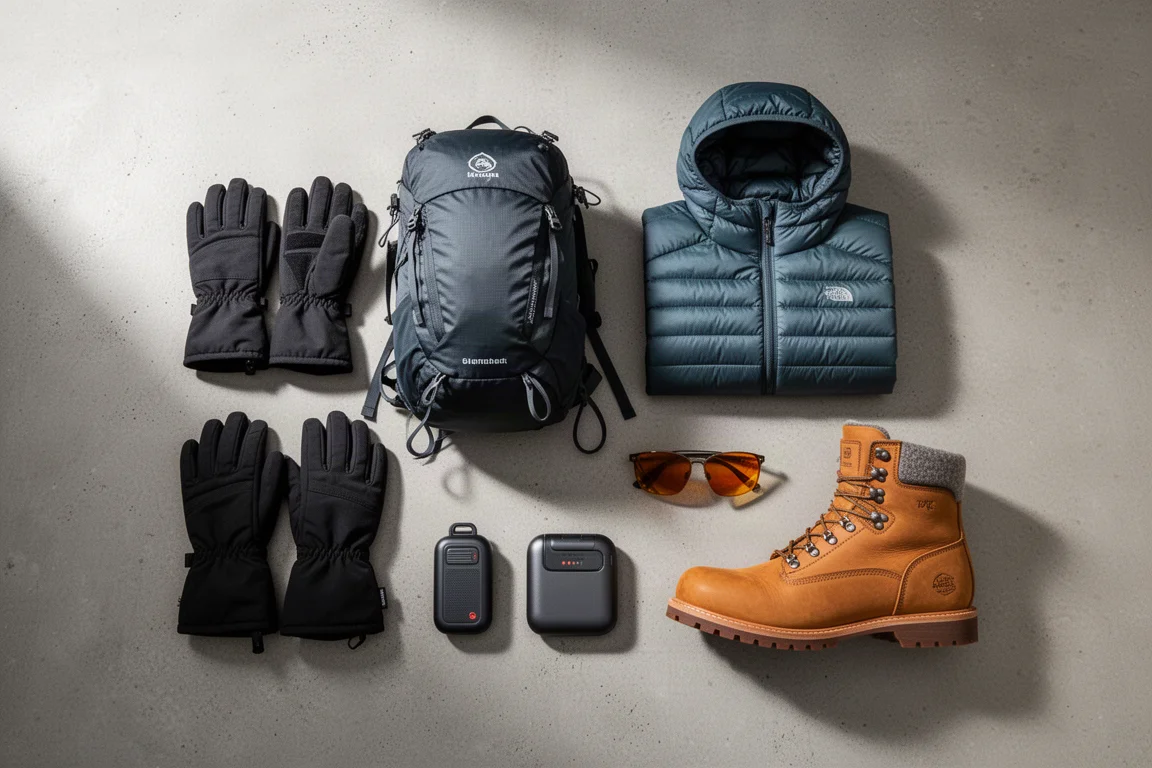
Introduction
Late winter and early spring can be the most rewarding window of the year for mountain hiking. Trails are quiet, the air is sharp, and a single cold front can turn a familiar ridge into something completely different. A rare late-season snowfall on a local mountain is a good reminder of how quickly conditions change at this time of year.
Those same conditions make these months the least forgiving for beginners. A warm valley start, sudden wind on exposed ground, and snow that softens into slush by midday all demand more thought than a summer hike. The gear below is kit that has seen regular use on cold-weather hikes, chosen for warmth, low weight, and the ability to keep working when the weather turns.
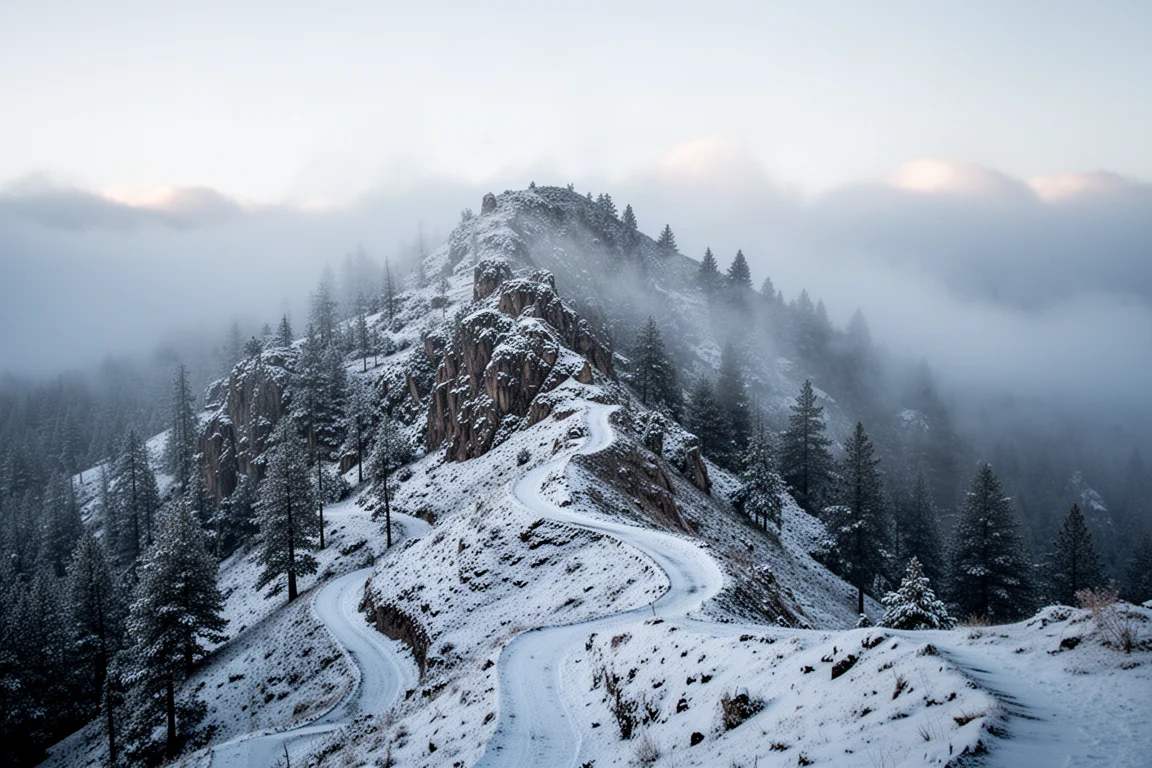
It helps to think in terms of layers and backups rather than a single checklist. Every item here earns its place by adding warmth, by blocking wind and wet, or by acting as a spare if something is lost or soaked through.
The notes below cover where each piece is strongest and where it has real limits, so you can decide which items are worth adding to what you already own.
Layering Basics for Cold-Weather Hikes
Head and hands lose heat fastest, and they are also the easiest places to double up. Two thin beanies, a fleece worn over a merino liner, give you a spare without much weight. The same logic applies to gloves: a thin liner worn inside a slightly larger shell keeps dexterity while adding warmth.
The core principle is that each layer should do one job, and that you should be able to vent heat before you start to sweat. A full-length zip on a mid layer is more useful than it looks. Once clothing is saturated, cold sets in quickly.
Footwear follows the same reasoning. Rigid mountaineering boots and crampons are necessary on hard ice and long steep terrain, but for most winter day hikes a waterproof boot paired with micro spikes covers far more ground at a fraction of the cost and weight. Micro spikes adapt to almost any shoe size and give a normal hiking boot grip on icy paths.
Rab Velocity Gloves
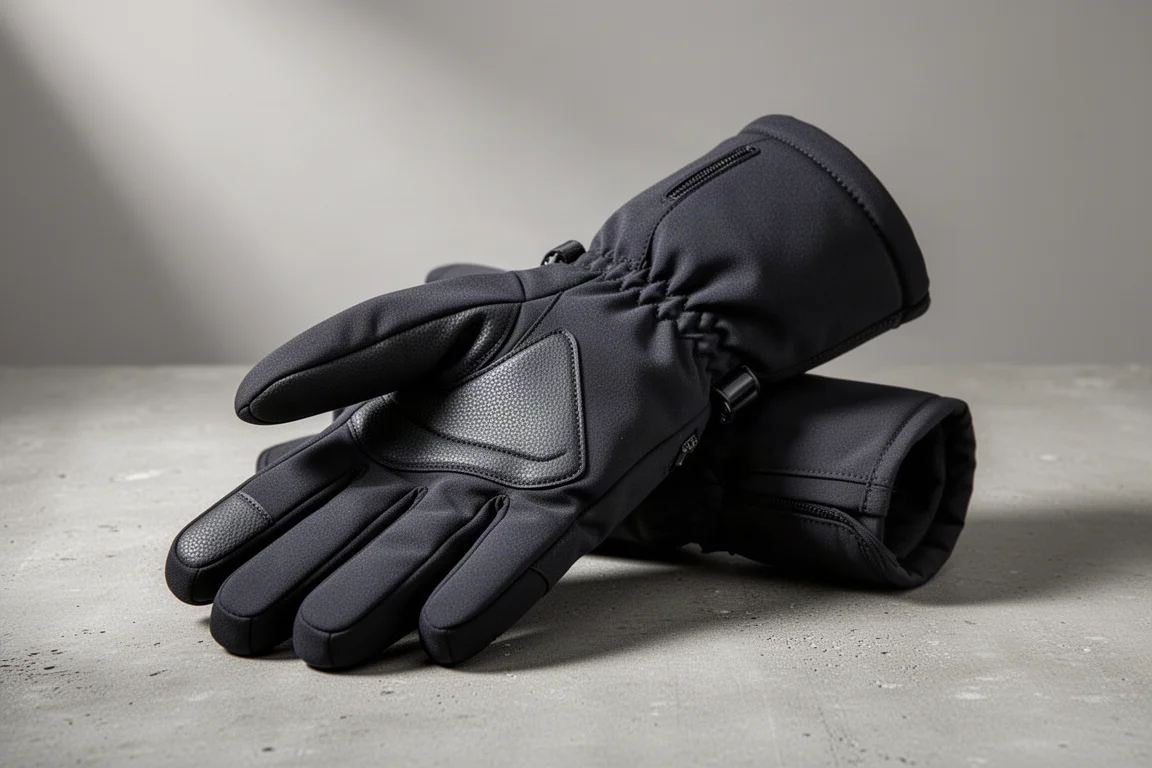
Gloves are always a compromise between warmth and dexterity, and the Rab Velocity sits close to the middle of that trade-off. They are windproof and largely waterproof, and they hold up well on a cold winter hike. In genuinely wet conditions they will eventually damp through, which is normal for this class of glove.
Sizing up slightly is worth considering, because it leaves room for a thin liner inside. Carrying a second pair remains standard practice on higher mountains, but for spring conditions the Velocity is more than adequate on its own.
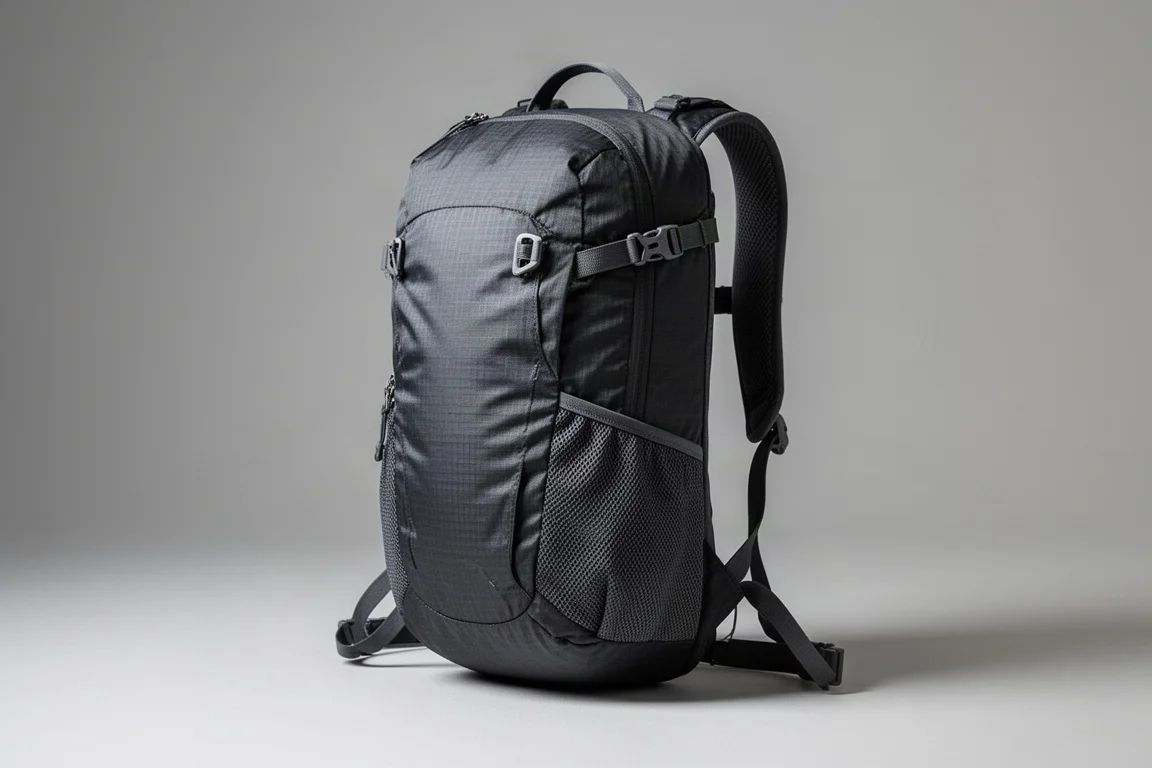
Blue Ice Firecrest Backpack
Blue Ice is a relatively fresh face in the outdoor world, coming out of Chamonix with a focus on lightweight alpine gear. The Firecrest is designed for ski mountaineering, so it carries more features than a straightforward day hike requires, but the ones that matter are all present.
Stretch fabric water bottle pockets, shoulder pockets, and a comfortable hip belt that can be stowed away make it easy to live with. There are no pockets on the hip belt, a deliberate trade-off for a pack built to be stripped down.
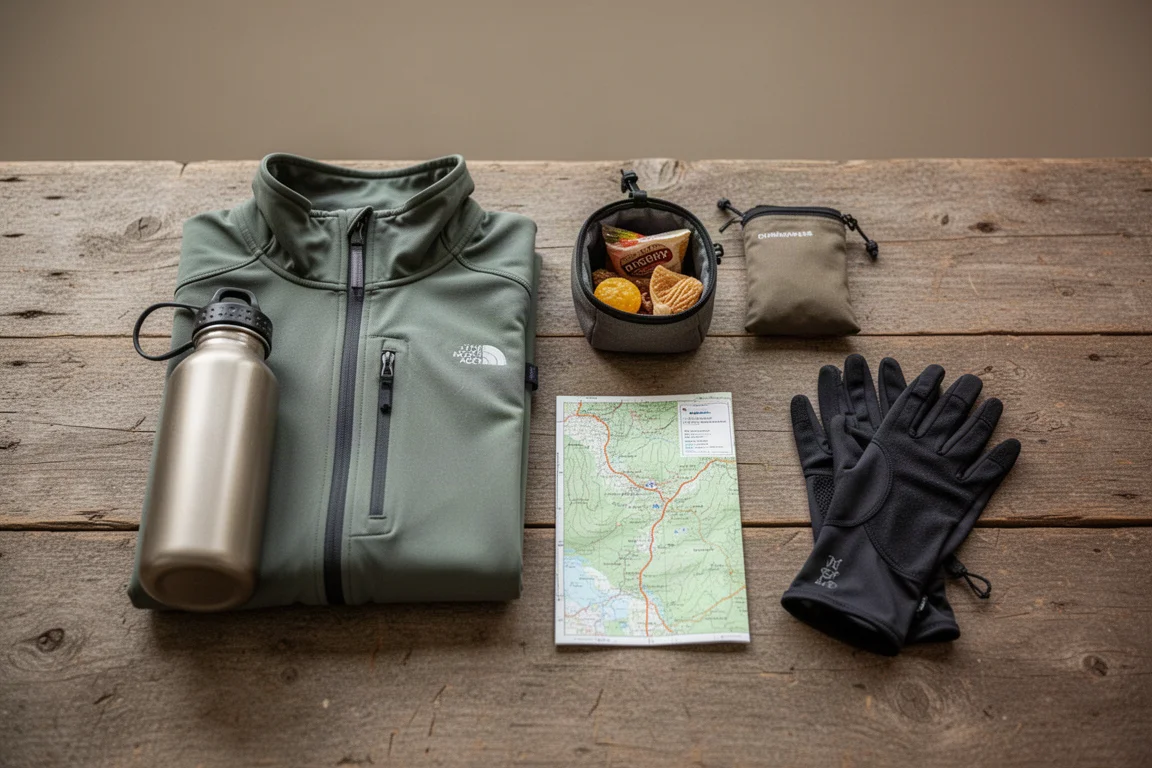
For a day hiker the priorities are simpler than the feature list suggests. The pack has to fit your back correctly, sit comfortably under load, and hold everything you need to carry. If it does those three things, it is doing its job.
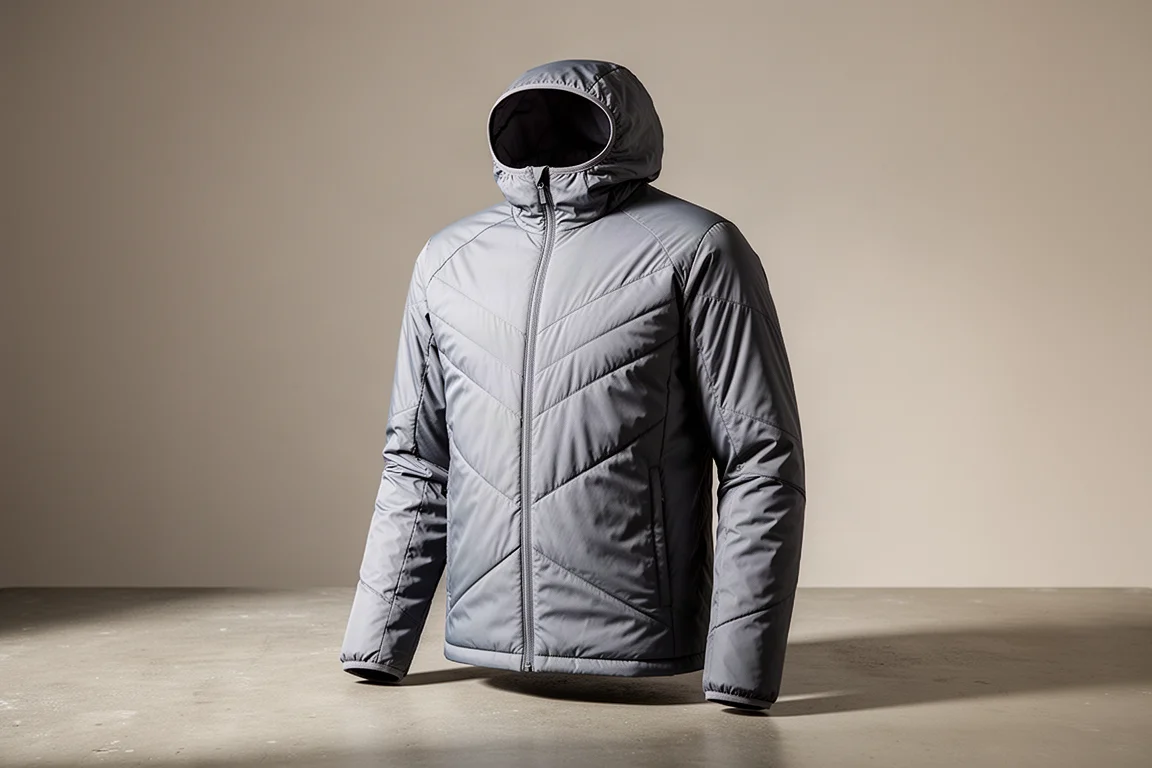
Patagonia Micro Puff Hoodie
Mid layers matter most when temperatures swing, and the Micro Puff Hoodie is a good example of a synthetic insulator that copes with a range of conditions. A DWR coating on the outer face shrugs off light snow and mist, so it works as an outer layer in dry cold and as a mid layer under a shell when the weather closes in.
It is not a replacement for a proper outer jacket. Plan on carrying a shell as well, and treat the Micro Puff as the layer that keeps you warm while you are moving.
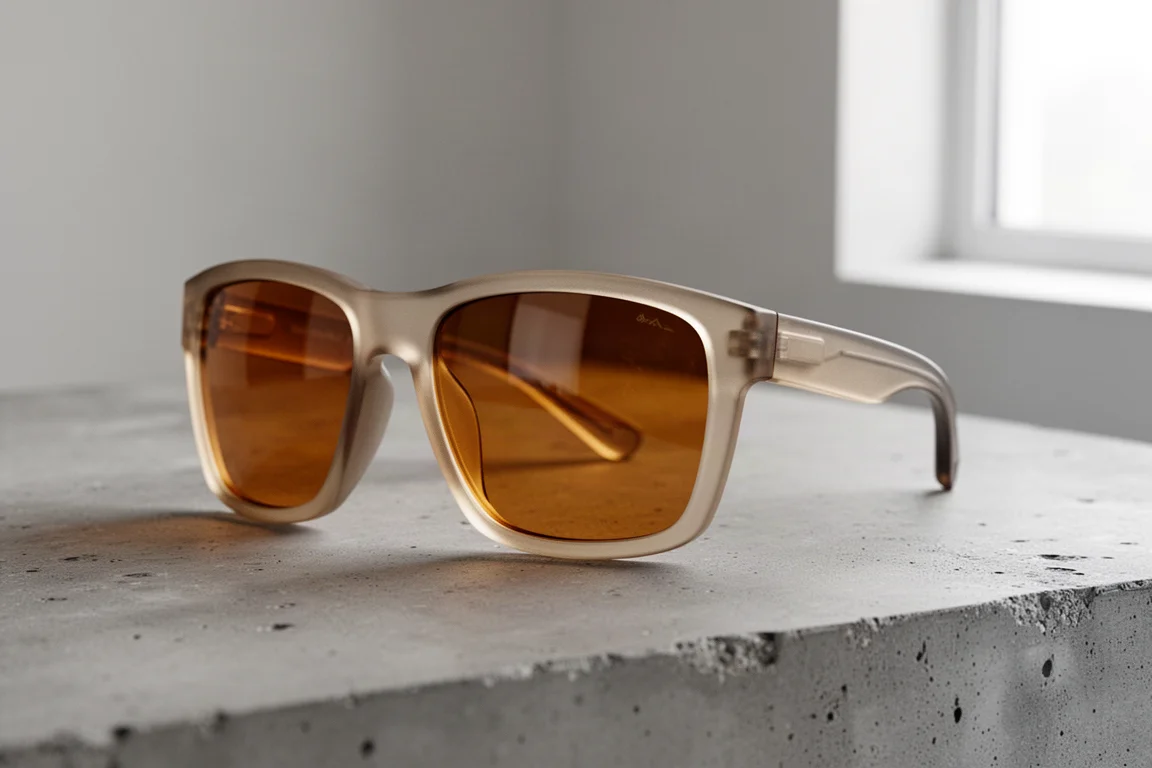
Vallon Howlin Sunglasses
Snow reflects a great deal of light, and once the sun comes out over a snow-covered slope, unprotected eyes tire quickly. The Howlin is the winter model from Vallon, a brand whose glasses are built for the mountains despite a relaxed, casual look.
Durability is the headline: they are effectively unbreakable in normal use. The tint is a strong point as well, giving the whole scene a warm, golden-hour cast that makes flat light easier to read.
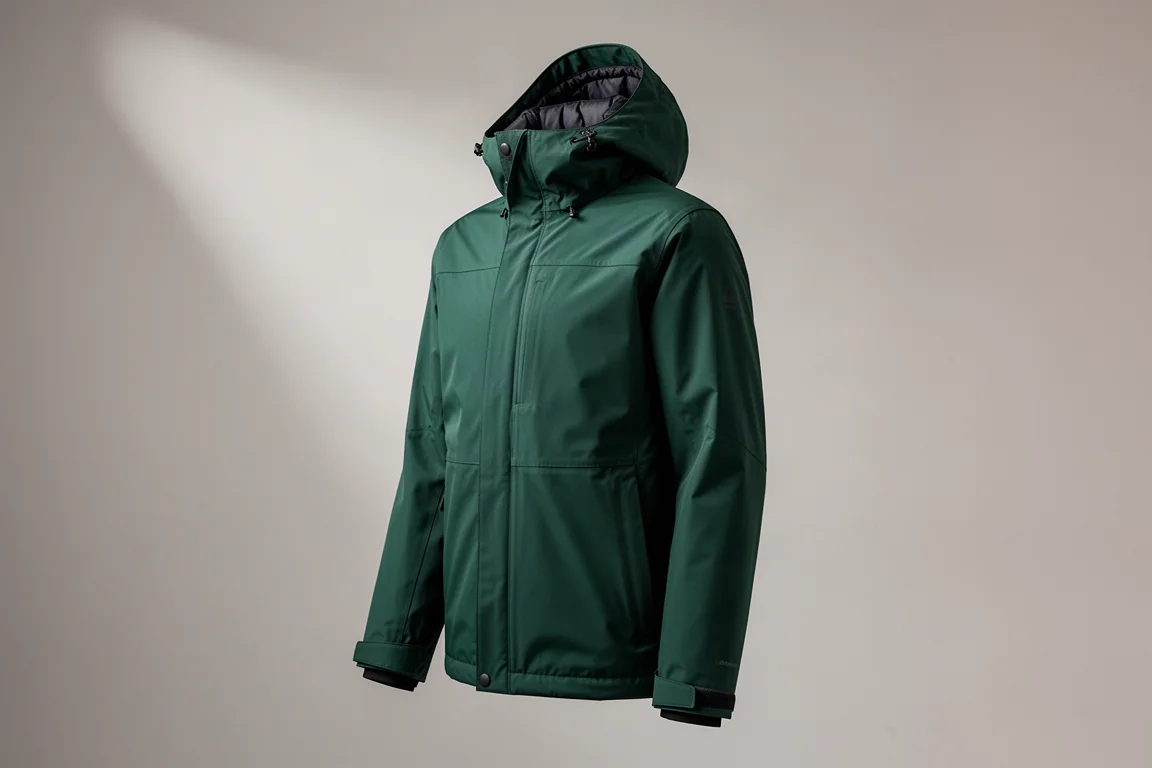
Cortazu Insulated Hardshell Jacket
This is the item on the list that breaks the usual layering rule. It combines an insulating layer and a protective shell in a single garment, using a two-layer construction rather than the three-layer build found in most serious mountain hardshells.
The waterproof and breathability figures match the brand’s regular hardshells, at 20,000 mm and 20,000 g/m2/24h, though that breathability rating relates to the membrane rather than the finished jacket. The distinction matters: for high-output work such as fast hiking or skinning uphill, an insulated hardshell traps heat quickly.
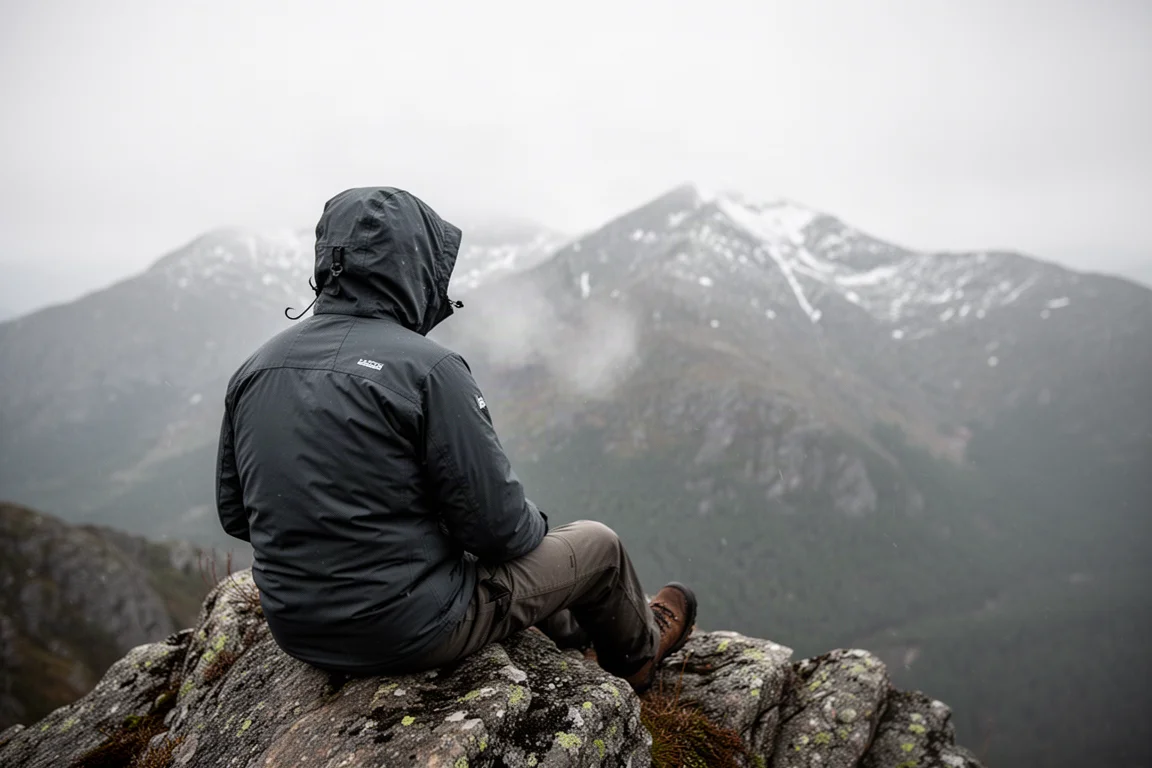
Where it works well is lower-intensity use, including easy hikes, downhill skiing, and time spent sitting around camp. Being able to reach for one jacket instead of two is genuinely convenient, and the warmth is noticeable the moment you stop moving.
Anyone who runs hot on climbs is still better served by a separate insulator and shell that can be worn independently.
UniGear Hand Warmer
A rechargeable hand warmer is one of those items that never appears on a standard checklist and quickly becomes a habit. This one from UniGear heats up within a couple of seconds and reaches around 55 degrees Celsius, enough to warm cold hands without becoming uncomfortable.
It doubles as a battery for a phone or other devices, which makes it more useful over a long day than its size suggests. A thermos of hot tea or a rehydration drink is worth adding to the pack as well. It is a small luxury on a good day and a genuine help when conditions turn rough.

Vivobarefoot Magna Boots
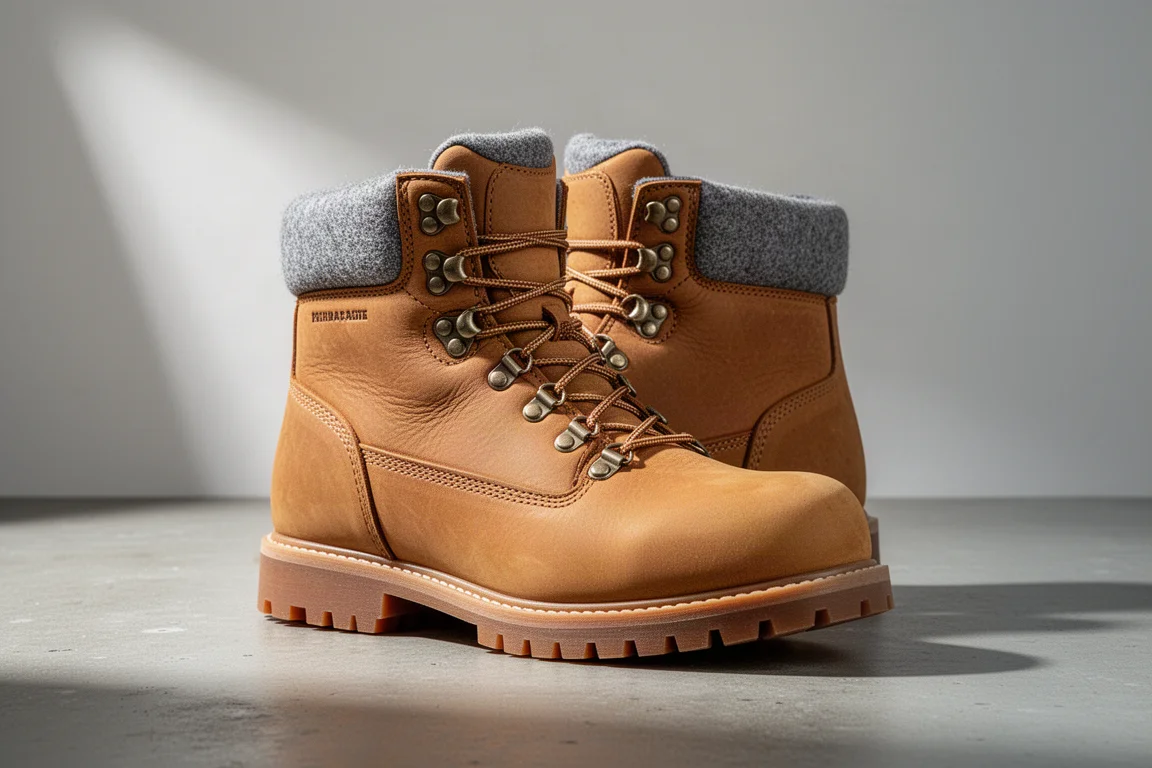
Barefoot or natural-style footwear in winter sounds counterintuitive, and the Magna shows why it can still work. It is wider than most casual barefoot models, with a wool-lined upper and a leather and wool construction that keeps the inside dry while blocking cold and wet from outside.
The Michelin rubber outsole provides excellent grip, and the light, flexible build lets you feel the trail beneath you, which adds stability rather than taking it away. The look is unusual, but the capability in the mountains is surprising. The leather does ask for occasional care, as with any leather hiking boot, and serious high-altitude winter conditions remain outside its comfort zone.
Kayland Stellar Boots
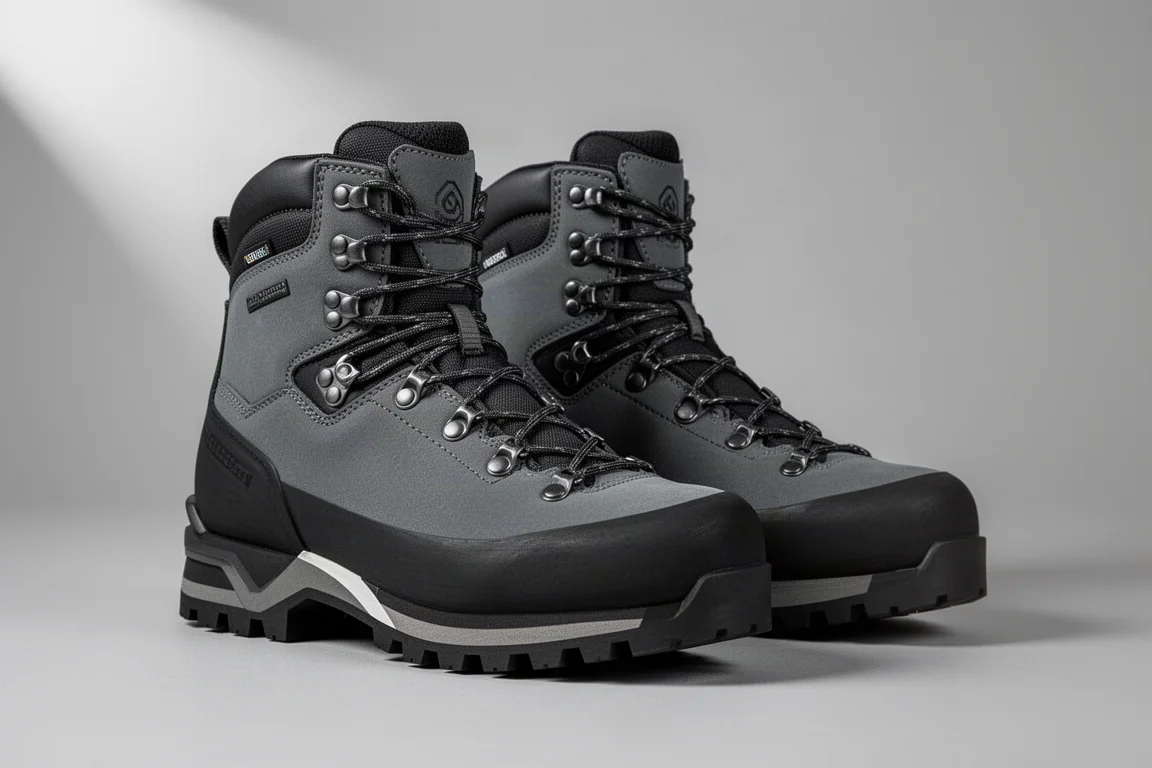
Rigid boots still have a place. The Kayland Stellar comes from a small Italian brand that has been making mountaineering footwear for a long time, and this model is built for technical terrain where a stiff sole and crampon compatibility matter.
For a straightforward winter hike they are more boot than the job requires. They are worth owning if your plans include hard ice and long steep ascents, but most beginners will get more use from adapting an existing pair of boots with micro spikes.
Overall Buying Advice
Start with the layers you already own and add only what solves a real problem. A second thin hat and a second pair of gloves cost little and cover the most common failure points on a cold day. A pack that fits your back properly matters more than any particular feature list.
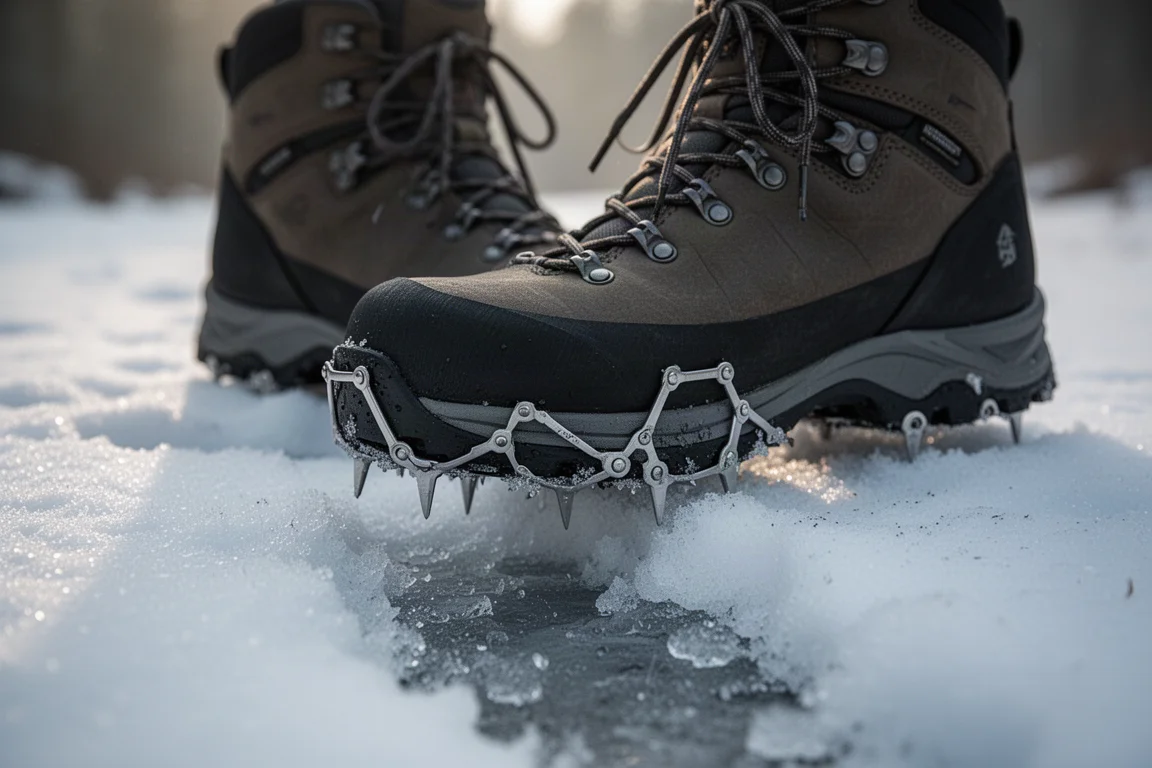
If you are new to winter conditions, put your budget into a waterproof boot and a set of micro spikes before you consider rigid mountaineering boots and crampons. That combination handles icy paths, packed snow, and mixed ground, and it leaves the door open to more technical terrain later without buying twice.
The insulated hardshell is the one item to think about carefully. It is warm and convenient, but if your hikes involve sustained climbing, a separate insulator and shell will regulate temperature more effectively.
Conclusion
Cold-weather hiking is mostly a matter of matching gear to the conditions in front of you. Warmth, dryness, and grip cover the essentials, and every item on this list contributes to at least one of them. Get the layering right, keep a spare for your hands and head, and add traction underfoot, and late winter and early spring become some of the best months to be in the mountains.
Further reading
Related Reviews
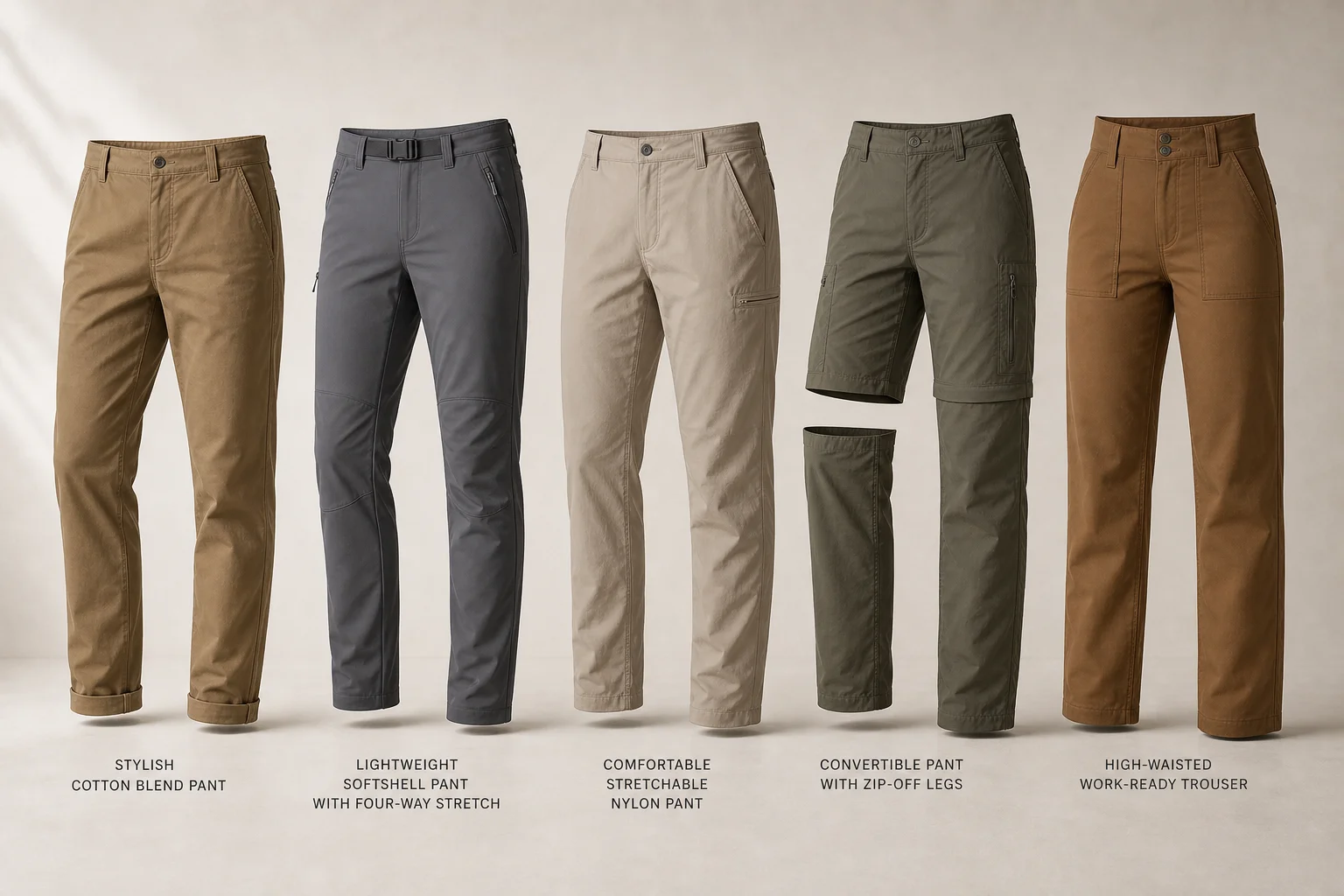
Hiking Gear
Best Hiking Pants on Amazon: Five Practical Options for Different Needs
A practical review of five hiking pants with clear strengths and trade-offs, from lightweight convertible styles to durable work-ready trousers.
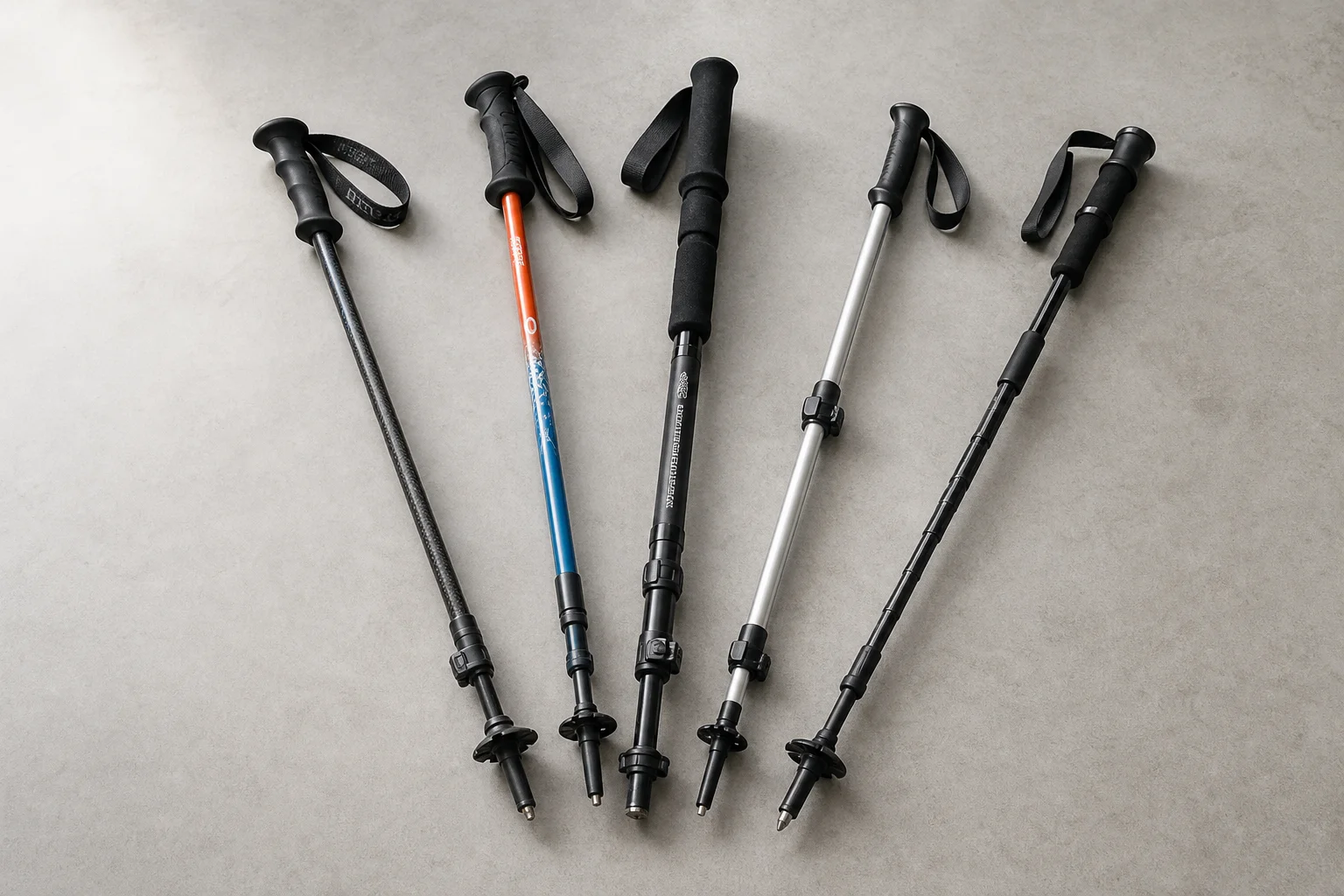
Hiking Gear
Best Hiking Poles 2026: Five Options for Different Trail Needs
A practical review of five hiking poles, from lightweight carbon designs to versatile all-terrain options, with clear strengths and trade-offs for each.
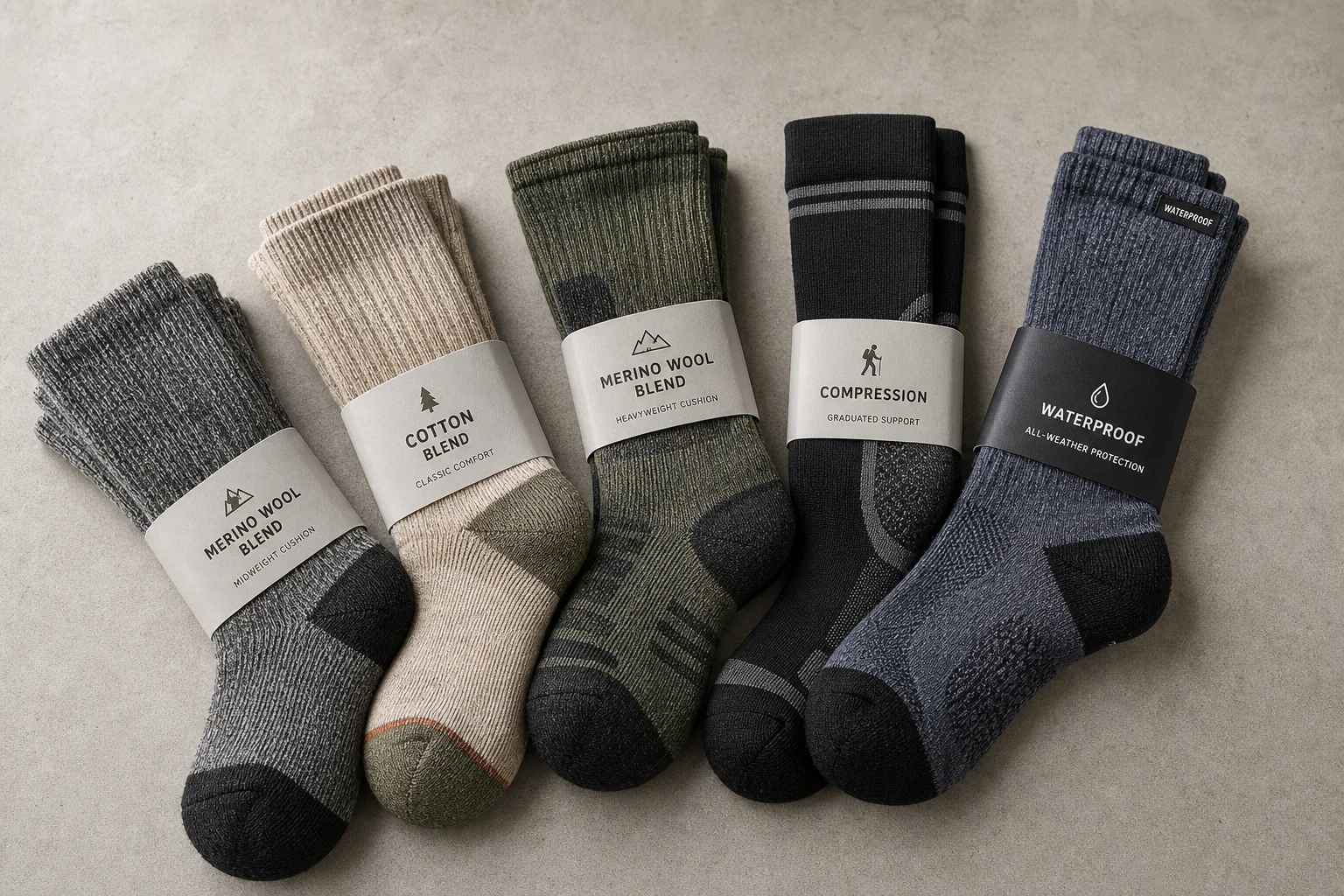
Hiking Gear
Best Hiking Socks 2026: Five Top Choices for Different Trail Needs
A practical roundup of five hiking socks, from lightweight merino options to heavy-duty compression styles, with clear guidance on which suits your outdoor activity.