Hiking Gear
Cold Weather Hiking Gear: 6 Pieces for Late Winter and Early Spring
A practical look at six pieces of hiking gear for late winter and early spring conditions, covering gloves, packs, insulation, sunglasses and footwear.
Introduction
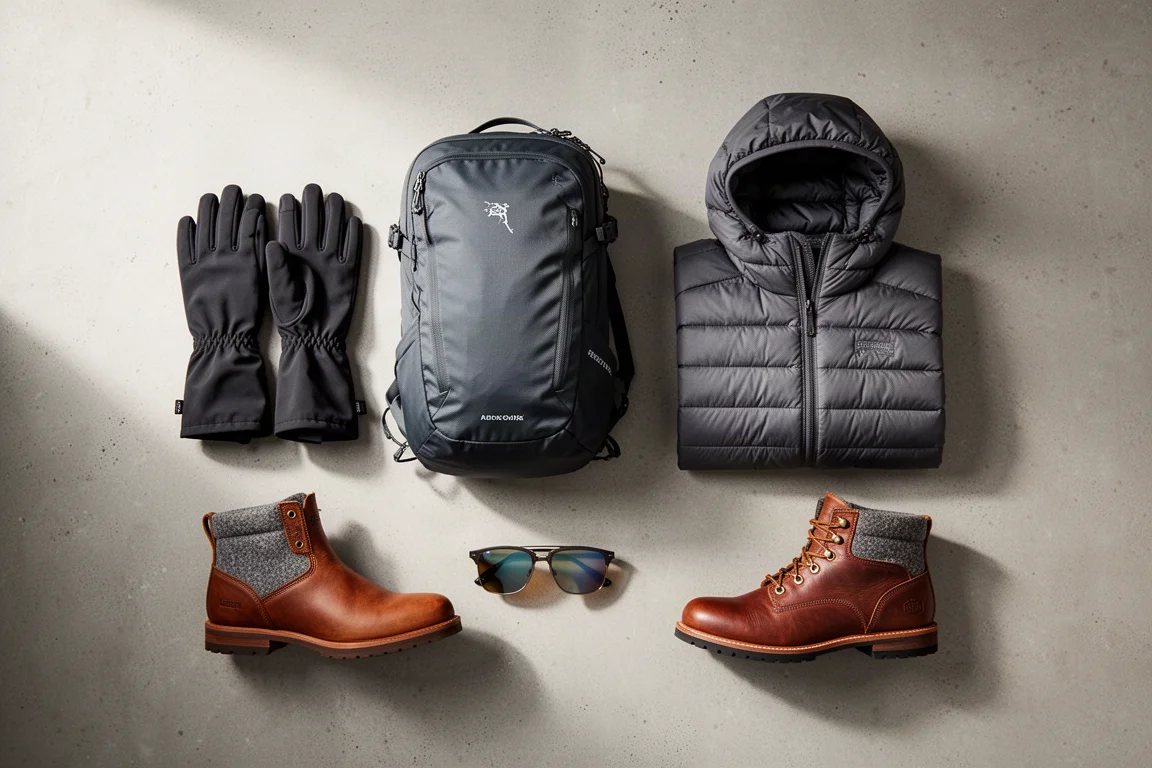
Late winter and early spring can be one of the best windows of the year to be in the mountains. Snow lingers on the high ground, trails are quiet, and the light shifts constantly through the day. The catch is that conditions can turn quickly, so beginners in particular need a few fundamentals sorted before setting out. The six pieces below cover the essentials: hands, pack, insulation, eyes and feet. Each one earns its place by doing a specific job well rather than by carrying features you will never use. Together they form a workable system for cold days on moderate terrain, with enough flexibility to adapt as the weather changes.
What to Look For in Cold Weather Gear
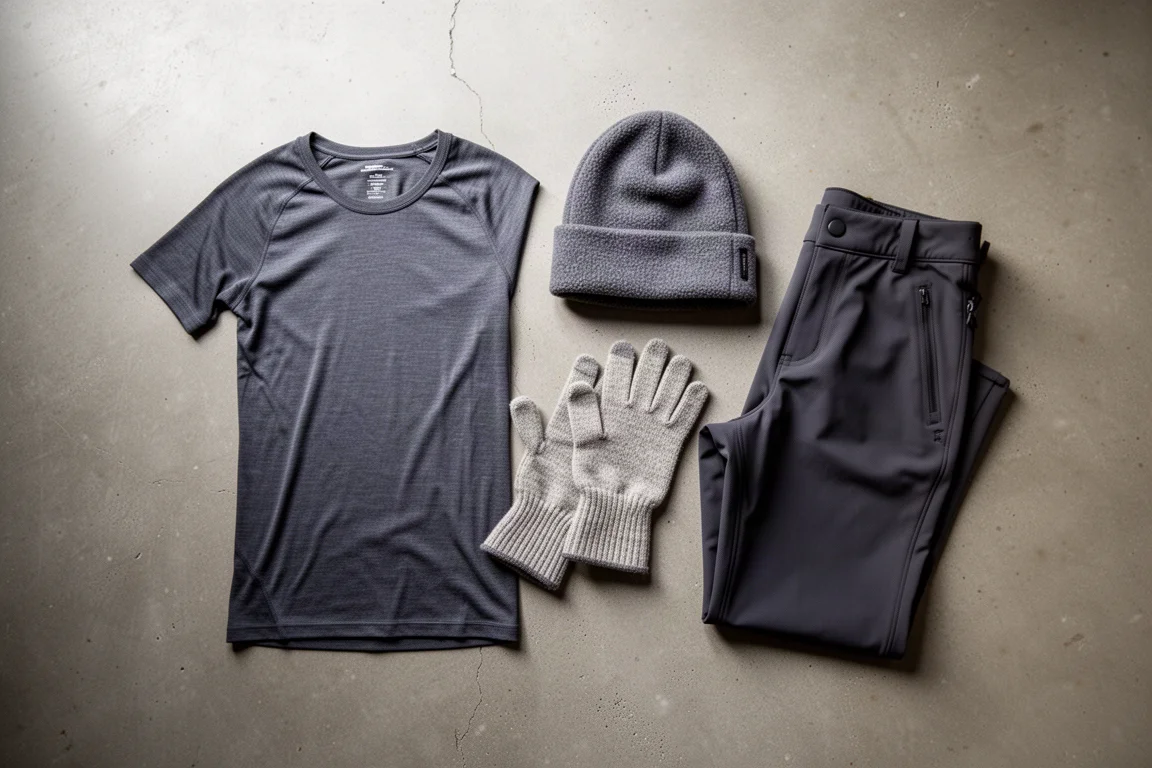
Start with the principle that each layer should do one job. An insulating layer traps warmth, while a protective shell keeps wind and wet out. Keeping those roles separate makes it much easier to modulate temperature as you move, because you can add or remove a single piece instead of compromising on everything at once.
Managing sweat matters as much as blocking cold. If your clothing becomes saturated, you lose warmth quickly as soon as you slow down. A mid layer that opens or vents lets you dump heat on a climb and close up again on a descent, and that is one of the simplest ways to stay comfortable on a cold day.
Redundancy is cheap insurance. Two thin beanies, or a thin liner glove in addition to a waterproof pair, weigh very little and cover the case where something gets wet, lost or simply is not warm enough.
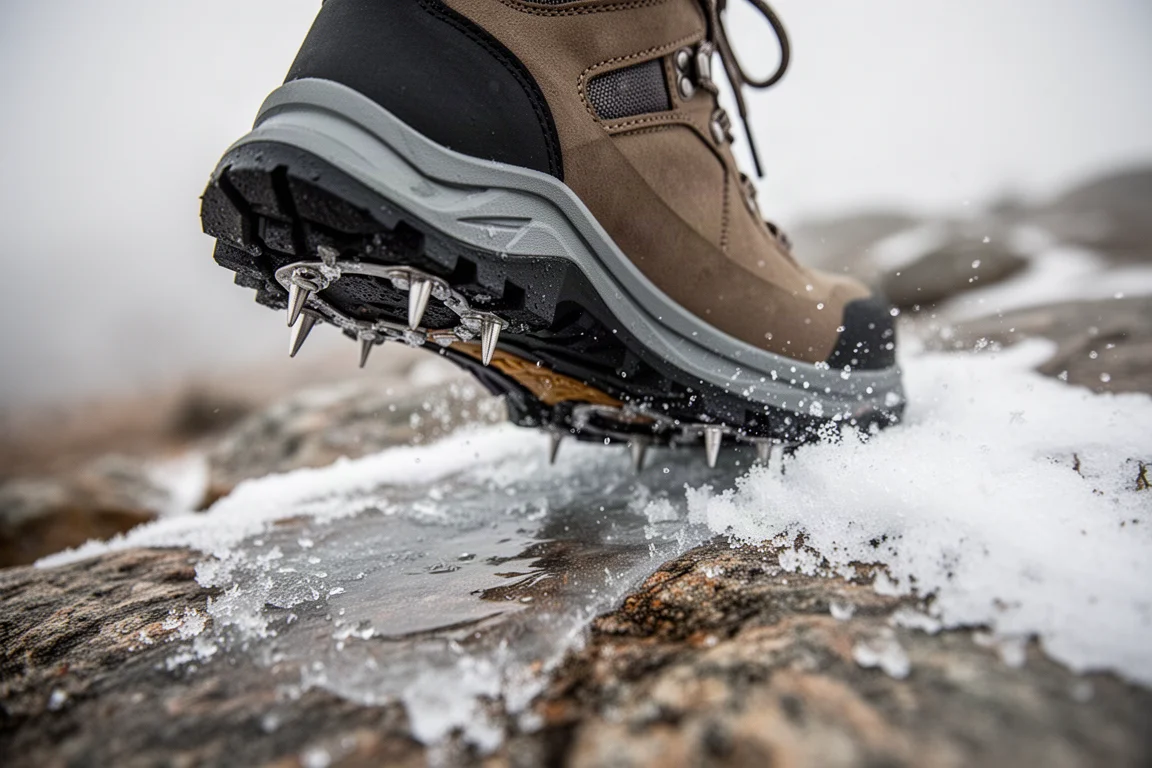
Footwear is where beginners often overspend. Rigid mountaineering boots and crampons have their place on hard ice and long steep ascents, but for many cold weather hikes a pair of micro spikes fitted to the boots you already own will cover icy and snowy ground. They adapt to almost any shoe size and turn an ordinary pair of boots into winter capable footwear. Sunglasses are the other item people forget. Once the sun comes out and starts reflecting off snow, glare becomes genuinely uncomfortable.
RAB Velocity Gloves: Warmth and Dexterity
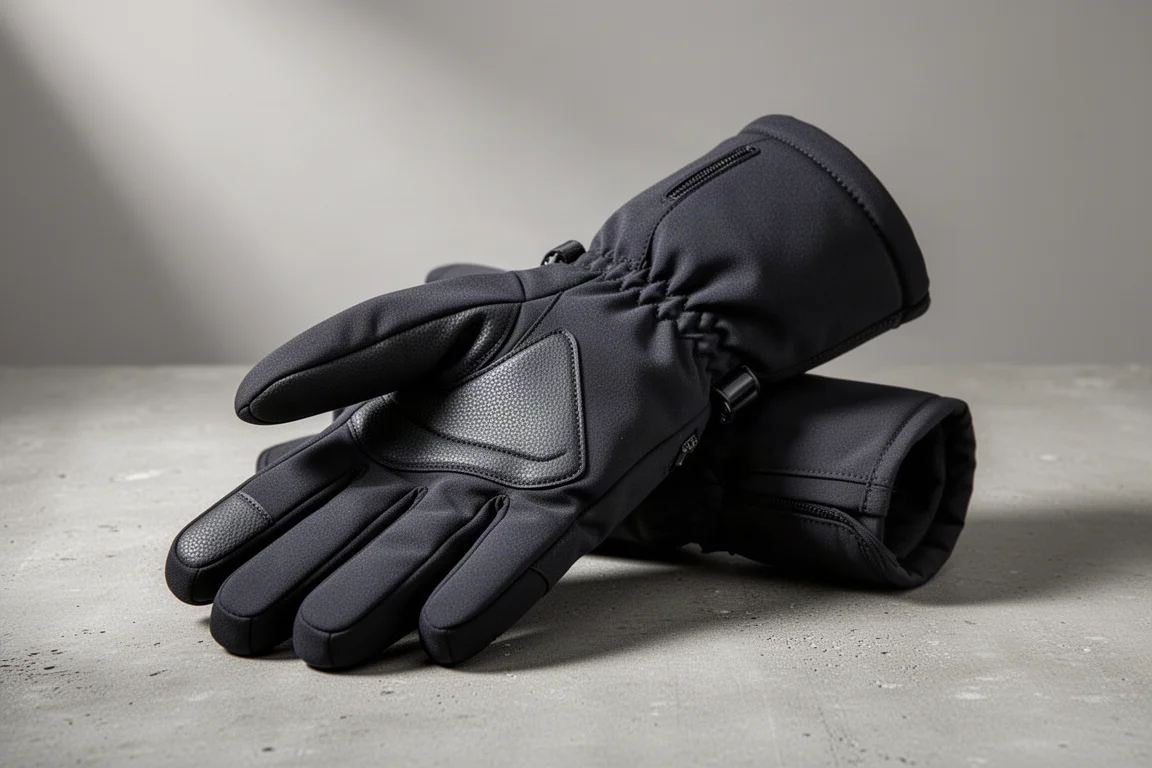
Gloves are always a compromise between warmth and dexterity, and this is the balance the RAB Velocity gets right. The glove is completely windproof and mostly waterproof, which means it will eventually feel damp in genuinely wet conditions but handles a cold winter hike comfortably. Sizing up slightly leaves room for a thin wool liner inside, which is a smart way to extend the glove’s range into colder days. Two pairs of gloves is sensible practice in higher mountains, though the Velocity is more than adequate on its own for spring conditions.
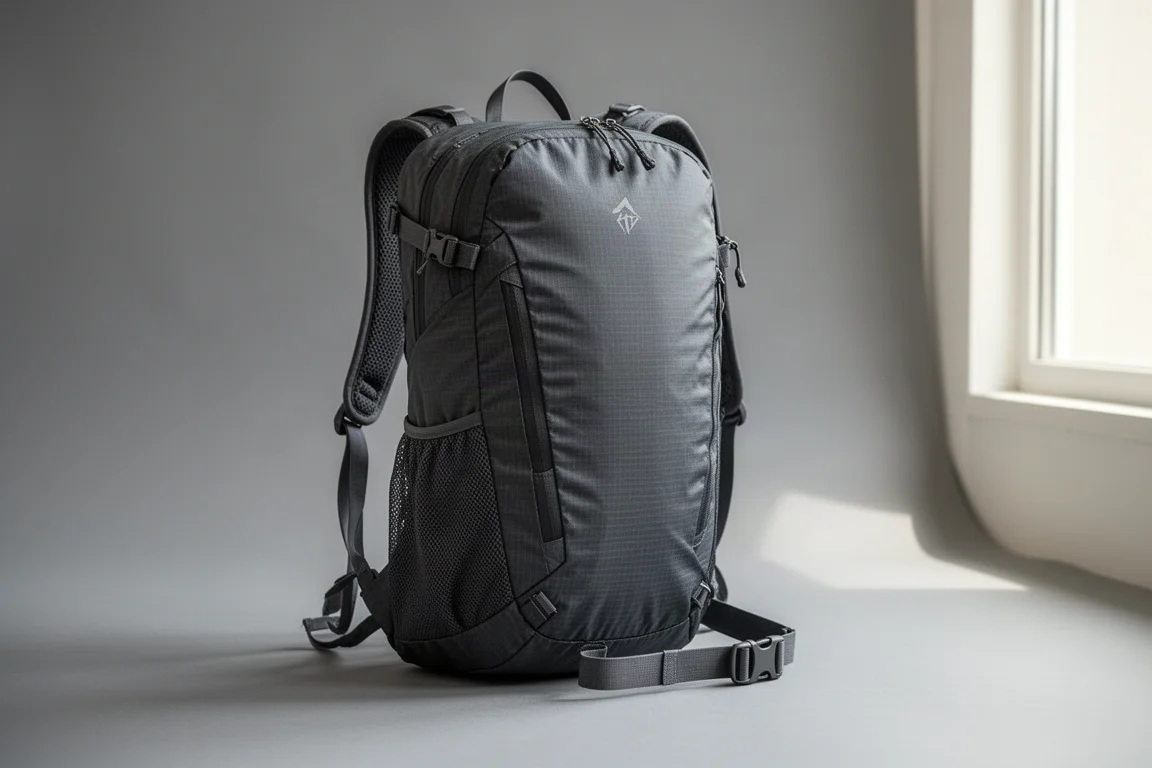
Blue Ice Firecrest: A Lightweight Alpine Pack
Blue Ice is a relatively fresh face in the outdoor world, with roots in Chamonix and a focus on lightweight alpine gear. The Firecrest is built for ski mountaineering, which makes it more feature heavy than a simple day hike requires, but the features it carries are the useful kind: a stretch fabric water bottle pocket, shoulder pockets for small items, and a comfortable hip belt that stows away easily when you do not need it. It does not have hip belt pockets, a deliberate trade off on a pack of this type. For most day hikers the checklist is simpler than the spec sheet. The pack should fit your back correctly, hold everything you need to carry, and stay comfortable for hours.
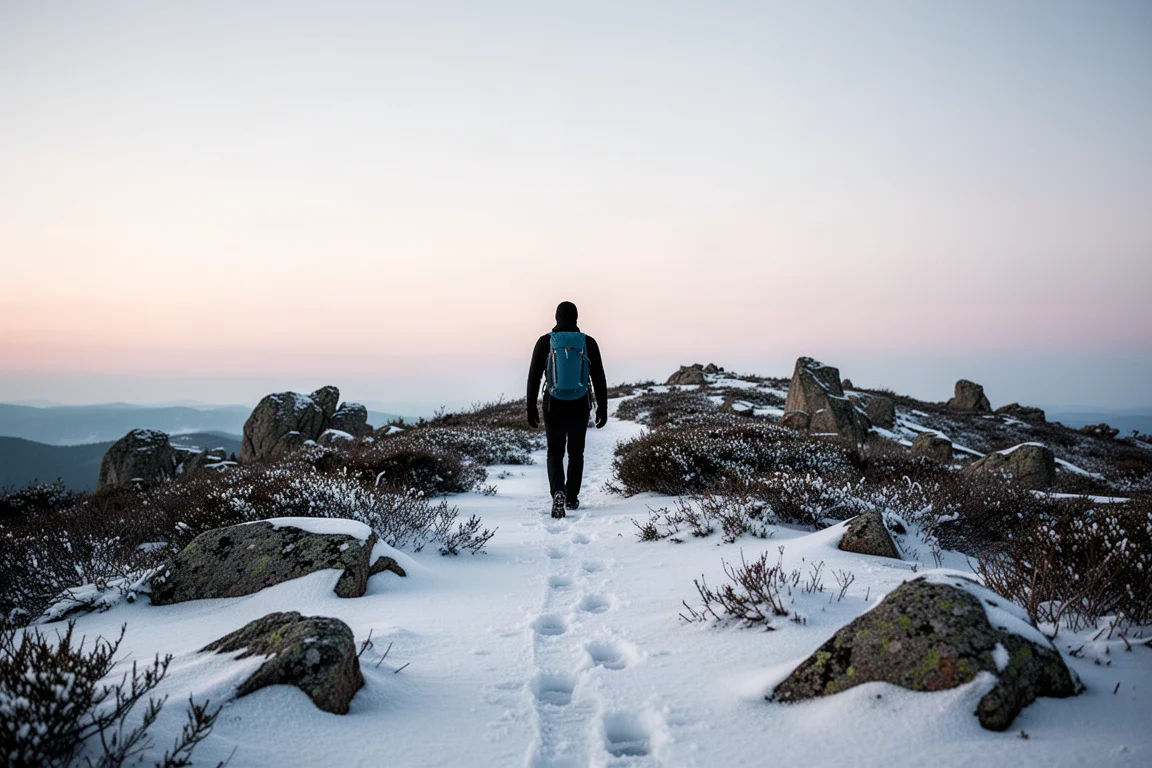
Comfort is the feature that matters most, and it is the reason a lightweight alpine pack can work well on a straightforward trail. If the harness fits and the load sits close to your back, the technical details become a bonus rather than a requirement.
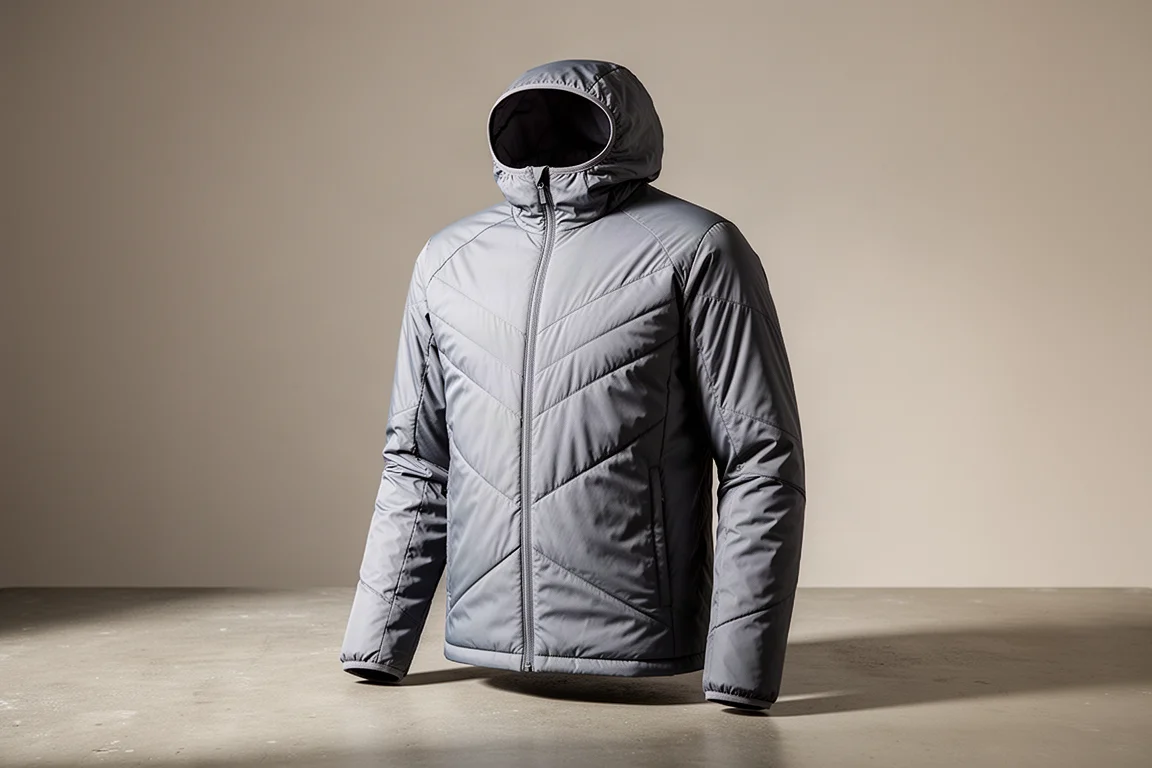
Patagonia Micro Puff Hoodie: A Versatile Insulating Layer
The Micro Puff hoodie is an insulating layer with a DWR coating on the outer face, so it copes with a light snow shower or a bit of mist without immediately wetting out. It is not a substitute for a shell. On a cold day you still want a protective outer jacket in your pack, and the Micro Puff works best as the warm layer underneath it. Worn that way, it covers the middle of a layering system neatly and leaves the weather protection to a garment designed for it.
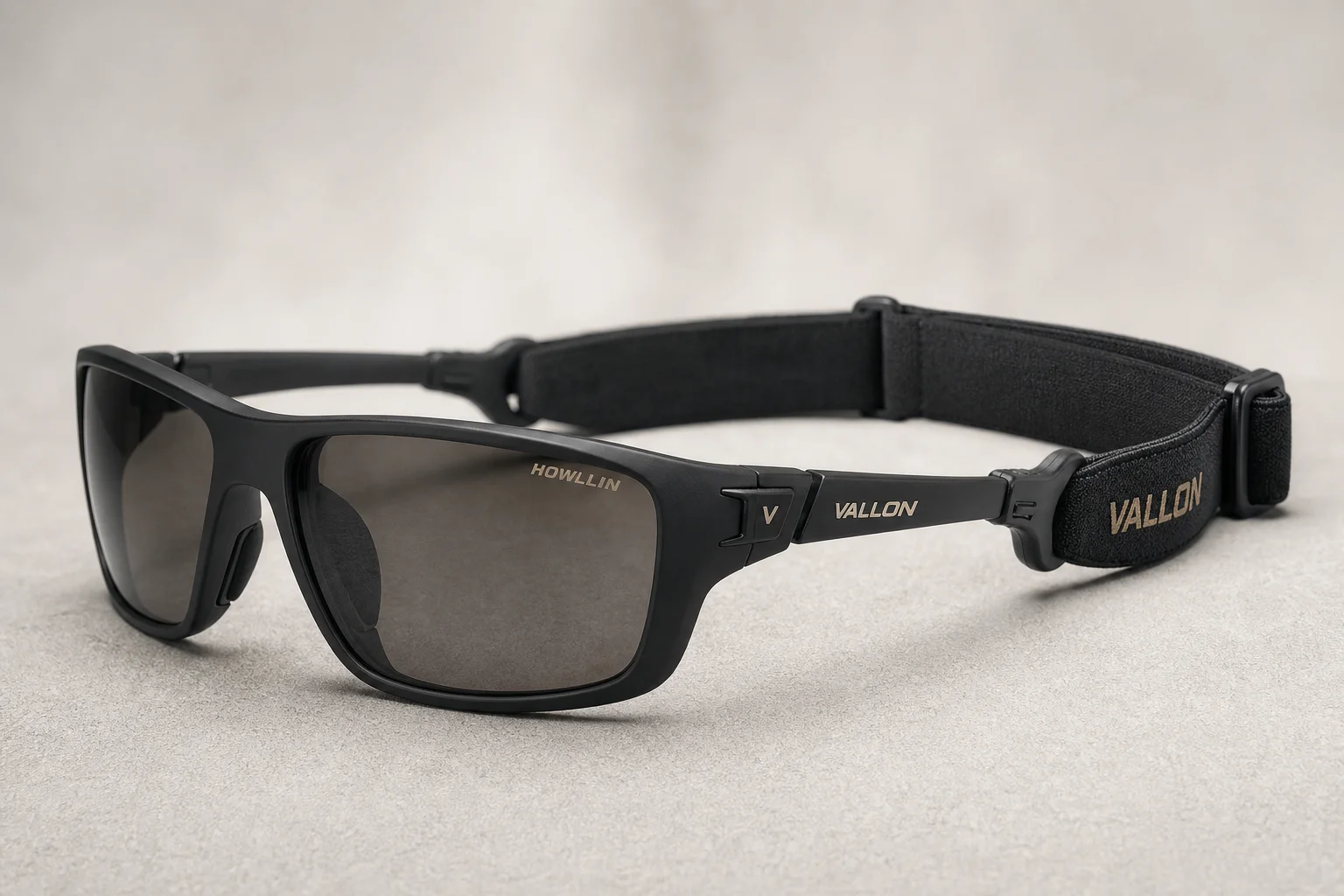
Vallon Howlin: Sunglasses for Bright Snow
Snow turns a bright day into a very bright one, and sunglasses stop being optional once the sun comes out and reflects off the surface. The Howlin has been a winter staple, and the appeal of this brand comes down to two things. The frames are built for the mountains and are virtually unbreakable, despite a relaxed, casual look. The tint is also genuinely pleasant, giving everything the warm cast of golden hour.
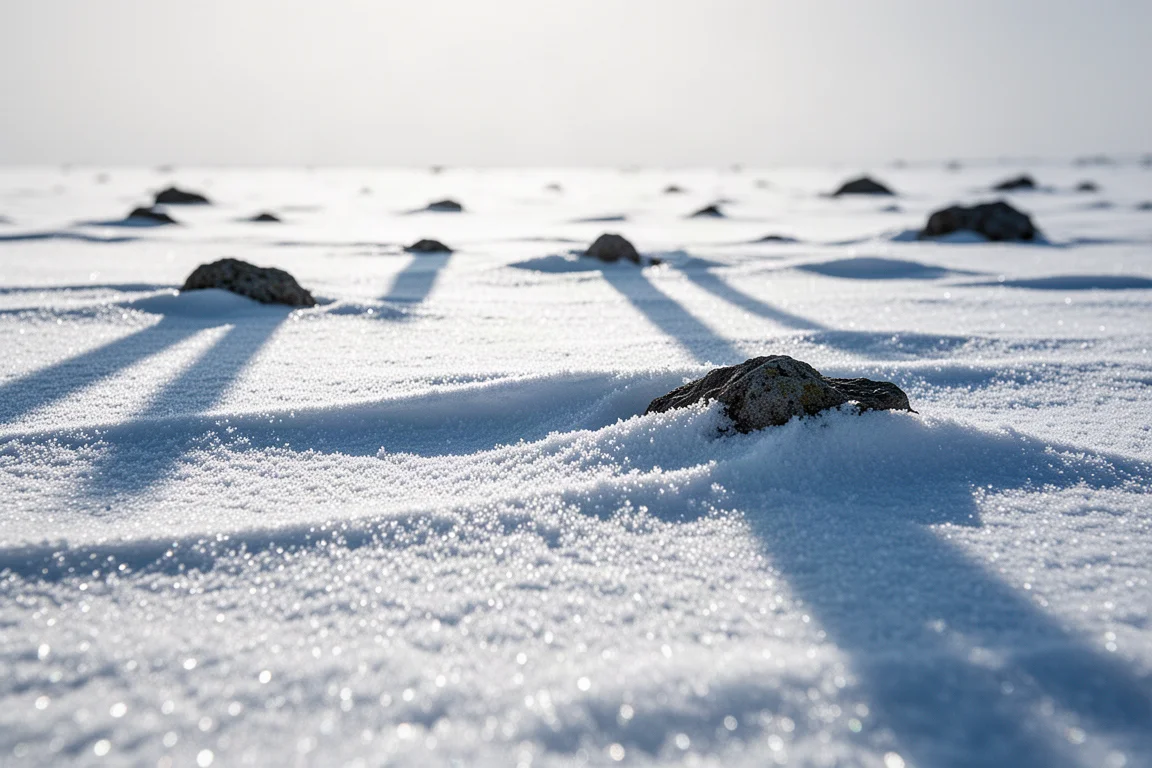
For snow travel the practical requirement is simple: enough coverage and enough tint that you can read the terrain without squinting, plus a frame that survives being folded and stuffed into a pack pocket at the end of the day.
Kayland Stellar: Rigid Boots for Serious Terrain
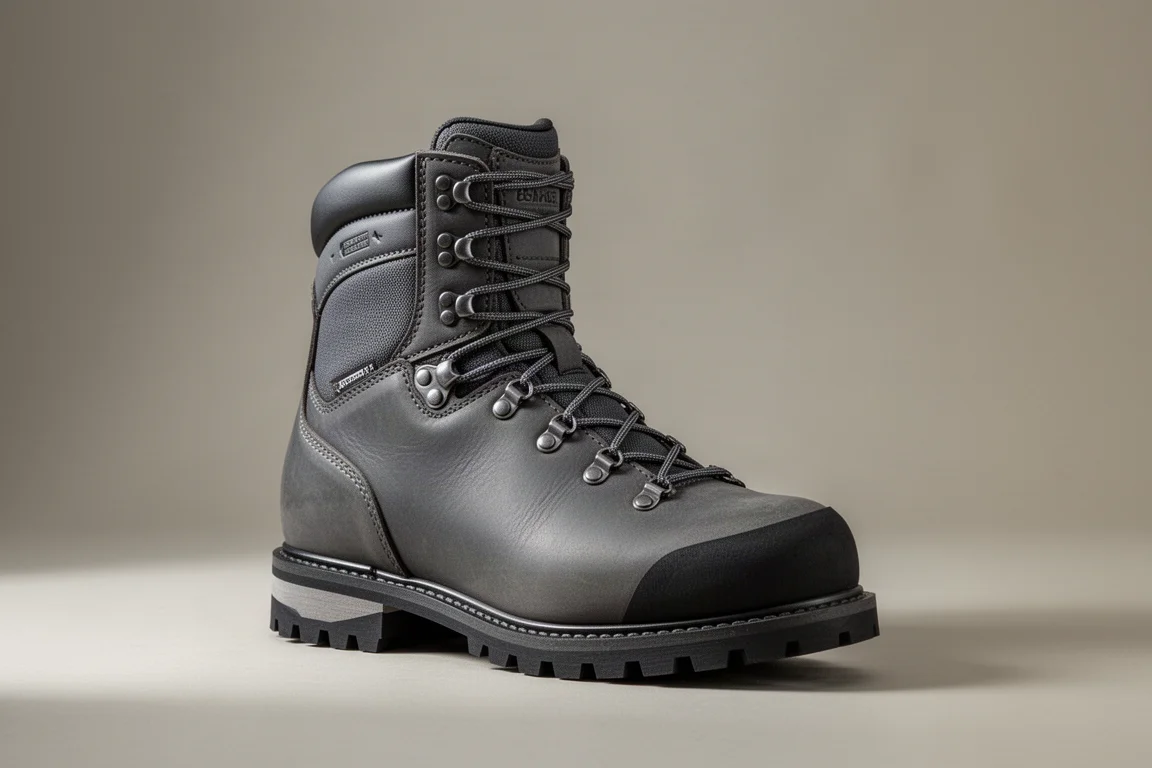
Kayland is a little known Italian brand that has been around for a very long time without becoming a common sight on the trail. The Stellar is a rigid mountaineering boot, and for that job it is excellent. For a normal hike, though, it is overkill. Stiff boots like this make sense where the terrain genuinely demands them, on hard ice and long steep ground, and the rest of the time a lighter, more flexible boot is simply more pleasant to walk in. That distinction is worth understanding before spending on a boot category you may not need yet.
Vivobarefoot Magna: Minimal Footwear for Winter Trails
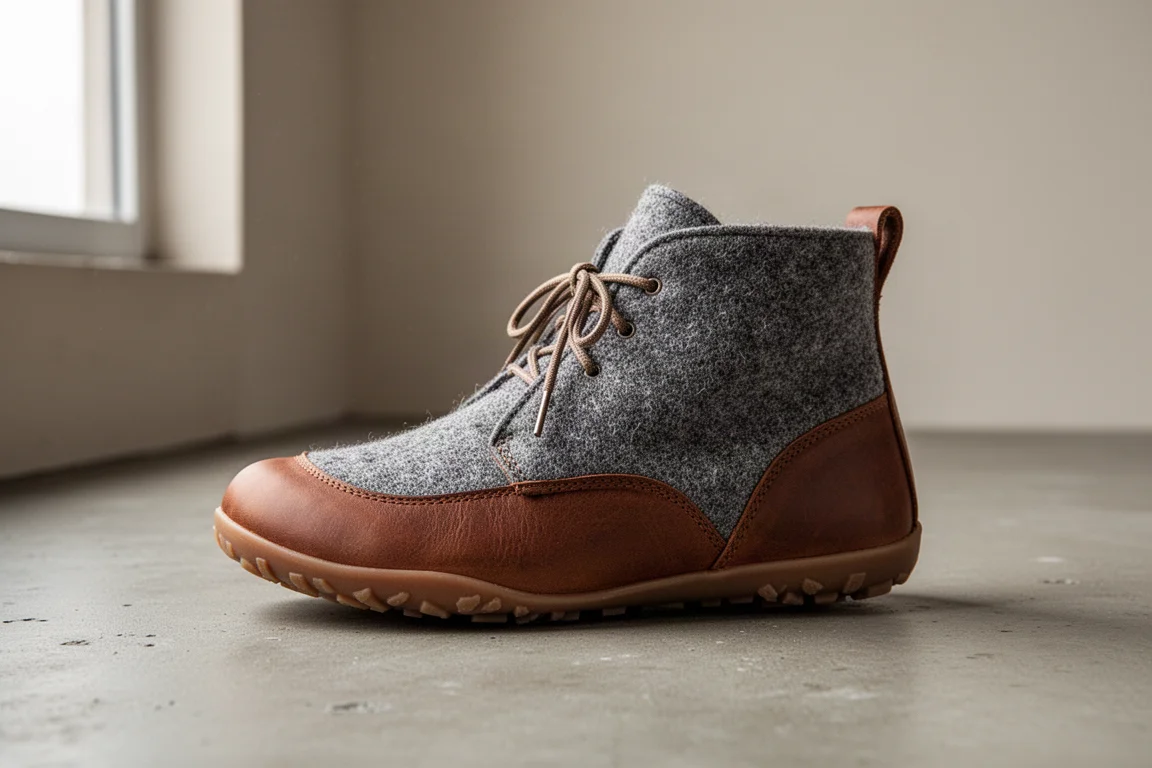
A barefoot or natural style shoe can work in winter conditions as long as it has a waterproof coating. The Magna is a strong example. The fit is noticeably wider than the brand’s more casual models, and despite a look that takes some getting used to, it is surprisingly capable in the mountains. Grip comes from Michelin rubber, and the wool lined upper is extremely comfortable across different terrain. The construction combines leather and wool, so the leather keeps the inside of the boot dry and the wool holds warmth in, though like most leather hiking boots it needs a little care. What stands out most is the weight. You can feel the trail beneath you, which makes for more stable and less cumbersome walking. This boot has become the go-to winter option and has been used on significant mountains. It is not the right choice for serious high altitude winter conditions, and micro spikes are the sensible way to extend it onto icy ground.
The wider fit and thin sole take some adjustment if you are used to stiff boots, so it is worth trying a natural style shoe on shorter walks first and building up from there.
Overall Buying Advice
Before adding anything new, look at what you already own. Micro spikes are the most affordable way to make an existing pair of boots winter capable, they adapt to nearly any shoe size, and they cover the icy and snowy ground that most cold weather hikes actually involve. That single addition often removes the perceived need for a rigid boot and crampon setup.
Prioritise the categories where failure is most uncomfortable. Hands, head and feet are the places where cold is felt first, so gloves, beanies and footwear deserve the most attention. Redundancy is worth the small weight penalty: a second thin beanie and a second pair of gloves are easy to carry and easy to be grateful for.
A thermos of something hot is a small luxury that can also be genuinely useful in tough conditions. Hot tea works well, and adding a hydration powder is a reasonable option. Coffee is best avoided if rehydration is the goal. Finally, carry an outer shell even when the forecast looks calm, and stay open minded about your setup. Conditions in late winter and early spring reward preparation more than they reward gear.
Conclusion
Cold weather hiking is mostly a question of matching the right piece to the right job. The RAB Velocity gloves cover the balance of warmth and dexterity, the Blue Ice Firecrest keeps a light load comfortable, the Patagonia Micro Puff hoodie handles the insulation layer, the Vallon Howlin takes care of snow glare, the Kayland Stellar is there when the terrain demands a rigid boot, and the Vivobarefoot Magna brings a light, ground-feeling option for everything else. Buy for the terrain you actually hike, add micro spikes before you add crampons, and the colder shoulder seasons become some of the best days of the year.
Further reading
Related Reviews
Hiking Gear
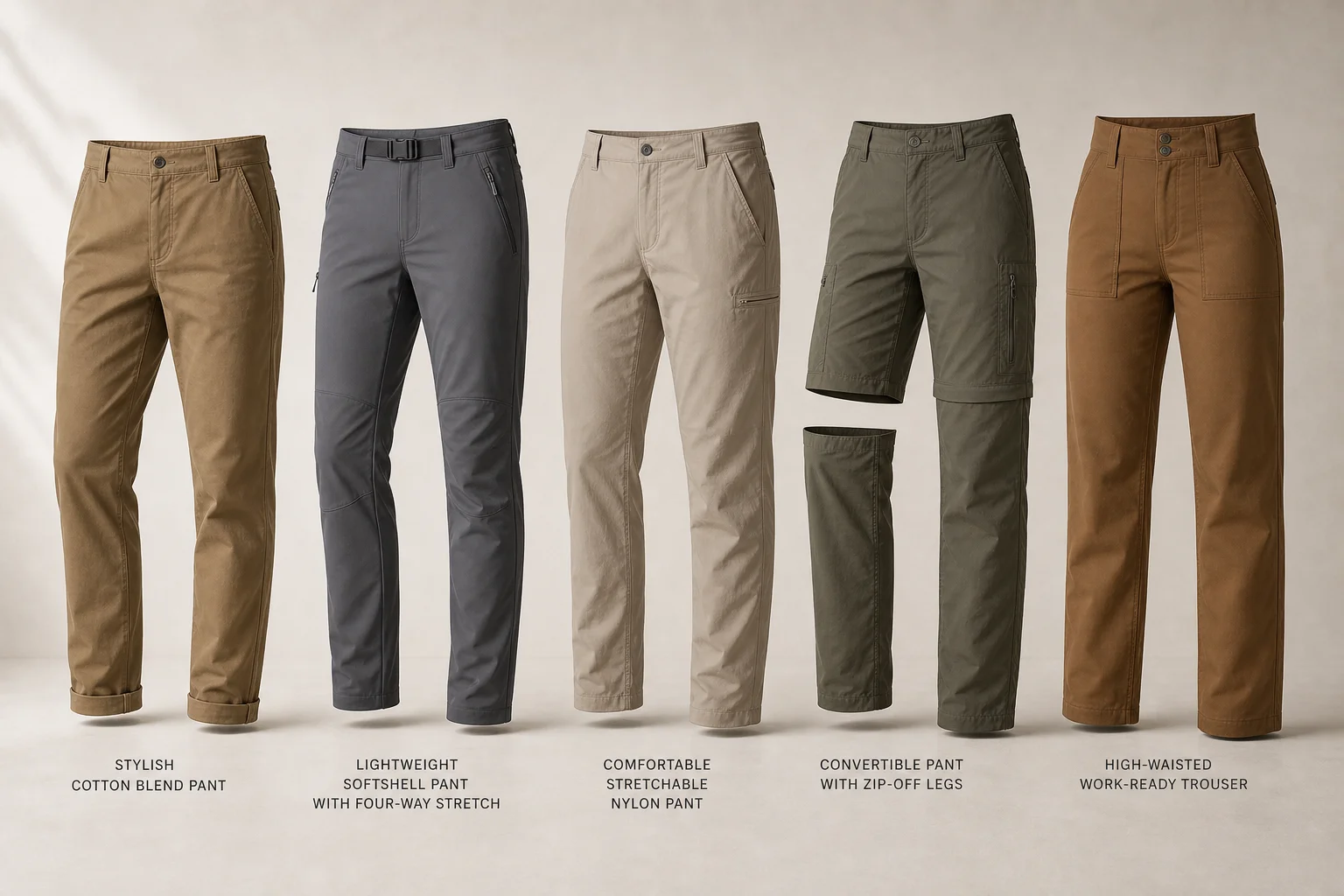
Best Hiking Pants on Amazon: Five Practical Options for Different Needs
A practical review of five hiking pants with clear strengths and trade-offs, from lightweight convertible styles to durable work-ready trousers.
Hiking Gear
Best Hiking Poles 2026: Five Options for Different Trail Needs
A practical review of five hiking poles, from lightweight carbon designs to versatile all-terrain options, with clear strengths and trade-offs for each.
Hiking Gear
Best Hiking Socks 2026: Five Top Choices for Different Trail Needs
A practical roundup of five hiking socks, from lightweight merino options to heavy-duty compression styles, with clear guidance on which suits your outdoor activity.