EDC & Pocket Knives
Coin Keychain Knife vs Victorinox Classic: Which Tiny EDC Blade Deserves Your Money?
A coin-shaped keychain knife raised nearly a million dollars, but the Victorinox Classic 58mm still has a strong case. Here is how the two compare.
Introduction
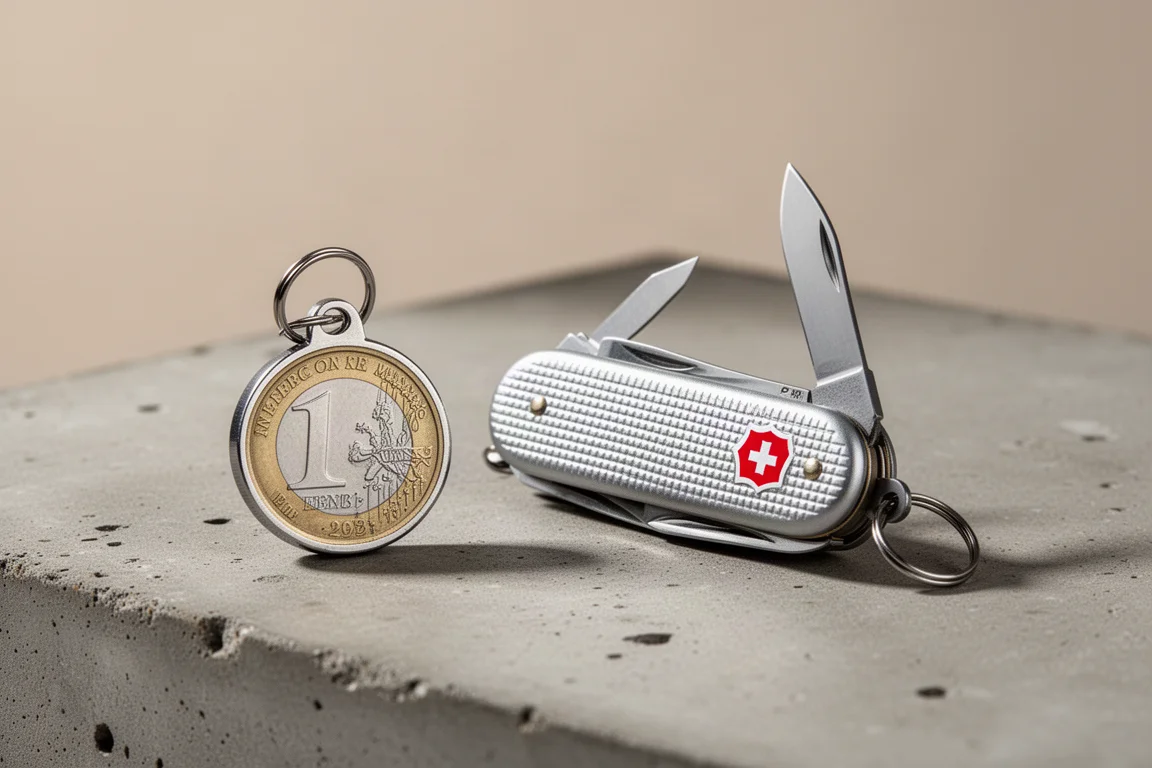
Every so often, a crowdfunding product shows up that makes you stop and think. A small keychain folding knife called Coin, shaped and sized roughly like a quarter, raised over $700,000 in about six days and was approaching $900,000 from more than 10,000 backers halfway through its campaign. That is serious money for a small, non-locking cutting tool.
The obvious comparison is the keychain Victorinox, a tool that has been around for roughly 50 years and is famous for quality. Does the Coin replace it, or is it a flash in the pan? Here is a closer look at both, along with what each one does well and where each falls short.
The Coin Keychain Knife: Novelty Done Right
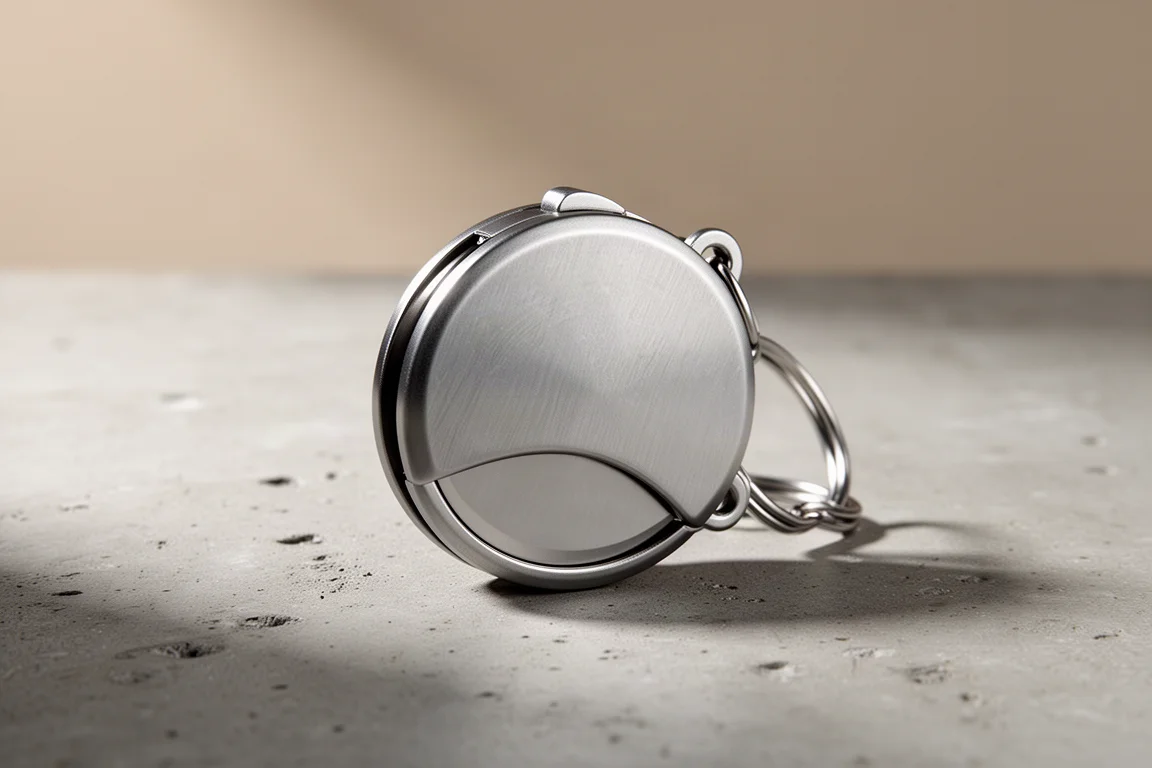
Coin is a small keychain folding knife about the size and shape of a quarter, with a half-moon blade that folds into the body. It is not the first small round blade ever made, and it is not the smallest knife in existence, but it has a clear appeal: it looks like a tag on your keychain, except it actually does something.
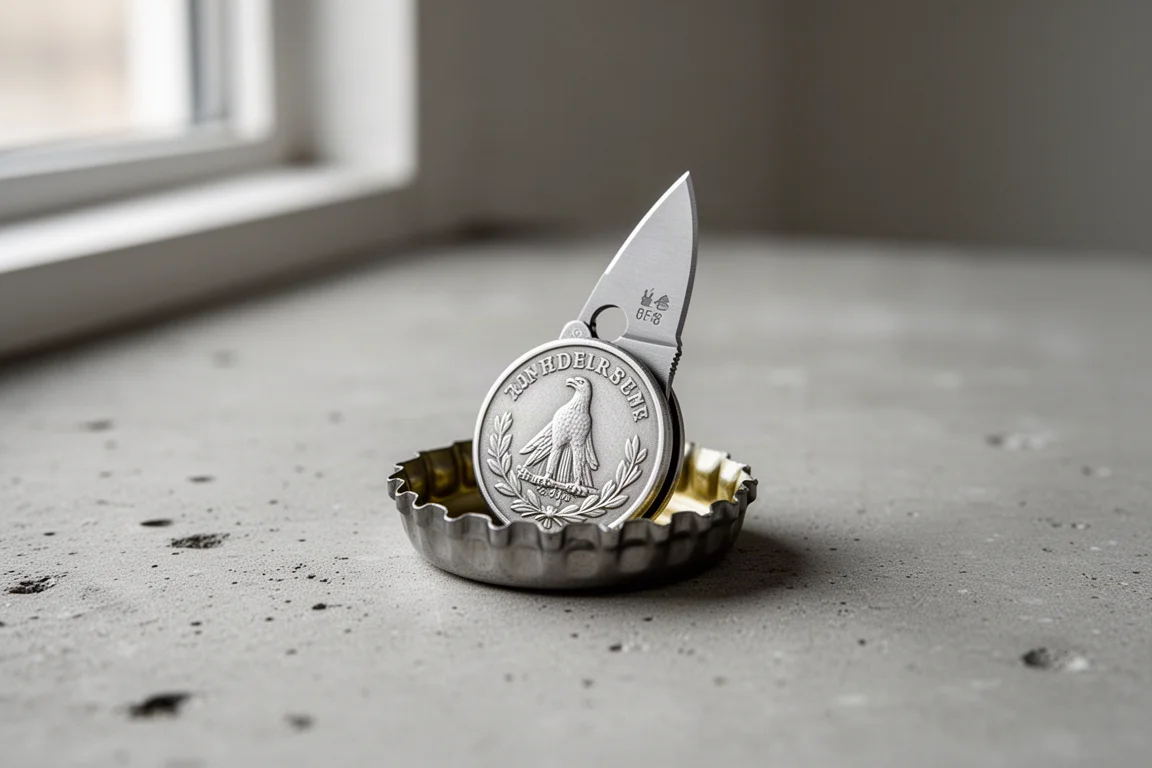
The campaign also did one thing exceptionally well: it showed the product at real scale. The base version costs $32 with a steel frame and a stainless steel blade, and a titanium Damascus version was offered at $52. No specifics were given about what the stainless steel actually is, and the two steels in the Damascus variant were also not identified.
Everyday Use: Where the Classic Pulls Ahead
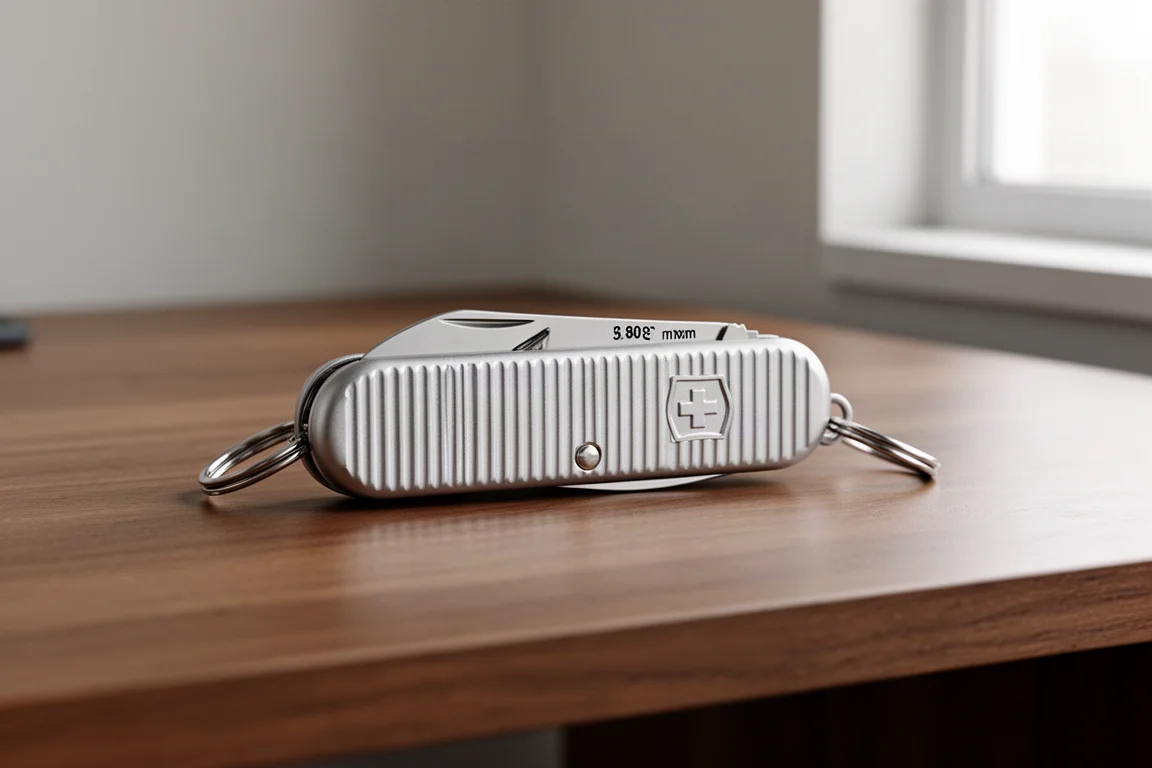
The Victorinox Classic 58mm is about two inches long, which is still a very small handle to hold. Even so, it is significantly larger and more comfortable to use than a coin-sized blade, and its narrow, pointed blade is genuinely useful for tasks like opening packages where a sharp point matters.
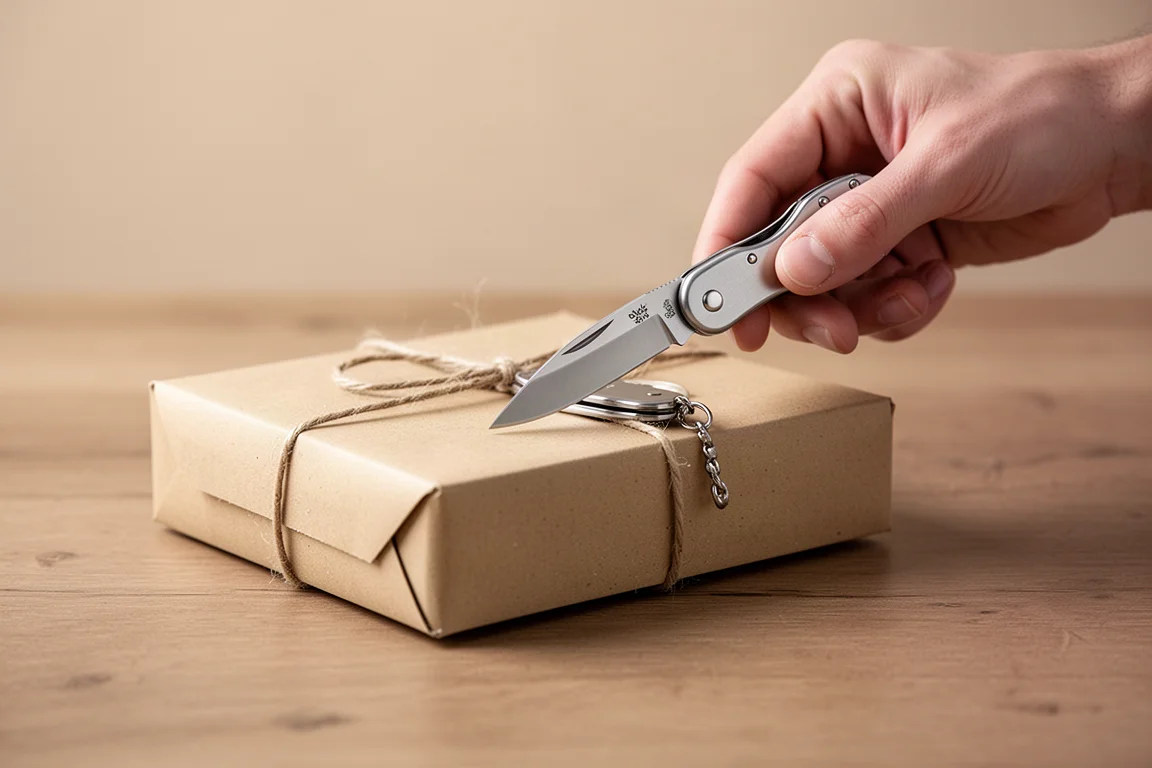
It also carries a lot more functionality in the same pocket footprint: a scissor, a nail file, a flathead, and a two-dimensional Phillips that doubles as the flathead. It is high quality, comfortable to use, and available for less money than the Coin.
Why Small Keychain Tools Matter
Invisible tools, the kind that disappear onto your keychain, are an underrated category. You forget they are there until the moment you need them, and they are easy to carry no matter where you live or what you do. That is exactly the market the Coin tapped into, and the campaign’s success proves how much appetite there is for it.

If established brands are paying attention, there are plenty of ideas to be gleaned here: custom small-frame knives, modified blades, and more appealing designs for younger audiences. The Coin campaign showed it is possible to evolve and improve on a format that has barely changed in decades.
Blade Shape: The Overlooked Detail
The Coin’s half-moon blade gives it a cool look when closed, but it gives up one of the most useful features of a small knife: a narrow profile with a sharp point. Sometimes the point is the point, and there are cutting tasks where that tip does work a rounded half-moon shape simply cannot.
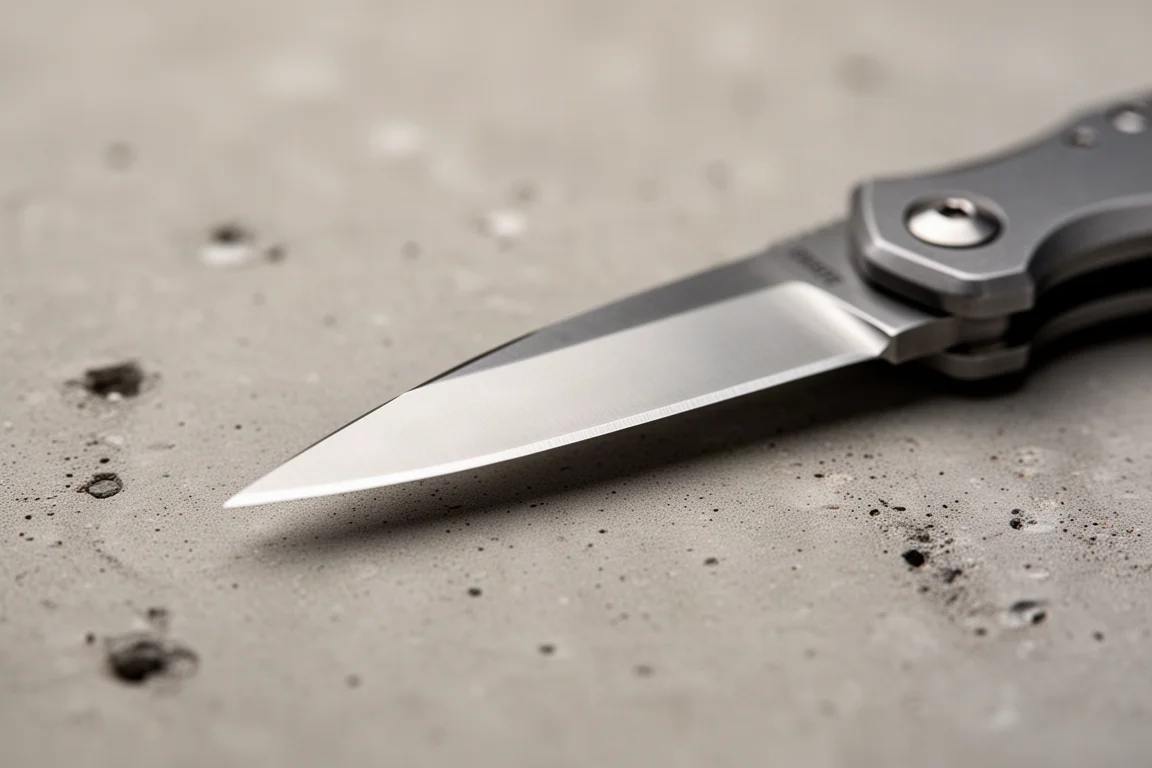
The tiny one-inch handle makes the Coin hard to use for anything beyond opening a package. It does the job, but the trade-off for the fun closed-form design is real functionality you may actually miss.
Which Should You Buy?
If you want a small knife that is fun, novel, and conversation-worthy, the Coin delivers on the look, and the campaign’s popularity says a lot of people find that worth paying for. At $32 for an unidentified stainless steel blade, though, you are paying a premium for design, not materials.
If you want a small knife that works, the Alox Classic 58mm is cheaper, better made, and more versatile, with a scissor, nail file, and useful blade tip packed into the same keychain format. For pure practical value, the Victorinox is the safer pick.
Conclusion
The Coin is an impressive crowdfunding success and a genuinely interesting design exercise, but different does not automatically mean good. For most buyers, the Victorinox Classic 58mm remains the more capable and better-value keychain knife. The real winner here may be the keychain tool category itself, which clearly has more room to grow than anyone assumed.
Further reading
Related Reviews

Wallets
Allett Coin Wallet Review: A Slim, High-Capacity Wallet Built for Coins
The Allett Coin Wallet combines a quiet coin slot, generous card capacity, and durable nylon construction in a slim package designed for international travel.

Wallets
ALPAKA ARK Bifold Wallet Review: A Light, Water-Resistant Card Holder
The ALPAKA ARK Bifold Wallet offers a thin, water-resistant design with five card slots and a reasonable price. Here is a closer look at what it does well.

Wallet Reviews
ALPAKA ARK Classic Wallet Review: A Refined Take on a Timeless Design
The ALPAKA ARK Classic Wallet brings a familiar bifold layout into a modern, durable package with a magnetic closure and a fresh custom material.