Power Tools
Cobalt 24V Mid Torque Impact Wrench vs Metabo HPT: Which Mid-Torque Delivers More Value?
The Cobalt 24V mid torque impact wrench brings 650 ft-lbs of nut busting power and smart auto modes at a strong price point, with the Metabo HPT as a close competitor.
Introduction
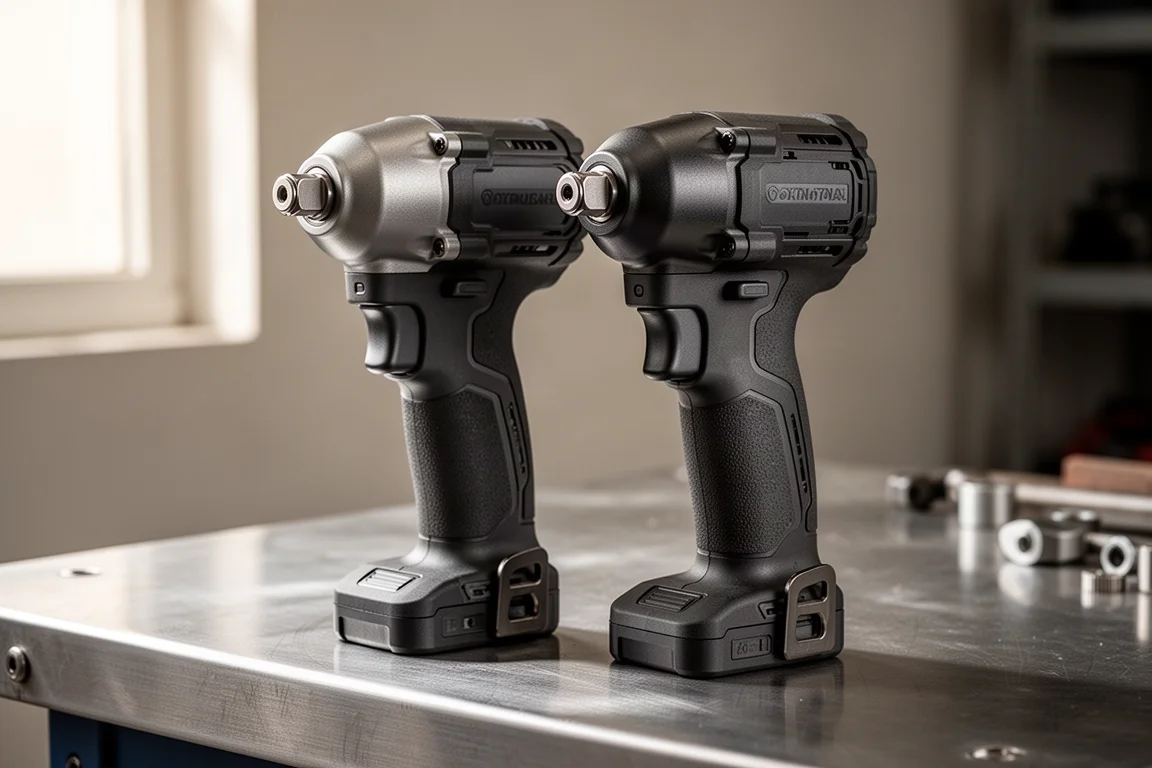
Mid torque impact wrenches have become the sweet spot for DIY mechanics and light professional use: enough power for serious suspension and lug nut work, without the bulk of a full high-torque tool. The Cobalt 24V Mid Torque Impact Wrench is a new entry with genuinely impressive specs on paper, and it goes up against an established competitor in the Metabo HPT Mid Torque Impact Wrench, a slightly more expensive tool with a strong reputation.
The headline numbers for the Cobalt are striking: 650 ft-lbs of nut busting torque and 500 ft-lbs of fastening torque, packed into a compact and comfortable body. Whether it lives up to those claims, and where the Metabo HPT fits in, is what this comparison covers.
Cobalt 24V Mid Torque Impact Wrench
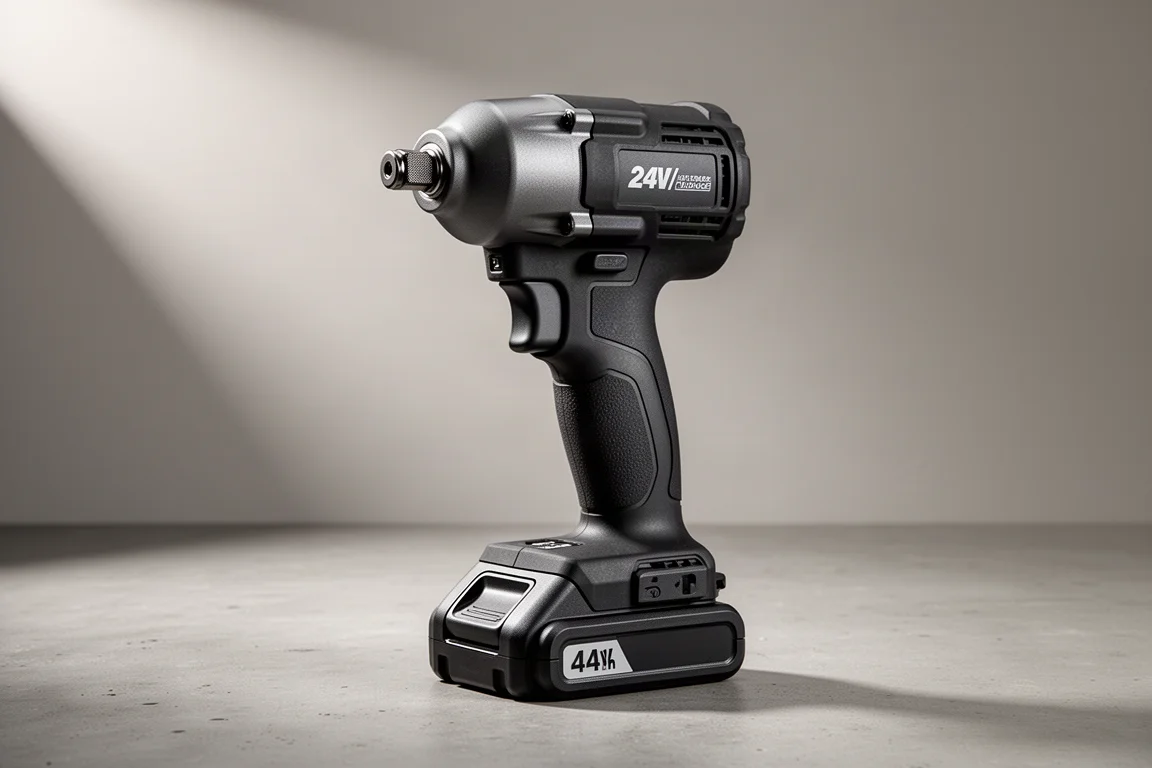
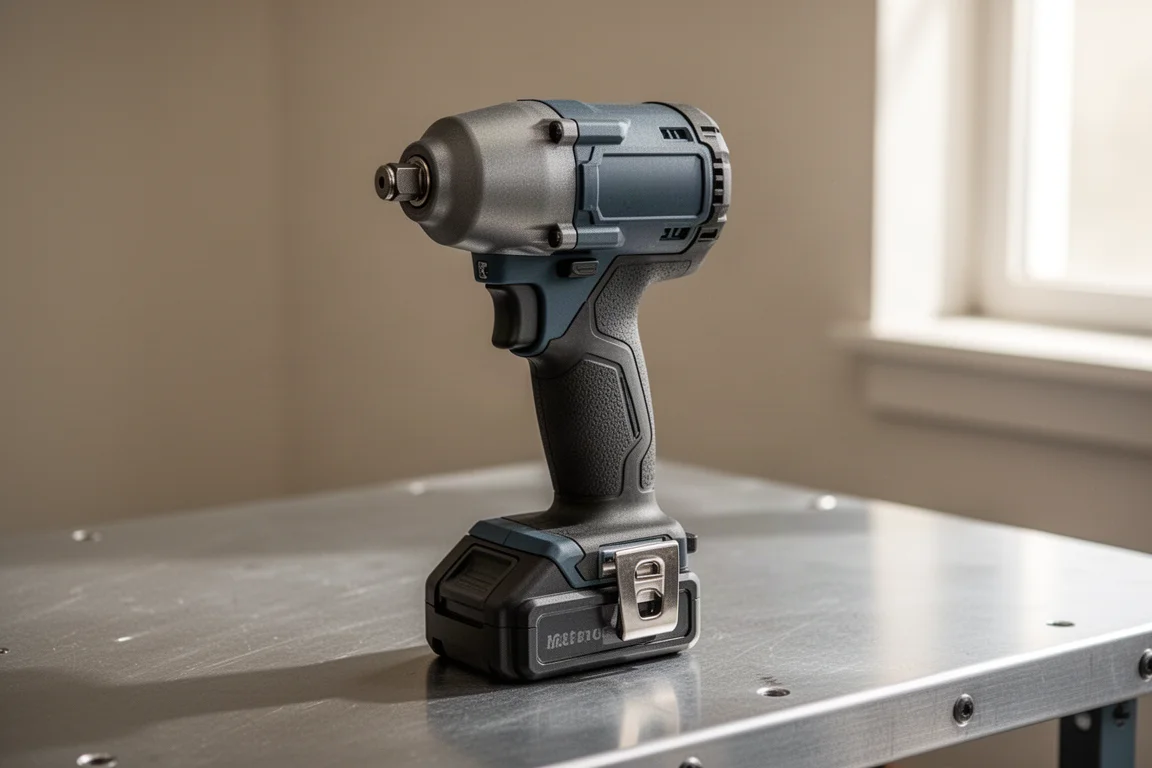
The Cobalt’s biggest draw is the combination of output and price. In a very compact package it delivers a claimed 650 ft-lbs of nut busting torque and 500 ft-lbs of fastening torque, which is serious capability for a mid-torque class tool. It is slightly larger than comparable compact models, but still comfortable to hold and well balanced for extended use.
The standout feature is the set of auto modes. Auto slow mode is designed for removing bolts: once the tool stops impacting, it slows itself down, which helps with control on the last stubborn fasteners. Hand tight mode is for tightening, and it stops impacting as soon as the fastener gets tight, with three selectable levels to control how much torque you apply. In practice, hand tight level three landed fasteners right around the 100 to 110 ft-lbs range, while level two came out at roughly 80 ft-lbs, which is exactly where you would want to be before finishing with a torque wrench.
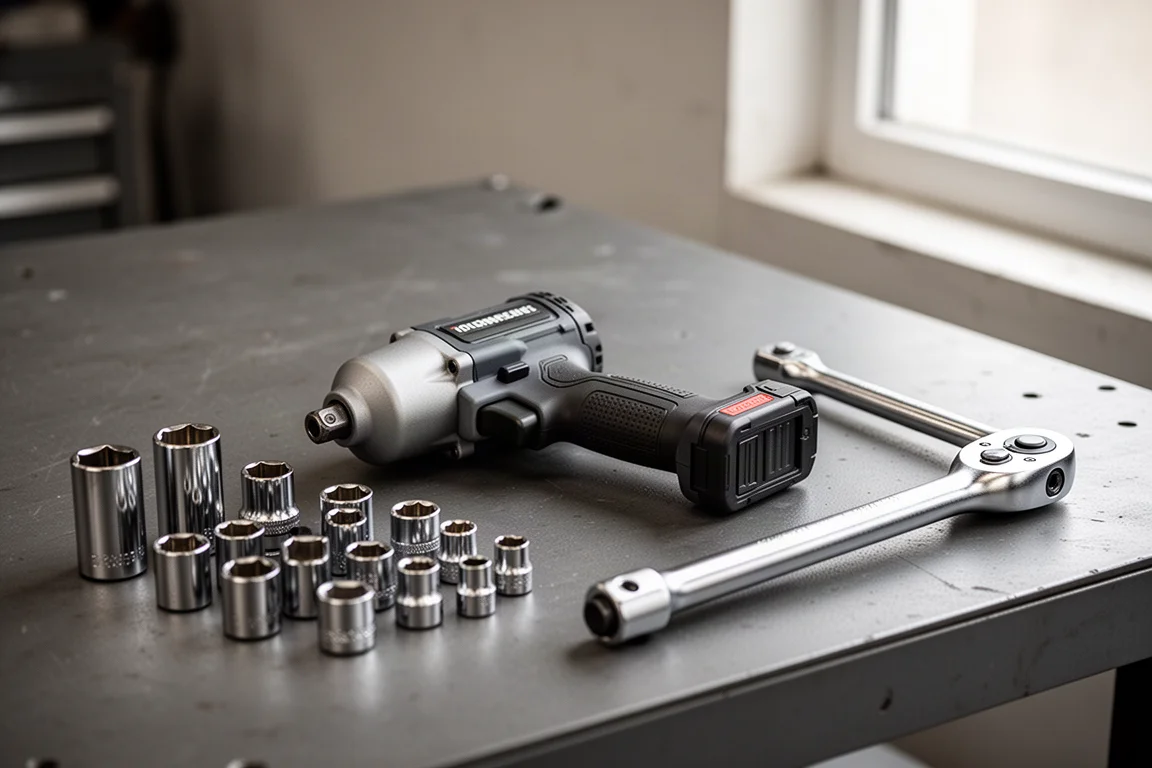
One quirk worth noting: hand tight mode is a little more than hand tight, and it did not always stop as quickly as the name suggests. But as a way of getting bolts close to spec before a final torque check, it works very well, and the three levels give you useful control depending on the job.
Handling and Ergonomics
This is where the Cobalt genuinely earns its keep. The handle has a slight curvature that sits well in the hand, the rubber over-mold is excellent, and the trigger is smooth and precise once you adapt to its relatively short pull, which is similar in feel to other premium triggers but shorter. Direction changes are very precise.
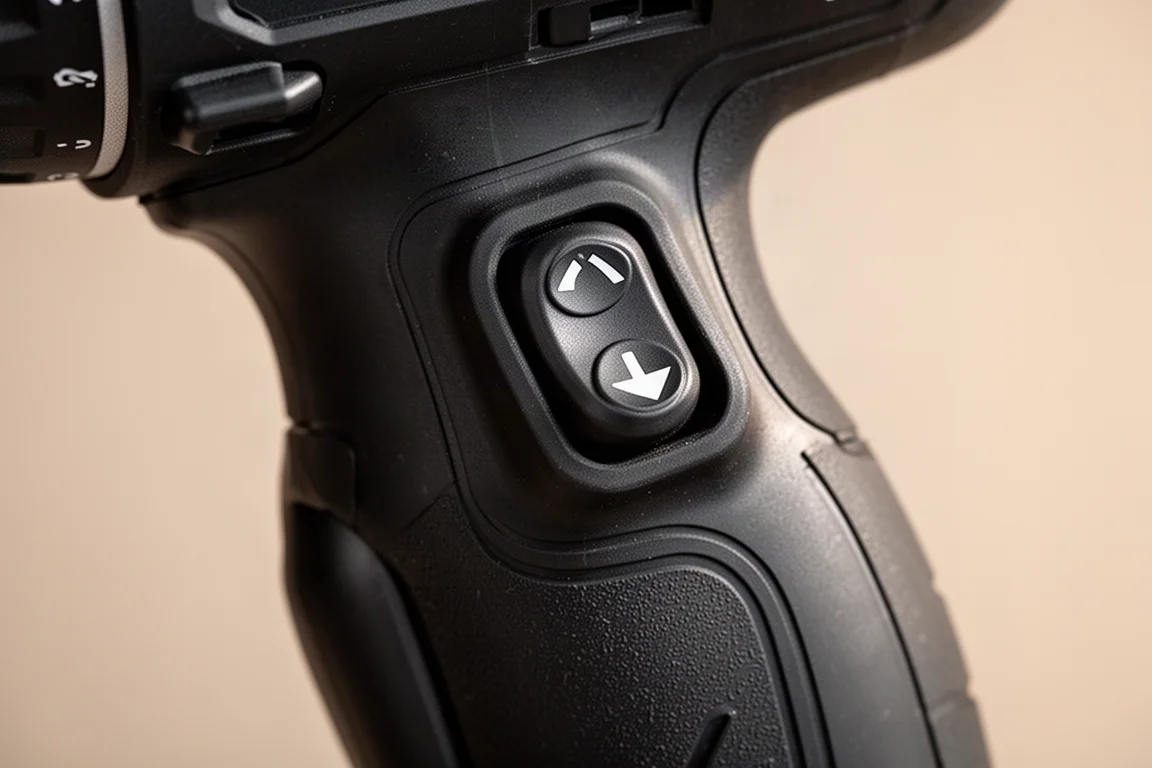
The push-button direction switch deserves a mention. While a slide switch would be preferable if not for the auto modes, this is one of the better push buttons available: it sticks up prominently, sits out of the way, and the rubber construction should hold up to oil and shop abuse without peeling or bubbling. The tool is a little heavy, but the LED work light is only mediocre, neither notably bright nor dim.
The tool is also smart enough to know whether it is in forward or reverse: hand tight mode is available in forward, auto slow in reverse.
Metabo HPT Mid Torque Impact Wrench
The Metabo HPT sits slightly above the Cobalt in price but proved itself in the same class of testing. In a straight attempt to loosen a severely overtightened fastener where the test hardware itself was beginning to stretch and the washers were peening over, the Metabo HPT pulled the fastener free without issue, a task the Cobalt could not complete under those extreme conditions.
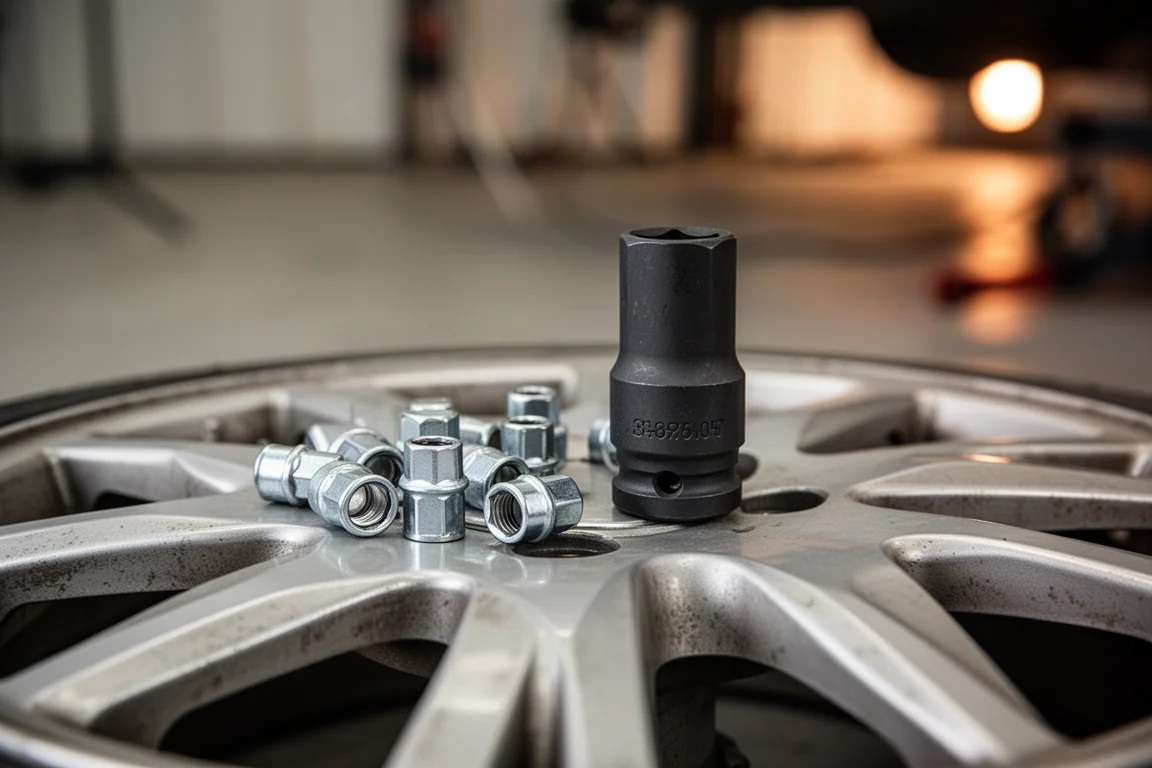
That said, the Cobalt was not far behind, and the test conditions themselves made definitive conclusions difficult, since neither the bolt nor the washers could survive the torque levels being applied. The Metabo HPT also performed well when removing a fastener the Cobalt had tightened, coming free with zero issue. As a cost-effective alternative in the same size class, the Metabo HPT is a proven performer that pairs well with smaller batteries.
Tightening Control: The Hand Tight Modes
The Cobalt’s hand tight modes were tested across all three levels on lug nut style fasteners, then checked with a torque wrench. Level three reached roughly 100 to 110 ft-lbs, which is more than you would want on standard passenger car lug nuts, though it could suit larger 3/4-ton or heavier trucks. Level two landed around 80 ft-lbs, which is the ideal starting point before a final torque wrench pass.
The mode behavior is intuitive: pick your level, squeeze the trigger, and the tool stops impacting once the fastener tightens. It is not a perfect substitute for a torque wrench, but as a fast pre-tightening system it performed as well as an impact wrench reasonably can, with fairly consistent results moving up through the levels.
Kit, Battery and Warranty
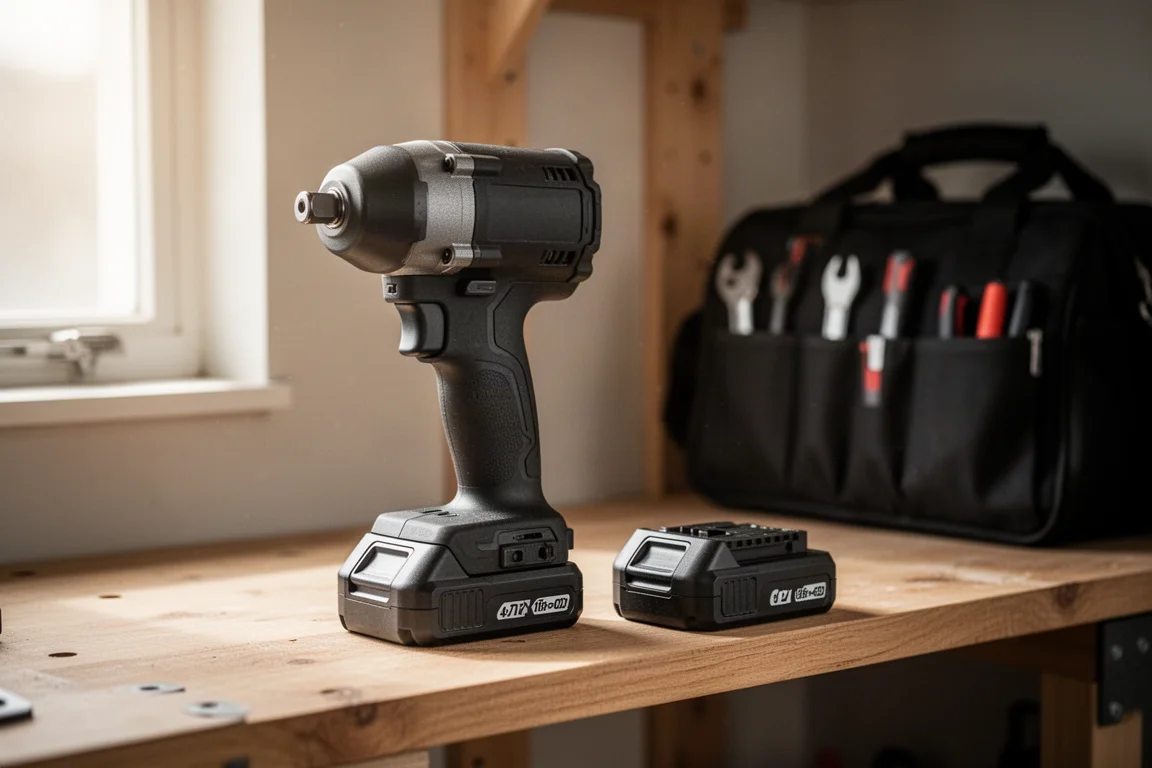
The Cobalt is currently available as a kit, which includes the tool, a bag, one of Cobalt’s fast chargers, and a 4 amp-hour extended run battery. It might perform even better with a larger 6 amp-hour pack, though the included battery keeps the kit accessible. Cobalt batteries are also notably affordable, with 6 and 8 amp-hour options available for under $100, which is rare in the cordless tool market.
Warranty coverage is a 5-year limited warranty on the tool and a 3-year limited warranty on the battery. During testing the tool did not get hot and showed no signs of distress, and the overall value proposition is strong enough that it makes sense for DIY users, could stretch into a mechanic shop, and might even fit some construction and professional work.
Buying Advice
If price is the deciding factor, the Cobalt is hard to beat: its claimed specs are outstanding for the money, the auto modes are genuinely useful rather than gimmicky, and the kit includes everything needed to get started. If budget is less of a constraint and you want proven extreme-torque removal capability, the Metabo HPT is slightly more expensive but demonstrated it could handle fasteners that defeated everything else in testing.
Conclusion
The Cobalt 24V Mid Torque Impact Wrench is an impressive value with class-leading claimed torque figures, thoughtful auto modes, and excellent ergonomics, while the Metabo HPT remains the safe, proven pick at a modest premium. For most DIY users working on suspension components and lug nuts, the Cobalt’s combination of performance, comfort, and price makes it the one to look at first.
Further reading
Related Reviews
Power Tools
Best 1-Inch Pistol Impact Wrenches: Three Heavy-Duty Options Compared
We compare three 1-inch pistol impact wrenches, from a budget-friendly Harbor Freight model to a premium Caterpillar unit, to help you choose the right one.
Power Tools
Best 3/4-Inch Impact Wrenches 2026: Five Contenders Compared
We compare five 3/4-inch impact wrenches across price and performance, from a budget Amazon option to Snap-on's most powerful model yet.
Power Tools
Best Budget Cordless Tools 2026: Walmart Finds That Punch Above Their Price
We tested five cordless tools from Walmart, including a high-torque impact wrench that trades blows with Milwaukee and a $35 duster that outperforms its price class.