Kitchen Knives
CM Custom Blades Honesuki #7 Review: A First-Effort Chicken Butchery Knife That Delivers
Irish knivesmith Chris Meade sent over his first-ever honesuki, a 160mm 26C3 carbon steel blade. Three chickens later, here is how it held up.
Introduction
A honesuki is a Japanese chicken butchery knife, and getting one right is harder than it looks. Many blades sold as honesuki these days are essentially k-petties with a new label. That is why it is notable that Chris Meade, an Irish knivesmith with about 15 years of experience who focuses mainly on culinary knives, made his first-ever honesuki and sent it out for a full hands-on test. This is the seventh honesuki to pass through this testing process, and it went through serious work: three whole chickens butchered in a single session, covering skinning, joint separation, wishbone removal, thigh and wing deboning, tenderloin extraction, and cuts through softer cartilage.
The knife in question is the CM Custom Blades Honesuki #7, a 160mm blade in 26C3 high-carbon steel with a 4mm spine and a wa-style handle. Here is how it performed.
First Impressions and Build Quality
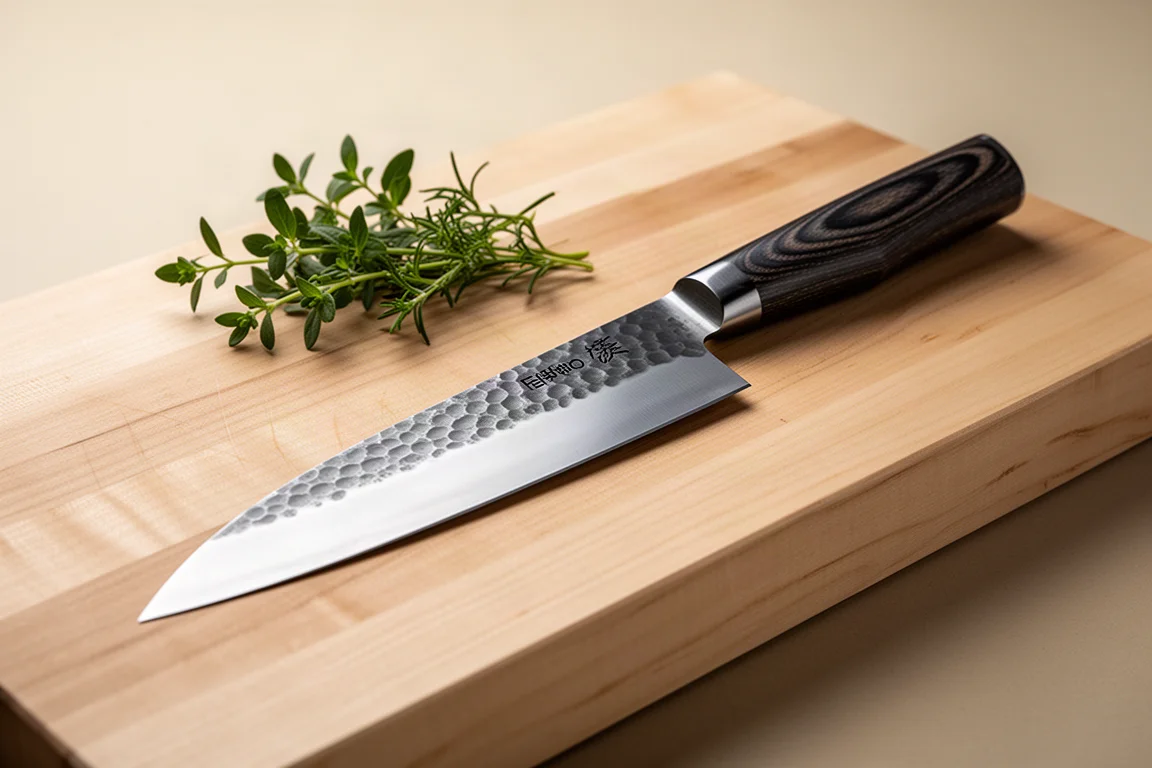
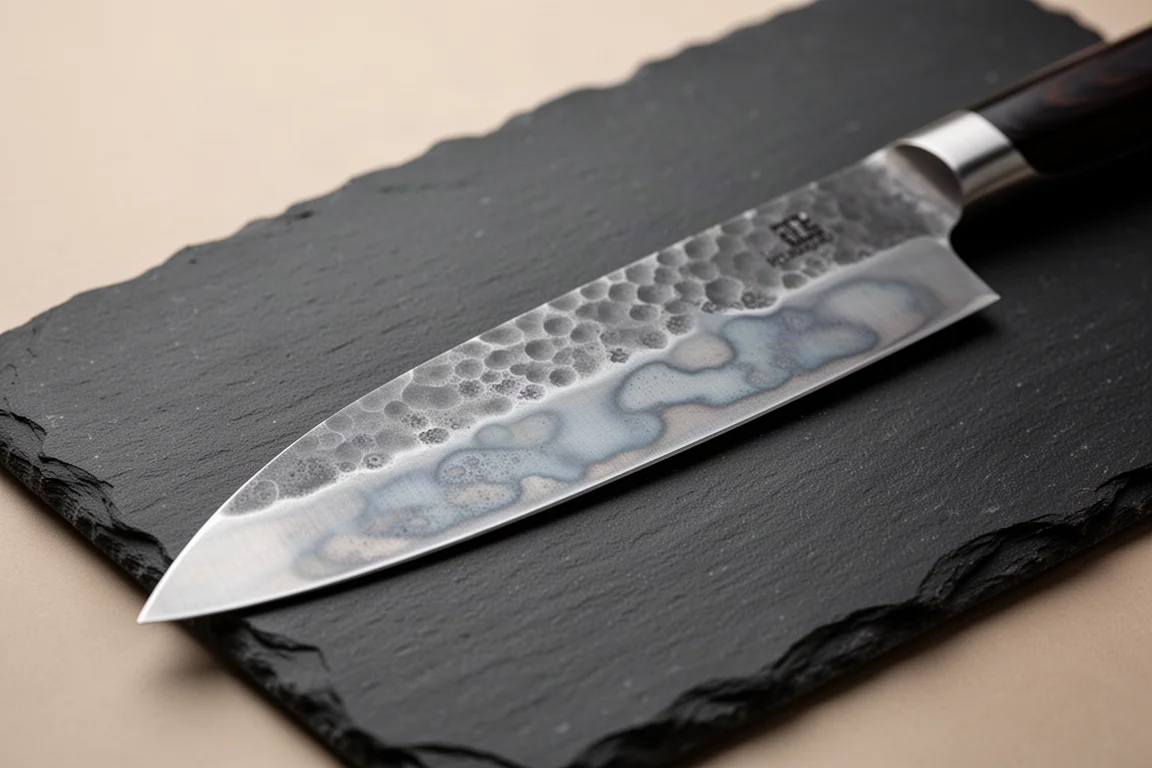
Right out of the packaging, the first thing that stands out is the weight. The knife feels substantial in hand, with a nicely contoured spine that does not taper much, staying thick all the way to the polished tip. Above the bevel there is a tasteful tsuchime textured hammer finish, and the overall fit and finish is clean.
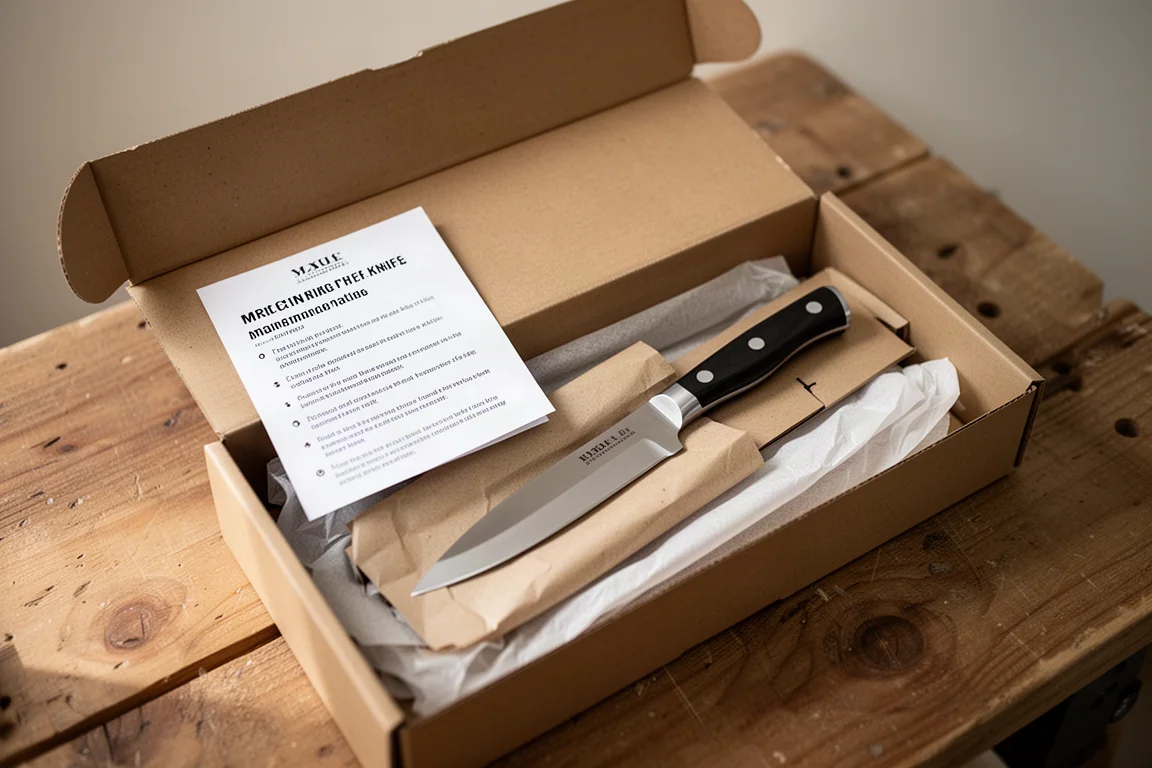
The wa-style handle is a highlight. It is super smooth on the hands, shows beautiful grain, and includes a slightly fluted butt as a finishing touch. The knife also ships with thoughtful extras: a pamphlet with maintenance tips and a QR code on the packaging that links straight to the maker’s website, where his available knives, including contoured handles with a splash of color, are easy to browse.
Profile and Geometry
Honesuki blades demand rigid parameters around profile, hardness, toughness, and shape, so geometry was checked carefully against a traced outline of a favorite reference honesuki. The two shapes look quite similar overall, with the main difference in the k-tip: the angle of the tip and where it meets the spine.
The flat edge on this knife is one of the flattest honesuki edges received to date, which is genuinely fantastic. A flat profile means that during incisions you know exactly where the knife is going and where it will stop. The preference noted for future versions is a more acute k-tip angle that meets the spine a little further back, making the tip easier to see when working top-down. The tip works fine for precision work as-is; this is a refinement, not a flaw.
Testing It on Three Chickens
Three chickens were butchered with this knife, and the experience was largely excellent. The blade is super sharp and cuts through skin with ease, which matters enormously in poultry work. Since a honesuki spends most of its life doing aerial cutting rather than touching the board, geometry is everything, and this blade flexes to the task well.
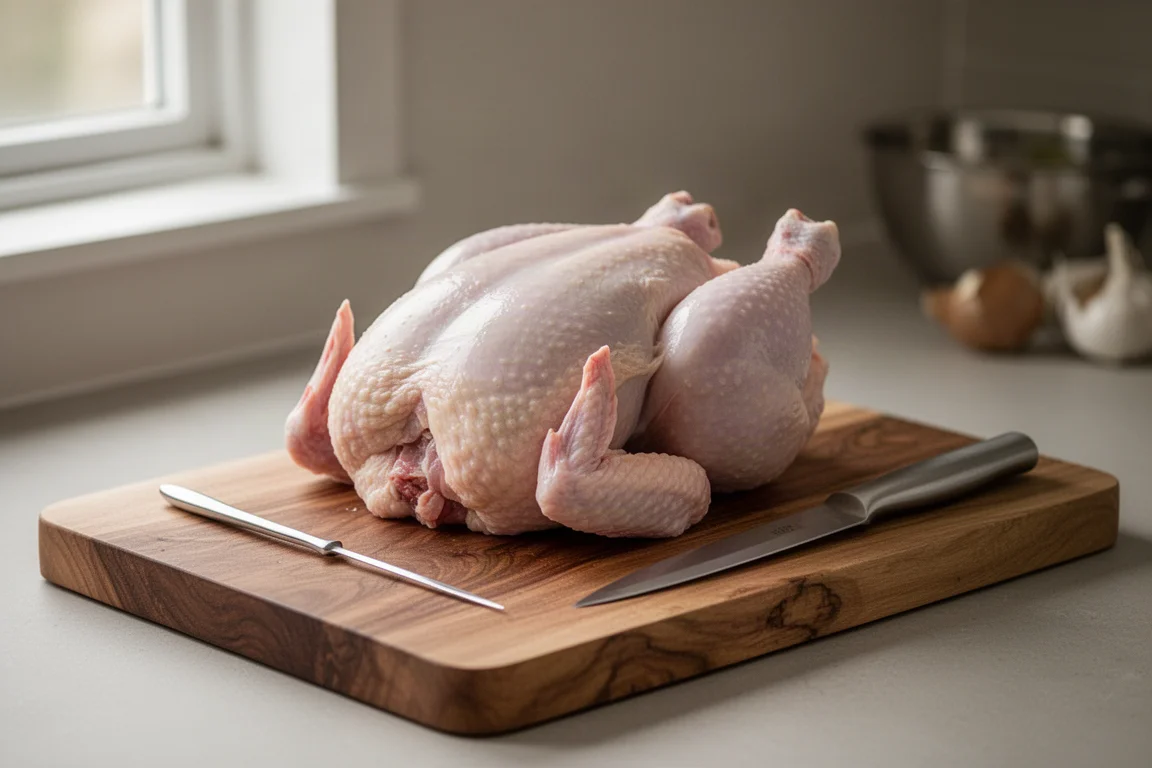
Wishbone removal, breast removal, thigh deboning along the line of fat, wing separation at the cartilage, and tenderloin extraction all went smoothly. The heel held up when pressing through cartilage near the rib cage, and the knife handled cuts near softer bone without complaint, exactly what a honesuki with a thicker spine is built for.
One practical note: the handle felt a little long during precision cuts held top-to-bottom, with the butt pressing into the lower part of the wrist. Cutting left-to-right with the bird on the board, this was never an issue. It may be a technique-dependent quirk, but a slightly shorter handle would help.
Edge Retention and Durability
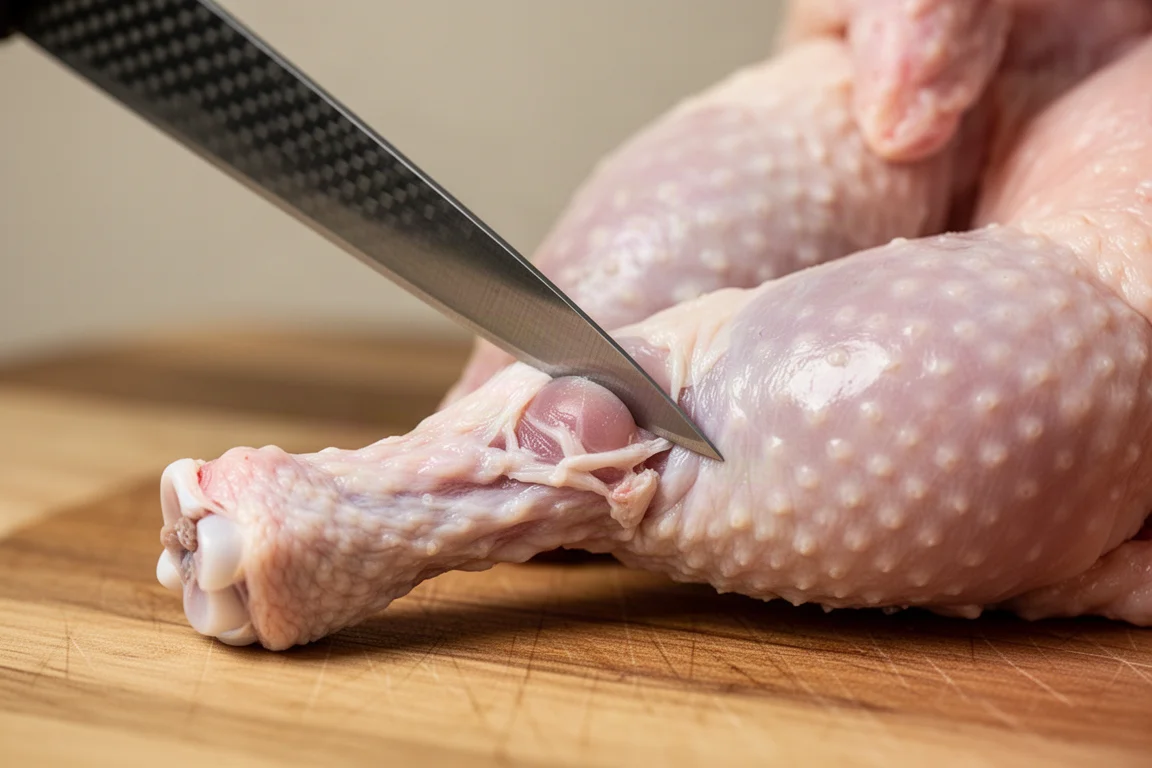
The edge was tested deliberately for resiliency, with the thick spine pressed through cartilage around the backbone and keelbone. After three whole chickens, the knife was still sharp, with no need for a touch-up. For a carbon steel blade doing repeated joint work, that is a strong result.
Fit, Finish, and Steel Choice
The 26C3 high-carbon steel, sometimes called spicy white, is an inspired choice here. Meat accentuates its patina beautifully, and after three birds the blade developed gorgeous character. The steep bevels, textured handle, and refined contouring all speak to a maker who has honed his craft over many years, even on a first attempt at this specific pattern.
Things to Consider Before Buying
The two critiques worth knowing about are both minor and fixable. First, the handle length may feel long during precision top-down cuts. Second, the balance point sits just past the pinch grip; during aerial cutting, a touch more weight in the handle would reduce hand strain. Neither stopped the knife from performing well across three full birds.
Buying Advice
For home cooks serious about poultry butchery, this is a genuinely capable honesuki with excellent sharpness, resilient geometry, and standout fit and finish. If you prefer a very tip-forward feel or do most of your precision work left-to-right on the board, those quibbles largely disappear. Between the blade quality, the distinctive patina-prone steel, and the contoured handle work, this is a strong pick from a small maker worth following.
Conclusion
For a first-ever honesuki, this is a home run. The profile is nearly there, the edge held sharp through three chickens, the handle grips securely with no slippage, and the 26C3 steel develops beautiful patina. With a slightly shorter handle and a more acute k-tip angle, this pattern would be about as close to classic honesuki geometry as it gets. Even as it stands, it is a beautiful, hard-working butchery knife.
Product link
View more details for CM Custom Blades Honesuki #7
This product is mentioned in the review. Check the specifications, options, and compatibility before buying.
View more details for CM Custom Blades Honesuki #7Further reading
Related Reviews

Kitchen Knives
Best Chef's Knives 2026: 27 Popular Options Tested and Ranked
A comprehensive review of 27 chef's knives ranging from $18 to $380, with honest assessments of handle comfort, blade balance, and real-world performance.

Kitchen Knives
Best Chef's Knives Under $75: Two Tested Recommendations
Two practical 8-inch chef's knives that balance sharpness, comfort, and durability without premium pricing.

Kitchen Knives
Best Chef's Knives 2026: 27 Options Tested and Ranked
A comprehensive review of 27 chef's knives ranging from $18 to $380, with honest assessments of handle design, balance, blade profile, and real-world performance.