Folding Knives
Buck 110 and Its Rivals: 4 Classic Lockback Folding Knives Reviewed
The Buck 110 is a legend with real flaws. We look at four classic lockback folding knives, including the titanium Buck 560X, the Schrade LBT, and the Benchmade 5080, and break down what each one gets right and wrong.
Introduction
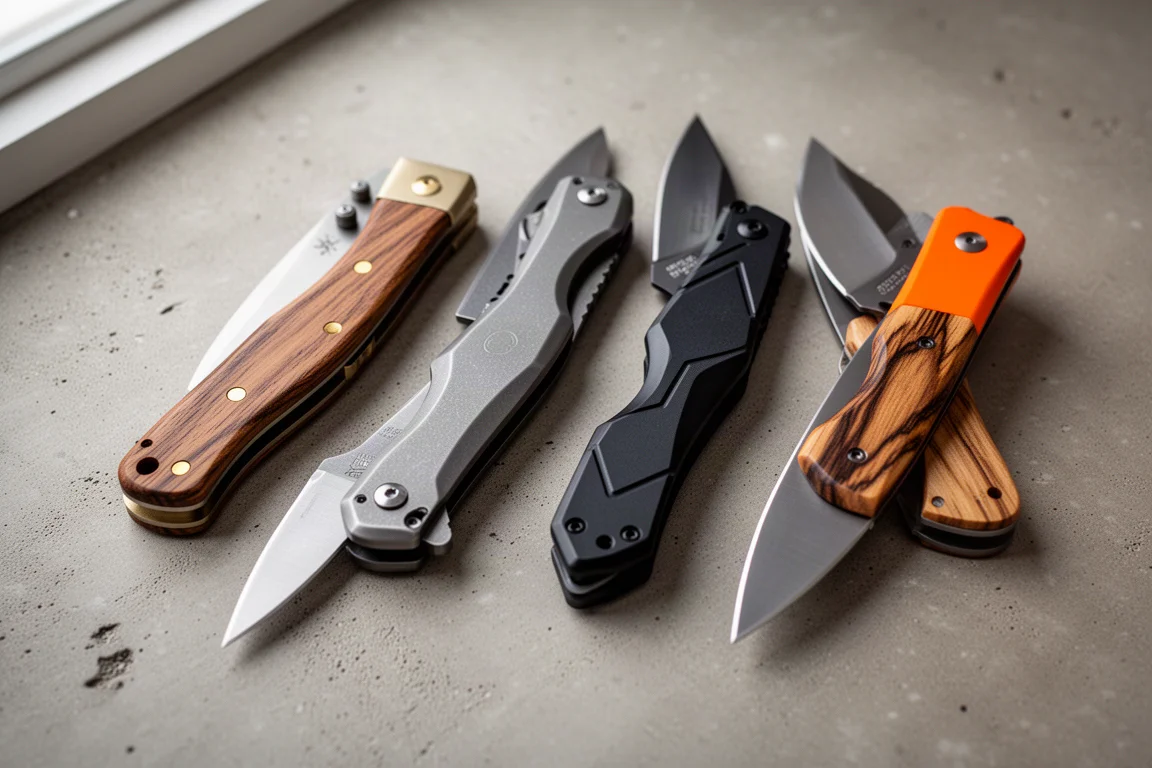
Few folding knives carry as much history as the Buck 110. First assembled in 1964, it was for decades the folding hunting knife that many people aspired to own. But nostalgia is not the same as function, and the classic lockback formula has real weaknesses that newer designs have largely solved. This guide looks at four knives that show the full story: the original, a look-alike, a titanium experiment, and a modern take that stumbles in surprising ways.
Buck 110: The Sixty-Year-Old Original
The Buck 110 is over 60 years old and was long considered the ideal substantial folding hunting knife. Earlier versions, like one from around 1978, had rougher edges and sharper corners, while newer versions round things off and smooth them out. You can usually date a vintage by the position and type of rivets on the wood inlays.
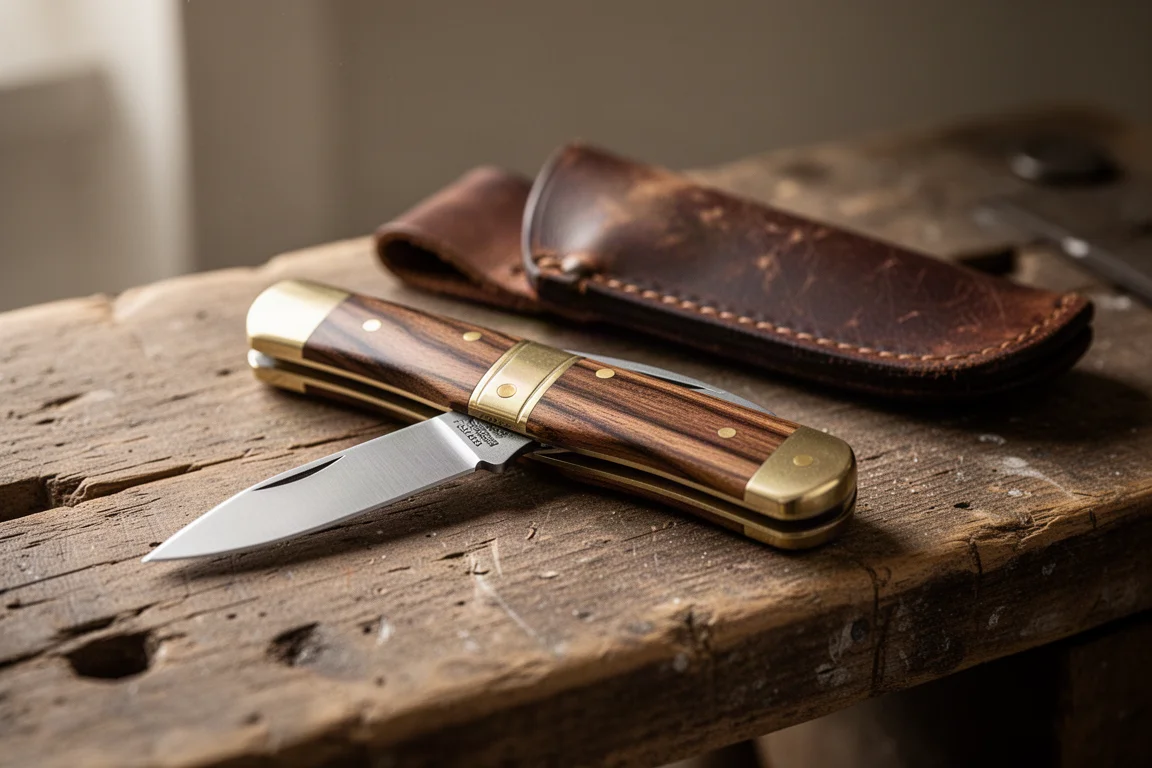
It uses a hollow grind, which can get amazingly sharp but has some strength issues. The clip point blade, a modified Bowie shape, is thick up front and limited in usefulness. It is not the best blade for processing game, which is where many smaller, better-shaped blades win. Buck now offers the 110 in carbon fiber, G10, MagnaCut steel, auto-opening versions, stag handles, and commemorative editions, but the core design remains the same.
Schrade LBT: The Look-Alike
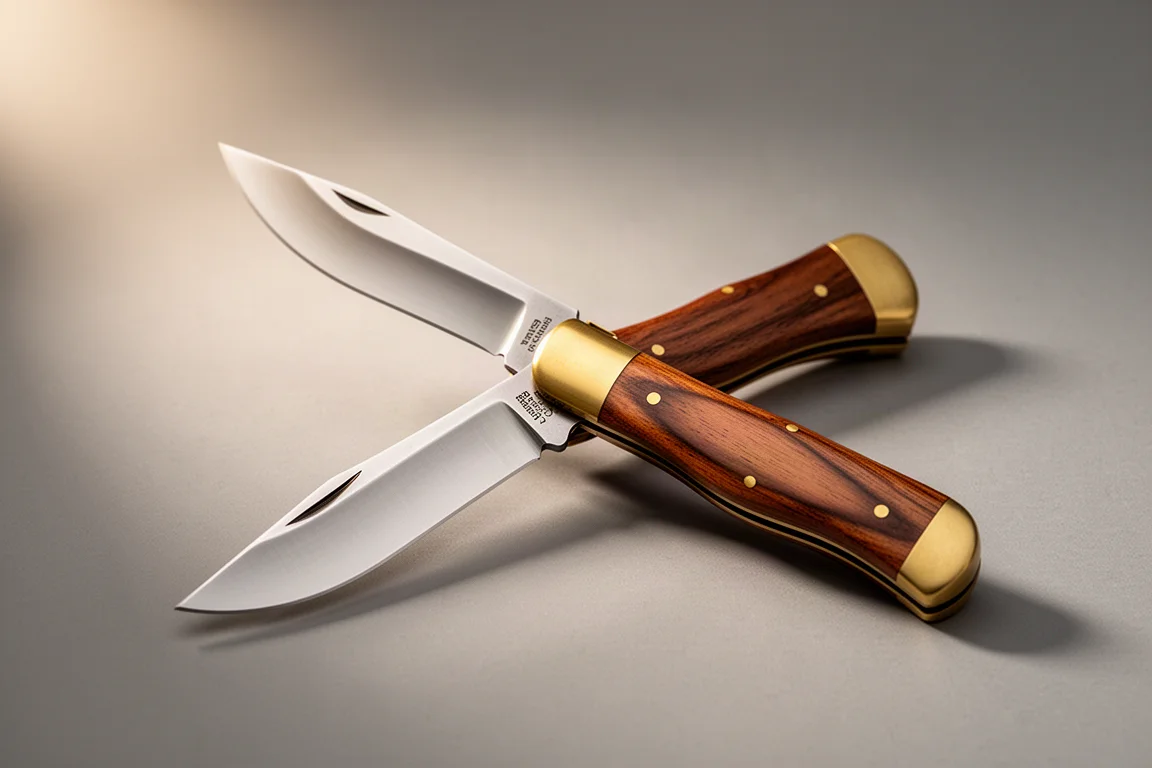
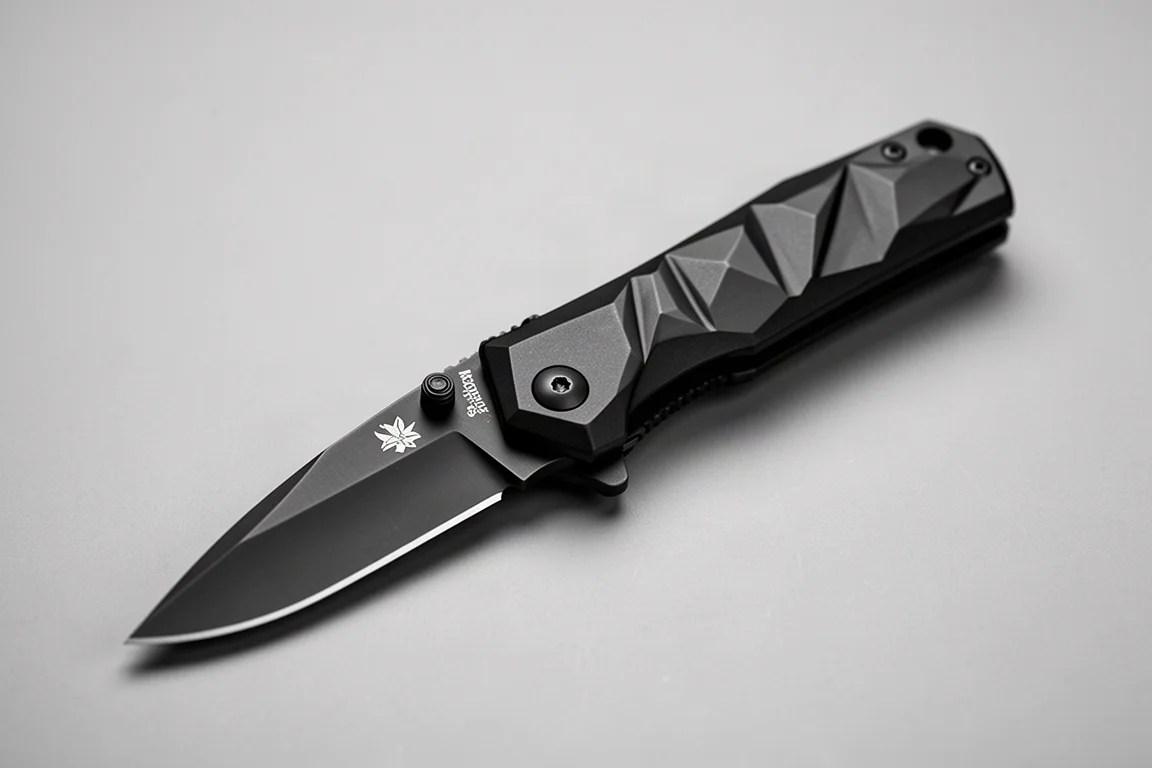
The Schrade LBT was one of several knives trying to imitate the 110’s formula, adding some extra flair and harder angles to the profile. It also highlights the core problem with lockbacks: the lock mechanism can fail. A failed lockback is genuinely dangerous, and similar failures have turned up over the years across Buck, Schrade, and Boker lockbacks alike.
That reliability concern is the main reason to think carefully about any lockback design, no matter how attractive the price or styling.
Why the Classic Design Divides Opinion
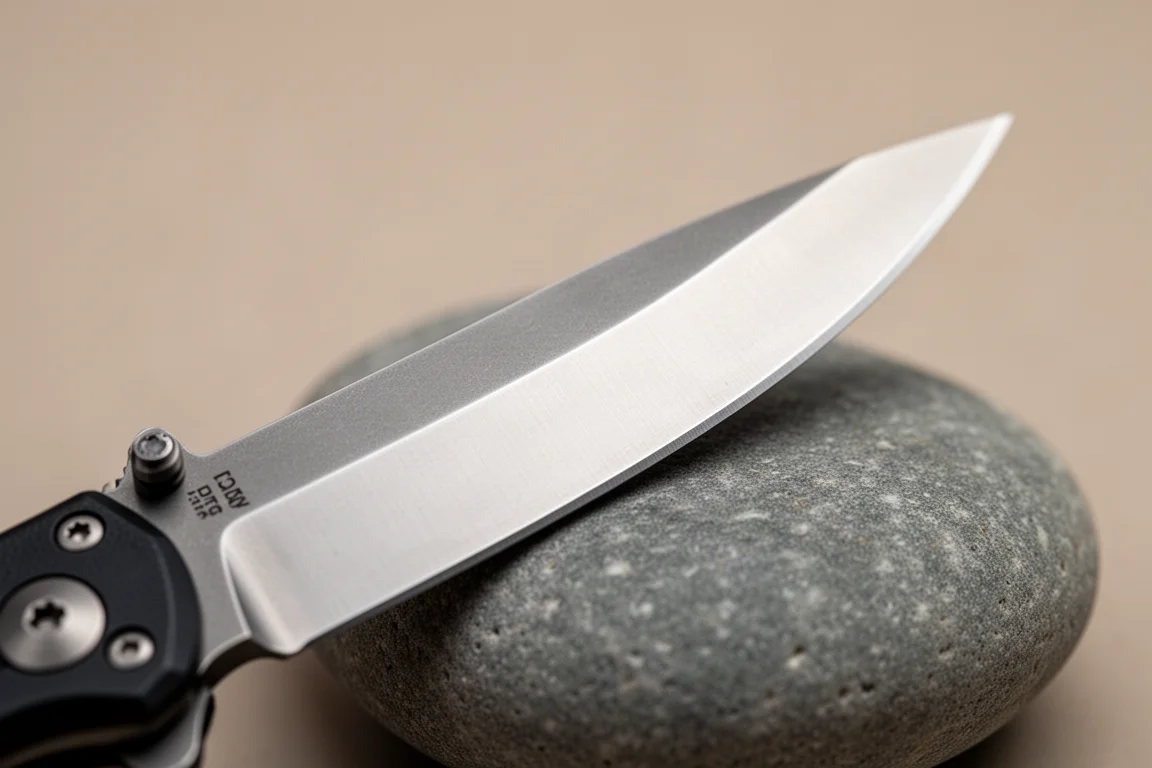
The 110’s clip point blade works well at larger sizes, but at 3.75 inches long it becomes something like a tiny Bowie with limited practical uses. The exposed wood inlays are also a weak point: wood that sits proud of the handle can be damaged by knocks or moisture. Some makers solved this by fully inlaying the wood so it is completely surrounded, making damage far less likely.
None of this makes the 110 a bad knife for people who grew up with one. It simply means the design was the best available option for a folding hunting knife at the time, and better alternatives now exist.
Buck 560X: The Titanium Experiment
In the late 1990s, Buck built the 560X, a titanium version of the 110. It shows the company genuinely trying to evolve the formula, with features like finger placements that were popular on knives of that era. Titanium is a remarkable handle material, and finding one second-hand today is a treat.
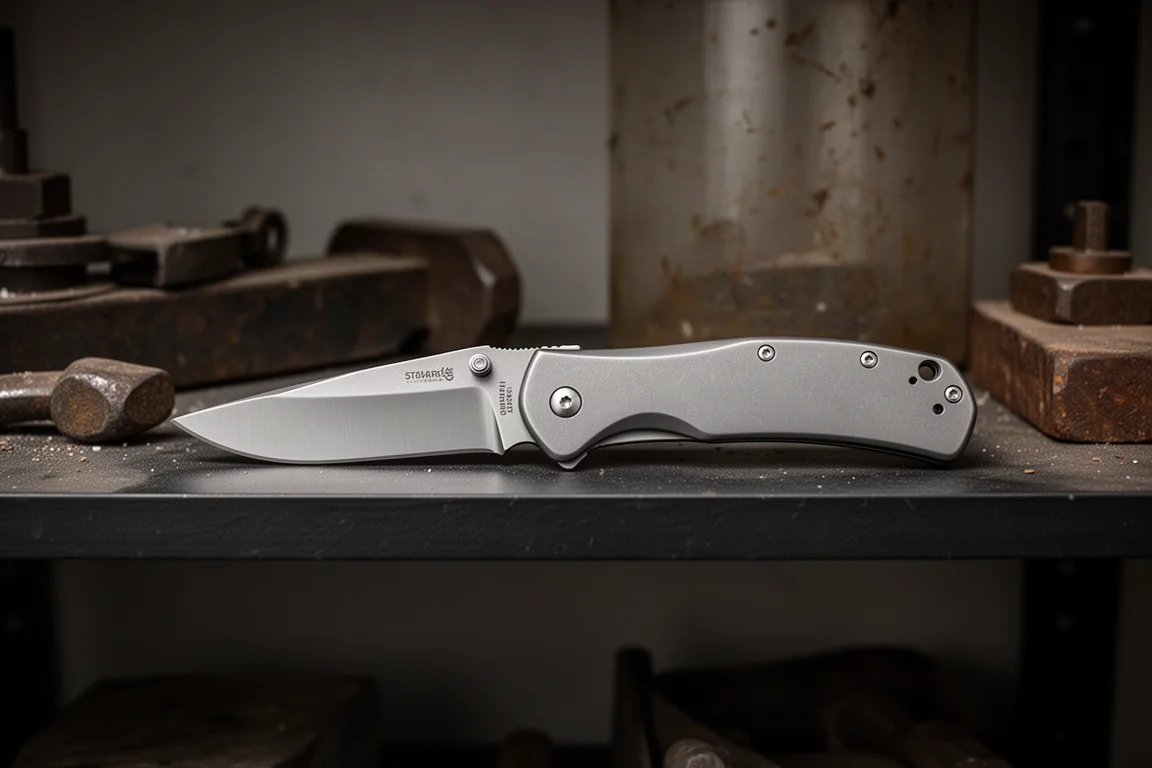
The 560X is now a collectible, and depending on condition it can be worth roughly as much as one of the new auto-opening Bucks. It still carries the same lockback and clip point lineage, so it appeals more to collectors and fans of the design than to anyone shopping purely on function.
Benchmade 5080: A Modern Take With a Big Flaw
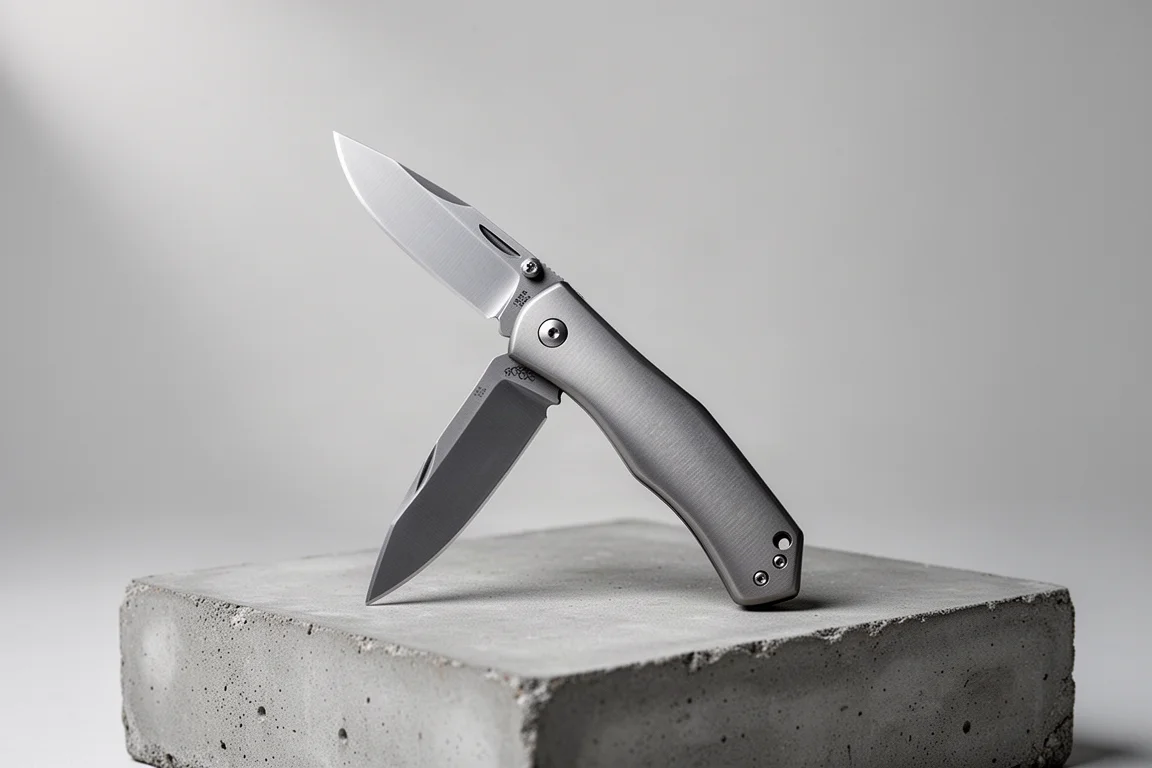
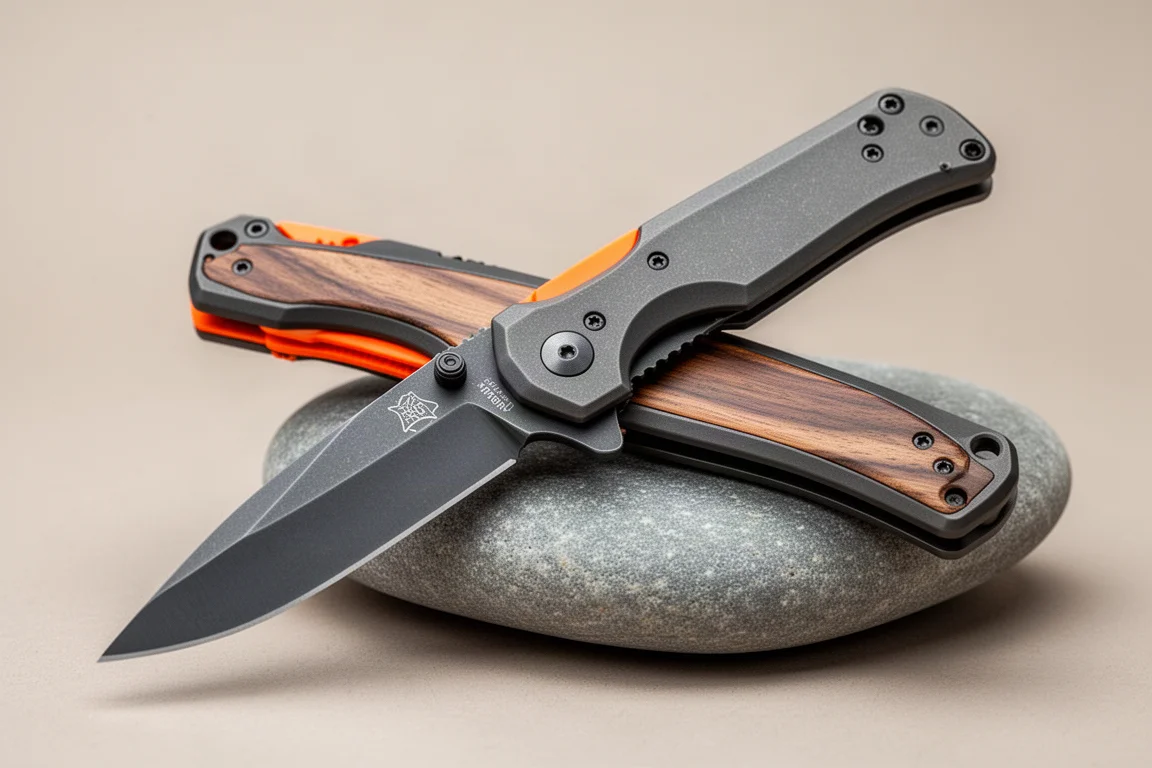
Benchmade’s 5080 sits in the company’s hunting collection and uses a modified clip point that remains thick toward the tip. The blade steel is good, S30V, and the large bright backspacers with a touch of orange give it a distinct hunting-knife look.
The problem is the wood handle. The wood inlay runs right to the edge and, around a hole in the handle, it is exactly where exposed wood breaks. Anyone who has used wood-handled knives knows that spot will fail with hard use, which is a hard sell on a knife in this price range. Benchmade does make this model with other handle materials, so it is worth checking the alternatives before committing.
Service is also worth noting: returning a Benchmade for sharpening now involves a paid shipping process with specific packing instructions, a change from the simpler mail-in arrangements of past years.
Buying Advice: Which One Makes Sense Today
If you already have an affinity for the Buck 110, it is still around in many variations, and buying one used is a reasonable way to experience the classic. If you have no attachment to the design, there are simply better knives available, and the 110 is one you can skip.
For builders and designers who like the history of the 110, the lessons are clear: avoid exposed wood inlays near stress points, rethink the lockback, and question whether a scaled-down clip point actually serves modern users. The Buck 560X rewards collectors who want a piece of that evolution, while the Schrade LBT remains a budget look-alike with the same lockback concerns. The Benchmade 5080 offers a strong blade steel but needs careful handle selection.
Conclusion
The Buck 110 earned its legend, but legend is not the same as function. The original is best treated as a nostalgic purchase, the 560X as a collectible, the Schrade LBT as a look-alike with known lockback risks, and the Benchmade 5080 as a modern folder that needs the right handle option to make sense. Match the knife to how you will actually use it, and you will make a better choice than nostalgia alone would suggest.
Further reading
Related Reviews
Folding Knives
Petrified Fish Buun 868 Review: A $35 Folding Knife That Performs
A practical look at the Petrified Fish Buun 868, a $35 everyday carry folder with D2 tool steel, a full flat grind, and a smooth flipper action.
Folding Knives
Best Budget Folding Knives 2026: Three Picks From Value To Collector-Grade
Three folding knives worth a look: a Sebenza-style budget frame lock, a D2 folder with a fuller, and an ultra-premium titanium design for collectors.
Folding Knives
Harbor Freight Icon Folding Knife Review: Striking Quality, Questionable Design
D2 steel, ceramic bearings, and a heavy artistic handle: what this $40 folding knife gets right and where it falls short for everyday work carry.