Everyday Carry Knives
Civivi Sin vs Civivi Praxis: A Clip Point Slicey Folder Worth the Upgrade?
The new Civivi Sin takes everything that made the Praxis a budget favorite and adds a clip point blade, 14C28N steel, and a steel frame lock. Here is how the two compare.
Introduction
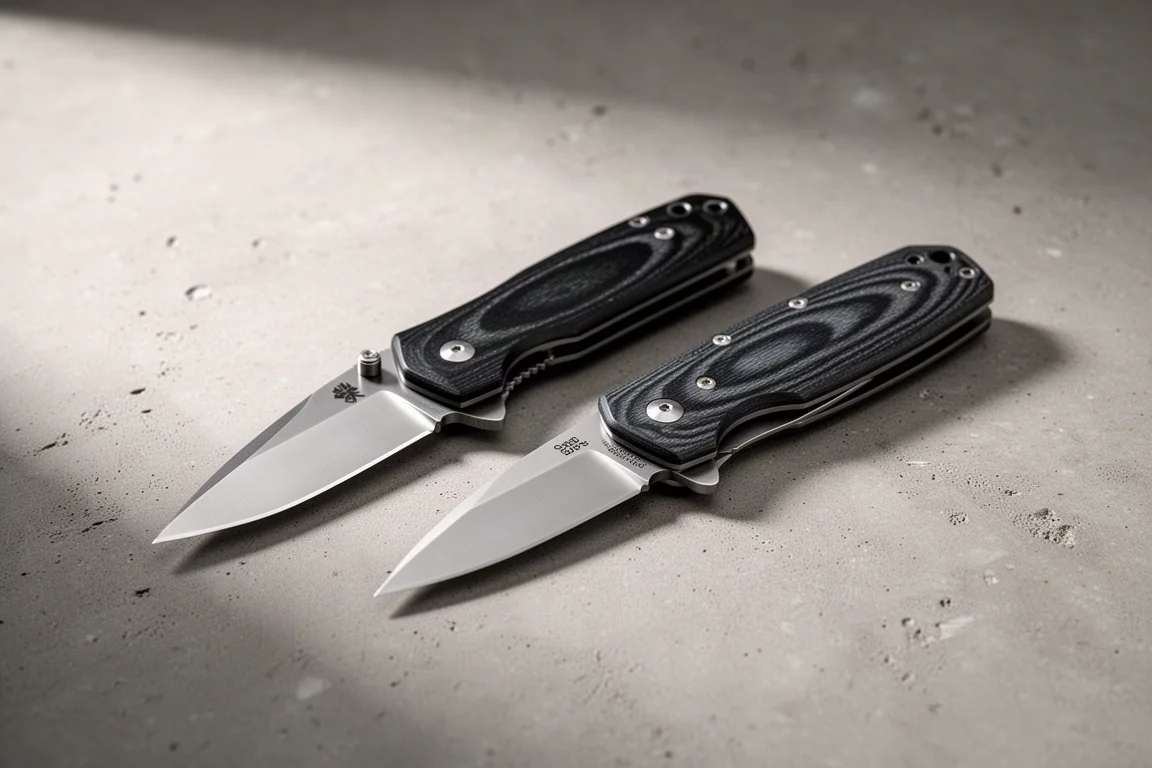
Every so often a new release lines up almost perfectly with what long-time owners have been asking for. The Civivi Sin is one of those releases. It takes the general formula of the Civivi Praxis, one of the most consistently praised budget folders around, and reshapes it into something closer to an ideal slicey everyday carry folder: a clip point blade, a preferred budget steel, and a steel frame lock.
For anyone deciding between the two, the differences matter more than the similarities. Here is how they stack up.
The Sin: What You Get in the Box
Civivi packaging follows a familiar pattern, and it is a good one. The Sin ships with a cushioned storage pouch, which remains one of the more underrated inclusions in this price range and a genuinely useful way to store knives between carries. The company has also started including a much larger cleaning cloth than the tiny swatches that usually ship with knives, plus a set of stickers that changes from year to year for the swag collectors.
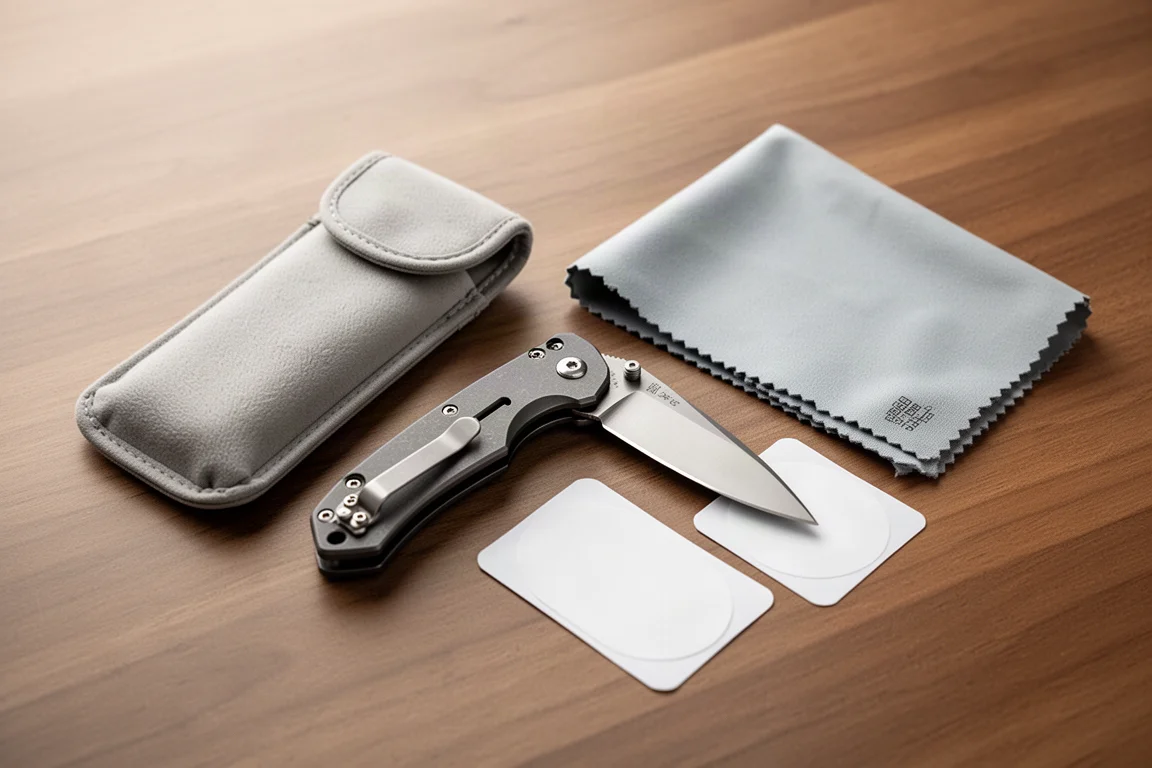
It is a small thing, but consistent packaging touches like these make the unboxing feel considered rather than generic.
Blade and Steel: The Biggest Differences
The original Praxis was one of Civivi’s earliest releases and runs on 9Cr18MoV steel. The Sin moves up to 14C28N, a steel widely regarded as one of the best budget blade steels available, and for many buyers this alone justifies the newer model.
Dimensions are close between the two: the Sin has an overall length of 8.52 inches (260 mm), a 3.7 inch blade, and a blade thickness of 0.12 inches (3 mm). Lined up side by side, the blade lengths are very similar, with the Praxis only slightly longer. The real change is shape. The Sin carries a clip point, and the blade is slightly more shallow and flatter than the Praxis, which creates a larger finger choil and a narrower, more slicey profile.
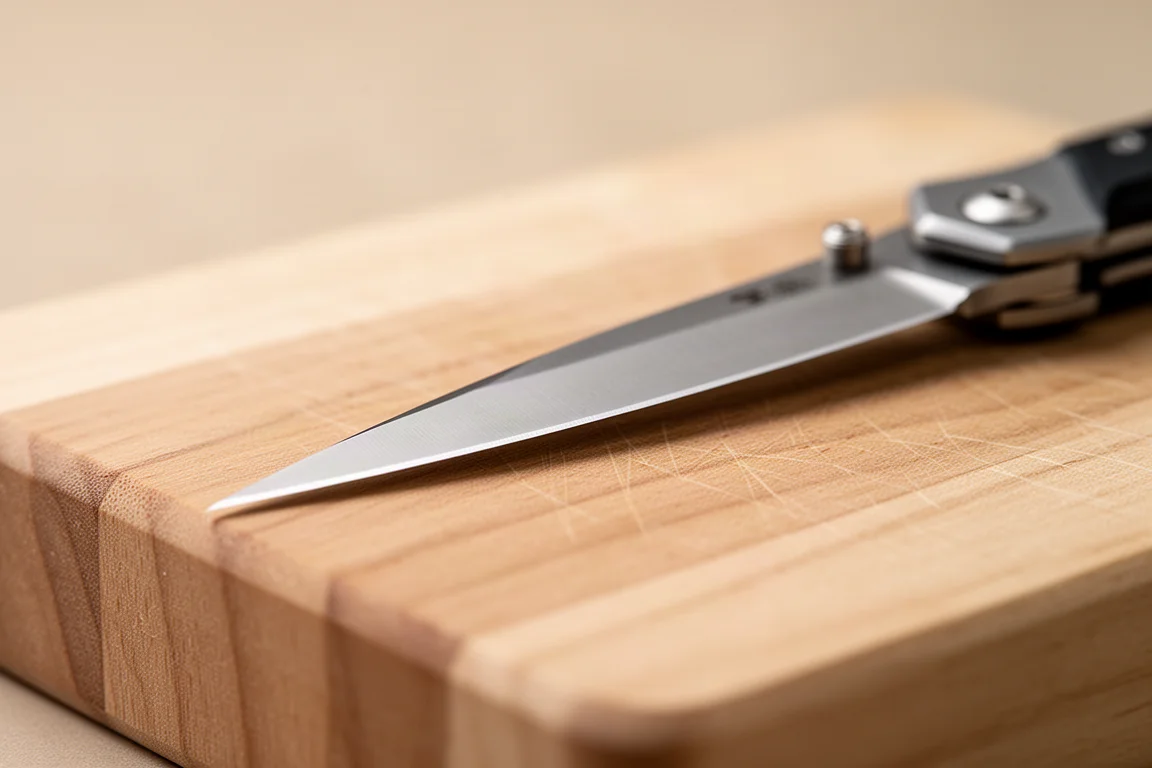
That narrower grind is what makes this folder feel like a true cutting tool rather than an all-rounder. If the Praxis ever felt like it was trying to be everything at once, the Sin commits to being a slicer, and it is better for it.
Handle, Weight, and Lock
The feel in hand is noticeably different. The Sin’s handle is thinner than the Praxis, but the knife weighs about five ounces, partly because the steel frame lock uses a solid, unmilled frame with an overtravel stop. That weight gives it a substantial, planted feel that some will prefer over lighter folders.
The frame lock is not quite as drop-shut as the Praxis liner lock because more pressure sits on the blade as it closes, but the action still rings crisp. Pivot tension can be adjusted if you want it snappier. The new handle texturing is well executed, and the black Micarta version in particular looks excellent; brown Micarta and plain stainless options are also available.
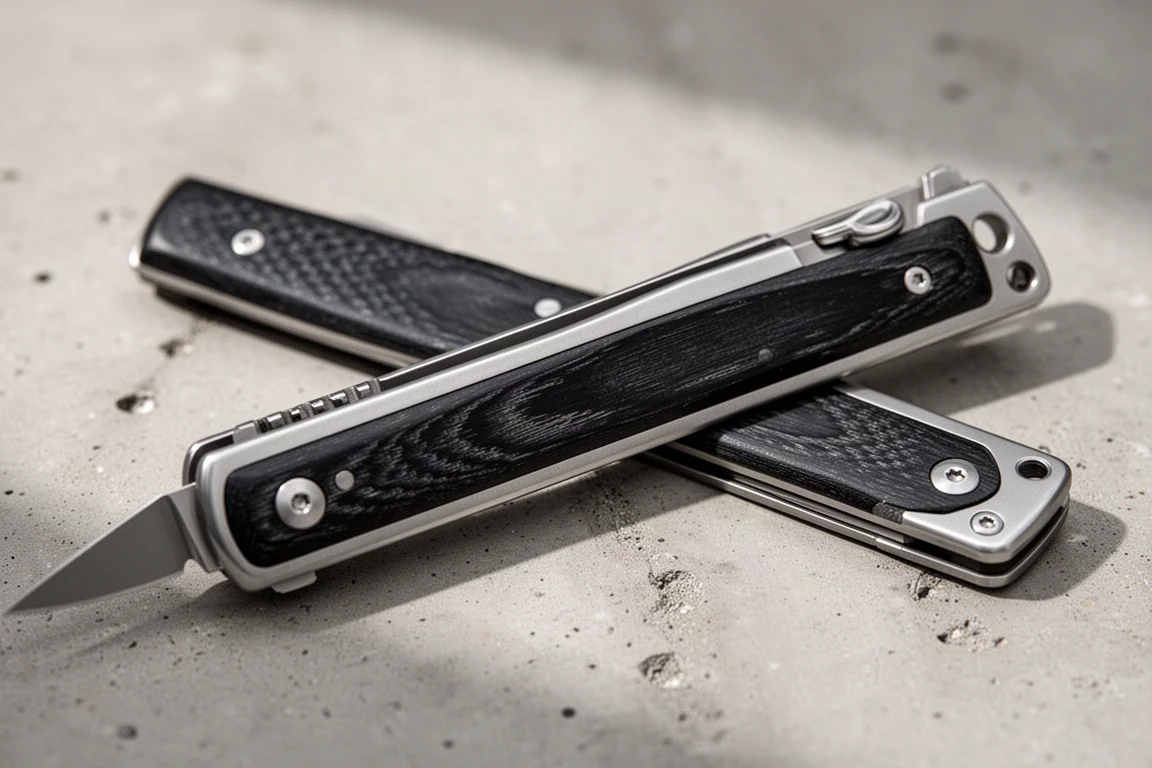
One practical bonus: because the steel frame is one solid piece rather than milled out, the Sin is substantially easier to clean than the Praxis, which has a back spacer and gaps between the lock bar and G10 where food debris can collect. The pocket clip is also reversible, so left-handed carry is possible, and closing the knife one-handed is easier than you might expect.
Which One Should You Buy?
At an MSRP of $75, the Sin sits sensibly in the middle of the market: upgraded steel, a frame lock, nice finishing, blackened T8 body screws, and an overtravel stop all add up to a fair price for what you get. It is a meaningful upgrade over the Praxis in materials and blade shape, and if you already own and love the Praxis, this is the knife you were probably waiting for.
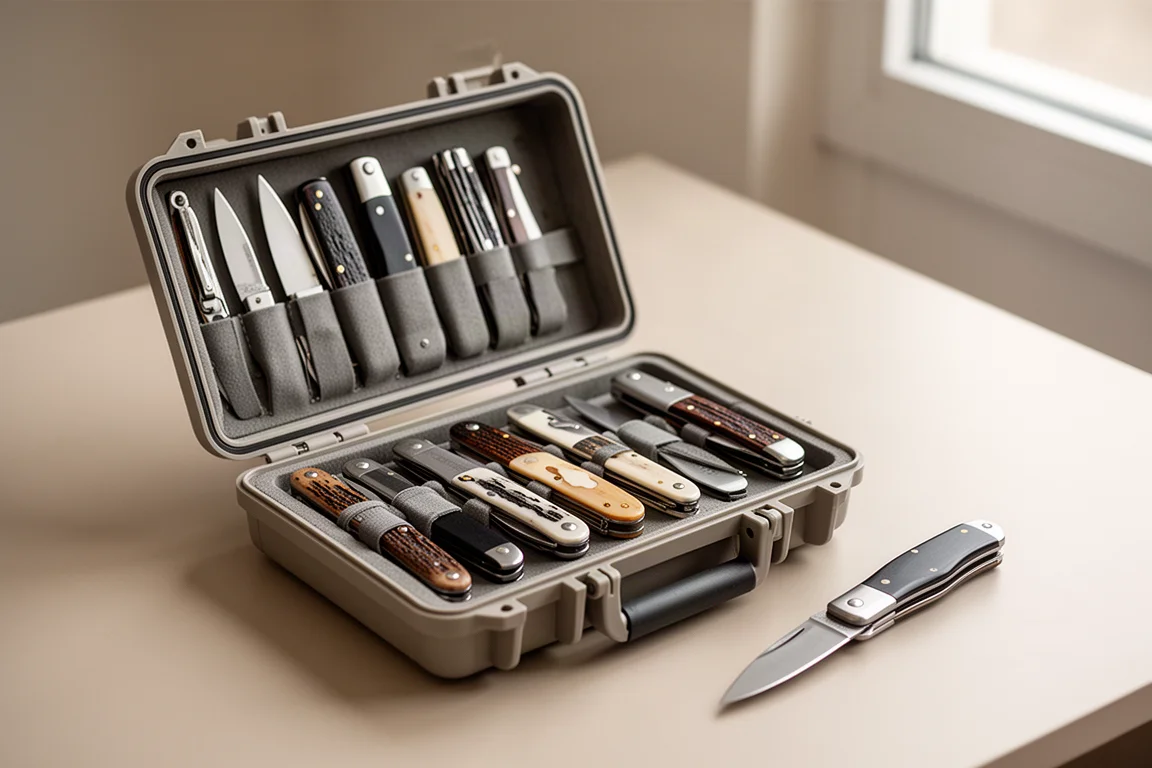
A few caveats apply. The 3.7 inch blade will not be legal everywhere, so check your local blade length rules before carrying. If you need something smaller, a sub-3.5 inch option like a button lock Elementum remains a better fit. And the Sin is a slicer, not a heavy-duty work knife: if you need toughness over cutting finesse, look elsewhere.
Conclusion
The Civivi Sin is essentially a clip point Praxis in 14C28N with a frame lock, and that is exactly what made the Praxis so beloved in the first place, refined with better steel and a more slicey blade profile. For everyday carry users who want a thin, sharp, good-looking folder in the $75 range, it is an easy recommendation, and it comfortably earns a place alongside, or arguably ahead of, the knife that inspired it.
Product link
View more details for Civivi Sin
This product is mentioned in the review. Check the specifications, options, and compatibility before buying.
View more details for Civivi SinFurther reading
Related Reviews
Everyday Carry Knives
CJRB Pyrite Review: The Popular Budget Folder Goes Fully Customizable
A closer look at the CJRB Pyrite folding knife, its Kickstarter configurations, materials from G10 to S90V, and who each version makes sense for.
Everyday Carry Knives
CJRB Pyrite Steel Review: A Sub-$60 Button Lock That Almost Gets Everything Right
A new steel-handle variant of the CJRB Pyrite brings powder metallurgy steel, a button lock, and excellent fit and finish under $60. Here's how it compares to the Pyrite XL, Elementum 2, and Vosteed Corgi.
Everyday Carry Knives
Concept Knives Main Street Review: A Budget-Priced EDC That Feels Premium
A 3.41-inch Dirk Pinkerton flipper with 154CM steel, green Micarta, and a crossbar lock. Strong fit and finish, one notable clip shortcoming.