Knife Reviews
Three New Pocket Knives Worth a Look: Civivi Jinks, Civivi Pentad, and Sencut Ingot
A fresh batch of releases covering an affordable fixed-blade bushcraft knife, a groove-heavy folder with a rare hollow grind, and a slim budget EDC with aluminum scales.
Introduction
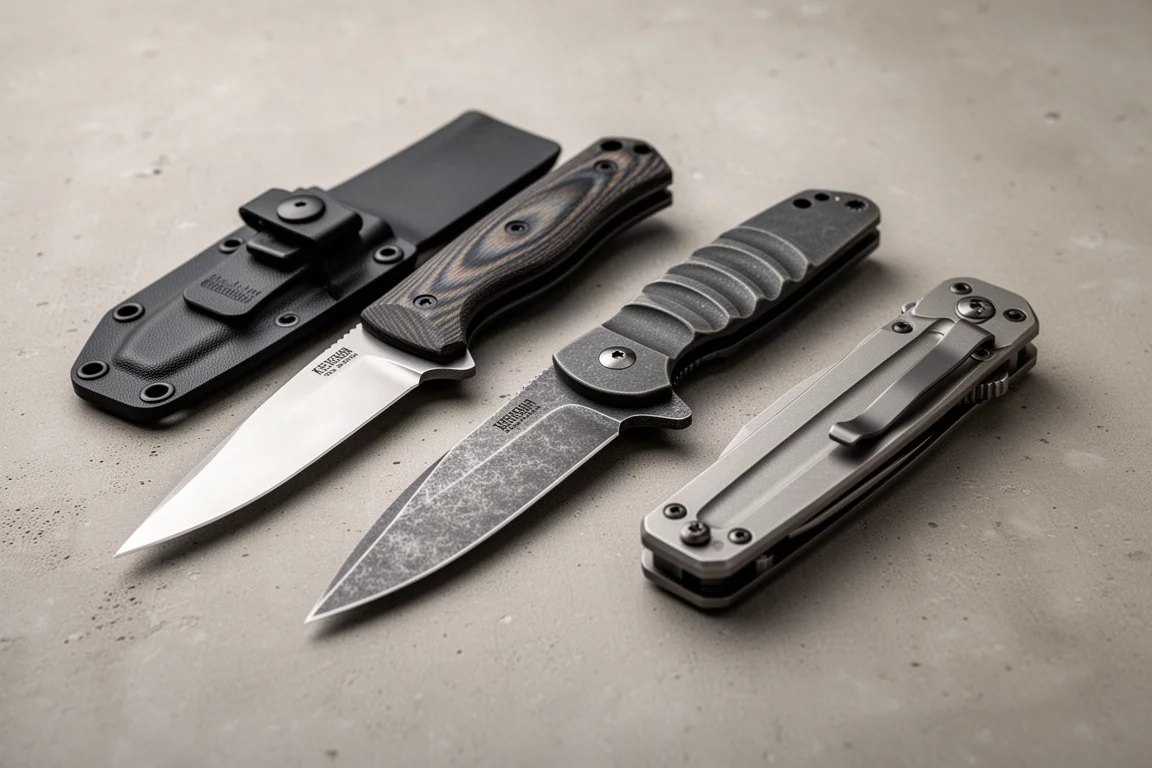
A new batch of releases has landed, and this round covers a satisfying spread: an affordable fixed-blade bushcraft knife, a big folder with a hollow grind you rarely see these days, and a slim budget EDC with aluminum scales. All three come from the same knife family, with Sencut sitting below Civivi as the more affordable line, and Civivi itself sitting below WE Knife. That vertical integration means design and build quality tend to trickle down nicely, which shows in all three of these.
Evaluation Criteria
Not every knife suits every hand, so the usual questions apply here. How does the handle work across different grips? Are there hot spots? Does the blade shape match the intended task? And is the steel right for the price? With a lifetime of knife use behind them, these picks lean toward designs that clearly signal what they will do well before you even open the box.
Civivi Jinks: An Affordable Bushcraft Blade With a Story
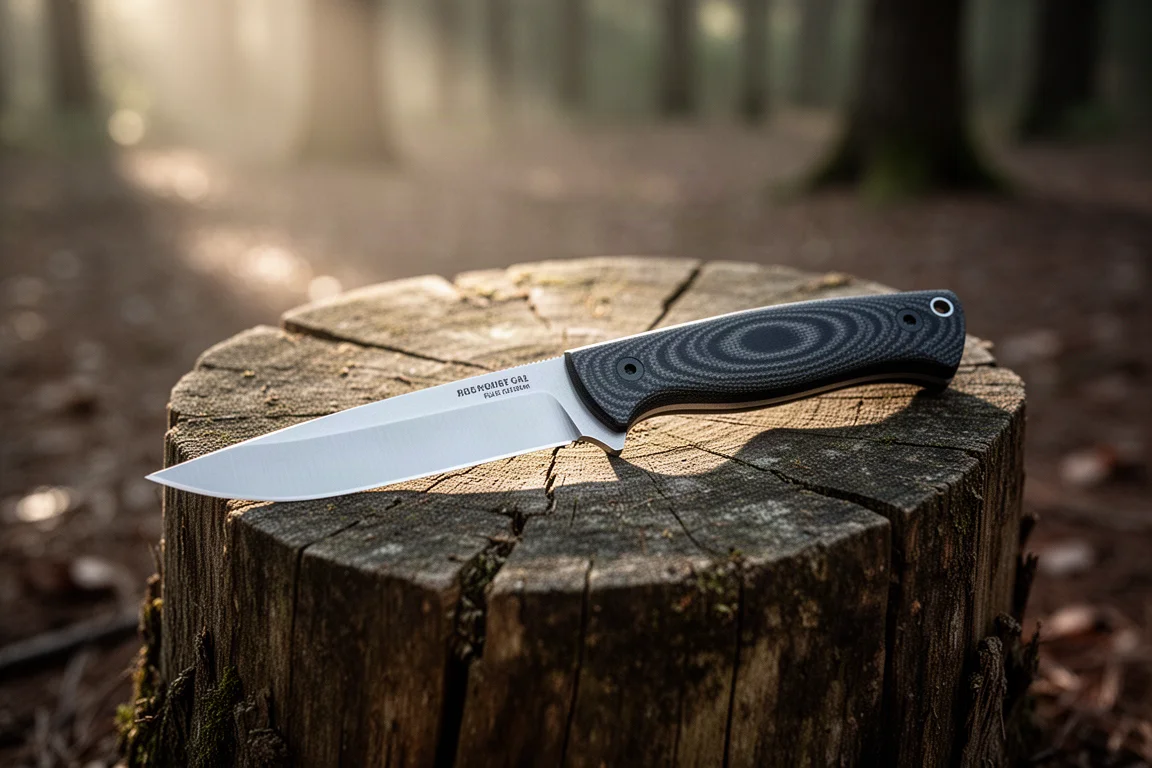
The Jinks is an unusual collaboration between Civivi and two knife makers, George Mulstain and Thomas Knives, who share a common ancestor: a blacksmith named Joseph Jinks, believed to have come to America in 1642 with a documented forge entry on the National Park Service website. The knife is a homage to that heritage.
What makes it appealing as a bushcraft option is the full flat grind paired with 14C28N steel, a genuinely good and popular steel even if its name sounds more like a chemical formula. The G10 scales come in a couple of color options, the spine is nice and thick, and it comes very sharp. You can easily strike a fire steel off the spine, which plenty of bushcrafters care about.
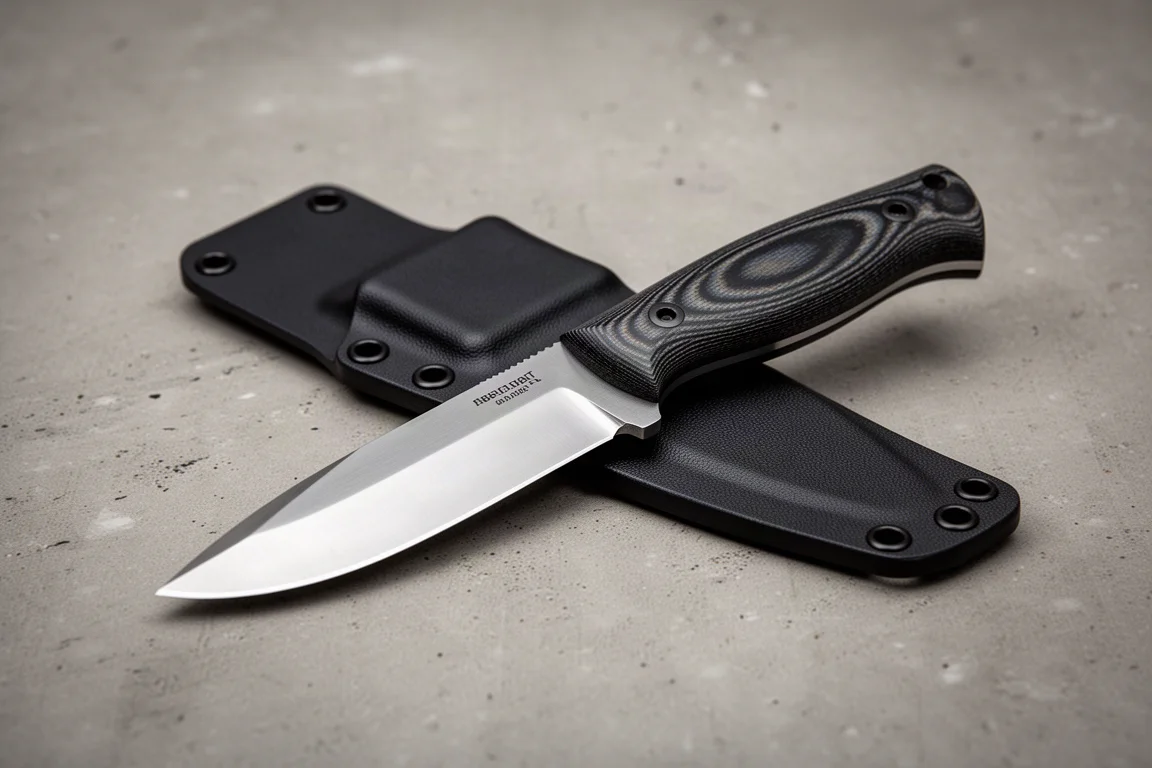
It runs about a 3.5-inch blade on an 8-inch overall length, is fairly light at 3.5 ounces with its Kydex sheath, and street price sits around $67. A solid, well-thought-out design at a friendly price.
Civivi Pentad: Five Finger Positions and a Rare Hollow Grind
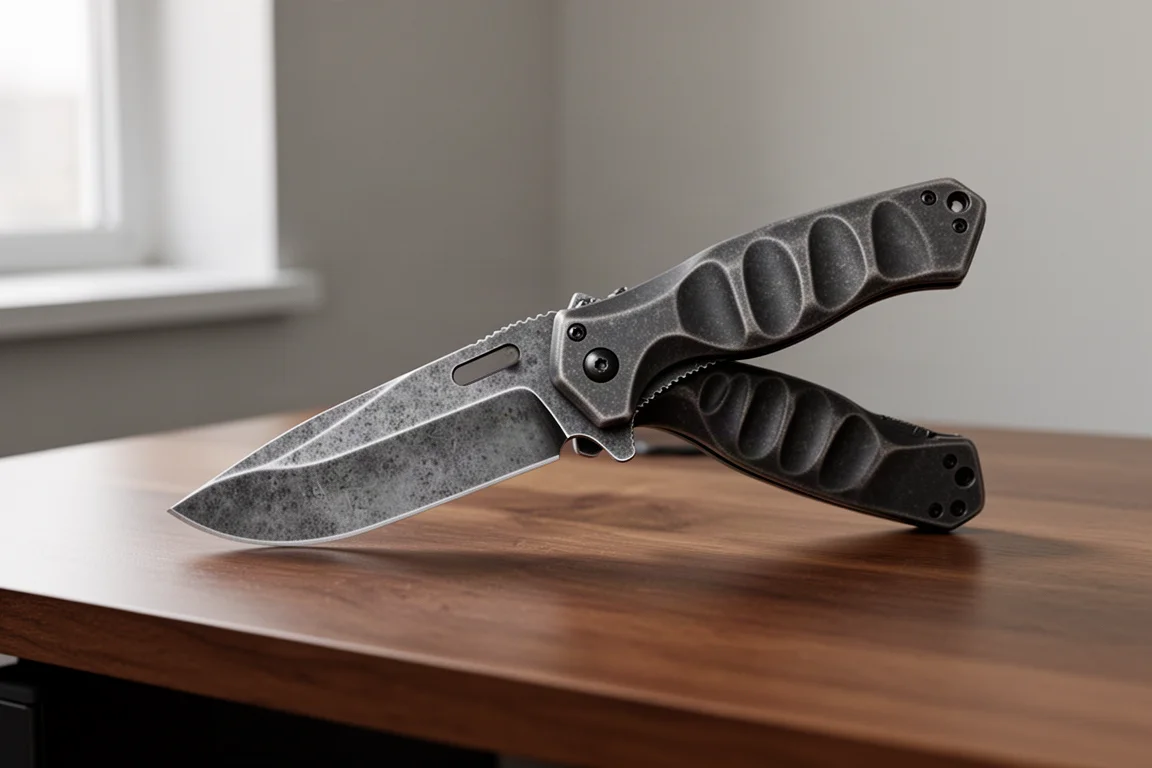
The Pentad gets its name from “a group of five”, referring to the finger grooves plus the blade choil, which together give you five hand positions. One quirk worth knowing: the thumb does not work on one side, so with four fingers you get five indexing positions.
The stonewashed Nitro-V blade uses a hollow grind, something people keep asking for. While flat grinds dominate most collections, a hollow grind like this on a big blade with almost Persian overtones feels refreshing. It is a little heavy at 4.5 ounces, but that thickness is intentional for a blade of this size.
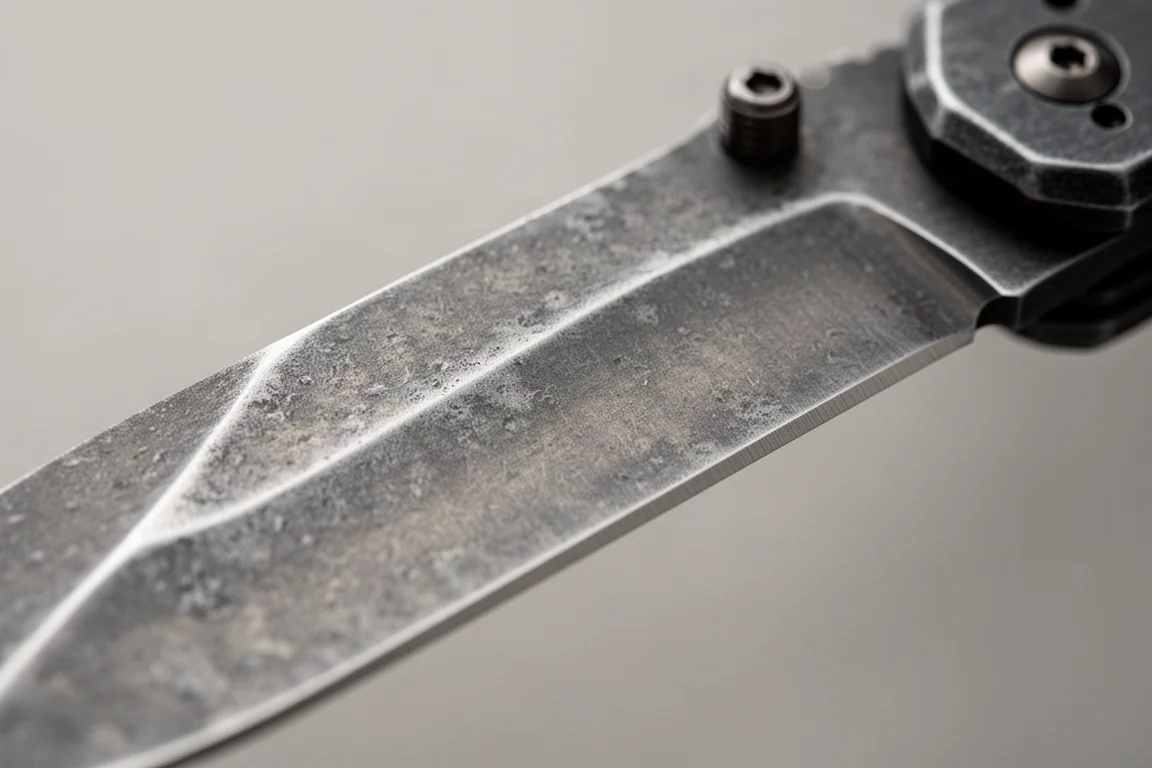
It is highly directional in how you hold it, so this is less of a do-everything bushcraft tool and more of a knife that is as much fun to hold as it is to use. Once the fairly massive blade gets past the detent in flipping, it fires out smooth on Civivi’s caged ceramic ball bearings. It would stick well too, since the blade sits in line with the handle.
Sencut Ingot: Slim, Light, and Strong for $45
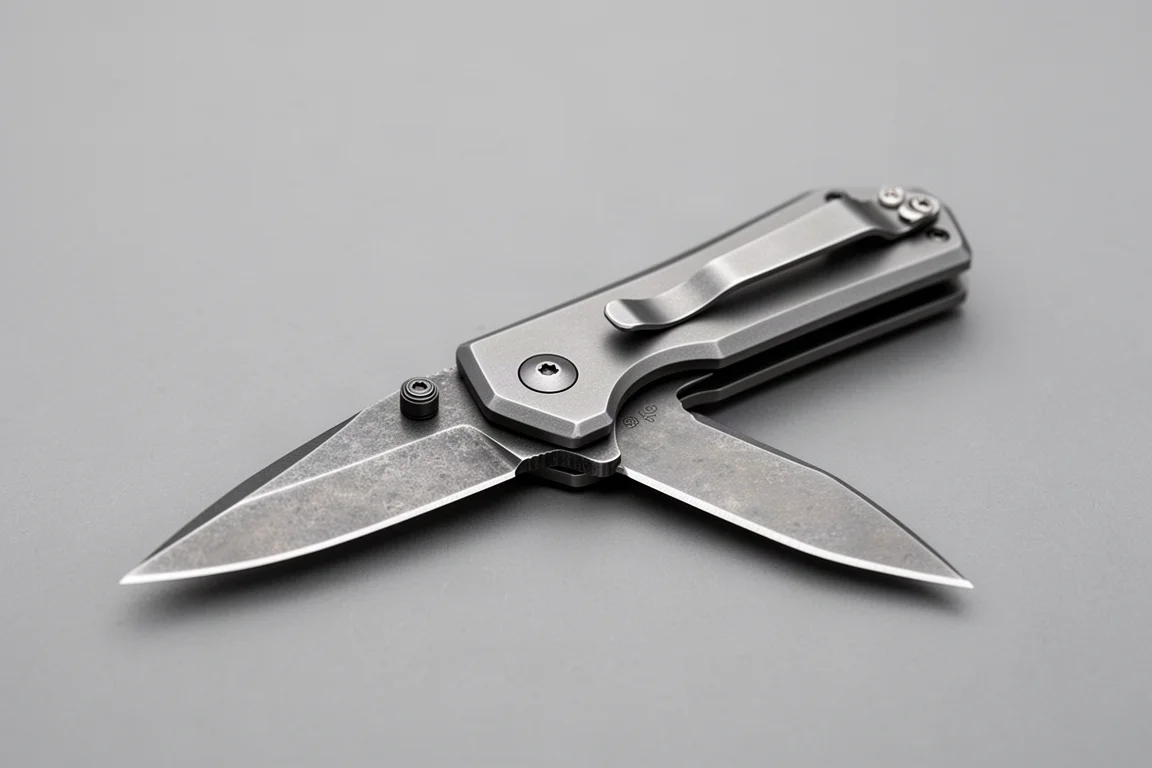
Sencut is the more affordable line beneath Civivi, and the tech transfer shows: you get genuinely nice knives at low prices. The Ingot landed at about $45 street price, and what stands out immediately is the thick aluminum scales, snappy and well finished.
The draw here is thinness. With the deep carry pocket clip and a good profile and curve, it slides down into the pocket easily and rides narrower than a Benchmade Bugout. The Bugout is a little thinner overall, but the Ingot’s aluminum construction makes it a lot stronger.
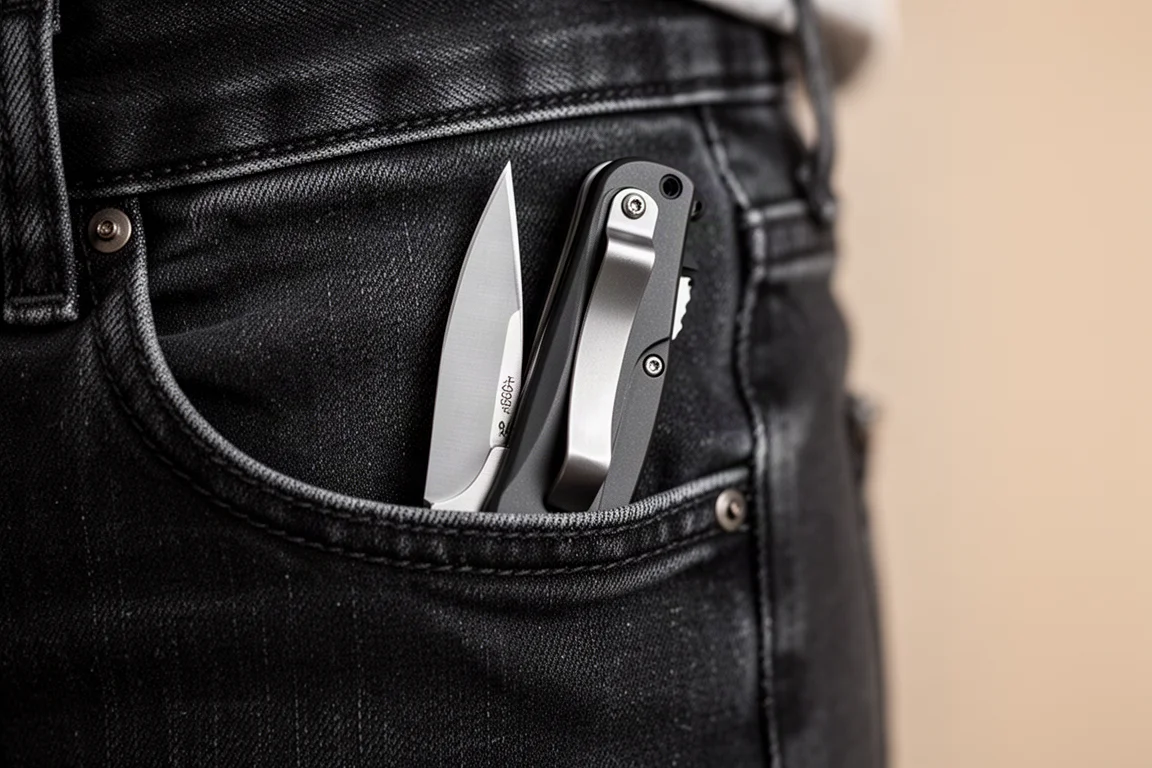
The D2 steel is nothing new, just proven, and Civivi has been putting it to good use. The flat grind comes on what Civivi calls a clip point, technically accurate given the clipped tip compared to a drop point. Specs are about 3.2 inches of blade on a 7.5-inch overall length at just 2.7 ounces.
Which One Should You Buy?
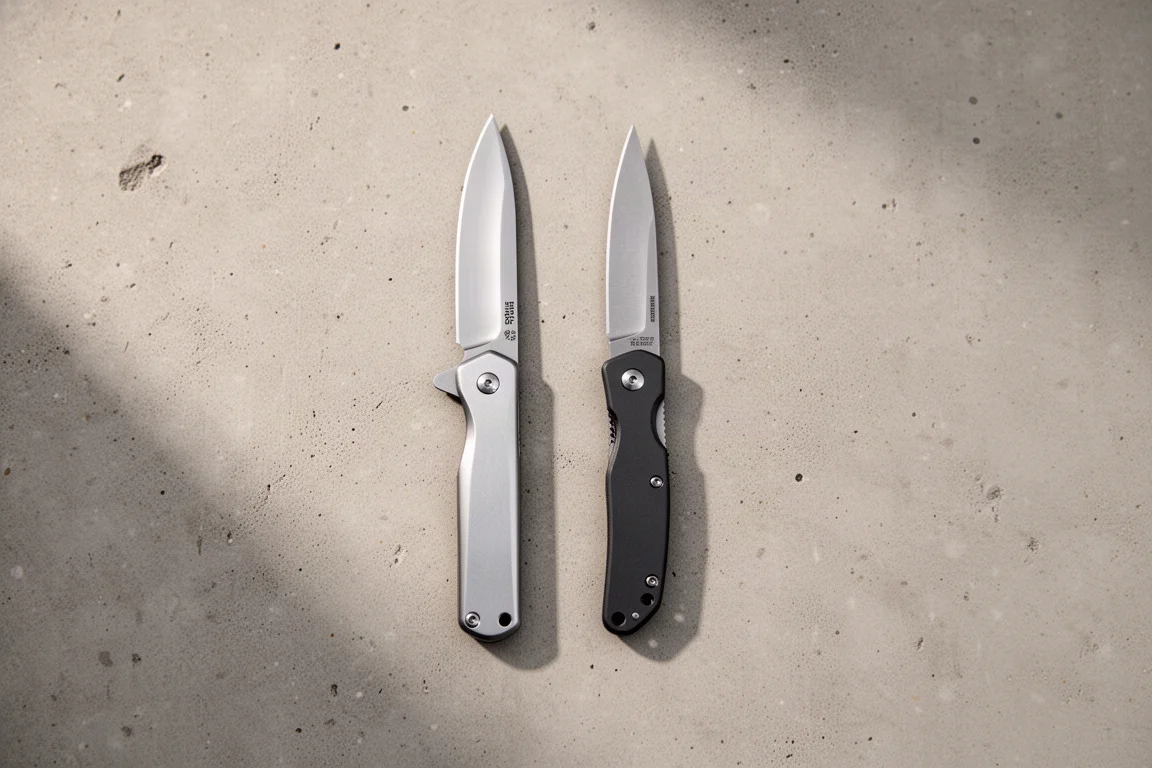
If you want an affordable bushcraft fixed blade that strikes fire steels and carries light, the Jinks at around $67 is the easy pick. If you want a big, smooth-flipping folder with character and a hollow grind, the Pentad rewards the extra weight. And if your priority is a slim, strong, budget-friendly EDC that disappears in the pocket, the Ingot at $45 punches well above its price.
Conclusion
All three knives benefit from the same design pedigree and vertical integration, and each covers a distinct niche: bushcraft fixed blade, groove-rich large folder, and slim aluminum EDC. Match the knife to the job you actually do, and any of the three is easy to recommend at its price.
Further reading
Related Reviews

Knife Reviews
Koenig Knives Mini Arius Review: A Compact Daily Carry That Punches Above Its Size
The Koenig Knives Mini Arius brings the full-size Arius design into a sub-3-inch package with impressive machining, a great action, and a few trade-offs to consider.

Knife Reviews
Monterey Bay Knives Sabertooth Review: A Heavy, Unique Titanium Folder
The Sabertooth is a distinctive full titanium liner lock with S90V steel, multiple opening methods, and a competitive price. Here is how it holds up.

Knife Reviews
Monterey Bay Knives Tusk Review: A Small Titanium Back Lock With Serious Steel
A compact titanium back lock with S90V steel, a classy look, and a price that is hard to argue with. Here is what to know before buying.