Food & Kitchen
A Field Guide to Citrus Varieties: What 20 Fruits Taste Like and How to Pick a Good One
From the original citron to yuzu and calamansi, a practical tasting guide to 20 citrus varieties, with shopping tips on weight, skin, and ripeness.
Introduction
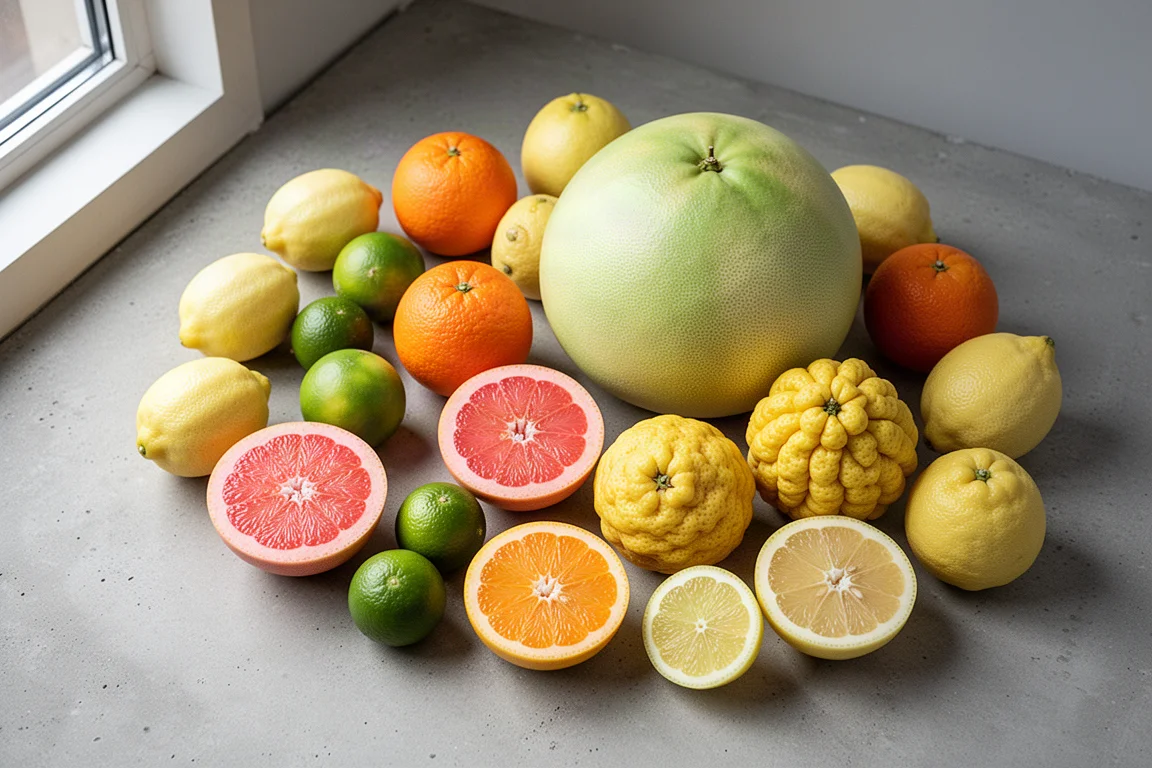
Citrus is one of the most rewarding fruit categories to shop for, because a few simple techniques can dramatically improve what ends up in your kitchen. In a recent tasting session covering everything from the original citron to yuzu and pomelo, one thing became clear: the difference between a great piece of citrus and a disappointing one is often about how you choose it, not which variety you grab.
This guide walks through the major citrus varieties, what they actually taste like, and the selection cues that matter. It is organized roughly by family: the ancestral citron, lemons, limes, oranges, mandarins, grapefruit and pomelo, and the more aromatic specialty fruits.
How to Pick Better Citrus: The Universal Tests
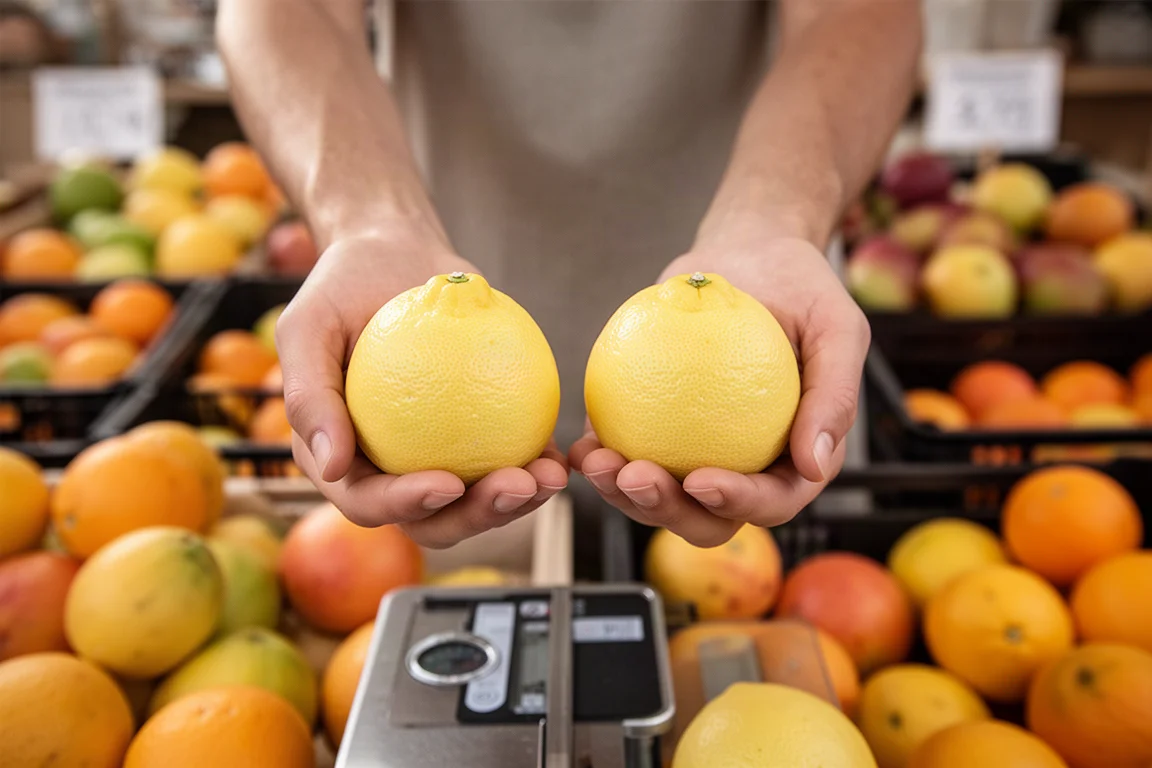
The single most useful habit is to use all your senses, not just your eyes. Juice equates to weight, so hold two fruits of the same type and choose the heavier one. A light fruit is almost certainly dry inside.
Next, squeeze gently at the waist, the weakest point of the fruit. A ripe orange or lemon gives slightly; a hard fruit is unripe, with thicker skin and less juice. Skin texture helps too: a lemon that starts bumpy on the tree smooths out and thins as it ripens, so smoother, softer skin usually means juicier and a touch sweeter fruit. Applying these small checks to fruit on the same shelf can mean a noticeably better piece every time.
One important caveat: citrus does not ripen after picking. Oranges are harvested at their ripe moment, so if the fruit feels unripe at the store, time on your counter will not fix it.
Also, do not dismiss oranges with a green tinge at a farmer’s market. Oranges are often green when fully ripe; fully orange fruit is often what supermarkets require, but color alone does not indicate ripeness.
Citron: The Original Citrus
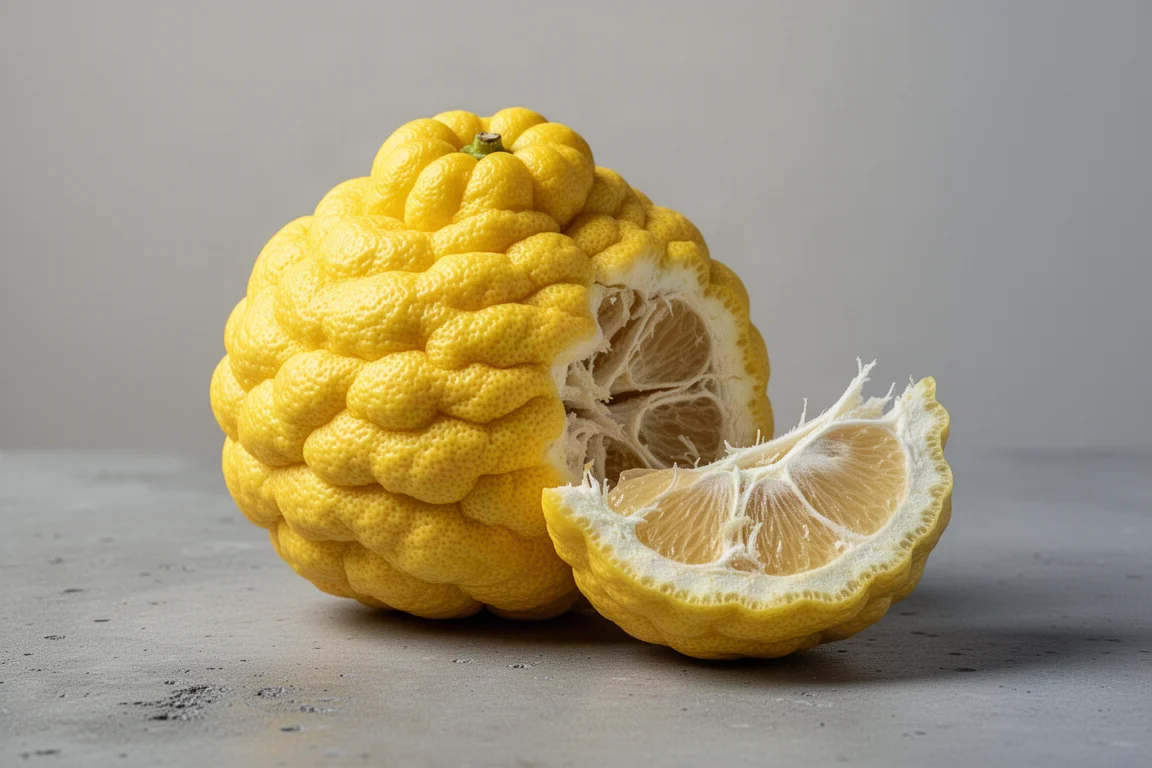
The citron is the ancestor of nearly every citrus fruit we eat today, and it behaves very differently from its descendants. It has exceptionally thick skin, dry segments with almost no juice, and very little sweetness, sourness, or bitterness. What it offers instead is aroma: scrape the zest with a fingernail and the perfume is floral, light, and clean, like the top note of a perfume, with a slight bitter edge.
That perfume is the whole point. The citron is rarely eaten fresh, but its zest and aroma make it interesting for drinks and garnishes, and it is a useful reference point for understanding how much humans have changed citrus over time.
Lemons: Lisbon vs. Meyer
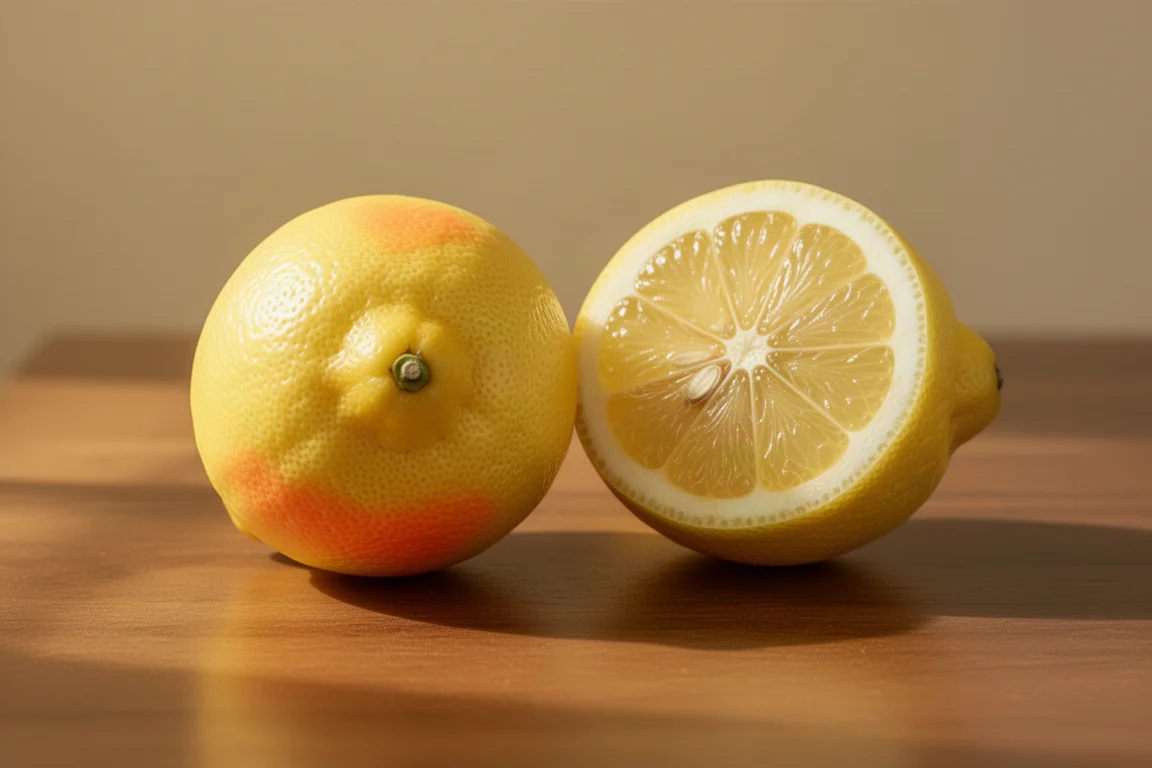
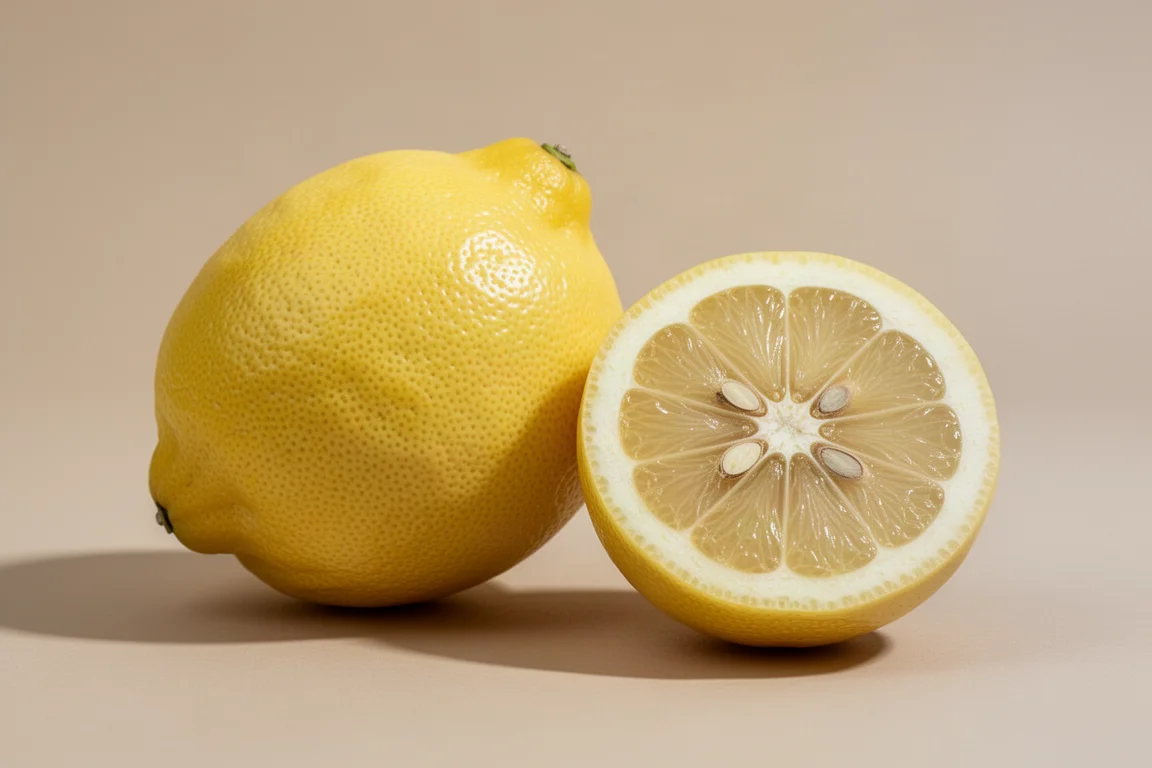
Most lemons you see in stores are Lisbon-type lemons. They have thicker skin, which helps them survive long transport, and a firm, tart, very sour profile. They are the reliable, widely available baseline lemon.
The Meyer lemon is different: it is believed to be half mandarin and half lemon, which explains the sweeter, fruitier aromatics. Meyers have a softer feel and an orange blush that makes them beautiful on the tree, but the thin skin bruises easily, so they are more often found in backyards and specialty shops than on long-haul shelves.
Limes and Their Relatives: Key Lime, Makrut Lime, Calamansi
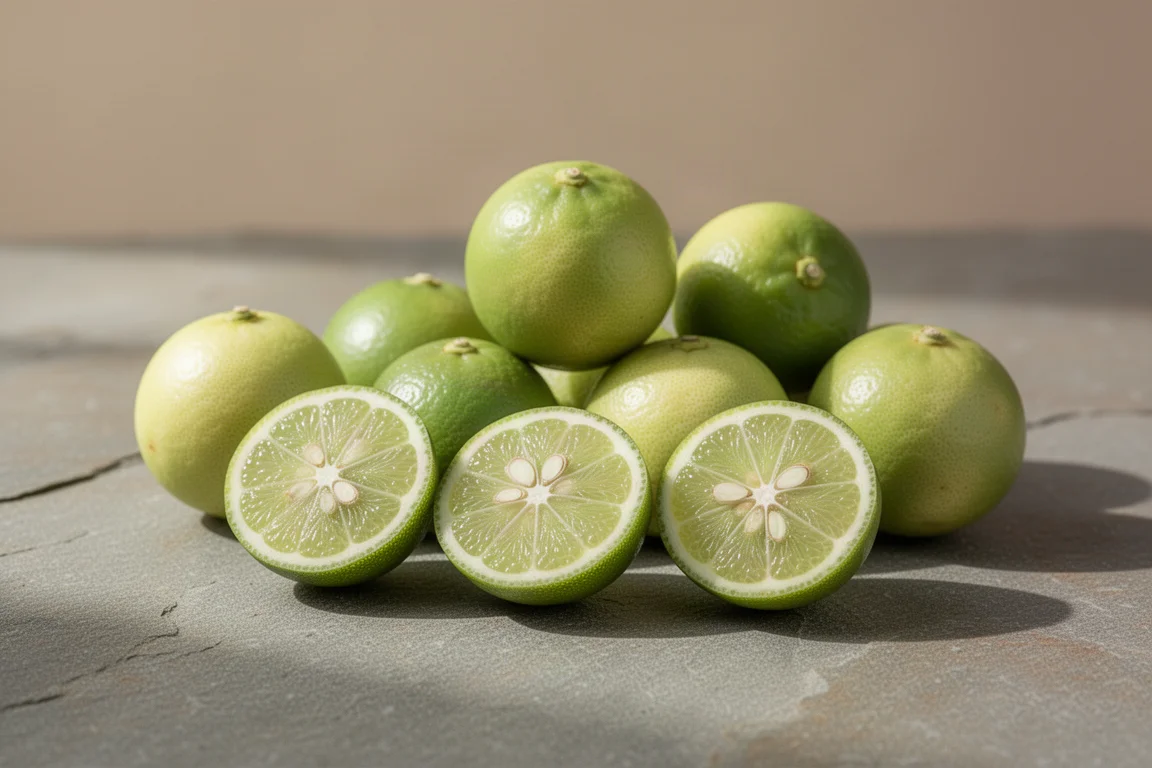
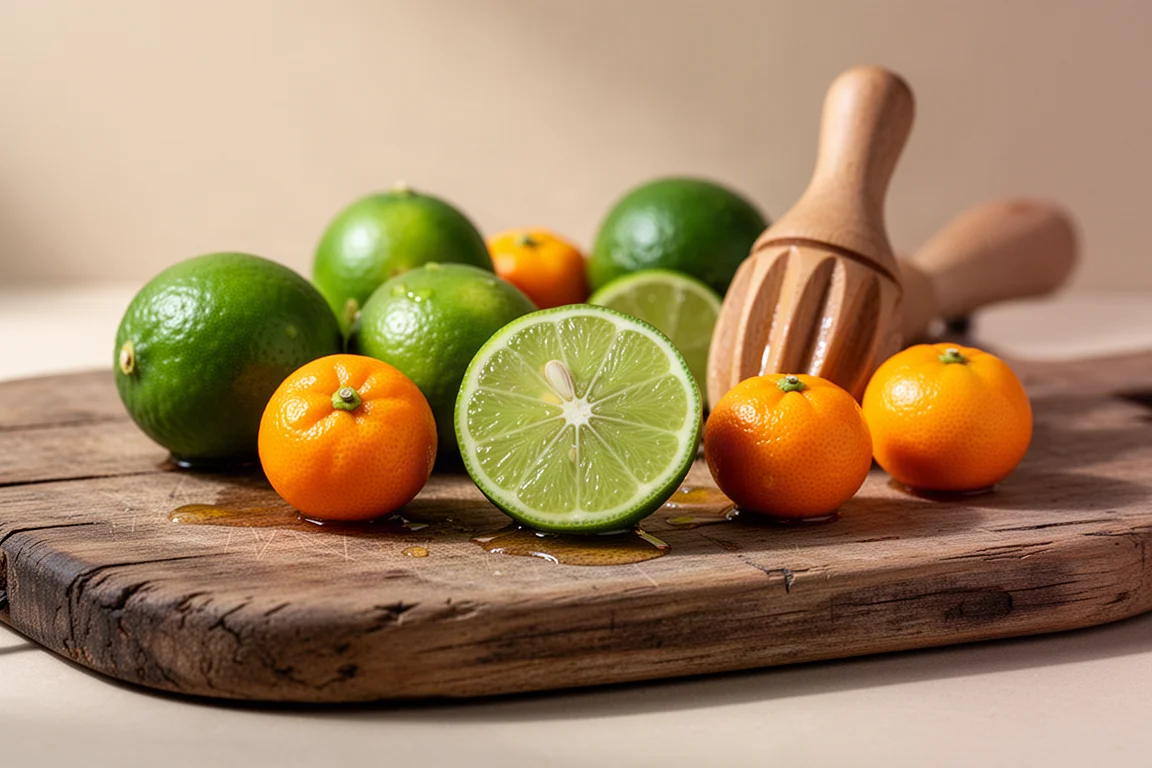
When choosing limes, the same rules apply with a twist: a bumpy, firm, harder-skinned lime will be drier and more bitter, while a smoother one yields more juice and sweetness. Limes generally taste greener and more refreshing than lemons, though the two are surprisingly similar in juiciness.
The Key lime is smaller, more floral, and noticeably more acidic and punchy than a regular lime, with a slightly drier feel. It is the classic choice for Key lime pie, and while regular limes substitute acceptably, they lack the same sharpness and floral lift.
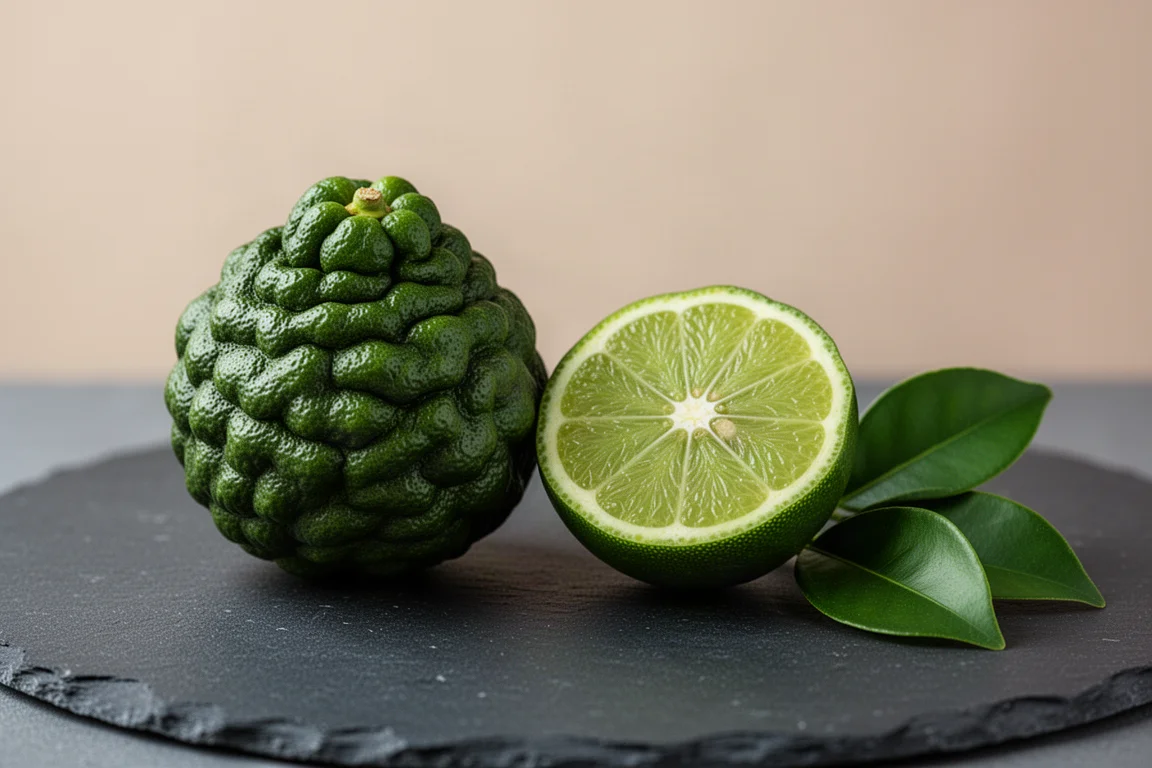
The makrut lime is unmistakable, with an extremely bumpy skin. It is grown primarily for its rind and leaves, which are essential in Thai curry pastes and Southeast Asian cooking. The leaves smell subtly of lemongrass when crushed, and the skin delivers an intense, almost mentholated aromatic burst. The fruit itself, however, is very sour, very bitter, and tannic, with a stinging, lingering quality. It is not a snacking fruit.
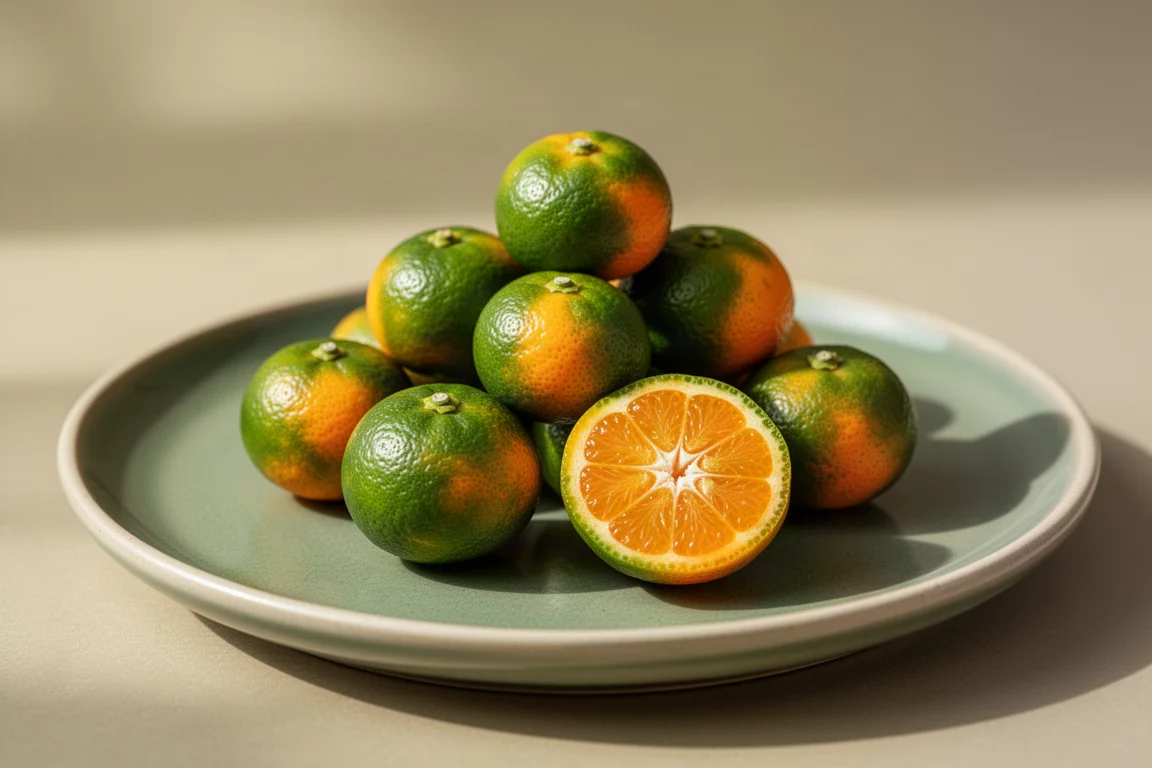
Calamansi is a beloved Filipino citrus used to cut through rich savory dishes and brighten salads. Picked ripe, it takes on an orange tinge, has remarkably thin skin, and is extremely juicy, with juice that looks like a mini mandarin’s. The flavor is intensely tart, like a mandarin with the acidity cranked up, but balanced by enough sweetness that it never turns aggressive. In Southeast Asia it is a fixture of the garnish pile, squeezed over anything that needs vibrancy.
Oranges: Navel, Valencia, Cara Cara, Blood, and Sour
A good orange balances intensity and sourness, and the way you cut one changes the experience. Cutting through the stem leaves the fibrous, slightly bitter core in every wedge. Cutting around the stem instead gives clean wedges that release their juice immediately, a noticeably better eating experience.
The Navel orange, identifiable by the small navel at its blossom end, is the classic snacking orange with a firm texture and good perfume. The Valencia, marked by a small dot at the bottom, is juicier in character and better suited to juicing, with thinner membranes that collapse into juice when bitten. Valencias hold their sweetness for a day or two in the fridge after juicing, while juiced Navels turn bitter within about an hour due to a compound called limonin.
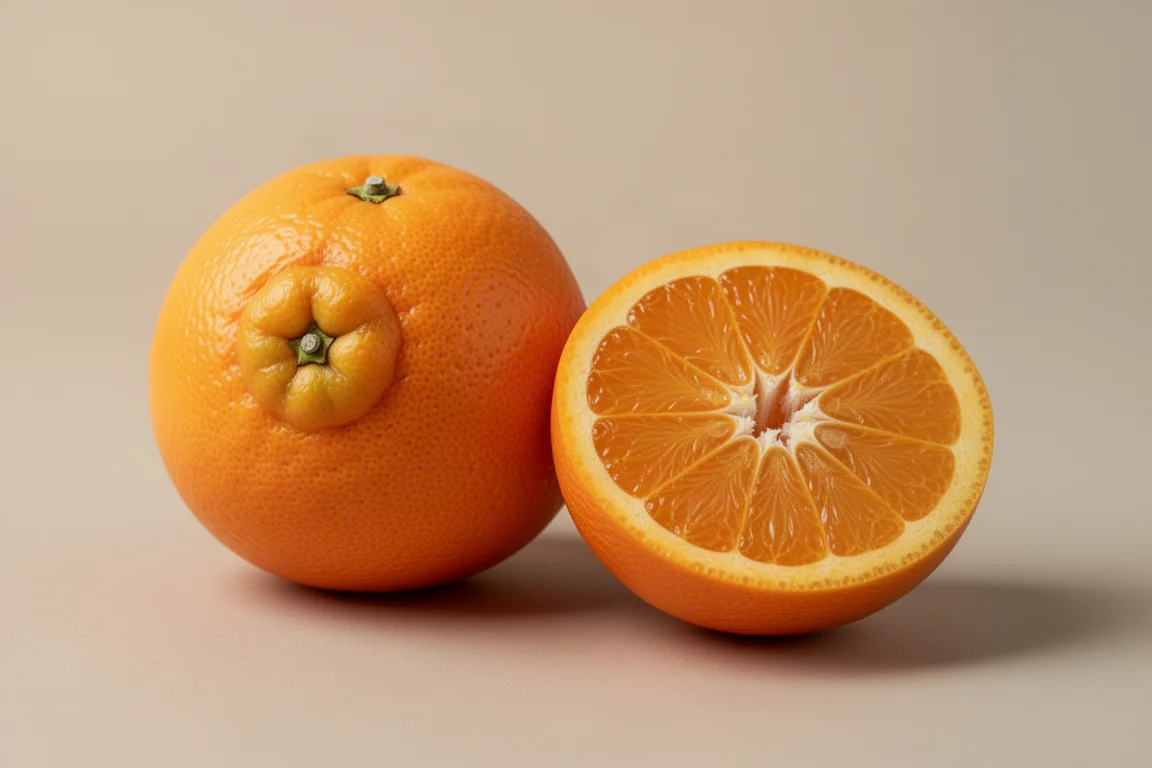
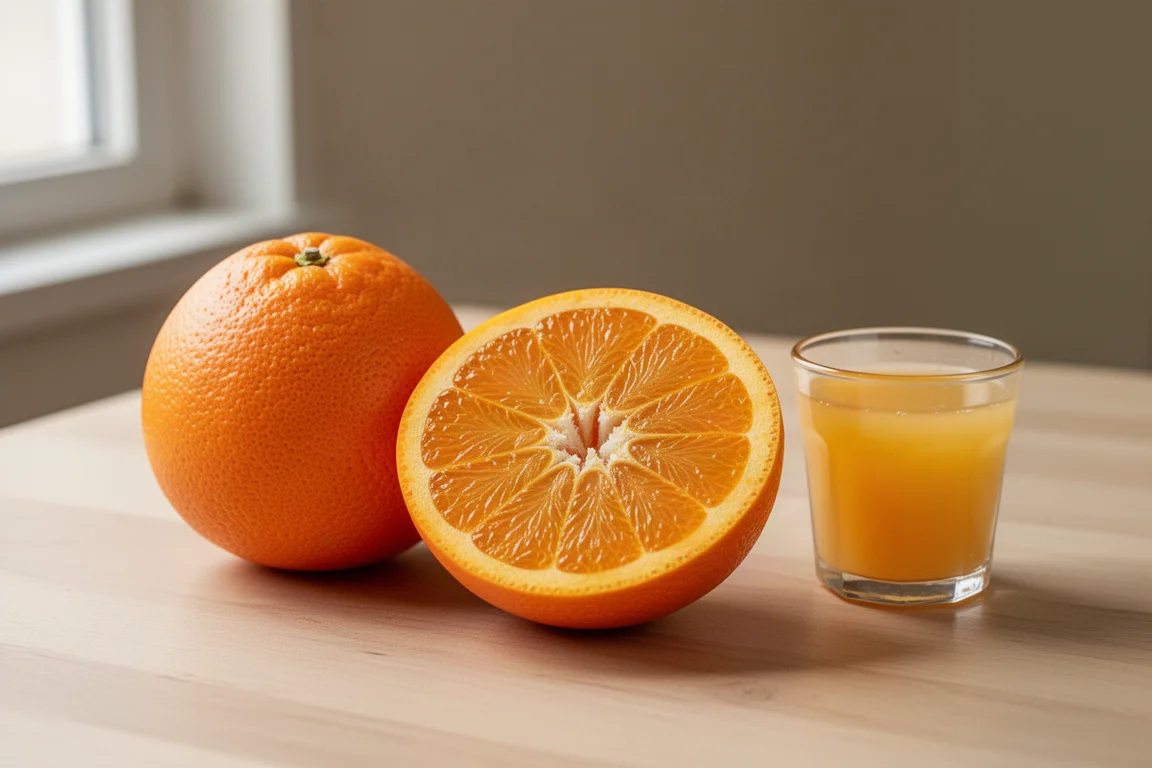
The Cara Cara orange began as a mutation of a single tree at Hacienda Cara Cara, propagated by grafting. Its pink-red flesh is striking, and the flavor delivers a stronger acid hit than a Navel, matched with real sweetness. It is one of the most rewarding eating oranges available.
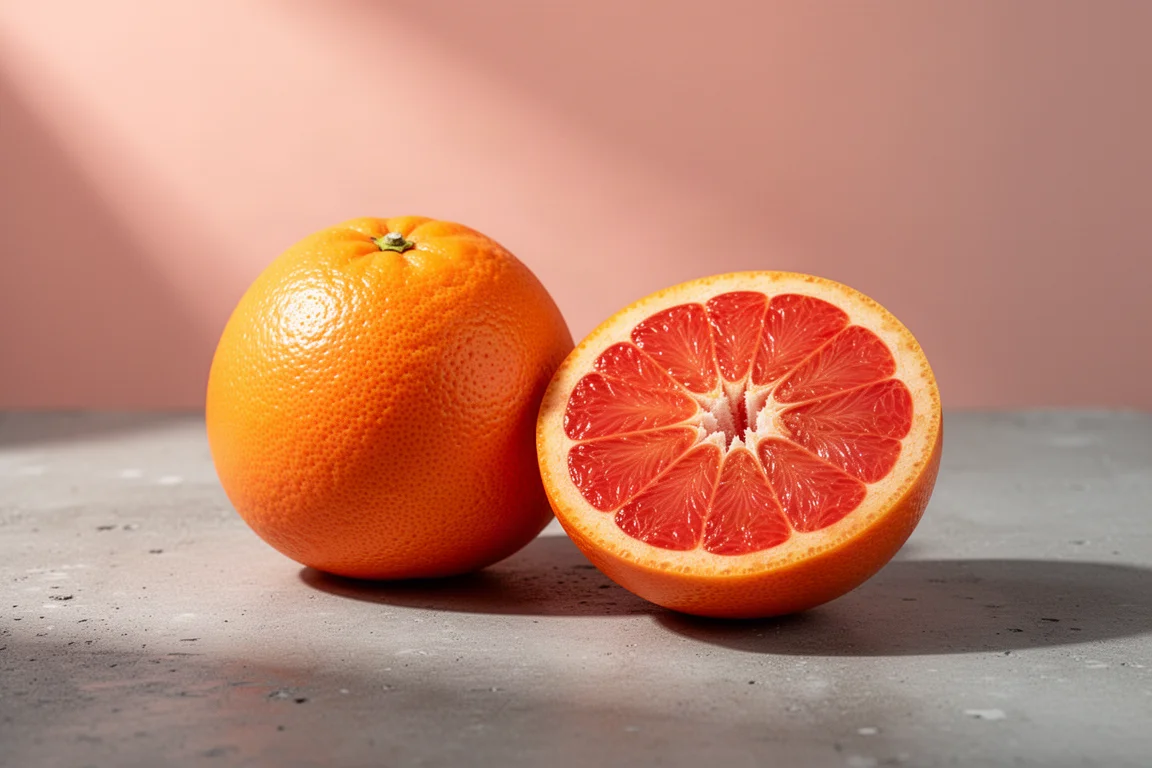
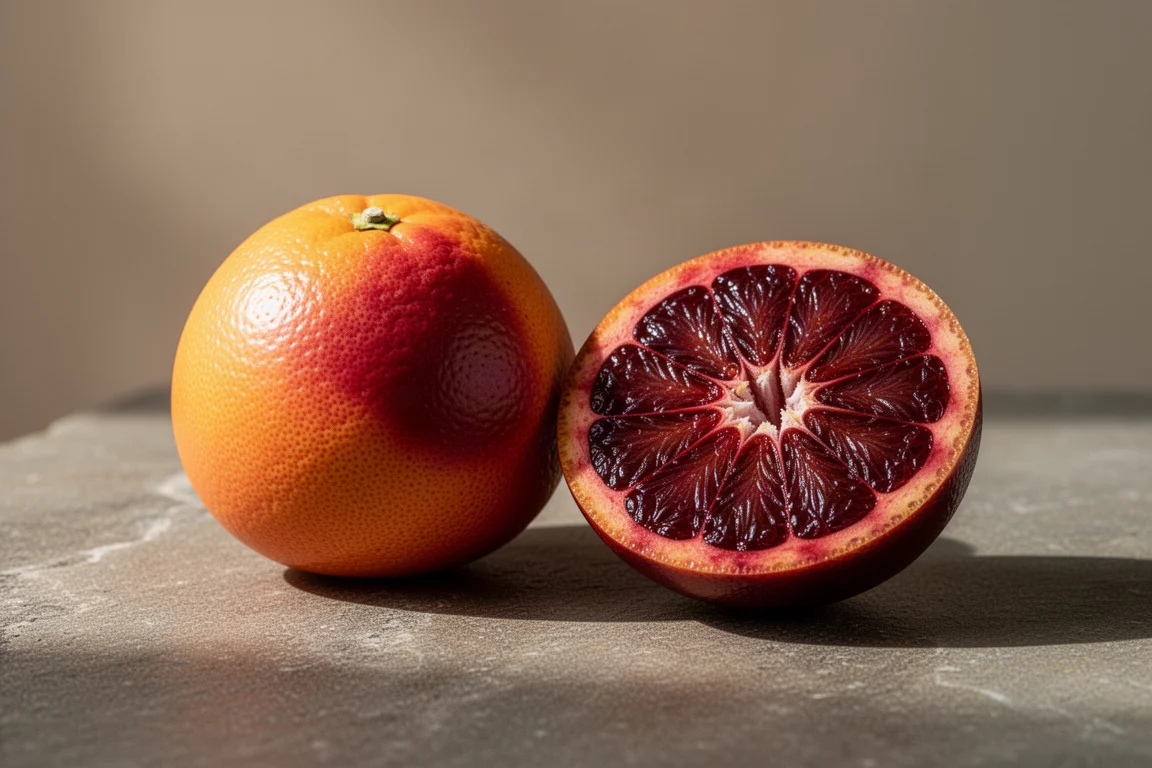
Blood oranges come in several varietals, and the deep red blush on the skin is a hint, though not a guarantee, of red flesh inside. Their defining trait is low acidity: they taste sweeter than other oranges even though their actual sugar content is likely similar, simply because less acid is there to mask it. The trade-off is a flatter perfume than a Navel or Cara Cara and slightly less juice.
The sour orange is not for eating fresh. It is sharp, watery, and bitter, with a clean finish and no aftertaste, which is exactly why it appears in Yucatecan and Caribbean cooking, particularly in marinades where high acidity has traditionally played a food-safety role.
Mandarins: Dekopon, Satsuma, and Tangerines
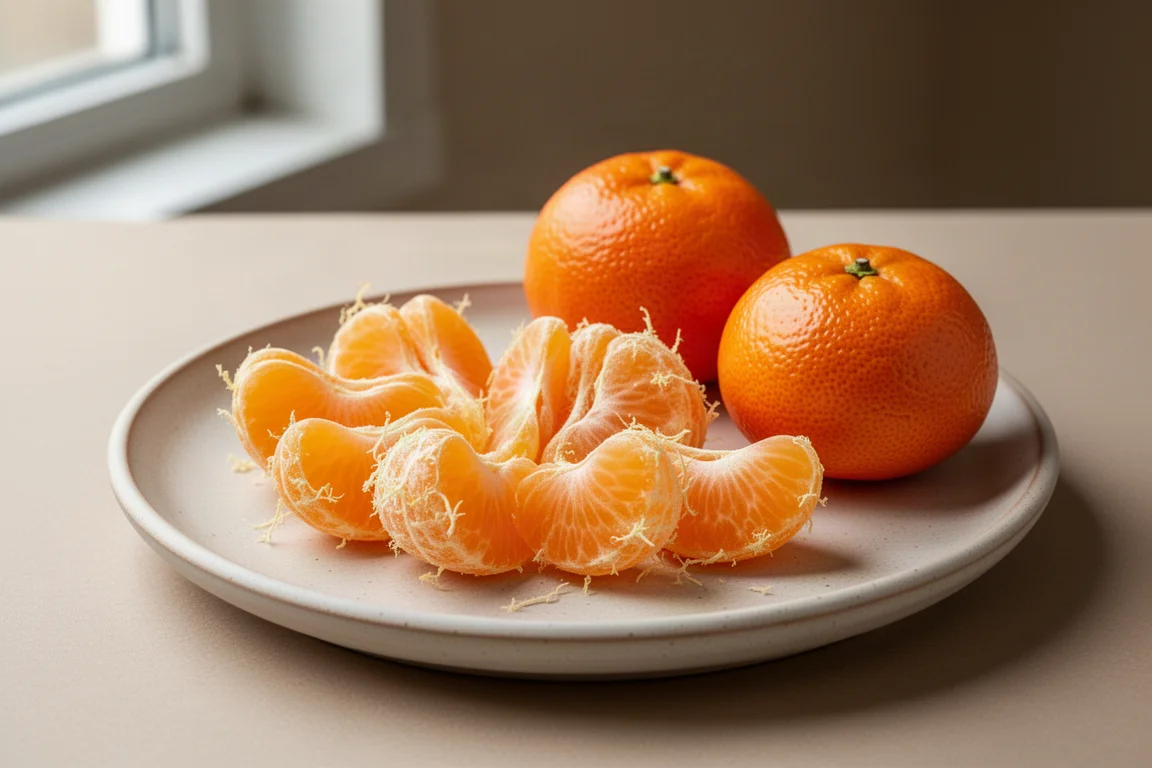
Mandarins have grown in popularity over the past two decades while orange sales have stayed flat, largely because they are a convenient, lunchbox-friendly, easy-to-peel snack. A good mandarin’s pith and segment skin actually add flavor and balance rather than bitterness, unlike with oranges.
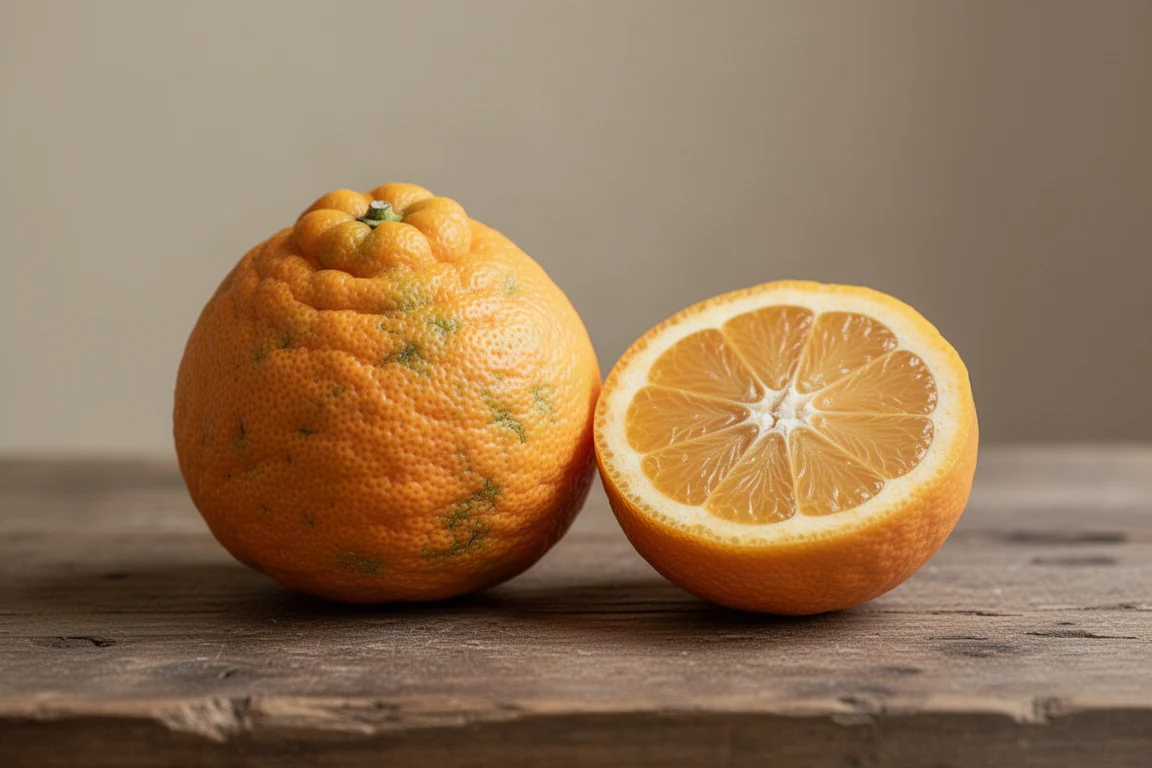
The dekopon, from Japan and marketed as the Sumo in the United States and Australia, is a large, distinctive mandarin with a knobbed top. It is a touch drier than most mandarins but sweet and well balanced, with a segment skin that holds the acidity together beautifully. Note that branded cultivars like this carry licensing royalties for growers, which is part of why they command a premium.
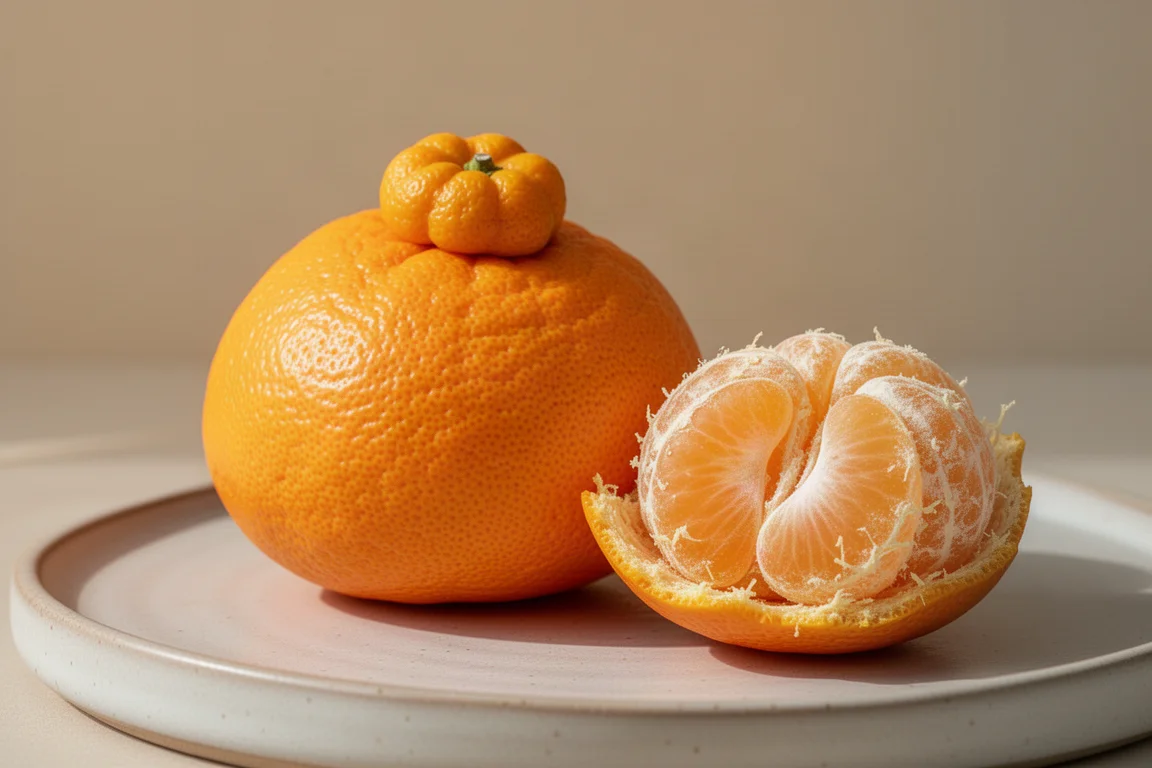
The Satsuma is one of the original mandarin varieties, with thick skin and generous pith that lend a savory, balanced character rather than an intense sweet punch. Regular mandarins are juicier and sweeter, with a brighter, almost canned-mandarin vibrancy when fresh.
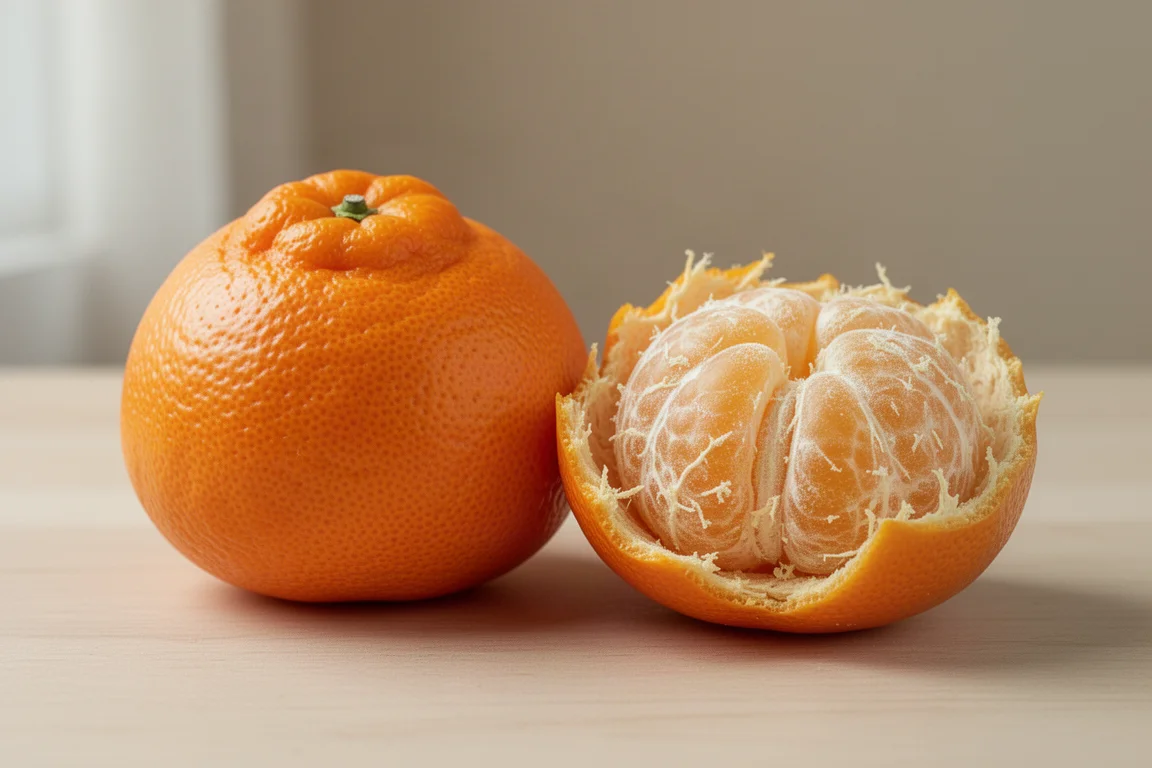
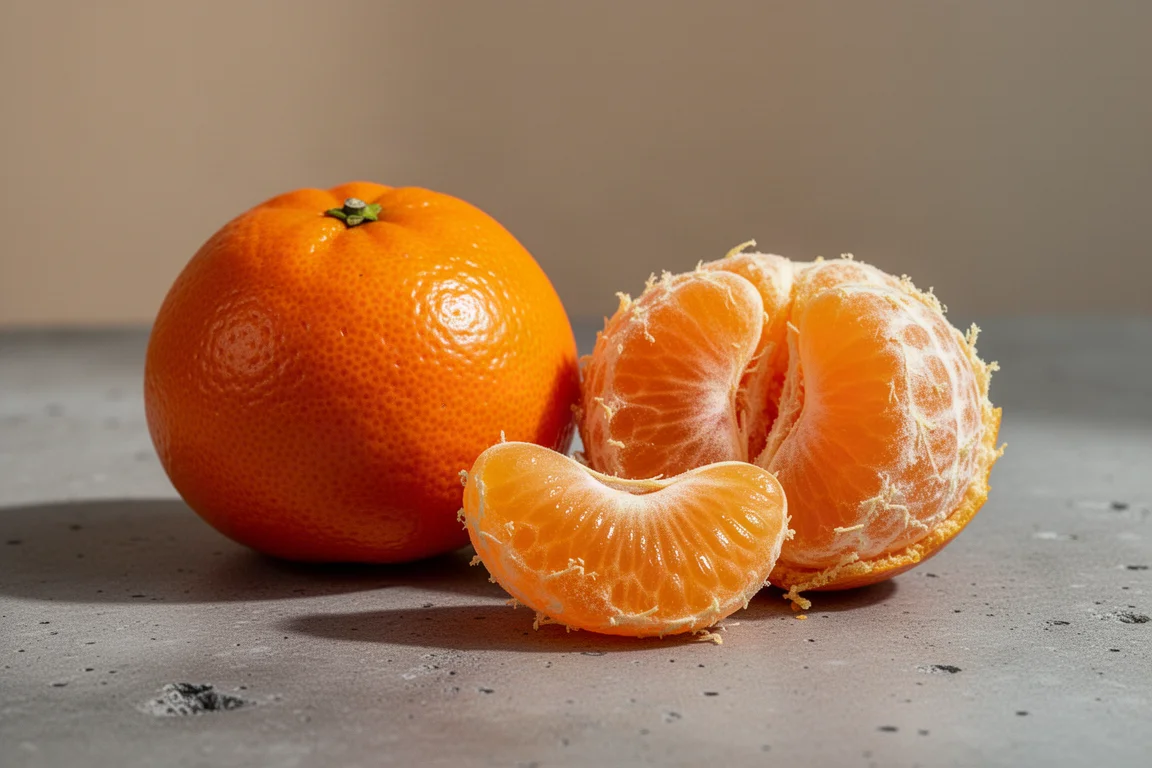
Tangerines offer the most intensity of the group: juicier, leaning toward orange territory in texture, but more sour, with aromatics and acidity that skew toward the lime side. Their segments have more fibrous grip, which some people enjoy and others find chewy.
Grapefruit and Pomelo: The Big, Bold End
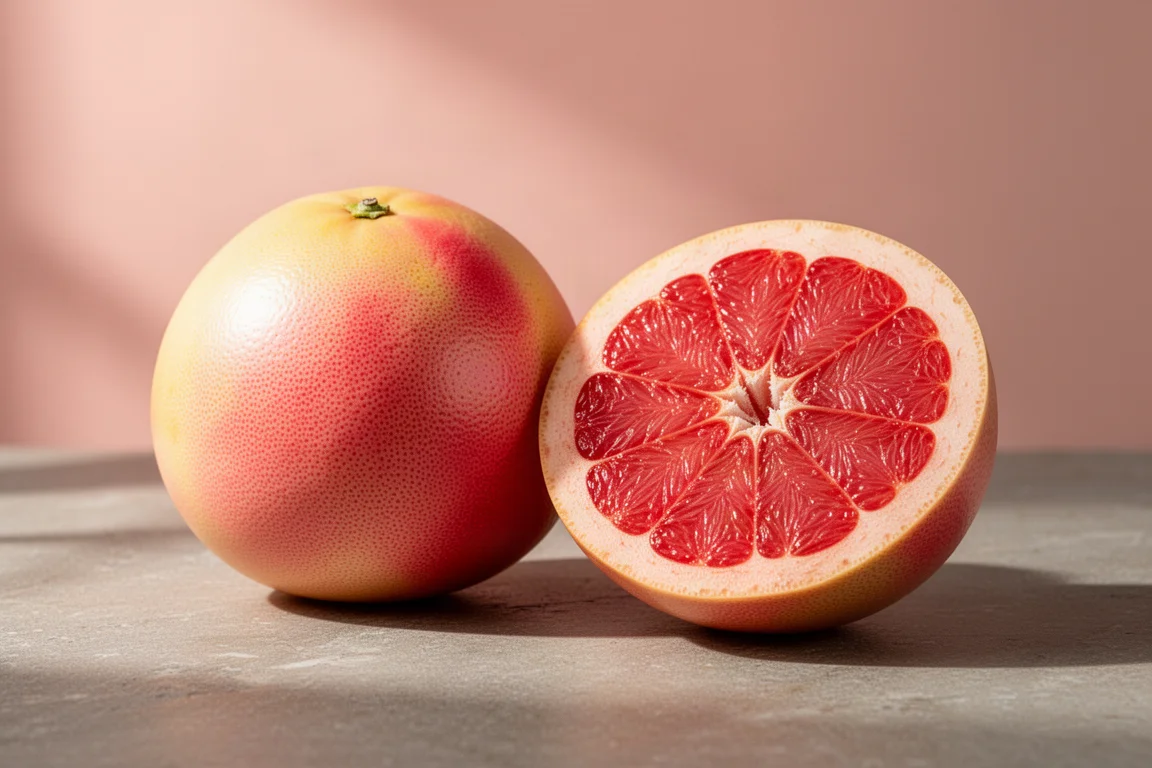
Grapefruit has quietly resurged, with modern breeding producing sweeter, less bitter fruit than many people remember. A good ruby red grapefruit is beautifully structured, with pulp that holds together and a balance of sweetness and that classic gin-and-tonic bitterness. Expect a grippy tannin that dries the mouth slightly, though the best modern specimens are milder than older ones. Grapefruits are juicier than pomelos and more sour.
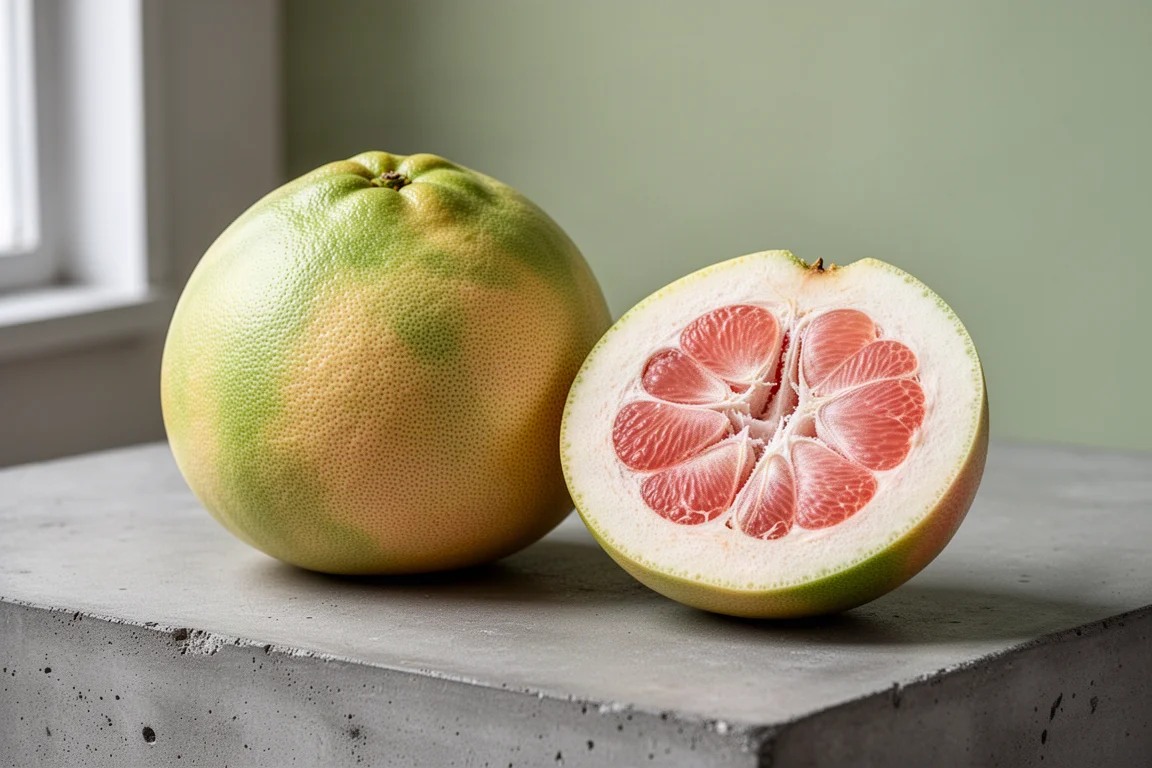
Pomelos, botanically Citrus maxima, are enormous, and every variety is genuinely different. The classic red pomelo offers the traditional balance of sourness, mild sweetness, and gentle bitterness, with sturdy arils that crunch and release juice in a very visceral eating experience. It is less intense than grapefruit and excellent in Southeast Asian salads.
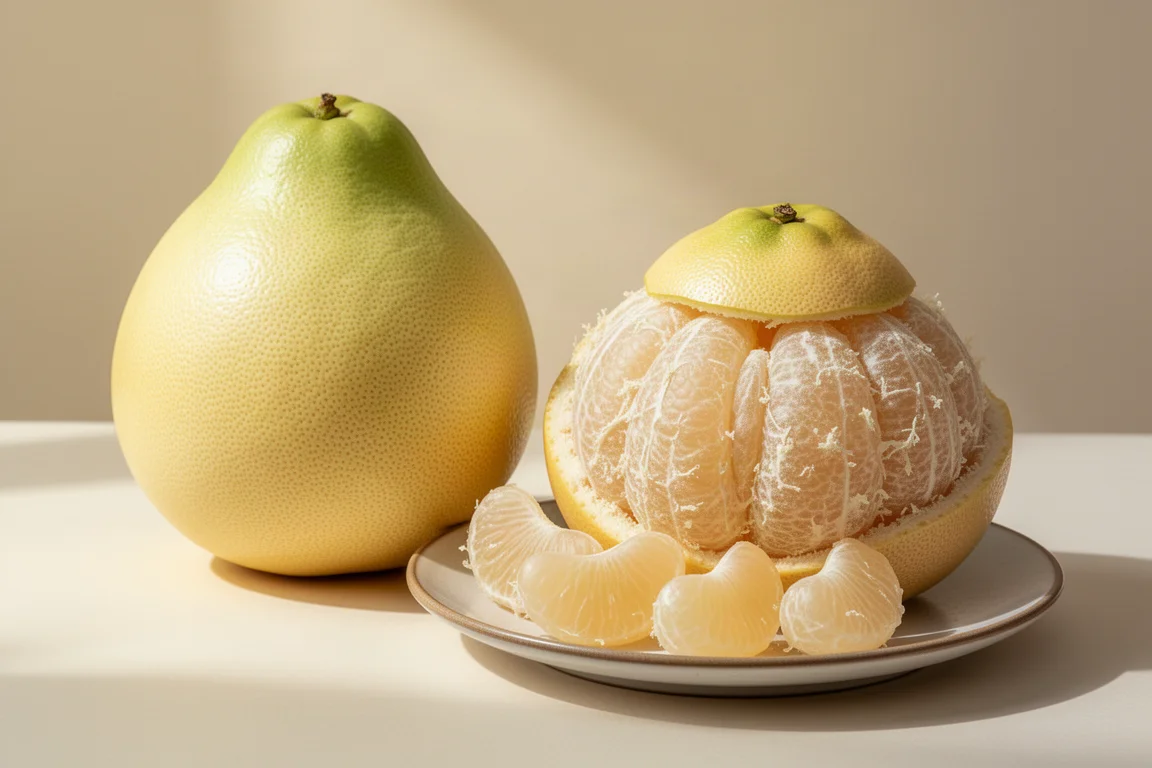
The honey pomelo, often from China, is sweeter and milder still, with almost no bitterness, only a tinge of tang. Its arils are firm enough to toss into a salad like pomegranate seeds without making everything soggy. To open a pomelo properly, slice off the top, score the thick rind several times, pull out the first segment, then work sideways to separate each piece. Never chop straight through the middle.
Specialty and Aromatic Citrus: Yuzu, Bergamot, Buddha’s Hand
The final group is not for snacking, but each fruit offers something the others cannot.
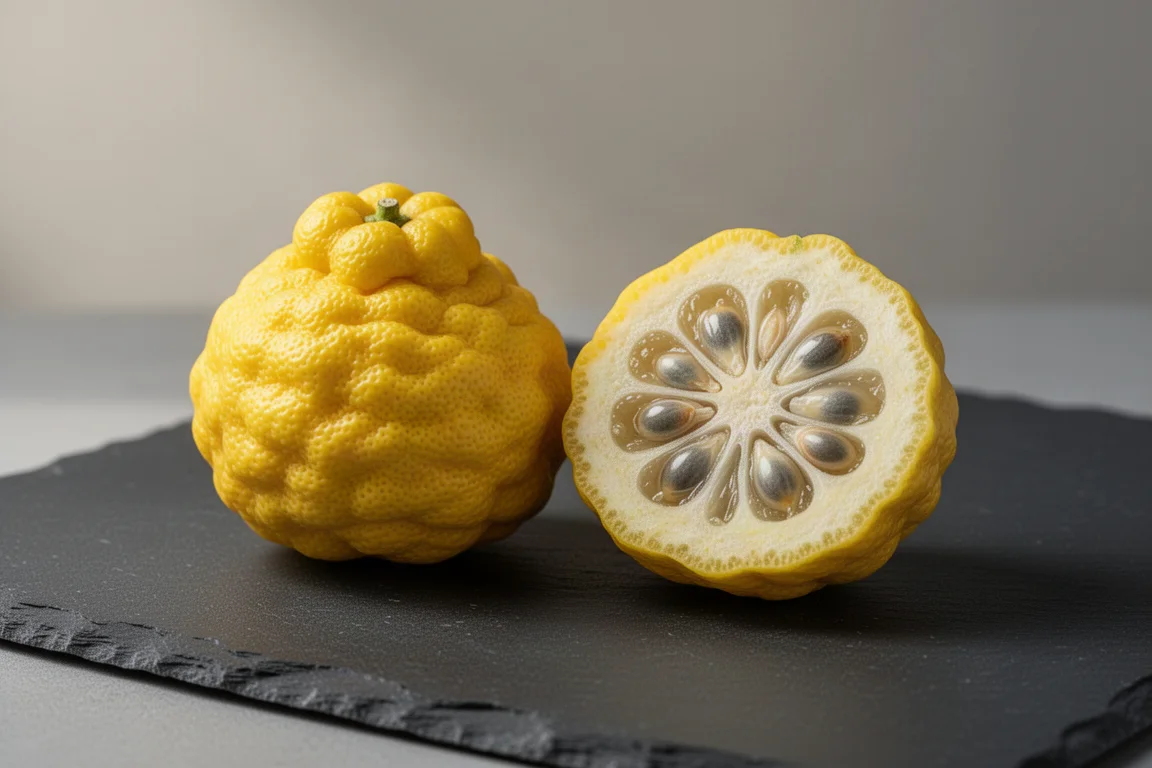
Yuzu is culturally significant in Japan, where the whole fruit is traditionally floated in a bath at the winter solstice, its aroma believed to ward off bad spirits. It is full of large, aggressive seeds and cannot be eaten as wedges; it exists for its juice and extraordinary skin aromatics, which lean minty and almost eucalyptus-like. Bottled yuzu juice and yuzu-flavored pastries have made it far more accessible outside Japan.
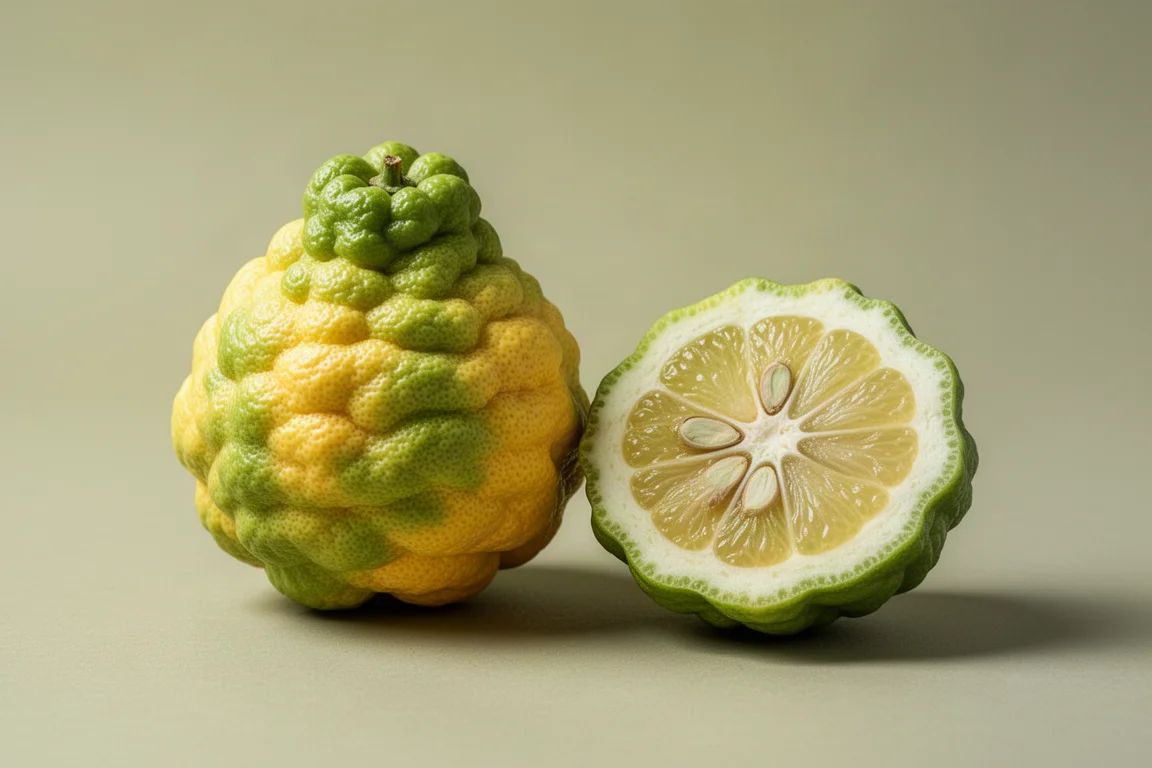
Bergamot is the fruit behind Earl Grey tea, its peel dried to give the tea its floral signature. Scratch the skin and the same notes rush out; even the juice smells of Earl Grey. The flesh is puckery but somewhat sweet, less sour than a lime, with a bitter edge. It is a natural fit for baking, desserts like an Earl Grey posset, and anywhere you would use a highly aromatic citrus.
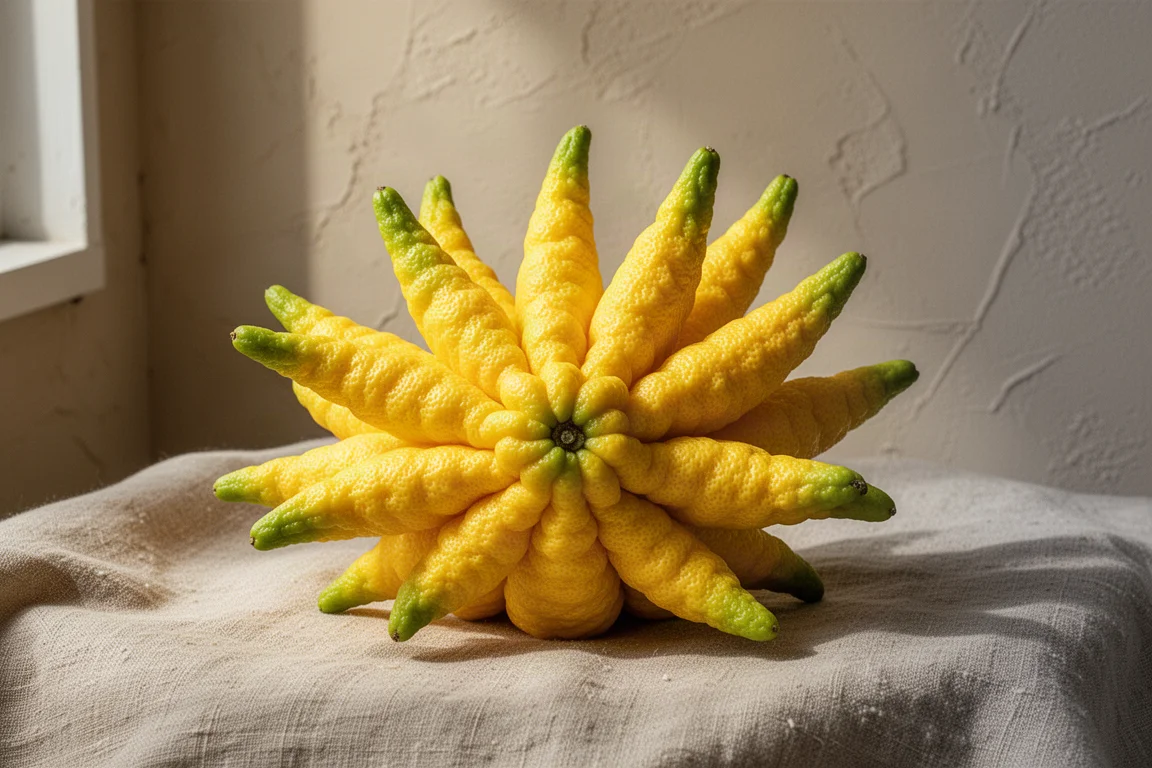
Buddha’s hand is the most visually striking citrus of all: a multi-fingered fruit that contains essentially nothing but pith and rind, with no juice or edible flesh inside. Its value is entirely aromatic and cultural; it is used in Southeast Asia for offerings and prayer, and candied slowly with sugar it makes a lovely floral garnish. Processing it is genuinely hard work, but as an ornamental or fragrant object it is unmatched.
Buying Advice
A few habits will improve every citrus purchase: weigh fruit in your hand, squeeze at the waist, read the skin texture, and remember that color is a poor proxy for ripeness. For juicing, choose Valencias. For eating fresh, Navels and Cara Caras are the safest bets, and blood oranges suit anyone who prefers low-acid sweetness. For cooking, calamansi, makrut limes, sour oranges, and yuzu each solve a specific flavor problem that no substitute quite matches.
Conclusion
Citrus spans an enormous range, from the dry, perfumed citron that started it all to juicy mandarins and bitter, structured grapefruit. Match the variety to the job, use the weight and squeeze tests at the store, and even everyday fruit becomes noticeably better.
Further reading
Related Reviews
Food & Kitchen
Apple Products Worth Knowing: From Applesauce to Hard Cider
Applesauce, apple butter, cider, hard cider, apple cider vinegar, and apple juice compared, with two picks that stand out.

Food & Kitchen
Best Bone Broth, Chicken Stock, and Chicken Base: Four Kitchen Staples Worth Knowing
Four warmed-and-tasted pantry staples compared: two bone broths with notably more protein, a classic chicken stock, and a convenient chicken base.
Food & Kitchen
Best Box Brownie Mixes: Four Standouts Worth Baking
We tested popular box brownie mixes for chocolate flavor, texture, and that crackly top. Here are the four that rose to the top of the pan.