Home Tools
Best Circuit Breaker Finders for DIY Electrical Work: Milwaukee, Kaiweets and Klein Compared
A hands-on comparison of three circuit breaker finders, covering accuracy, build quality and what each kit includes before you spend your money.
Introduction
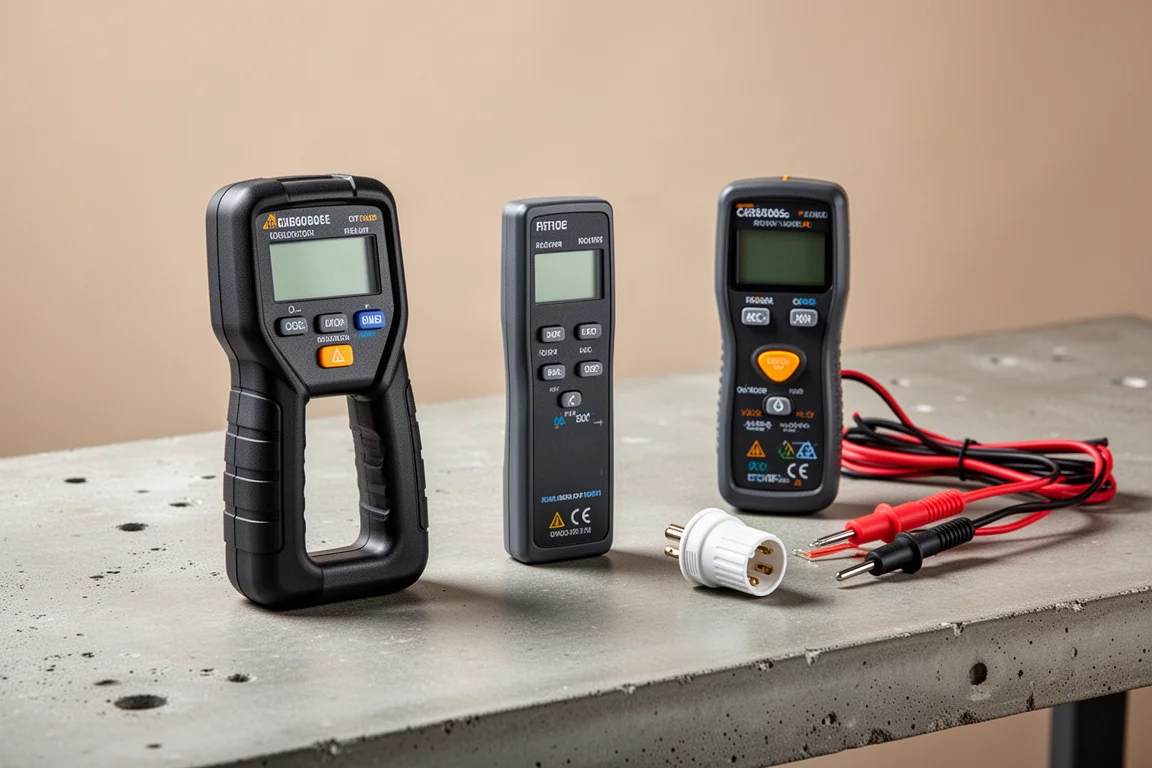
Circuit breaker finders are one of those tools you only think about when you need them, usually while standing in front of a panel wondering which switch kills the outlet you are about to open. This comparison looks at three options: the Milwaukee, the Kaiweets from Amazon, and the Klein system that repeatedly came up as a recommended alternative. The short version: all three work, but they are not equally confidence-inspiring, and the price differences are significant.
What a Breaker Finder Actually Does
Both the Milwaukee and Kaiweets units work the same basic way. You plug a signal transmitter into the outlet, then run the receiver over the breakers in the panel until it beeps. Neither is a one-pass tool. Both units need a first pass to learn the panel, then a second pass to give you a more accurate result. On that first run you should ignore the beeping entirely and treat the second pass as the real answer.
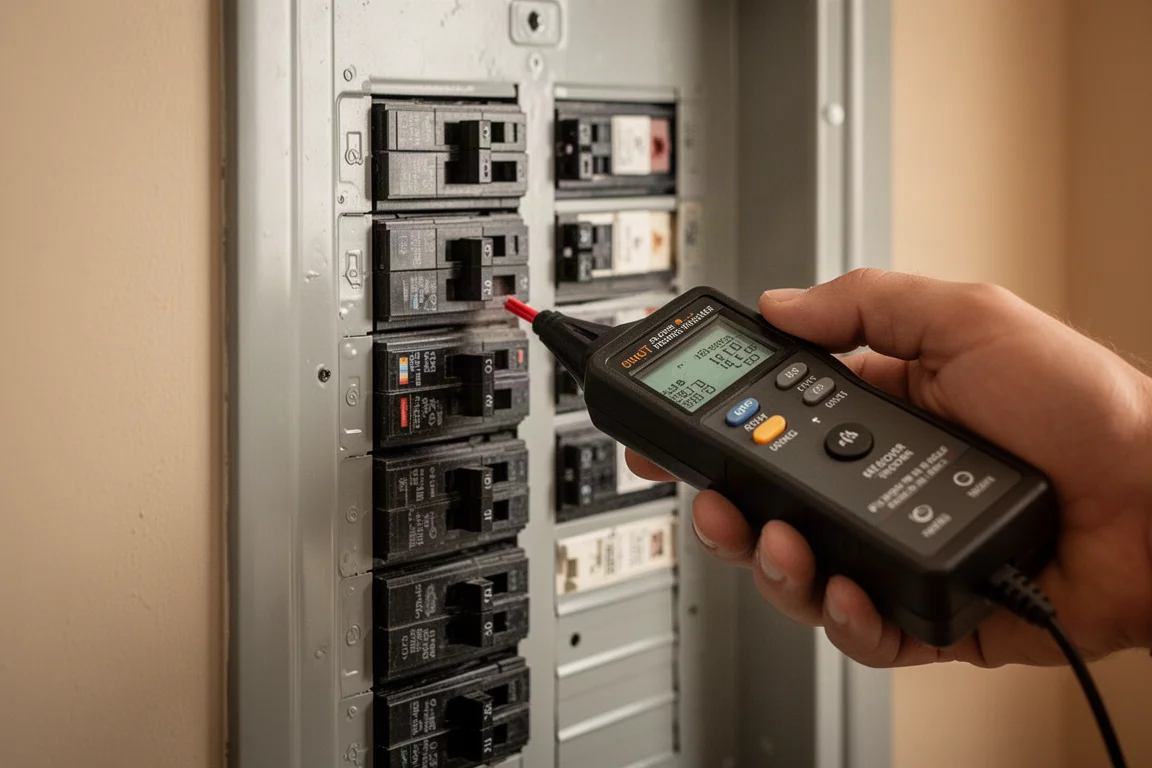
Also worth planning for: if you do not know which side of the panel the breaker is on, you will need to sweep one side twice, then the other side twice. That is slower than most product listings suggest, and it applies to both units tested.
Milwaukee Circuit Breaker Finder
The Milwaukee sits around $59 on its own, about $75 if you want the version bundled with a digital meter, and roughly $19 to $35 more for an accessory kit. It is a solid, tool-shaped tool: rubber overmold grips, real weight in the hand, and a build quality that immediately reads as professional grade.
In testing, it found the target breaker on the second pass with a fast beep on breaker 26, though it also produced a lighter beep on a neighboring breaker and one false hit on a 220 breaker that could be ruled out logically. It worked on both breakers tested, with a slow but accurate beep on the second target. Fairly accurate overall, with occasional false readings you have to reason through.
Kaiweets Circuit Breaker Finder
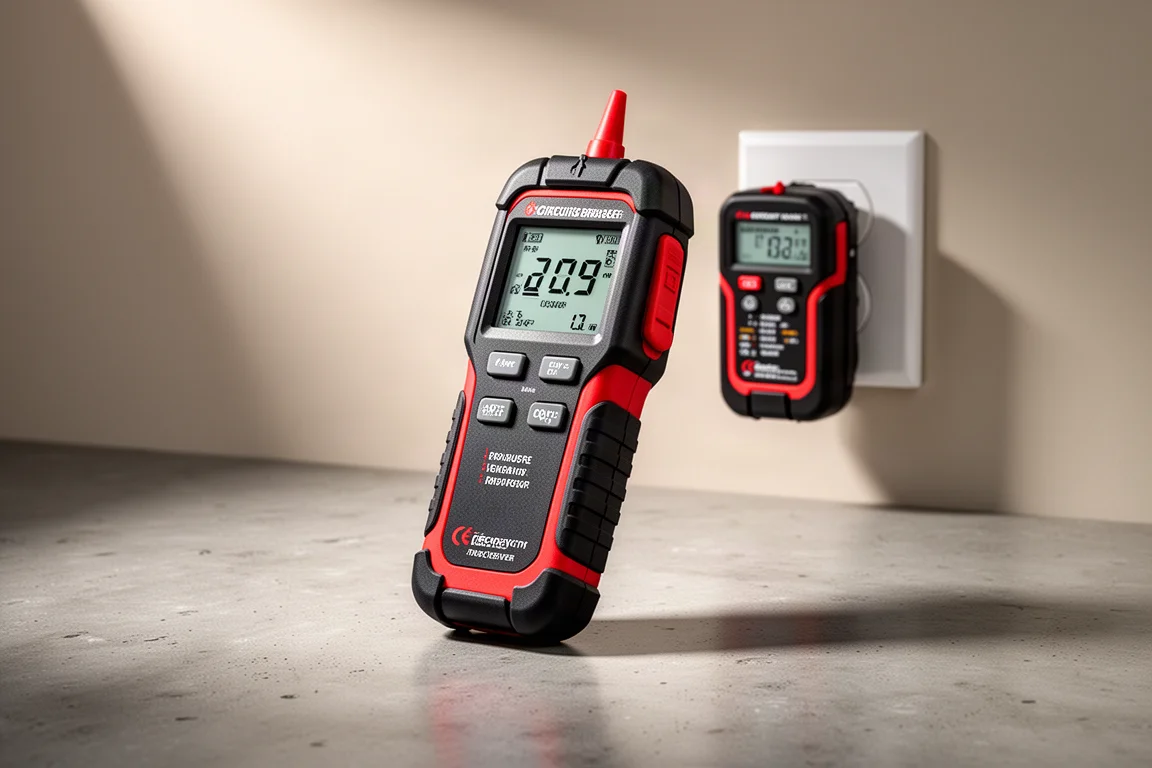
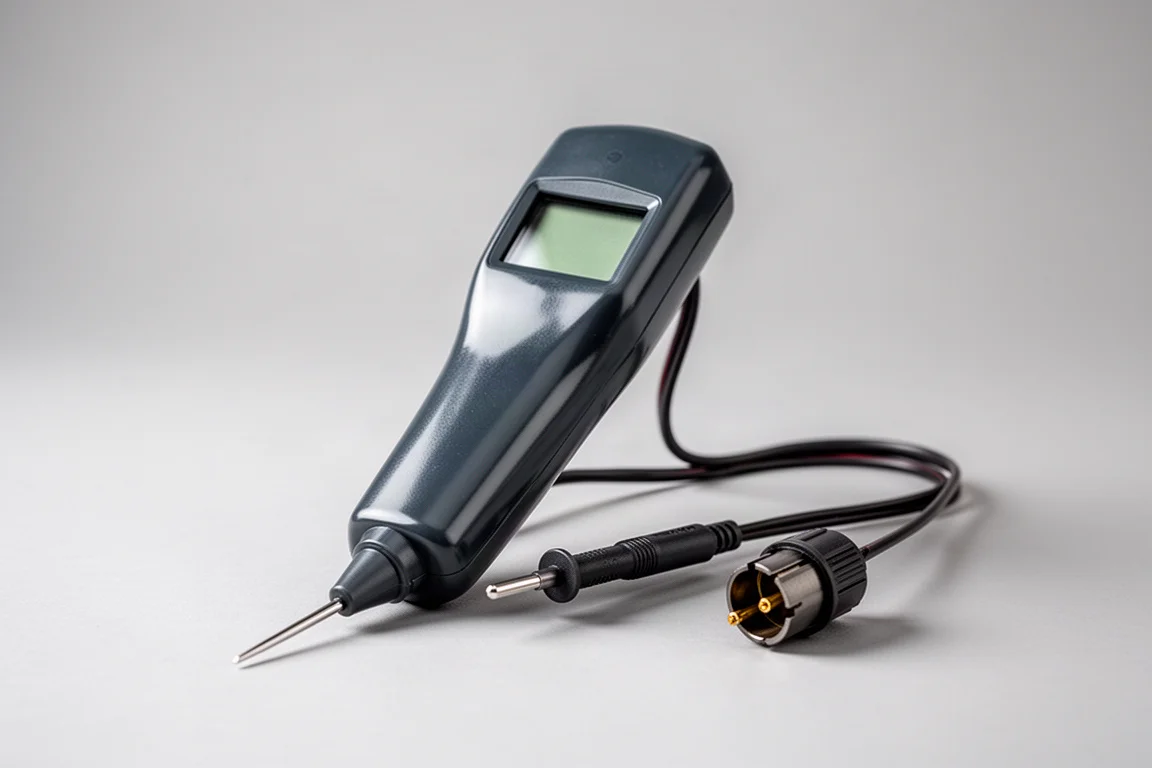
The Kaiweets runs about $44 and includes things Milwaukee sells separately: a full digital readout showing voltage, GFCI testing, a lead for testing bare wires, a light bulb socket adapter for screwing the transmitter in, and a two-wire to three-wire converter. On paper, that accessory value easily closes the price gap if you were planning to buy the Milwaukee plus its add-ons.
In use, the results were mixed. It correctly identified breaker 26 with a full beep, but also beeped at 19 and missed breaker 21 entirely on one pass, staying green the whole time while beeping, and the LED screen did not reflect what the receiver was doing on another breaker. It works, but the behavior felt less consistent and less trustworthy than the Milwaukee. The build is a plain plastic shell with essentially no weight, and it runs on AAA batteries, which is not exciting but workable.
The Klein Alternative
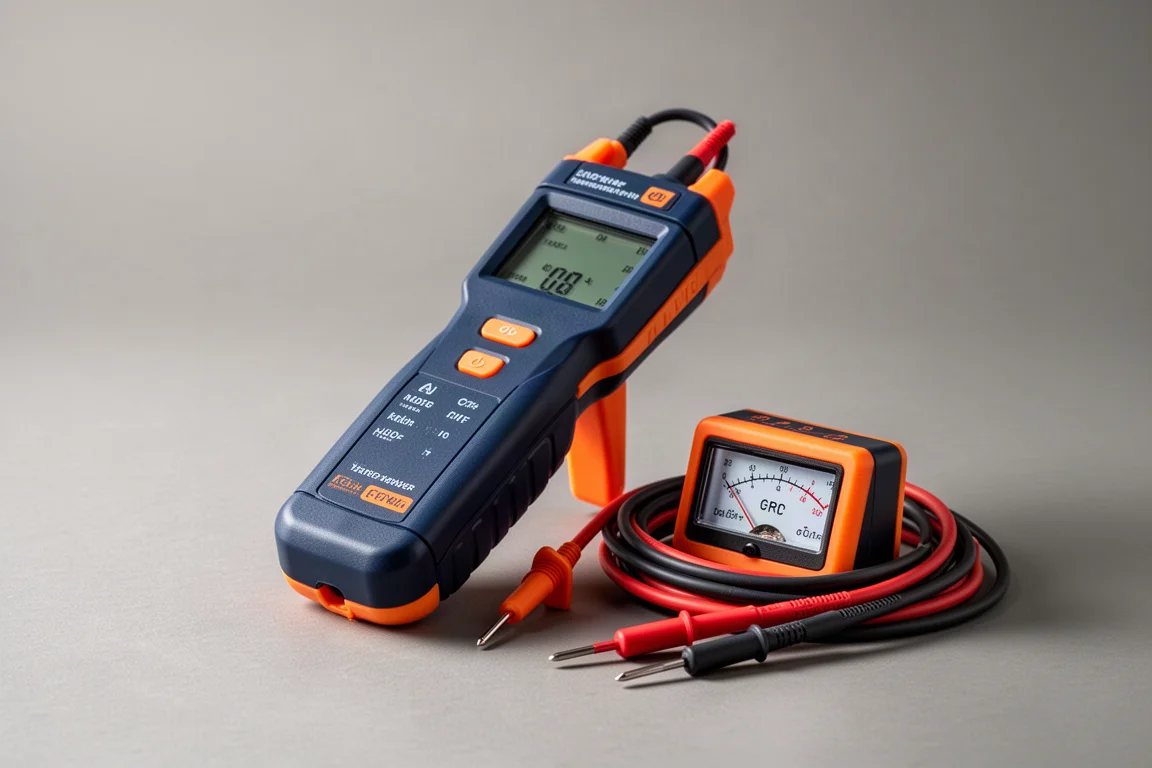
There is a Klein system that closely matches what the Kaiweets kit includes: a tester plus a digital gauge, in the same general package, at around $65. The recurring advice from other DIYers when researching breaker finders is simple: if you want a deal, go Klein. You save roughly $30 compared to buying the Milwaukee with a digital gauge, while still getting the brand name and the accessories built in.
How Each Unit Performed in Testing
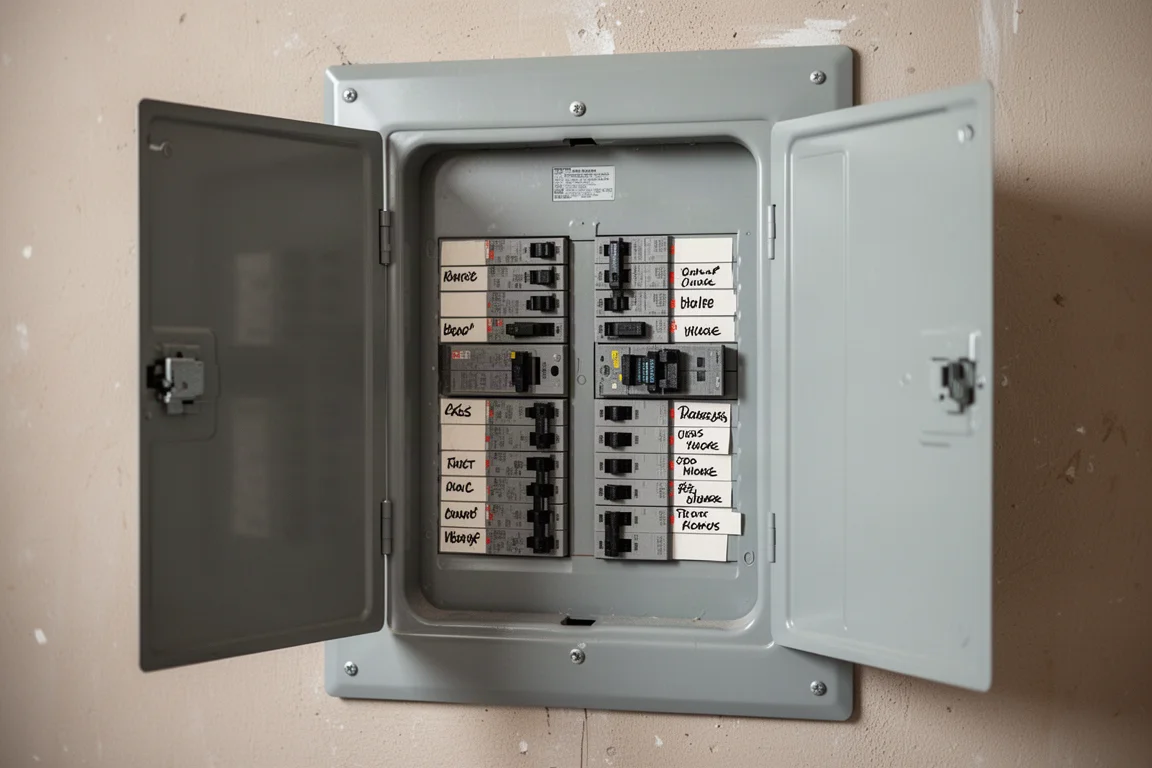
Neither unit produced false readings on the opposite side of the panel, which is good news. But both picked up something falsely near the target at least once, then got you onto the right breaker. Expect to use your head as well as the tool: rule out obvious wrong answers, like a 220 breaker when you know the circuit is 110, and trust the strongest signal on the second pass. The Kaiweets clearly performed worse than the Milwaukee in accuracy, though it did eventually point to the correct breakers.
Money, Quality and the Safer Choice
The math matters here. If you bought the Milwaukee with every accessory, you could be approaching $100 or more all-in. The Kaiweets is $44 with everything included, so the savings are real, roughly $35 to $40 against a fully kitted Milwaukee. Klein splits the difference at about $65 with a digital gauge included.
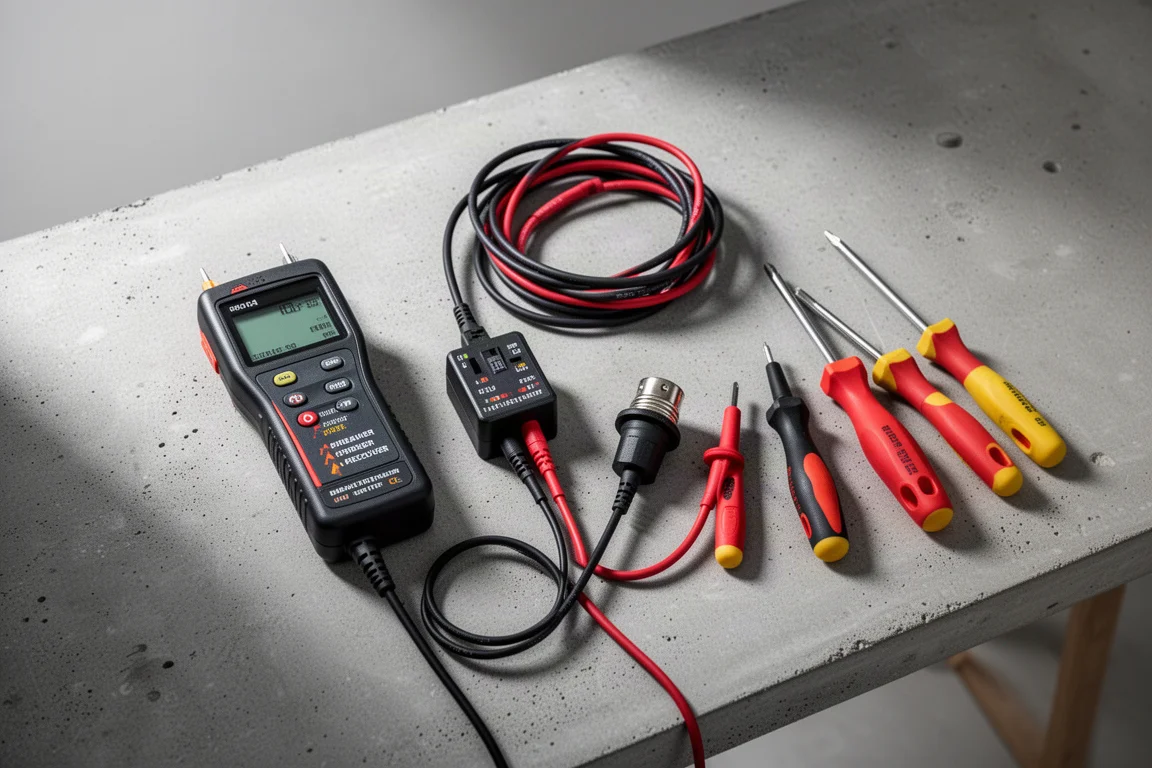
The build quality difference is not subtle. The Milwaukee has rubber overmold and genuine heft. The Kaiweets is hollow-feeling plastic. On regular DIY electrical work, that may not matter, but this is one category where many people prefer not to economize. If you do buy either unit, do not rely on the finder alone: confirm the right breaker is off with a separate electrical tester at the wires or the plug before touching anything. These tools get you close; a voltage tester keeps you from getting poked.
Conclusion
If budget is the driver, the Kaiweets works and comes with a genuinely useful accessory kit. If you want a brand name at a mid price, the Klein system is the widely recommended pick. If you want the most confident, best-built experience, the Milwaukee is worth the premium. Whichever you choose, verify power is off with a second tester before starting work.
Further reading
Related Reviews

Home Tools
10 Home Tool Kits Tested: Which Ones Are Actually Worth Buying
From a $52 budget set to a $130 premium kit, we compare wrench strength, socket durability, hammer quality, ratchet performance and more to find the best home tool kit.
Home Tools
Thermal Master Thor O2 Review: A Homeowner-Friendly Thermal Camera With a Big Screen
A $399 handheld thermal imaging camera with a large bright display, microSD recording, and enough sensitivity for finding studs, water lines, and drafts around the house.
Home Tools
Walabot DIY 2M Review: A Wall Scanner That Sees Behind Your Drywall
A phone-connected wall scanner that finds studs, pipes, wires, and even motion behind the wall, with an optional MagSafe-style accessory kit.