Food & Drink
Cheap vs Premium Ingredients: When Is It Worth Splashing the Cash?
We compare budget and premium versions of cheddar, eggs, salmon and cod to find out where the extra money actually pays off in the kitchen.
Introduction
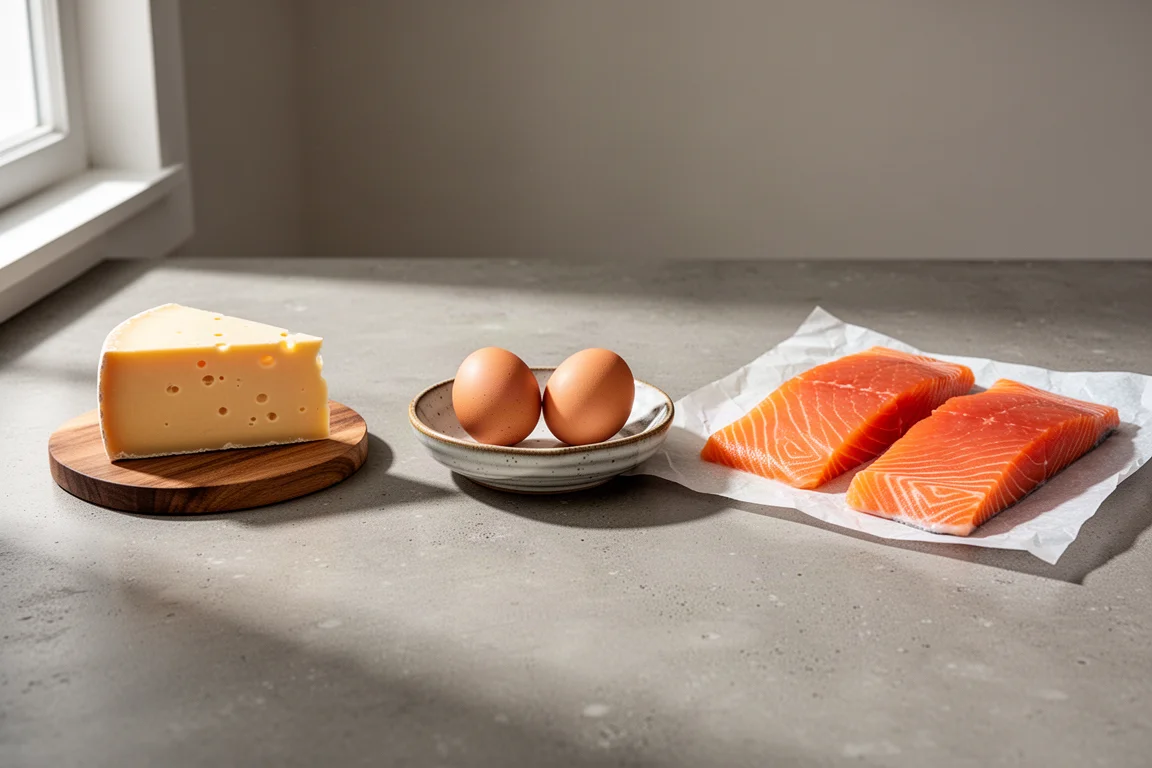
Is expensive food actually better, or are you just paying for a nicer label? We put cheap and premium versions of the same ingredients head to head: cheddar, eggs, salmon and cod. Each pair was cooked the same way, tasted side by side, and priced up per kilo to work out where the extra money genuinely shows up on the plate, and where the budget option does the job just as well.
The short answer: food is never binary. But there are clear patterns worth knowing before your next shop.
Cheddar: Everyday Snack or Cheeseboard Showpiece
Grated into mac and cheese and grilled on toast, a budget mature cheddar and a premium aged cheddar behave very differently. The premium cheese is crumblier, richer and noticeably more aromatic, while the cheaper block brings texture and melt rather than depth of flavour.
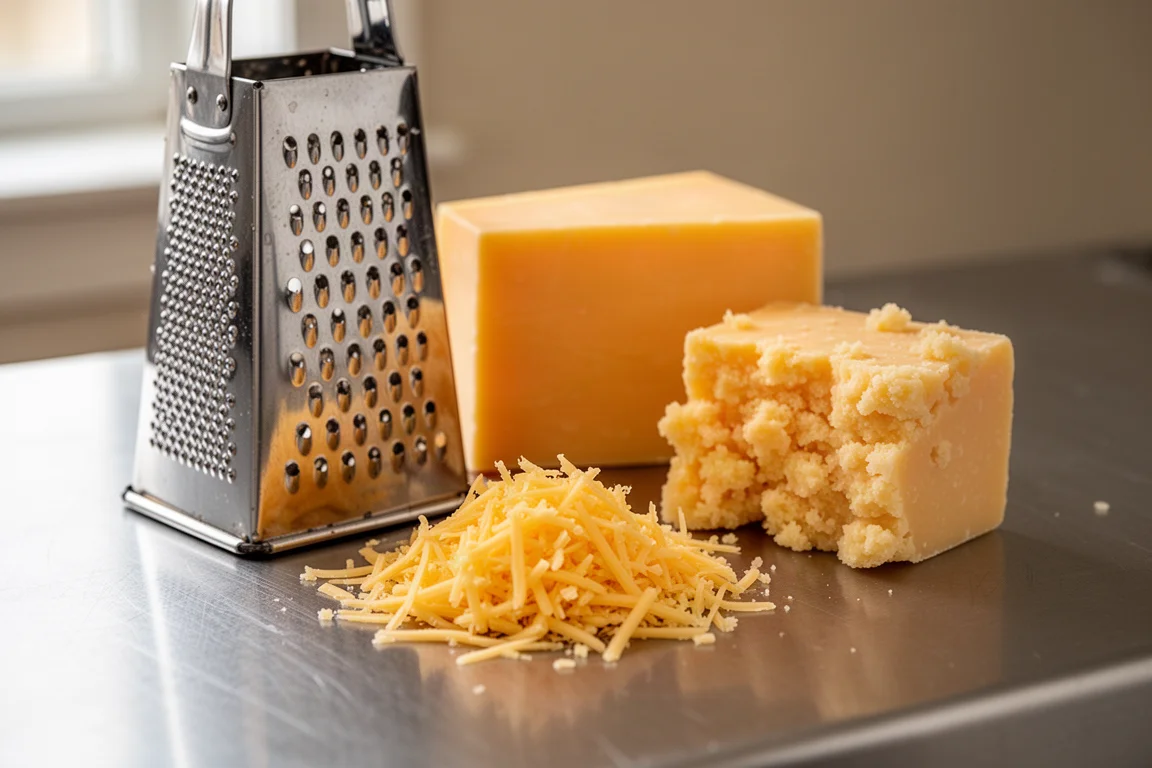
On cheese on toast, the surprising result went the cheap way. The budget cheddar spread more under the grill and looked greasier, but grilling transformed it from bland to nutty, and it simply hit the spot as a quick snack. The premium cheese smelled incredible and delivered more flavour, but on toast it felt like too much richness for what should be an easy, nostalgic treat.
The Budget Pick: Morrison’s Mature Cheddar
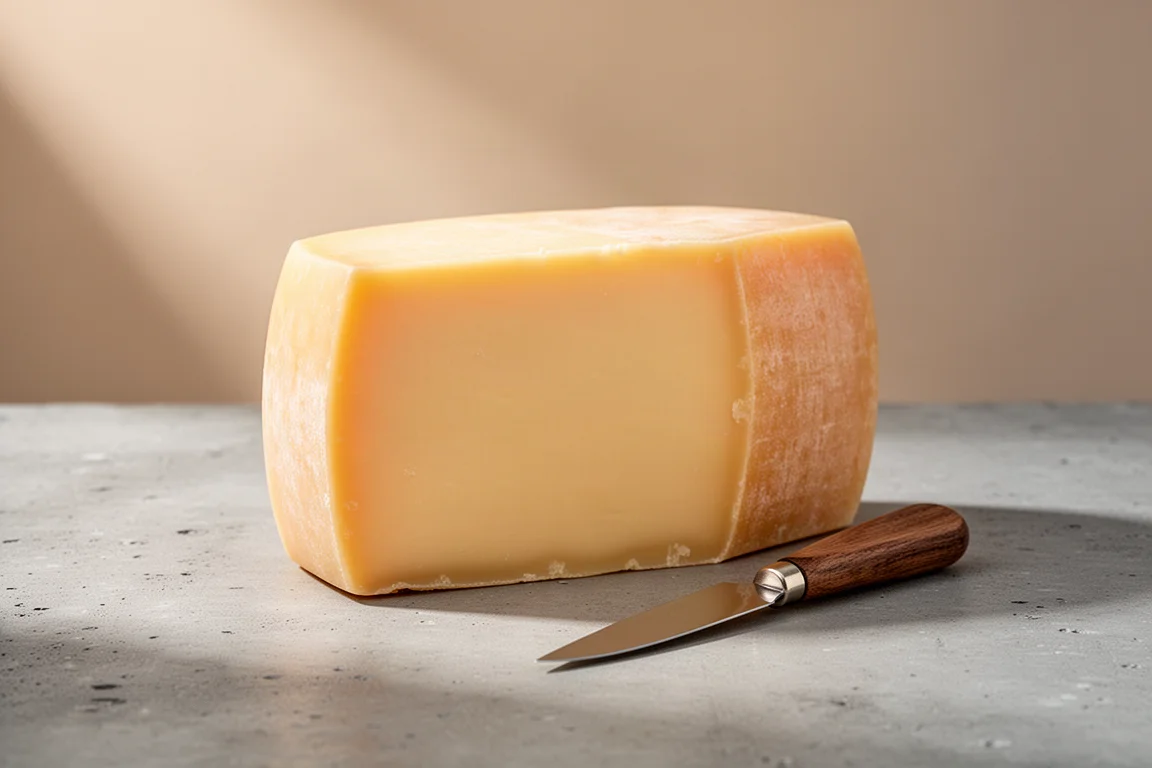
Morrison’s Mature Cheddar is made with British milk and sits at strength three out of five, a solid mid-range block. At around £7.50 per kilo, it melted fine, grated easily, and after a few minutes under the grill it developed a genuinely nutty character. For mac and cheese and toast, this is the sensible spend.
The Premium Pick: Paxton and Whitfield Montgomery Cheddar
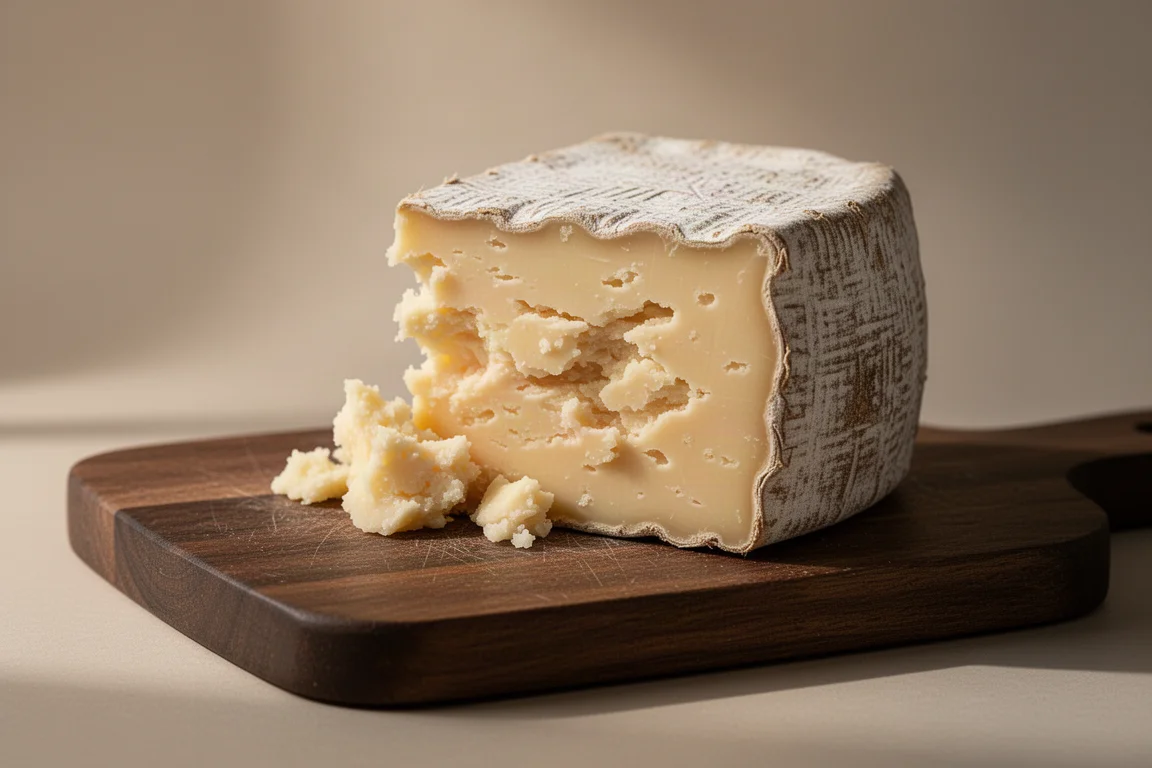
Paxton and Whitfield’s Montgomery Cheddar is all about location and a particular traditional style of cheddar, hand cut by specialists with well over 225 years of legacy in London. It comes as a 150 gram wedge rather than a block, is much more aged, and costs just shy of £40 per kilo, roughly five times the price. On a cheeseboard it is worlds apart and absolutely worth it. Melted into mac and cheese it tasted special, but spending that much on cheese to melt it feels odd, and its intensity can overpower everything else in a dish.
Eggs: Does Organic Free Range Change the Pan?
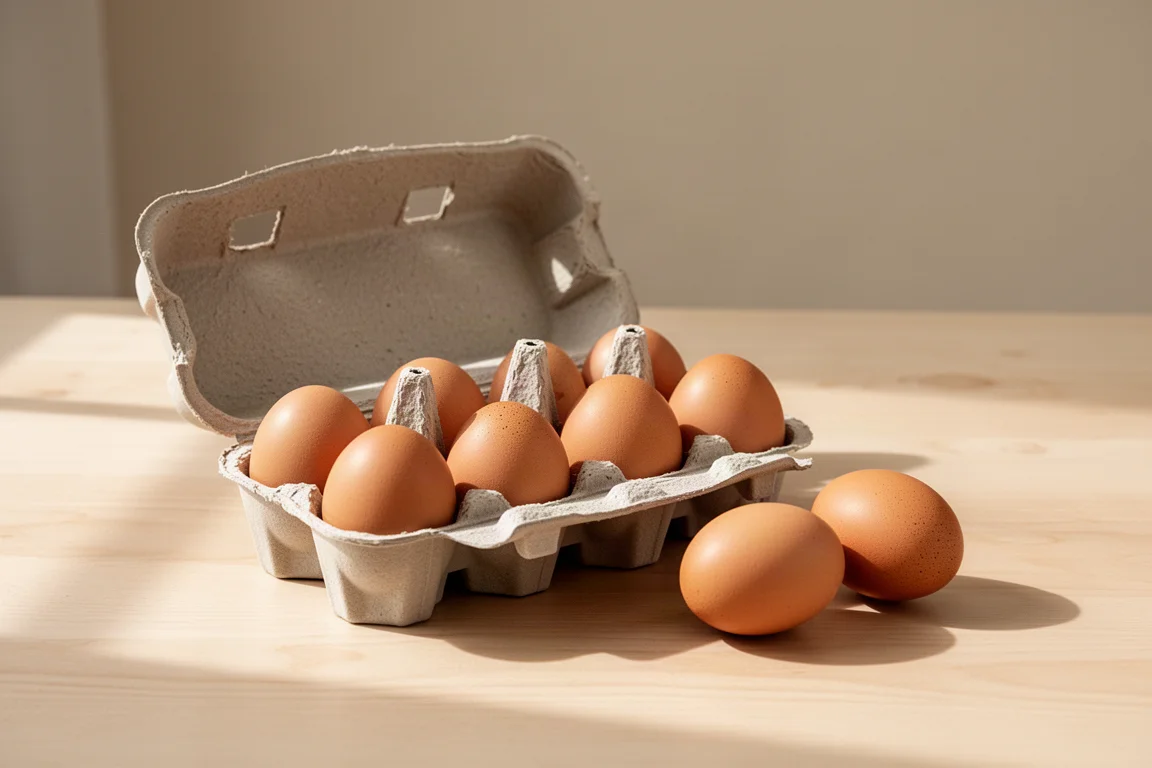
First, a myth worth killing: the quality of an egg has nothing to do with its colour. Shell colour depends on the breed of the chicken. What matters is grade and husbandry. In the UK there are four tiers: caged, barn, free range and organic free range, with organic offering lower densities of birds, more outdoor time and better living conditions.
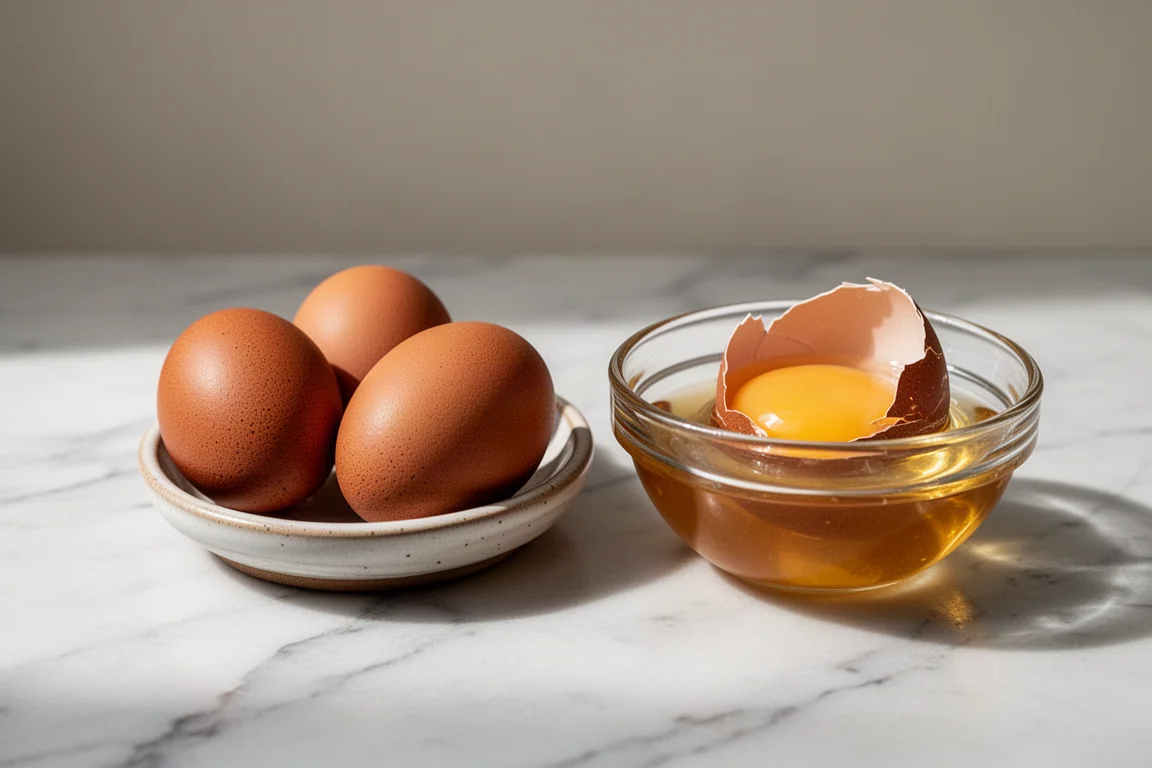
We scrambled, fried and made mayo with a budget free range egg and an organic free range egg. During cooking, the cheaper egg’s shells were actually thicker with darker-looking yolks, while the premium egg released less water in the pan. In blind tasting, the difference was real but small, and it only really showed in the purest form: the yolk itself, which was richer and silkier.

One crucial buying tip came out of this: freshness is everything. Because premium, niche eggs often churn through stores more slowly, they can be older on the shelf. Always check the best before date stamped on the shell, which UK British Lion quality eggs are required to carry by law.
The Premium Pick: Stonegate Estate Organic Free Range Eggs
Stonegate Estate eggs are organic free range, Soil Association and OF&G certified, from hens on a natural organic diet that leads to a richer yolk, and they hold the highest gold standard from Compassion in World Farming for husbandry. At £4.50 for six, or 75 pence an egg, that is one and a half times the price of standard free range, paying for more space, more outdoor exposure and a better diet.
The Budget Pick: Co-Op Large Free Range Eggs
Co-Op Large Free Range Eggs cost £1.79 for six, about 30 pence an egg. In scrambled eggs and mayo the difference nearly disappeared, and some tasters actually preferred the budget flavour. For everyday cooking where the egg is mixed into something else, this is where the smart money goes. And if you have a local farm nearby, super fresh eggs straight from the farmer can be excellent and inexpensive, without extra margins added along the chain.
Fish: Where the Price Gap Gets Interesting
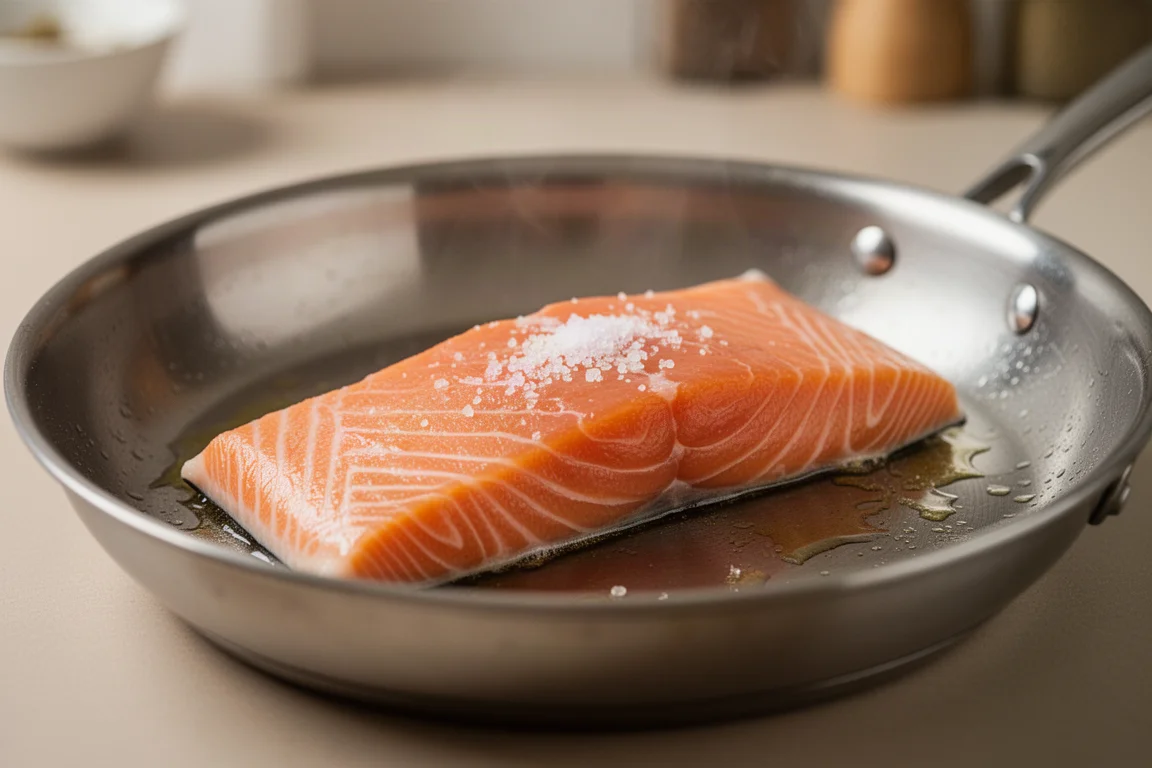
Fish was the most revealing round. We pan fried a budget and a premium salmon, and deep fried a budget and a premium cod in seasoned batter. Cooking behaviour was fairly even between the pairs, with differences mostly down to cut thickness rather than quality.
Salmon: Wild Lean vs Familiar Farmed
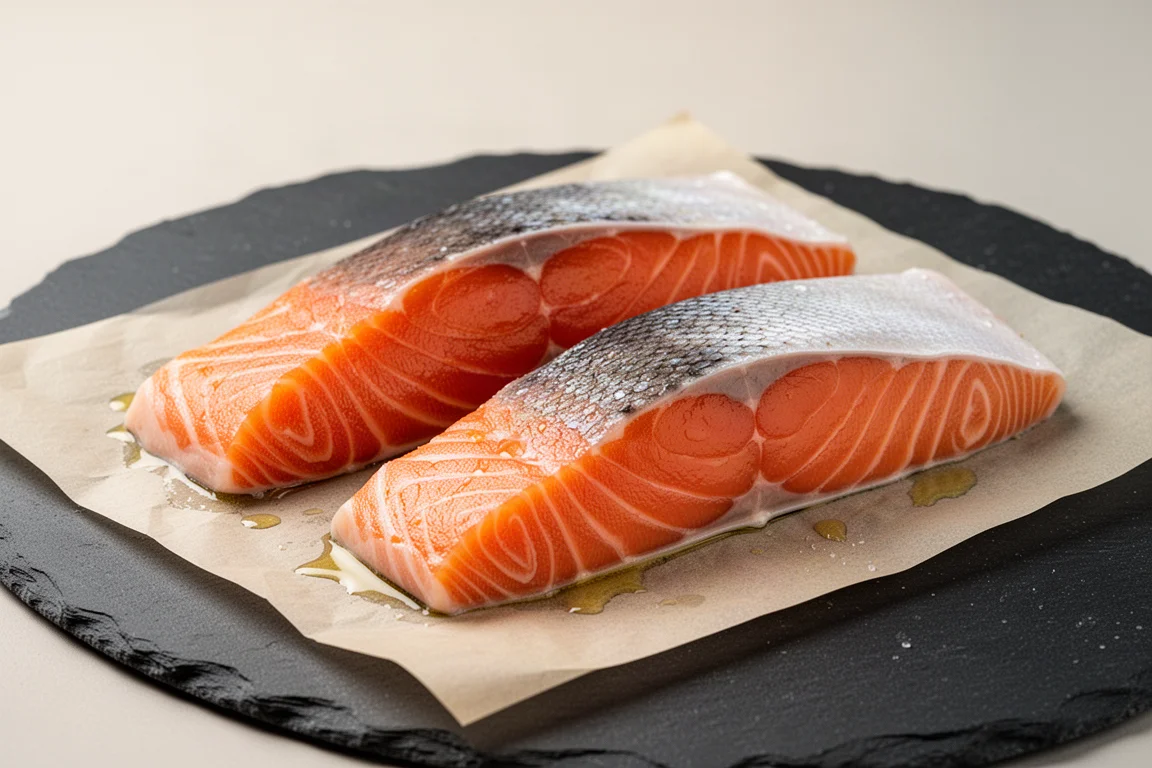
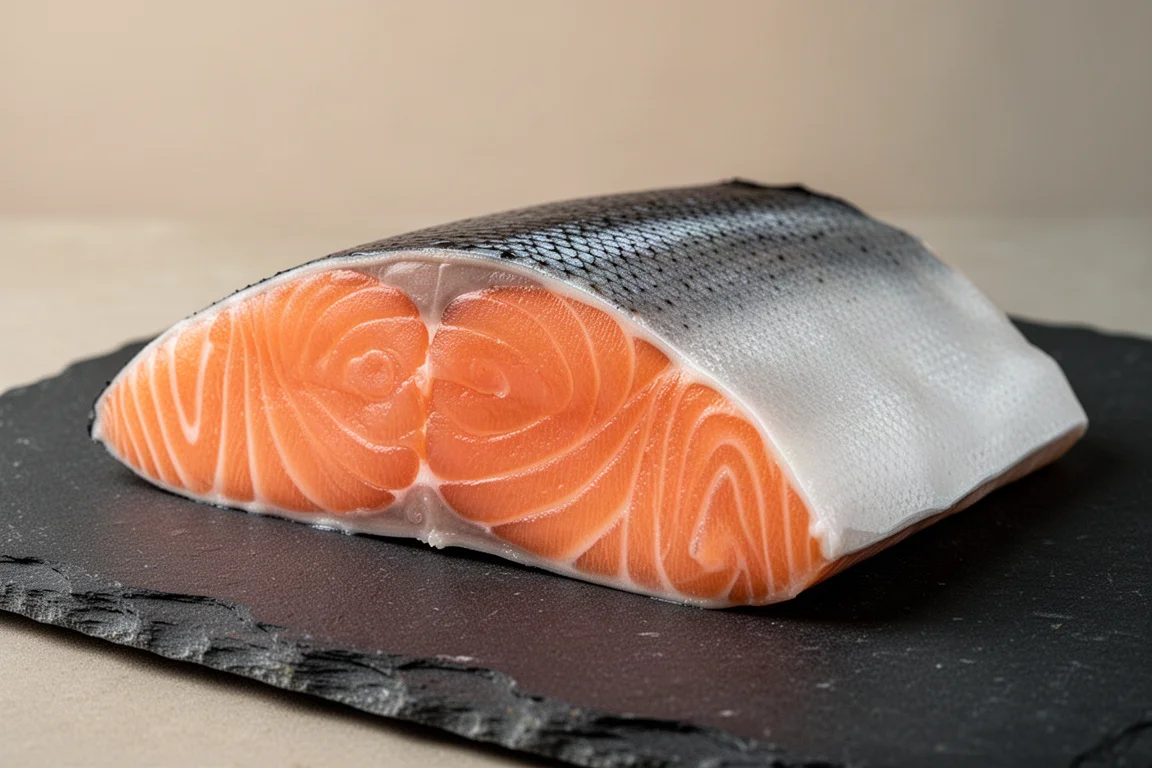
The budget salmon looked familiar: visible flake lines, softer texture. The premium salmon looked almost like a pate in the shape of a fillet, extremely smooth, tight and lean, more chicken-like in its chew. That lean texture comes from the fish itself, and it needs a gentler cook and shorter time in the pan, otherwise you cook out the very flavour you paid for.
The Budget Pick: Ocado Salmon Fillets
Ocado Salmon Fillets are boneless, skin on, caught in Norway, sold as a pack of two 240 gram fillets at £25 per kilo. This is the easier fish to cook and the flavour profile most people expect from salmon. For a weeknight pan fry, it is the less stressful choice.
The Premium Pick: Leap MSC Keta Salmon
Leap MSC Keta salmon is wild Pacific Keta, a species that swims further in its lifetime than any other in the wild salmon category. That makes it very low in fat, thicker skinned, incredibly lean, and more flavoursome if cooked gently. At £39.55 per kilo it is almost twice the price of the farmed option. Cook it skin-side down for crispy skin, flip for a fraction of a second, and let residual heat finish it.
Cod: Thin Fillets vs Thick-Cut Wild Portions
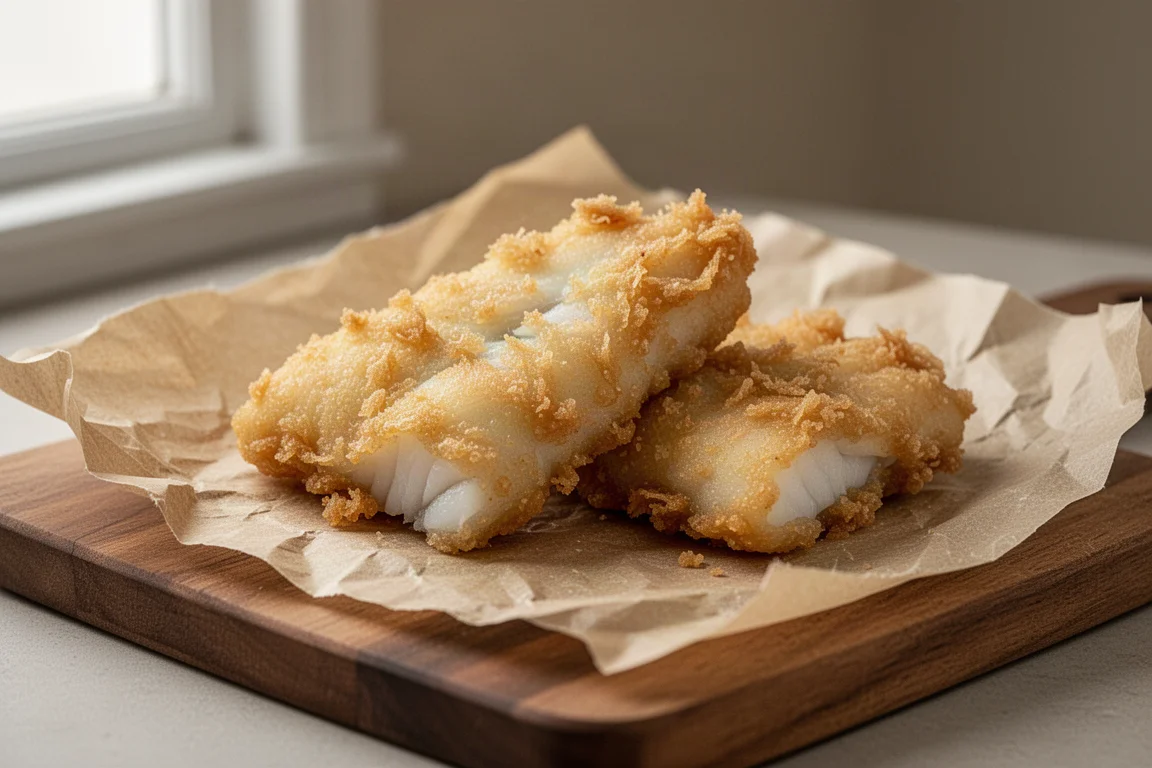
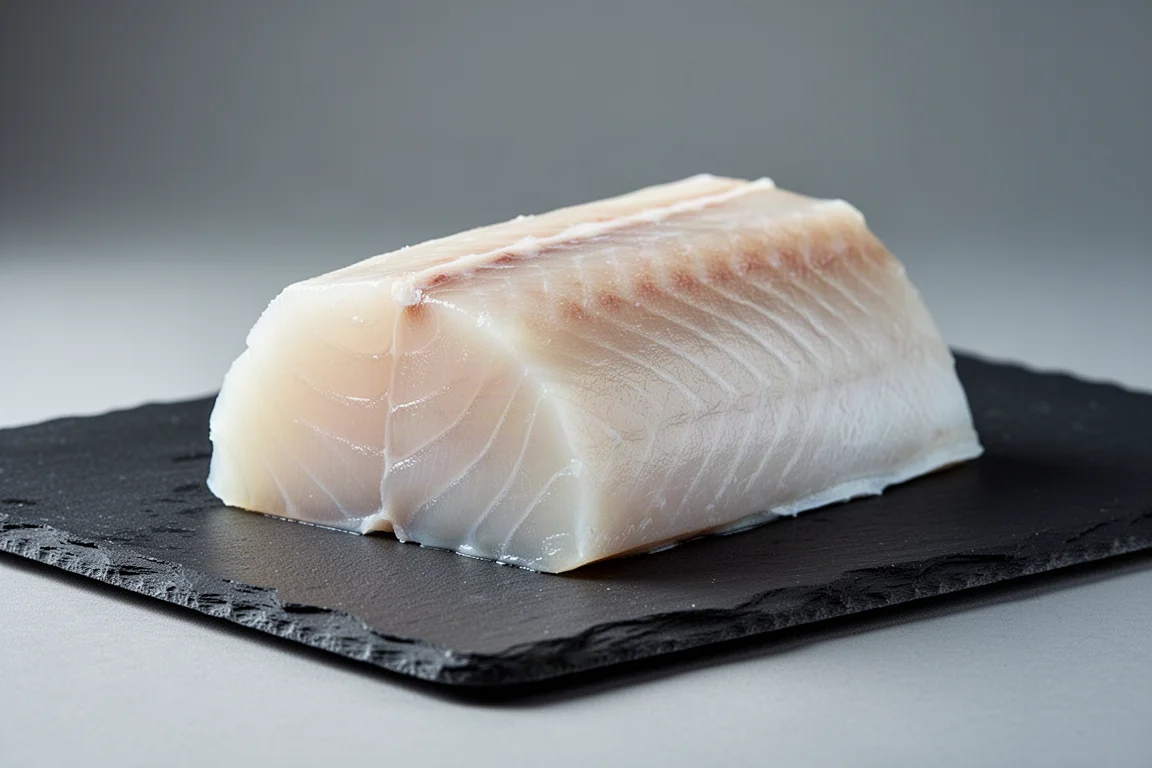
The cod comparison was subtler. Both were delicate and pleasant, but the thick-cut premium portion held together far better in the batter, tasting of steamed fish rather than water. The budget fillet was a little watery and flaked almost too easily.
The Budget Pick: M&S Cod Fillets
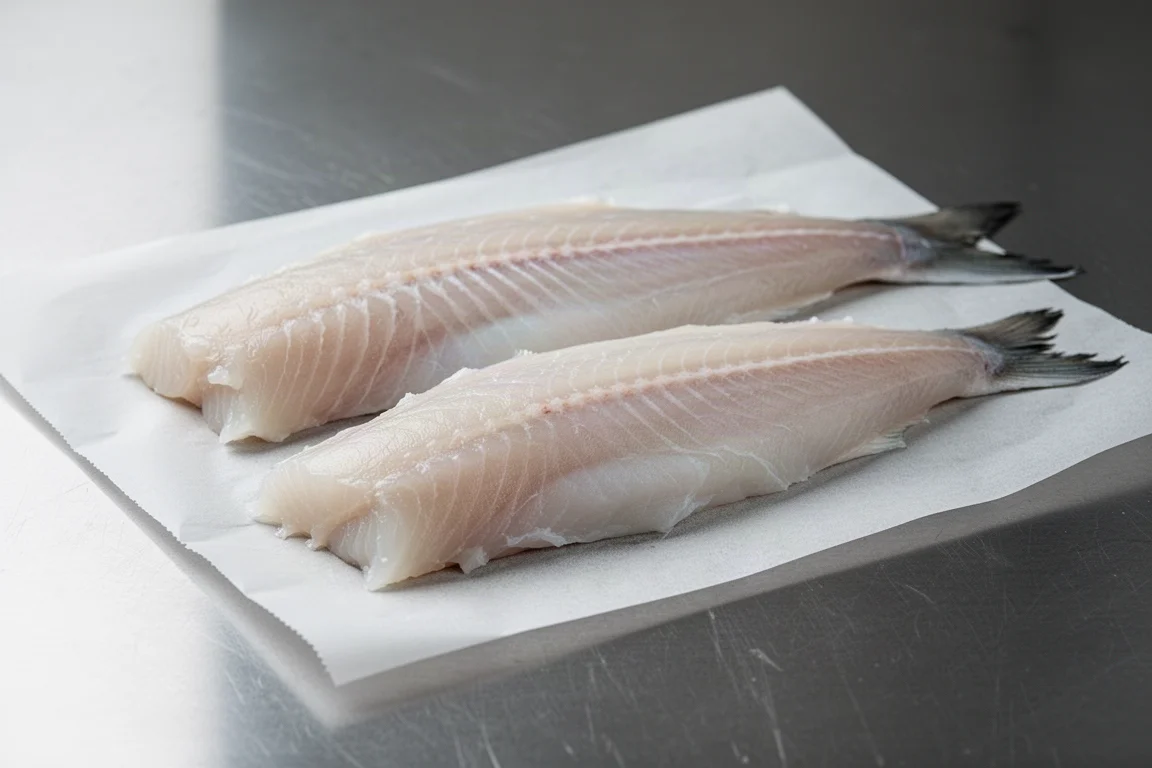
M&S Cod Fillets are skinless, boneless, line caught in Norway, responsibly sourced and fully traceable, in a 250 gram pack of two portions. They tend to be thin tail-end cuts, which are tricky to cook evenly as a single piece, but perfectly fine flaked into fishcakes, pies or mixes. At £25 per kilo, flavour-wise the gap to the premium was not huge.
The Premium Pick: Wright Brothers Cod Portions
Wright Brothers cod portions are a thicker cut of a more premium cod, wild caught off the Icelandic coast, with Wright Brothers supporting local fishermen using low impact fishing where possible. At £57.14 per kilo, more than twice the M&S price, this is the fish that made tasters say good fish tasting this good from a supplier is unusual. If you are frying fish at home and want it to hold together, this is where the money lands.
Overall Buying Advice
Across all four ingredients, a pattern emerges. Premium products tend to be richer, sharper, firmer and more intense, which is exactly what you want when the ingredient is the star: a cheeseboard, a fried egg on its own, a simply cooked piece of wild fish. But when the ingredient is a supporting player in a mixed dish, that intensity can overpower everything else, and the budget option often performs just as well.
Two practical takeaways: for cheese, buy cheaper but go more mature to get more flavour into cooked dishes. For eggs, check freshness dates as carefully as the grade, because a premium egg that has sat on the shelf longer may cook worse than a fresher budget one. And for fish, know that leaner wild fish needs a gentler cook than you may be used to, or you will cook away what you paid for.
Conclusion
Spend up when the ingredient stands alone and its character gets room to shine. Save when it is buried in a dish, mixed into something, or grilled into a quick snack. In this comparison, cheese and eggs rewarded the budget buy in everyday cooking, while the premium cod and wild salmon showed the biggest visible quality gaps. The more you know about how an ingredient is produced, the better placed you are to decide where the extra money is worth it for you.
Further reading
Related Reviews
Food & Drink
Best Plant-Based Burgers From Major Chains: Six Options Rated
Six plant-based burgers from KFC, Leon, McDonald's, Burger King, Shake Shack, and Honest Burgers put to the taste test to see which fast-food options are actually worth ordering.

Food & Drink
Best Dark Chocolate for Less Sugar: Four Picks From 60% to 90%
Four dark chocolates that deliver more cacao and less sugar, from an everyday baking bar to an intense 90% pick.
Food & Drink
Four Kansas City Barbecue Sauces Worth a Spot on Your Table
We compare four very different Kansas City style barbecue sauces, from a classic sweet supermarket staple to three landmark restaurant sauces you can order online.