Ingredient Comparisons
Cheap vs Expensive Ingredients: Chocolate, Beef Mince and Garlic Put to the Test
Six everyday ingredients go head to head in simple recipes, from chocolate mousse to garlic noodles, to see when paying more genuinely pays off.
Introduction
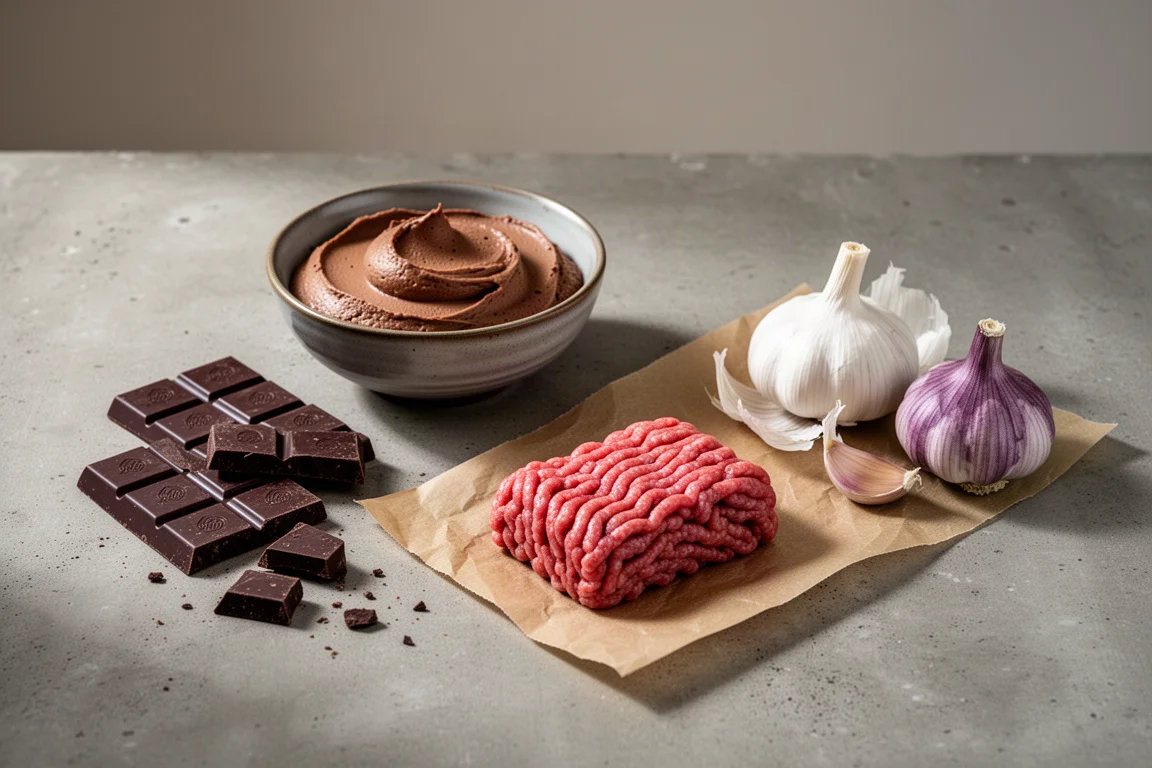
Is spending more on ingredients actually worth it? To find out, two everyday home cooks put cheap versus expensive versions of the same ingredients to work in very simple recipes: dark chocolate in mousse and Rice Krispie cakes, beef mince in a quick ragu and sliders, and garlic in garlic bread and fried noodles. The results were revealing, and in one case genuinely surprising.
Chocolate: Verona 70% vs Sainsbury’s Stanford Street Co.
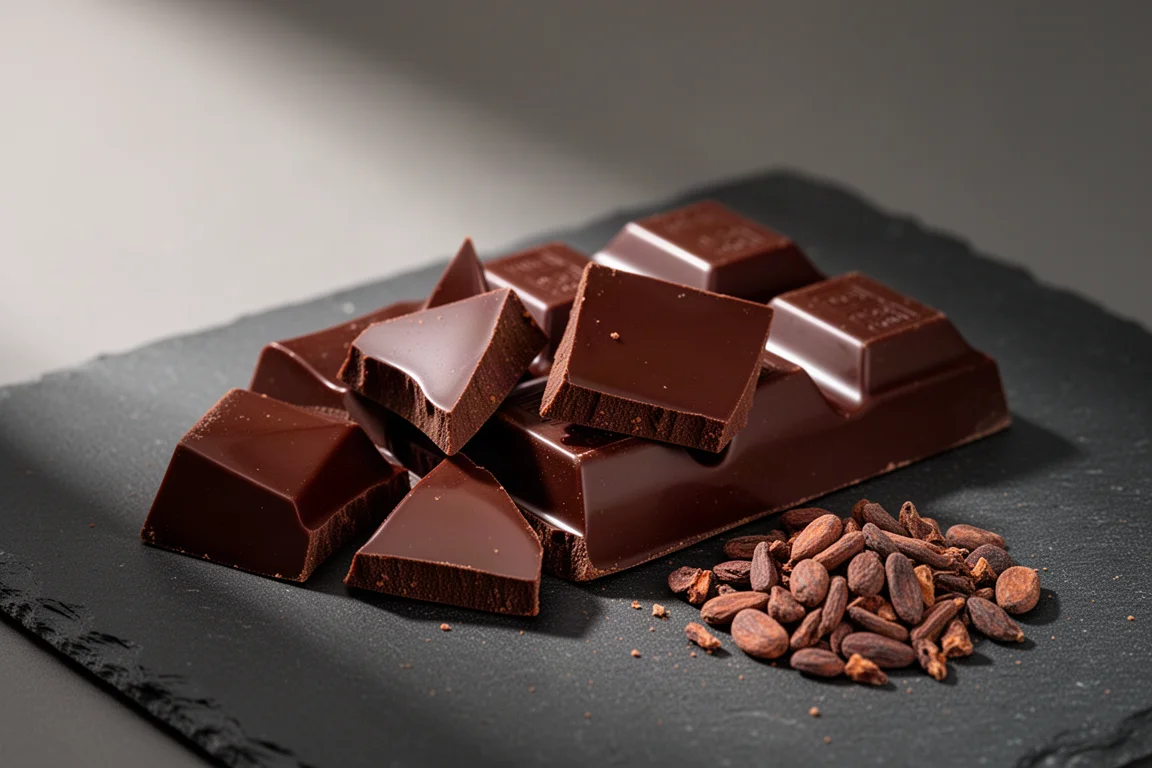
On paper this looks like an unfair fight. The premium option is Verona 70% cocoa chocolate, described as having a unique and consistent flavour with a forced tanginess and pairing notes of red fruits, ginger, tonka bean and almost a salted butter caramel. Its aromatic cocoa profile draws on origins like Trinidad, the Dominican Republic, Jamaica, Ghana and Madagascar. The budget option is Sainsbury’s own-brand Stanford Street Co. Dark Chocolate, which actually carries plenty of decent reviews relative to its price, but sits at 44% cocoa solids with sugar, cocoa mass, cocoa butter and soya lecithin as an emulsifier.
The Mousse Test
Both chocolates were melted to 50 degrees and folded into whipped cream and egg whites. The difference was dramatic. The premium chocolate was glossy and viscous and folded smoothly into the base, producing a silky, airy, consistent mousse with a rich dark chocolate character and a faint fruity finish. The budget chocolate set much faster, turned bitty and never combined in a way you would want, leaving a mousse that still had the airiness of the egg and cream but with solid chocolate flecks throughout. Not unpleasant, but a very different, far messier experience.
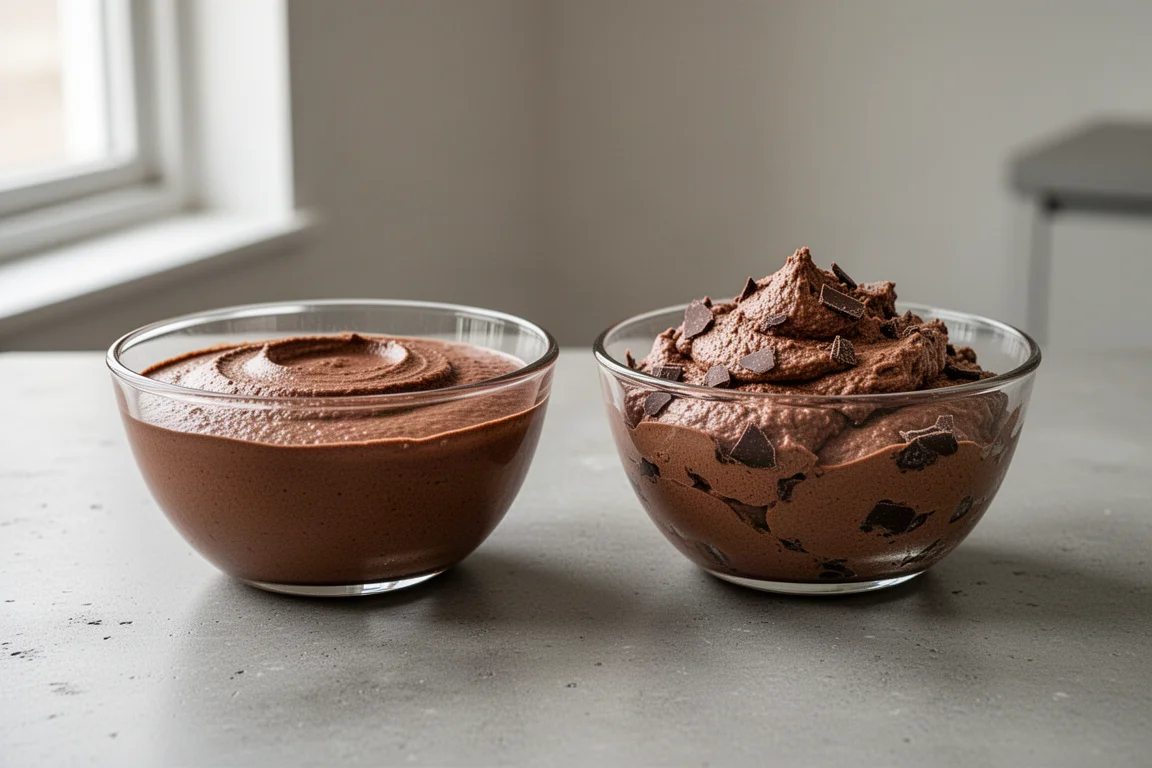
For a luxurious mousse, there was no real alternative: the premium chocolate was the only way to get that result.
The Rice Krispie Cake Test
Without cream or egg white diluting things, the picture flipped somewhat. The cheaper chocolate delivered a simple, straightforward chocolate flavour that came through clearly, though tasters agreed it was not adding anything and there was “no journey”. The premium chocolate showed more of its character once the dairy fat was gone, but for a kids’ baking session, the budget bar did the job just fine.
Chocolate Verdict and Pricing
Mass market chocolate is widely understood to be getting worse, with less actual chocolate and more filler fats. Verona profiles its chocolates by acidity, bitterness and fruitiness so you can balance them to the dish, and it is a go-to for many pastry chefs. On price: the Sainsbury’s bar works out at £7.50 per kilo (75p a bar), while Verona is £48 per kilo and a £16.95 bag, over six times the price. A middle ground does exist if you are willing to sacrifice a little flavour and some of that glossy, viscous tempering quality.
Beef Mince: Daylesford Organic vs Asda Essentials
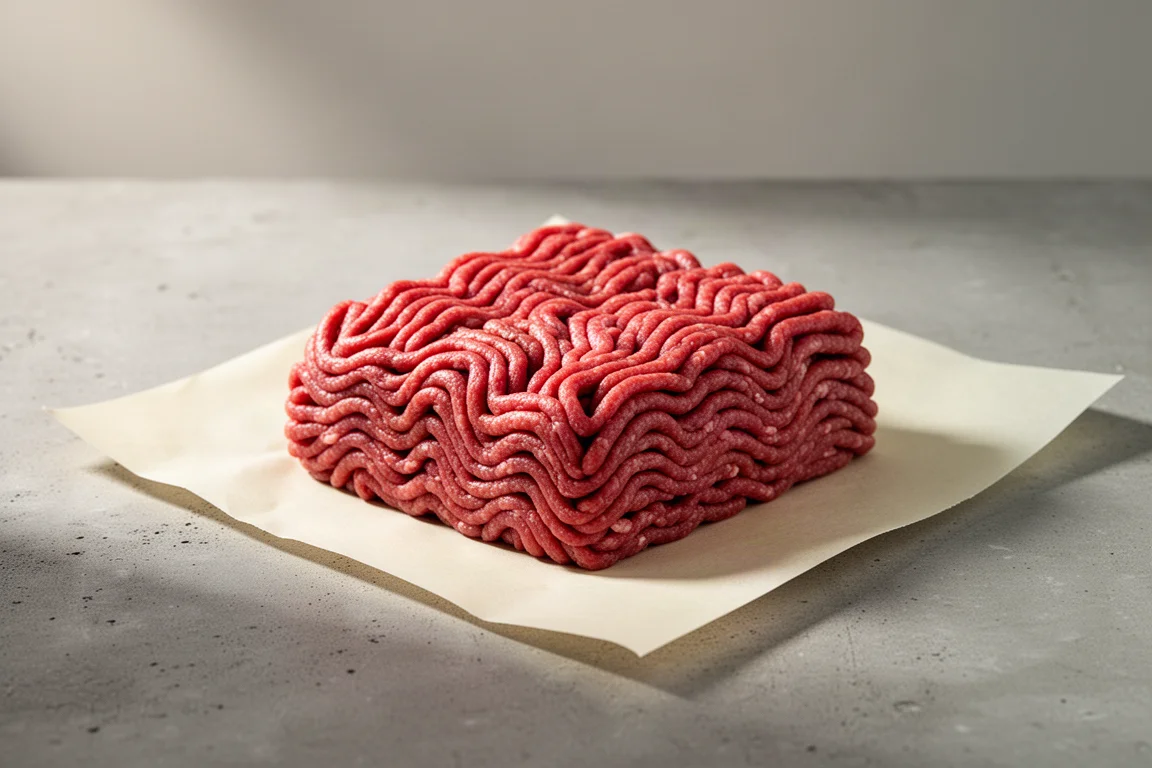
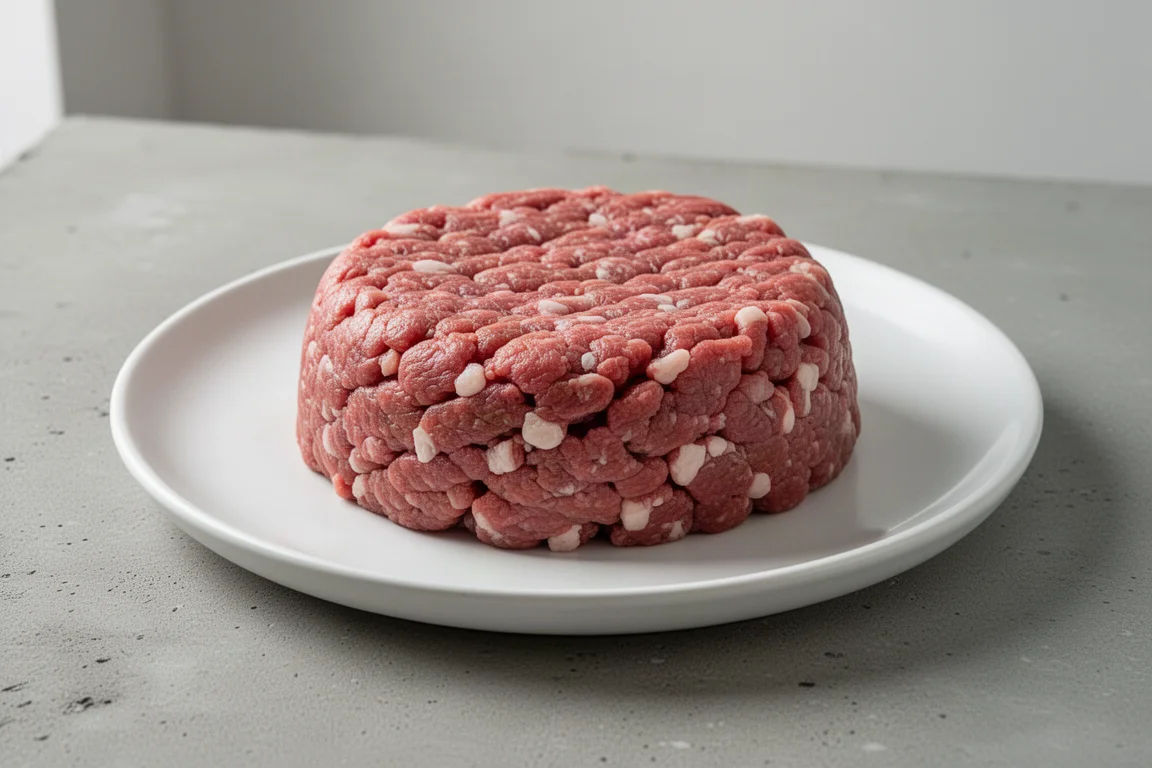
Next up, a premium butcher-style mince against a supermarket essential. The premium pick is Daylesford Organic pastured 5% fat British beef mince: grass-fed, steak mince, very premium quality with high animal welfare standards. The budget option is Asda’s Just Essentials beef mince, labelled “typically less than 25% fat”, though the actual nutritionals read 31%.
Ragu and Sliders
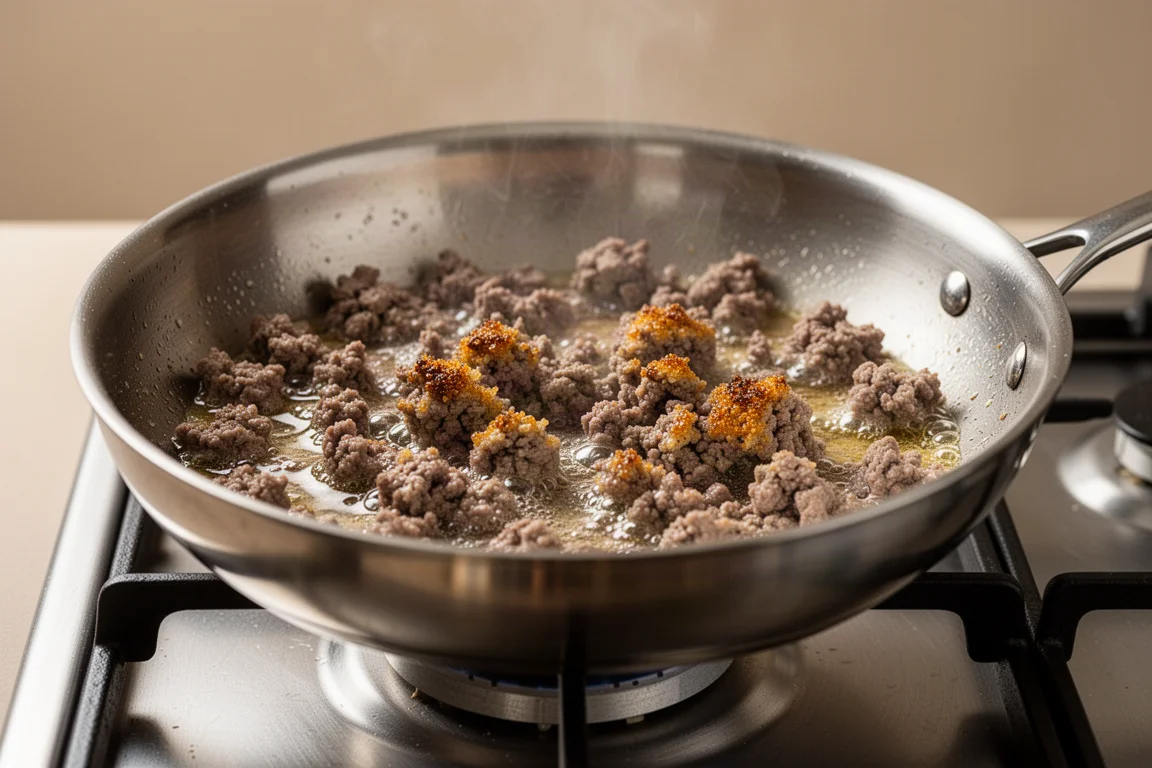
The two minces behaved very differently from the first pan. The fatty budget mince rendered a huge amount of grease, crisped up quickly and coloured fast, while the leaner premium mince took longer to brown and needed more patience and a properly hot pan. In the sliders, the budget mince released so much fat that the first bite was a mouthful of grease that masked the beef flavour itself. The premium option delivered a much cleaner bite with a distinctly meaty, beefy flavour.
Mince Verdict and Pricing
Daylesford comes in at £23.75 per kilo versus £6.18 per kilo for the Asda mince, almost four times the price. But context matters. You are partly paying for fat in the cheaper pack, and once you account for water loss and fat that renders away, the cost ratio narrows. For dishes like chilli, lasagna, shepherd’s pie or burgers where fat carries satisfaction, a cheaper mince absolutely does the job. For leaner cooks, stir-fries, or dishes where the flavour of the beef really matters, the premium option earns its price. And always read the small print: fat percentages, origin, slaughter and packing details tell you a lot about the standards behind the label.
Garlic: Nurra Purple vs Acardo
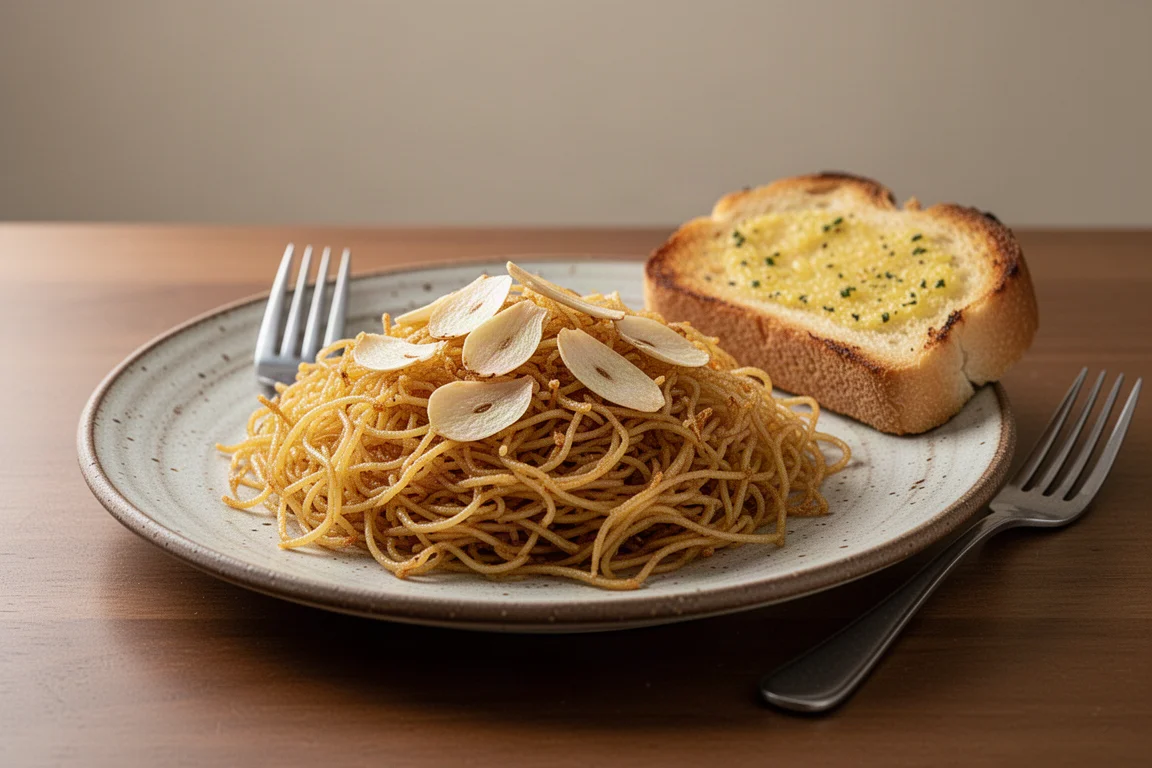
Garlic felt like the least likely candidate for a premium upgrade. Surely it is just garlic? One cheap bulb and one premium bulb, peeled, weighed and cooked into garlic butter on toast and crispy garlic fried noodles.
Peeling, Yield and Cooking Behaviour
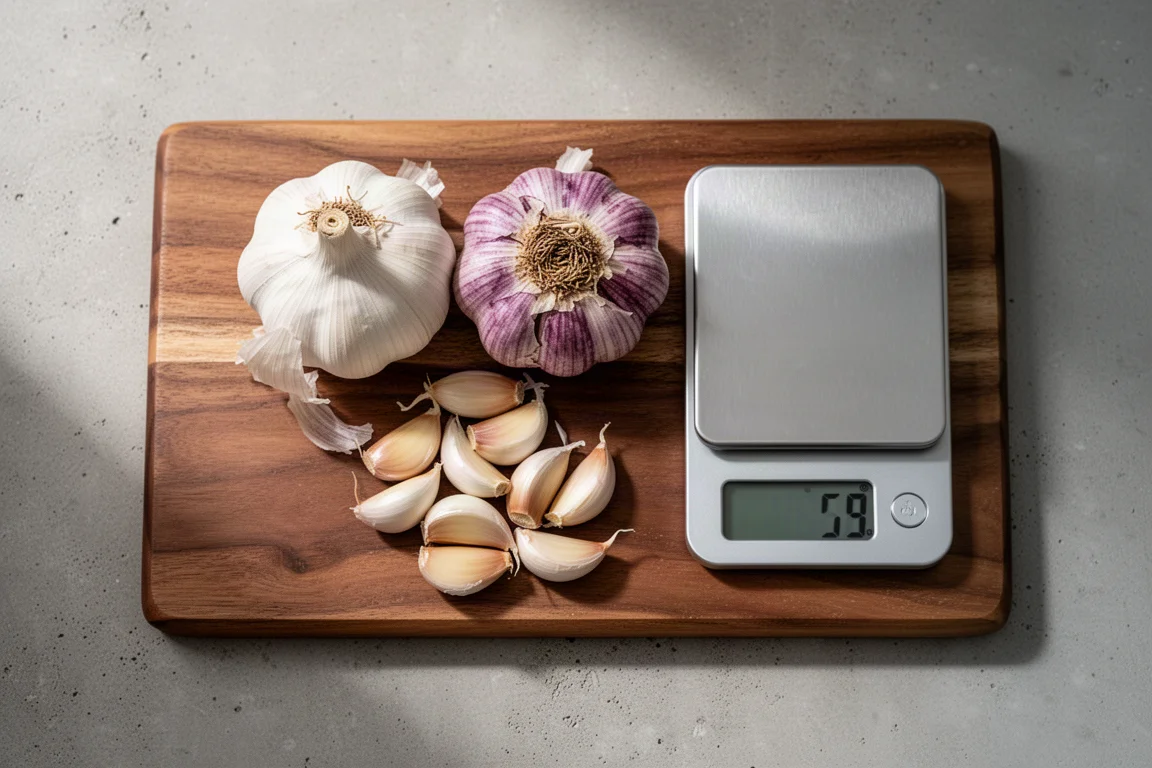
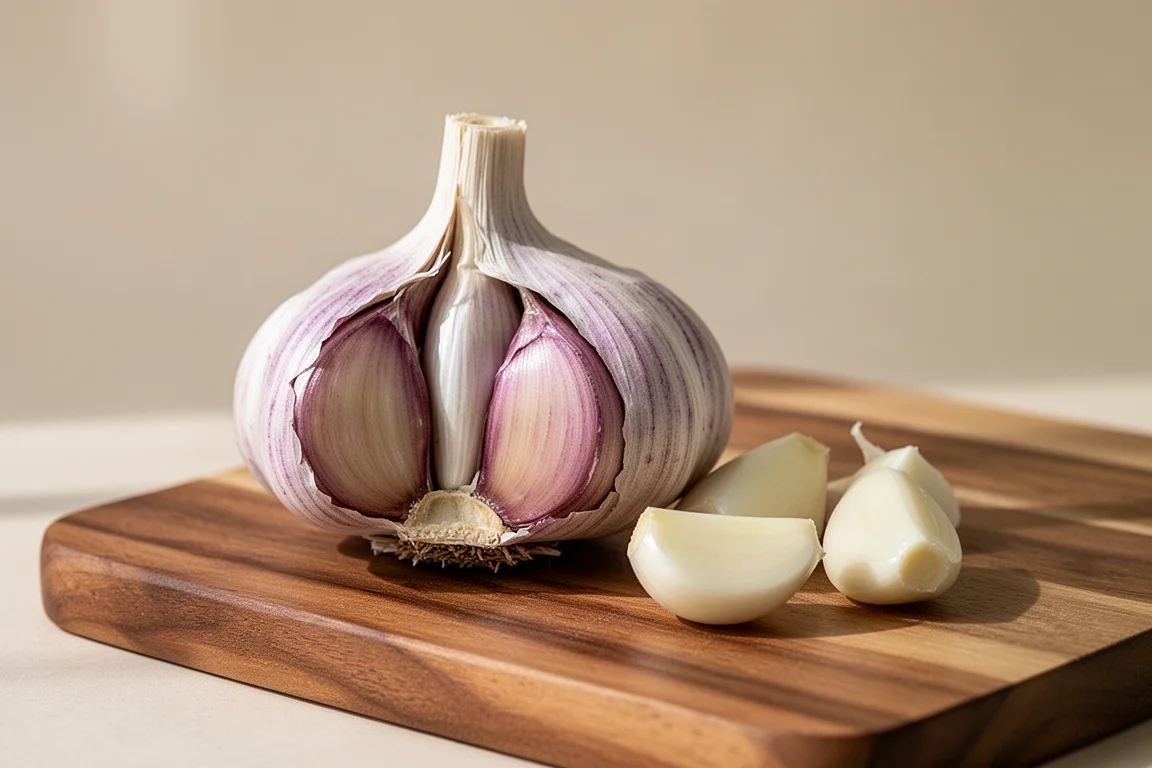
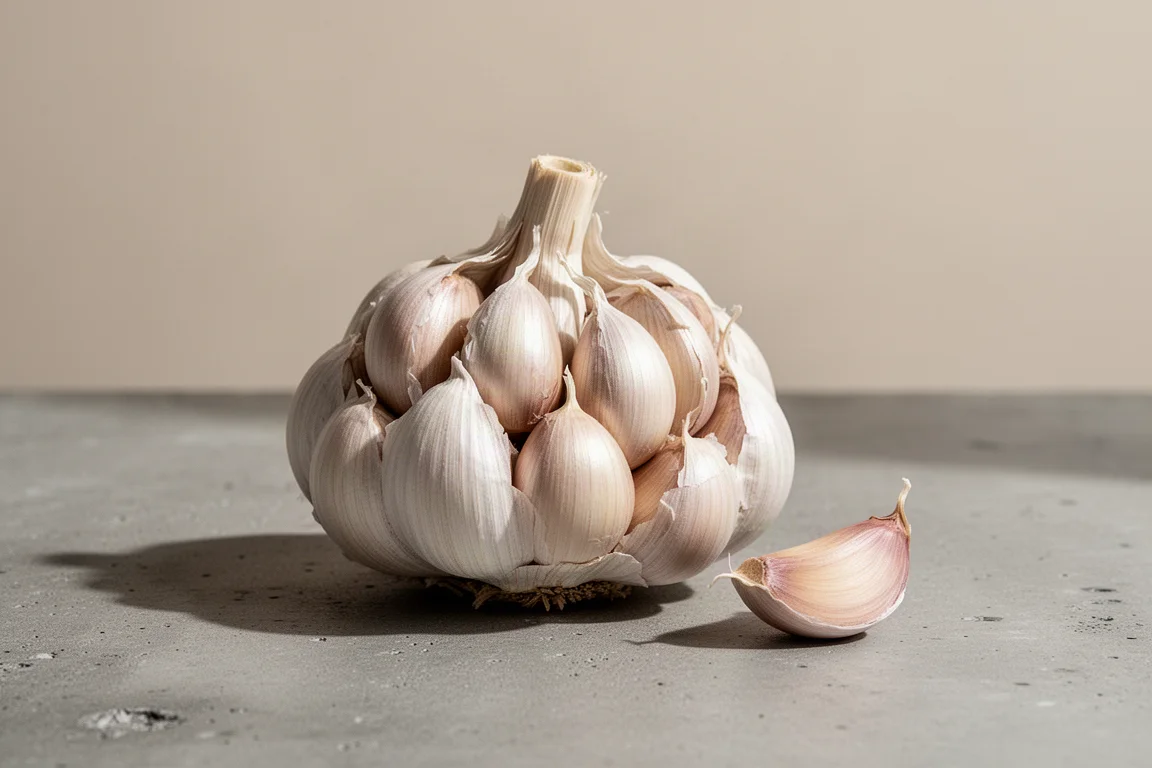
Cheaper bulbs often pack lots of small cloves, which means extra peeling and preparation. The premium bulb’s larger cloves also made slicing more precise and even, and the slices fried to a golden crisp more uniformly. Weighing the peeled yield: the budget bulb delivered 61g of usable garlic, while the premium bulb gave 71g, a sixth more.
The Taste Test
In the fried noodles, the difference was striking. The premium garlic produced a deep, fragrant garlic experience that kept going long after the bite, with tasters describing it as tasting the garlic in their nose. In the garlic bread, where butter and bread surround the garlic, the gap narrowed dramatically, from roughly a 40% difference down to around 5%.
Garlic Verdict and Pricing
The premium option is Nurra purple garlic, a hardneck variety from a specific growing area in Spain. Hardneck garlic is harder to grow, more delicate to ship and has a shorter shelf life, but it is described as more mellow and subtle when cooked, albeit sharper and spicier raw. The budget option is Acardo, one large bulb with a guaranteed life of more than two weeks, origin varying by time of year, potentially Argentina, China or Spain, with varying clove sizes. Price: Acardo is 50p a bulb for 61g of yield, Nurra is £1.50 a bulb, three times the price for a sixth more yield.
Where Each Upgrade Is Worth It
The pattern across all three tests is consistent: application is everything. For kids’ baking, Rice Krispie cakes, beefy bakes like chilli and burgers, or garlic buried in a dish with a thousand other ingredients, the cheaper option performs perfectly well. When the ingredient is the star, a silky chocolate mousse, a lean beef dish, garlic noodles where garlic is the standout, the premium version justifies itself.
There is also a freshness angle worth considering for garlic specifically: in a cost-of-living squeeze, more shoppers buy the cheap option, so budget stock may sit longer in warehouses and start to germinate, which changes quality. And if you upgrade many ingredients in one dish, each individual improvement may not stand out, but the combined effect is an objectively better plate.
Conclusion
Buy the best you can afford, and spend the difference where the ingredient does the talking. Premium chocolate is non-negotiable for mousse but optional for crispy cakes. Expensive mince shines in lean, beef-forward dishes, while cheaper mince suits fattier, saucy family meals. Premium garlic transforms dishes where garlic is the hero, and stays invisible in everything else. Match the ingredient to the job, and the extra spend stops feeling like a gamble.
Further reading
Related Reviews
Baking
Best Chocolate Box Cake Mix: Four Brands Ranked From Fudgy to Forgettable
We compared four chocolate box cake mixes on flavor intensity, texture, and convenience to find which ones actually taste like chocolate.
Kitchen Ingredients
Best Chocolate for Baking and Eating: Five Picks Worth Keeping in Your Pantry
From unsweetened baking chocolate to a creamy 48% milk chocolate bar, five chocolate picks with clear roles in the kitchen.
Food & Drink
Best Dark Chocolate for Less Sugar: Four Picks From 60% to 90%
Four dark chocolates that deliver more cacao and less sugar, from an everyday baking bar to an intense 90% pick.