Hand Tools
Channellock vs Milwaukee Splitting Axe: Two Tool-Brand Axes Compared
A 36-inch felling-style axe from Channellock and a 26-inch splitting axe from Milwaukee go head to head for splitting, kindling, and camp duty.
Introduction
Tool brands keep drifting into the axe and hatchet space, and two of the more interesting arrivals are the Channellock splitting axe and the Milwaukee 26-inch splitting axe. Neither is a professional-grade tool, but both split wood well and each takes a clearly different approach to the job. Here is how they stack up for backyard kindling, camp duty, and light firewood work.
Two Different Takes on the Splitting Axe
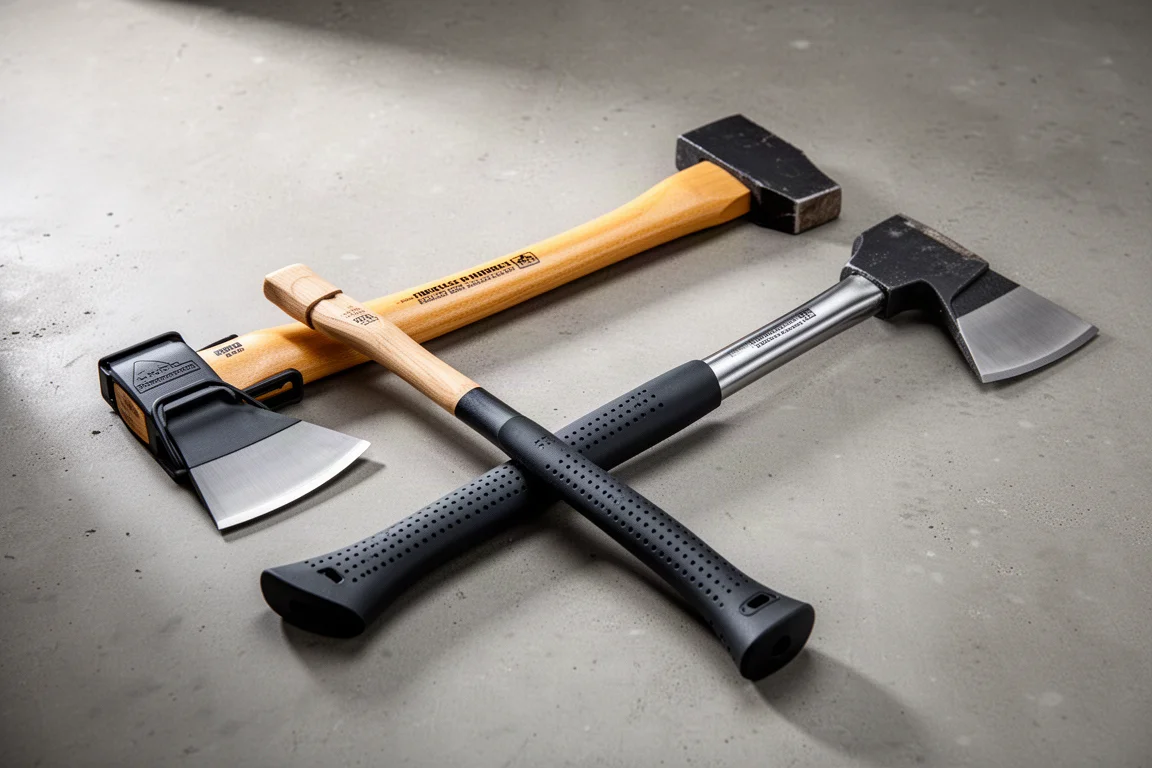
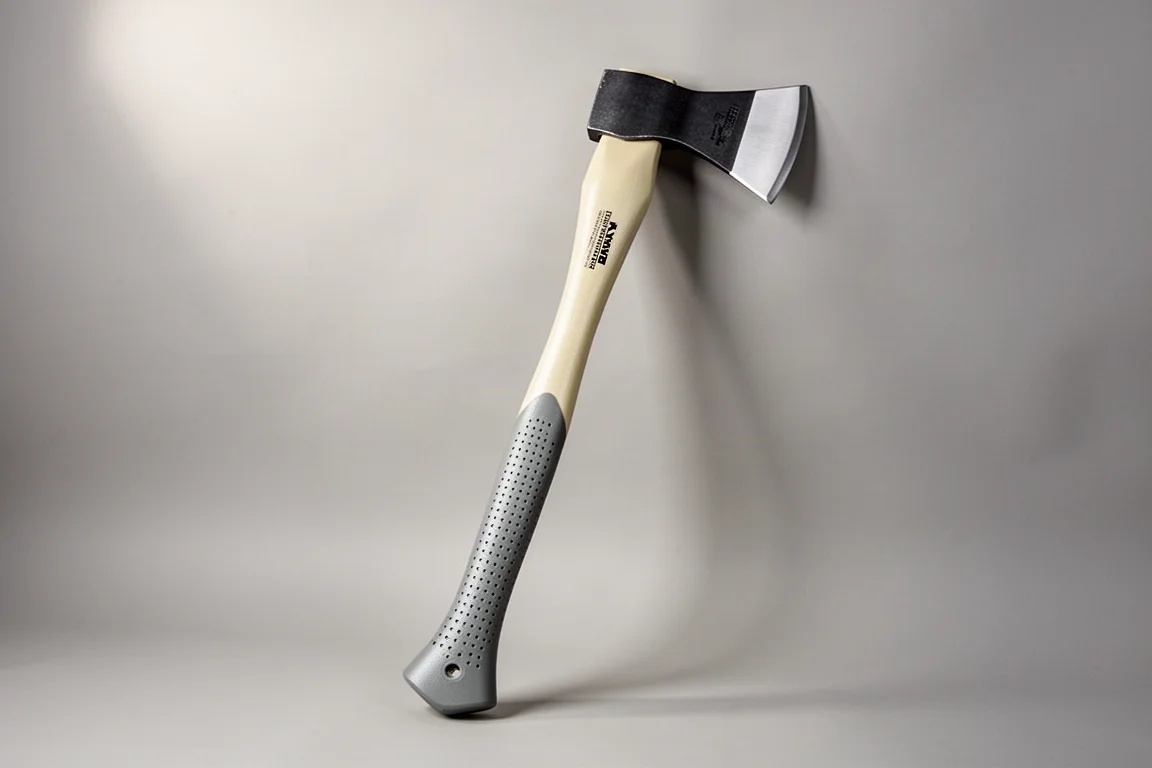
The Channellock is the longer of the two at 36 inches, with a fiberglass reinforced handle and a roughly 3.5-pound head. Its blade shape is closer to a felling axe, built to dive into wood and remove a chunk of material, and it adds extra protection under the head.
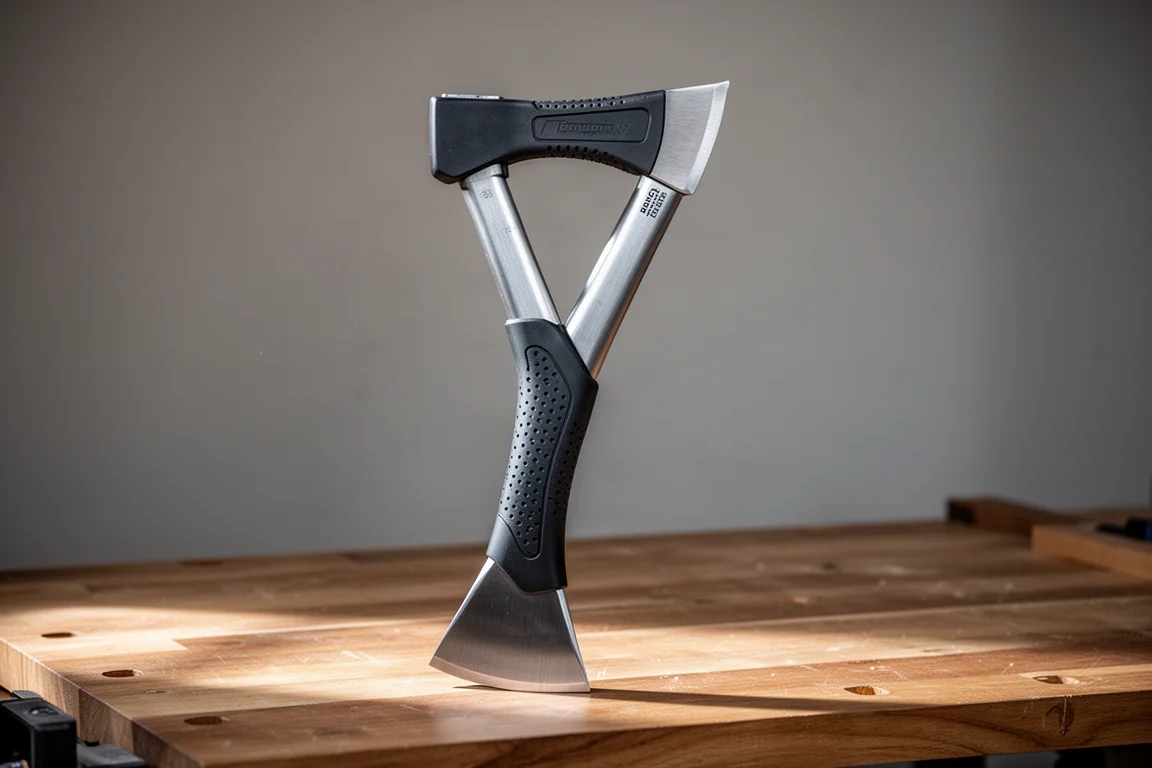
The Milwaukee is 26 inches long with a steel handle finished in plastic overmold, a triangular splitting-style head, and a total weight of about 5.8 pounds. It is made in Taiwan; the Channellock’s origin is not stated. Both blades come with covers: the Milwaukee uses a solid plastic guard with a latch mechanism, which works but the latches can break with use, while the Channellock ships with a small flexible rubber guard that would not survive a strike.
Splitting Performance: Milwaukee Takes the Nod
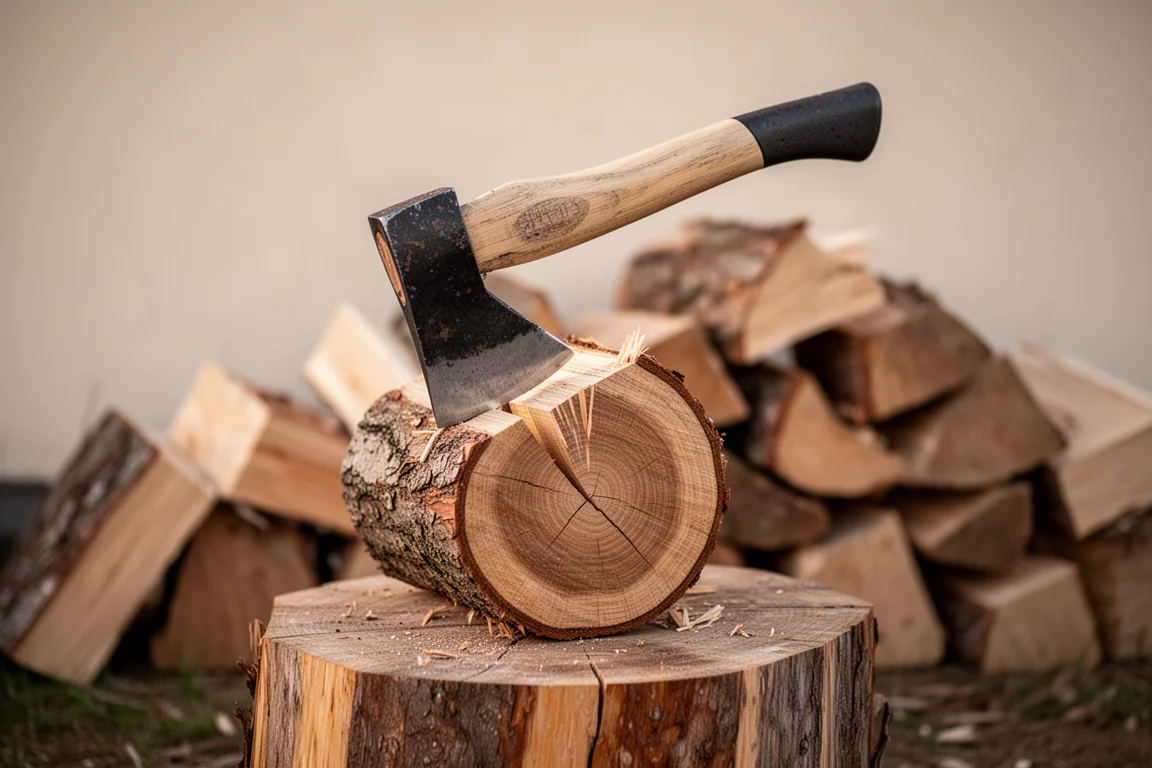
For actual splitting, the Milwaukee wins. The shorter handle and triangular head make it feel like a big hatchet that also happens to have a splitting head, and it can be manipulated easily with one hand. That sharp V-shaped blade is designed to separate material rather than chop it.
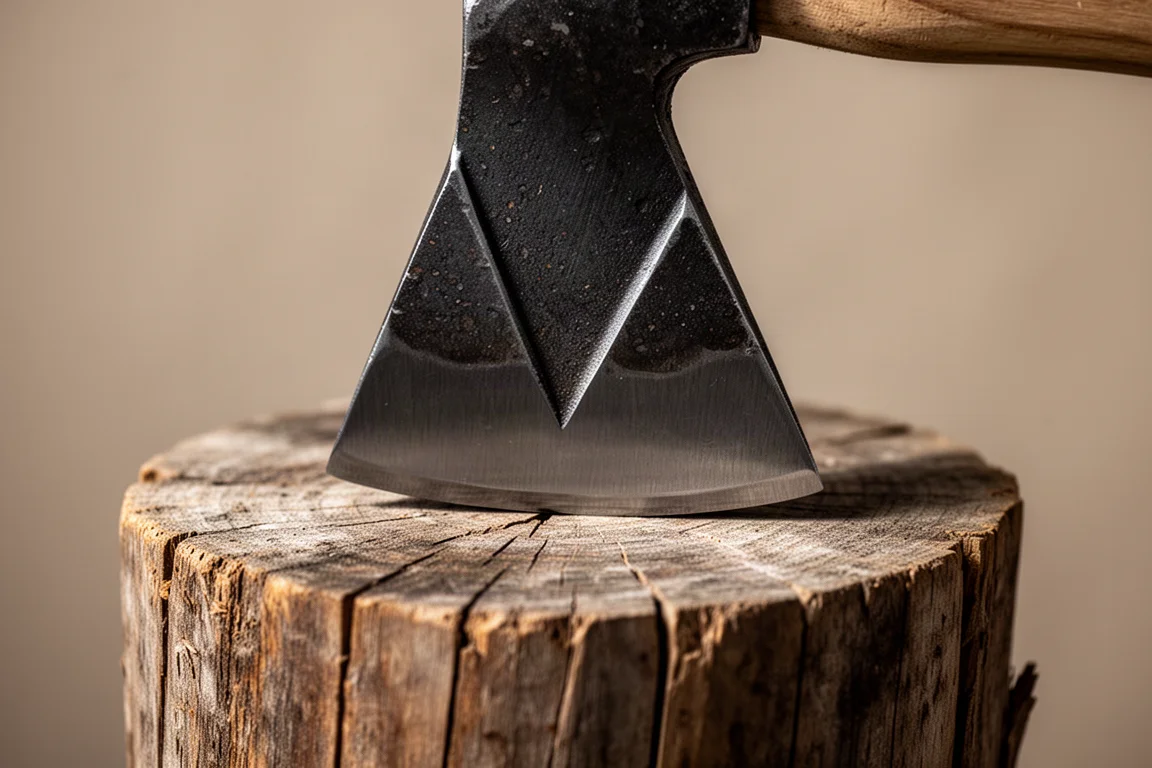
The trade-off is versatility. The Milwaukee would have a tougher time felling a tree, and the Channellock is genuinely good at diving into wood and removing material, making it the better chopper. The Channellock’s extra neck protection under the head also suggests the maker expects some wood-shop time, kindling work, and the occasional overextended swing landing where it should not.
Handling and Comfort: Where the Handles Differ
Handle choice changes the feel of each swing dramatically. So much weight sits in the Milwaukee’s steel handle that you really feel it, and shock transfer is noticeably stronger than through the Channellock’s fiberglass reinforced handle. You would not want to swing the Milwaukee all day long.
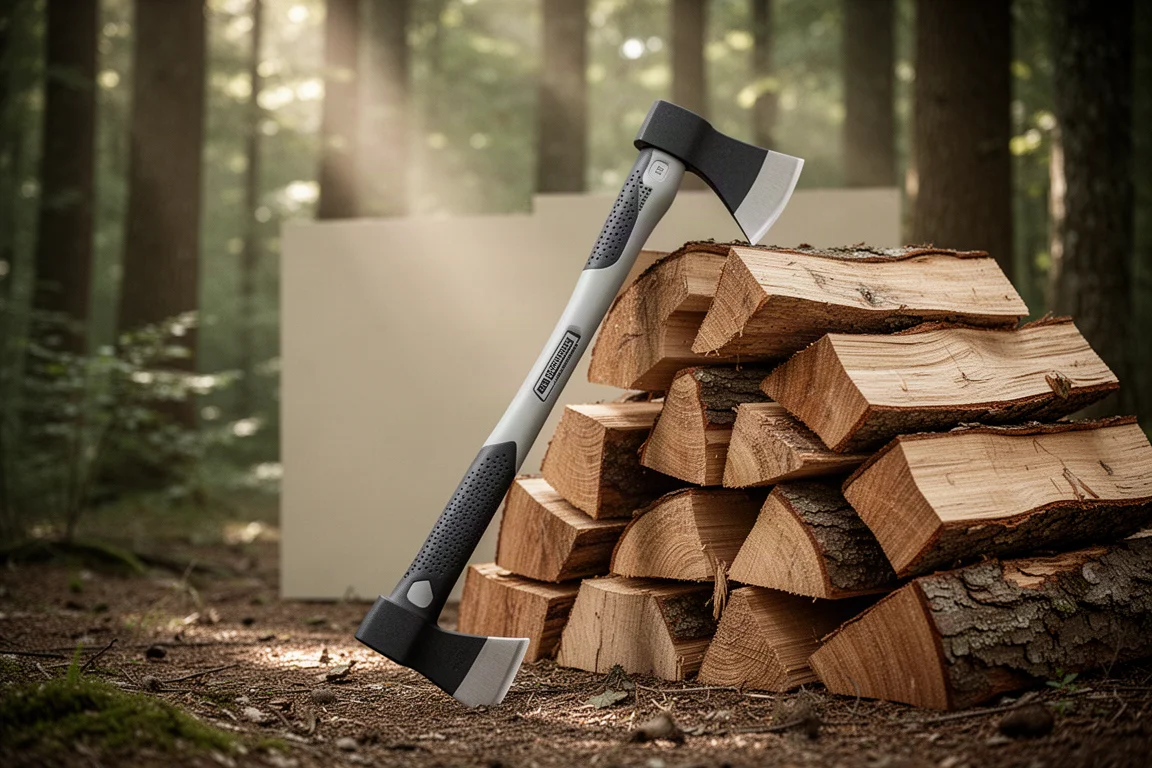
The Channellock’s 36-inch length is also a touch longer than a typical 35-inch felling axe, which makes it easy to extend the swing a little too far. That is exactly where the front neck protection earns its keep.
Channellock Splitting Axe: The Felling-Style All-Rounder
With its longer handle, fiberglass reinforced shaft, and felling-style blade, the Channellock behaves like a proper felling axe with bonus protection for clumsy moments and light shop work. It sells for about $40, around $45 on Amazon.
Milwaukee 26in Splitting Axe: The Camp and Backyard Splitter
The Milwaukee is the better pure splitter and a natural camp axe or backyard tool for dual-duty chopping and splitting. At about $47, it costs slightly more than the Channellock. If you plan to cruise the forest all day, though, you will want something else.
Buying Advice
Neither is a professional axe, so pick based on your main task. Choose the Milwaukee if splitting firewood and kindling is the priority and you value one-handed control. Choose the Channellock if you want more reach, a more comfortable handle for longer sessions, and some chopping ability. It remains an open question why so many tool companies, from DeWalt to Estwing, are entering this space, but the results here suggest they are taking it seriously enough.
Conclusion
Both axes work well and each is honestly built for what it is. The Milwaukee earns the nod for splitting thanks to its short, manageable length and effective triangular head, while the Channellock offers better comfort, more reach, and real chopping ability. Match the tool to the job and either one will serve you well.
Further reading
Related Reviews
Hand Tools
Best Diagonal Cutters 2026: 16 Pliers Tested for Cutting Power and Durability
We put 16 diagonal cutters through nail, screw, drill bit, and hex key tests to find the best value picks for your toolbox.
Hand Tools
Best Hex L Key Sets 2026: Nine Sets Tested for Real-World Torque
Nine hex L key sets from budget to premium, tested for torque, fit, and durability. See which sets deliver real performance and which ones to skip.
Hand Tools
Best Locking Pliers 2026: Top Picks Tested for Grip and Durability
We tested 18 brands of 10-inch locking pliers for grip strength, jaw bite, build quality, and ease of release to find the best options for tough jobs.