Hand Tools
Channellock Speed Grip Pliers Review: A New Take on Tongue and Groove
Channellock's Speed Grip pliers trade the classic arc-jaw design for a straight channel and push-button adjustment. Here is how the 8-inch and 10-inch models feel in hand and how they stack up.
Introduction
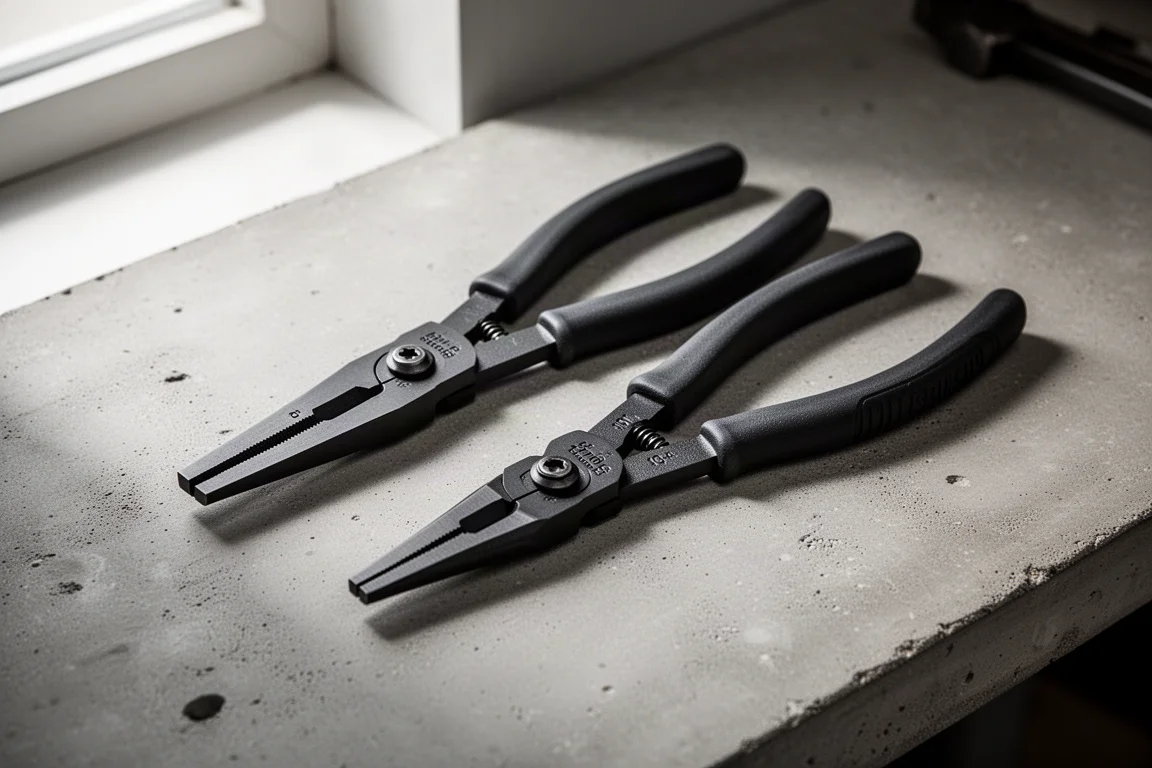
Channellock’s Speed Grip pliers are the company’s most interesting departure from its own classic design in a while. Instead of the traditional curved tongue-and-groove arc, these use a straight channel with a push-button adjustment that lets you slide the jaws quickly to the position you want and lock them there. I picked up both the 8-inch 428X and the 10-inch 430X, and after spending real time with them on fasteners and on the scale, they turn out to be a genuinely different tool rather than a refreshed classic.
First Impressions: Design and Build
The headline feature is the push-button mechanism. Press it and it disengages from the slots in the straight channel, letting you move the jaw back and forth rapidly and lock it exactly where you need it. There is no arc to swing through, so going from fully open to gripping a fastener is fast and direct. Compared to a Knipex-style push button, which moves quite a bit and has a large spring-loaded end, the Speed Grip button has very little travel. It feels minimal, and whether that holds up over years of use is the open question.
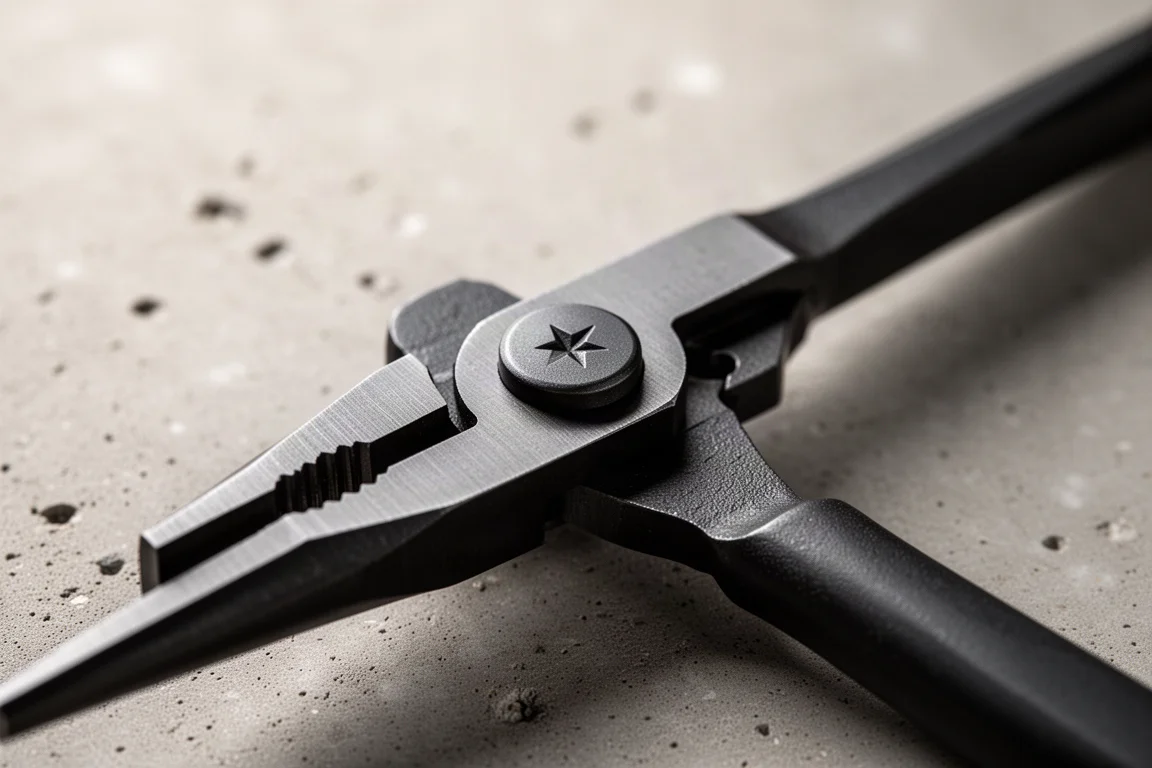
In hand, the surprise is the heft. These feel substantially more solid than expected, almost over-built, with a design language that leans robust rather than the minimalism of traditional pliers. Weighing the 10-inch on a scale puts it at about 15.3 oz. For context, the 250mm Knipex Cobra 87 01 250 comes in around 11.9 oz, the 250mm Knipex Plier Wrench 86 03 250 is heavier at over 16 oz, and the Snap-on 91ACP lands in between at around 13.3 oz. So the Speed Grip sits right in the ballpark for this class of tool.
The Handle: Molded Grip With Real Bite
The handle treatment is new for Channellock. Rather than the familiar dipped vinyl finish, this grip is molded on, with visible seam lines and a genuinely textured surface. When pulling hard on fasteners during testing, the texture definitely bites into the hand. It works well, though it is quite angular, and you feel those angles in use. By comparison, the Snap-on grip is pleasantly rounded, and the Knipex is lower profile but still rounded. The Speed Grip has corners, which some will love and others will notice during long sessions.
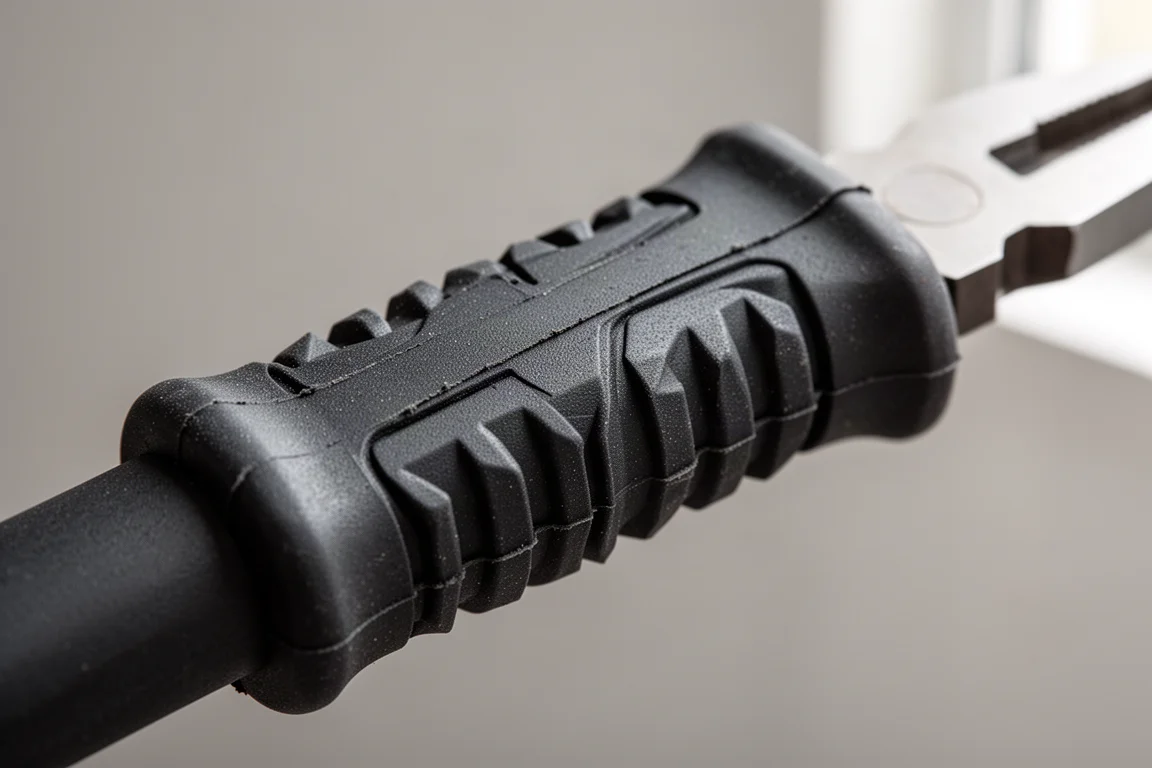
One quirk worth knowing: if you squish the handles hard, the mechanism can stick slightly in the compressed position. It recovers, but it is the kind of small mechanical roughness that the classic design never had.
Grip Quality: 18 Positions and Parallel Jaws
Counting the notches in the channel gives you 18 adjustment positions. A traditional large tongue-and-groove plier offers fewer than half that. The idea behind so many positions is that the jaws stay parallel, so the closer you can dial in to the fastener size, the better the contact across the jaw face.
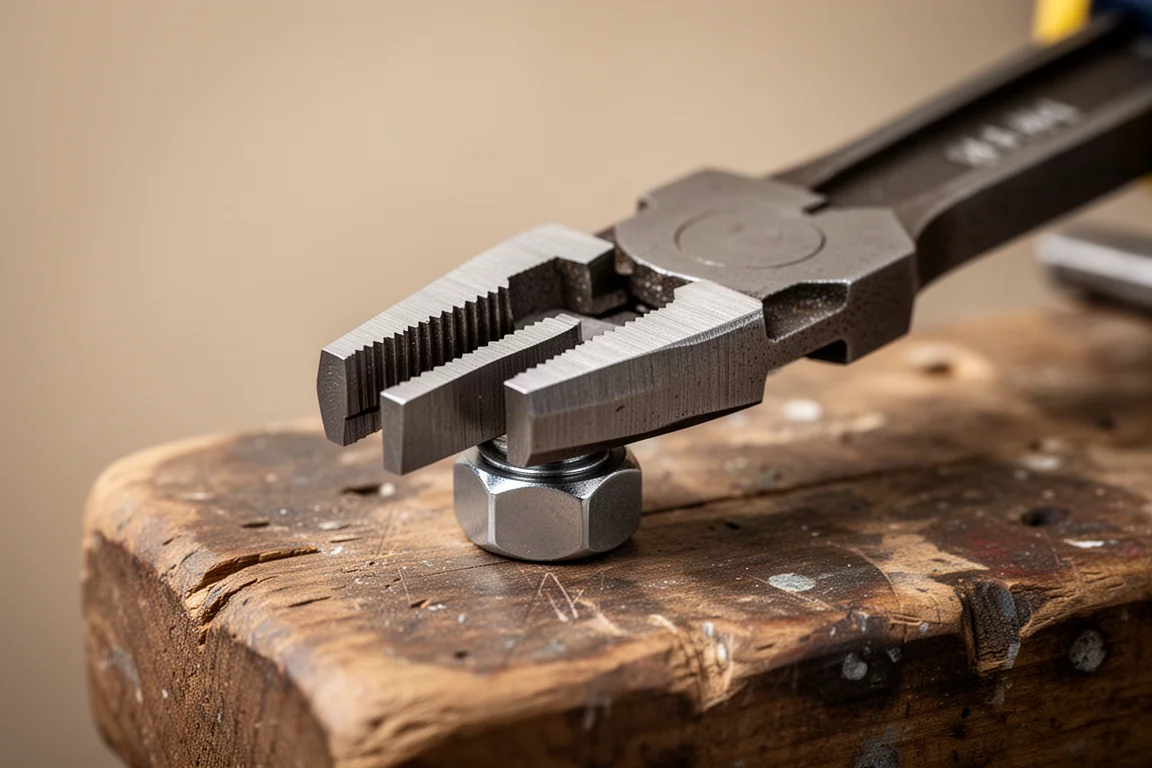
The trade-off shows up in adjustment speed. Because the jaws are only parallel at the right setting, being off by even a notch creates gaps at the jaw edges, and the grip degrades. The Knipex Cobra solves this differently with trapezoidal jaws that hold a decent grip even when the setting is off. The Knipex Plier Wrench goes further with a camming mechanism that never lets the jaws leave parallel at all. With the Speed Grip, you cannot slide the jaws along the channel to a wider setting and squeeze onto a fastener the way you can with a Cobra; they lock in place. You have to disengage the button, move, and re-engage, which is a two-handed operation.
How They Compare to the Competition
The Speed Grip is a USA-made tool, and Channellock makes a point of it, marked as forged from US steel and fully made in the USA, backed by the standard Channellock lifetime warranty. The finish is not the greatest; there are rough spots you can feel, and some bubbling visible in the lacquer over the black oxide surface. None of that appears likely to affect function, but it is worth knowing.
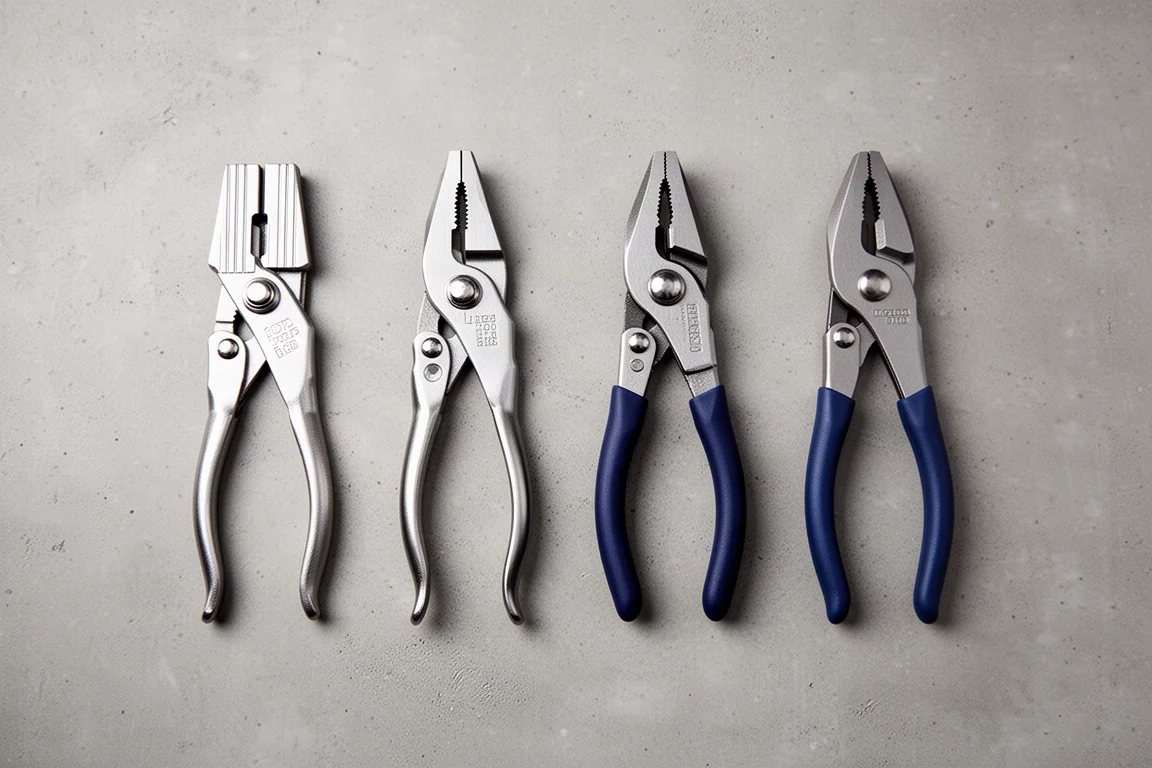
On price, I picked up both the 8-inch and 10-inch for about $40 on Amazon, roughly $20 each. The Knipex Cobra runs a little over $30 for the 250mm, and comparable larger options climb higher. So the Speed Grip is competitively positioned, especially given the domestic manufacturing.
Buying Advice
If you frequently work on fasteners where you want to dial in a precise, parallel-jaw grip and you value quick direct adjustment along a straight channel, the Speed Grip is a compelling option, and the two-size set is an easy way to try the design. If your priority is one-handed speed, sliding up to a fastener and grabbing it in a single squeeze, the Knipex Cobra remains the better tool for that workflow. And if you prefer a rounded, gentler grip profile, be aware that the Speed Grip’s molded handle is angular by design.
Conclusion
Channellock is pushing in a new direction with the Speed Grip: more positions, parallel jaws, a molded textured handle, and USA manufacturing at a fair price. The compromise is adjustment speed and a mechanism with some small rough edges. It solved the fine-adjustment problem and introduced a slightly slower one in the process. For the right user and the right fasteners, that trade is worth it.
Product link
View more details for Channellock Speed Grip 428X Pliers
This product is mentioned in the review. Check the specifications, options, and compatibility before buying.
View more details for Channellock Speed Grip 428X PliersFurther reading
Related Reviews
Hand Tools
Best Diagonal Cutters 2026: 16 Pliers Tested for Cutting Power and Durability
We put 16 diagonal cutters through nail, screw, drill bit, and hex key tests to find the best value picks for your toolbox.
Hand Tools
Best Hex L Key Sets 2026: Nine Sets Tested for Real-World Torque
Nine hex L key sets from budget to premium, tested for torque, fit, and durability. See which sets deliver real performance and which ones to skip.
Hand Tools
Best Locking Pliers 2026: Top Picks Tested for Grip and Durability
We tested 18 brands of 10-inch locking pliers for grip strength, jaw bite, build quality, and ease of release to find the best options for tough jobs.