Hand Tools
Channellock 910 vs Knipex 95 61 190: Which Cable Cutter Deserves Your Money?
A head-to-head look at two serious cable cutters, covering build quality, cutting performance, and where each one falls short.
Introduction
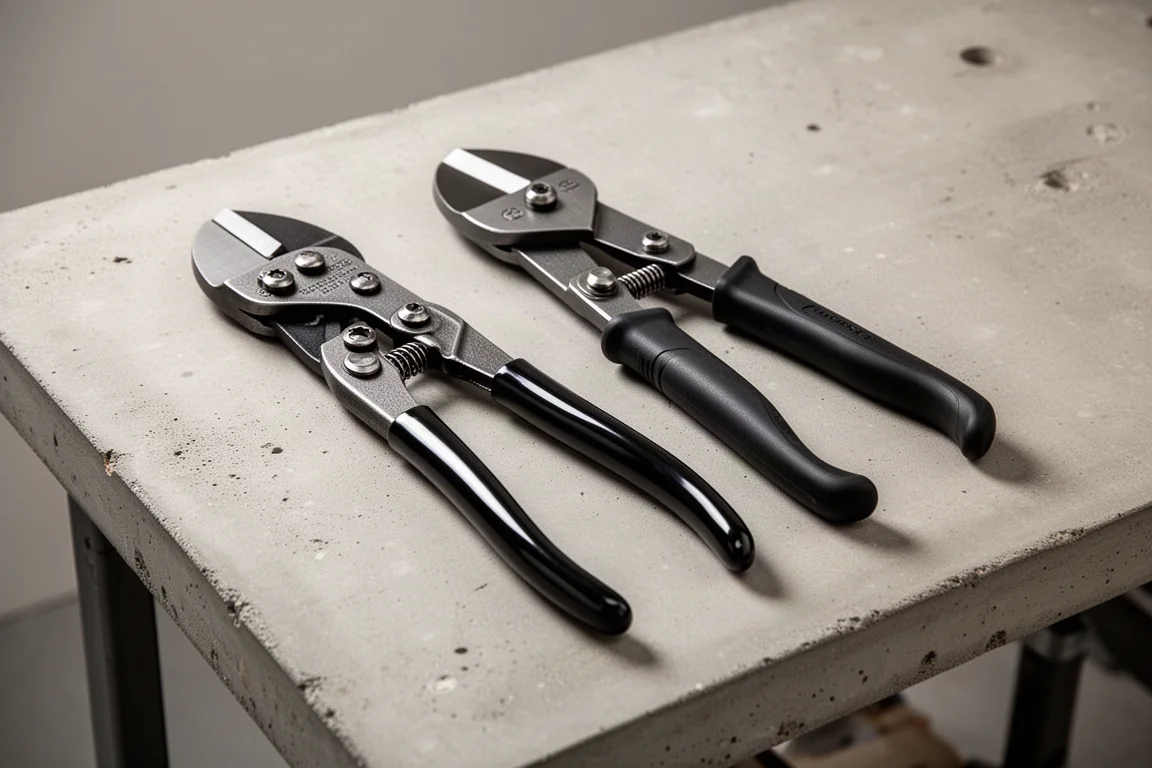
Cable cutters look simple, but the differences between a good one and a mediocre one show up fast when you put them to real work. Two tools worth comparing head-to-head are the Channellock 910 and the Knipex 95 61 190. Both are nine-inch class cutters aimed at electricians, DIYers, and anyone who regularly cuts copper wire and small wire rope, yet they take very different approaches to the job.
One is an industrial, over-built American tool with an unusual blade construction. The other is a smoother, more refined German design that simply performed better in testing. Here is how they stack up.
Channellock 910: Industrial Build, American Made
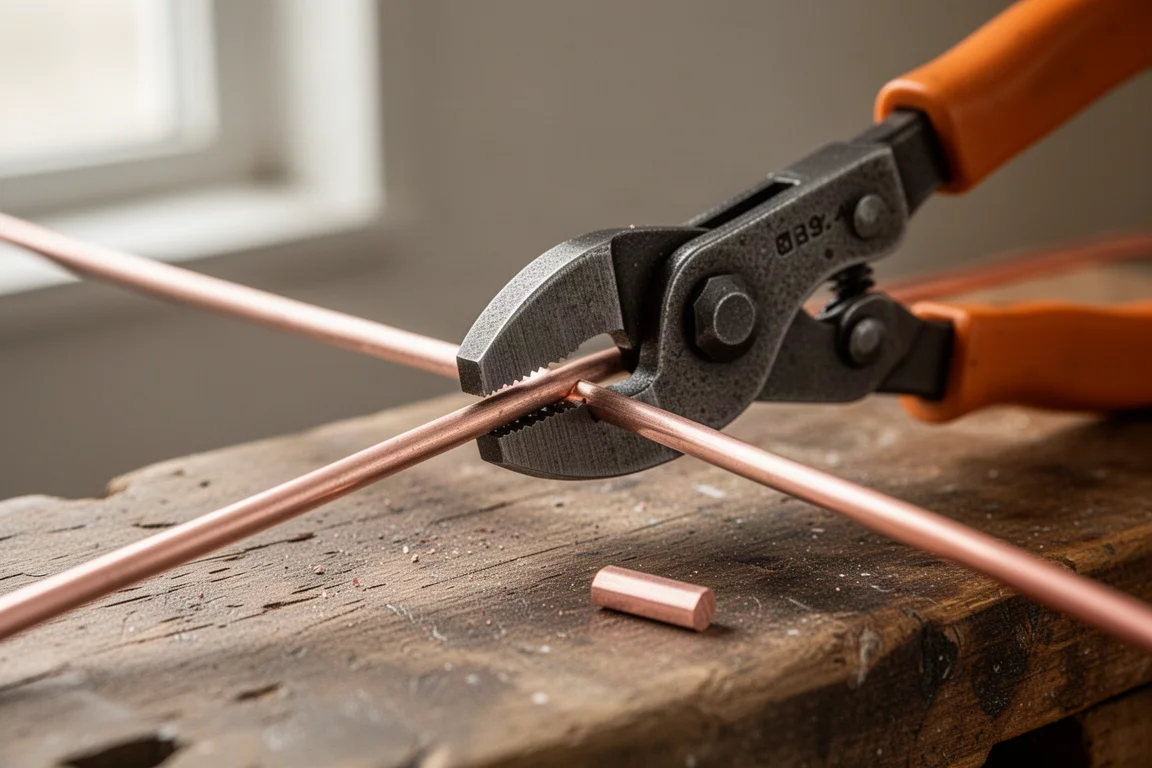
The Channellock 910 is a 9-inch tool made in the USA, and everything about it says heavy duty. It uses an M2 alloy steel blade insert held in place with Torx bolts, which suggests the cutting edge may be replaceable. The construction combines three different kinds of metal: folded steel in the handles, forged steel in the body, and M2 steel at the cutting end. A grade eight bolt ties it all together, and there is a substantial amount of thread engagement on that pivot.
The finish is unmistakably industrial. The strong return spring is aggressive to the point of being almost too much, and the dipped vinyl handles are noticeably slippery compared to over-molded grips. It is a tool built for toughness first, refinement second.
Knipex 95 61 190: The Refined All-Rounder
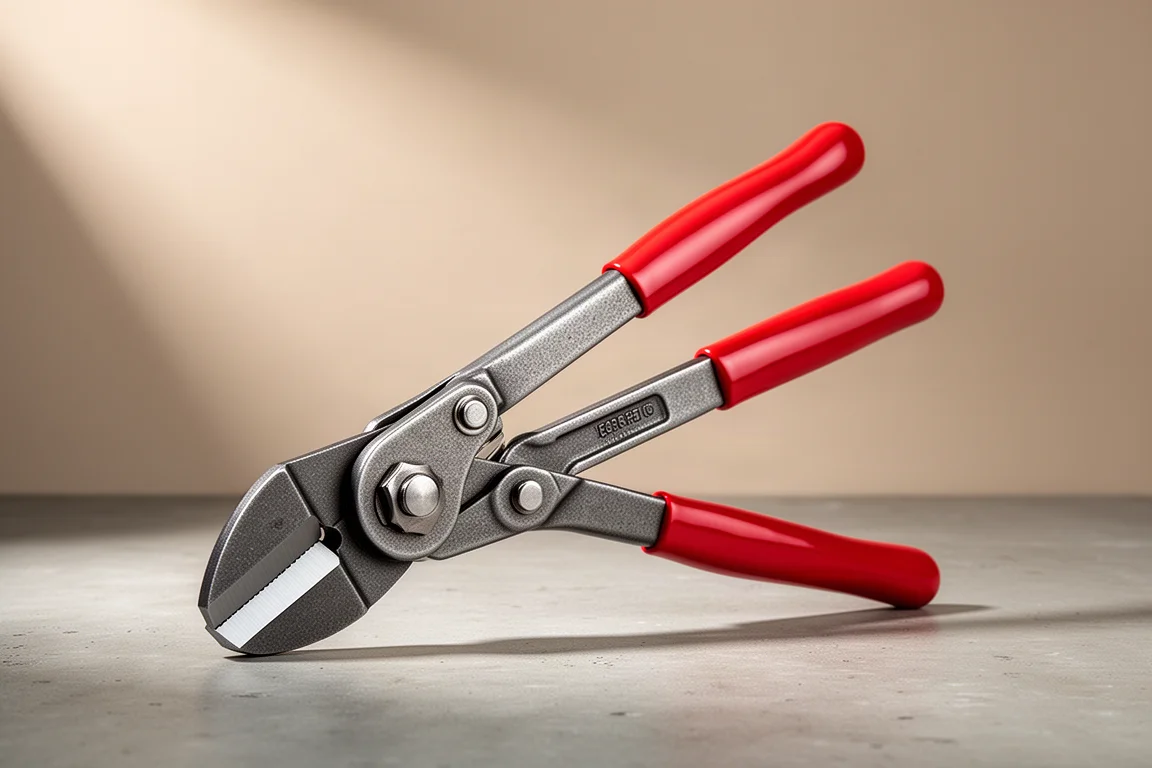
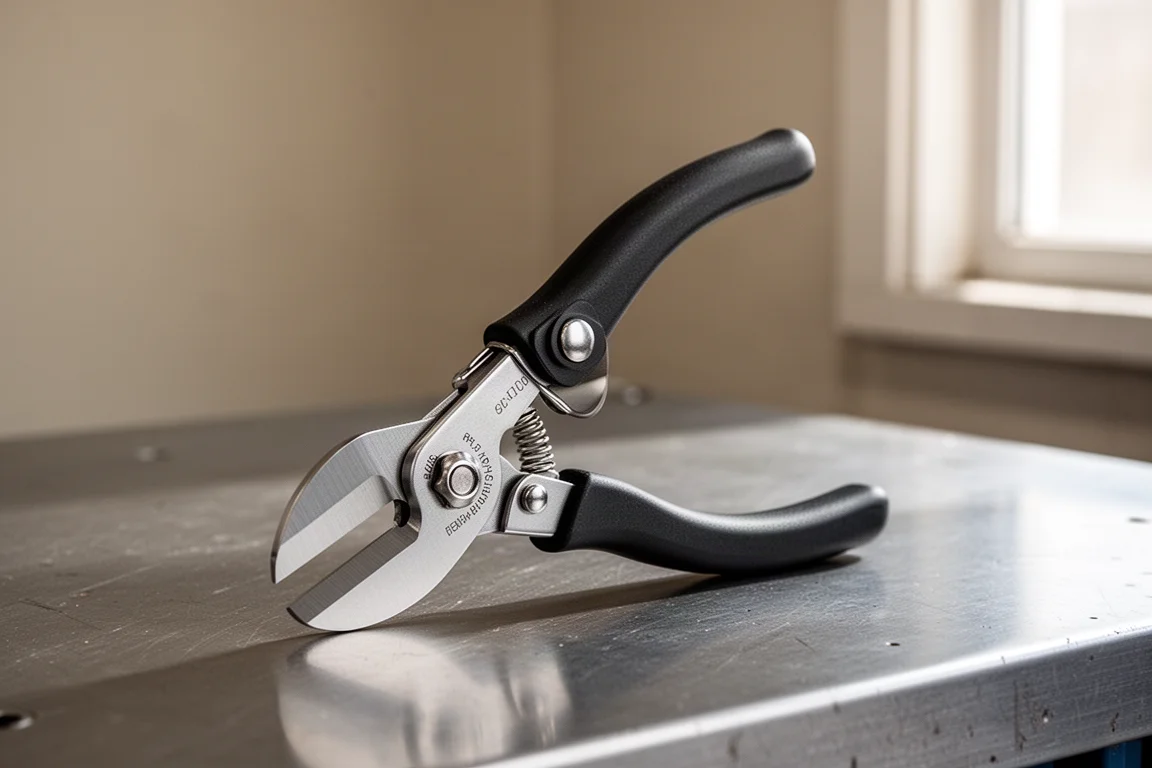
The Knipex 95 61 190 is the same class of tool, but the execution feels a step more polished. The action is smooth from the first squeeze, and the smaller capture mechanism holds the jaws closed using a conventional snap closure, the kind you find on quality garden loppers and hedge trimmers.
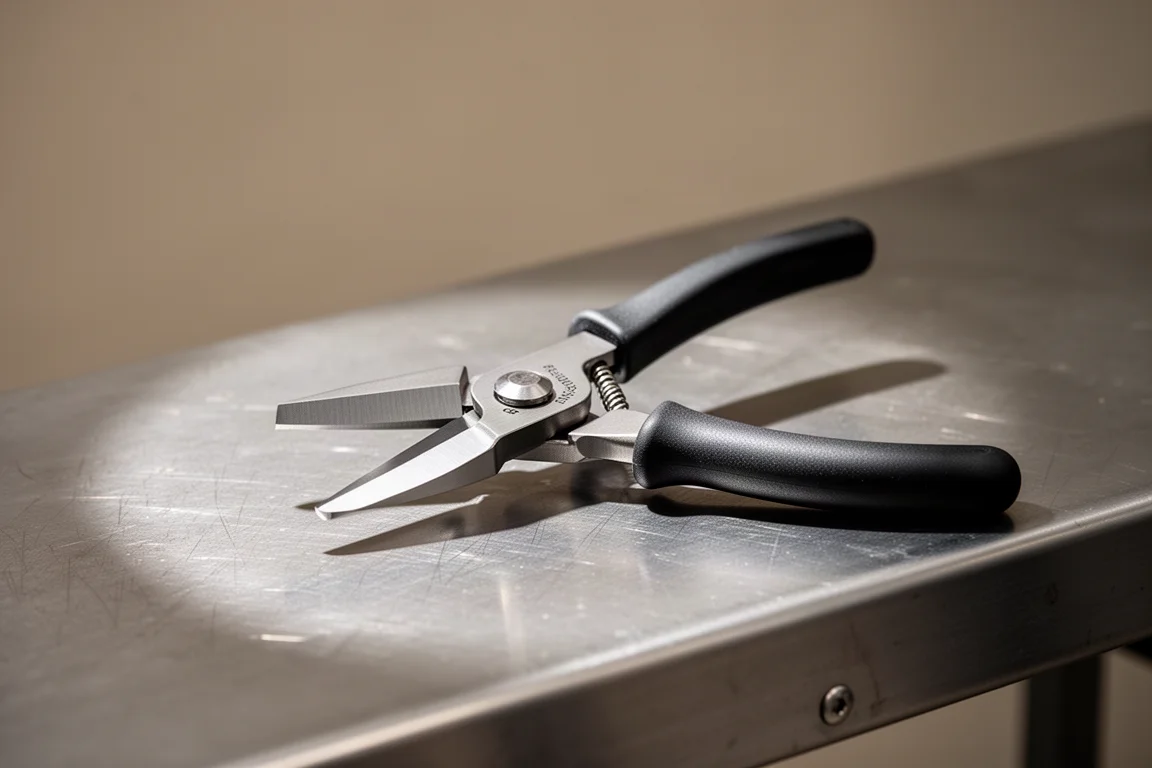
Two practical advantages stand out immediately. The Knipex opens wider than the Channellock, and it offers more reach, which matters if you have large hands and want to work without cramping. The over-molded grips are also far more secure in the hand, so the tool does not rotate or slip while cutting.
Cutting Performance Compared
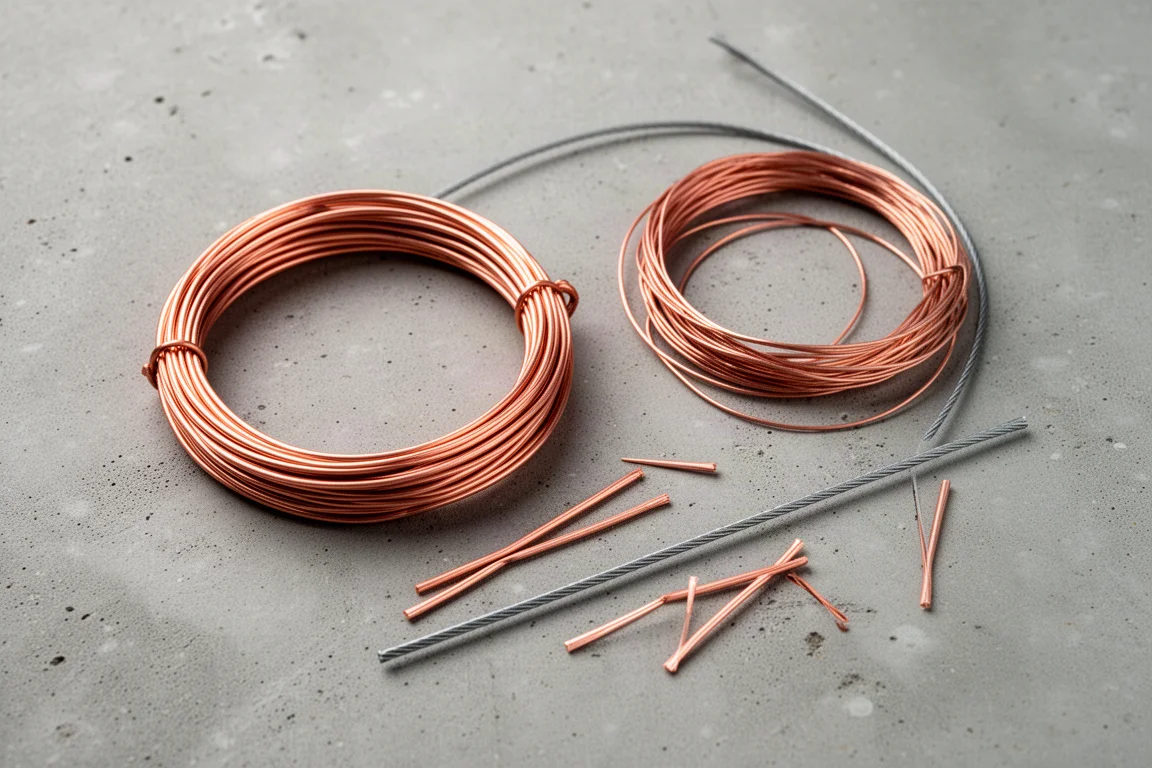
On solid core copper wire, both cutters produced a clean snap with nothing to choose between them. Stranded copper is where the gap started to open: the Knipex cut straight and clean, while the Channellock left a slight angle on the cut, which was genuinely surprising.
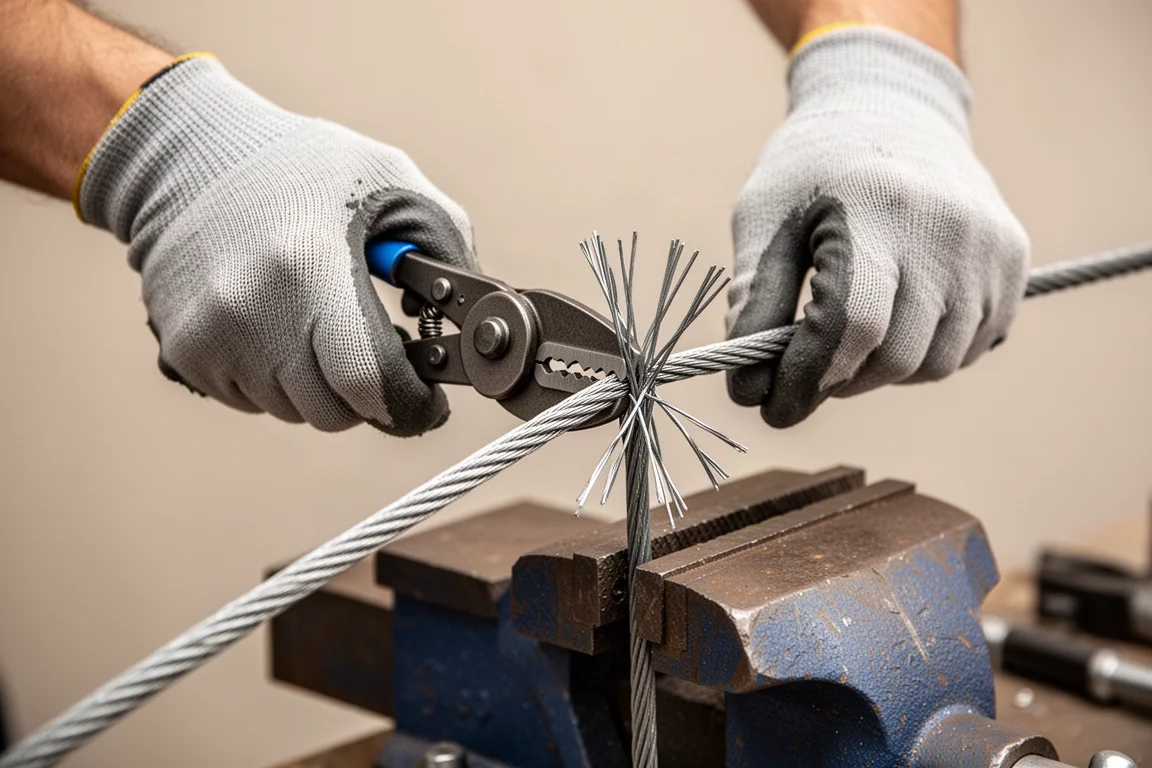
On small wire rope, both tools made quick work of it, though the Channellock needed a slower, more deliberate squeeze. Cut quickly, it occasionally left a messy result. The Knipex stayed consistent regardless of cutting speed.
The Verdict on Maximum Capacity
The Knipex 95 61 190 is rated to cut up to 5/30-inch wire rope, and it lived up to that rating in testing, making a two-handed snappy cut through the material without drama. The Channellock 910, on the other hand, could only wedge the same wire rope into its smaller opening, and it needed multiple attempts and extra force before the cut finally went through. It technically got there, but only at its absolute limit, and the experience was a letdown given how industrial the tool looks.
Buying Advice
If you are buying one tool, get the Knipex 95 61 190. It cuts cleaner, opens wider, offers more reach, grips better, and handled its rated maximum capacity with far less fuss. The Channellock 910 remains an interesting option for buyers who want American-made construction and an easily serviced blade design, but its slippery handles, smaller opening, and inconsistent cuts on stranded wire and fast cuts hold it back. Given its maximum-capacity performance, it should be a little better than it is.
Conclusion
Both cutters handle everyday copper wire, but the Knipex 95 61 190 is the stronger overall pick thanks to smoother action, cleaner cuts, and confident performance right up to its 5/30-inch wire rope rating. The Channellock 910 brings rugged, serviceable American construction, but in this head-to-head it finishes second.
Further reading
Related Reviews
Hand Tools
Best Diagonal Cutters 2026: 16 Pliers Tested for Cutting Power and Durability
We put 16 diagonal cutters through nail, screw, drill bit, and hex key tests to find the best value picks for your toolbox.
Hand Tools
Best Hex L Key Sets 2026: Nine Sets Tested for Real-World Torque
Nine hex L key sets from budget to premium, tested for torque, fit, and durability. See which sets deliver real performance and which ones to skip.
Hand Tools
Best Locking Pliers 2026: Top Picks Tested for Grip and Durability
We tested 18 brands of 10-inch locking pliers for grip strength, jaw bite, build quality, and ease of release to find the best options for tough jobs.