Hand Tools
Channellock 410 Nutbuster vs Knipex Raptor: Two Very Different Takes on Grip Pliers
The Channellock 410 Nutbuster looks similar to the Knipex Raptor on paper, but in practice they are two different tools. Here is how each one actually grabs fasteners.
Introduction
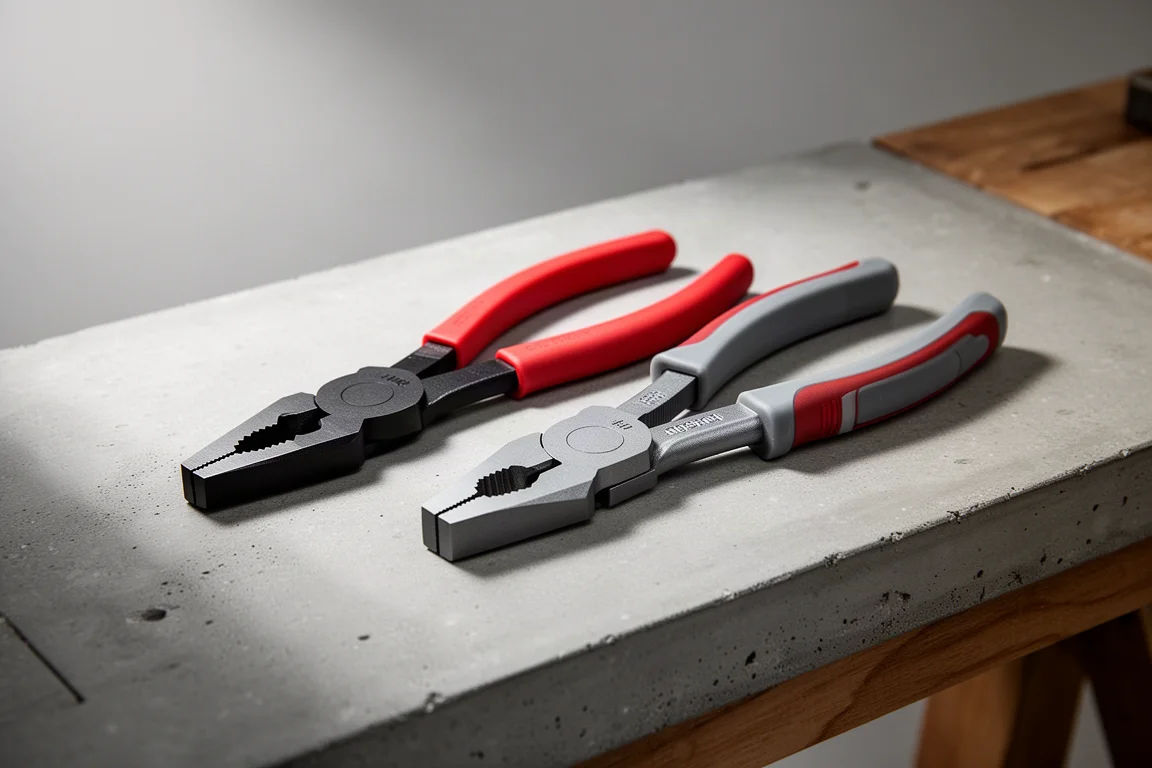
The Channellock 410 Nutbuster and the Knipex Raptor get compared often, and it is easy to see why: both are tongue-and-groove style pliers with short, stout jaw sets. But after spending real time with both, the conclusion is simple: they are not competitors, and one is not a replacement for the other. They are two different tools that happen to share a silhouette.
This comparison looks at how each plier actually grabs fasteners, where each one excels, and the trade-offs worth knowing before you buy.
Channellock 410 Nutbuster: A Different Animal
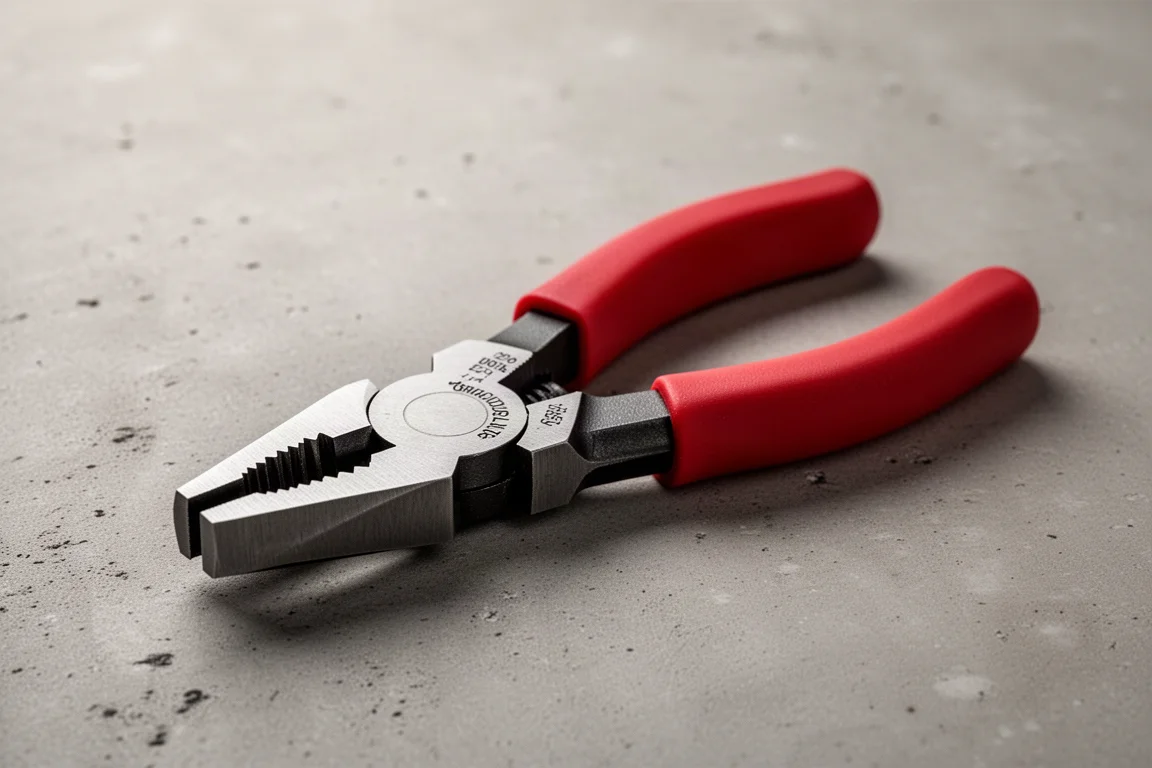
Channellock is almost a Kleenex-style generic for tongue-and-groove pliers, and the 410 Nutbuster follows the traditional parallel jaw design with a fairly stout but short jaw set. The notable feature is the jaw angle, which is angled specifically for fasteners. Anything you place in those jaws drops right in and sits fairly solid.
The difference shows up the moment you look closely at the grip. The 410 has aggressive, massive teeth, whereas the Raptor’s jaw face is smooth, shaped like a bird of prey. With the Channellock, once it clamps down there is daylight visible around the fastener. It may be grabbing a corner and a face, with gaps elsewhere. On very small fasteners, those big teeth can almost swallow the hardware, making them disappear into the jaw.
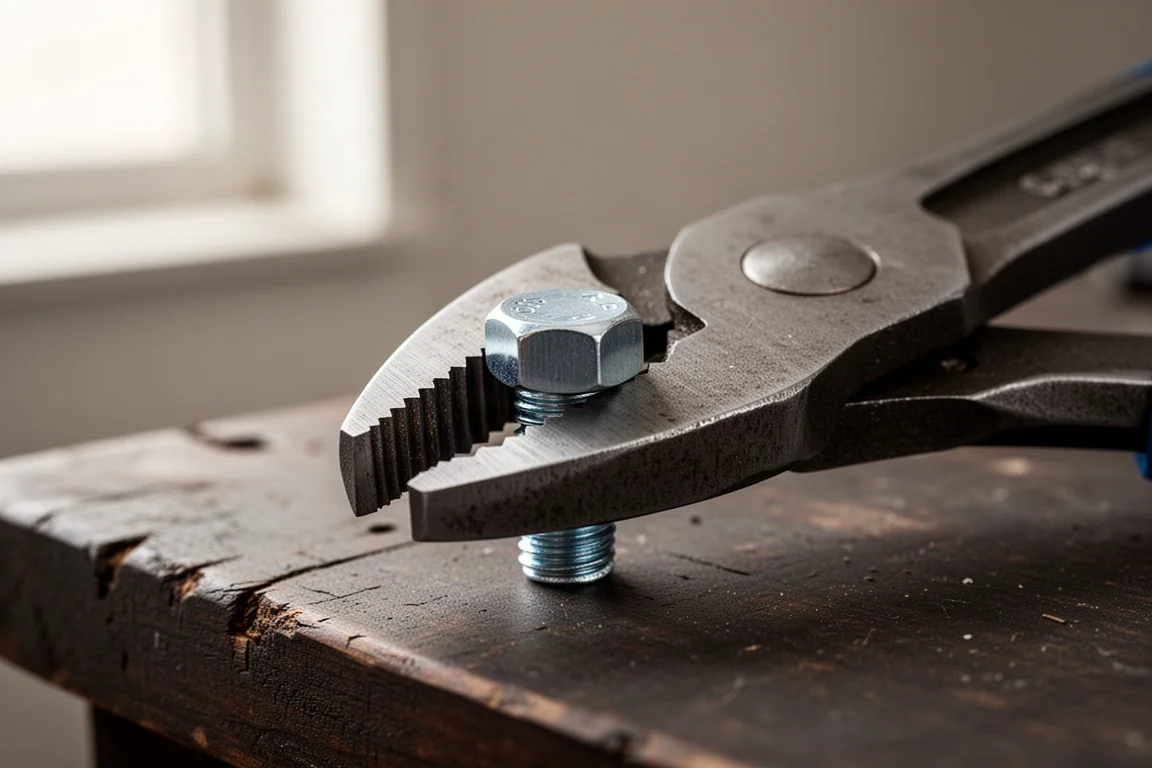
There is another quirk: the jaw geometry does not seem to be designed for a six-sided hex fastener. It appears to be shaped more like an eight-sided, octagonal fastener profile, which is an unusual target since octagonal fasteners are not common. It does grab pipes fairly well, though, which raises the question of whether the angle was intended for conduit or pipe work.
Knipex Raptor: A Dead-On Fit for Hex Fasteners
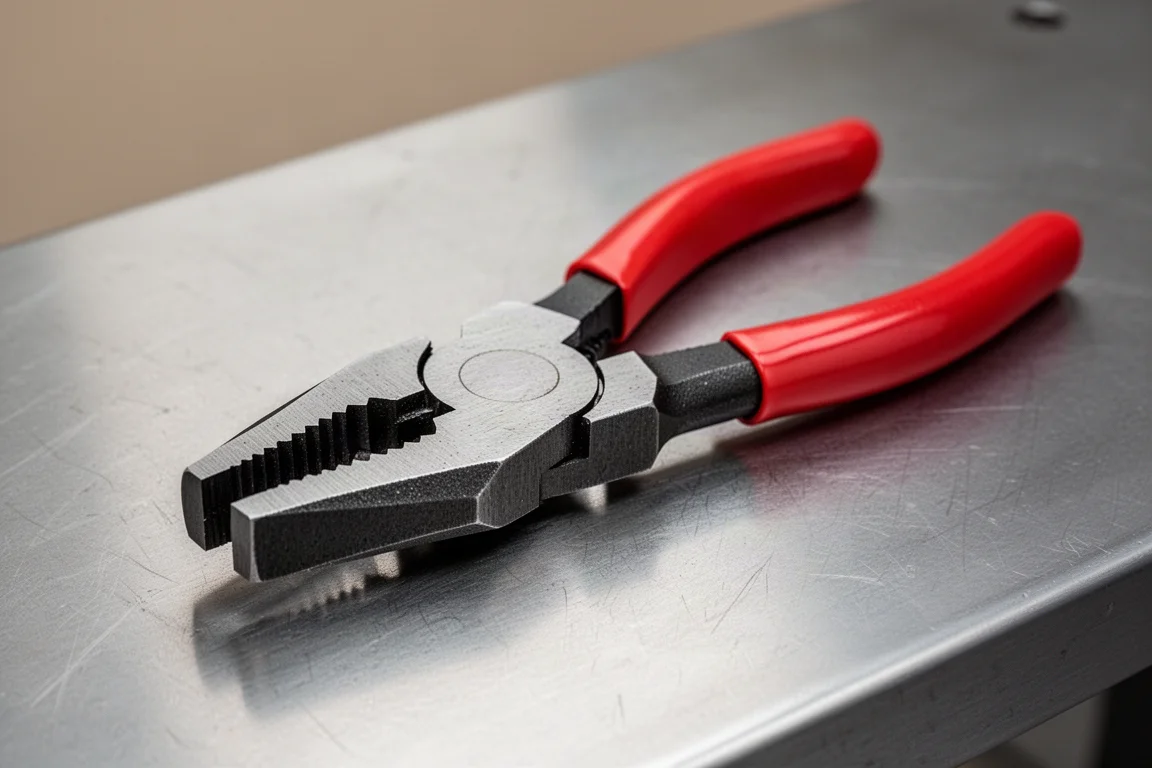
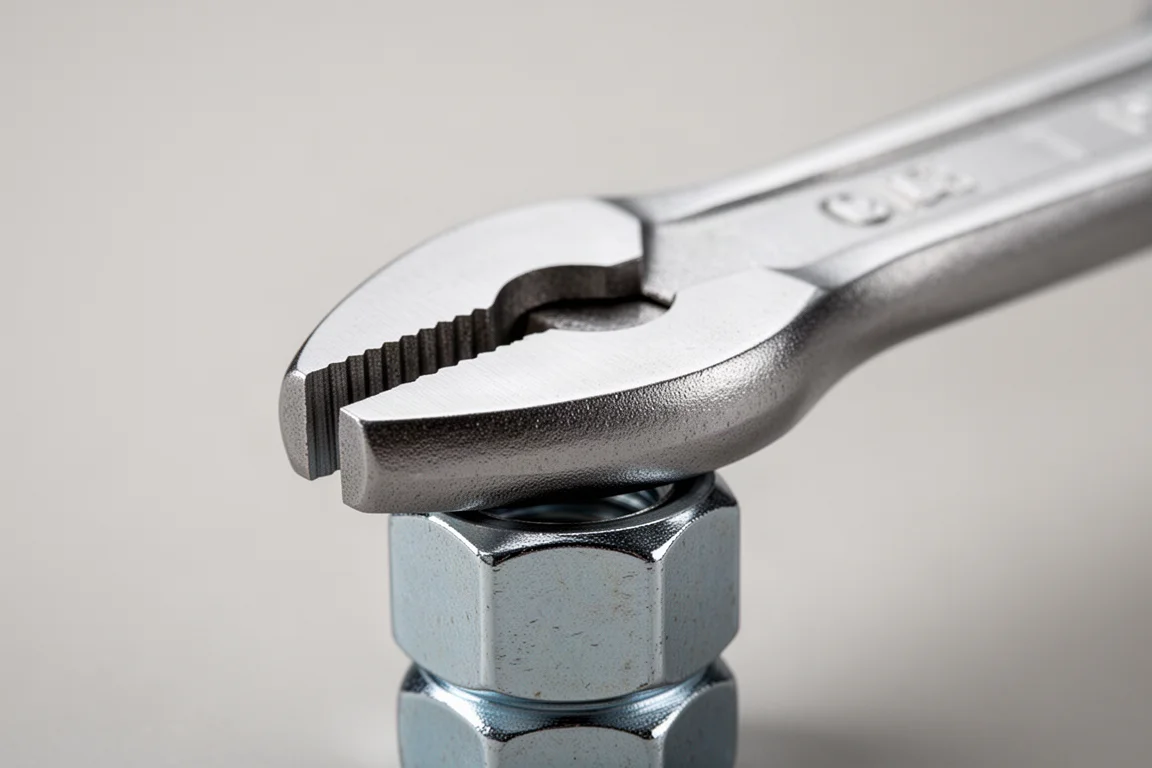
The Knipex Raptor is the mirror opposite. Its smooth, toothless jaw face is angled precisely for a six-sided bolt or nut. When the jaws are sized correctly, the fastener seats as if the tool were made for it. It is a genuinely bomb-proof lock-up with no daylight around the fastener, and you can position it wherever you want on the fastener for the best grip.
On small fasteners, the Raptor still holds solidly, and the smooth jaws never bury the hardware the way deeply serrated teeth can. The trade-off is raw capacity: the Raptor maxes out on larger fasteners, where it can hold them but not in a truly useful way. The standard Knipex Cobra pliers handle bigger work more gracefully.
It is also worth noting that the Raptor is not really a pipe wrench. Applied to a pipe, it can crush the side rather than grip the turn, so pipe work belongs to a different tool entirely.
Grip Feel and Ratcheting Motion
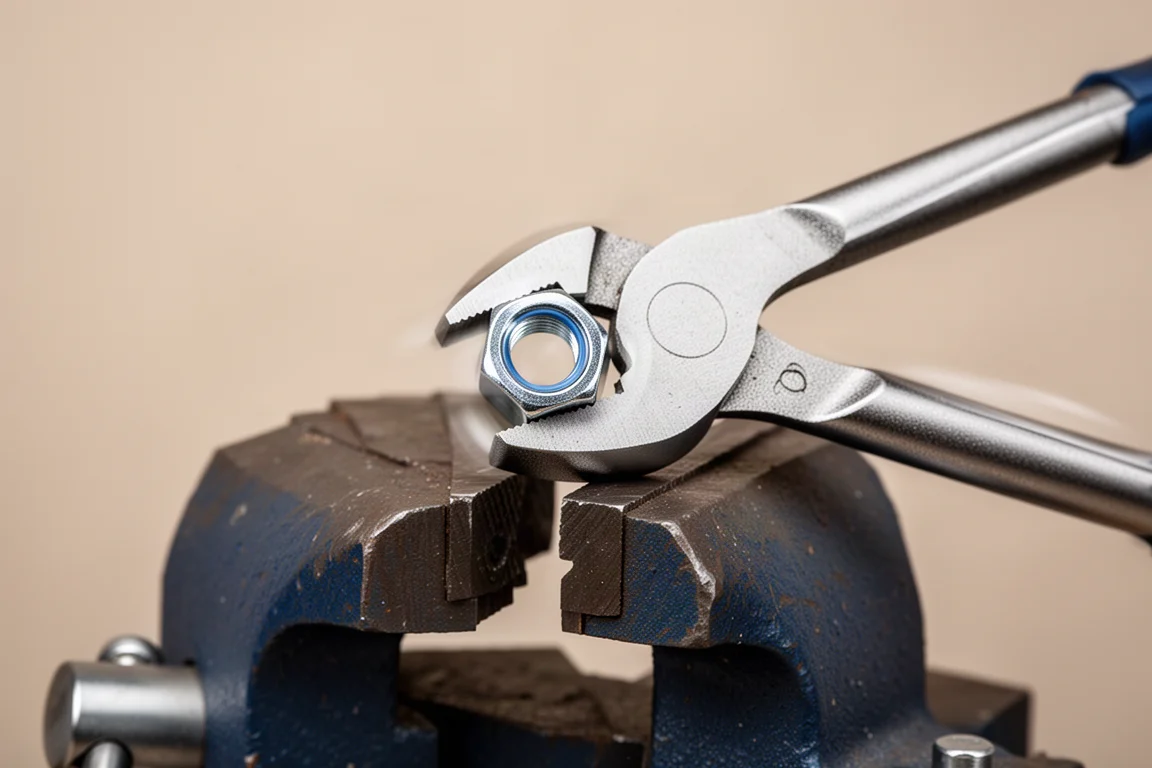
One of the most practical differences shows up when you re-grip. With the Raptor sized for the fastener, a slight release lets it roll to the next facet quickly, almost like a six-tooth ratchet. You always know where the seating position is because it simply does not grab well until it snaps in. That pop is unmistakable.
With the Channellock 410, the aggressive teeth grab at almost any position. That sounds like an advantage, but it costs you feel: as soon as it starts moving, you lose the sense of where that efficient, solid seating point is. You can find it, but it is not as fluid as the Raptor’s engagement.
Pipes, Conduit, and Larger Fasteners
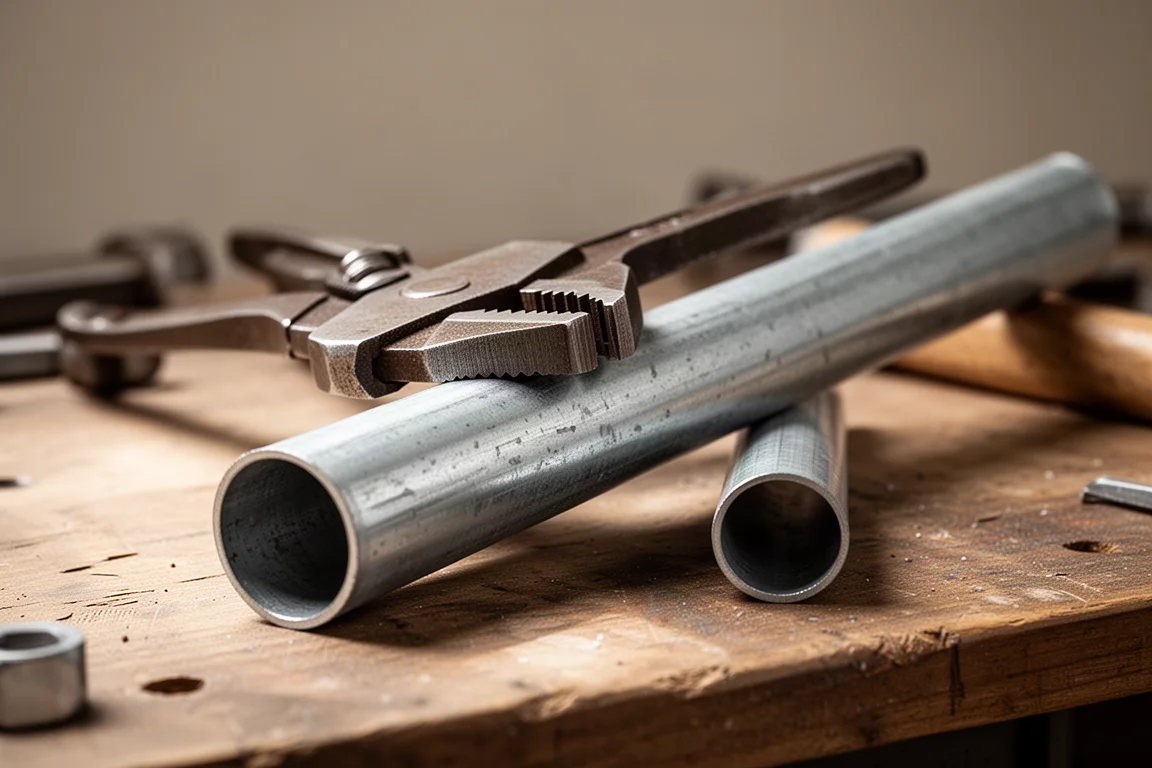
If your work leans toward plumbing or conduit, the 410 makes a stronger case. It grips pipe well, especially in its sweet spot, and the tooth geometry tightens under load in the direction of rotation. The Raptor, by contrast, risks crushing thin pipe walls rather than turning them.
On large fasteners, the Channellock can reach bigger sizes, though operating on the handle gets awkward at the top of its range. Neither tool is a true replacement for a proper pipe wrench or large adjustable pliers, but the 410 gets closer to that pipe-grabbing role.
Buying Advice
If you regularly work on hex fasteners and want a precise, confident lock-up with a ratchet-like re-grip, the Knipex Raptor is the more refined choice. If you want a versatile grab-all for pipe, conduit, and odd jobs where aggressive teeth are an asset, the Channellock 410 Nutbuster earns its place. Owning both is less redundant than it sounds, because they genuinely do different things.
Conclusion
The Channellock 410 Nutbuster is not a Knipex Raptor replacement or even a direct competitor. One is a toothed grabber tuned for unusual angles and pipe-friendly bites; the other is a smooth-jawed hex specialist with the better fastener feel. Matching the tool to the job matters more here than with most plier comparisons.
Further reading
Related Reviews
Hand Tools
Best Diagonal Cutters 2026: 16 Pliers Tested for Cutting Power and Durability
We put 16 diagonal cutters through nail, screw, drill bit, and hex key tests to find the best value picks for your toolbox.
Hand Tools
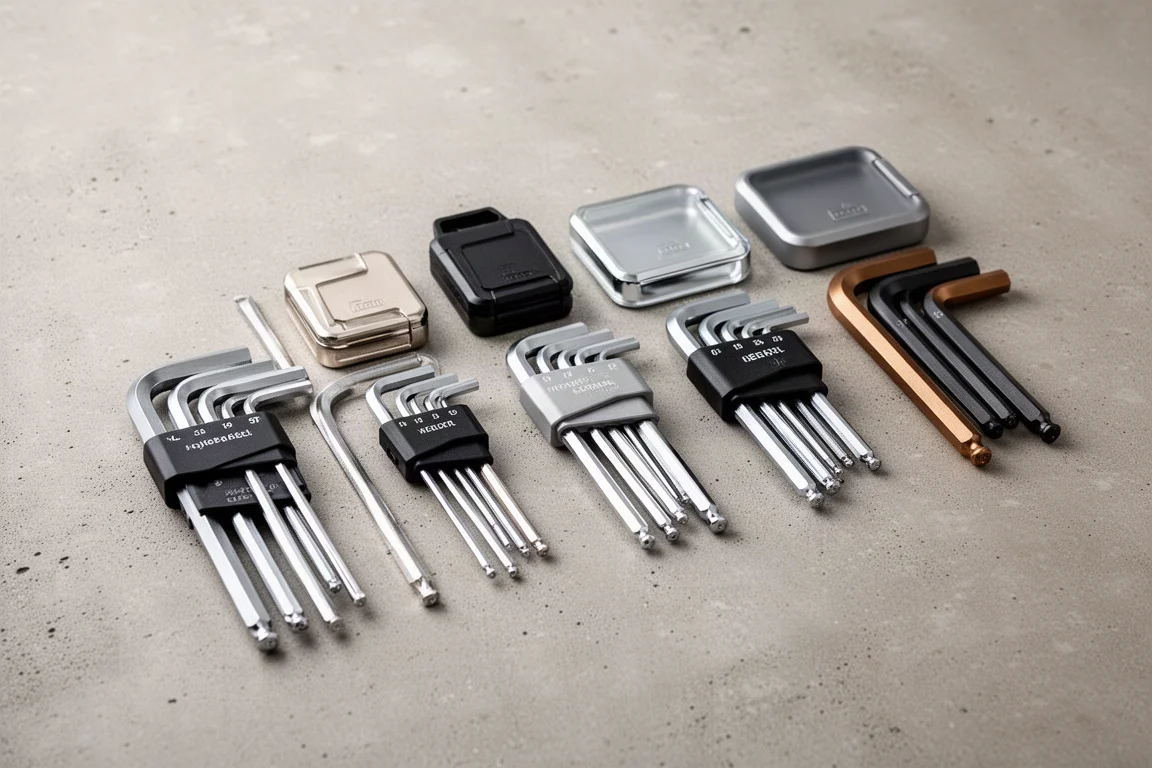
Best Hex L Key Sets 2026: Nine Sets Tested for Real-World Torque
Nine hex L key sets from budget to premium, tested for torque, fit, and durability. See which sets deliver real performance and which ones to skip.
Hand Tools
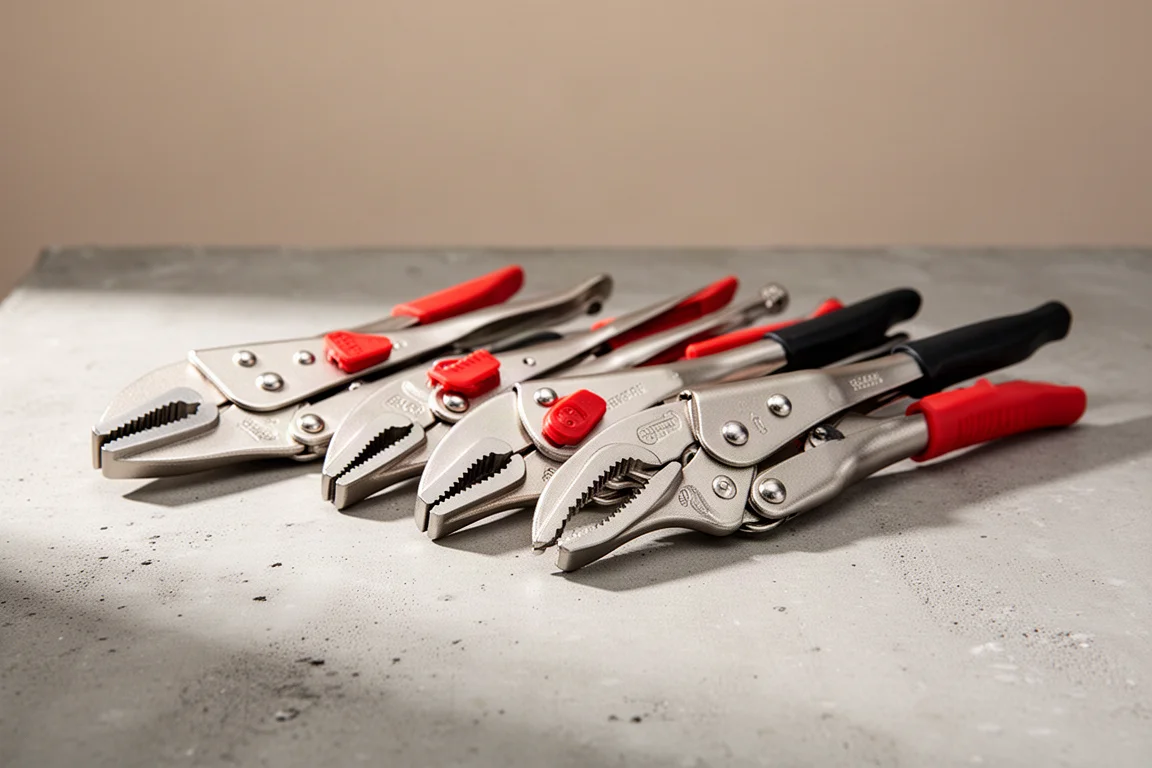
Best Locking Pliers 2026: Top Picks Tested for Grip and Durability
We tested 18 brands of 10-inch locking pliers for grip strength, jaw bite, build quality, and ease of release to find the best options for tough jobs.